Zero waste cooking is often misunderstood as austerity. In practice, it is a creativity framework: every ingredient has a first use, second use, and backup transformation.
What zero waste cooking looks like in real life
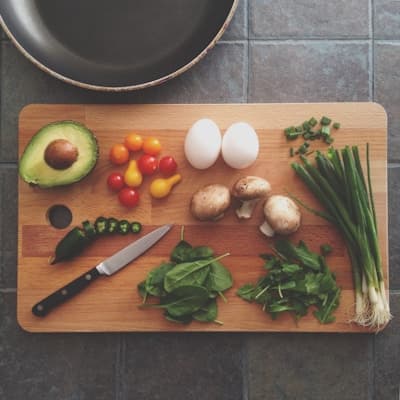
The best zero waste cooking tips are operational. Keep peels for stock, stale bread for crumbs, herb stems for sauces, and citrus skins for infusions.
Waste drops when ingredients are assigned multiple outcomes before prep begins.
Scrap-to-flavor conversions
- Carrot tops into pesto.
- Broccoli stems into slaw.
- Parmesan rinds into soups and beans.
- Stale bread into pangrattato.
- Citrus peels into tea or marinades.
Weekly leftover strategy
- Cook one neutral base: grains, beans, or potatoes.
- Prepare one herb sauce and one acidic dressing.
- Assign leftovers to bowls, wraps, or soups.
- Freeze extra in single-use labeled portions.
“Waste is usually a planning problem before it is a kitchen problem.”
Zero waste methods lower grocery spending and expand your creative range with the ingredients you already have.
#sustainable#organic#slowfood
Elara Vance
Elara documents low-waste cooking systems and sustainable food habits for busy households.
Comments
Loading comments...