

Have you ever wondered what makes Desi food and Western cuisine so different from each other? While desi cooking is famous for bold spices, rich flavors, aromatic ingredients, and traditional cooking methods, Western cooking is known for simplicity, balanced flavors, creamy textures, and modern techniques. The difference between Desi vs Western cooking is not only about taste but also about culture, family traditions, ingredients, and the way food brings people together. From homemade curries and spice blends to pasta, grilled dishes, and baked foods, both cuisines offer unique experiences that reflect their history and lifestyle.
Desi vs Western Cooking: What’s Really Different?
If you have ever tasted both desi food and Western food, you already know they feel completely different. One is bold, spicy, and rich in aroma. The other is creamy, simple, and balanced in flavor. However, the difference goes far beyond taste. Indian cuisine and Western cuisine reflect culture, traditions, emotions, and cooking styles that have evolved for generations.
The Flavor Profile: Bold vs Balanced
First of all, the biggest difference between desi food and Western cuisine is the flavor profile.
Desi Food Is Rich and Spicy
Traditional Desi cuisine focuses on strong flavors. Every bite is designed to feel exciting. Desi dishes usually include:
- Spices
- Herbs
- Aromatic ingredients
- Tangy flavors
- Smoky textures
- Layered seasoning
Popular spices used in desi cooking include:
- Turmeric
- Garam masala
- Chili powder
- Cumin
- Coriander
- Ginger
- Garlic
These spices create the bold flavor profile people associate with homemade desi food.
Dishes like biryani, butter chicken, daal, and curry are famous because of their deep and rich taste. The use of onion, tomato, ginger, garlic, and spice blends creates a strong aroma that instantly fills the kitchen.
Western Food Focuses on Mild and Creamy Flavors
In comparison, Western cuisine usually focuses on simplicity. Most Western dishes highlight the natural flavor of ingredients rather than heavy seasoning.
Common ingredients in Western cooking include:
- Butter
- Cheese
- Cream
- Olive oil
- Herbs
- Black pepper
Instead of strong spice blends, Western cooking often uses herbs such as:
- Thyme
- Oregano
- Rosemary
- Basil
Western dishes are often:
- Creamy
- Mild
- Buttery
- Cheesy
- Balanced
Foods like pasta, grilled chicken, burgers, sandwiches, and baked dishes usually have lighter seasoning compared to desi food.
Why Desi Food Uses More Spices
In addition to rich flavors, spices play a huge role in Desi Food.
Spices Add Layers of Flavor
In desi cooking, spices are not added randomly. Each spice has a purpose. Some add heat while others create aroma or depth.
For example:
- Turmeric adds earthiness and color
- Chili adds heat
- Garam masala adds warmth
- Cumin creates smokiness
- Coriander balances flavor
Tempering Is a Key Cooking Method
Many desi dishes begin with tempering spices in hot oil or ghee. This process releases aroma and intensifies flavor.
The smell of ginger garlic paste frying in oil instantly creates comfort and nostalgia for many people. This emotional reaction is one reason why homemade curries feel special.
Western cooking usually does not rely on this spice-layering method. Instead, ingredients are cooked more simply to preserve their original taste.
Cooking Techniques: Desi vs Western Cooking
Moreover, the cooking methods used in both cuisines are very different.
Traditional Desi Cooking Methods
Desi cooking techniques often require patience and slow cooking.
Popular techniques include:
- Slow simmering curries
- Tandoor cooking
- Deep frying
- Dum cooking
- Roasting spices
- Tempering oil with spices
Many dishes are cooked for a long time so flavors blend deeply together.
For example, biryani uses layered rice, meat, herbs, and spices cooked slowly to create aroma and texture.
Western Cooking Methods
Western cooking often focuses on faster and simpler methods such as:
- Baking
- Grilling
- Roasting
- Pan frying
- Boiling
- Air frying
Western dishes also focus heavily on texture. Crispy bread, grilled meat, creamy pasta, and baked casseroles are examples of texture-focused cooking.
The preparation is usually less complex compared to traditional cooking methods in South Asian cuisine.
Rice, Bread, and Meal Structure Differences
Besides flavor and spices, meal structure also separates desi food from Western food.
Another major difference between desi food and Western food is meal structure.
Desi Meals Are Larger and More Layered
A typical desi meal may include:
- Curry
- Rice
- Roti or naan
- Pickles
- Salad
- Yogurt
- Chutneys
Meals are often shared with family members. This family-style eating is deeply connected to South Asian culture.
Rice and flatbread play a major role in Desi cuisine. Popular breads include:
- Roti
- Naan
- Paratha
- Chapati
Western Meals Are Often Simpler
Western meals usually focus on one main item with side dishes.
Examples include:
- Steak with mashed potatoes
- Pasta with garlic bread
- Burgers with fries
- Grilled chicken with salad
Bread is more common than rice in many Western countries.
Popular bread-based foods include:
- Sandwiches
- Toast
- Burgers
- Pizza
- Bagels
The meal presentation is usually cleaner and simpler compared to the layered structure of desi food.
The Emotional Connection With Homemade Desi Food
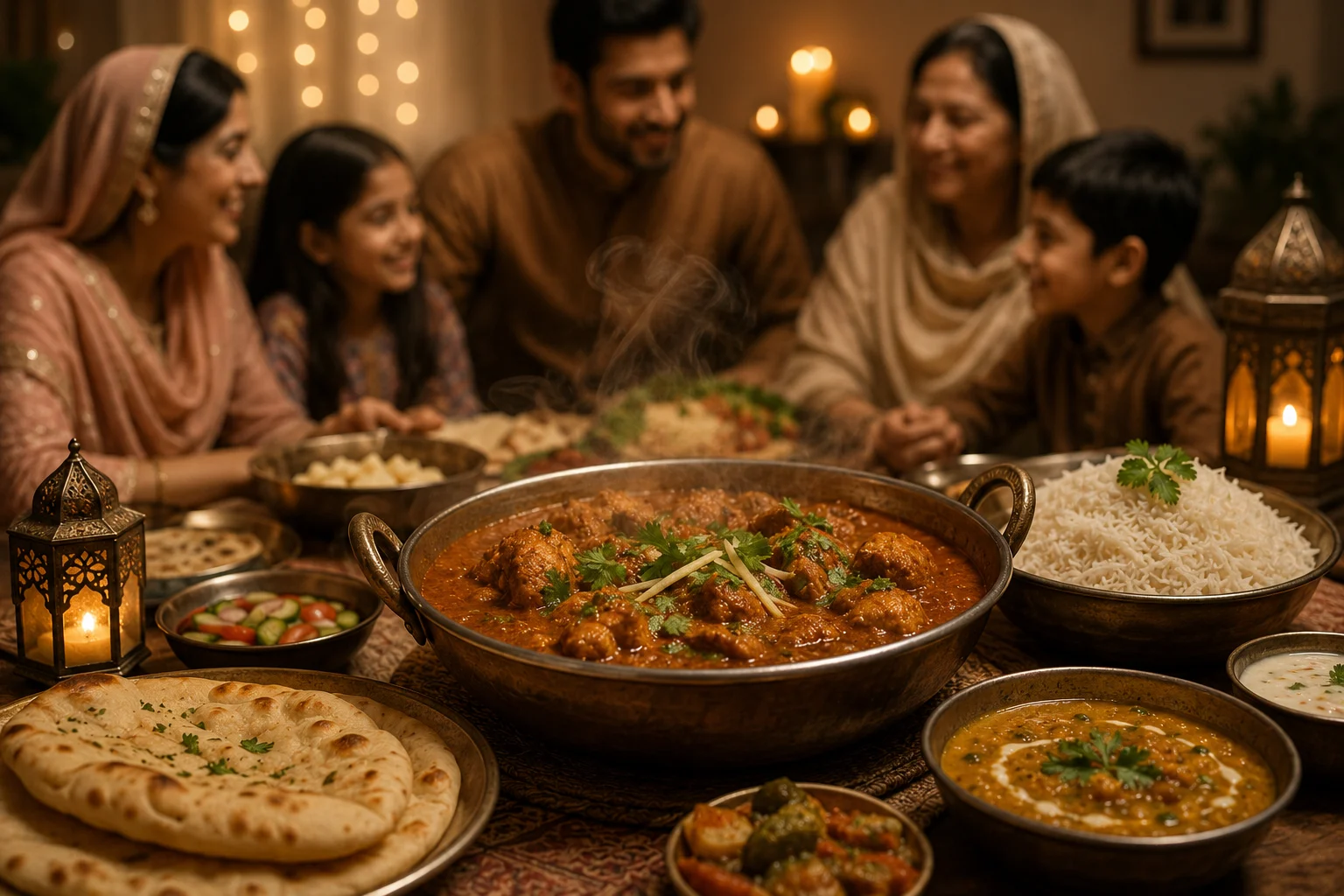
Most importantly, many people feel emotionally connected to homemade desi food.
Desi Food Feels Personal
Many people connect desi meals with:
- Childhood dinners
- Family gatherings
- Eid celebrations
- Weddings
- Weekend lunches
- Street food memories
The smell of spices cooking in oil instantly reminds people of home.
This emotional attachment is very strong in South Asian households. Recipes are often passed from one generation to another.
Mothers and grandmothers usually prepare meals using traditional methods that create comfort and nostalgia.
Western Food Often Focuses on Convenience
Western food culture includes many fast and convenient meals.
Examples include:
- Frozen dinners
- Ready-made sauces
- Fast food burgers
- Instant pasta
- Sandwich meals
Although homemade Western meals can also feel comforting, the emotional connection with desi cooking tends to be stronger because food is closely tied to family traditions.
Why Desi Food Feels More Aromatic
As a result of heavy spice use, Desi Food often feels more aromatic.
Aromatic Spices Create Strong Smells
When spices like cumin, garlic, ginger, and onion cook together, they create a rich aroma that spreads through the house.
This smell becomes part of memory.
That is why many people instantly feel hungry or nostalgic when they smell curry or fresh naan.
Western Cuisine Uses Lighter Aromas
Western food usually creates softer smells.
For example:
- Freshly baked bread
- Melted butter
- Roasted chicken
- Herbs in pasta sauce
These aromas are pleasant but less intense compared to the spice-heavy fragrance of desi food.
Nutritional Differences Between Desi and Western Food
At the same time, many people also compare both cuisines from a health perspective.
People often ask which cuisine is healthier.
The answer depends on ingredients and cooking style.
Healthy Side of Desi Food
Traditional Indian cuisine can be very nutritious because it includes:
- Lentils
- Vegetables
- Yogurt
- Whole spices
- Rice
- Whole wheat bread
Many spices also have health benefits.
For example:
- Turmeric contains antioxidants
- Ginger supports digestion
- Garlic may improve immunity
However, heavy oil and fried foods can increase calories.
Healthy Side of Western Cuisine
Western cuisine also includes healthy foods such as:
- Grilled meat
- Salads
- Roasted vegetables
- Olive oil
- Soup
- Whole grain bread
Yet processed foods and fast food meals can contain high amounts of sugar, sodium, and unhealthy fats.
Both cuisines can be healthy when prepared with balance.
Spice Blends vs Herbs
Another major difference between both cuisines is the use of herbs and spices.
Indian Cuisine Relies on Spice Blends
Desi dishes often use multiple spices together.
Popular spice blends include:
- Garam masala
- Chaat masala
- Curry powder
- Tandoori masala
Each blend creates a unique flavor profile.
These spice combinations are what make Desi Food taste complex and rich.
Western Cuisine Focuses on Herbs
Western cooking uses herbs more heavily than spices.
Common herbs include:
- Oregano
- Basil
- Parsley
- Thyme
- Rosemary
Herbs create freshness and balance rather than strong heat.
Street Food Culture: Desi vs Western
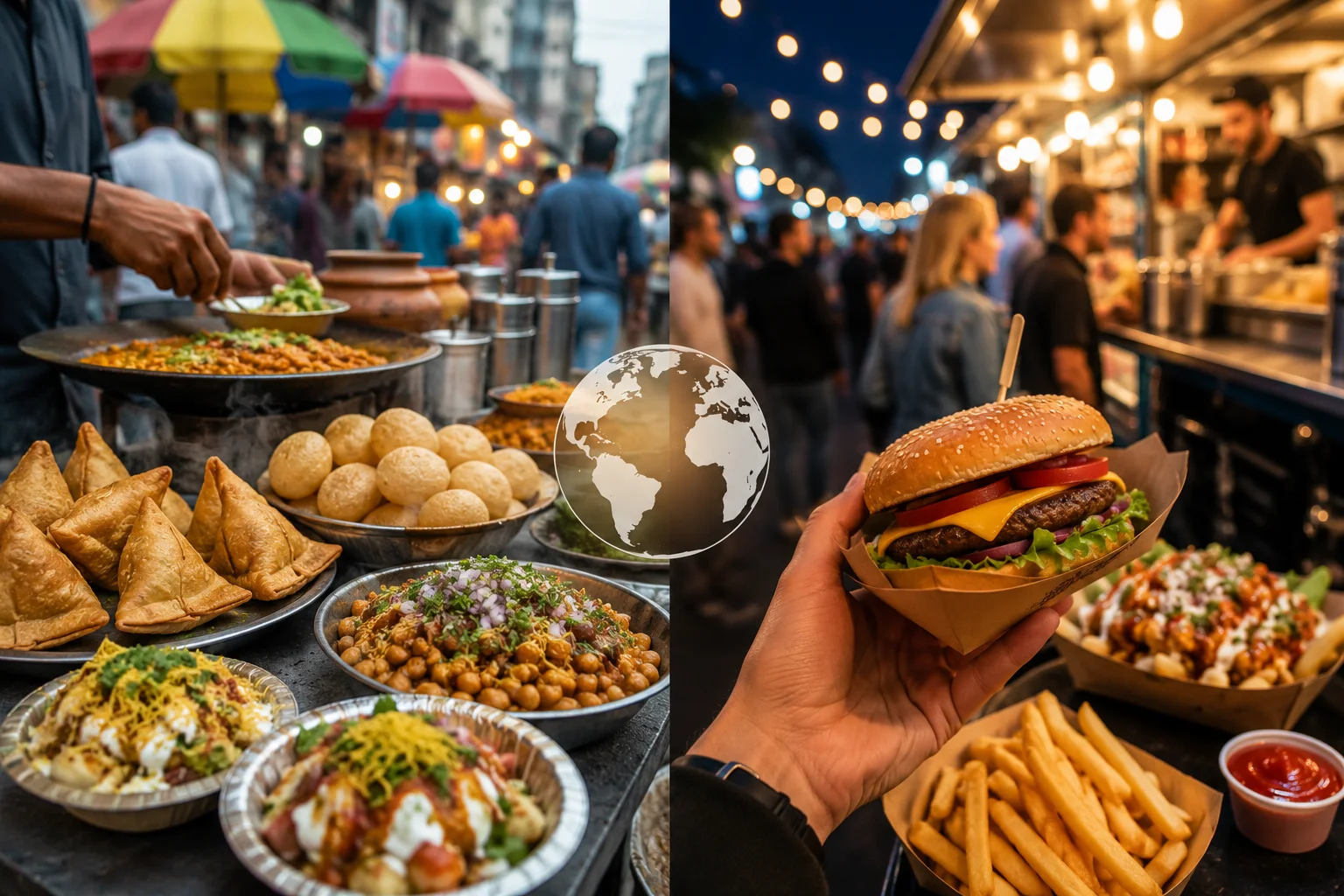
Likewise, street food culture highlights the contrast between both cooking styles.
Desi Street Food Is Bold and Exciting
South Asian street food is known for:
- Spicy sauces
- Tangy chutneys
- Crispy textures
- Fried snacks
- Rich flavor combinations
Popular examples include:
- Samosa
- Chaat
- Pakora
- Gol gappa
- Bun kebab
These foods are famous for their explosive flavors.
Western Street Food Is Simpler
Western street food usually focuses on convenience and portability.
Popular options include:
- Hot dogs
- Burgers
- Fries
- Pizza slices
- Sandwiches
The flavors are often simpler but still satisfying.
Family Culture Around Food
Furthermore, food culture shapes how people eat and connect with others.
Desi Meals Bring Families Together
In many South Asian homes, meals are shared together. Cooking itself becomes a family activity.
People spend time:
- Preparing spices
- Rolling roti
- Cooking curries
- Serving guests
- Sharing desserts
Food becomes a symbol of hospitality and love.
Western Meals Are More Individual
Western culture often supports faster lifestyles.
People may eat:
- On the go
- At work
- Alone
- In restaurants
- While traveling
Family dinners still exist, but the eating structure is usually more individual compared to desi food culture.
Texture Differences in Cooking
Not only flavors but also textures make these cuisines unique.
Desi Food Focuses on Sauce and Richness
Many desi dishes are:
- Thick
- Saucy
- Creamy
- Tender
- Layered
Curries, lentils, gravies, and rice dishes create soft textures mixed with spice.
Western Cuisine Focuses on Contrast
Western dishes often balance textures like:
- Crispy bread
- Juicy meat
- Crunchy salads
- Creamy sauces
- Melted cheese
Texture contrast is a major part of Western cooking.
Why Desi Food Feels More Complex
Because of layered cooking methods, Indian cuisine often feels more complex.
Many people describe Indian cuisine as more complex.
This complexity comes from:
- Spice layering
- Long cooking times
- Multiple ingredients
- Rich sauces
- Regional cooking styles
For example:
- Punjabi food is buttery and rich
- South Indian food uses coconut and curry leaves
- Bengali cuisine uses mustard oil and fish
- Hyderabadi food focuses on aromatic rice dishes
Western cuisine also has regional diversity, but desi cooking often feels more intense because of the strong spice combinations.
Desi Food vs Western Food: Which One Is Better?
Ultimately, choosing between both cuisines depends on personal preference.
There is no single winner in the Desi vs Western cooking debate.
Both cuisines offer unique experiences.
Why People Love Desi Food
People enjoy desi food because it is:
- Rich in flavor
- Aromatic
- Emotional
- Filling
- Traditional
- Diverse
The combination of spices and family culture makes it unforgettable.
Why People Love Western Food
Western cuisine is loved because it is:
- Simple
- Comforting
- Creamy
- Quick to prepare
- Balanced
- Texture-focused
Many people also enjoy the convenience of Western meals.
In reality, both cuisines can complement each other beautifully.
The Global Popularity of Desi Food
Today, both cuisines are popular around the world.
Over the years, Desi cuisine has become globally popular.
Restaurants serving:
- Butter chicken
- Chicken tikka masala
- Biryani
- Naan
- Curry dishes
can now be found almost everywhere.
People across the world love the bold flavors and aromatic spices found in authentic Indian cuisine.
At the same time, Western foods like burgers, pizza, pasta, and sandwiches have also become extremely popular in South Asia.
This cultural exchange has created fusion foods that combine both cooking styles.
Examples include:
- Tandoori pizza
- Butter chicken pasta
- Masala burgers
- Curry wraps
Fusion cuisine continues to grow because people enjoy experimenting with flavor.
Homemade Cooking vs Restaurant Food
Many people believe homemade meals taste better than restaurant food.
Homemade Desi Food Feels Authentic
Homemade curries and rice dishes often feel warmer and more comforting.
This happens because home cooking includes:
- Fresh ingredients
- Slow cooking
- Family recipes
- Personal care
- Traditional spice blends
Many South Asian families prepare masala from scratch instead of using packaged seasoning.
This creates deeper flavor and aroma.
The emotional connection with homemade desi food also makes meals more satisfying.
Restaurant Food Focuses on Consistency
Restaurants often focus on:
- Presentation
- Speed
- Consistency
- Customer preference
- Modern flavors
As a result, restaurant food may feel less personal compared to homemade meals.
Still, both restaurant dining and home cooking have their own charm.
Why Desi Food Feels More Filling
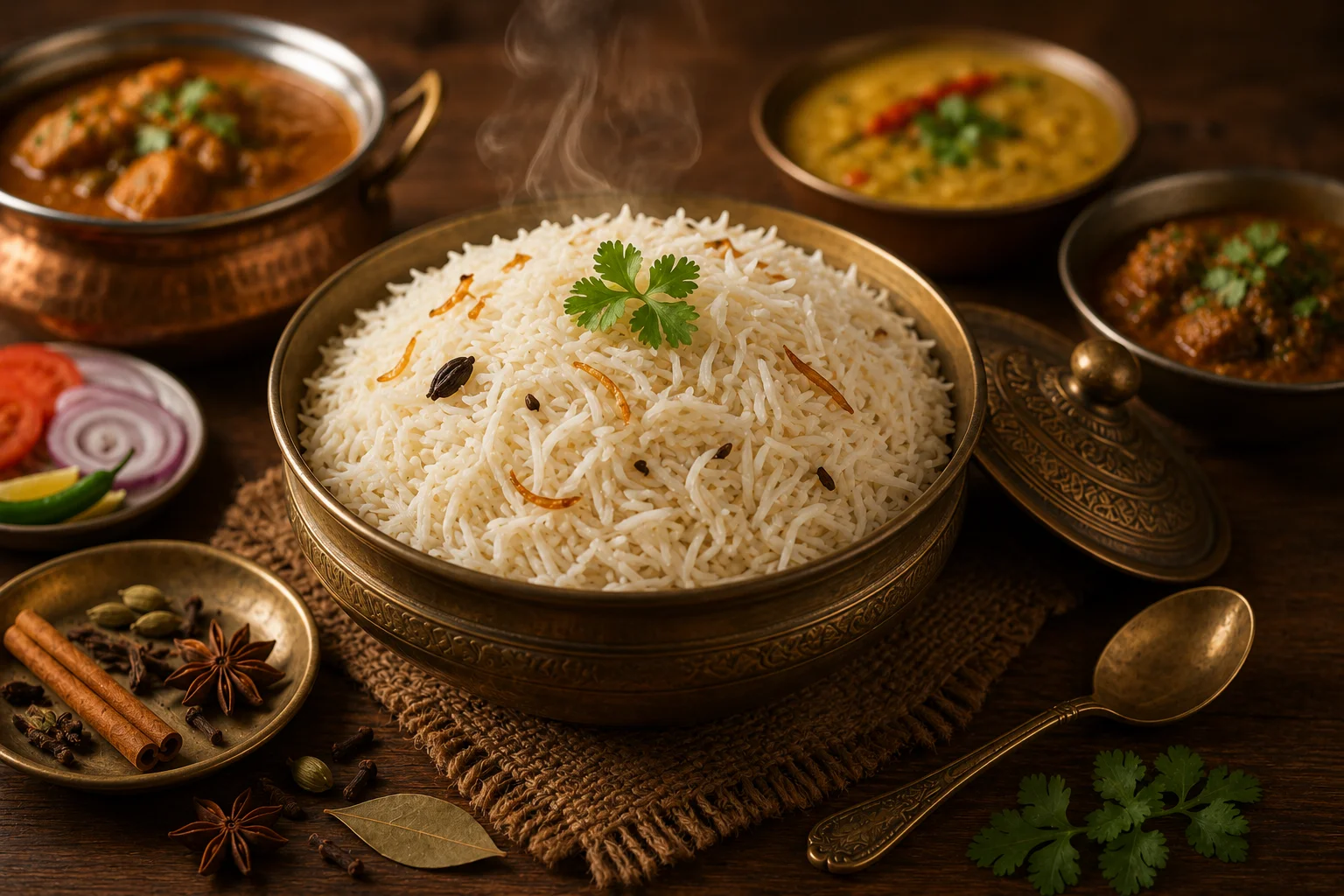
Many people feel full faster after eating desi food.
Rich Ingredients Create Satisfaction
Desi meals usually contain:
- Rice
- Roti
- Lentils
- Curry
- Yogurt
- Meat
- Vegetables
The combination of carbohydrates, protein, and spices creates a heavy and satisfying meal.
Slow-cooked curries also feel richer because they contain layered flavors and thick sauces.
Western Meals Can Feel Lighter
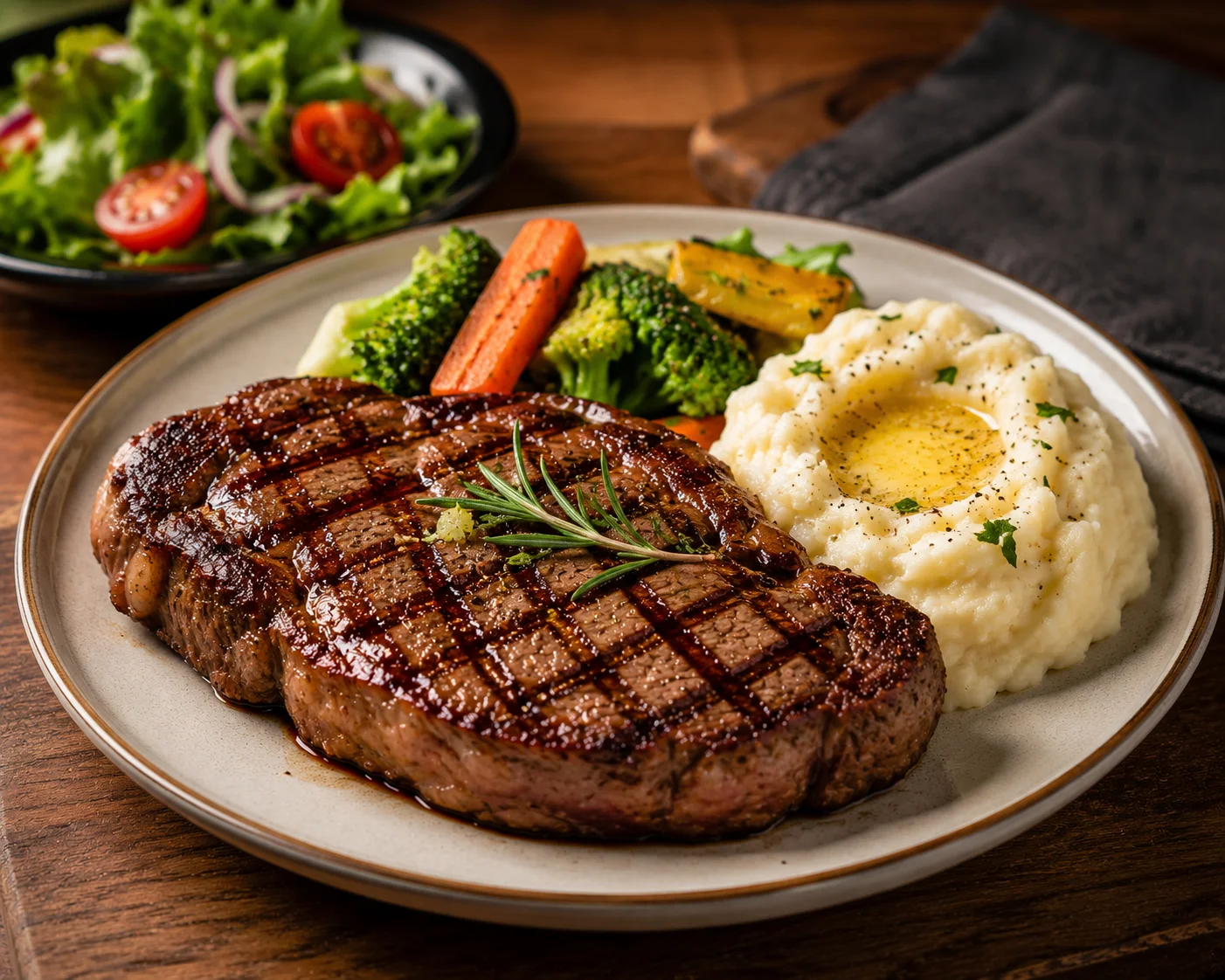
Western dishes may feel lighter because they often include:
- Salads
- Grilled meat
- Bread
- Soup
- Pasta
Portion styles are also different.
Desi meals usually include multiple dishes on one table while Western meals often focus on one main dish.
The Role of Hospitality in Desi Food Culture
Hospitality is deeply connected to desi food culture.
Guests Are Treated With Special Meals
In many South Asian homes, guests are welcomed with food immediately.
Families often prepare:
- Biryani
- Kebabs
- Curry dishes
- Tea
- Desserts
- Snacks
Serving food is seen as a sign of love and respect.
During festivals and celebrations, families prepare large meals for relatives and neighbors.
This strong hospitality culture makes homemade desi food feel even more meaningful.
Western Hospitality Is Different
Western culture also values hospitality, but meals are usually simpler.
People may invite guests for:
- Barbecue parties
- Pizza nights
- Dinner gatherings
- Holiday meals
The focus is often on convenience and social interaction rather than large multi-dish meals.
The Influence of Climate on Cooking Styles
Climate has also shaped both cuisines over time.
Hot Climates Encouraged Spice Usage
South Asian countries have warm climates. Historically, spices were used not only for flavor but also for preservation and health benefits.
Ingredients like:
- Turmeric
- Chili
- Garlic
- Ginger
became important in daily cooking.
Spicy foods also encourage sweating, which may help cool the body in hot weather.
Colder Regions Influenced Western Food
Many Western countries have colder climates.
As a result, people traditionally relied more on:
- Dairy products
- Meat
- Bread
- Cheese
- Butter
- Baked foods
These ingredients provide warmth and energy.
This is one reason why Western cuisine often includes creamy sauces and baked dishes.
Modern Food Trends and Fusion Cuisine
Today, food cultures are blending together.
Fusion Foods Are Becoming Popular
Modern chefs often combine desi cooking with Western dishes.
Popular fusion foods include:
- Butter chicken pizza
- Tandoori burgers
- Masala fries
- Curry pasta
- Naan tacos
- Chicken tikka wraps
These combinations allow people to enjoy the best parts of both cuisines.
Social Media Increased Food Popularity
Platforms like YouTube, Instagram, and TikTok have made global food trends more popular.
People now experiment with:
- Homemade curries
- Pasta recipes
- Fusion snacks
- Street food ideas
- International desserts
As a result, both Indian cuisine and Western cuisine continue to influence each other.
Why Food Preferences Differ From Person to Person
Food preference is personal. Some people love spicy curries while others prefer creamy pasta or grilled meat.
Culture Shapes Taste
People usually enjoy the foods they grow up eating.
For example:
- South Asians often prefer spicy food
- Europeans may enjoy mild seasoning
- Americans may like fast and convenient meals
Taste develops through childhood memories and family traditions.
Exposure Changes Preferences
At the same time, travel and social media expose people to new cuisines.
Someone who grows up eating desi food may later enjoy burgers, pasta, or tacos.
Likewise, many Western food lovers become fans of:
- Biryani
- Butter chicken
- Samosas
- Naan
- Curry dishes
This exchange of food culture helps people connect globally.
FAQs
Why does desi food taste stronger than Western food?
Desi food uses more spices, layered seasoning, and slow cooking techniques. These methods create deeper and richer flavors compared to Western cuisine.
Why is Western food usually milder?
Western cooking focuses more on natural ingredient flavors, herbs, butter, and creamy textures rather than intense spice blends.
Is Desi cuisine healthier than Western cuisine?
Both cuisines can be healthy or unhealthy depending on ingredients and cooking methods. Balanced meals with fresh ingredients are healthier in any cuisine.
Why does homemade desi food feel emotional?
Many people associate homemade desi food with family gatherings, celebrations, childhood memories, and comfort.
What makes Desi Food so aromatic?
The use of spices like ginger, garlic, cumin, turmeric, and garam masala creates strong aromas that make Desi Food unforgettable.
Conclusion
The real difference between desi food and Western food goes far beyond spice levels. It is about culture, emotions, traditions, family habits, cooking methods, aroma, and flavor philosophy.
Desi cuisine focuses on bold flavors, aromatic spices, rich sauces, and emotional connection. Western cuisine focuses on simplicity, balance, texture, and convenience. Both styles of cooking are special in their own way.
Whether you enjoy spicy curries, creamy pasta, smoky barbecue, or buttery naan, food always connects people together.
If you love exploring flavors, try experiencing both cuisines with an open mind. You may discover that the best meals come from combining traditions, cultures, and memories on one plate.
For more food comparisons, cooking insights, and lifestyle guides, keep exploring Lagrub and discover the stories behind the meals people love every day.

Maimoona Ehtisham
Maimoona Ehtisham writes for LaGrub on cooking, recipes, and mindful culinary living.
Get a desi recipe worth cooking, every week
One tested recipe a week. Nothing else, and unsubscribe any time.


