


Want to learn how to make yogurt at home desi style? This easy guide shows you how to prepare thick, creamy homemade dahi using fresh milk and a simple starter culture. Follow these traditional steps to enjoy delicious, probiotic-rich yogurt that is perfect for everyday meals and South Asian recipes.
How to Make Yogurt at Home Desi Style
If you want to learn how to make yogurt at home desi style, you are in the right place. Homemade dahi is fresh, creamy, nutritious, and surprisingly easy to prepare. With fresh milk, a small amount of starter yogurt, and the right temperature, you can make thick, delicious yogurt that tastes better than many store-bought options.
Why Homemade Desi Yogurt Is So Popular

Homemade yogurt, commonly called dahi, has been a part of South Asian kitchens for generations. In Pakistan and India, families often prepare fresh yogurt every few days because it is affordable, healthy, and incredibly versatile.
Unlike many commercial yogurts that may contain preservatives or added flavors, homemade dahi contains only a few simple ingredients. It has a naturally rich taste and can be enjoyed with breakfast, lunch, dinner, or even desserts.
Fresh yogurt is used to prepare raita, lassi, marinades, curries, kadhi, smoothies, dips, and many traditional dishes. Because of its creamy texture and mild flavor, it complements both savory and sweet recipes.
Another reason people love homemade yogurt is that it allows complete control over the ingredients. You can choose fresh milk, decide how thick you want the yogurt, and avoid unnecessary additives.
What Is Desi Yogurt?
Before learning how to make yogurt at home desi style, it helps to understand what makes desi yogurt unique.
Desi yogurt, also known as dahi, is made by fermenting warm milk with a small amount of plain yogurt that contains live active cultures. These beneficial bacteria convert the natural sugars in milk into lactic acid, giving yogurt its slightly tangy flavor and creamy texture.
Although the words yogurt and dahi are often used interchangeably, traditional desi yogurt usually has a richer consistency because it is commonly prepared using full-fat milk and allowed to ferment naturally.
The process has remained almost unchanged for centuries, making homemade dahi one of the simplest fermented foods you can prepare.
Ingredients You Need
One of the best things about making yogurt at home is that it requires very few ingredients.
You will need fresh whole milk or full-fat milk and two tablespoons of plain yogurt containing live cultures. This yogurt acts as the starter culture, helping fresh milk transform into creamy homemade dahi.
If you prefer an even richer texture, buffalo milk is an excellent choice because of its naturally higher fat content. Cow's milk also works well and produces smooth, delicious yogurt.
Always use fresh milk and a good-quality starter because both ingredients directly affect the final result.
Choosing the Best Milk
The quality of the milk plays the biggest role in determining how thick and creamy your yogurt becomes.
Full-fat milk usually produces the richest homemade yogurt because it contains more natural milk fat.
Whole milk is another excellent choice for everyday use, creating yogurt that is smooth, creamy, and easy to set.
Buffalo milk naturally makes thicker yogurt because it contains more solids and fat than cow's milk. This is why many traditional households prefer it for preparing desi dahi.
Low-fat or skim milk can also be used, but the yogurt will usually be thinner and less creamy.
Whatever milk you choose, always make sure it is fresh and properly stored before using it.
Why the Starter Culture Is Important
The starter culture is the key ingredient that turns milk into yogurt.
Plain yogurt with live active cultures contains beneficial bacteria that begin the fermentation process. These natural bacteria multiply while the milk rests at a warm temperature, gradually thickening the milk and developing its characteristic flavor.
Using fresh starter yogurt produces more consistent results than using an older batch that has been stored for several days.
If your starter is weak, your yogurt may not set properly or may take much longer to ferment.
Many people reserve a few tablespoons from each homemade batch to use as the starter for the next one. This traditional method has been used in South Asian kitchens for generations.
Step-by-Step Guide to Making Yogurt at Home Desi Style
Learning how to make yogurt at home desi style becomes easy once you understand each step.
Step 1: Boil the Milk
Pour the milk into a clean saucepan and bring it to a gentle boil over medium heat.
Stir occasionally to prevent the milk from sticking to the bottom of the pan.
Boiling removes unwanted bacteria and slightly reduces the water content, helping produce thicker yogurt.
Once the milk reaches a full boil, allow it to simmer for a few minutes before removing it from the heat.
Step 2: Cool the Milk
After boiling, let the milk cool naturally.
This step is extremely important because adding the starter to very hot milk can destroy the beneficial bacteria needed for fermentation.
The milk should feel warm but comfortable to touch. If you have a kitchen thermometer, a temperature between 42°C and 45°C works well for setting yogurt.
Step 3: Add the Starter Yogurt
Place the starter yogurt into a clean bowl.
Add a few spoonfuls of warm milk and stir until completely smooth.
Then pour this mixture back into the remaining milk and mix gently until fully combined.
Avoid stirring too vigorously because gentle mixing helps maintain a smooth texture.
Step 4: Let the Yogurt Set
Transfer the milk into a clean glass bowl, stainless steel container, or traditional clay pot.
Cover it with a lid or clean cloth and place it in a warm area where it will not be disturbed.
Depending on the room temperature, the yogurt usually takes six to ten hours to set.
Warmer weather speeds up fermentation, while colder temperatures may require additional time.
Step 5: Refrigerate Before Serving
Once the yogurt has completely set, place it in the refrigerator for several hours.
Chilling helps the yogurt become firmer and enhances its creamy texture.
After refrigeration, your homemade desi yogurt is ready to enjoy.
Tips for Making Thick and Creamy Yogurt
If your goal is thick, creamy yogurt, a few simple techniques can make a noticeable difference.
Always use full-fat milk whenever possible because it naturally creates a richer texture.
Allow the milk to cool to the correct temperature before adding the starter culture.
Keep the yogurt in a warm, draft-free place while it ferments. Moving the container during this time may prevent the yogurt from setting evenly.
Using a fresh starter culture also improves both flavor and consistency.
Many families prefer setting yogurt in a traditional clay pot (matka) because the porous surface absorbs excess moisture, naturally producing thicker dahi.
Common Mistakes to Avoid
Many beginners experience problems simply because one small step is overlooked.
Adding the starter while the milk is too hot is one of the most common mistakes because excessive heat destroys the live cultures.
Using milk that is too cold also slows fermentation and may prevent the yogurt from setting.
Another mistake is disturbing the container while the yogurt is fermenting. Shaking or moving it too often can interrupt the setting process.
Finally, avoid using an old or weak starter culture. Fresh yogurt with active cultures produces the most reliable results and creates smooth, creamy homemade dahi every time.
How to Know When Your Yogurt Has Set Properly
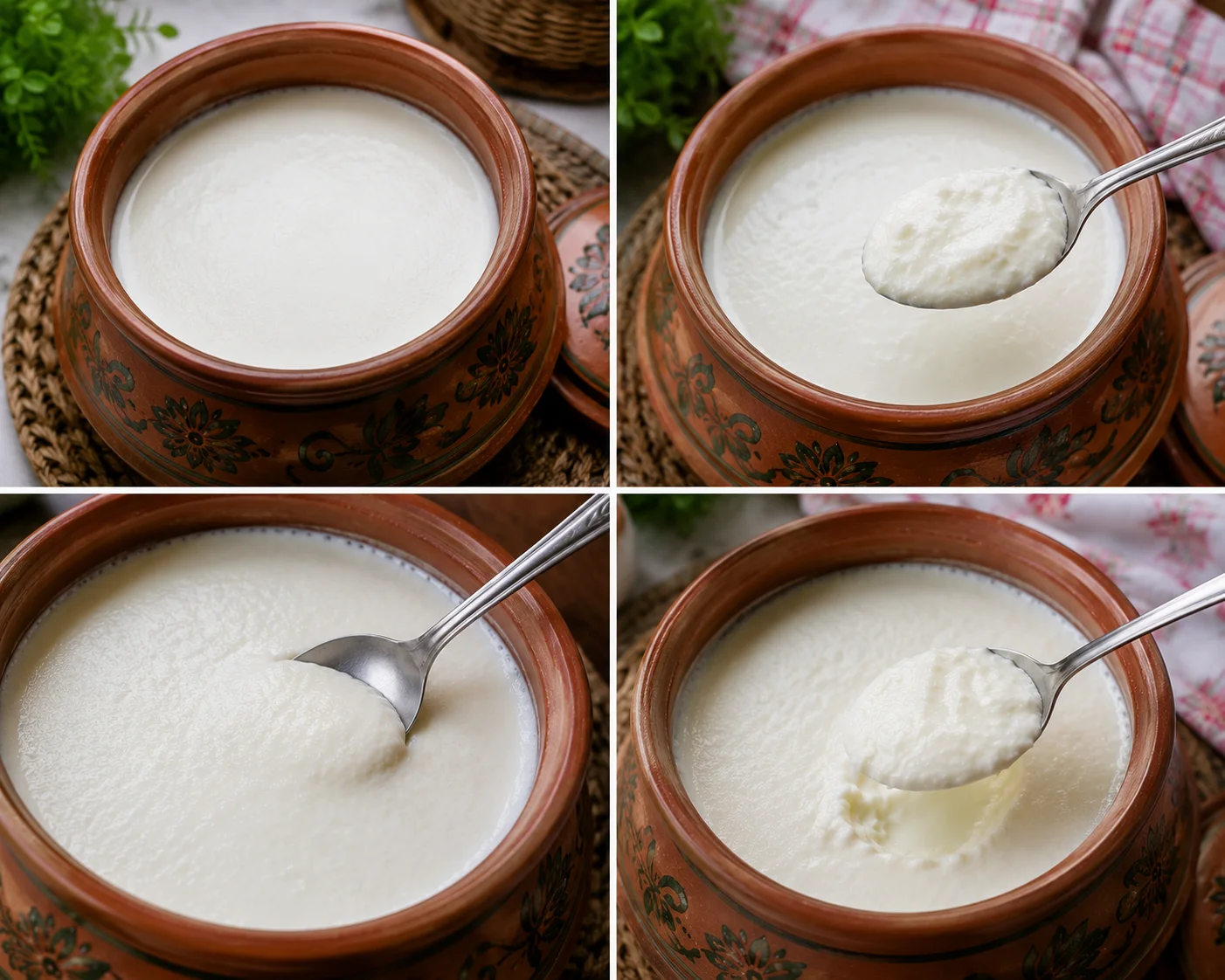
Once you learn how to make yogurt at home desi style, it becomes easy to recognize when the yogurt is ready.
A properly set yogurt should have a smooth, creamy surface without excess liquid. When you gently tilt the bowl, the yogurt should remain firm with only slight movement. It should have a mild, fresh aroma and a pleasant tangy taste.
A small amount of whey, the pale yellow liquid on top, is completely normal. Simply stir it back into the yogurt for a creamier consistency or pour it off if you prefer thicker dahi.
If the yogurt still looks like milk after several hours, it usually needs more fermentation time or the starter culture was not active enough.
How to Make Yogurt Thicker Naturally
Many people prefer thick homemade dahi because it works well for raita, desserts, marinades, and everyday meals.
The easiest way to achieve thicker yogurt is by using full-fat or buffalo milk. Boiling the milk for a few extra minutes also helps because some of the water evaporates, increasing the milk solids.
Another traditional method is setting the yogurt in a clay pot (matka). The clay absorbs excess moisture during fermentation, giving the yogurt a naturally thick and creamy texture.
After the yogurt has set, refrigerate it for several hours before serving. Chilling helps it become even firmer.
If you need extra-thick yogurt for recipes such as dips or desserts, strain it through a clean muslin cloth for a few hours. This removes additional whey and creates a rich, creamy texture similar to Greek yogurt.
How to Store Homemade Yogurt
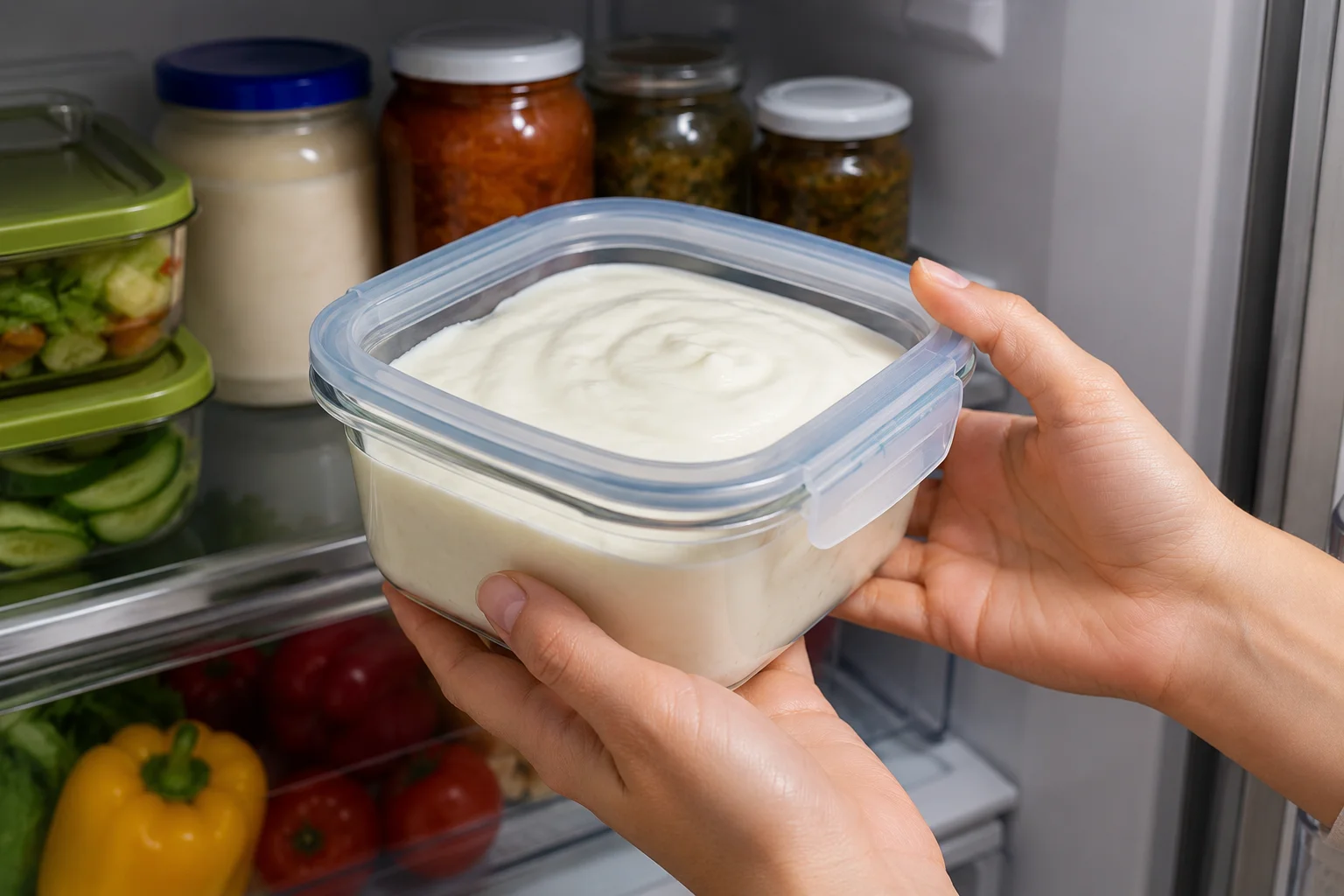
Proper storage keeps homemade yogurt fresh and delicious.
Once the yogurt has completely set, transfer it to the refrigerator immediately. Keeping it chilled slows fermentation and helps maintain its mild flavor.
Store the yogurt in a clean, airtight container to prevent it from absorbing odors from other foods.
Homemade yogurt usually stays fresh for about one week when refrigerated properly.
Before finishing a batch, remember to save two tablespoons as your starter culture for the next batch. This traditional practice makes it easy to prepare fresh yogurt regularly without buying new starter each time.
Health Benefits of Homemade Yogurt
One reason many families prefer homemade dahi is its nutritional value.
Yogurt is naturally rich in protein, calcium, phosphorus, vitamin B12, and other important nutrients that support overall health. It also contains probiotics, which are beneficial bacteria that help maintain a healthy digestive system.
Because homemade yogurt is prepared with simple ingredients, many people appreciate knowing exactly what goes into every batch.
Including yogurt in a balanced diet may support healthy digestion, strengthen bones, and provide a satisfying source of protein. It also pairs well with fruits, vegetables, grains, and traditional South Asian meals.
Delicious Ways to Use Homemade Desi Yogurt
Fresh homemade yogurt is one of the most versatile ingredients in the kitchen.
It can be served with warm parathas or flatbread for breakfast, enjoyed with fresh fruit, or blended into a refreshing lassi during hot weather.
Many traditional recipes rely on yogurt to create rich flavors and creamy textures. It is commonly used in raita, kadhi, marinades for grilled chicken, curries, kebabs, and rice dishes.
Yogurt also works beautifully in smoothies, salad dressings, dips, desserts, and baked recipes.
Because of its mild flavor, homemade dahi complements both spicy and sweet foods, making it a valuable ingredient for everyday cooking.
Homemade Yogurt vs Store-Bought Yogurt
Both homemade and store-bought yogurt have their advantages, but many people still prefer making yogurt at home.
Homemade yogurt offers complete control over the ingredients. You decide which milk to use, how thick the yogurt should be, and whether you want a mild or tangier flavor.
Store-bought yogurt is convenient and available in many varieties, but some products contain added sugar, flavorings, stabilizers, or preservatives.
Preparing yogurt at home is also cost-effective, especially for families who consume yogurt regularly.
Many people find that fresh homemade dahi has a richer taste and creamier texture than commercially produced yogurt.
Why Didn't My Yogurt Set?
If your yogurt did not set properly, don't worry. Even experienced cooks occasionally face this issue.
The most common reason is using milk that was too hot or too cold when adding the starter culture.
Another possibility is that the starter yogurt no longer contained enough live active cultures to begin fermentation.
Cold room temperatures can also slow the fermentation process. During winter, placing the container inside an oven with only the light turned on or wrapping it in a clean towel helps maintain warmth.
If the yogurt remains thin after several attempts, replacing the starter with fresh plain yogurt usually solves the problem.
Frequently Asked Questions
How to make yogurt at home desi style?
To make how to make yogurt at home desi style successfully, boil fresh milk, allow it to cool until warm, mix in a small amount of plain yogurt with live cultures, and let it ferment in a warm place for six to ten hours before refrigerating.
Which milk is best for homemade dahi?
Full-fat milk is the best choice because it produces rich and creamy yogurt. Buffalo milk creates the thickest texture, while whole cow's milk also gives excellent results.
How long does homemade yogurt take to set?
Most homemade yogurt sets within six to ten hours. During colder weather, fermentation may take a little longer.
Can I make yogurt without a yogurt maker?
Yes. Traditional desi yogurt does not require any special equipment. A saucepan, a clean bowl or clay pot, fresh milk, and a starter culture are all you need.
Why is my homemade yogurt sour?
Yogurt becomes more sour when it ferments for too long. Refrigerating it soon after it sets helps maintain a mild flavor.
Can I reuse homemade yogurt as a starter?
Yes. Save two tablespoons from a freshly prepared batch and use it as the starter for your next batch. This method has been used in South Asian kitchens for generations.
Can I freeze homemade yogurt?
Yes. Yogurt can be frozen, although its texture may change slightly after thawing. Frozen yogurt is still suitable for smoothies, marinades, and cooking.
Is homemade yogurt healthier than store-bought yogurt?
Homemade yogurt often contains only fresh milk and live cultures without unnecessary additives. It also allows you to control the ingredients and consistency.
Conclusion
Learning how to make yogurt at home desi style is one of the easiest ways to enjoy fresh, creamy, and nutritious homemade dahi. With just milk, a good starter culture, and a little patience, you can prepare delicious yogurt that is perfect for breakfast, lunch, dinner, or your favorite traditional recipes.
Whether you use it in raita, lassi, curries, marinades, desserts, or simply enjoy it on its own, homemade yogurt delivers a rich flavor and smooth texture that is difficult to match. By following the right steps, maintaining the proper fermentation temperature, and using fresh ingredients, you can achieve consistent results every time.
Now that you know how to make yogurt at home desi style, it's time to try it yourself. Explore more authentic recipes, beginner-friendly cooking guides, and traditional South Asian food tips on LaGrub, and bring the taste of homemade goodness to your kitchen every day.

Maimoona Ehtisham
Maimoona Ehtisham writes for LaGrub on cooking, recipes, and mindful culinary living.
Get a desi recipe worth cooking, every week
One tested recipe a week. Nothing else, and unsubscribe any time.


