

Wondering how to use ghee in cooking? Ghee is a versatile cooking fat that adds a rich, buttery flavor to everything from curries and rice to roasted vegetables and baked goods. In this guide, you'll learn the best ways to cook with ghee, its benefits, practical tips, and how to make it a delicious part of your everyday meals.
How to Use Ghee in Cooking
Cooking with ghee is one of the easiest ways to add rich flavor, aroma, and nutrition to your meals. If you're wondering how to use ghee in cooking, this guide covers everything you need to know, from choosing the right dishes to cooking techniques, benefits, and practical tips for everyday use in your kitchen.
What Is Ghee?
Before learning how to use ghee in cooking, it's important to understand what makes this traditional ingredient unique.
Ghee is a type of clarified butter made by slowly heating butter until the water evaporates and the milk solids separate. The remaining golden liquid is pure butterfat with a rich, nutty flavor and a smooth texture. Because the milk solids are removed, ghee has a longer shelf life than regular butter and can handle higher cooking temperatures.
For centuries, ghee has been a staple in Indian cuisine, Pakistani cuisine, and many Middle Eastern kitchens. Today, it has become popular around the world because of its versatility, delicious taste, and suitability for many diets.
Unlike regular butter, ghee has a high smoke point, making it an excellent cooking fat for sautéing, roasting, frying, and baking.
Why Use Ghee in Cooking?
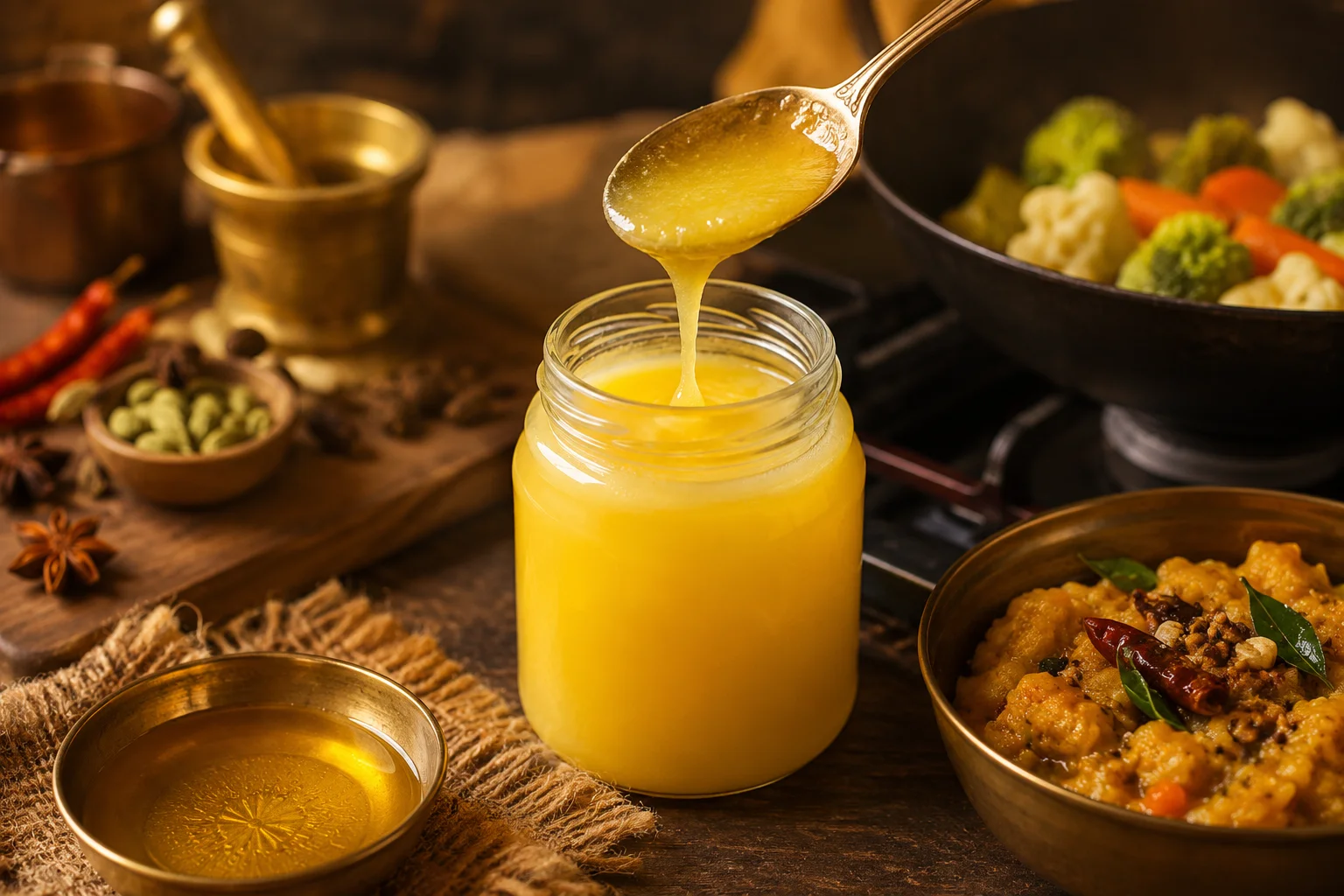
Many home cooks are replacing traditional cooking oil and butter with ghee because it offers several practical advantages. Understanding these benefits will help you decide when to cook with ghee instead of other fats.
It Handles High Heat Better
One of the biggest reasons people love cooking with ghee is its high smoke point, which is around 485°F (252°C). This means ghee stays stable at temperatures where butter may burn.
As a result, it's ideal for:
- Sauteing vegetables
- Pan-frying meat
- Roasting potatoes
- Stir-frying
- Shallow frying
Because it doesn't burn easily, your food develops a rich flavor without tasting bitter.
It Adds a Rich Buttery Flavor
Another reason to use ghee is its unique taste. During the clarification process, the butter develops a deep, slightly nutty aroma that enhances both simple and complex dishes.
Even a spoonful of ghee can transform:
- Plain rice
- Lentils (dal)
- Chicken curry
- Vegetable dishes
- Soups
- Homemade bread
Instead of overpowering ingredients, ghee enhances their natural flavors.
It Works in Many Types of Cooking
Whether you're preparing breakfast, lunch, dinner, or dessert, ghee for cooking fits into almost every meal.
From scrambled eggs in the morning to roasted vegetables at dinner, ghee is one of the most versatile ingredients you can keep in your kitchen.
How to Use Ghee in Cooking Every Day
Once you know the basics, using ghee becomes second nature. The good news is that you don't need special recipes. In most cases, you can simply replace butter or oil with ghee.
Use Ghee for Sauteing
Sautéing is one of the easiest ways to begin cooking with ghee.
Heat one or two teaspoons of ghee in a pan over medium heat before adding your ingredients. As the ghee melts, it coats the pan evenly and creates a flavorful base.
It works especially well with:
- Garlic
- Onions
- Ginger
- Mushrooms
- Bell peppers
- Spinach
- Green beans
The vegetables become tender while developing a rich, buttery flavor.
Cook Eggs with Ghee
If you've never tried eggs cooked in ghee, you're missing out.
Instead of using butter or vegetable oil, melt a small amount of ghee in your pan before adding:
- Fried eggs
- Scrambled eggs
- Omelets
- Egg bhurji
The eggs cook evenly and develop a delicious golden edge without sticking to the pan.
Use Ghee for Roasting Vegetables
Roasted vegetables become even more flavorful with ghee.
Simply coat vegetables like carrots, cauliflower, potatoes, broccoli, pumpkin, or sweet potatoes with melted ghee before seasoning them with herbs and spices.
As they roast, the ghee helps create crispy edges while keeping the inside soft and tender.
Cook Meat with Ghee
One of the best answers to how to use ghee in cooking is to use it for meat dishes.
Ghee pairs beautifully with:
- Chicken
- Beef
- Lamb
- Fish
Its high smoke point allows meat to brown properly while locking in moisture.
For example, when preparing chicken, heat a tablespoon of ghee first before adding garlic, onions, and spices. The result is a richer and more aromatic dish than one cooked with ordinary vegetable oil.
Make Better Curries
Traditional curries often begin with hot ghee.
Adding whole spices such as cumin seeds, cloves, cinnamon, bay leaves, or cardamom directly into warm ghee releases their natural oils and intensifies their aroma.
This simple technique creates a flavorful base for:
- Chicken curry
- Beef curry
- Vegetable curry
- Butter chicken
- Lentil curry
- Chickpea curry
Many authentic South Asian recipes rely on this method because it builds deeper flavor from the very beginning.
Can You Replace Butter with Ghee?
Yes. In many recipes, you can substitute butter with ghee.
Since ghee contains less moisture than butter, it often produces a richer texture and stronger flavor.
Use ghee instead of butter when making:
- Toast
- Pancakes
- Grilled sandwiches
- Pasta
- Mashed potatoes
- Rice dishes
Because of its concentrated buttery taste, you may even find yourself using slightly less than you would with regular butter.
When Butter Might Be Better
Although clarified butter works well in most situations, butter may still be preferred for certain baked goods where its water content contributes to texture.
For everyday cooking, however, ghee remains an excellent alternative thanks to its stability and rich taste.
Can You Replace Cooking Oil with Ghee?
Absolutely. One of the easiest ways to start using ghee in cooking is by replacing your usual cooking oil.
Instead of vegetable oil, sunflower oil, or canola oil, simply melt the same amount of ghee in your pan.
Ghee works particularly well for:
- Stir-fries
- Fried rice
- Grilled chicken
- Homemade burgers
- Vegetable stir-fries
- Seafood recipes
The result is food with a richer aroma and a pleasant buttery finish without feeling overly greasy.
Best Foods to Cook with Ghee
Although ghee works in countless recipes, some foods benefit more than others.
Rice Dishes
A spoonful of warm ghee stirred into freshly cooked rice creates a fragrant side dish that pairs perfectly with curries, grilled meat, or lentils.
Whether you're making plain rice, pulao, or biryani, ghee adds extra depth and richness.
Lentils and Beans
Dal becomes smoother and more flavorful when finished with melted ghee.
Many traditional recipes also use a hot ghee tempering with garlic, cumin, and red chili flakes poured over cooked lentils just before serving.
This simple finishing touch transforms an everyday meal into something truly satisfying.
Using Ghee for Frying, Baking, and Grilling

Learning how to use ghee in cooking becomes even easier once you understand how well it performs with different cooking methods. Unlike many cooking fats, ghee adapts to almost every style of cooking while adding a rich buttery flavor that enhances everyday meals.
Can You Fry Food in Ghee?
Yes, you can fry food in ghee. Thanks to its high smoke point, ghee remains stable at higher temperatures than regular butter. This makes it an excellent choice for pan-frying and shallow frying without developing a burnt taste.
Foods such as chicken, fish, potatoes, paneer, vegetables, and even homemade cutlets develop a beautiful golden crust when cooked in ghee. The outside becomes crisp while the inside stays moist and tender. Since ghee has a naturally rich flavor, it also reduces the need for additional fats during cooking.
For best results, heat the ghee over medium to medium-high heat before adding your ingredients. Avoid overheating it for long periods, as maintaining the right cooking temperature helps preserve both flavor and quality.
Can You Bake with Ghee?
Many people are surprised to learn that ghee for cooking also works wonderfully in baking. It can replace butter in a wide variety of baked recipes while adding a subtle nutty aroma.
Cookies become richer, cakes develop a softer crumb, and muffins gain extra moisture when prepared with ghee. Pie crusts and biscuits also benefit from its buttery texture. Because ghee contains very little water, baked goods often have a slightly different texture than those made with regular butter, but the flavor is deeper and more satisfying.
When replacing butter, use slightly less ghee because it is more concentrated. This simple adjustment helps maintain the balance of your recipe while still delivering excellent results.
Is Ghee Good for Grilling?
Grilled foods taste even better when lightly coated with ghee before cooking. Whether you're preparing chicken, seafood, vegetables, or lamb, brushing melted ghee over the surface helps prevent sticking while creating a flavorful golden finish.
The rich aroma of ghee pairs especially well with spices such as paprika, cumin, turmeric, coriander, black pepper, and garlic. As the food grills, these seasonings blend with the butterfat to create layers of flavor that ordinary cooking oil cannot easily achieve.
Many traditional Pakistani cuisine and Indian cuisine recipes use ghee during the final stages of grilling to give kebabs and grilled meats a glossy appearance and enhanced taste.
How to Use Ghee in Soups, Stews, and Curries
Not every use of ghee involves high heat. It also works beautifully as a finishing ingredient that adds richness to slow-cooked dishes.
Adding a spoonful of melted ghee to soups just before serving creates a smoother texture and a more satisfying mouthfeel. Creamy soups, lentil soups, and vegetable soups all benefit from this simple addition.
Stews also become more flavorful when prepared with ghee. Instead of starting with vegetable oil, sauté onions, garlic, and spices in ghee before adding meat and broth. This builds a flavorful base that develops even further during slow cooking.
Curries are perhaps where ghee truly shines. Traditional curry recipes often begin by heating ghee before adding whole spices. As the spices release their essential oils, they infuse the ghee with incredible aroma, creating a strong flavor foundation for the rest of the dish.
Ghee vs Butter: Which Is Better for Cooking?
Many home cooks compare ghee with butter before deciding which one to use. While both come from the same source, they perform differently in the kitchen.
Butter contains water and milk solids, which can burn quickly when exposed to high temperatures. Ghee, on the other hand, has already gone through the clarification process, leaving behind mostly pure butterfat.
This difference gives ghee several advantages for everyday cooking. It browns meat more effectively, allows vegetables to roast evenly, and remains stable during sautéing and frying.
Butter still has its place in certain recipes, particularly where its moisture contributes to texture. However, when the goal is high-heat cooking, many chefs prefer clarified butter because it is easier to work with and less likely to burn.
For anyone learning how to use ghee in cooking, replacing butter in savory dishes is often the easiest place to start.
Ghee vs Cooking Oil
Another common question is whether ghee is better than traditional cooking oils.
The answer depends on the recipe, but ghee offers several practical advantages. It has a naturally rich flavor that many neutral oils lack. Instead of simply coating food, ghee actively enhances the taste of vegetables, meats, rice, and curries.
Its high smoke point also makes it suitable for a variety of cooking techniques, including roasting, stir-frying, and pan-frying.
Unlike some refined oils, ghee provides a buttery aroma that gives homemade meals a more comforting and authentic taste. This is one reason why it has remained a trusted cooking fat in traditional kitchens for generations.
That said, both ghee and quality cooking oils can have a place in a balanced kitchen. Choosing between them often depends on the flavor profile you want to achieve.
Health Benefits of Cooking with Ghee
Besides improving flavor, many people choose ghee because of its nutritional qualities. Although it should still be enjoyed in moderation, ghee contains several nutrients that contribute to a balanced diet.
Ghee naturally contains fat-soluble vitamins such as vitamin A, vitamin D, vitamin E, and vitamin K. These nutrients support normal body functions and are easier to absorb when consumed with dietary fat.
Because the milk solids are removed during preparation, many people who are sensitive to lactose find ghee easier to tolerate than regular butter. However, anyone with severe dairy allergies should still seek medical advice before consuming it.
Grass-fed ghee may also contain beneficial fatty acids that contribute to overall nutrition. While no single ingredient makes a diet healthy on its own, using ghee as part of balanced meals can be a flavorful alternative to heavily processed fats.
Common Mistakes to Avoid When Using Ghee
Even though cooking with ghee is simple, avoiding a few common mistakes will help you achieve better results every time.
One mistake is overheating the ghee before adding ingredients. Although it has a high smoke point, leaving it over intense heat for too long can still affect its flavor.
Another mistake is using too much. Since ghee has a concentrated buttery taste, a small amount often goes much further than expected. Using moderate quantities allows the natural flavors of your ingredients to remain balanced.
Some people also make the mistake of treating ghee exactly like butter in every recipe. While it replaces butter in many dishes, baked goods may require small adjustments because ghee contains less moisture.
Finally, always use a clean, dry spoon when scooping ghee from its container. This simple habit helps preserve freshness and extends its shelf life.
How to Store Ghee Properly
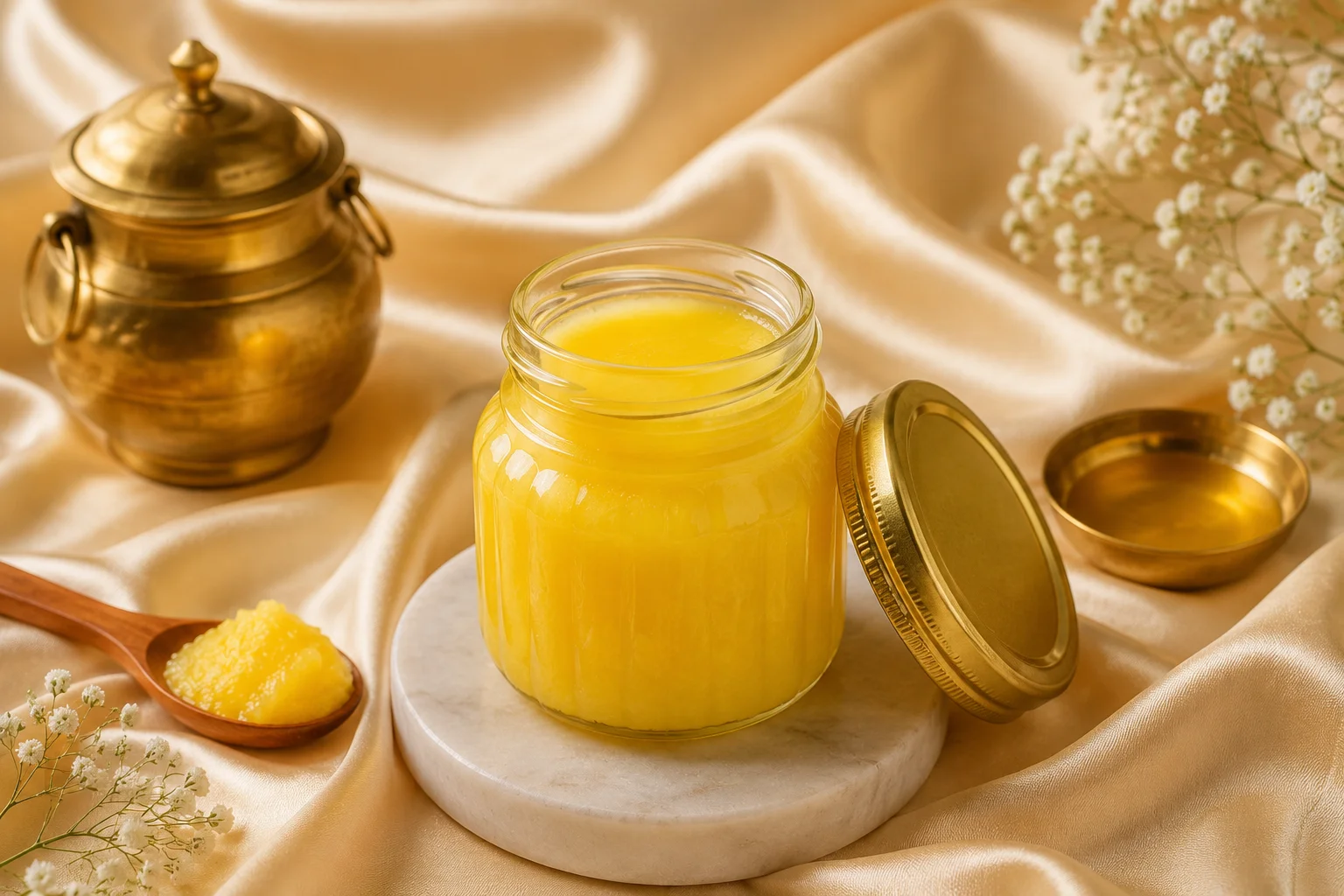
Proper storage helps maintain the quality and flavor of your ghee for months.
Store ghee in a clean, airtight container away from direct sunlight and moisture. A cool pantry is usually sufficient if the jar remains tightly sealed.
Always use a dry spoon when serving ghee, as introducing water can shorten its shelf life.
If you live in a particularly warm climate, refrigeration is also an option. Chilled ghee becomes firm but quickly softens again at room temperature without losing its quality.
When stored correctly, ghee remains one of the most convenient kitchen staples because it lasts much longer than ordinary butter while staying ready for everyday cooking.
Can You Use Ghee Every Day?
Yes, ghee can be part of your everyday cooking when used in moderation. It is a versatile cooking fat that works well with breakfast, lunch, dinner, and even some desserts. A small amount of ghee can enhance the flavor of meals without overpowering other ingredients.
Many families use ghee daily to prepare eggs, vegetables, lentils, curries, rice, and homemade bread. Since it has a rich taste, you often need less than you would with butter or some cooking oils. The key is to include it as part of a balanced diet that also contains vegetables, fruits, whole grains, lean proteins, and other healthy fats.
If you are trying how to use ghee in cooking for the first time, start with one teaspoon in a familiar recipe. This allows you to enjoy its nutty aroma while learning how it changes the flavor and texture of your favorite dishes.
How to Choose Good Quality Ghee
The quality of your ghee has a direct impact on the taste of your food. Whether you buy it or prepare it at home, choosing high-quality ghee makes a noticeable difference.
Look for ghee with a clean ingredient list that contains only butter or clarified butter. It should have a pleasant golden color and a naturally rich aroma without any artificial flavors or preservatives.
Many cooks also prefer grass-fed ghee because it is made from the milk of cows that graze on natural pasture. It often has a deeper color and a richer flavor, making it an excellent choice for everyday cooking.
If you enjoy making ingredients from scratch, homemade ghee is another great option. Preparing it yourself allows you to control the quality while filling your kitchen with a warm, buttery aroma.
Why Ghee Is a Kitchen Staple
There is a reason ghee has remained popular for centuries. It is simple, versatile, and packed with flavor. Unlike many specialty ingredients that are only used once in a while, ghee can become part of your daily cooking routine.
Its high smoke point makes it reliable for frying, roasting, grilling, and sautéing. Its rich aroma enhances both simple and elaborate recipes, while its long shelf life makes it convenient to keep in the pantry.
Whether you are cooking a quick weekday dinner or preparing a traditional family feast, ghee adapts to the recipe with ease. From vegetables and rice to meat, seafood, soups, and baked goods, it is one ingredient that rarely goes to waste.
As more home cooks discover how to use ghee in cooking, it continues to earn a place in modern kitchens around the world.
Frequently Asked Questions
Can I use ghee instead of cooking oil?
Yes. Ghee is an excellent replacement for many cooking oils. It works well for sautéing, frying, roasting, grilling, and stir-frying while adding a richer flavor to food.
Is ghee better than butter for cooking?
For high-heat cooking, ghee is often the better choice because it has a higher smoke point than butter. It is less likely to burn and provides a delicious nutty flavor.
Can I fry chicken in ghee?
Absolutely. Chicken cooks beautifully in ghee because it browns evenly while staying juicy inside. The buttery flavor also complements herbs and spices.
Can I cook vegetables with ghee?
Yes. Vegetables such as broccoli, carrots, cauliflower, spinach, mushrooms, green beans, and potatoes taste excellent when sautéed or roasted with ghee.
Does ghee burn easily?
No. Ghee has a much higher smoke point than regular butter, making it suitable for medium and high-heat cooking when used correctly.
Can I bake with ghee instead of butter?
Yes. Ghee can replace butter in many baking recipes, including cookies, cakes, muffins, and breads. Since it contains less moisture, slight recipe adjustments may sometimes be needed.
How should I store ghee?
Store ghee in an airtight container in a cool, dry place away from direct sunlight. Always use a clean and dry spoon to maintain freshness.
What foods taste best with ghee?
Ghee pairs well with rice, curries, lentils, vegetables, grilled meat, seafood, eggs, soups, stews, roasted potatoes, homemade bread, and many baked dishes.
Conclusion
Learning how to use ghee in cooking is one of the simplest ways to improve the flavor of your everyday meals. From frying and roasting to baking and finishing dishes, ghee offers outstanding versatility, a rich buttery taste, and excellent performance at high temperatures. Whether you replace butter, use it instead of cooking oil, or add it as a finishing touch, ghee can easily become one of the most valuable ingredients in your kitchen.
Start with simple recipes, experiment with different cooking methods, and discover how this traditional ingredient can transform your favorite meals. Keep exploring more cooking tips, authentic recipes, and kitchen guides on LaGrub to make every meal even more delicious.

Maimoona Ehtisham
Maimoona Ehtisham writes for LaGrub on cooking, recipes, and mindful culinary living.
Get a desi recipe worth cooking, every week
One tested recipe a week. Nothing else, and unsubscribe any time.


