


Wondering is Indian food gluten free? Indian cuisine has many naturally gluten-free options, from dal, rice and chickpeas to vegetable curries, paneer and grilled dishes. However, popular foods such as naan, roti and paratha are usually made with wheat. Knowing which ingredients to choose can help you enjoy Indian food while avoiding gluten
Wondering is Indian food gluten free? The answer is not always simple because Indian cuisine includes both naturally gluten-free dishes and many wheat-based foods. Rice, lentils, vegetables, beans, paneer, meat and spices are common gluten-free ingredients, while naan, roti, paratha and some processed ingredients contain wheat.
Is Indian Food Gluten Free?
So, is Indian food gluten free? Some Indian food is naturally gluten-free, but Indian cuisine as a whole is not completely gluten-free. This is because Indian cooking uses a wide range of grains and flours. Wheat is common in many breads and snacks, while rice, lentils, chickpeas and vegetables are used in many other dishes.
For someone following a gluten-free diet, Indian food can still offer plenty of choices. Dal, rice, chana masala, rajma, many vegetable curries, tandoori dishes and some South Indian foods can be naturally free from gluten.
However, the way food is prepared also matters. A dish may contain naturally gluten-free ingredients but still come into contact with wheat flour in a restaurant kitchen. Shared utensils, cooking surfaces, frying oil and sauces can all be important considerations.
This is especially relevant for people with coeliac disease or a strong gluten sensitivity. In such cases, it is better to check both the ingredients and preparation method instead of assuming that a dish is safe simply because it does not appear to contain wheat.
If you want to explore more Indian recipes, you can browse LaGrub's recipe collection for ideas to enjoy at home.
Why Is Some Indian Food Naturally Gluten Free?
Indian cuisine uses many ingredients that do not naturally contain gluten. This is one reason why it is possible to enjoy a wide range of gluten-free Indian food without changing the traditional flavours too much.
Rice is one of the most important ingredients. It is used in plain rice, pulao, biryani and many South Indian dishes. Lentils and pulses are also a major part of Indian cooking. Dal, chickpeas and kidney beans are naturally gluten-free and can form the base of a filling meal.
Besan, also known as chickpea flour, is another useful ingredient. It is made from ground chickpeas rather than wheat. It is used in recipes such as besan chilla and many types of pakora.
Fresh vegetables, potatoes, meat, chicken, fish, eggs, milk, yoghurt, nuts and seeds are also naturally gluten-free. Many individual Indian spices, including turmeric, cumin, coriander, cardamom, cinnamon and black pepper, are naturally free from gluten as well.
The main concern is often not the basic ingredient itself but what is added to it or how it is prepared.
Which Indian Foods Are Naturally Gluten Free?
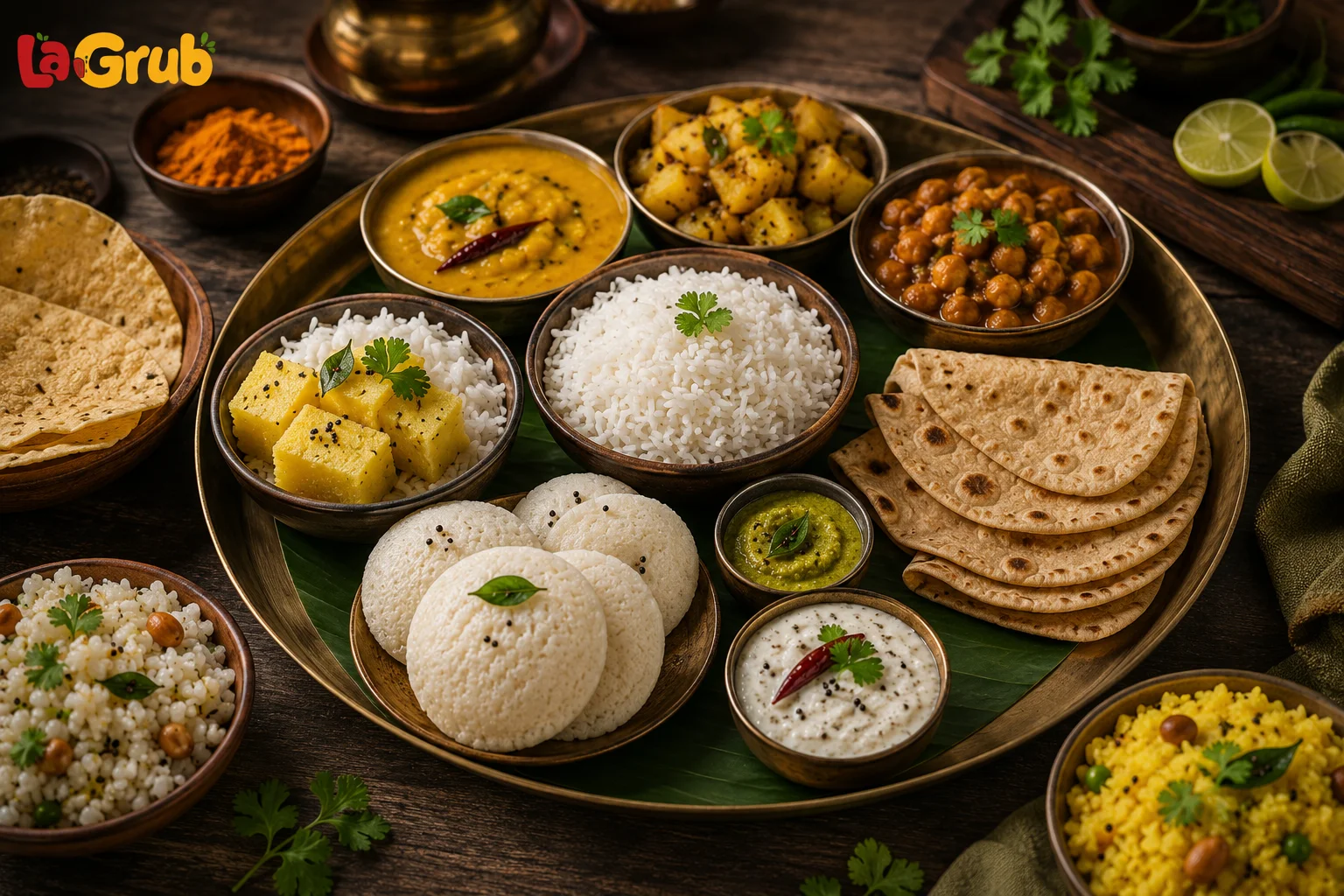
There are many healthy gluten-free Indian dishes that can be included in a varied diet. Dal is one of the simplest examples. It is prepared with lentils or pulses and usually flavoured with spices, onions, tomatoes and other ingredients.
Chana masala is another option. Chickpeas are naturally gluten-free, and the curry is usually made with tomatoes, onions and spices. When served with plain rice, it can make a satisfying meal.
Rajma is also based on kidney beans and is traditionally served with rice. Aloo gobi, which combines potatoes and cauliflower with spices, does not need wheat flour either.
Grilled dishes can also provide good choices. Chicken tikka and tandoori chicken are commonly prepared with yoghurt and spices rather than wheat flour. Still, restaurant recipes can vary, so it is always worth checking the marinade.
Paneer is another ingredient that can work well in a gluten-free Indian diet. Fresh paneer itself does not naturally contain gluten, although sauces, marinades and accompanying ingredients should still be checked.
Is Rice Gluten Free?
Rice is naturally gluten-free, which makes it an important ingredient for people avoiding gluten. Plain steamed rice, basmati rice, pulao and many rice-based Indian dishes can therefore be suitable.
Rice is especially useful as an alternative to wheat-based breads. Instead of eating naan or roti with a curry, you can choose plain rice or another suitable rice dish.
However, rice dishes are not automatically gluten-free just because rice is the main ingredient. Other ingredients can introduce gluten. Packaged seasoning, sauces, spice mixes or cooking methods can change the final dish.
This is why checking the complete recipe is important when you need to avoid gluten strictly.
Is Biryani Gluten Free?
Many people ask, is biryani gluten free, because biryani is one of the most popular rice-based dishes in South Asian cooking.
Traditional biryani is mainly made with rice, meat or vegetables, yoghurt, onions and spices. These ingredients can all be gluten-free. As a result, a homemade biryani prepared with carefully selected ingredients can be suitable for a gluten-free diet.
Restaurant biryani needs more attention. Different kitchens use different recipes, spice blends and marinades. Some may include ingredients that are not suitable for someone avoiding gluten.
If you are ordering biryani outside, ask whether wheat flour, flour-based seasoning or any gluten-containing ingredient has been added.
Are Dosa and Idli Gluten Free?
Dosa and idli are popular South Indian foods and are often considered good choices for people looking for gluten-free Indian food.
Traditional dosa batter is made mainly from rice and lentils. Idli is also traditionally made with rice and lentils and then steamed. Neither dish needs wheat flour as a basic ingredient.
However, restaurant preparation still matters. If wheat-based foods are prepared on the same surfaces or with shared utensils, there may be a risk of cross-contact.
People with coeliac disease should therefore ask about the batter, cooking surface and preparation process before ordering.
Is Besan Gluten Free?
Yes, besan, or chickpea flour, is naturally gluten-free. It is made by grinding chickpeas and is widely used in Indian cooking.
Besan can be found in recipes such as besan chilla, pakoras and kadhi. It can also be used as an alternative to wheat flour in certain recipes.
However, it is important to distinguish between an ingredient and a finished dish. A recipe made with besan can still contain gluten if other ingredients include wheat.
Packaged besan may also be processed in facilities that handle wheat. If you need to avoid even small amounts of gluten, check the product information carefully.
Is Naan Gluten Free?
Traditional naan is not gluten-free. It is generally made with wheat flour, which naturally contains gluten.
This is one of the biggest points to remember when ordering Indian food. A curry may be completely free from wheat, but serving it with naan would make the meal unsuitable for someone following a strict gluten-free diet.
Other common Indian breads are also usually made with wheat. These include roti, chapati, paratha, kulcha, poori and bhatura.
Instead, choose rice or ask whether the restaurant offers a suitable gluten-free bread alternative.
Is Paratha Gluten Free?
Traditional paratha is usually made with wheat flour, so it is not considered gluten-free.
This can sometimes be confusing because parathas often contain fillings that are naturally gluten-free. Aloo paratha, for example, contains a potato filling, but the outer dough is normally made with wheat flour.
The same idea applies to many stuffed Indian breads. The filling may be safe, but the bread around it can contain gluten.
Therefore, if you are following a strict gluten-free diet, avoid traditional wheat-based parathas unless they have been specifically prepared using a suitable gluten-free flour.
Can Indian Curries Contain Gluten?
Many traditional Indian curries do not require wheat flour. However, you should not assume that every curry is gluten-free.
Some recipes may use flour as a thickener. Others may contain packaged sauces, seasoning mixes or other processed ingredients that include wheat.
There is also the issue of asafoetida, commonly known as hing. Some commercial hing products can contain wheat-based ingredients or fillers, even though pure asafoetida itself does not naturally contain gluten.
This is why checking individual ingredients is particularly important when eating restaurant food.
A curry that looks completely safe may contain a small amount of gluten from an ingredient that is not immediately obvious.
Are Indian Spices Gluten Free?
Most individual Indian spices are naturally gluten-free. Turmeric, cumin, coriander, chilli, black pepper, cardamom, cloves, cinnamon and fenugreek do not naturally contain gluten.
The concern usually comes with processed spice blends. Some packaged blends can contain additional ingredients, and there can also be a risk of cross-contact during processing.
For home cooking, using individual spices can make it easier to control what goes into your food. If you use a packaged masala or spice blend, check the ingredients carefully.
This is particularly useful for people who need to follow a strict gluten-free diet rather than simply reduce their gluten intake.
Are Indian Fried Foods Gluten Free?
Indian fried foods require extra care. Some are made with chickpea flour, while others use wheat flour.
Pakoras are often made with besan and may therefore be naturally gluten-free when prepared correctly. Samosas, however, traditionally use a wheat-based pastry, so regular samosas are generally not gluten-free.
Shared frying oil can also be an issue. If a restaurant fries wheat-containing foods and gluten-free foods in the same oil, cross-contact may occur.
For this reason, do not judge a fried food only by its main ingredient. Ask what flour is used and whether the food is fried separately.
How to Order Gluten-Free Indian Food at a Restaurant
Knowing how to order gluten-free Indian food can make eating out much easier.
Start by clearly telling the restaurant that you need to avoid gluten. Instead of only asking whether a particular dish is gluten-free, ask about the ingredients and preparation.
You can ask whether the dish contains wheat flour, whether flour is used as a thickener, and whether the marinade or sauce contains wheat.
It is also useful to ask about spice mixes and hing. If you are particularly sensitive, ask whether the dish is prepared on the same cooking surface as naan or other wheat-based foods.
For fried dishes, ask whether the food is cooked in separate oil.
These questions may feel detailed, but they can help you make a more informed choice.
What Is the Best Gluten-Free Indian Food to Order?
The best options will depend on the restaurant and its preparation methods. However, dishes based on rice, lentils, vegetables, beans, paneer, grilled chicken or seafood can offer more naturally gluten-free choices.
Dal with rice is a simple option. Chana masala with rice and rajma with rice are also worth asking about. Vegetable curries, aloo gobi, tandoori chicken and chicken tikka may also work when prepared without gluten-containing ingredients.
South Indian dishes such as dosa and idli can also be considered, provided the batter and cooking process are suitable.
The important point is that no single dish should automatically be treated as safe for everyone. Recipes differ between homes and restaurants.
Is South Indian Food Gluten Free?
South Indian cuisine includes many rice- and lentil-based foods, which means there are plenty of naturally gluten-free options.
Dosa and idli are well-known examples. Some uttapam recipes are also based on rice and lentil batter.
However, Indian food without gluten is not limited to South Indian cuisine. Many dishes from other parts of India are also naturally gluten-free.
At the same time, South Indian food is not completely gluten-free. Wheat-based ingredients can still appear in certain dishes, snacks and breads.
Therefore, always focus on the specific recipe rather than assuming that an entire regional cuisine is gluten-free.
Can You Eat Indian Food on a Gluten-Free Diet?
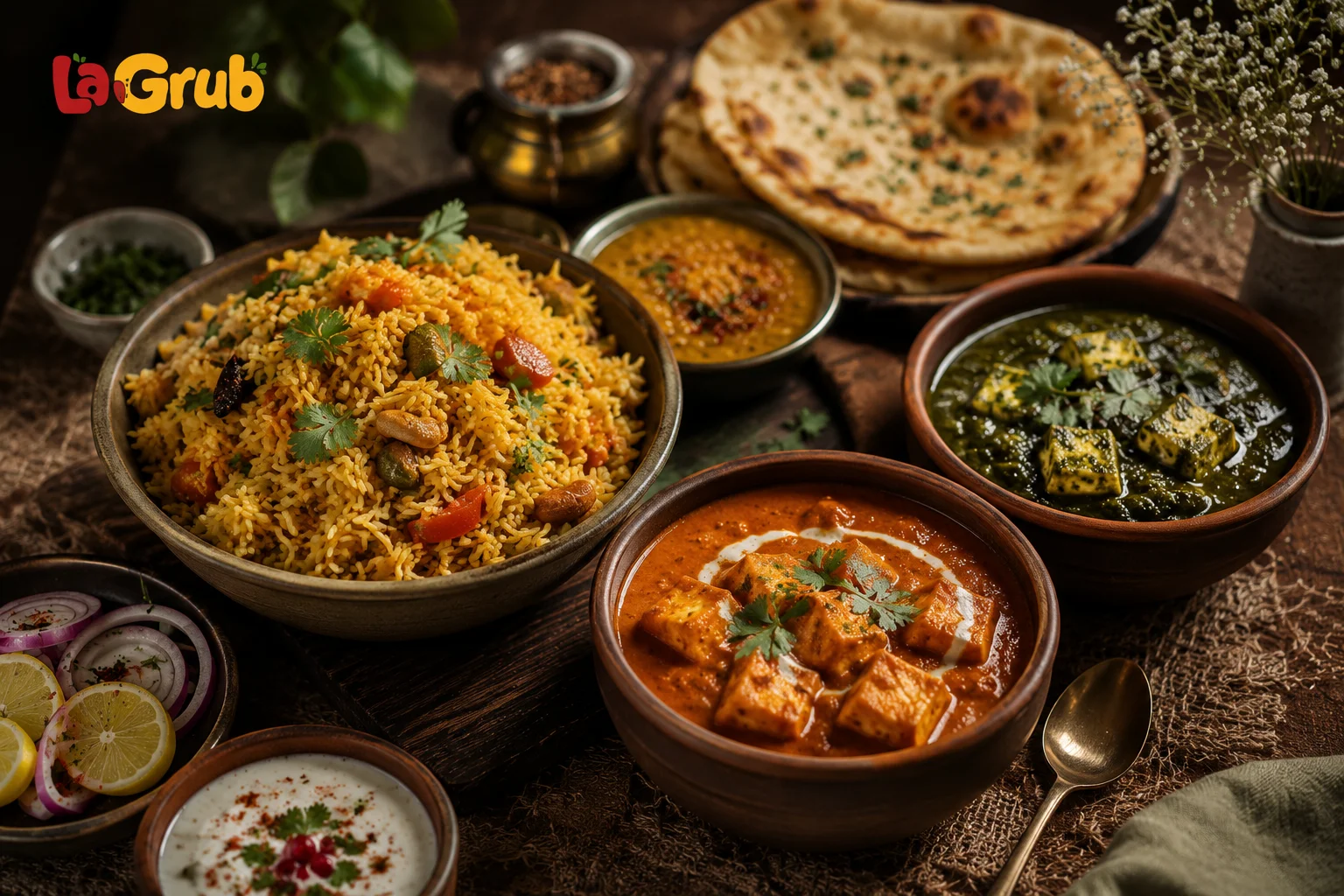
Yes, you can enjoy many Indian dishes while following a gluten-free diet. The key is learning which ingredients contain gluten and which dishes are traditionally based on rice, lentils, vegetables, beans and other gluten-free ingredients.
At home, this is easier because you control the ingredients. You can prepare dal with rice, chana masala, rajma, vegetable curries, chicken tikka and many other dishes without using wheat.
You can also use besan where suitable and choose rice instead of traditional wheat-based breads.
For more ideas, explore LaGrub's Desi Cookbook and discover recipes that can be adapted for your kitchen.
How to Make Indian Food Gluten Free at Home
Making Indian food gluten-free does not mean giving up traditional flavour. Indian cooking already offers a wide range of naturally gluten-free ingredients.
Start by choosing rice, lentils, chickpeas, vegetables, meat, fish, paneer and suitable spices. Avoid wheat-based breads such as naan, roti and traditional paratha.
When using packaged ingredients, read the ingredient list carefully. Pay particular attention to spice blends, sauces, stock products and hing.
It is also important to keep wheat flour away from your gluten-free cooking area if cross-contact is a concern. Use clean utensils, pans and preparation surfaces.
Instead of relying on complicated substitutions, focus on dishes that are naturally based on gluten-free ingredients. This often gives you the best flavour and the simplest cooking process.
You can also find more meal ideas in LaGrub's cookbook collection and explore different recipes for everyday cooking.
Gluten-Free Indian Food for Vegetarians
Indian cuisine offers many vegetarian choices for people following a gluten-free diet.
Dal, rajma, chana masala, aloo gobi and many vegetable curries can be prepared without wheat. Paneer is another useful ingredient because it can be used in a variety of curries and grilled dishes.
Dosa and idli can also provide satisfying options when made with suitable ingredients and prepared safely.
For a balanced meal, combine a protein-rich dish such as dal, chickpeas or paneer with vegetables and rice. This gives you variety without relying on wheat-based breads.
Frequently Asked Questions
Is Indian food gluten free?
Some Indian food is naturally gluten-free, but Indian cuisine as a whole is not completely gluten-free. Rice, lentils, chickpeas, vegetables, many curries and some South Indian dishes can be suitable, while naan, roti, chapati and paratha are generally made with wheat.
What Indian foods are naturally gluten free?
Many dishes based on rice, lentils, chickpeas, vegetables, paneer, meat and seafood can be naturally gluten-free. Dal, chana masala, rajma, aloo gobi, some tandoori dishes, dosa and idli are examples, although preparation should always be checked.
Is naan gluten free?
No. Traditional naan is generally made with wheat flour, so it is not gluten-free. Roti, chapati, paratha, kulcha, poori and bhatura are also usually made with wheat.
Is biryani gluten free?
Biryani can be gluten-free when it is made with rice and gluten-free ingredients. However, recipes vary, especially in restaurants. Check the spices, marinades, sauces and preparation method before ordering.
Can people with coeliac disease eat Indian food?
People with coeliac disease may be able to enjoy Indian dishes that are safely prepared without gluten. However, they need to take extra care with wheat-based ingredients, hidden gluten and cross-contact. Restaurant staff should be asked about both ingredients and preparation.
Conclusion
So, is Indian food gluten free? Indian cuisine includes many naturally gluten-free foods, but not every Indian dish is suitable for a gluten-free diet. Rice, lentils, chickpeas, vegetables, paneer, meat and seafood can provide plenty of choices, while naan, roti, chapati and traditional paratha are usually made with wheat.
The most important thing is to look beyond the name of the dish. Check the ingredients, spice blends, hing, sauces, marinades and cooking methods. When eating out, ask clear questions about wheat and cross-contact.
With a little care, you can still enjoy the rich spices, comforting curries and varied flavours of Indian cooking while following a gluten-free lifestyle. Visit LaGrub for more delicious ideas to prepare and enjoy at home.

Maimoona Ehtisham
Maimoona Ehtisham writes for LaGrub on cooking, recipes, and mindful culinary living.
Get a desi recipe worth cooking, every week
One tested recipe a week. Nothing else, and unsubscribe any time.


