

Wondering is Pakistani food spicy? Pakistani cuisine is famous for its bold flavors, aromatic spices, and comforting dishes, but not every meal is fiery hot. This guide explores the spice levels, popular dishes, regional differences, and beginner-friendly options to help you understand what Pakistani food really tastes like.
Is Pakistani Food Spicy?
Many people ask, is Pakistani food spicy? The simple answer is yes, some dishes are spicy, but many are mild or moderately seasoned. Pakistani cuisine focuses more on rich flavors, aromatic spices, and balanced cooking than extreme heat. This guide explains what makes Pakistani food unique and which dishes are best for beginners.
Understanding Pakistani Cuisine
Pakistani cuisine is one of the richest food traditions in South Asia. It combines centuries of history, regional influences, and family recipes to create meals that are full of flavor and comfort.
Although people often associate Pakistani food with spicy curries, the cuisine is much more diverse. Every region has its own cooking style, ingredients, and favorite dishes. Some meals are fiery with green chilies and red chili powder, while others rely on yogurt, herbs, and slow cooking to develop deep flavors.
This variety is one reason Pakistani food is loved around the world. Whether you enjoy grilled meat, hearty curries, fragrant rice, or vegetarian meals, there is something for every taste.
Instead of focusing only on heat, Pakistani cooking emphasizes balance. Aromatic spices such as cumin, coriander, cardamom, cinnamon, and garam masala work together to create rich and satisfying flavors.
Is Pakistani Food Spicy or Just Flavorful?
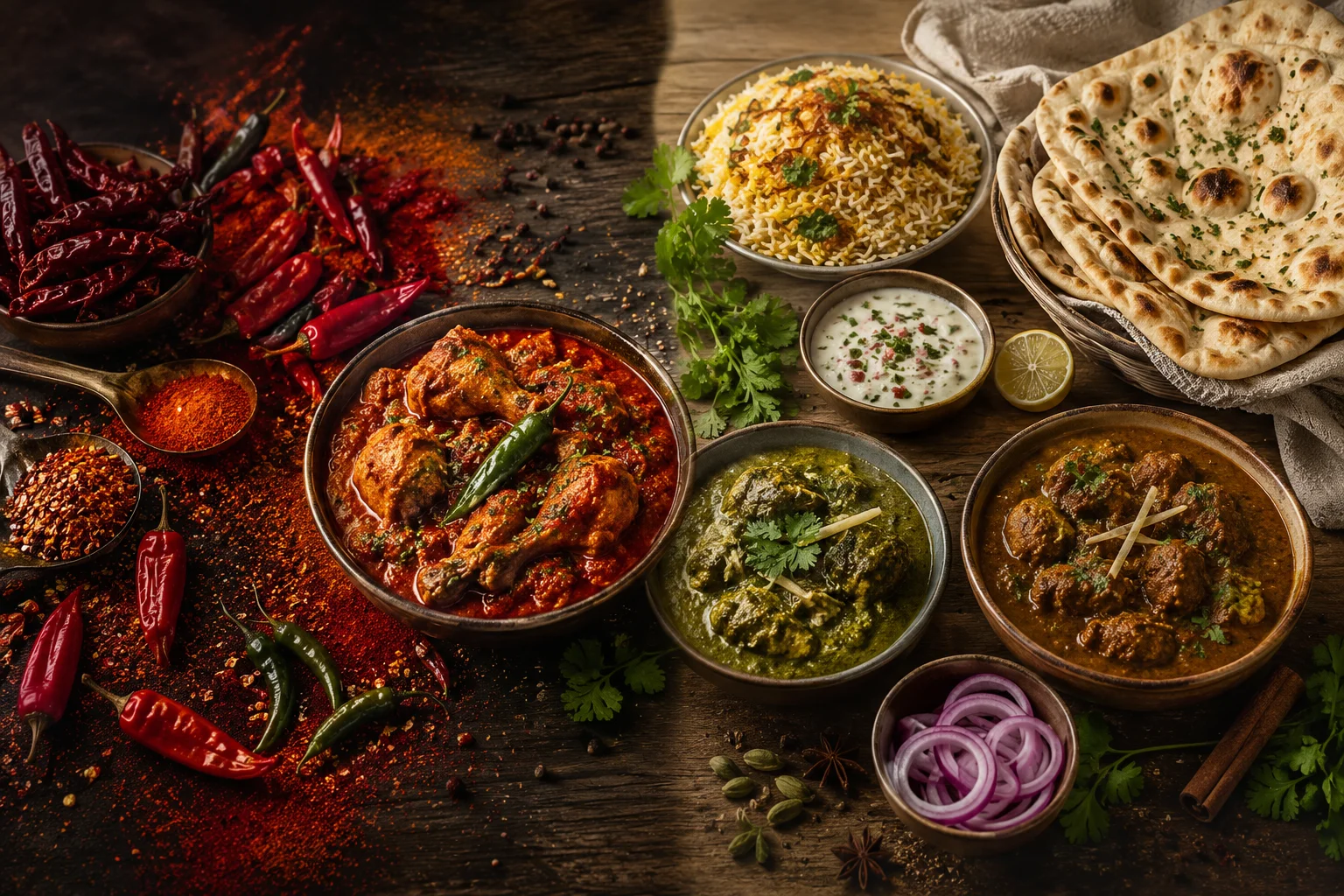
When someone asks, is Pakistani food spicy, they often mean whether it is too hot to enjoy.
The truth is that spice and heat are not the same thing.
Pakistani cooking uses many spices, but not all of them make food hot. Several spices are added mainly for aroma, color, and depth of flavor rather than intense heat.
For example:
- Turmeric adds a warm earthy taste and vibrant color.
- Cumin provides a smoky, nutty flavor.
- Coriander gives dishes a fresh citrus note.
- Cardamom adds sweetness and fragrance.
- Cinnamon creates warmth without making food spicy.
The main source of heat comes from ingredients like green chilies, red chili powder, and black pepper. The amount used depends on the recipe and personal preference.
As a result, Pakistani cuisine offers everything from mild comfort food to dishes with a bold kick.
What Makes Pakistani Food Taste Different?
Many cuisines use spices, but Pakistani food has a unique flavor because of how those spices are combined.
Instead of adding spices all at once, cooks often build layers of flavor throughout the cooking process.
A typical recipe starts by cooking onions until golden brown. Fresh garlic and ginger are then added before mixing in whole or ground spices. Tomatoes, yogurt, or meat are introduced afterward, allowing the ingredients to blend slowly.
This slow cooking method creates dishes that are rich, aromatic, and deeply satisfying.
Another important feature is the generous use of fresh herbs like cilantro and mint. These ingredients brighten the flavors and balance richer curries.
Because of this cooking style, Pakistani dishes taste complex rather than simply hot.
Common Spices Used in Pakistani Cooking
Understanding the spices used in Pakistani cuisine helps explain why the food is so flavorful.
Turmeric
Turmeric is one of the most commonly used spices. It adds color, mild earthiness, and depth to curries, lentils, and vegetable dishes.
Cumin
Cumin has a warm, smoky flavor that appears in almost every Pakistani kitchen. Both whole cumin seeds and ground cumin are used in everyday cooking.
Coriander
Ground coriander provides freshness and balances stronger spices. It is especially common in curries, meat dishes, and vegetable recipes.
Garam Masala
Garam masala is a blend of warming spices added near the end of cooking. It gives dishes their signature aroma without necessarily increasing the heat level.
Red Chili Powder
Red chili powder is responsible for much of the heat in Pakistani recipes. However, cooks can easily adjust the quantity depending on who will be eating the meal.
Green Chilies
Fresh green chilies provide a brighter, fresher heat than dried chili powder. They are often sliced into curries or served on the side for those who enjoy extra spice.
Ginger and Garlic
Fresh ginger and garlic are essential ingredients in Pakistani cooking. Together, they create a savory base that enhances the overall flavor of meat, lentils, and vegetables.
Does Every Pakistani Dish Use Chili?
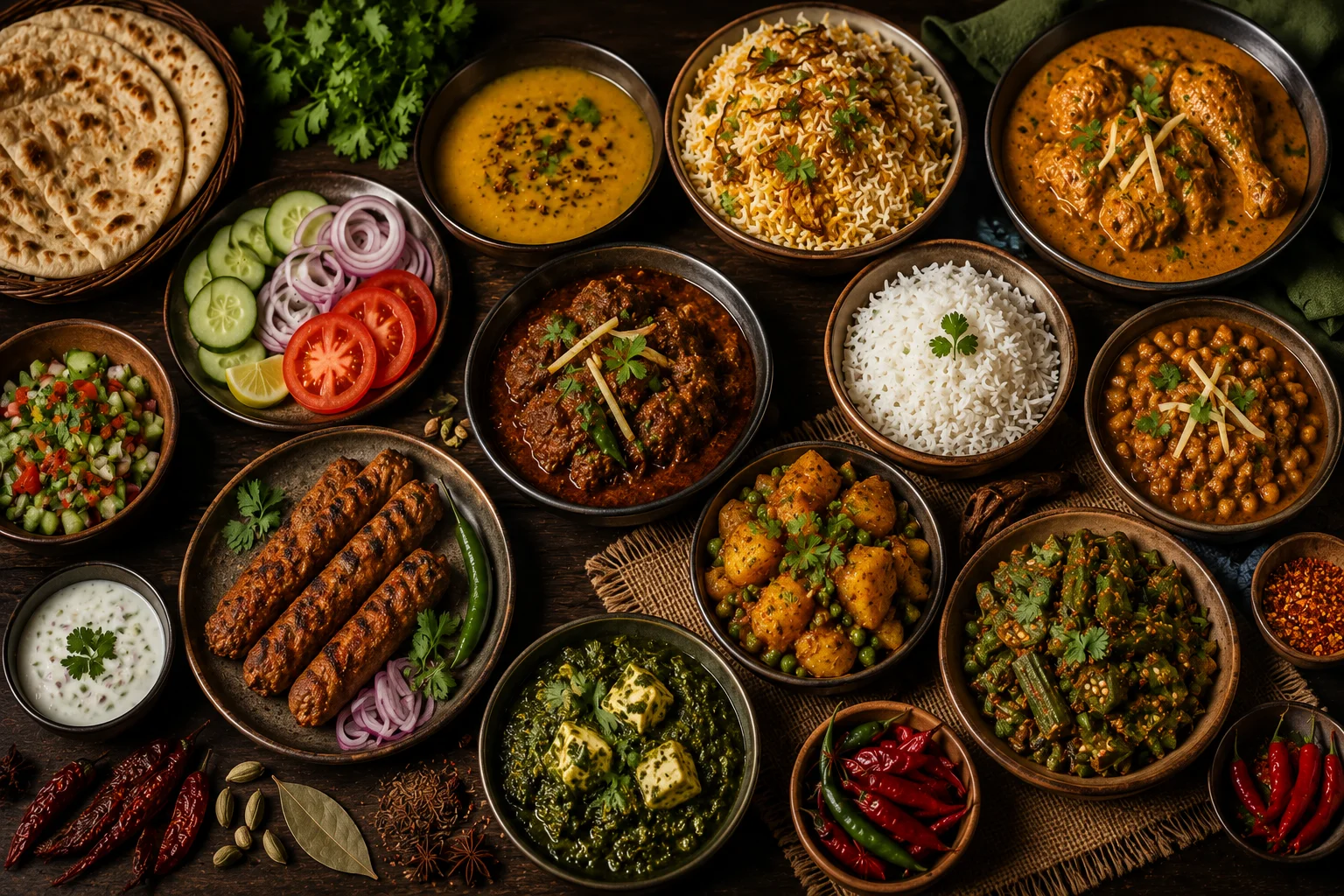
No. One of the biggest misconceptions is that every Pakistani recipe contains large amounts of chili.
In reality, many traditional dishes are mild enough for children and people who prefer gentle flavors.
Several recipes use only small amounts of chili or leave it out entirely. Instead, they depend on slow cooking, onions, yogurt, garlic, ginger, and aromatic spices to create flavor.
This is why many visitors are surprised to discover that Pakistani cuisine offers much more than fiery curries.
Restaurants also adjust spice levels based on customer preferences, making Pakistani food accessible to everyone.
Regional Differences in Pakistani Cuisine
Pakistan has several regions, and each one has its own cooking traditions.
Punjabi Cuisine
Punjabi food is known for hearty curries, grilled meats, rich gravies, and buttery breads.
Popular dishes include:
- Chicken Karahi
- Nihari
- Saag
- Aloo Gosht
- Seekh Kebab
Many Punjabi dishes are moderately spicy but focus equally on richness and aroma.
Sindhi Cuisine
Sindhi cooking is often bolder in flavor. Some dishes contain more green chilies and spices, creating a stronger heat level.
Sindhi biryani is one of the best-known examples because it combines fragrant rice with spicy meat and aromatic seasonings.
Pashtun Cuisine
Pashtun cuisine is generally simpler than many other regional styles.
Instead of relying on large amounts of spices, it highlights grilled meat, fresh herbs, yogurt, and natural flavors.
As a result, many Pashtun dishes are surprisingly mild.
Balochi Cuisine
Balochi cooking often centers on slow-cooked meat prepared with minimal spices.
Traditional dishes emphasize quality ingredients rather than overwhelming heat, making many meals suitable for beginners.
Kashmiri Influences
Pakistani Kashmiri dishes frequently include yogurt, warming spices, and fragrant herbs instead of excessive chili.
The result is a rich and aromatic meal with balanced flavors.
The Difference Between Heat and Flavor
Understanding the difference between heat and flavor is the key to appreciating Pakistani food.
Heat comes from chili peppers and black pepper.
Flavor comes from combining spices like turmeric, cumin, coriander, cardamom, cloves, cinnamon, onions, garlic, ginger, tomatoes, yogurt, and herbs.
A dish can contain many spices while remaining mild.
Likewise, a meal with only a few ingredients can feel extremely hot if it includes several green chilies.
This balance is what makes Pakistani cuisine so enjoyable. Rather than chasing extreme spice levels, traditional recipes aim to create layers of flavor that develop with every bite.
Popular Pakistani Dishes and Their Spice Levels
If you are still wondering is Pakistani food spicy, looking at popular dishes makes the answer much clearer. Some meals are rich and mildly seasoned, while others are prepared with extra green chilies or red chili powder. The good news is that you can usually adjust the spice level to suit your taste.
Chicken Karahi
Chicken Karahi is one of Pakistan's most famous dishes. It is cooked with tomatoes, garlic, ginger, green chilies, and aromatic spices in a wok-like pan called a karahi.
Although many restaurants serve it with a medium to high spice level, homemade versions can easily be made milder without losing their authentic flavor.
Biryani
Biryani is known for its fragrant basmati rice, tender meat, and carefully layered spices.
People often think biryani is extremely spicy, but that is not always true. Many recipes focus more on aroma than heat. Ingredients like cardamom, cinnamon, cloves, garam masala, and fried onions create its signature taste, while the amount of chili determines how spicy it becomes.
Nihari
Nihari is a slow-cooked beef or lamb stew with a thick, flavorful gravy.
Its rich taste comes from slow cooking and a blend of warming spices rather than large amounts of chili. Many people find nihari deeply flavorful but only moderately spicy.
Haleem
Haleem is a comforting dish made with wheat, lentils, meat, and spices.
Despite its bold appearance, haleem usually has a medium spice level. Garnishes such as fresh ginger, cilantro, lemon, and fried onions add freshness instead of extra heat.
Korma
Korma is one of the mildest traditional Pakistani dishes.
It uses yogurt, onions, nuts, and aromatic spices to create a creamy, rich curry. Since it contains very little chili, it is an excellent choice for beginners.
Chapli Kebab
Chapli Kebab has a bold and savory flavor. It often contains green chilies, coriander, cumin, tomatoes, and fresh herbs.
The spice level varies by region, but it is usually medium rather than extremely hot.
Seekh Kebab
Seekh Kebab combines minced meat with herbs, onions, garlic, ginger, and spices before grilling.
Most versions focus on smoky flavor instead of intense heat, making them popular with people who enjoy grilled food.
Daal
Daal is one of the best beginner-friendly meals in Pakistani cuisine.
Prepared with lentils, turmeric, cumin, garlic, and onions, it is comforting, nutritious, and typically mild. Some families add green chilies, while others keep it gentle enough for children.
Saag
Saag is made from leafy greens such as mustard greens or spinach.
Its creamy texture and earthy flavor come from vegetables, garlic, ginger, and mild spices rather than excessive chili. It is another excellent option for anyone new to Pakistani food.
Is Pakistani Food Spicier Than Indian Food?
This is one of the most common questions people ask.
The truth is that neither cuisine is always spicier than the other.
Both Pakistani and Indian cuisines include mild, medium, and hot dishes. The spice level depends on the region, family recipes, and cooking style.
Pakistani cuisine often features richer meat dishes, grilled kebabs, and slow-cooked curries with bold flavors.
Indian cuisine includes a wider variety of regional vegetarian dishes, coastal seafood recipes, and diverse spice blends.
Instead of asking which cuisine is hotter, it is better to think about the specific dish you are ordering. A mild Pakistani korma may be less spicy than a fiery Indian curry, while a spicy Pakistani karahi may have more heat than many Indian dishes.
The real difference lies in flavor profiles rather than overall spice levels.
Mild Pakistani Dishes for Beginners
If you are trying Pakistani food for the first time, start with meals that are naturally lower in heat.
Some excellent choices include:
- Korma
- Daal
- Saag
- Plain Pulao
- Seekh Kebab
- Grilled Chicken Tikka
- Yogurt-based curries
These dishes introduce you to authentic Pakistani flavors without overwhelming your taste buds.
You can gradually explore spicier recipes as you become more comfortable with the cuisine.
What Are the Spiciest Pakistani Dishes?
Although many meals are mild, some recipes are famous for their bold heat.
These often include:
- Chicken Karahi with extra green chilies
- Sindhi Biryani
- Spicy Mutton Karahi
- Chapli Kebab made with fresh chilies
- Hot Chicken Curry
Even these dishes vary from one household to another. Some families enjoy intense heat, while others reduce the chili and let aromatic spices take center stage.
Can You Ask for Less Spicy Pakistani Food?
Absolutely.
Most restaurants are happy to adjust the spice level.
If you prefer mild food, simply ask for:
- Mild spice
- Less chili
- Medium heat
- No extra green chilies
Many chefs reduce the amount of red chili powder while keeping the traditional spice blend intact. This allows you to enjoy authentic flavors without excessive heat.
If you are cooking at home, adjusting the spice level is even easier. You can add chili gradually until the dish matches your preference.
Why Pakistani Food Feels Rich Even When It Isn't Spicy
One reason people think Pakistani food is spicy is because the flavors are so bold.
However, richness often comes from ingredients other than chili.
Common ingredients that create depth include:
- Ghee
- Yogurt
- Fried onions
- Garlic
- Ginger
- Tomatoes
- Slow-cooked meat
- Fresh herbs
These ingredients build layers of flavor that make every bite satisfying.
Even dishes with very little chili can taste incredibly rich because of the cooking techniques used.
Health Benefits of Pakistani Spices
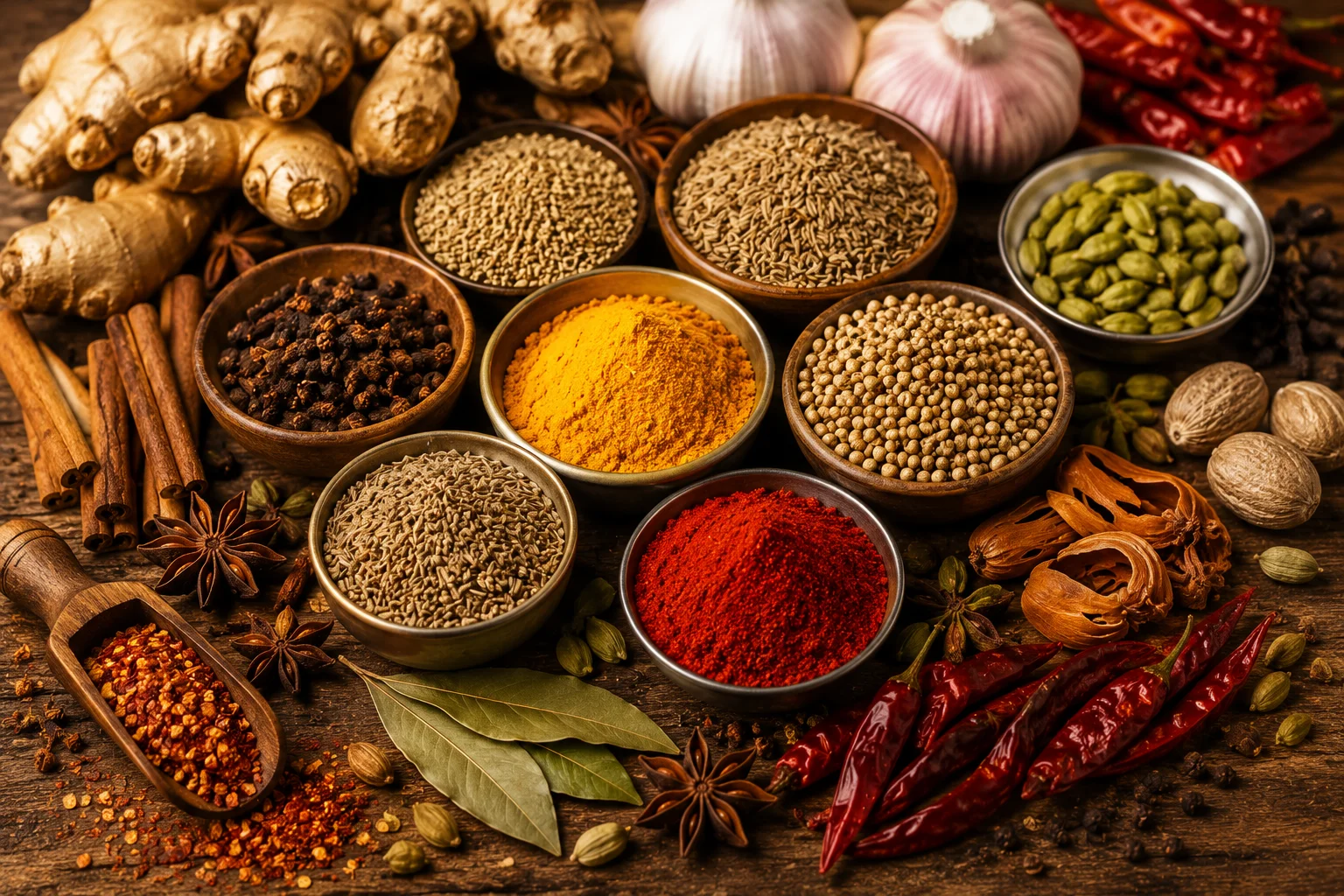
Many spices used in Pakistani cooking offer more than just flavor.
Turmeric is well known for its natural antioxidant properties.
Ginger supports digestion and adds freshness to many dishes.
Garlic is valued in traditional cooking for both its flavor and nutritional benefits.
Cumin and coriander are commonly used to enhance digestion while adding warmth and aroma.
Fresh herbs such as cilantro and mint provide vitamins while balancing heavier meals.
When combined with vegetables, lentils, lean meats, and whole grains, Pakistani cuisine can be part of a balanced diet.
Tips for Enjoying Pakistani Food for the First Time
If you are new to Pakistani cuisine, a few simple tips can make your experience more enjoyable.
Start with mild dishes before trying hotter recipes.
Order yogurt or raita alongside spicy meals to cool your palate.
Eat curries with naan or steamed basmati rice, which helps balance the heat.
Try grilled dishes before moving on to rich curries if you prefer lighter meals.
Finally, remember that every family cooks differently. The same dish may taste completely different depending on the region, ingredients, and personal preferences.
Exploring Pakistani cuisine is all about discovering new flavors one meal at a time.
Frequently Asked Questions
Is Pakistani food spicy?
Yes, Pakistani food can be spicy, but not every dish is hot. Many recipes focus on rich flavors, aromatic spices, and slow cooking rather than intense heat. The spice level varies depending on the dish, region, and personal preference.
Is Pakistani food spicier than Indian food?
Not necessarily. Both Pakistani and Indian cuisines include mild, medium, and spicy dishes. The heat level depends more on the recipe and the cook than the country itself. Pakistani cuisine is often known for bold meat dishes and aromatic curries, while Indian cuisine offers a wide variety of regional flavors.
What makes Pakistani food spicy?
The heat in Pakistani food mainly comes from green chilies, red chili powder, and sometimes black pepper. However, spices like turmeric, cumin, coriander, cardamom, and garam masala are used to add flavor and aroma rather than heat.
What is the spiciest Pakistani dish?
Some of the spiciest Pakistani dishes include Chicken Karahi, Sindhi Biryani, spicy Mutton Karahi, and certain versions of Chapli Kebab. The spice level can usually be adjusted when cooking at home or ordering at a restaurant.
Can beginners enjoy Pakistani food?
Absolutely. Pakistani cuisine has many beginner-friendly dishes that are mild yet flavorful. Starting with dishes like daal, korma, or pulao is a great way to experience authentic Pakistani cooking without too much heat.
Why is Pakistani food so flavorful?
Pakistani cuisine builds flavor by combining fresh ingredients with aromatic spices and slow cooking methods. Garlic, ginger, onions, tomatoes, yogurt, garam masala, cumin, and coriander create deep, balanced flavors that go beyond simple heat.
Conclusion
So, is Pakistani food spicy? The answer is yes—but only sometimes. Pakistani cuisine is better known for its rich flavors, aromatic spices, and balanced cooking than for extreme heat. While dishes like Chicken Karahi and Sindhi Biryani can be quite spicy, many favorites such as Korma, Daal, Saag, and Pulao are mild enough for beginners.
The beauty of Pakistani cuisine lies in its diversity. Every region brings its own traditions, ingredients, and cooking techniques, creating meals that range from gently seasoned to boldly spiced. Whether you enjoy grilled kebabs, slow-cooked curries, fragrant rice dishes, or comforting lentils, there is a Pakistani recipe to suit every palate.
If you're new to South Asian food, don't let the word "spicy" stop you. Start with beginner-friendly dishes, explore different regional specialties, and adjust the chili level to match your preference. You'll soon discover that Pakistani food is all about layers of flavor, not just heat.
Ready to experience authentic Pakistani cuisine?
Explore more food guides, traditional recipes, and beginner-friendly cooking tips on Lagrub and discover why Pakistani food continues to delight food lovers around the world.

Maimoona Ehtisham
Maimoona Ehtisham writes for LaGrub on cooking, recipes, and mindful culinary living.
Get a desi recipe worth cooking, every week
One tested recipe a week. Nothing else, and unsubscribe any time.


