


Wondering is pizza a soft food? While pizza has soft melted cheese and tender toppings, its crust can be crisp, chewy or firm. Whether pizza fits a soft-food diet depends on the crust, toppings and your reason for avoiding hard foods. Here is what you need to know before enjoying your next slice.
Wondering is pizza a soft food? Pizza is usually not considered a traditional soft food because its crust can be chewy, crisp or hard to bite. However, the texture depends on the type of pizza, crust and toppings. A soft, freshly baked pizza with tender toppings may be easier to eat than a crispy one.
Is Pizza a Soft Food?
So, is pizza a soft food? The simple answer is usually no. Traditional pizza is not normally included on a strict soft-food diet because the crust can be chewy, crunchy or difficult to break down.
A soft-food diet generally focuses on foods that are easy to chew and swallow. Foods such as mashed potatoes, yoghurt, porridge, soft rice and well-cooked vegetables are common examples. Pizza, on the other hand, can have a firm base, browned edges and toppings that require more chewing.
However, pizza is not always the same. A homemade pizza with a soft crust, melted cheese and tender toppings can have a much softer texture. A thin, crispy base will be very different from a thick, fluffy crust.
This is why the answer can change depending on the type of pizza you are eating and why you need soft foods in the first place.
If you simply want foods that are gentle and easy to chew, a soft pizza may sometimes work. But if you are following a specific diet after dental treatment, surgery or another medical procedure, you should follow the instructions given to you by your healthcare professional.
For more food ideas and recipes, you can explore LaGrub's recipe collection.
Why Is Pizza Usually Not Considered a Soft Food?
Pizza contains several parts that can make it unsuitable for a traditional soft-food diet.
The biggest issue is the crust. Depending on how it is prepared, pizza crust can be soft and fluffy or thin and crispy. Some crusts are also chewy, especially around the edges. This makes them harder to bite and chew.
The toppings can also affect the texture. Soft mozzarella, cooked vegetables and tender chicken may be easier to eat. However, crispy meat, raw vegetables or firm toppings can make the pizza harder to chew.
The cooking method matters too. A pizza baked for longer can develop a firm base and crispy edges. While this can create a delicious texture, it does not make the pizza ideal when you are trying to avoid crunchy or chewy foods.
So, when asking is pizza a soft food, it is better to look at the entire pizza rather than only the cheese.
A pizza with soft bread, melted cheese and tender toppings is much easier to chew than one with a crispy crust and crunchy toppings.
What Makes Pizza Soft or Hard?
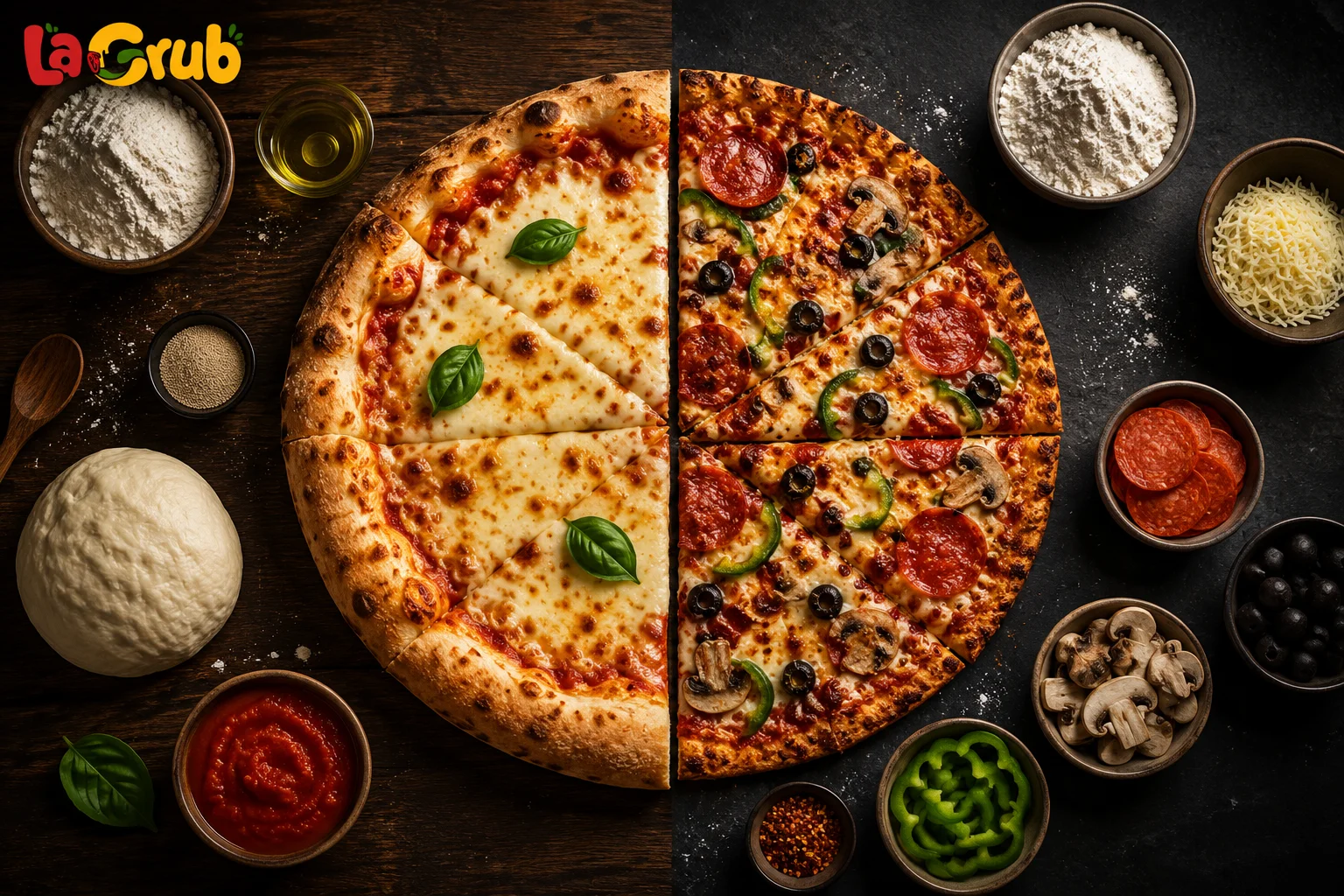
Several factors determine whether pizza feels soft enough to eat.
The Type of Crust
Crust is probably the most important factor. A thick, fluffy crust may be softer than a thin, crispy base. However, some thick crusts can also become firm around the edges.
A freshly baked pizza may have a soft centre while the outside is slightly crisp. This can make the texture comfortable for some people but unsuitable for someone who needs very soft foods.
The Amount of Cheese
Melted cheese gives pizza a soft and stretchy texture. A generous layer of melted mozzarella can make each bite easier to chew.
However, cheese alone does not make pizza a soft food. The crust still needs to be considered.
The Toppings
Tender toppings can make pizza easier to eat. Soft cooked vegetables, finely shredded chicken and melted cheese are generally easier to manage than hard or crunchy toppings.
Raw onion, raw capsicum and crispy meat can add more texture. If you need a softer meal, these toppings may not be the best choice.
How Long the Pizza Is Cooked
Longer cooking usually creates a firmer crust. It can also make toppings drier.
For a softer texture, pizza should not be over-baked. The goal is a cooked base that remains tender rather than becoming hard and crispy.
Can You Eat Pizza on a Soft-Food Diet?
Whether you can eat pizza on a soft-food diet depends on how strict the diet is and why you are following it.
If you are simply looking for meals that are easy to chew, you may be able to enjoy a modified pizza. A soft crust, melted cheese and tender toppings can create a gentler version.
However, a strict soft-food diet may require you to avoid foods that are crispy, chewy or difficult to break down. In that situation, ordinary pizza may not be suitable.
This is especially important if your soft-food diet has been recommended after a medical procedure. Different situations have different dietary requirements, so there is no single rule that applies to everyone.
If you have been given specific instructions, follow those instructions rather than relying only on the general idea that pizza can be made soft.
Is Pizza Soft Enough After Wisdom Teeth Removal?
This is one of the most common reasons people ask is pizza a soft food.
After wisdom teeth removal, people often want to know when they can return to their favourite foods. Pizza may look soft because of the melted cheese, but the crust can still require significant chewing.
The crispy edges can also be uncomfortable. Small pieces of crust or toppings may be difficult to manage when the mouth is healing.
For this reason, regular pizza is generally not one of the first foods people choose immediately after dental surgery. During the early healing period, softer foods are usually easier to manage.
Once you have progressed to foods that require more chewing, you may be able to consider a very soft pizza. However, the timing depends on your individual recovery and the instructions provided by your dentist or oral surgeon.
If you are unsure, ask your dental professional when pizza and other chewy foods can safely be introduced.
Can You Eat Pizza After Dental Work?
Dental work can make chewing uncomfortable, especially when the mouth or teeth are sensitive.
If you have recently had a dental procedure, a soft pizza may seem like a good option. Yet the crust can still place pressure on the teeth and jaw.
A better approach is to consider the texture of every part of the pizza. Soft cheese and tender toppings may be easier to manage, while a crunchy crust may cause discomfort.
You can also cut pizza into small pieces rather than taking large bites. However, cutting it into smaller pieces does not automatically make it suitable for every type of dental recovery.
If your dentist has told you to avoid hard, crunchy or chewy foods, pizza should be avoided until you are allowed to return to those textures.
Can You Make Pizza Into Soft Food?
Yes, you can make pizza much softer than a typical crispy pizza.
Start with a soft dough rather than a very thin base. Avoid cooking it until the edges become hard or heavily browned.
Choose toppings that become tender during cooking. Soft vegetables and finely chopped cooked chicken can work well. Avoid ingredients that remain crunchy or tough.
Extra melted cheese can also give the pizza a softer bite. A little sauce can help prevent the base from becoming dry.
The key is to focus on texture rather than simply changing the ingredients.
A pizza can still taste like pizza while being softer, more tender and easier to chew.
What Type of Pizza Is the Softest?
There is no single pizza that is always the softest because preparation makes a big difference.
In general, a pizza with a thick, fluffy and freshly baked base may feel softer than a very thin, crispy pizza. A generous amount of sauce and melted cheese can also add moisture.
Soft toppings are another important factor. For example, finely chopped cooked vegetables may be easier to chew than raw vegetables.
Avoid pizzas with very crisp edges, hard crusts or crunchy toppings if your main goal is to keep the meal soft.
If you are making pizza at home, you have more control over the final texture. You can adjust the dough, toppings and cooking time to make it as tender as possible.
Is Thin-Crust Pizza a Soft Food?
Thin-crust pizza is not automatically soft.
In fact, many thin-crust pizzas are cooked until the base becomes crisp. This gives them a light and crunchy texture, which is very different from what most people expect from a soft food.
A thin crust can still be tender if it is prepared carefully and not overcooked. However, you should judge the finished pizza by its texture rather than its name.
If the base bends easily and does not require much chewing, it may be easier to eat. If it snaps or feels crunchy, it is not a good choice when you need to avoid hard foods.
Is Thick-Crust Pizza a Soft Food?
Thick-crust pizza can be softer, but again, it depends on how it is cooked.
A thick, fluffy base can have a soft centre. However, the outside may still become firm or crispy during baking.
For a softer version, avoid over-baking the crust. You can also choose a base that has a light and airy texture rather than one that is dense and chewy.
The toppings should also remain tender.
So, thick crust does not automatically mean soft food. The finished texture is what matters.
Which Pizza Toppings Are Easiest to Chew?
If you are making pizza for someone who needs softer foods, choose toppings that become tender when cooked.
Melted cheese is an obvious choice because it adds moisture and softness. Cooked vegetables can also work well when they are prepared until tender.
Finely shredded or minced cooked chicken may be easier to chew than large pieces of meat. Soft mushrooms can also provide flavour without adding a hard texture.
On the other hand, avoid very crunchy toppings when softness is important. Raw vegetables, heavily crisped meat and hard crust pieces can make the pizza more difficult to chew.
The goal is to create a pizza where every bite is soft rather than having a soft centre with hard pieces mixed in.
How Can You Make Pizza Easier to Chew?
There are several simple ways to make pizza more comfortable to eat.
First, choose a soft base and avoid a heavily crisped crust. Next, use plenty of sauce and melted cheese to keep the pizza moist.
Cut the pizza into smaller pieces before eating. This can make each bite easier to manage.
Tender toppings are also important. Cook vegetables until soft and use finely chopped meat rather than large or chewy pieces.
Finally, eat slowly. Even a soft pizza can become difficult to manage if you take large bites or eat too quickly.
These changes can make a homemade pizza more suitable for someone who simply prefers softer textures.
Can You Eat the Toppings Without the Crust?
If the crust is the main problem, eating only the soft toppings may seem like a simple solution.
Melted cheese, sauce and tender toppings can be much easier to chew than a firm pizza base. However, whether this is appropriate depends on why you need soft foods.
For someone who is simply looking for a softer meal, removing the crust can make pizza-style toppings easier to eat.
For someone recovering from dental surgery or following a medically prescribed diet, the answer may be different. Some toppings may still need to be avoided depending on the dietary instructions.
Always consider the reason behind the soft-food requirement.
Is Cold Pizza a Soft Food?
Cold pizza can sometimes feel firmer than freshly heated pizza.
As pizza cools, the cheese becomes less soft and the crust can become denser. This can make it harder to chew.
Reheating pizza gently can make the cheese softer again and may improve the texture of the crust. However, reheating it for too long can make the edges crispy.
If softness is your main concern, freshly prepared or gently reheated pizza may be easier to eat than cold pizza.
Pizza as a Soft Meal: What Should You Look For?
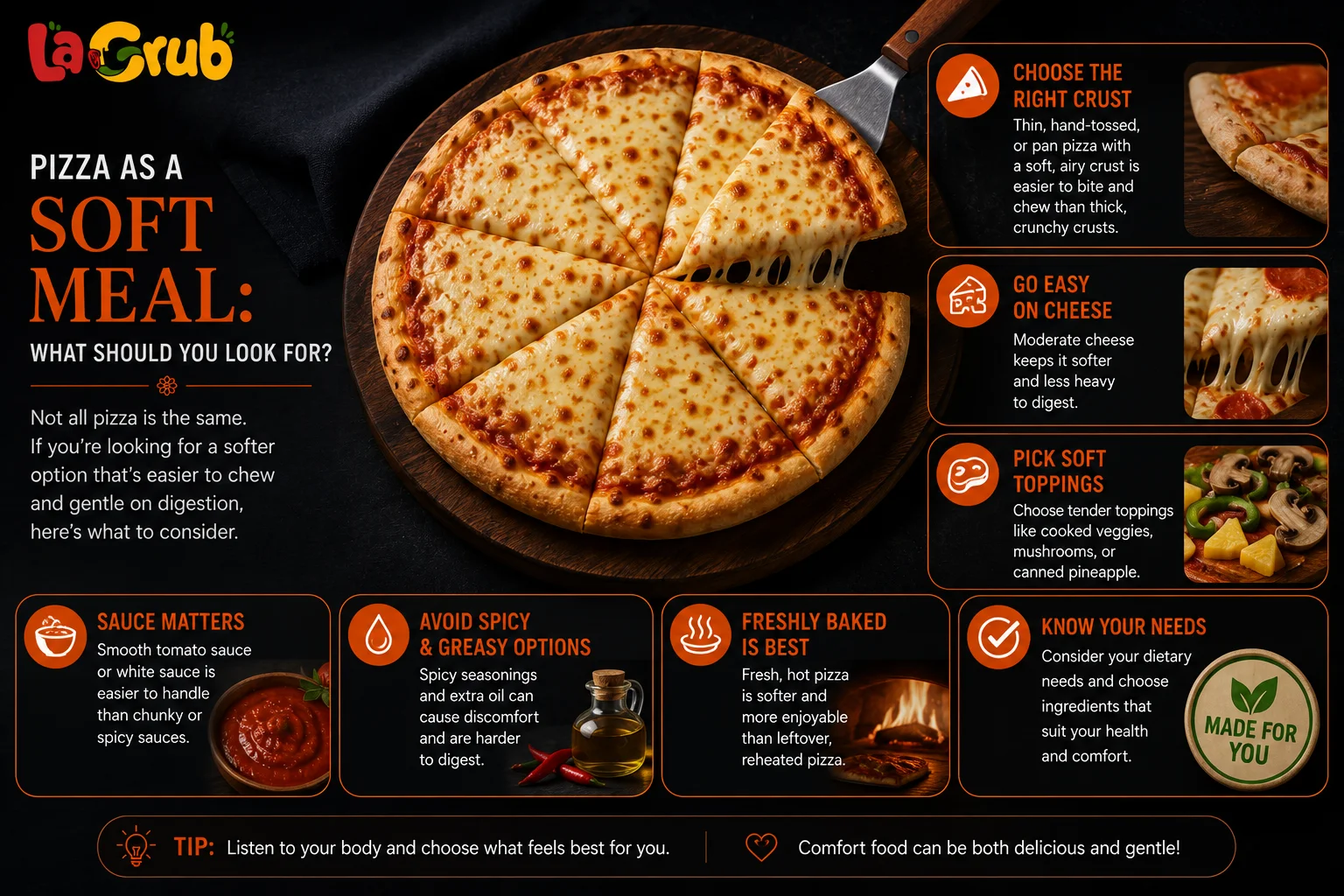
When deciding whether pizza is suitable for a soft-food meal, do not focus only on the word "pizza". Look at the actual texture.
Ask yourself whether the crust is soft enough to chew, whether the toppings are tender and whether there are any crunchy or hard parts.
A soft meal should feel comfortable to chew. If you need to bite forcefully or chew for a long time, the food may not be suitable for your needs.
This is why homemade pizza can be useful. You can control the ingredients and cooking method.
You can also explore LaGrub's cookbook for more homemade food inspiration and ideas for meals that can be adjusted to your preferences.
What Are Some Soft Alternatives to Pizza?
If regular pizza is not suitable, you do not have to give up comforting meals.
Soft rice dishes, creamy soups, mashed potatoes, soft scrambled eggs and tender pasta can provide a satisfying meal without the crisp crust.
You can also make pizza-inspired dishes. For example, a soft bread base with tomato sauce and melted cheese can give you familiar pizza flavours without creating an extremely crunchy crust.
Another option is a soft baked dish using tomato sauce, cheese and tender ingredients. This can provide the flavours you enjoy while keeping the texture gentle.
Frequently Asked Questions
Is pizza a soft food?
Pizza is usually not considered a traditional soft food because its crust can be crispy, chewy or firm. However, a homemade pizza with a soft crust, melted cheese and tender toppings can be easier to chew.
Can you eat pizza on a soft-food diet?
It depends on the type of soft-food diet you are following. A soft homemade pizza may work for some people who simply need easy-to-chew meals, but it may not be suitable for a strict medically prescribed diet.
Is pizza a soft food after wisdom teeth removal?
Regular pizza is generally not an ideal choice immediately after wisdom teeth removal because the crust can be chewy or crispy. Follow your dentist or oral surgeon's instructions about when you can return to foods that require more chewing.
How can I make pizza softer?
Use a soft dough, plenty of sauce and melted cheese, and tender toppings. Avoid over-baking the pizza and choose ingredients that do not remain crunchy or tough.
Is thin-crust pizza softer than thick-crust pizza?
Not necessarily. Thin-crust pizza is often baked until crisp, while thick crust can have a soft centre. The final texture depends on the recipe, ingredients and cooking method rather than the thickness alone.
Conclusion
So, is pizza a soft food? In most cases, traditional pizza is not classed as a soft food because the crust can be crisp, chewy or firm. However, pizza can be made much softer by choosing a tender base, using melted cheese and sauce, selecting soft toppings and avoiding over-baking.
If you simply want an easy-to-chew meal, a soft homemade pizza may be a good option. However, if you are following a soft-food diet because of wisdom teeth removal, dental treatment, surgery or another medical reason, follow the specific advice given to you.
Food should be enjoyable as well as comfortable to eat. With the right ingredients and preparation, you can still enjoy familiar pizza flavours while creating a softer texture.
For more homemade recipes and food inspiration, explore LaGrub's cookbook and recipe collection and discover your next favourite dish.

Maimoona Ehtisham
Maimoona Ehtisham writes for LaGrub on cooking, recipes, and mindful culinary living.
Get a desi recipe worth cooking, every week
One tested recipe a week. Nothing else, and unsubscribe any time.


