

Every food story begins somewhere, and for Lagrub, that beginning was my grandmother’s kitchen. It was a warm, simple place filled with fresh spices, homemade meals, family recipes, and memories that shaped a lifelong love for food. This story reflects how traditional cooking, family gatherings, and grandmother’s recipes became the heart of Lagrub’s journey and its mission to preserve food heritage with care.
My Grandmother's Kitchen: Where Lagrub Began
If you are curious about the story behind Lagrub and the inspiration that shaped its love for food, this article is for you. My Grandmother's Kitchen: Where Lagrub Began is a journey through family recipes, childhood memories, traditional cooking, and the food heritage that continues to inspire everything we share today.
The Heart of My Grandmother's Kitchen
Every food story has a beginning.
For Lagrub, that beginning was not in a restaurant, a cooking school, or a professional kitchen. It started in a simple home kitchen filled with warmth, aromas, and generations of cooking wisdom.
My grandmother's kitchen was the heart of our home. It was a place where food brought people together. Every morning began with the sound of utensils, the smell of fresh spices, and the comforting sight of ingredients being prepared with care. Unlike modern kitchens focused on speed and convenience, her kitchen followed a slower rhythm. Food was never rushed. Meals were made with patience, attention, and love.
That kitchen taught us that cooking is not just about feeding people. It is about creating memories.
The lessons learned there became the foundation of Lagrub's food journey.
How Family Recipes Shaped Lagrub
Food connects generations.
Many of the recipes we remember today were passed down through family traditions rather than cookbooks.
Recipes Passed Down Through Generations
My grandmother rarely used written recipes.
Instead, she cooked through experience.
Measurements often sounded like:
- A handful of flour
- A pinch of spice
- A spoonful of love
- Cook until the aroma changes
- Stir until the texture feels right
For her, cooking was an instinct.
Every recipe carried decades of knowledge and tradition.
These family recipes represented much more than ingredients.
They reflected:
- Family history
- Cultural heritage
- Regional traditions
- Personal memories
- Generational cooking wisdom
Many of these dishes still inspire the food stories shared on Lagrub today.
The Value of Homemade Food
One of the strongest lessons from my grandmother's kitchen was the importance of homemade meals.
Every dish was prepared from scratch.
Fresh ingredients were carefully selected. Spices were roasted and blended at home. Vegetables were prepared by hand. Nothing felt rushed.
This commitment to quality created flavors that remain unforgettable.
Even today, the idea of homemade family recipes remains central to the philosophy behind Lagrub.
Lessons Learned from Traditional Cooking
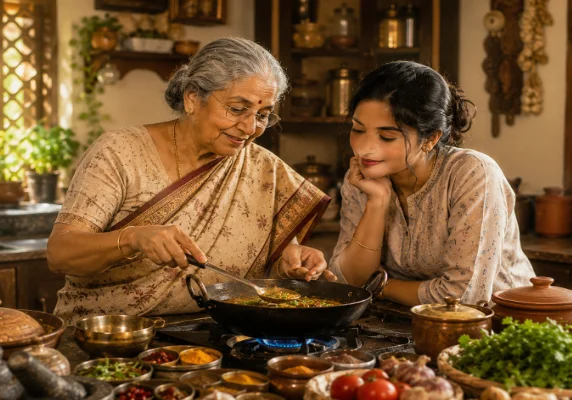 grandmas kitchen
Growing up around traditional cooking methods taught lessons that extended far beyond food.
Patience Creates Better Food
Modern life often encourages speed.
However, traditional cooking taught patience.
Many dishes required:
- Slow simmering
- Careful stirring
- Long preparation times
- Attention to detail
My grandmother believed good food could not be rushed.
She understood that flavor develops over time.
Whether preparing lentils, curries, or desserts, patience was always an essential ingredient.
This lesson applies to life as much as cooking.
Simple Ingredients Can Create Magic
One of the most surprising things about traditional cooking was how simple ingredients could become extraordinary meals.
Her pantry often contained:
- Lentils
- Rice
- Flour
- Seasonal vegetables
- Fresh herbs
- Homemade spices
Yet she could transform these humble ingredients into meals that everyone remembered.
This taught us that great food is not about expensive ingredients.
It is about understanding flavors and cooking with care.
Cooking With Love Matters
Perhaps the most important lesson was that food carries emotion.
Every meal was prepared with intention. Every guest was welcomed warmly. Every family gathering revolved around food made with love.
This emotional connection remains a core value behind food storytelling and the content shared through Lagrub.
The Magic of Homemade Meals
There is something special about home-cooked meals.
Even the most luxurious restaurant cannot always recreate the feeling of food prepared by someone who cares deeply about the people eating it.
Why Homemade Food Feels Different
Many people experience strong emotions when they eat traditional family recipes.
This happens because homemade food often represents:
- Comfort
- Security
- Family
- Tradition
- Belonging
Food becomes connected to memories.
A single aroma can transport someone back to childhood. A familiar recipe can remind them of family gatherings from years ago.
This is why comfort food memories remain so powerful.
The Kitchen as a Gathering Place
In many South Asian households, the kitchen is more than a cooking space.
It is where conversations happen. It is where stories are shared. It is where family members spend time together.
My grandmother's kitchen welcomed everyone.
Children watched cooking techniques. Adults exchanged stories. Visitors were offered tea before they could even sit down.
This culture of hospitality created a strong sense of community.
Many of the values behind Lagrub come directly from those experiences.
Childhood Memories Around the Dining Table
Food memories often stay with us longer than many other experiences.
Some of my strongest childhood memories are connected to meals shared with family.
The Sounds of the Kitchen
When people think about food, they often remember flavors.
However, kitchens are full of other memories too.
I still remember:
- The sound of spices being ground
- The crackle of food cooking
- The clinking of brass utensils
- The laughter during meal preparation
- The conversations around the table
These sensory memories helped shape a lifelong appreciation for food culture.
Family Gatherings and Shared Meals
Every family celebration involved food.
Whether it was:
- Eid celebrations
- Weddings
- Weekend lunches
- Religious gatherings
- Special occasions
Food always brought people together. Meals were served generously. Guests were encouraged to eat more. Stories flowed as freely as the tea. These experiences taught us that food is not simply nourishment. It is a way of building relationships and strengthening family bonds.
Food and Emotional Connection
Many people underestimate the emotional power of food. A traditional recipe can trigger memories from decades ago. A familiar dish can create feelings of comfort and belonging. This emotional connection explains why grandmother's kitchen memories remain so meaningful.
Food becomes part of our personal identity. It becomes part of our family story. It becomes part of who we are.
Why Food Is More Than Just a Meal
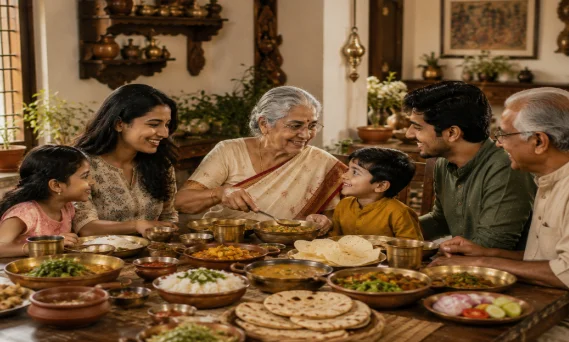 grandmas kitchen
Food serves many purposes beyond satisfying hunger.
Food Preserves Heritage
Every traditional recipe contains pieces of history.
Recipes tell stories about:
- Migration
- Culture
- Agriculture
- Family traditions
- Regional identity
When recipes are preserved, cultural knowledge survives.
When recipes disappear, valuable history can be lost.
Food Creates Community
Throughout history, food has connected people.
Shared meals encourage:
- Conversation
- Friendship
- Hospitality
- Understanding
- Togetherness
This principle remains central to Lagrub's mission.
Food should bring people closer together.
Food Tells Stories
Every dish has a story behind it.
A recipe may represent:
- A grandmother's wisdom
- A family's tradition
- A community's heritage
- A childhood memory
This is why authentic food stories continue to inspire readers around the world.
Lagrub was built on the belief that food is one of the most powerful forms of storytelling.
And that belief began in one small kitchen many years ago.
Preserving Family Traditions Through Cooking
One of the greatest gifts my grandmother gave our family was not a physical object. It was knowledge.
She passed down traditions that had been shared for generations. These traditions were preserved through food, daily routines, and family gatherings.
Cooking Was a Form of Teaching
My grandmother did not simply cook meals. She taught lessons.
Every recipe came with a story.
While preparing food, she would explain:
- Where a recipe came from
- Why certain ingredients were used
- How the dish was traditionally served
- Which family members loved it most
Without realizing it, we were learning about our family history.
This is one reason why family food traditions are so important. They preserve knowledge that may never be found in books.
The Role of Generational Recipes
Many families have recipes that are decades or even centuries old.
These generational recipes connect the past with the present.
Each time a traditional dish is prepared, a piece of family history comes back to life.
Unfortunately, many younger generations are growing up without learning these recipes. Busy schedules and modern lifestyles often leave little time for cooking together. As a result, valuable culinary knowledge can disappear.
This is why preserving homemade family recipes remains one of the most important ways to protect cultural heritage.
The Emotional Connection Between Food and Memories
Food and memory are deeply connected.
Sometimes a single smell can instantly bring back moments from childhood.
Why Certain Foods Feel Special
Many traditional dishes carry emotional significance because they are associated with meaningful experiences.
People often remember:
- Festival meals
- Family celebrations
- Weekend lunches
- Grandparents' homes
- Holiday gatherings
These memories become attached to specific flavors and aromas.
Years later, tasting the same dish can recreate those emotions.
This is the power of food nostalgia.
The Science Behind Food Memories
Our sense of smell is closely linked to memory. When we smell a familiar spice blend or traditional recipe, the brain often recalls past experiences automatically. This explains why many people feel comforted by foods they ate during childhood.
For me, the smell of freshly roasted spices immediately brings back memories of my grandmother's kitchen. It reminds me of family conversations, shared meals, and the feeling of being at home.
The Aroma That Defined My Grandmother's Kitchen
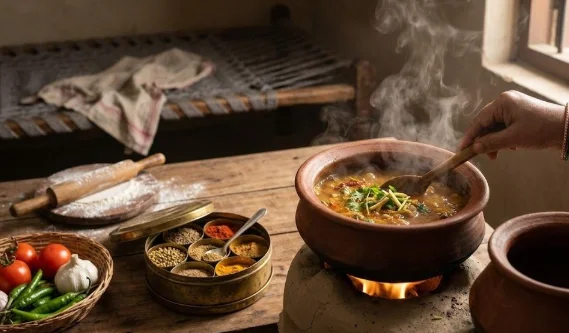 grandmas kitchen
Every memorable kitchen has a unique atmosphere.
For my grandmother's kitchen, that atmosphere was created through aroma.
The Smell of Fresh Spices
One of my earliest memories is waking up to the smell of spices being prepared.
The kitchen was often filled with the aroma of:
- Freshly ground coriander
- Roasted cumin
- Cardamom
- Cinnamon
- Cloves
- Homemade spice blends
These aromas transformed ordinary mornings into something special.
The Comfort of Familiar Scents
Food aromas have a remarkable ability to create comfort.
Even today, certain smells instantly make me feel relaxed and nostalgic.
The scent of a slow-cooked curry or freshly baked bread can transport me back to childhood within seconds.
These sensory experiences played a major role in shaping the values behind Lagrub.
Food is not only about taste.
It is also about emotion, memory, and connection.
How Grandmother's Kitchen Inspired Lagrub
Every brand has a story.
The story of Lagrub began long before the website existed.
It began in a family kitchen.
Learning the Value of Authenticity
One lesson my grandmother taught repeatedly was authenticity.
She believed food should be honest.
Ingredients should be fresh. Recipes should respect tradition. Meals should be shared generously.
This philosophy continues to guide Lagrub today.
Our goal is not simply to share recipes.
We aim to celebrate:
- Food culture
- Culinary heritage
- Traditional cooking
- Family stories
- Community connections
Turning Memories Into a Mission
Over time, those childhood experiences evolved into something larger.
The memories of traditional meals inspired a desire to preserve food culture.
Lagrub was created to:
- Share authentic food stories
- Preserve culinary traditions
- Celebrate homemade cooking
- Connect people through food
- Keep family recipes alive
Every article, recipe, and story reflects those original values learned in my grandmother's kitchen.
Food Nostalgia in a Modern World
Modern life moves quickly.
Technology, social media, and convenience foods have changed how people eat and interact with food.
Yet food nostalgia remains powerful.
Why People Miss Traditional Food Experiences
Many people long for experiences they enjoyed as children.
They miss:
- Home-cooked meals
- Family gatherings
- Traditional kitchens
- Shared cooking experiences
- Handmade recipes
These memories often represent a simpler time.
Food becomes a connection to those moments.
Balancing Tradition and Modern Life
Preserving traditions does not mean rejecting modern conveniences.
Instead, it means finding ways to keep meaningful practices alive.
Families can do this by:
- Cooking together occasionally
- Preparing traditional dishes during celebrations
- Teaching children family recipes
- Sharing food stories
Small efforts can make a significant difference.
Carrying Culinary Heritage Into the Future
The future of food heritage depends on what we choose to preserve today.
Why Culinary Heritage Matters
Culinary heritage represents much more than recipes.
It includes:
- Cooking techniques
- Food customs
- Family traditions
- Cultural identity
- Historical knowledge
Each generation has a responsibility to pass this knowledge forward.
The Importance of Sharing Knowledge
Many traditional skills are learned through observation.
Watching an experienced cook often teaches more than reading a recipe.
This is why family cooking experiences remain valuable.
Encouraging younger generations to participate in the kitchen helps preserve these traditions.
The Importance of Recording Family Recipes
One of the easiest ways to preserve food heritage is through documentation.
Why Recipes Should Be Written Down
Many family recipes exist only in memory.
If they are not recorded, they may eventually disappear.
Writing recipes down helps preserve:
- Ingredients
- Techniques
- Family stories
- Cultural traditions
It also allows future generations to recreate meaningful dishes.
Creating a Family Recipe Collection
Families can preserve recipes by:
- Writing them in notebooks
- Creating digital recipe files
- Recording cooking videos
- Interviewing older relatives
- Photographing traditional dishes
These efforts help protect culinary knowledge for years to come.
Building a Food Community Through Shared Memories
One of the goals of Lagrub is to create a community around food.
Why Shared Food Stories Matter
People connect through experiences.
Food stories often reveal common memories and emotions.
Many readers have similar experiences involving:
- Grandparents
- Family recipes
- Traditional kitchens
- Childhood meals
- Festival foods
Sharing these stories creates a sense of belonging.
Creating Connections Through Food
Food has a unique ability to bring people together regardless of age, background, or location.
A recipe can start a conversation. A memory can inspire a story. A shared meal can build lasting relationships.
These principles remain central to Lagrub's mission.
The journey that began in my grandmother's kitchen continues today through every story we share and every tradition we celebrate.
FAQs
What inspired the story of My Grandmother's Kitchen: Where Lagrub Began?
The inspiration came from childhood experiences spent in a traditional family kitchen. Those moments were filled with homemade meals, family gatherings, and recipes passed down through generations. They became the foundation of Lagrub's passion for food, storytelling, and culinary heritage.
Why are family recipes important?
Family recipes preserve history, culture, and traditions. They connect generations and keep valuable cooking knowledge alive. Every recipe carries memories, stories, and lessons that help families stay connected to their roots.
How does food create emotional connections?
Food is often linked to important life moments such as celebrations, holidays, and family gatherings. The flavors and aromas of traditional dishes can trigger powerful memories, creating a strong emotional bond between food and personal experiences.
What makes homemade food special?
Home-cooked meals are prepared with care, attention, and love. Unlike convenience foods, homemade dishes often reflect family traditions and authentic cooking methods that make every meal feel meaningful.
How can younger generations preserve culinary heritage?
Young people can preserve culinary heritage by:
- Learning traditional recipes
- Cooking with parents and grandparents
- Recording family food stories
- Documenting cooking techniques
- Sharing recipes with future generations
Why do traditional kitchens hold so many memories?
Traditional kitchens were often gathering spaces where families cooked, talked, and spent time together. These experiences created lasting memories that many people continue to cherish throughout their lives.
What role does storytelling play in food culture?
Food and storytelling are deeply connected. Recipes often tell stories about family traditions, cultural roots, and personal experiences. Sharing these stories helps preserve heritage and strengthens community connections.
How does Lagrub celebrate food heritage?
Lagrub celebrates food heritage by sharing authentic food stories, traditional recipes, cultural insights, and memories that connect people through the universal language of food.
Can food traditions survive in modern life?
Yes. While lifestyles have changed, food traditions can survive through intentional efforts such as cooking traditional meals, teaching recipes to children, and documenting family culinary knowledge.
Why is preserving grandmother's recipes important?
Many traditional recipes exist only in memory. Preserving them helps protect family history, cultural identity, and valuable cooking techniques that might otherwise disappear over time.
Conclusion
The story of My Grandmother's Kitchen: Where Lagrub Began is ultimately a story about family, tradition, and the lasting power of food. Long before Lagrub became a platform for sharing recipes and food stories, it existed in the warmth of a kitchen where every meal was prepared with patience, care, and love.
My grandmother's kitchen was more than a place to cook. It was where family traditions were preserved, stories were shared, and memories were created. The aroma of freshly prepared spices, the sight of homemade meals on the dining table, and the joy of gathering together shaped a lifelong appreciation for food and culture.
Today, many of those traditions are at risk of being forgotten. However, every recipe we save, every family story we share, and every traditional meal we prepare helps keep that heritage alive.
At Lagrub, we believe food is much more than nourishment. It is a bridge between generations. It is a reflection of culture. It is a source of comfort, belonging, and identity.
As we move forward, the mission remains simple: preserve the traditions that matter, celebrate the stories behind every dish, and inspire future generations to value the rich legacy of family food traditions, homemade family recipes, and culinary heritage.

Sahar Syed
Sahar Syed writes for LaGrub on cooking, recipes, and mindful culinary living.
Get a desi recipe worth cooking, every week
One tested recipe a week. Nothing else, and unsubscribe any time.


