

Wondering about the difference between Pakistani vs Indian food? While both cuisines share deep historical roots and many beloved dishes, each has its own flavours, ingredients, cooking techniques, and regional traditions. This guide compares their similarities and differences to help you understand what makes each cuisine truly unique.
Wondering about the difference between Pakistani vs Indian food? While both cuisines share deep historical roots and many beloved dishes, they each have unique flavours, cooking styles, ingredients, and regional traditions. This guide explores their similarities and differences to help you better understand two of the world's most celebrated culinary cultures.
Pakistani vs Indian Food: Are They the Same?
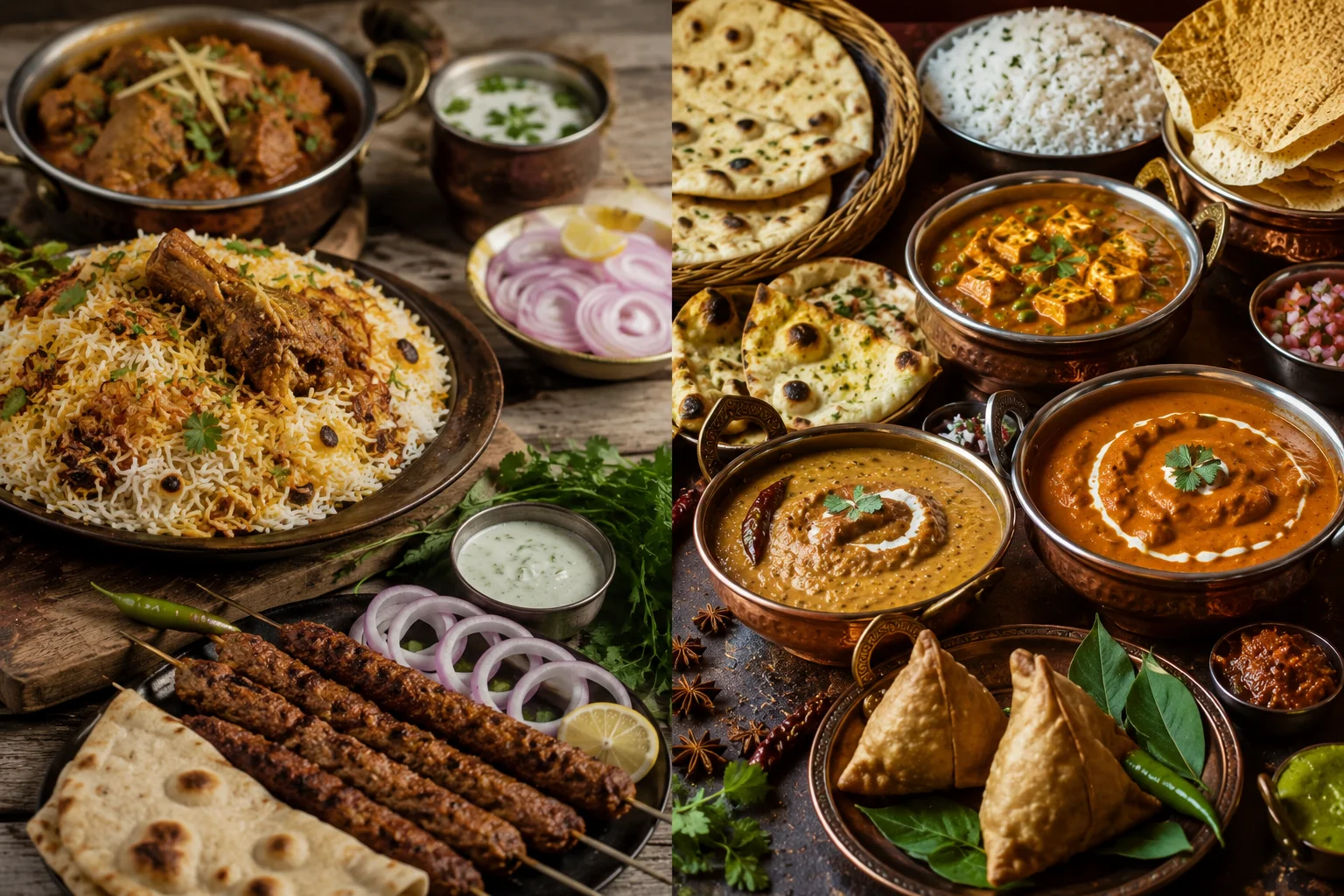
The short answer is no. Although Pakistani vs Indian food is a common comparison, the two cuisines are not the same. They share centuries of history, cultural influences, and cooking traditions, but each has evolved into its own distinct culinary identity.
Many popular dishes such as biryani, naan, kebabs, daal, and samosas can be found in both countries. However, the way these dishes are prepared often differs. Regional ingredients, spice blends, cooking techniques, and family traditions all influence the final flavour.
Pakistani cuisine is widely known for its hearty meat dishes, slow-cooked curries, grilled kebabs, and rich gravies. Beef, mutton, and chicken are commonly featured in traditional recipes, creating meals that are bold, aromatic, and deeply satisfying.
Indian cuisine, on the other hand, is incredibly diverse because of the country's vast geography and regional food traditions. Alongside many meat-based dishes, India is also famous for its extensive variety of vegetarian meals, lentil-based recipes, and regional specialities that vary from north to south and east to west.
Rather than asking which cuisine is better, it is more accurate to appreciate that both offer unique flavours, techniques, and culinary experiences. Together, they represent some of the richest food traditions in the world.
A Shared Culinary Heritage
One reason people often compare Pakistani vs Indian food is because both cuisines share a long culinary history. Before the modern borders were established, many cooking traditions, ingredients, and recipes developed across the same region over centuries.
As communities traded, travelled, and exchanged ideas, recipes evolved naturally. Families adapted dishes using local ingredients, seasonal produce, and regional preferences, creating different versions of many familiar meals.
For example, biryani exists in numerous regional styles. Some recipes focus on fragrant herbs and subtle spices, while others include richer gravies and bolder seasoning. The same is true for kebabs, curries, and flatbreads, which have countless variations across different regions.
This shared heritage explains why many dishes appear similar while still reflecting the traditions of the communities that prepare them.
The Ingredients That Bring Both Cuisines Together
Although Pakistani cuisine and Indian cuisine have their own identities, they rely on many of the same everyday ingredients. These shared staples form the foundation of countless traditional recipes.
Some of the most commonly used ingredients include:
- Basmati rice
- Onions
- Tomatoes
- Garlic
- Ginger
- Fresh coriander
- Mint
- Yoghurt
- Lentils
- Chickpeas
These ingredients are combined in different ways to create everything from rich curries to simple home-cooked meals.
Spices also play an essential role in both cuisines. Cumin, coriander, turmeric, cinnamon, cloves, cardamom, black pepper, and garam masala are widely used to build layers of flavour rather than simply adding heat.
This careful balance of spices is one of the reasons both cuisines are recognised for their complex aromas and memorable taste.
How Cooking Styles Differ
Slow Cooking
Pakistani cooking frequently relies on slow cooking to develop rich gravies and tender meat. Dishes such as nihari and paya are simmered for several hours, allowing the spices to blend naturally with the meat.
Many Indian regional dishes also use slow cooking, particularly in northern cuisine. However, cooking methods vary greatly across different parts of the country, resulting in an even wider range of textures and flavours.
Tandoor Cooking
Both cuisines make excellent use of the traditional clay oven known as the tandoor.
It is used to prepare favourites such as:
- Naan
- Tandoori chicken
- Kebabs
- Kulcha
The high heat gives breads their soft texture and creates the smoky flavour that makes grilled meats especially popular.
Dum Cooking
Another shared technique is dum cooking, where ingredients are sealed inside a pot and cooked slowly over low heat. This method is commonly used for biryani, allowing the rice, meat, herbs, and spices to absorb one another's flavours.
The result is a fragrant, well-balanced dish that showcases the importance of patience in traditional South Asian cooking.
The Role of Meat and Vegetarian Dishes
One of the most noticeable differences when comparing Pakistani vs Indian food is the balance between meat-based and vegetarian dishes.
Pakistani cuisine is often associated with beef, mutton, and chicken. Grilled kebabs, slow-cooked curries, and rich meat stews are central to many traditional meals. While vegetables and lentils are widely enjoyed, meat dishes often take centre stage during family gatherings and celebrations.
Indian cuisine includes an enormous variety of vegetarian recipes alongside meat dishes. Regional traditions have led to the development of countless meals featuring lentils, paneer, vegetables, beans, and grains. This diversity means vegetarian cooking plays a particularly prominent role in many parts of India.
Despite this difference, both cuisines celebrate fresh ingredients, balanced flavours, and recipes that bring people together around the table.
Why Both Cuisines Are Loved Worldwide
The popularity of both Pakistani cuisine and Indian cuisine continues to grow around the world because they offer something for everyone.
Whether someone prefers grilled meats, fragrant rice dishes, hearty curries, fresh breads, or comforting vegetarian meals, both cuisines provide an incredible range of options.
Their emphasis on fresh ingredients, aromatic spices, and traditional cooking methods creates memorable meals that appeal to both experienced food lovers and those discovering South Asian cuisine for the first time.
Rather than focusing only on their differences, appreciating the shared heritage and unique strengths of each cuisine offers a richer understanding of the remarkable diversity found across the region.
Popular Pakistani Dishes vs Popular Indian Dishes
One of the easiest ways to understand Pakistani vs Indian food is by looking at the dishes that define each cuisine. While some recipes share similar names and ingredients, the flavours, cooking styles, and regional influences often create completely different dining experiences.
Popular Pakistani Dishes
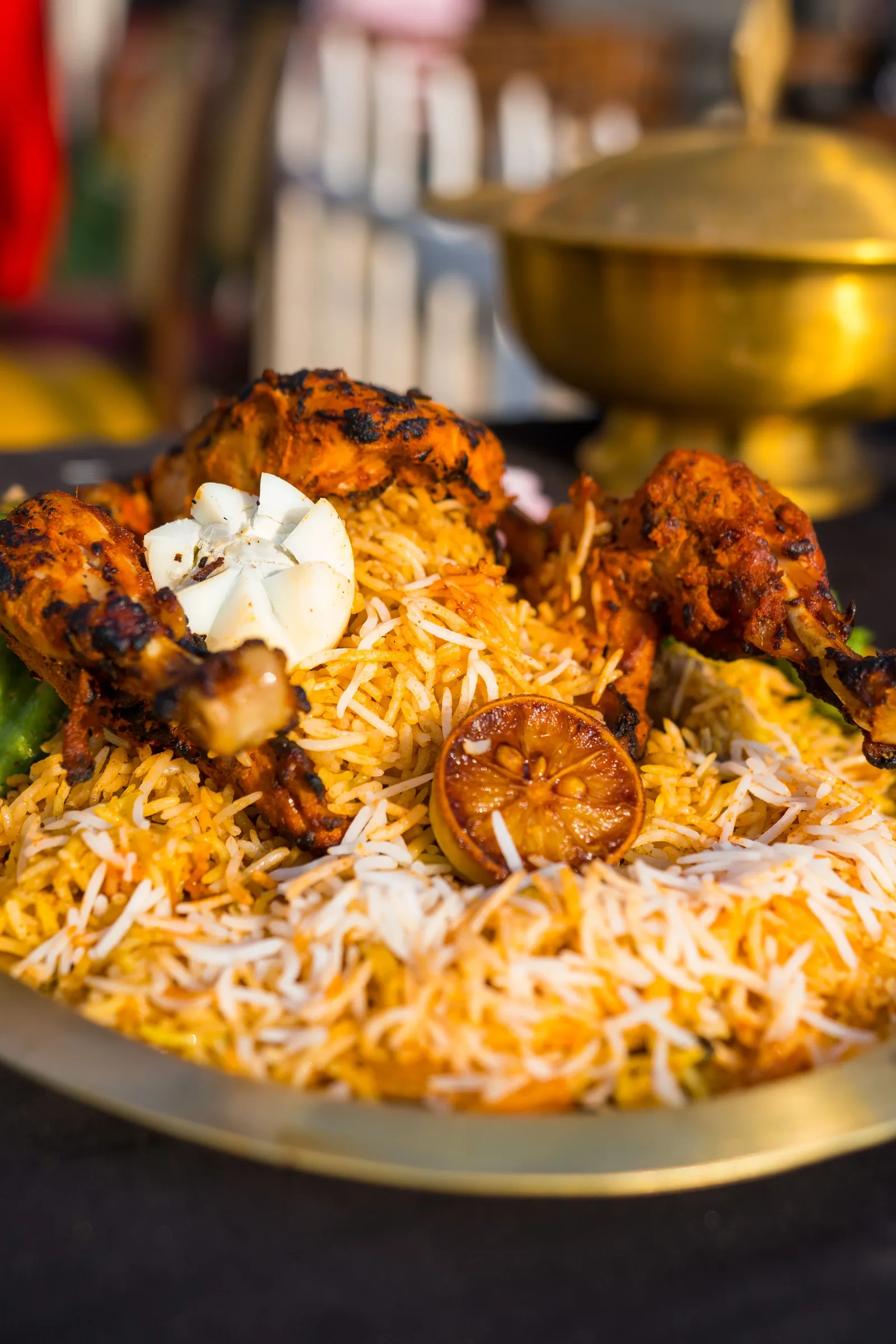
Pakistani cuisine is well known for hearty meat dishes, slow-cooked curries, fragrant rice, and smoky barbecue. Some of the most popular dishes include:
Nihari
Nihari is a slow-cooked beef stew prepared over several hours with aromatic spices. It is rich, deeply flavourful, and traditionally served with naan, fresh ginger, green chillies, and coriander.
Chapli Kebab
Originating from north-western Pakistan, Chapli Kebab is made from minced beef or mutton mixed with herbs, spices, tomatoes, onions, and pomegranate seeds. Its crispy exterior and juicy centre make it one of the country's most loved street foods.
Chicken or Beef Karahi
Karahi is cooked in a deep wok-like pan using tomatoes, ginger, garlic, green chillies, and freshly ground spices. Unlike many curries, it contains very little cream, allowing the natural flavours of the ingredients to stand out.
Sajji
Sajji is a traditional roasted meat dish prepared by marinating whole chicken or lamb with simple seasonings before slow roasting until tender. It highlights how Pakistani cooking often focuses on enhancing the natural flavour of meat.
Sindhi Biryani
Known for its bold seasoning, potatoes, yoghurt, herbs, and fragrant basmati rice, Sindhi Biryani offers a rich combination of flavours that has become famous throughout Pakistan.
Popular Indian Dishes
Indian cuisine includes thousands of regional recipes, each reflecting local ingredients, traditions, and cooking methods. Some internationally recognised dishes include:
Butter Chicken
Butter Chicken features tender chicken cooked in a creamy tomato-based sauce with butter, cream, and aromatic spices. It is especially popular in northern India and around the world.
Masala Dosa
A speciality from southern India, Masala Dosa is a thin, crispy fermented rice and lentil pancake filled with spiced potatoes. It is commonly served with coconut chutney and sambar.
Palak Paneer
Palak Paneer combines spinach with cubes of fresh paneer cheese in a mildly spiced sauce. It is one of the best-known vegetarian dishes in Indian cuisine.
Chole Bhature
This popular meal features spicy chickpea curry served with deep-fried bread. It is especially popular for breakfast and lunch in northern India.
Idli and Sambar
Soft steamed rice cakes paired with lentil-based vegetable stew are staples in many southern Indian households, offering a lighter yet satisfying meal.
These examples show that both cuisines have their own signature dishes while sharing a passion for fresh ingredients and traditional cooking.
Spices and Flavour Profiles
Another important aspect of Pakistani vs Indian food is how spices are used.
Both cuisines rely on spices such as cumin, coriander, turmeric, cinnamon, cloves, cardamom, black pepper, and garam masala. However, the balance and intensity of these spices often differ depending on the recipe and region.
Pakistani cuisine generally highlights rich, savoury flavours with generous use of meat, onions, tomatoes, ginger, and garlic. Slow cooking allows the spices to blend into thick gravies that are both aromatic and comforting.
Indian cuisine offers an even wider range of flavour profiles because of its regional diversity. Northern dishes often feature creamy gravies and dairy products, while southern recipes commonly include coconut, curry leaves, mustard seeds, tamarind, and fresh chillies. Eastern and western regions bring their own unique combinations of spices and ingredients.
It is important to remember that neither cuisine is defined by extreme heat. In both countries, spices are used primarily to create depth, aroma, and balance rather than simply making food hot.
Meat-Based and Vegetarian Traditions
One of the biggest differences people notice when comparing Pakistani vs Indian food is the role of meat and vegetarian cooking.
Pakistani cuisine is often associated with meat-based dishes. Beef, mutton, and chicken appear regularly in recipes such as kebabs, biryani, karahi, nihari, haleem, and pulao. These dishes are enjoyed during everyday meals as well as family celebrations.
At the same time, vegetables and lentils remain an important part of Pakistani home cooking. Daal, spinach, okra, potatoes, chickpeas, cauliflower, and seasonal vegetables are commonly prepared alongside rice or freshly baked breads.
Indian cuisine is widely recognised for its remarkable variety of vegetarian dishes. Paneer, lentils, beans, vegetables, and grains are used to create nutritious meals that vary greatly from one region to another. However, meat is also enjoyed in many parts of India, especially in regional cuisines where chicken, lamb, fish, and seafood are popular.
This balance highlights that both cuisines offer something for every preference, whether you enjoy meat-based meals or plant-based recipes.
Street Food: A Burst of Local Flavours
Street food plays an important role in both culinary traditions, offering quick, affordable, and flavour-packed meals.
In Pakistan, favourites include bun kebabs, gol gappay, chana chaat, seekh kebabs, and freshly grilled barbecue. These dishes are known for their smoky flavours, fresh herbs, and bold spices.
India also has a vibrant street food culture with favourites such as pani puri, pav bhaji, vada pav, aloo tikki, bhel puri, and dahi puri. Regional ingredients and local traditions create an incredible variety of snacks across the country.
Although the flavours and presentation may differ, both countries celebrate street food as an essential part of everyday life, bringing communities together through fresh, affordable, and delicious meals.
Pakistani Restaurants vs Indian Restaurants
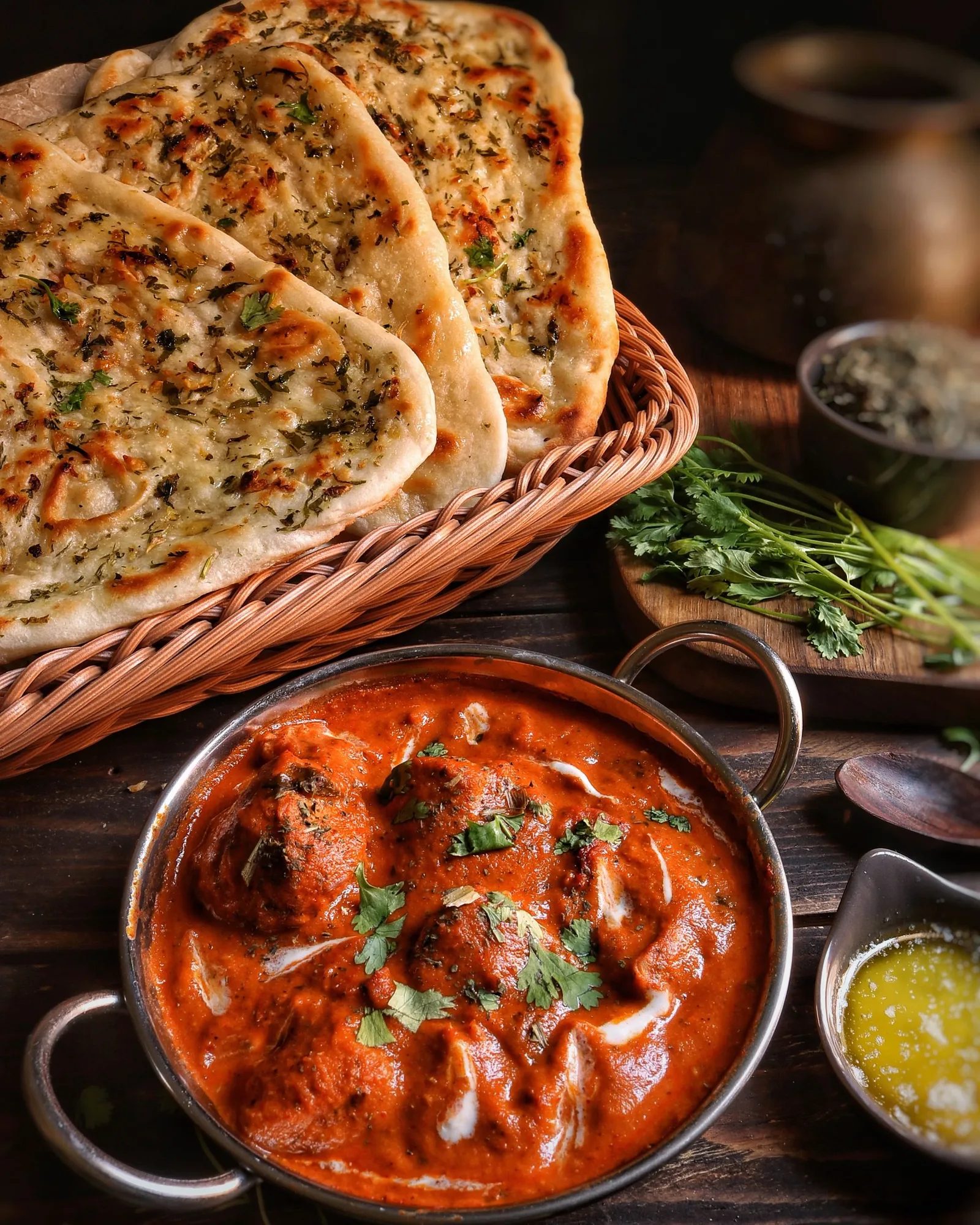
When comparing Pakistani vs Indian food, many people notice that restaurants outside South Asia often have similar menus. This is because both cuisines share historical roots and several well-known dishes. However, once you look more closely, each restaurant usually highlights its own culinary traditions.
A Pakistani restaurant often features grilled meats, slow-cooked curries, barbecue platters, nihari, karahi, haleem, chapli kebabs, and biryani. Meat dishes are usually a major focus, and freshly baked naan is commonly served with rich gravies.
An Indian restaurant may offer a wider variety of vegetarian dishes alongside meat-based meals. Depending on the region it represents, the menu may include butter chicken, paneer dishes, dosas, idlis, chole bhature, seafood curries, and vegetable-based specialities.
Both dining experiences are rich in flavour and tradition. The best choice often depends on the type of dishes you want to explore rather than one cuisine being better than the other.
Which Cuisine Should You Try First?
If you are new to South Asian food, there is no wrong choice when exploring Pakistani vs Indian food. Both cuisines offer unforgettable flavours and a wide variety of dishes.
If you enjoy rich meat dishes and smoky barbecue, start with Pakistani favourites such as:
- Nihari
- Chicken Karahi
- Chapli Kebab
- Seekh Kebabs
- Beef Biryani
If you prefer a mix of vegetarian and meat-based meals, you might enjoy Indian classics such as:
- Butter Chicken
- Palak Paneer
- Masala Dosa
- Chole Bhature
- Idli with Sambar
The best way to appreciate both cuisines is to try a variety of dishes and discover which flavours you enjoy most. Every region has something unique to offer, making South Asian cuisine one of the most exciting food traditions in the world.
Frequently Asked Questions
What is the main difference between Pakistani and Indian food?
The main difference in Pakistani vs Indian food is that both cuisines share historical roots but have evolved differently. Pakistani cuisine often focuses on meat-based dishes and slow-cooked recipes, while Indian cuisine is known for its extensive regional diversity and large selection of vegetarian dishes.
Are Pakistani and Indian dishes the same?
No. Although many dishes have similar names and shared origins, recipes often differ in ingredients, spice blends, cooking techniques, and regional traditions.
Which cuisine is spicier, Pakistani or Indian?
Neither cuisine is naturally spicier than the other. Both use aromatic spices to create flavour, while the level of heat depends on the specific recipe and personal preference.
Is Pakistani food mostly meat-based?
Meat plays an important role in Pakistani cuisine, with beef, mutton, and chicken appearing in many traditional dishes. However, lentils, vegetables, chickpeas, rice, and breads are also essential parts of everyday meals.
Which cuisine should beginners try first?
Both are excellent choices. If you enjoy grilled meats and hearty curries, try Pakistani dishes like karahi or nihari. If you prefer a wider mix of vegetarian and meat-based meals, Indian classics such as butter chicken, palak paneer, or masala dosa are great starting points.
Conclusion
When comparing Pakistani vs Indian food, it becomes clear that both cuisines share historical connections while maintaining their own distinctive identities. They use many of the same ingredients and cooking techniques, yet each has developed unique regional recipes, flavour profiles, and culinary traditions.
Pakistani cuisine is celebrated for its hearty meat dishes, slow-cooked curries, barbecue, and aromatic rice recipes. Indian cuisine is equally admired for its remarkable regional diversity, extensive vegetarian offerings, and wide range of traditional specialities.
Instead of asking which cuisine is better, celebrate the diversity that both bring to the table. Explore authentic recipes, cooking tips, and food stories on LaGrub discover the rich flavours that make South Asian cuisine one of the world's most loved culinary traditions.

Maimoona Ehtisham
Maimoona Ehtisham writes for LaGrub on cooking, recipes, and mindful culinary living.
Get a desi recipe worth cooking, every week
One tested recipe a week. Nothing else, and unsubscribe any time.


Comments