

Wondering what is halal meat in cooking? Halal meat follows Islamic dietary guidelines and is used in a wide variety of delicious recipes around the world. This guide explains what halal meat is, how it is prepared, the best cooking methods, and how to use it in everyday meals with confidence.
What Is Halal Meat in Cooking?
If you are wondering what is halal meat in cooking, it refers to meat prepared according to Islamic dietary guidelines and used in a wide variety of recipes worldwide. Halal meat can be grilled, roasted, fried, or slow-cooked just like any other meat, making it a versatile choice for everyday cooking and special occasions.
Understanding Halal Meat
The word halal means "permissible" or "allowed" in Arabic. When discussing food, halal refers to items that are permitted under Islamic dietary laws.
In cooking, halal meat comes from animals that are allowed to be eaten and are prepared according to specific religious guidelines. The preparation process is designed to meet halal standards before the meat reaches consumers.
Today, halal meat is enjoyed by millions of people around the world. While it is especially important for Muslims, many non-Muslims also choose halal meat because of its quality, freshness, and versatility in cooking.
Whether you are preparing traditional Pakistani dishes, Middle Eastern recipes, or everyday family meals, halal meat can be used in almost any recipe that calls for beef, chicken, lamb, or goat.
What Makes Meat Halal?
To understand what is halal meat in cooking, it is important to know what makes meat halal in the first place.
Several conditions must be met before meat can be considered halal.
First, the animal must be one that is permissible to eat according to Islamic dietary laws. Common examples include chicken, beef, lamb, goat, turkey, and mutton.
Second, the animal must be healthy at the time of slaughter.
Third, the slaughter must follow Islamic guidelines. During this process, the name of Allah is recited, and the animal is slaughtered in a prescribed manner intended to ensure respect and proper handling.
Afterward, the meat is processed, packaged, and stored carefully to maintain halal standards.
Many products also carry halal certification, giving consumers confidence that the meat meets established halal requirements.
Is Halal Meat Different From Regular Meat?
One of the most common questions people ask is whether halal meat tastes different from regular meat.
The answer is generally no.
The natural flavor depends more on the type of animal, the cut of meat, seasoning, and cooking method than on whether the meat is halal.
For example, halal chicken tastes like any other chicken when prepared using the same ingredients and cooking techniques.
Likewise, halal beef, lamb, and goat have the same natural characteristics as other high-quality cuts of meat.
What often creates the difference is how the meat is seasoned and cooked. Pakistani, Middle Eastern, and South Asian recipes commonly use aromatic spices, yogurt marinades, garlic, ginger, and fresh herbs to create bold flavors.
Types of Halal Meat Used in Cooking
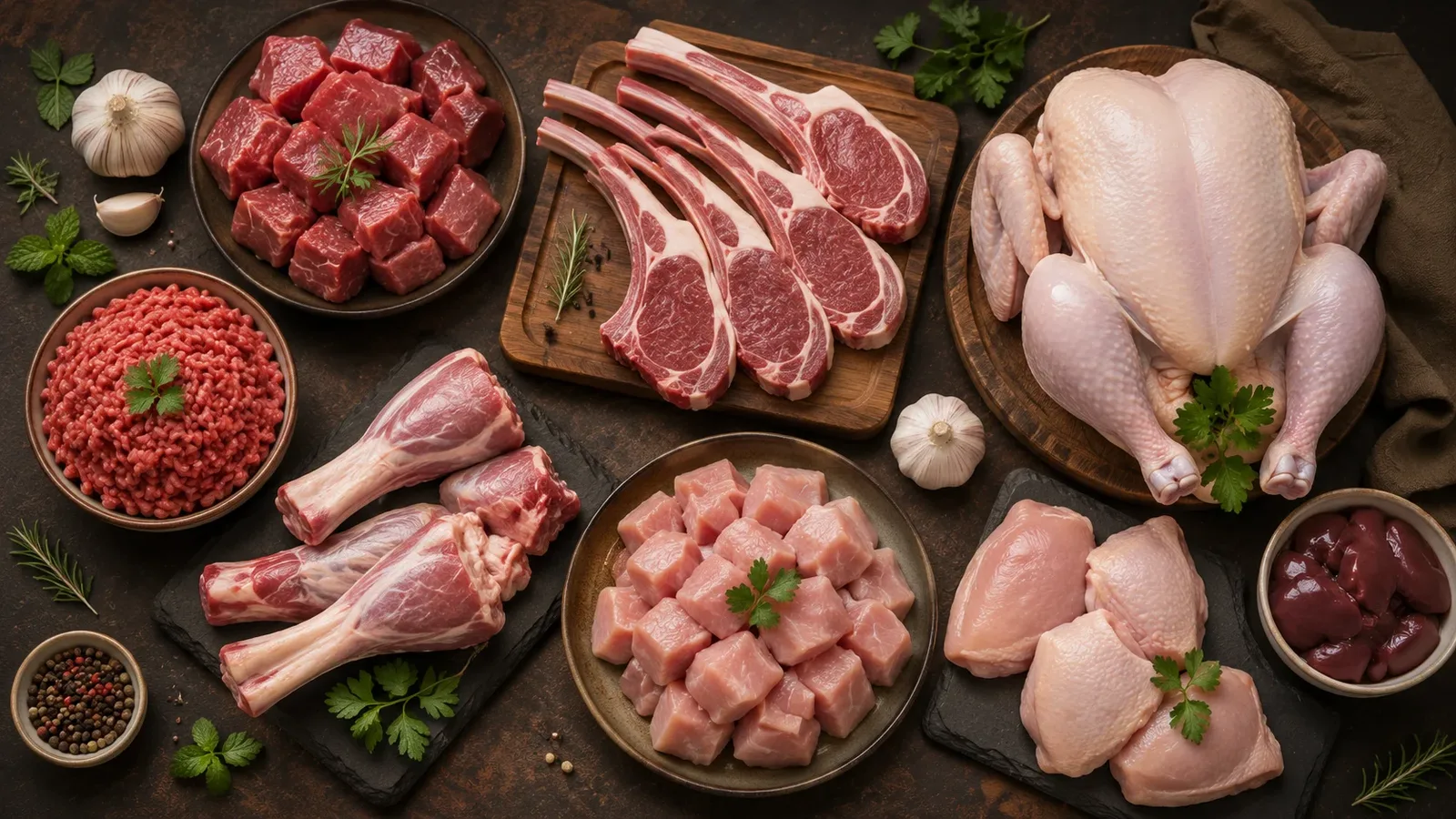
Halal cooking includes many different types of meat, allowing cooks to prepare a wide range of dishes.
Halal Chicken
Chicken is one of the most popular halal meats because it cooks quickly and works well with many recipes.
It is commonly used for grilled chicken, curries, biryani, kebabs, soups, stir-fries, and roasted meals.
Halal Beef
Halal beef is popular in hearty dishes that require slow cooking or grilling.
It is often used in stews, kebabs, burgers, curries, roast dinners, and barbecue recipes.
Halal Lamb
Lamb has a rich flavor that pairs beautifully with aromatic spices.
Many traditional recipes use halal lamb in biryani, korma, grilled chops, roasted dishes, and slow-cooked meals.
Halal Goat
Goat meat is widely enjoyed in Pakistani, Middle Eastern, African, and South Asian cuisines.
Its firm texture makes it ideal for slow-cooked curries, stews, and festive meals.
Halal Turkey
Turkey is another halal option that works well for roasting, sandwiches, soups, and family dinners.
Because it is lean, many people choose turkey as a healthier protein source.
Popular Dishes Made With Halal Meat
One reason halal meat is so popular is its versatility.
It can be used in countless traditional and modern recipes.
Some of the best-known halal dishes include:
- Chicken Karahi
- Biryani
- Nihari
- Haleem
- Korma
- Seekh Kebabs
- Chapli Kebabs
- Grilled Chicken
- Roast Lamb
- Beef Stew
These dishes highlight how halal meat can be adapted to different cooking methods while maintaining authentic flavors.
Why Halal Meat Is Popular in Cooking
The popularity of halal meat continues to grow across the world.
One reason is its flexibility.
Whether you enjoy grilling, roasting, baking, frying, or slow cooking, halal meat performs well in every cooking method.
Another reason is the wide variety of cuisines that use halal meat.
Pakistani cuisine features flavorful curries and kebabs.
Middle Eastern cooking includes grilled lamb, shawarma, and roasted chicken.
Indian cuisine uses halal meat in biryani, kebabs, and rich curries.
Many international recipes can also be prepared using halal-certified chicken, beef, or lamb without changing the cooking process.
Cooking Methods for Halal Meat
Learning what is halal meat in cooking also means understanding how versatile it is in the kitchen.
Grilling
Grilling is one of the healthiest and most flavorful ways to cook halal meat.
Chicken, beef, lamb, and goat all develop a delicious smoky flavor when grilled over high heat.
Marinating the meat beforehand helps keep it tender and juicy.
Roasting
Roasting works especially well for whole chickens, lamb shoulders, and beef cuts.
Slow roasting allows the meat to remain moist while developing a rich, golden exterior.
Frying
Frying creates crispy textures that are perfect for fried chicken, kebabs, and quick weeknight meals.
Using the right cooking oil and maintaining the proper temperature helps produce the best results.
Slow Cooking
Slow cooking is ideal for tougher cuts of halal beef, lamb, or goat.
Cooking the meat gently over several hours allows connective tissues to break down, producing tender, flavorful dishes such as nihari, stews, and curries.
Pan-Searing
Pan-searing locks in juices while creating a beautifully browned crust.
This method works well for steaks, lamb chops, and chicken breasts before finishing them in the oven if needed.
Best Spices for Halal Meat
One reason halal recipes are so flavorful is the careful use of spices.
Popular seasonings include cumin, coriander, turmeric, paprika, black pepper, garam masala, cardamom, cinnamon, and cloves.
Fresh garlic, ginger, lemon juice, yogurt, cilantro, and mint are also commonly used to prepare flavorful marinades.
These ingredients enhance the natural taste of halal meat without overpowering it.
Whether you are preparing grilled chicken, roasted lamb, or slow-cooked beef, combining fresh herbs with aromatic spices creates delicious results every time.
How to Prepare Halal Meat Before Cooking
Understanding what is halal meat in cooking also means knowing how to prepare it properly. Good preparation helps improve texture, flavor, and food safety while allowing the natural taste of the meat to shine.
Begin by keeping halal meat refrigerated until you are ready to cook. If the meat has been frozen, thaw it slowly in the refrigerator instead of leaving it at room temperature. This helps preserve quality and reduces the risk of bacterial growth.
Before seasoning, gently pat the meat dry with paper towels. Removing excess moisture helps it brown more evenly during cooking. Depending on the recipe, you can trim excess fat, cut the meat into serving-sized pieces, or leave larger cuts whole for roasting.
Many recipes also benefit from marinating the meat before cooking. This allows the seasonings to penetrate the surface and helps keep the meat tender during cooking.
Marinating Halal Meat for Better Flavor
A good marinade can completely transform the flavor of halal meat.
Traditional Pakistani and Middle Eastern recipes often combine yogurt, garlic, ginger, lemon juice, olive oil, and aromatic spices to create a balanced marinade. Ingredients such as cumin, coriander, turmeric, paprika, garam masala, and black pepper add warmth without hiding the natural taste of the meat.
Chicken usually requires only a few hours of marinating, while beef and lamb often benefit from a longer marinating time because their thicker texture absorbs flavors more slowly.
Marinating is not required for every recipe, but it is an excellent way to create juicy and flavorful meals.
Choosing the Right Cooking Method
One of the reasons halal meat is so popular is that it adapts well to many cooking techniques.
Chicken cooks quickly and works well for grilling, roasting, baking, stir-frying, and pan-searing.
Beef is ideal for grilling steaks, roasting larger cuts, or slow-cooking stews and curries.
Lamb develops a rich flavor when roasted, grilled, or braised for several hours.
Goat meat is often cooked slowly in traditional curries because gentle cooking helps create a tender texture.
Choosing the right cooking method allows each type of halal meat to develop its best flavor and texture.
Popular Halal Recipes Around the World
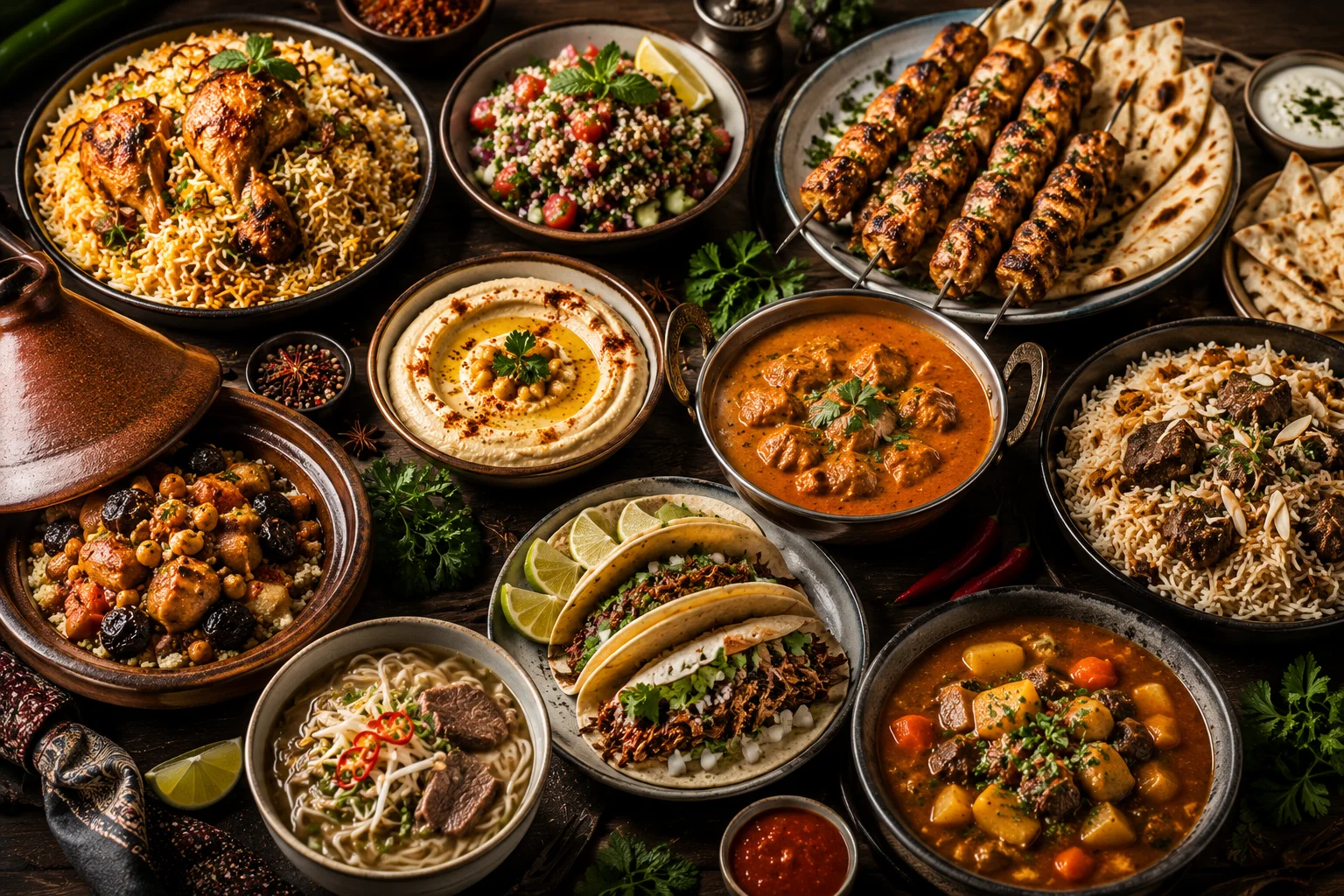
Halal meat is used in countless traditional recipes across different cultures.
In Pakistani cuisine, dishes such as Chicken Karahi, Biryani, Nihari, Haleem, and Seekh Kebabs are prepared with halal meat and aromatic spices.
Middle Eastern cuisine features grilled lamb, shawarma, kofta, roasted chicken, and rice dishes that showcase simple yet bold flavors.
Turkish cuisine includes kebabs, slow-roasted meats, and grilled specialties that highlight high-quality halal ingredients.
Many everyday meals such as soups, sandwiches, pasta, salads, and casseroles can also be prepared using halal chicken, beef, or lamb.
This versatility makes halal meat suitable for both traditional recipes and modern family cooking.
Buying Halal Meat
If you are new to halal cooking, purchasing halal meat is easier than many people expect.
Many supermarkets now carry halal-certified products, while local halal butchers offer a wider variety of fresh cuts.
When shopping, look for clear halal certification on the packaging. Buying from trusted suppliers helps ensure the meat has been prepared according to halal standards and handled with proper food safety practices.
Fresh halal meat should have a clean appearance, a natural color, and no unpleasant odor. Proper packaging and refrigeration are also signs of good quality.
Storing Halal Meat Safely
Proper storage helps maintain both freshness and quality.
Fresh halal meat should be refrigerated soon after purchase and cooked within the recommended time for its specific type.
If you do not plan to cook it immediately, freezing is a good option. Wrapping the meat securely helps prevent freezer burn and preserves its flavor.
After cooking, allow the food to cool slightly before refrigerating leftovers in airtight containers. Reheating only the portion you plan to eat helps maintain both taste and texture.
Following safe food handling practices keeps halal meals enjoyable and reduces unnecessary waste.
Is Halal Meat Healthy?
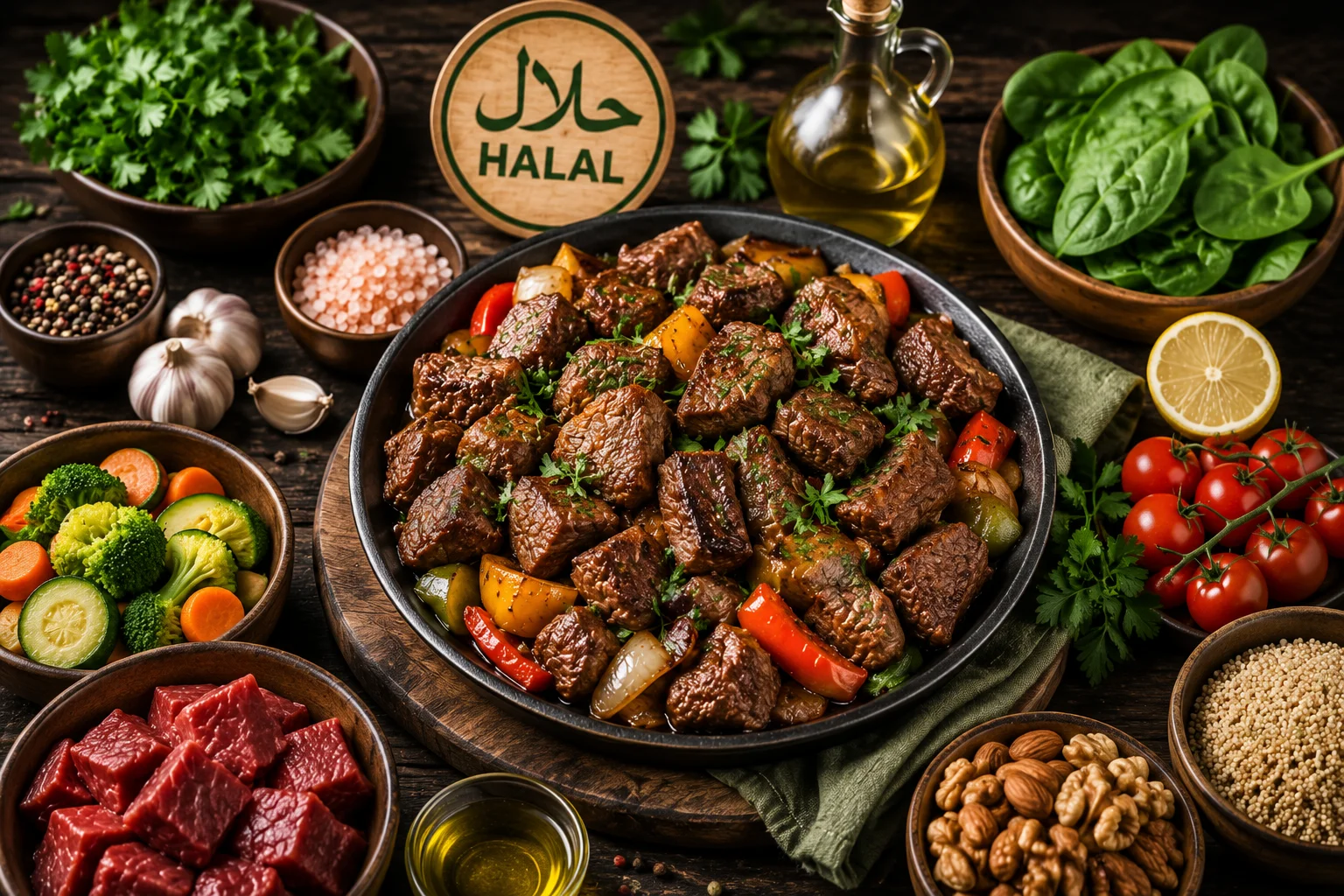
Many people ask whether halal meat is a healthy choice.
The nutritional value of halal meat depends mainly on the type of meat, the cut you choose, and the way it is cooked.
Lean chicken breast provides high-quality protein with relatively little fat. Lean beef offers protein, iron, zinc, and vitamin B12. Lamb provides important nutrients such as protein and iron, while turkey is another lean option suitable for balanced meals.
Healthy cooking methods such as grilling, roasting, baking, and steaming can help reduce added fat while preserving natural flavor.
Pairing halal meat with vegetables, whole grains, legumes, and fresh salads creates nutritious meals that fit into a balanced diet.
Common Myths About Halal Meat
There are several misconceptions about halal meat.
One common myth is that halal meat tastes completely different from regular meat. In reality, flavor depends far more on the recipe, seasoning, and cooking technique than on whether the meat is halal.
Another misconception is that only Muslims can eat halal meat. Halal meat can be enjoyed by anyone who chooses to eat it.
Some people also believe halal meat can only be used in traditional dishes. In fact, it works well in burgers, pasta, tacos, stir-fries, soups, sandwiches, pizzas, and many international recipes.
Understanding these facts helps people appreciate how versatile halal meat truly is.
Tips for Cooking Halal Meat at Home
Preparing delicious halal meals at home becomes easier with a few simple habits.
Choose fresh ingredients and season the meat generously with herbs and spices that complement your recipe. Avoid overcooking, as this can make the meat dry and reduce its tenderness.
Allow cooked meat to rest for several minutes before slicing so the juices remain inside. Using a food thermometer can also help ensure the meat reaches a safe internal temperature without becoming overcooked.
Finally, serve halal meat with fresh vegetables, rice, bread, or salads to create balanced and satisfying meals for family and guests.
Whether you are making a simple grilled chicken dinner or a slow-cooked traditional curry, careful preparation and proper cooking techniques will help you achieve flavorful results every time.
FAQs
What is halal meat in cooking?
What is halal meat in cooking refers to meat that comes from permissible animals and is prepared according to Islamic dietary guidelines. Once it is halal-certified, the meat can be grilled, roasted, fried, baked, braised, or slow-cooked just like any other meat, making it suitable for a wide variety of recipes.
What makes meat halal?
Halal meat comes from animals that are allowed under Islamic dietary laws and are prepared according to specific halal guidelines. Many halal products are also certified by recognized halal certification authorities to assure consumers that the required standards have been followed.
What types of meat are considered halal?
Common halal meats include chicken, beef, lamb, goat, mutton, and turkey, provided they are prepared according to halal guidelines. These meats are widely used in Pakistani, Middle Eastern, Turkish, and South Asian cuisines.
What spices go well with halal meat?
Many recipes use aromatic spices such as cumin, coriander, turmeric, paprika, garam masala, cardamom, cinnamon, and black pepper. Fresh ingredients like garlic, ginger, yogurt, lemon juice, cilantro, and mint are also commonly used to create flavorful marinades.
Can halal meat be frozen?
Yes. Halal meat freezes well when wrapped properly in airtight packaging. Freezing helps maintain freshness until you are ready to cook it. Always thaw frozen meat safely in the refrigerator before cooking.
Conclusion
Understanding what is halal meat in cooking helps you appreciate why it is used in so many traditional and modern recipes around the world. Halal meat follows Islamic dietary guidelines, but once it reaches your kitchen, it can be prepared using the same cooking techniques as other high-quality meats. Whether you choose to grill, roast, bake, fry, or slow-cook it, halal meat offers excellent versatility and delicious results.
From tender chicken and flavorful beef to rich lamb and goat, halal meat works beautifully in countless dishes, including Chicken Karahi, Biryani, Korma, Nihari, kebabs, soups, and roasted meals. Pairing it with fresh herbs, quality ingredients, and aromatic spices creates meals that are both satisfying and full of flavor.
If you are new to halal cooking, start with simple recipes, choose fresh halal-certified meat, and experiment with different seasonings and cooking methods. With the right techniques, preparing delicious halal meals at home is both easy and rewarding.
Explore more cooking guides, authentic recipes, and kitchen tips on Lagrub to discover new ways to enjoy flavorful halal dishes every day.

Maimoona Ehtisham
Maimoona Ehtisham writes for LaGrub on cooking, recipes, and mindful culinary living.
Get a desi recipe worth cooking, every week
One tested recipe a week. Nothing else, and unsubscribe any time.


