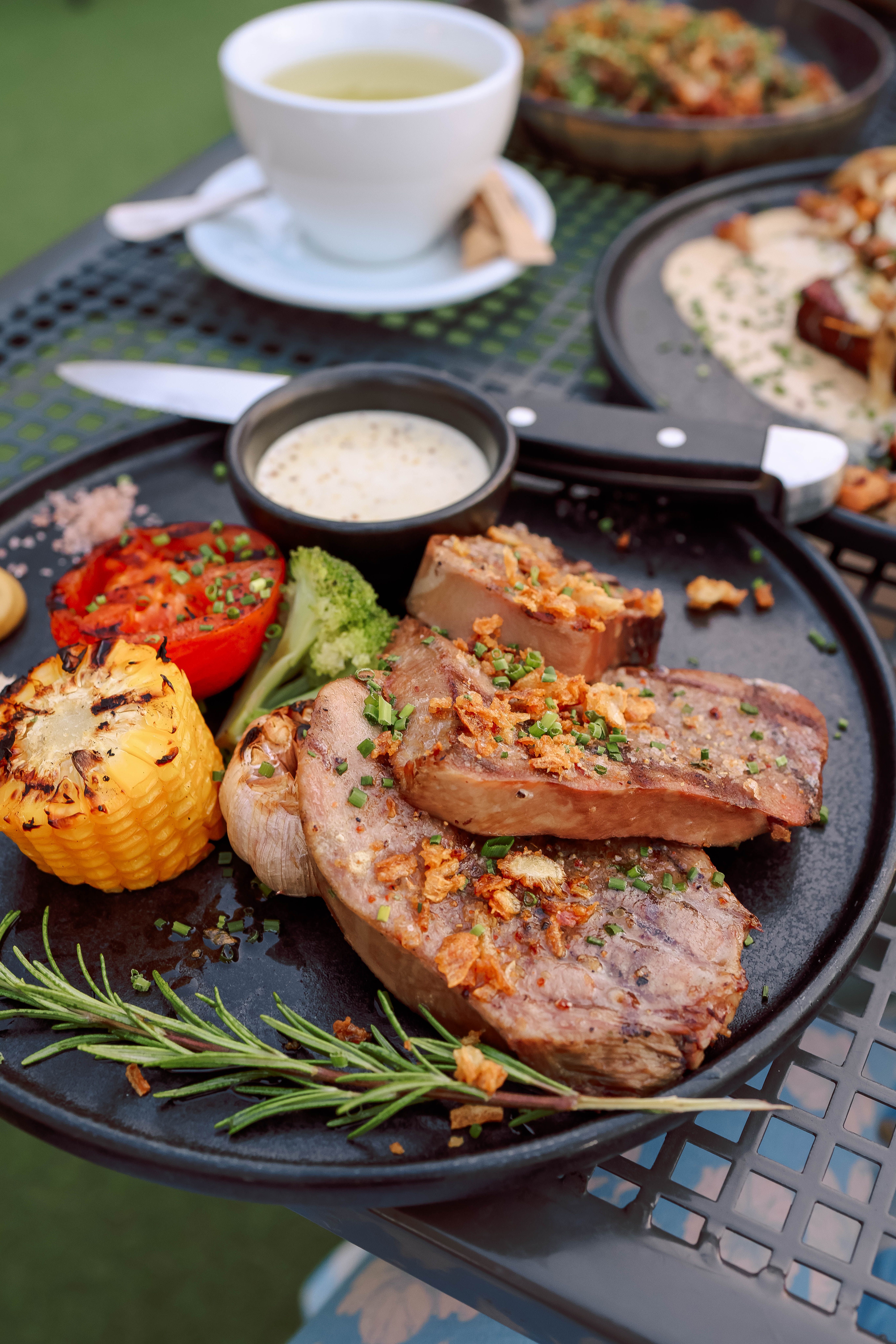
This tender cube steak recipe sears seasoned beef before gently simmering it in a rich onion, mushroom and garlic gravy for a comforting one-pan dinner.
Calories
600kcal
Protein
43g
Carbs
23g
Fat
37g
Pat the cube steaks thoroughly dry with paper towels. If the steaks vary greatly in thickness, cover them with baking paper and gently flatten only the thicker areas. Do not pound them excessively.
In a wide shallow dish, combine the 50 g flour, 1 teaspoon salt, ¾ teaspoon black pepper, garlic powder, onion powder and paprika. Stir until the seasonings are distributed evenly.
Press each cube steak lightly into the seasoned flour on both sides. Shake away all loose excess so the coating remains thin. Discard any flour remaining after it has touched the raw beef.
Heat 1 tablespoon of oil in a large cast-iron or stainless-steel skillet over medium-high heat. When the oil is shimmering, add two steaks without overlapping them. Cook for approximately 2 minutes on each side until browned. Transfer them to a clean plate.
Add the remaining tablespoon of oil if the pan looks dry. Brown the remaining steaks for approximately 2 minutes on each side, then transfer them to the plate. The steaks do not need to be fully cooked at this stage.
Reduce the heat to medium and add 20 g of the butter. Add the sliced onions and cook for 8–10 minutes, stirring regularly, until soft and golden around the edges. Scrape the browned beef residue from the bottom as the onions release moisture.
Add the sliced mushrooms and spread them across the skillet. Cook for 6–8 minutes, stirring occasionally, until they release their liquid and develop golden-brown edges.
Add the garlic and cook for 30 seconds. Stir in the tomato paste and cook for 1 minute, scraping it across the surface of the skillet until it becomes slightly darker.
Sprinkle the 25 g flour over the onions and mushrooms. Stir continuously for 1 minute. Slowly pour in the warm beef stock while whisking or stirring to prevent lumps. Add the Worcestershire sauce, Dijon mustard, thyme and bay leaf.
Bring the gravy to a gentle simmer. Return the steaks and any juices from the plate to the skillet, spooning some gravy over each steak. Reduce the heat to low, cover and simmer gently for 20–25 minutes. Turn the steaks once halfway through cooking.
Check the thickest steak with an instant-read thermometer. It must reach at least 63°C or 145°F. The meat should be tender enough to cut easily with a fork. If necessary, cover and simmer for another 5 minutes.
Transfer the steaks briefly to a clean plate and discard the bay leaf. Stir the heavy cream, balsamic vinegar and remaining 10 g butter into the gravy. Simmer uncovered for 2–3 minutes until glossy and thick enough to coat a spoon.
Taste the gravy before adding the remaining salt or black pepper. Return the steaks to the skillet and spoon the onion and mushroom gravy over them.
Remove the skillet from the heat and allow the steaks to rest in the gravy for at least 3 minutes. Sprinkle with fresh parsley and serve hot with mashed potatoes, rice, noodles or vegetables.
This cube steak recipe turns an affordable cut of beef into a tender, comforting dinner with caramelized onions, browned mushrooms and rich homemade gravy. The steaks are lightly coated in seasoned flour, quickly seared and then gently simmered until tender.
The entire meal is prepared in one large skillet. The browned residue left after searing the beef becomes the flavour foundation for the onion-and-mushroom gravy.
Cube steak is a thin beef steak that has been mechanically tenderized, leaving a visible pattern of small indentations across its surface. It may also be sold as cubed steak, minute steak or tenderized steak.
The cut commonly comes from beef round, which is relatively lean. Mechanical tenderizing makes it quicker to cook, although gentle braising is especially useful when a soft, fork-tender result is preferred.
A thin seasoned-flour coating helps the steaks brown and contributes a small amount of thickening to the finished gravy. The beef is seared only long enough to create colour, preventing it from drying out before the braising stage.
Onions are cooked until naturally sweet, and mushrooms are browned until their excess moisture evaporates. Garlic, tomato paste, Worcestershire sauce, Dijon mustard and thyme provide savoury depth without overwhelming the flavour of the beef.
The steaks finish cooking at a gentle simmer. Heavy cream, balsamic vinegar and butter are added near the end, producing a smooth gravy with enough acidity to balance its richness.
Look for steaks of a similar size and thickness so they cook evenly. The beef should have a fresh red colour and a clearly visible tenderized pattern.
Avoid packages containing excessive liquid or steaks with large, hard pieces of connective tissue. Small amounts of fat contribute flavour, but very thick exterior fat can be trimmed before cooking.
Cube steak has already passed through a mechanical tenderizer, so forceful pounding is normally unnecessary. Excessive pounding can make the steaks too thin and cause them to break apart during cooking.
When one area is substantially thicker than the rest, cover the steak with baking paper and use a meat mallet to level that section gently.
Begin with a short, hot sear to develop colour, then finish the steaks in liquid over low heat. This combination produces more flavour than simmering raw meat directly in gravy.
Keep the gravy at a quiet simmer. Vigorous boiling can tighten the lean beef and cause the flour coating to separate.
Cube steaks differ in thickness and the cut from which they were prepared. Some become tender after 20 minutes, while firmer steaks may need another 5–10 minutes.
A thin flour coating encourages browning and gives the gravy extra body. Press the steaks lightly into the seasoned flour, then shake away the excess.
A heavy coating absorbs too much oil and may turn soft or gummy once submerged in the gravy. Discard any seasoned flour left after it has touched raw beef.
Pat the surface completely dry before coating it. Heat the skillet before adding the beef and leave enough room between the steaks for steam to escape.
Cook in two batches when necessary. Do not repeatedly move the meat around the skillet. Allow the first surface to develop a brown crust before turning it.
The cube steaks should still be undercooked inside after searing because they will finish in the gravy.
After browning the onions and mushrooms, stir the flour through the vegetables and cook it for one minute. This removes the raw flour flavour.
Add warm stock gradually while stirring continuously. Adding all the liquid at once can make it more difficult to remove lumps.
The gravy thickens during the covered simmer and becomes slightly thicker again as it cools. Keep it a little looser than the final desired consistency before removing the pan from the heat.
Cube steak is already tenderized. Forceful pounding can make it too thin and fragile.
Moisture prevents proper browning and can make the flour coating uneven. Pat every surface dry before seasoning.
A thick flour layer becomes heavy in the gravy. Use only enough to create a light, even coating.
Overlapping steaks release steam rather than developing a brown crust. Work in batches when the skillet is not large enough.
Garlic burns faster than onions and mushrooms. Add it only after the vegetables have browned.
Hard boiling can toughen the lean meat and cause the gravy to catch on the bottom. Reduce the heat once the steaks return to the pan.
Stock and Worcestershire sauce become more concentrated as the gravy simmers. Complete the seasoning near the end.
Omit the mushrooms and increase the onions to approximately 350 g. Cook the onions slowly until golden before adding the garlic and tomato paste.
Replace the heavy cream with additional beef stock for a darker, more intensely savoury gravy.
Increase the heavy cream to 120 ml and reduce the beef stock by the same amount. Add the cream only after the steaks are fully cooked.
Add half a teaspoon of crushed red pepper flakes with the garlic or finish the gravy with a small amount of hot sauce.
Use a suitable gluten-free all-purpose flour blend for coating. Thicken the gravy with a slurry of one tablespoon cornstarch and two tablespoons cold water instead of the additional flour.
Brown the lightly floured steaks as directed and transfer them to a slow cooker. Prepare the onions, mushrooms, garlic and tomato paste in the same skillet.
Add the flour and stock, bring the gravy to a simmer and pour it over the steaks. Cook on low for approximately five to six hours, or until tender. Stir in the cream and vinegar during the final 15 minutes.
Slow cookers retain more moisture, so begin with approximately 450 ml of stock rather than the complete stovetop quantity.
Mashed potatoes, rice and noodles are especially suitable because they absorb the onion-and-mushroom gravy.
Yes. The cooked steaks can be prepared one day ahead and refrigerated in their gravy. The flavour becomes more integrated during storage.
Reheat the steaks gently over low heat. Add a small splash of stock if the chilled gravy has become too thick.
Cool leftovers promptly and transfer them to an airtight container. Refrigerate the steak and gravy for up to three to four days.
Store the steaks covered with gravy to help protect them from drying out.
Place the steak and gravy in a covered skillet over low heat. Add a small amount of beef stock or water and heat gently until steaming hot throughout.
Individual portions can be reheated in a microwave using short intervals. Cover the dish and turn the steak between intervals for more even heating.
Yes. Cool the cooked steak and gravy completely, transfer them to a freezer-safe container and freeze for up to three months.
Thaw overnight in the refrigerator and reheat gently. The cream-based gravy may appear slightly separated at first but should become smoother after stirring over low heat.
The steak may have been cooked over high heat for too long or may not have simmered long enough in the gravy. After searing, maintain low heat and continue cooking until fork-tender.
No. Cube steak is a whole piece of beef that has been mechanically tenderized. Its surface pattern can resemble ground meat, but the steak remains one intact cut.
Yes. Season and sear the steaks without flour, then use cornstarch or reduction to thicken the gravy.
Yes. Chicken stock creates a lighter gravy. A combination of beef and chicken stock can also be used.
Yes. Replace the cream with additional beef stock and finish the gravy with butter and balsamic vinegar.
After briefly searing, simmer the steaks in gravy for approximately 20–30 minutes. Exact timing depends on their thickness and tenderness.
Because cube steak is mechanically tenderized, cook it to at least 63°C or 145°F and allow it to rest for three minutes.
Yes. Brown the steaks and prepare the gravy first, then cook them on low for approximately five to six hours.
Mashed potatoes are a classic choice because they pair well with the rich gravy. Rice, noodles and roasted vegetables also work well.
Enjoyed this free cube steak recipe? Explore the LaGrub app for premium dinner collections, exclusive comfort-food recipes, organised cooking inspiration and new subscriber dishes.
Log in to read and share comments, recipes tips, and connect with other food lovers.
Unlock the full recipe library, premium cookbooks, and members-only weekly drops. Cancel anytime.
Already a member? Sign in to unlock everything.
Explore more delicious recipes from our collection