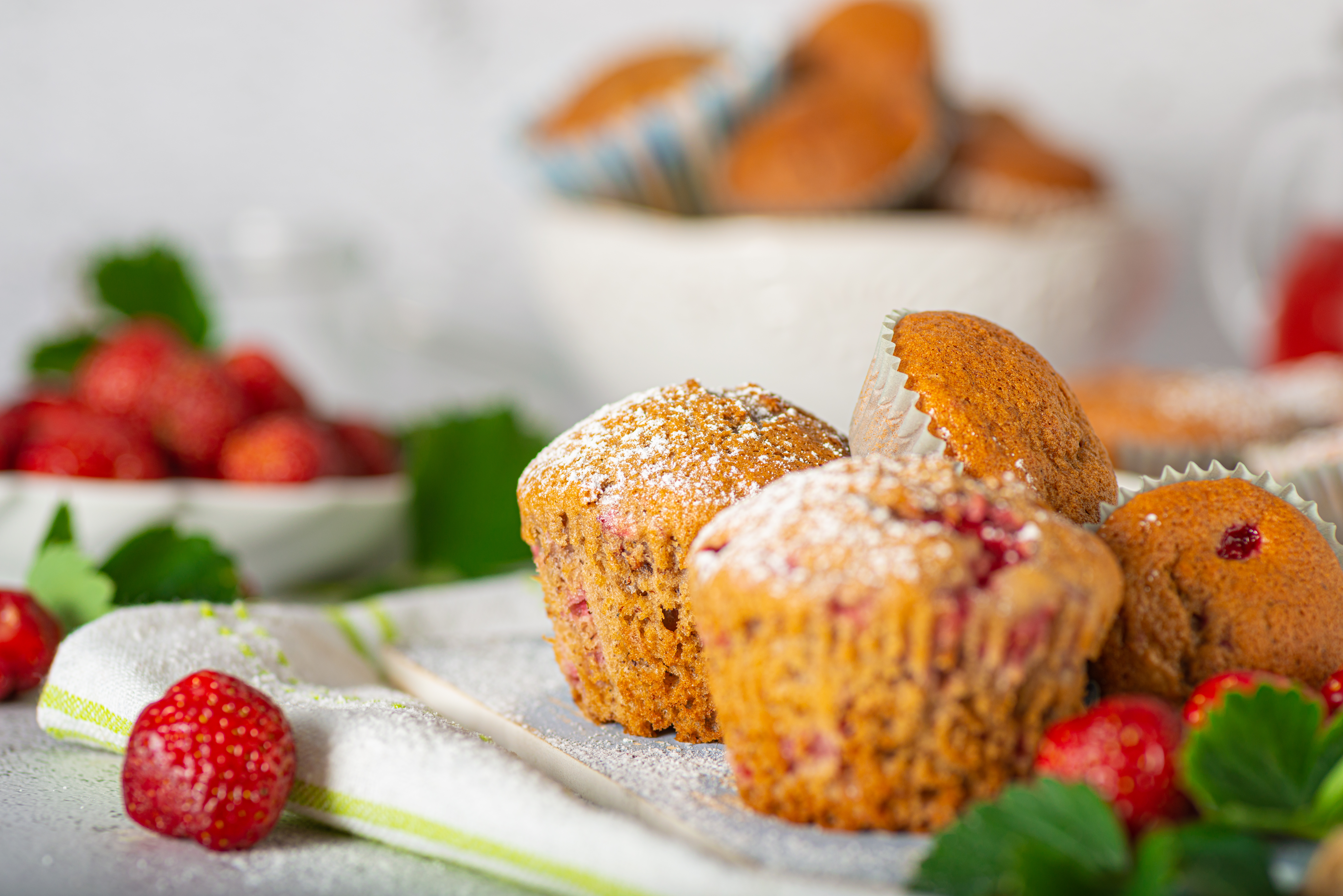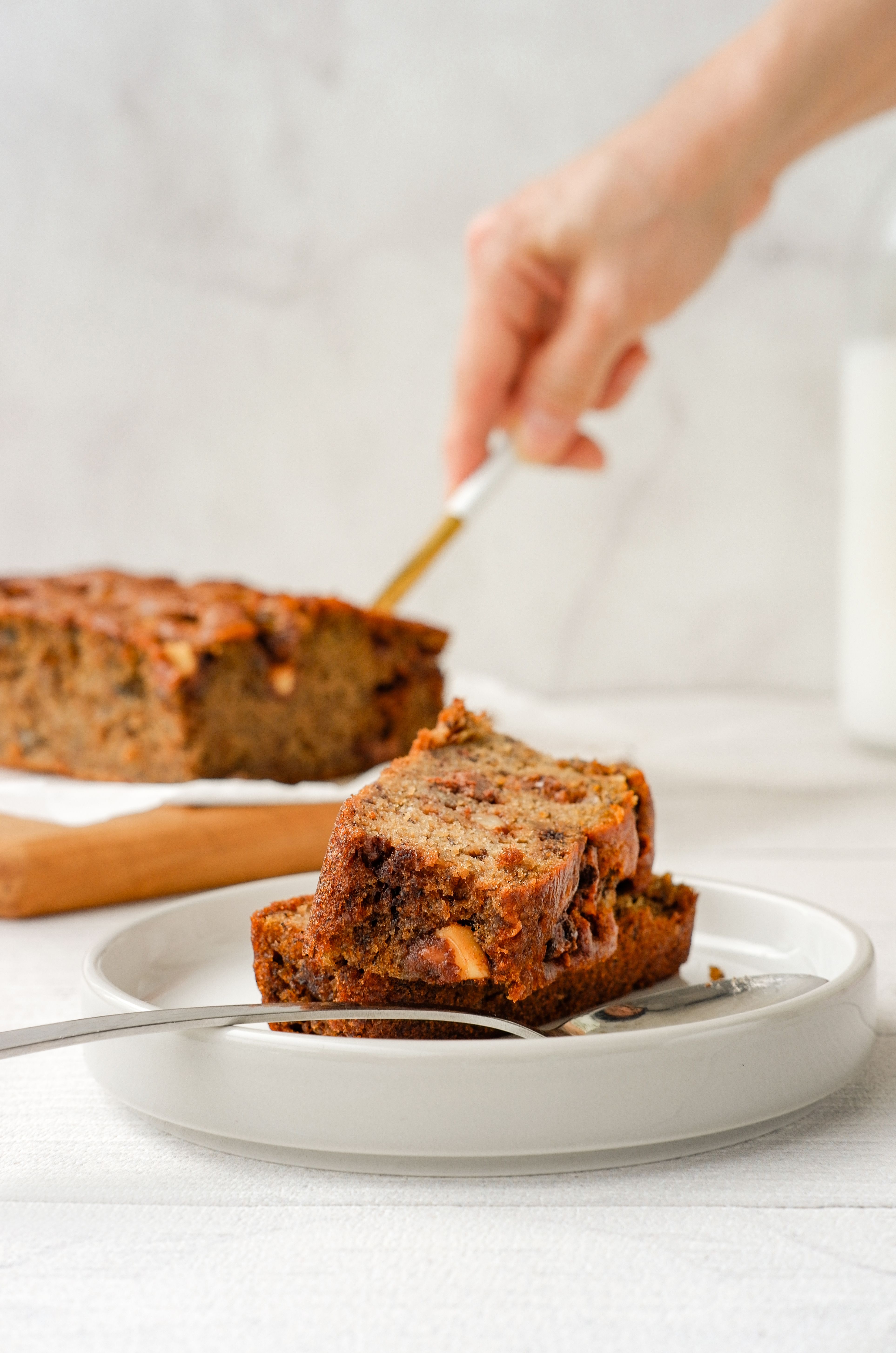
This gluten-free banana bread recipe makes a moist, tender loaf with ripe bananas, brown sugar, butter, vanilla and warm cinnamon, with optional chocolate or walnuts.
Calories
220kcal
Protein
4g
Carbs
35g
Fat
8g
Preheat the oven to 175°C or 350°F. Lightly grease a 23 x 13 cm or 9 x 5-inch loaf pan and line it with baking paper, leaving enough paper over the long sides to lift out the baked loaf.
In a medium bowl, whisk together the gluten-free flour blend, baking powder, baking soda, cinnamon and salt for approximately 20 seconds. Break apart any visible flour lumps.
Place the peeled bananas in a large mixing bowl. Mash them thoroughly with a fork or potato masher until mostly smooth, leaving only a few small pieces for texture.
Add the brown sugar, cooled melted butter, eggs, Greek yoghurt and vanilla to the mashed bananas. Whisk until the eggs are completely incorporated and the mixture looks smooth and evenly combined.
Add the dry ingredients to the banana mixture. Fold gently with a flexible spatula until no dry flour remains. Scrape the bottom and sides of the bowl, but stop mixing as soon as the batter is uniform.
If using chocolate chips or walnuts, fold them into the batter with two or three gentle turns. Reserve a small amount to scatter over the top. Use either mix-in or a combination, keeping the total quantity close to 150 g.
Let the batter stand in the bowl for 10 minutes. This gives the gluten-free flour time to absorb moisture and helps prevent a gritty or crumbly texture.
Transfer the batter to the prepared pan and spread it evenly into the corners. Smooth the surface and add the reserved chocolate or nuts, if using.
Bake on the centre rack for 55–65 minutes. Begin checking after 50 minutes. If the top becomes dark before the centre is ready, cover it loosely with foil for the remaining baking time.
Insert a thin skewer into the deepest part of the loaf. It should come out without wet batter, although a few moist crumbs or melted chocolate marks are acceptable. The centre should feel set rather than soft or sunken.
Place the pan on a wire rack and leave the bread inside for 15 minutes. Run a thin knife around any unlined edges, then lift the loaf out using the baking paper.
Place the loaf directly on the wire rack and cool for at least 45 minutes before slicing. Gluten-free banana bread continues setting as it cools, and cutting it too early can create a gummy or fragile centre.
This gluten-free banana bread recipe makes a moist, tender loaf with a rich banana flavour and a softly caramelised crust. Brown sugar, melted butter, Greek yoghurt and very ripe bananas keep the crumb moist, while a short batter rest gives the gluten-free flour time to hydrate.
The base recipe is delicious on its own, but dark chocolate, walnuts or pecans can be folded into the batter. The loaf makes approximately 12 slices and works well for breakfast, lunchboxes, afternoon snacks or dessert.
Very ripe bananas provide sweetness, moisture and flavour. Brown sugar contributes a gentle caramel note, while melted butter adds richness without requiring an electric mixer.
Greek yoghurt supplies additional moisture and acidity, helping the baking soda work while keeping the crumb tender. The recipe uses enough flour to support the bananas without creating a dry or heavy loaf.
A 10-minute batter rest allows the flour blend and starches to absorb liquid before baking. This reduces grittiness and gives the finished bread a more cohesive texture.
Use a gluten-free all-purpose blend labelled as suitable for one-to-one or cup-for-cup baking. These blends normally combine several flours and starches to imitate the structure of wheat flour.
The selected blend should contain xanthan gum. If it already lists xanthan gum, guar gum or another binder, do not add the separate xanthan gum from the older recipe. Too much binder can make banana bread sticky, elastic or gummy.
Almond flour, coconut flour, oat flour and plain rice flour cannot replace a blended gluten-free baking flour in the same quantity. Each absorbs liquid and provides structure differently.
When preparing this recipe for someone with coeliac disease or a medically required gluten-free diet, check every packaged ingredient. Flour, baking powder, chocolate, vanilla, spices and nuts should be labelled appropriately for the person's needs.
Use clean bowls, utensils, baking pans and work surfaces. Avoid wooden equipment, shared toasters and containers that may hold crumbs from wheat-based baking.
Choose bananas with heavily spotted brown skins or skins that have turned almost completely dark. As bananas ripen, their flavour becomes stronger and their texture becomes easier to mash.
Measure the peeled, mashed banana rather than relying only on the number of bananas. Three large bananas can vary considerably in size. This recipe requires approximately 360 g.
Too little banana creates a dry loaf, while too much can produce a dense, wet centre that does not set within the stated baking time.
Place firm bananas in a paper bag with an apple and leave them at room temperature until spotted. This method may take one or two days.
When bananas are soft enough but only lightly coloured, they can still be used, although the bread will have a milder flavour. Avoid using green bananas because they are starchy and insufficiently sweet.
Gluten-free flour blends often contain rice flour and starches that need time to absorb moisture. Baking immediately can leave the crumb slightly gritty or uneven.
A brief 10-minute rest hydrates the dry ingredients without allowing the batter to stand so long that the baking soda loses effectiveness.
Measure the bananas and flour accurately. Scooping flour firmly from the bag can add too much, while using an excessive amount of banana creates more moisture than the loaf can support.
Mix only until no dry flour remains. Allow the batter to rest, bake until the centre is fully set and cool the loaf before cutting it.
A skewer inserted into the centre should not show wet batter. Melted chocolate may leave a dark streak, so check another area when chocolate chips are included.
The top should be well risen and golden brown, and the centre should no longer wobble when the pan is moved gently. A skewer should come out clean or with a few moist crumbs.
If the outside is browning too quickly, cover the loaf loosely with foil. Continue baking until the deepest part of the centre is set.
Do not judge the loaf only by colour. Gluten-free banana bread can appear fully browned while the centre still needs additional time.
A loaf may sink when it contains too much banana, too much raising agent or an underbaked centre. Opening the oven repeatedly during the first part of baking can also interrupt its rise.
Measure carefully, keep the oven door closed for at least the first 40 minutes and verify doneness in the centre before removing the pan.
A single gluten-free flour does not behave like a balanced one-to-one blend. Use a baking blend designed to replace wheat flour.
Many modern flour blends already contain a binder. Adding more can produce a sticky or rubbery texture.
Extra banana may sound helpful, but excessive moisture prevents the centre from setting properly. Measure approximately 360 g after peeling.
Although there is no gluten to overdevelop, prolonged mixing can still create a dense, sticky crumb and knock air from the batter.
A short rest allows the flour blend to hydrate and produces a smoother crumb.
The centre must be fully baked. Cover the top with foil when necessary instead of removing an undercooked loaf.
The crumb continues setting during cooling. Cutting the loaf immediately can compress it and make the centre appear gummy.
Fold up to 100 g of certified gluten-free chocolate chips or chopped dark chocolate into the batter. Reserve a small handful for the top.
Milk, dark or white chocolate may be used, although sweeter chocolate will increase the overall sweetness of the loaf.
Add approximately 75 g of chopped walnuts or pecans. Toasting the nuts briefly before adding them improves their flavour and keeps them crisp.
Allow toasted nuts to cool before folding them into the batter. Hot nuts can soften the butter and change the consistency.
Keep the total amount of mix-ins close to 150 g or less. An overloaded batter may rise poorly and become difficult to bake through.
Divide the batter among 12 lined muffin cups, filling each approximately three-quarters full. Begin checking after 20 minutes and continue baking until the centres are set.
Muffins normally require approximately 20–25 minutes rather than the 45–50 minutes suggested in the supplied recipe. Their smaller size allows heat to reach the centre much more quickly.
Cool the muffins in the pan for five minutes, then transfer them to a wire rack.
Fill each lined muffin cup halfway with batter. Add one teaspoon of a certified gluten-free chocolate-hazelnut spread, then cover it completely with additional batter.
Check the spread's label carefully because brands and manufacturing practices differ. The muffins also contain hazelnuts and are unsuitable for anyone with a relevant nut allergy.
Replace the butter with the same weight of a dairy-free baking block or a neutral oil. Replace the Greek yoghurt with a thick, unsweetened dairy-free yoghurt.
Check the chocolate carefully when adding mix-ins because many chocolate products contain milk.
Egg substitutes can change the structure of gluten-free baking considerably. A commercial egg replacer designed for baking is the most predictable option.
Flax eggs may work but usually produce a denser, more fragile loaf. The variation should be tested before being served for an important occasion.
Allow the loaf to cool completely before storing it. Wrap it tightly or place it in an airtight container.
Keep it at cool room temperature for up to two days. For longer storage, refrigerate it for up to five days. Refrigeration can firm the crumb, so bring slices to room temperature or warm them briefly before serving.
Yes. Wrap the complete cooled loaf or individual slices securely and place them in a freezer-safe container. Freeze for up to three months.
Individual slices are convenient because they can be thawed as needed. Thaw them at room temperature or overnight in the refrigerator.
The flour blend may not contain a binder, the loaf may have been cut while warm or the batter may contain too much flour. Use a one-to-one blend containing xanthan gum and measure accurately.
Common causes include excessive banana, underbaking, cutting the loaf while hot or using too much xanthan gum.
Add it only when the flour blend does not already contain xanthan gum or another binder. Approximately one-quarter teaspoon is usually sufficient for a loaf of this size.
Not as a direct replacement. Almond flour has more fat and no starch, so it requires a separately developed recipe.
Yes. Thaw them completely and include the released banana liquid when weighing and mashing them. Drain only if there is an unusually large amount of watery liquid.
Yes. Reduce the brown sugar to approximately 110–120 g when the bananas are extremely ripe. A larger reduction may affect moisture, browning and texture.
Replace it with the same quantity of sour cream or thick plain dairy-free yoghurt. Milk is thinner and may make the batter too loose.
Leave it in the pan for 15 minutes, then cool it on a wire rack for at least 45 minutes before slicing.
Yes. Slightly thick slices can be toasted carefully and served with butter, nut butter or yoghurt.
Enjoyed this free gluten-free banana bread recipe? Explore the LaGrub app for premium baking collections, exclusive desserts, organised cooking inspiration and new subscriber recipes.
Log in to read and share comments, recipes tips, and connect with other food lovers.
Unlock the full recipe library, premium cookbooks, and members-only weekly drops. Cancel anytime.
Already a member? Sign in to unlock everything.
Explore more delicious recipes from our collection