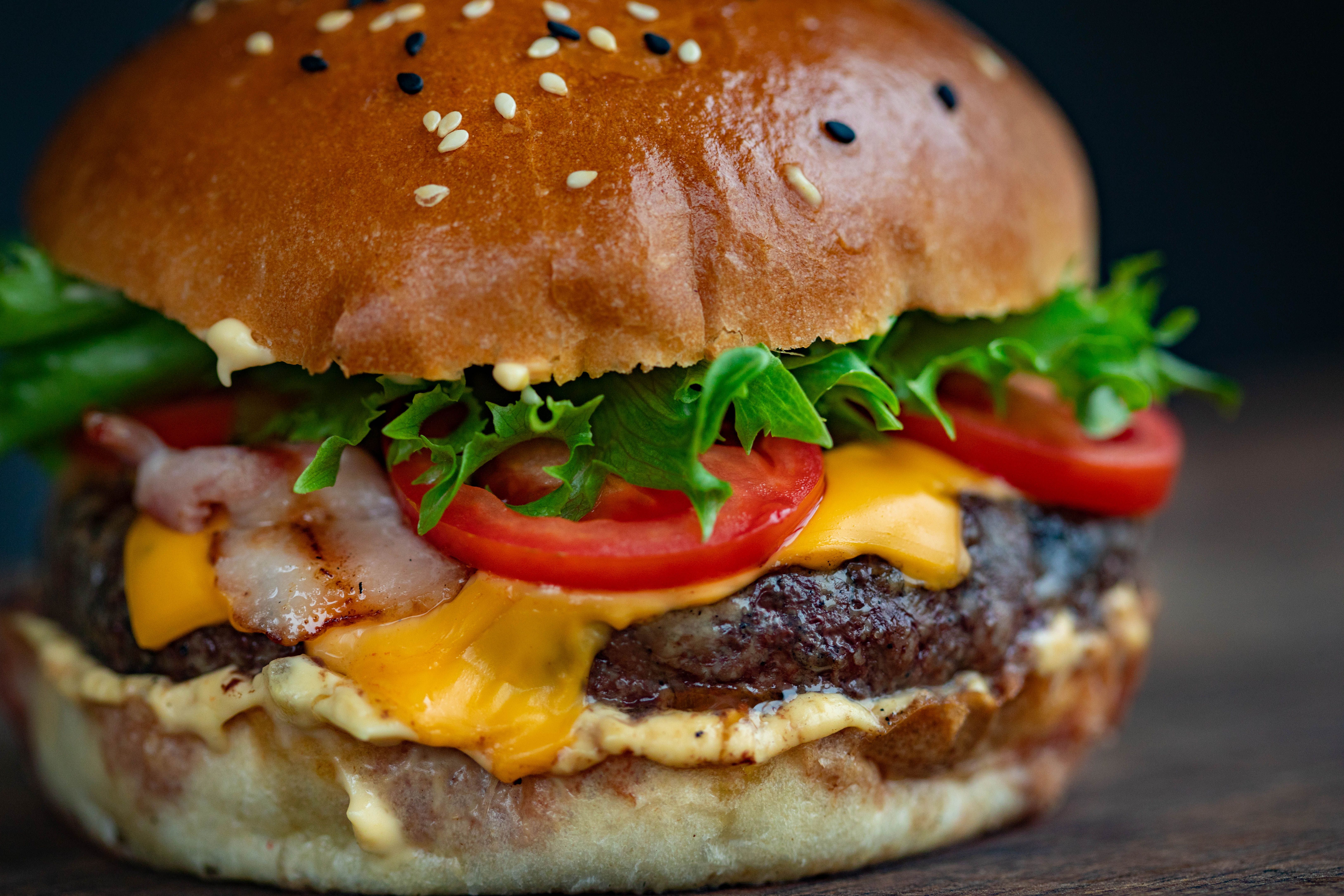
This juicy hamburger patty recipe combines 80/20 beef with Worcestershire, Dijon and simple seasonings for tender, deeply browned burgers cooked on the grill or stovetop.
Calories
380kcal
Protein
27g
Carbs
1g
Fat
30g
Keep the ground beef refrigerated until all seasonings and cooking equipment are ready. Cold beef is easier to shape and helps the fat remain inside the patties during cooking.
In a small bowl, stir together the Worcestershire sauce, Dijon mustard, onion powder, garlic powder, smoked paprika and ½ teaspoon of the black pepper until evenly combined.
Place the cold beef in a wide bowl and separate it loosely into large pieces. Drizzle the flavouring mixture over the surface. Use spread fingers to fold the beef over itself only a few times until the seasoning is distributed. Do not knead, squeeze or mix until smooth.
Divide the mixture into six equal 150 g portions. Shape each portion gently into a patty approximately 11–12 cm wide and 1.5–2 cm thick. Make the patties slightly wider than the buns you plan to use because they shrink during cooking.
Press a shallow indentation approximately 4 cm wide into the centre of one side of each patty. Place the patties on a parchment-lined tray and refrigerate for 15 minutes while the grill or skillet heats.
For grilling, preheat the grill to medium-high heat and clean the grates. For stovetop cooking, heat a heavy cast-iron or stainless-steel skillet over medium-high heat for 3–4 minutes. Lightly coat the cooking surface with the oil.
Remove the patties from the refrigerator immediately before cooking. Sprinkle both sides evenly with the salt and the remaining ¼ teaspoon black pepper.
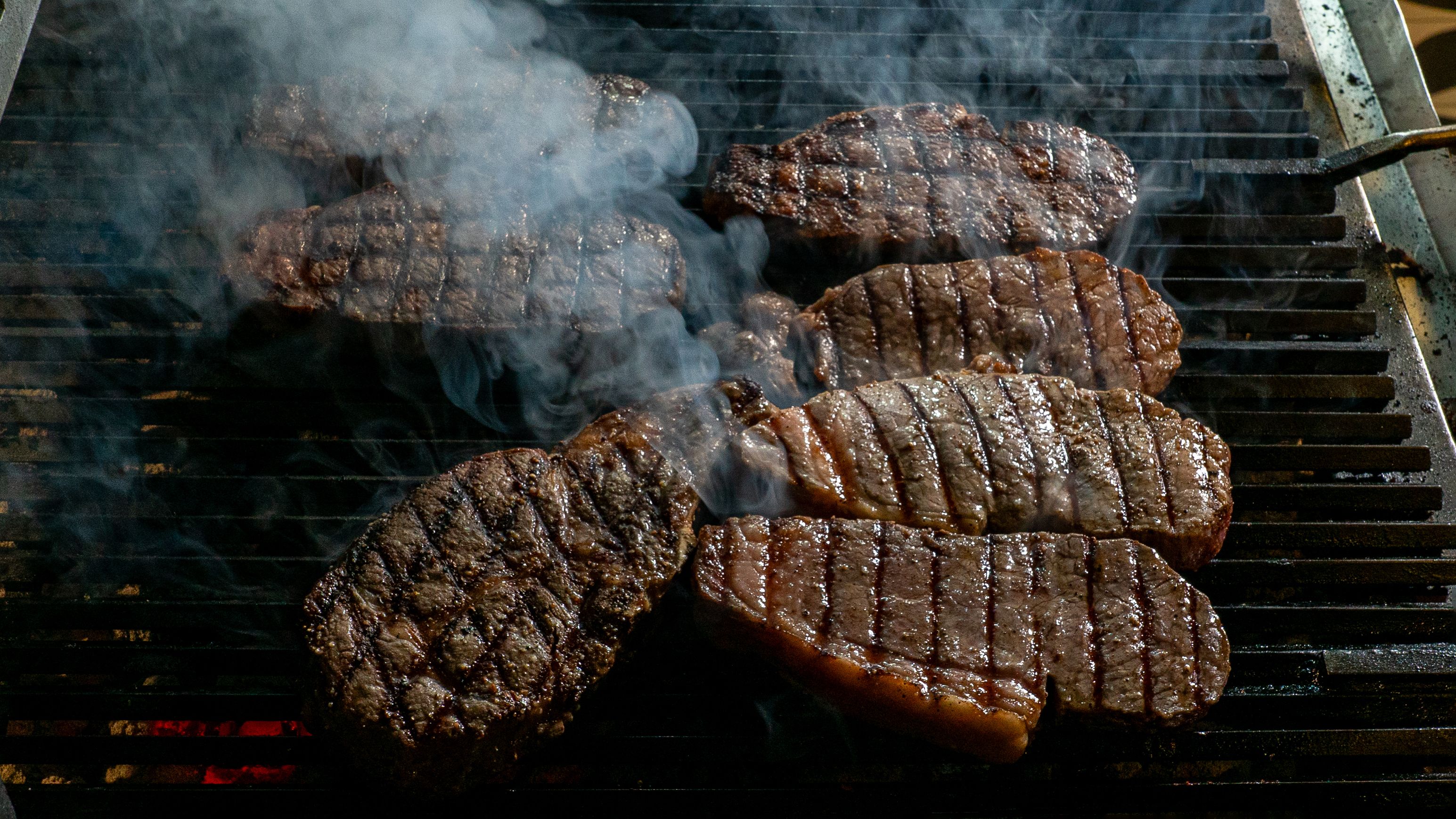
Place the patties dimple-side up on the hot grill or skillet. Cook without moving or pressing them for 4–5 minutes, until the underside develops a deep brown crust and the patties release easily from the cooking surface.
Flip each patty once and cook for another 3–5 minutes. Do not press down with a spatula. Insert an instant-read thermometer horizontally from the side into the centre of a patty and cook until it reaches 71°C or 160°F.
Transfer the patties to a clean plate and rest them for 3 minutes. Serve immediately in toasted buns or with salad, vegetables, potatoes or another preferred side.
This hamburger patty recipe makes six juicy, deeply browned beef patties with a tender centre and full savoury flavour. The patties can be cooked on an outdoor grill or in a heavy skillet and are ready in just over 30 minutes.
The beef is seasoned with a modest amount of Worcestershire sauce, Dijon mustard, onion powder, garlic powder and smoked paprika. These additions strengthen the flavour without turning the mixture into meatloaf or hiding the taste of the beef.
An 80/20 ground chuck blend contains enough fat to remain juicy while developing a rich crust. The beef is kept cold, mixed lightly and shaped without heavy compression, protecting the loose texture that makes a good burger tender.
Salt is added to the outside immediately before cooking. The patties are cooked over medium-high heat, flipped once and never pressed with a spatula. A shallow centre dimple helps them cook into a flatter, more even shape.
Ground chuck with an 80% lean and 20% fat ratio is a dependable choice for juicy homemade burgers. Chuck has a strong beef flavour, and its fat helps prevent the patties from becoming dry during high-heat cooking.
An 85/15 blend can also work, but it will be slightly leaner. Very lean ground beef cooks quickly and has less protection against dryness, so monitor it carefully and avoid overcooking.
Egg and breadcrumbs are not required when using ground beef with enough fat and shaping it correctly. The natural proteins in the meat hold a gently formed patty together during cooking.
Binders are useful in some seasoned burger styles, particularly when wet vegetables or many additions are mixed into the meat. This recipe avoids those ingredients so the patty remains tender and beef-forward.
Worcestershire sauce contributes savoury depth, Dijon mustard adds mild sharpness, and onion and garlic powders distribute flavour without adding chunks that can weaken the patty. Smoked paprika gives a subtle grilled note without making the burger taste heavily spiced.
The seasonings should be folded through the beef briefly. Stop as soon as they are reasonably distributed. Perfectly uniform mixing is less important than preserving a loose texture.
Salt is sprinkled over the formed patties immediately before cooking. Mixing salt into the beef too early can create a firmer, more sausage-like texture.
Divide the beef evenly so all patties cook at a similar rate. Each 150 g portion makes a substantial burger that fits a standard bun after cooking.
Shape the portions with light pressure and smooth only obvious cracks around the edges. Make each raw patty slightly wider than the bun because beef contracts as it cooks.
Press a shallow indentation into the centre of one side. The outer edges contract more quickly than the centre, and the dimple helps compensate for that movement.
A short chilling period firms the shape and keeps the beef fat cold. This is particularly helpful in a warm kitchen or when the patties have been handled for several minutes.
Do not leave formed raw patties at room temperature while preparing buns and toppings. Keep them refrigerated until the grill or skillet is fully heated.
Preheat the grill to medium-high heat and clean the grates. Lightly oil the grates or the patties to reduce sticking.
Place the burgers on the grill and leave them undisturbed until a crust forms and they release naturally. Flip once and continue cooking until the centre reaches 71°C or 160°F.
Keep the grill lid open when close monitoring is needed, or close it briefly for especially thick patties. Exact cooking time changes with thickness, grill heat and weather conditions.
A cast-iron or heavy stainless-steel skillet produces a strong, even crust. Heat the empty skillet first, then add only enough neutral oil to coat the surface lightly.
Cook the burgers in batches when the skillet cannot hold them without crowding. Crowded patties release steam and may brown unevenly.
Reduce the heat to medium if the crust is becoming too dark before the centre is cooked. Avoid covering the skillet for the entire cooking period because trapped steam softens the surface.
Colour is not a reliable safety test for ground beef. Check the temperature by inserting an instant-read thermometer horizontally from the side into the centre of the patty.
Cook ground beef patties to 71°C or 160°F. Remove them from the cooking surface once they reach that temperature and let them rest briefly before serving.
Very lean beef can become dry before a dark crust develops. Choose 80/20 chuck for the juiciest result.
Kneading or repeatedly squeezing the beef creates a compact texture. Fold the seasonings through with spread fingers and stop early.
Patties shrink during cooking. Shape them slightly wider than the buns so the finished burger still fits properly.
Thick patties often swell in the centre. A shallow indentation helps them remain flatter.
A lukewarm grill or skillet causes the patties to cook before they can develop a savoury brown crust. Preheat the cooking surface properly.
Pressing releases moisture and fat that should remain inside the burger. Turn the patties with a spatula, but do not flatten them during cooking.
Frequent flipping makes it harder to build a stable crust. Let the first side brown, flip once and finish the second side.
A burger can remain pink after reaching a safe temperature or appear brown before it is safely cooked. Use a thermometer.
Omit the Worcestershire sauce, Dijon mustard, onion powder, garlic powder and paprika. Shape the beef gently and season both sides with salt and pepper immediately before cooking.
Add half a teaspoon of crushed red pepper or a small amount of cayenne to the seasoning mixture. Keep the amount moderate so the beef flavour remains noticeable.
Add one tablespoon of finely chopped parsley or chives. Avoid adding large quantities of wet herbs because they can loosen the mixture.
Increase the smoked paprika slightly and brush the cooked patties with barbecue sauce during the final minute. Watch carefully because sweet sauces can burn.
Place a slice of cheese over each patty during the final minute of cooking. Cover briefly only until the cheese softens, then remove the burger from the heat.
Yes. Shape the patties, place parchment between them and refrigerate them in a covered container. For the best texture, season the outside with salt only when the cooking surface is ready.
Do not keep raw ground beef at room temperature while preparing other parts of the meal. Return the tray to the refrigerator whenever cooking is delayed.
Arrange the shaped patties in a single layer on a lined tray and freeze until firm. Transfer them to a freezer-safe container with parchment between the layers.
Thaw frozen patties safely in the refrigerator before cooking. Do not thaw raw beef on the kitchen counter.
Cool cooked patties promptly and place them in an airtight container. Refrigerate and use them within three to four days.
Reheat gently in a covered skillet with a small splash of water, or use a microwave in short intervals. Overheating can dry the patties.
Use ground beef with adequate fat, shape it with gentle but even pressure and chill the patties briefly. Avoid adding large amounts of wet ingredients.
For this recipe, shape them approximately 1.5–2 cm thick. Thicker patties require more time and careful temperature monitoring.
Heat contracts the meat proteins and melts some of the fat. Starting with a patty slightly wider than the bun compensates for normal shrinkage.
The edges cook and contract before the centre. Pressing a shallow dimple into the raw patty reduces the rounded shape.
They can be cooked from frozen, but the outside may brown before the centre cooks evenly. Thawing in the refrigerator gives better control and more consistent results.
Yes, but lean patties are less forgiving and can become dry. Use lower heat after searing and stop cooking as soon as the safe internal temperature is reached.
Either method works. Apply only a thin coating of high-temperature oil to the skillet, grill grates or outside of the patties.
Ground beef patties should reach 71°C or 160°F in the centre when measured with a food thermometer.
Yes. Omit it and add a small amount of extra black pepper or onion powder. The patties will have a simpler beef flavour.
Enjoyed this free hamburger patty recipe? Explore the LaGrub app for premium dinner collections, exclusive burger ideas, organised cooking inspiration and new subscriber recipes.
Log in to read and share comments, recipes tips, and connect with other food lovers.
Unlock the full recipe library, premium cookbooks, and members-only weekly drops. Cancel anytime.
Already a member? Sign in to unlock everything.
Explore more delicious recipes from our collection