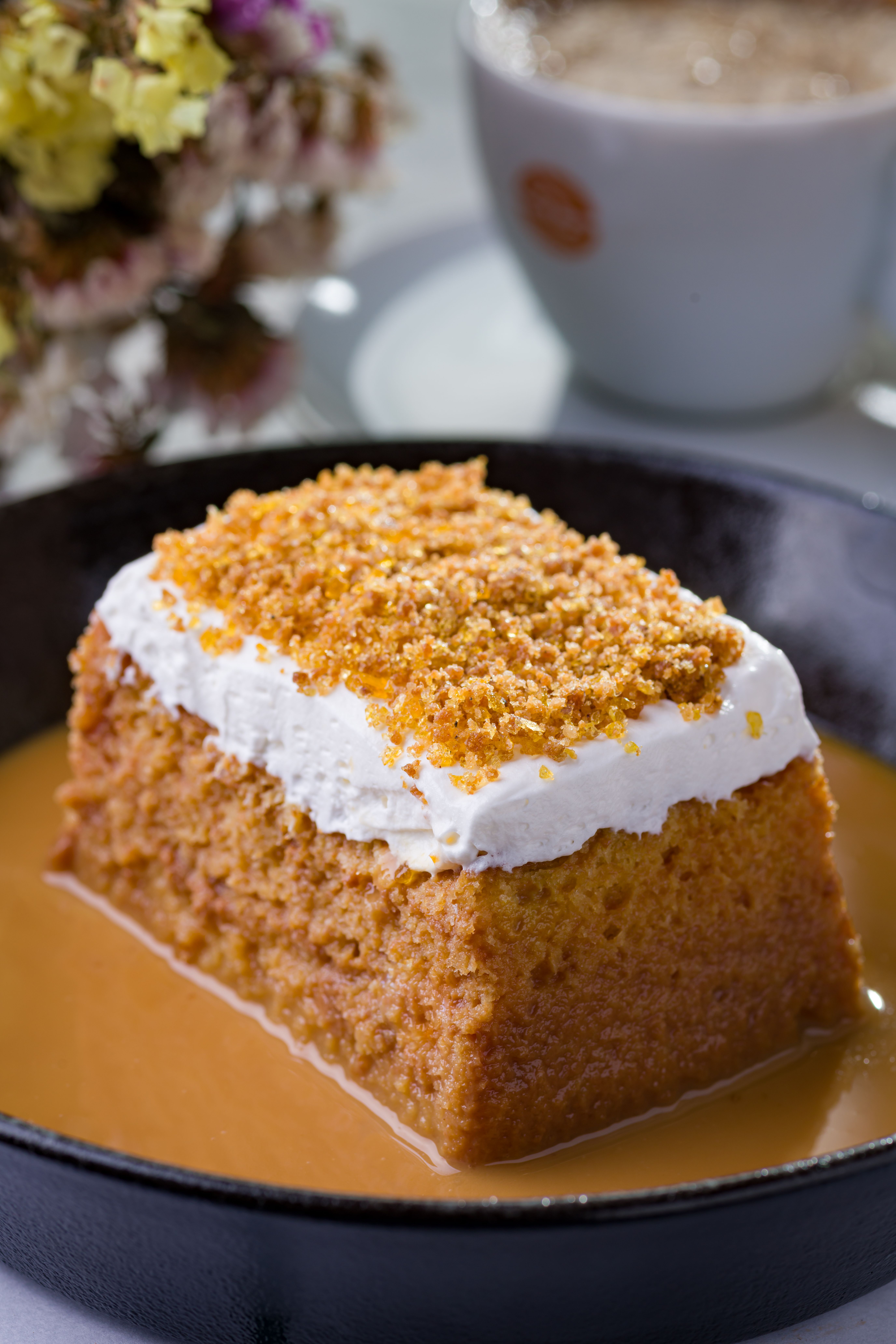
This South African malva pudding recipe combines a soft apricot sponge with a rich butter-and-cream sauce for a warm, sticky and deeply comforting dessert.
Calories
472kcal
Protein
6g
Carbs
60g
Fat
24g
Preheat the oven to 180°C or 350°F. Grease a 23 x 18 cm or approximately 9 x 7-inch baking dish that is at least 5 cm deep. Place the dish on a baking tray in case a small amount of sauce spills during soaking.
Place the flour, baking soda and salt in a medium bowl. Whisk thoroughly for about 20 seconds so the baking soda is distributed evenly and does not remain in concentrated pockets.
Combine the room-temperature milk and apple cider vinegar in a jug. Stir briefly and leave it for 5 minutes. The mixture may look slightly curdled, which is normal.
Place the softened butter and brown sugar in a large bowl. Beat with an electric mixer for 2–3 minutes until lighter in colour and slightly fluffy. Scrape down the sides of the bowl.
Beat in the eggs one at a time, mixing well after each addition. Add the apricot jam and vanilla extract and beat until the mixture is evenly combined. A slightly textured appearance is acceptable.
Add one-third of the flour mixture and fold gently. Add half of the milk mixture and stir briefly. Continue alternating the remaining flour and milk, ending with the flour. Stop mixing as soon as no dry patches remain. The batter should be smooth and pourable.
Pour the batter into the prepared dish and spread it evenly. Bake for 38–45 minutes, until the top is deep golden brown, the centre springs back lightly when touched and a skewer inserted into the middle comes out without wet batter.
During the final 10 minutes of baking, place the cream, milk, brown sugar, butter, apricot jam and salt in a saucepan. Heat over medium-low heat, stirring frequently, until the butter melts and the sugar dissolves. Bring to a gentle simmer and cook for 3 minutes without allowing the sauce to boil aggressively.
Remove the saucepan from the heat and stir in the vanilla extract. Keep the sauce hot and pourable until the pudding leaves the oven.
As soon as the pudding comes out of the oven, pierce the surface evenly with a thin skewer or toothpick. Make holes across the centre as well as around the edges, but do not tear the sponge apart.
Slowly pour approximately half of the hot sauce over the pudding, moving across the entire surface. Wait for 2 minutes while it absorbs, then add the remaining sauce gradually. If the surface begins pooling, pause briefly before continuing.
Leave the pudding uncovered for 15 minutes so the sauce can soak through and the texture can settle. Serve warm in small portions with vanilla custard, pouring cream or vanilla ice cream if desired.
This malva pudding recipe makes a warm South African dessert with a soft apricot sponge and a rich butter-and-cream sauce. The sauce is poured over the pudding while both are hot, allowing it to soak into the crumb and create a moist, sticky texture.
The pudding takes approximately 25 minutes to prepare and 38–45 minutes to bake. Allow an additional 15 minutes after adding the sauce so it can absorb evenly before serving.
Malva pudding is a South African baked dessert made from a soft sponge containing apricot jam. Vinegar and baking soda help give the pudding its characteristic light texture and deep golden colour.
After baking, the hot sponge is soaked with a warm sauce commonly made from butter, sugar, cream or milk. The result is richer and moister than an ordinary cake and is usually served warm.
Light brown sugar gives the sponge a gentle caramel flavour, while apricot jam adds fruitiness, sweetness and moisture. The vinegar reacts with the baking soda and also adds enough acidity to prevent the dessert from tasting flat.
The batter uses two eggs for reliable structure and a tender crumb. The flour and milk are added gradually so the mixture stays smooth without requiring excessive beating.
The soaking sauce combines cream with milk. Cream provides richness, while milk keeps the sauce fluid enough to penetrate the sponge instead of remaining only on the surface.
Apricot jam is one of the defining flavours in malva pudding. Use a smooth jam or finely textured preserve so it blends evenly into the batter.
The jam does not make the pudding taste strongly fruity. Instead, it gives the sponge a subtle apricot note and helps create its moist texture.
Baking soda, also called bicarbonate of soda, reacts with the vinegar and other acidic ingredients. It contributes lift, softness and the deep golden appearance associated with the dessert.
Measure it carefully and mix it thoroughly through the flour. Too much can leave an unpleasant alkaline taste, while too little may produce a dense pudding.
Apple cider vinegar or plain white vinegar can be used. The finished pudding should not taste of vinegar because only a small quantity is required and it reacts during baking.
Light brown sugar adds moisture and a mild caramel character. White granulated sugar can replace it, but the colour and flavour will be slightly lighter.
Heavy cream creates a rich soaking sauce. Combining it with whole milk prevents the sauce from becoming excessively thick or greasy.
Use a dish with enough depth to hold both the risen pudding and the soaking sauce. A dish measuring approximately 23 x 18 cm or 9 x 7 inches works well.
A much larger dish creates a thinner pudding that bakes more quickly and may absorb the sauce differently. A smaller, deeper dish may require additional baking time.
Set the baking dish on a tray before it goes into the oven. The tray makes the hot dish easier to handle and catches any accidental overflow when the sauce is added.
Begin with softened butter, room-temperature eggs and room-temperature milk. Very cold ingredients can make the butter firm and prevent the batter from combining smoothly.
Cream the butter and sugar until slightly lighter and fluffy. This introduces small air pockets before the baking soda begins working.
After adding the flour, mix only until the batter is combined. Overmixing develops the flour's gluten and can create a tighter sponge that absorbs less sauce.
The pudding should have a deep golden-brown surface and feel gently springy in the centre. A skewer inserted into the middle should come out without liquid batter.
A few soft crumbs on the skewer are acceptable. Do not keep baking until the sponge becomes dry because it still needs enough moisture and tenderness to absorb the sauce.
If the surface is becoming too dark before the centre is ready, cover the dish loosely with foil for the remaining baking time.
Prepare the sauce near the end of the baking time so it remains hot. Pierce the pudding immediately after removing it from the oven.
Make holes over the entire surface rather than only near the edges. Pour the sauce slowly in stages, allowing each portion time to disappear into the sponge.
Adding all the sauce at once can cause it to collect around the sides before the centre has absorbed enough. A short pause between additions creates a more even result.
Cold milk or eggs can cause the softened butter to firm up and make the mixture appear split. Bring the ingredients closer to room temperature before mixing.
Inactive baking soda can produce a dense, pale pudding. Replace an opened container that has been stored for a long time.
Mixing for too long after adding flour can make the crumb firm. Fold gently and stop as soon as the batter becomes uniform.
An overbaked pudding may feel dry even after the sauce is added. Begin checking several minutes before the suggested baking time ends.
Cold or thickened sauce does not penetrate the sponge as effectively. Keep it warm and pourable until the pudding is ready.
A sudden large amount of sauce can pool around the edges. Pour it gradually and pause between additions.
The sauce needs time to move through the sponge. Rest the finished pudding for approximately 15 minutes before portioning it.
Malva pudding is traditionally enjoyed warm and can be served with:
The pudding already contains a rich sauce, so additional toppings are optional rather than essential.
Add one teaspoon of finely grated orange zest to the batter. Replace a small portion of the sauce's milk with fresh orange juice for a brighter flavour.
Add half a teaspoon of ground cinnamon and a small pinch of ground ginger to the flour mixture. Keep the spices subtle so they do not hide the apricot flavour.
Sprinkle a small amount of toasted chopped pecans or almonds over each serving. Avoid mixing large quantities of nuts into the sponge because they may interfere with even sauce absorption.
Divide the batter among greased ovenproof ramekins, filling each no more than two-thirds full. Begin checking after approximately 20 minutes. Spoon the hot sauce gradually over each baked pudding.
Adults may add a small amount of brandy or dessert wine to the finished sauce. This is optional and changes the traditional family-friendly version.
Yes. Bake and soak the pudding as directed, allow it to cool and refrigerate it in the covered baking dish.
For the best texture, make it no more than one day ahead. Reheat it gently before serving so the sauce becomes soft and glossy again.
The dry ingredients can also be measured in advance, but do not combine the complete batter long before baking because the baking soda begins reacting once it contacts the vinegar and milk.
Allow leftover pudding to cool, cover it tightly or transfer it to an airtight container and refrigerate it promptly. Use it within three to four days.
The sauce becomes firmer when chilled because it contains butter and cream. This is normal and reverses when the pudding is reheated.
To reheat the complete dish, cover it loosely with foil and warm it in a 160°C or 320°F oven until hot throughout.
Individual portions can be reheated in the microwave in short intervals. Cover the serving loosely to prevent excessive moisture loss.
If the reheated pudding appears dry, spoon over a small amount of warm cream, milk or reserved sauce before serving.
Yes. Cool the soaked pudding completely, divide it into portions and place them in freezer-safe airtight containers. Freeze for up to two months for the best quality.
Thaw the pudding overnight in the refrigerator, then reheat it gently. The texture may be slightly softer after freezing but should remain moist.
Several explanations have been suggested for the name, but its exact origin is uncertain. The dessert itself is strongly associated with South African cooking.
The apricot flavour is usually subtle. The jam mainly contributes sweetness, moisture and a gentle fruit note rather than making the pudding taste like an apricot cake.
Vinegar provides acidity that reacts with the baking soda. This reaction supports the pudding's rise, soft crumb and characteristic colour.
Another smooth, mildly flavoured fruit jam can work, but the dessert will no longer have the familiar apricot character associated with malva pudding.
Yes. Replace the cream with evaporated milk or additional whole milk. The sauce will be lighter and less rich.
It may have baked for too long, the sauce may have cooled before pouring, or the pudding may not have rested long enough to absorb the liquid.
The sauce may have been poured too quickly or the sponge may not have been pierced evenly. Add the sauce gradually and wait between additions.
It is generally best served warm, when the sauce is soft and the sponge is tender. Chilled leftovers should be reheated before serving.
They are both warm, sauce-soaked baked desserts, but they use different defining ingredients. Malva pudding contains apricot jam and vinegar, while sticky toffee pudding commonly contains dates.
Enjoyed this free malva pudding recipe? Explore the LaGrub app for premium dessert collections, exclusive recipes, organised cooking inspiration and new subscriber dishes.
Log in to read and share comments, recipes tips, and connect with other food lovers.
Unlock the full recipe library, premium cookbooks, and members-only weekly drops. Cancel anytime.
Already a member? Sign in to unlock everything.
Explore more delicious recipes from our collection