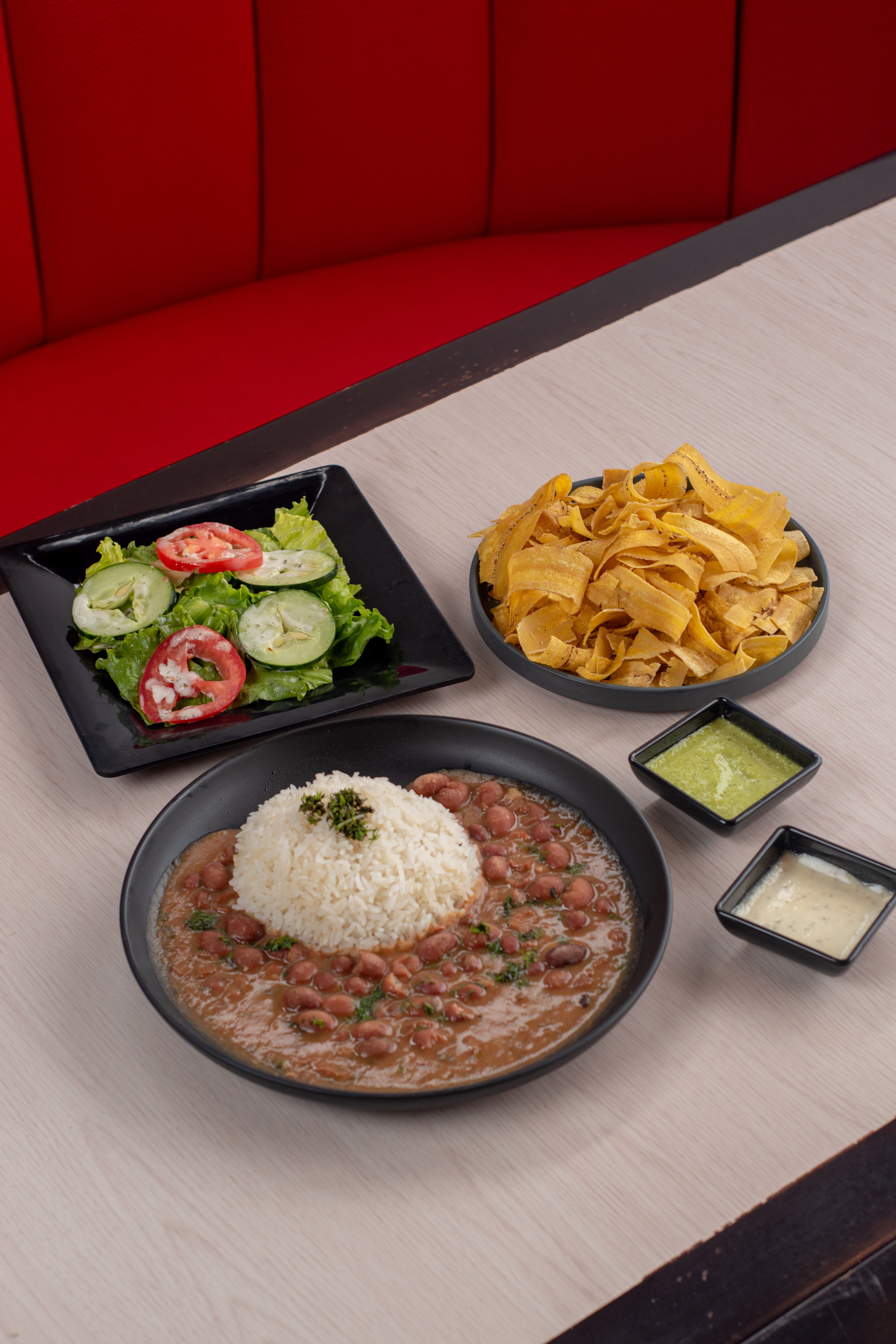
This rich rajma recipe simmers tender kidney beans in a deeply cooked onion-tomato masala with ginger, garlic and warming spices. Serve it with rice for a comforting vegetarian meal.
Calories
320kcal
Protein
14g
Carbs
45g
Fat
10g
Rinse the dried kidney beans thoroughly and remove any stones or damaged beans. Cover them with at least three times their volume of water and soak for 8–12 hours. Drain and discard the soaking water, then rinse the beans again before cooking.
Place the soaked beans in a pressure cooker with 1.2 litres of fresh water, the bay leaf, black cardamom and ½ teaspoon salt. For a stovetop pressure cooker, cook at full pressure over medium heat for approximately 25–30 minutes, then allow the pressure to release naturally for 15 minutes. For an electric pressure cooker, cook on high pressure for 30 minutes with a 15-minute natural release. The beans must crush easily between two fingers. If they remain firm, pressure-cook them for another 5–10 minutes.
While the beans cook, heat the oil in a wide, heavy-based pan over medium heat. Add the cumin seeds and cook for 20–30 seconds until aromatic. Add the chopped onion and cook for 10–12 minutes, stirring often, until evenly golden.
Add the garlic, ginger and green chilli to the golden onions. Cook for 1–2 minutes, stirring continuously, until fragrant and the raw garlic aroma has softened. Do not allow the garlic to burn.
Reduce the heat to low. Add the ground coriander, ground cumin, Kashmiri chilli powder, turmeric and ½ teaspoon of the garam masala. Stir for 20 seconds, then immediately add 2 tablespoons of the tomato puree to prevent the spices from scorching.
Add the remaining tomato puree and 1 teaspoon salt. Increase the heat to medium and cook uncovered for 10–12 minutes, stirring frequently, until the mixture becomes thick, loses its raw tomato aroma and shows small beads of oil around the edges.
Remove and discard the bay leaf and black cardamom from the cooked beans. Add the beans and approximately 600 ml of their cooking liquid to the tomato masala. Stir well and bring the curry to a gentle boil.
Use the back of a spoon to mash approximately ½ cup of the beans against the side of the pan. Reduce the heat to low and simmer uncovered for 18–20 minutes, stirring every few minutes. Add more reserved bean liquid if the gravy becomes too thick. The finished curry should be creamy and spoonable, not watery.
Stir in the crushed dried fenugreek, the remaining ½ teaspoon garam masala and 2 tablespoons of chopped coriander. Simmer for 2 minutes, then remove the pan from the heat. Stir in the lemon juice and taste before adjusting the salt.
Cover the rajma and let it rest for 10 minutes so the gravy settles and thickens slightly. Garnish with the remaining fresh coriander and serve hot with steamed basmati rice, jeera rice, roti or naan.
This rajma recipe makes a rich North Indian-style kidney bean curry with soft beans, a deeply cooked onion-tomato masala and warming spices. The gravy is thickened naturally by mashing a small portion of the beans, so no cream or flour is required.
Allow 8–12 hours for soaking the dried kidney beans before cooking. This inactive soaking period is not included in the CMS preparation and cooking time.
Rajma is the Hindi name for kidney beans and also refers to the spiced kidney bean curry commonly served with rice. When paired with steamed basmati rice, the meal is widely known as rajma chawal.
The defining texture is not a thin bean soup. The beans should be completely tender, while the onion-tomato gravy should be smooth, thick and able to coat each bean.
The dried beans are soaked and pressure-cooked before being mixed with the tomato masala. Cooking the beans separately ensures that they become fully tender before acidic tomatoes are added.
The onions are cooked until golden rather than merely softened. The tomatoes are then reduced until the masala becomes thick and glossy. A portion of the cooked beans is mashed into the gravy, creating body without making the curry heavy.
Garam masala, crushed dried fenugreek and fresh coriander are added near the end so their aromas remain noticeable after the longer simmer.
Dark red kidney beans, chitra rajma and smaller red kidney beans can all be used, but their cooking times may differ. Beans from an older packet often take longer to soften, even after soaking.
Choose beans that look clean, evenly coloured and free from cracks, stones or insect damage. Keep the batch together rather than mixing old and new beans because they may cook at different rates.
Soaking hydrates dried kidney beans and helps them cook more evenly. Rinse the beans, cover them generously with water and leave them for 8–12 hours. Drain the soaking liquid and rinse the beans again before cooking them in fresh water.
Do not use the soaking water in the curry. If the room is very warm, soak the beans in the refrigerator.
Raw and undercooked kidney beans are unsafe to eat. They must be properly soaked and fully cooked. The finished beans should crush easily between two fingers or against the side of the pot.
Do not place raw dried kidney beans directly into a slow cooker. Use a pressure cooker or boil them properly in fresh water before any slow-cooking stage. Canned kidney beans are already cooked and can be used for the quicker variation below.
Three details create a naturally thick gravy: cooking the onion and tomato masala thoroughly, using some of the bean cooking liquid and mashing a small portion of the beans during the final simmer.
Do not drain away all the bean stock. It contains starch released during cooking and helps the masala cling to the beans. Add it gradually because rajma thickens as it simmers and again as it cools.
The onions should be evenly golden before the ginger, garlic and spices are added. After adding the tomato puree, cook the mixture until it becomes noticeably thicker, loses its raw tomato smell and shows small beads of oil around the edges.
Adding the beans before the tomato mixture is properly reduced can leave the finished curry tasting raw, sharp or watery.
Rajma should be soft and creamy inside. If a bean does not crush easily, continue pressure-cooking it before combining it with the masala.
Acidic ingredients can slow the softening of dried beans. Cook the beans fully before adding them to the tomato base.
Pale onions produce a thinner and sharper-tasting gravy. Cook them patiently until golden, stirring often to prevent burning.
Powdered spices can scorch quickly. Stir them for only a short time and add the tomato puree promptly.
The cooking liquid helps create the correct consistency. Reserve it and add only as much as the masala needs.
The cooked beans and masala need time together. A gentle final simmer allows the beans to absorb flavour and gives the gravy a cohesive texture.
For a quicker version, replace the dried beans with three 400 g cans of red kidney beans. Drain and rinse them well, then begin with the onion-tomato masala.
Add the rinsed canned beans with approximately 500 ml of hot water. Simmer for 20–25 minutes, mashing some of the beans near the end. Canned beans vary in saltiness, so season only after tasting.
This recipe is vegan when prepared with vegetable oil. No dairy is needed for a rich texture.
Omit the green chilli and reduce the Kashmiri chilli powder. Kashmiri chilli mainly contributes colour and mild warmth, but brands vary.
For a silkier finish, blend approximately half a cup of cooked rajma with a little gravy, then stir it back into the pot. This thickens the curry without adding cream.
Omit the onion and increase the tomato puree slightly. The flavour will be different, and the tomato must be cooked particularly well to avoid a sharp taste.
Omit the garlic and increase the ginger slightly. A small pinch of asafoetida may be added with the cumin if it suits the intended dietary requirements and ingredient labels have been checked.
Rice is the classic pairing because it absorbs the thick, spiced gravy. For a lighter meal, serve a smaller portion of rice with cucumber, onion and yoghurt on the side.
Yes. Rajma often becomes thicker and more cohesive after resting. Prepare it up to one day ahead, cool it promptly and refrigerate it in a covered container.
When reheating, add a small splash of water because the beans continue absorbing liquid during storage.
Cool leftover rajma promptly and place it in an airtight container. Refrigerate it for up to four days.
Reheat only the amount needed until it is steaming hot throughout. Stir frequently and add a little water to restore the gravy.
Rajma can be frozen for up to three months. Cool it completely, portion it into freezer-safe containers and leave room for expansion. Thaw it in the refrigerator before reheating.
Soak dried kidney beans for 8–12 hours in plenty of water. Drain and rinse them before cooking in fresh water.
Using unsoaked dried kidney beans is not recommended for this recipe because they cook less evenly and require much more time. Use canned kidney beans when a quick, no-soak option is needed.
The beans may be old, insufficiently soaked or not cooked long enough. Continue pressure-cooking them with fresh hot water until they crush easily.
The tomato masala may not have been reduced enough, too much liquid may have been added, or the final simmer may have been too short. Mash some beans and simmer uncovered.
Do not cook raw or merely soaked kidney beans directly in a slow cooker. They must first be properly boiled or pressure-cooked until safe and tender.
Yes. Drain and rinse three 400 g cans, then simmer them in the prepared masala with hot water for 20–25 minutes.
It can be mild or moderately spicy. Adjust the green chilli and chilli powder while keeping the coriander, cumin and garam masala for flavour.
Mash a portion of the cooked beans into the gravy and simmer gently. The natural bean starch creates a creamy texture without dairy.
Rajma refers to the kidney bean curry. Rajma chawal is the complete combination of rajma served with cooked rice.
Enjoyed this free rajma recipe? Explore the LaGrub app for premium recipe collections, exclusive dishes, organised cooking inspiration and new subscriber recipes.
Log in to read and share comments, recipes tips, and connect with other food lovers.
Unlock the full recipe library, premium cookbooks, and members-only weekly drops. Cancel anytime.
Already a member? Sign in to unlock everything.
Explore more delicious recipes from our collection