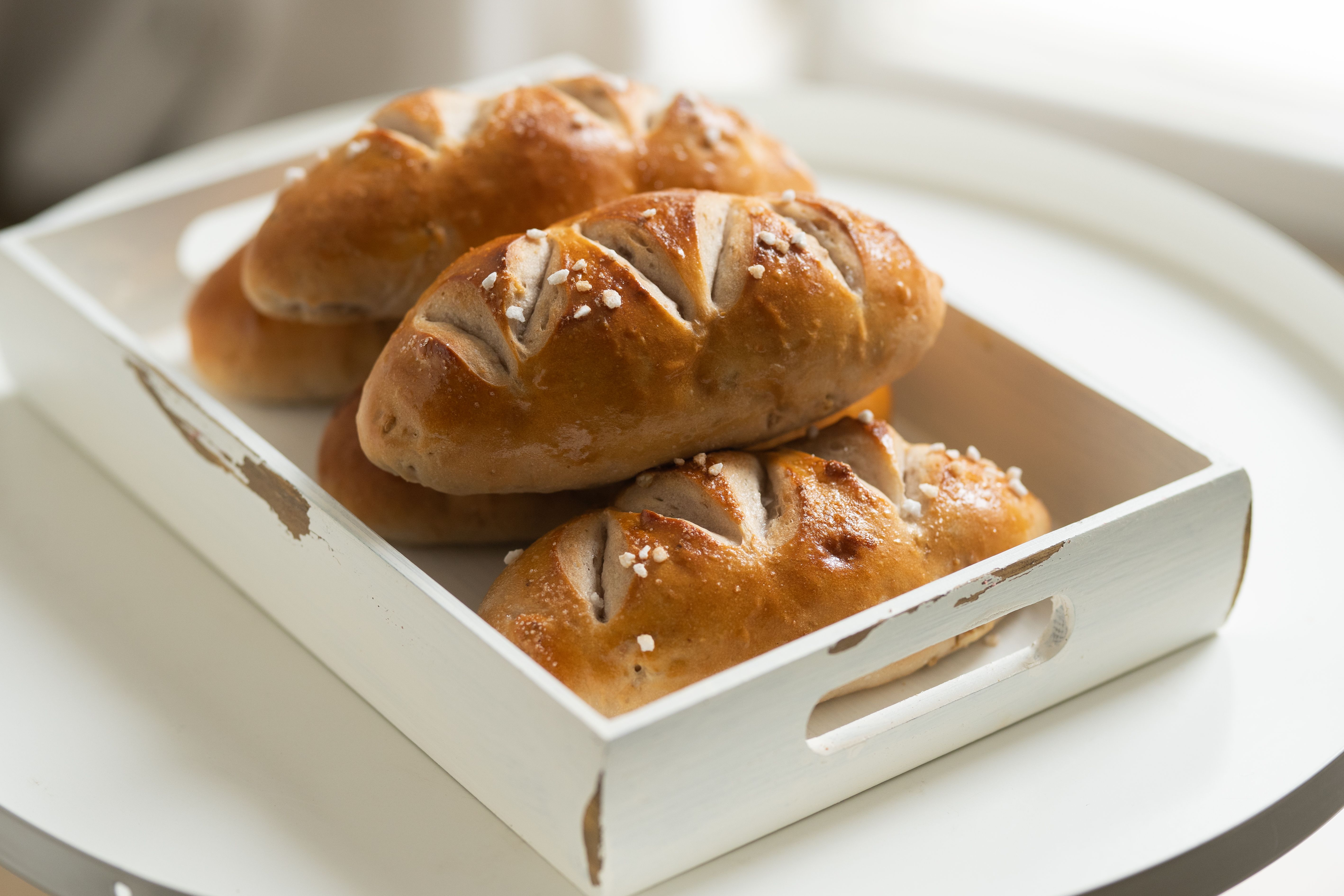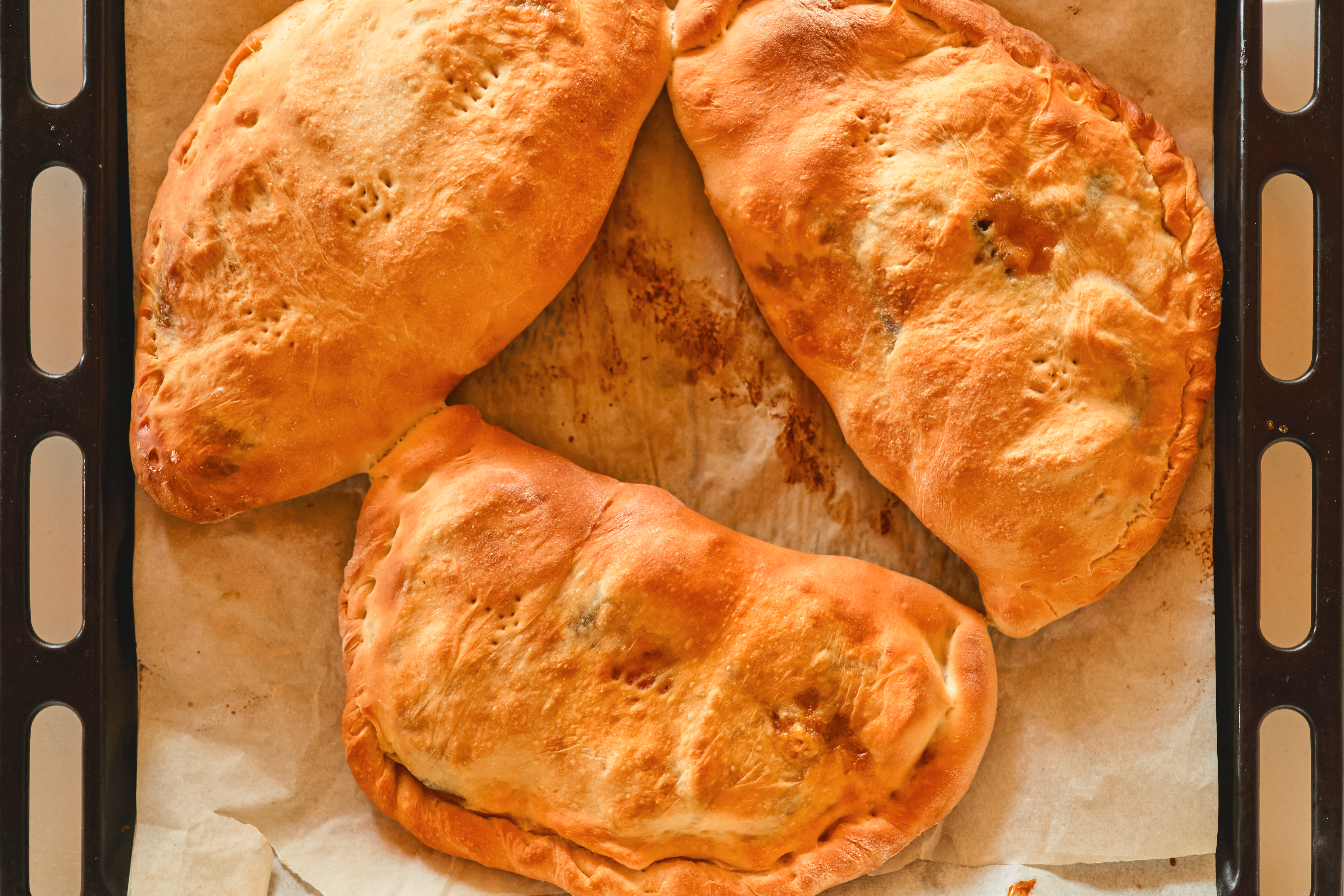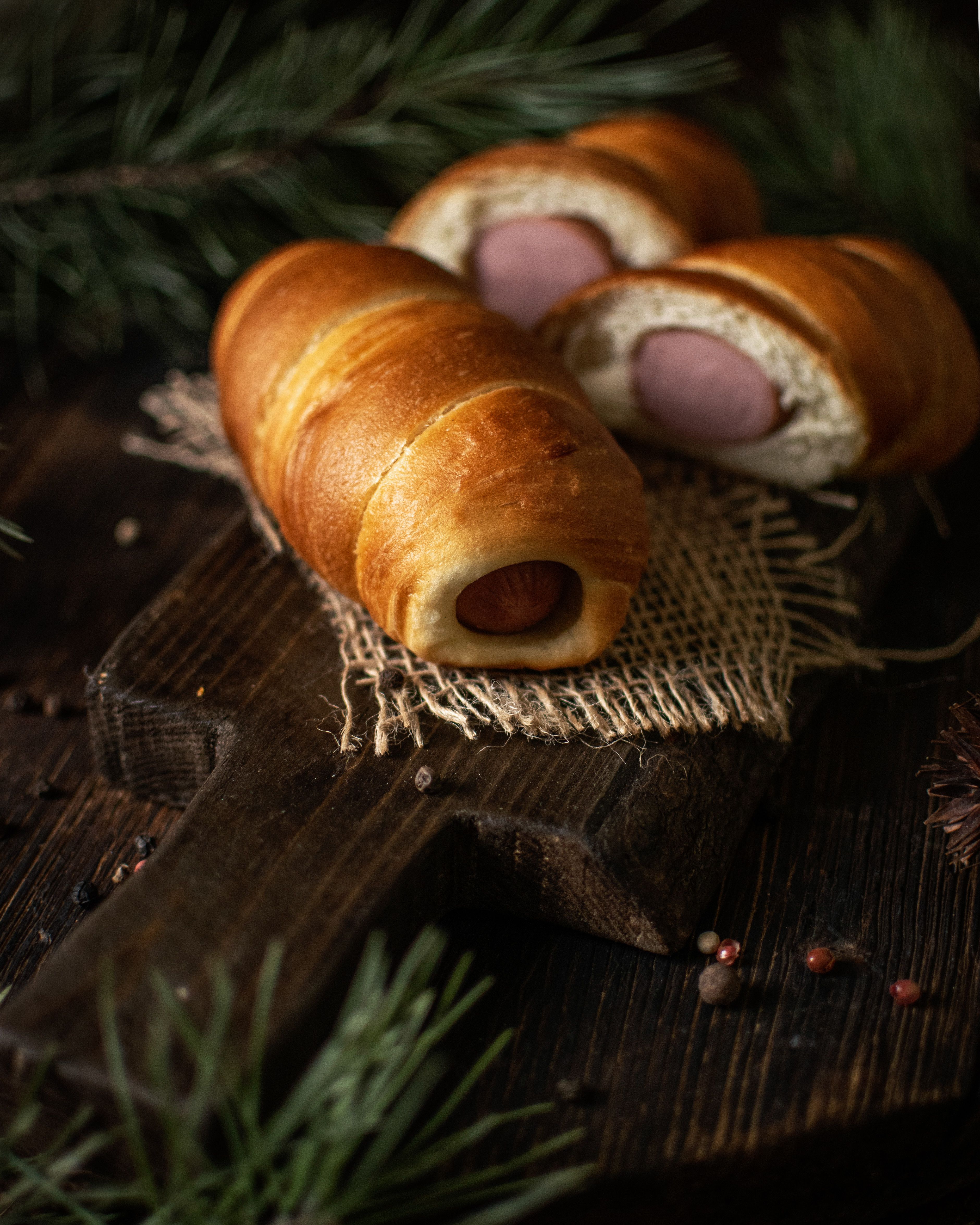
This homemade sausage rolls recipe wraps a juicy pork, apple, sage and fennel filling in crisp golden puff pastry for a delicious party snack or lunch.
Calories
205kcal
Protein
7g
Carbs
13g
Fat
14g
Preheat the oven to 200°C or 400°F. Line two large baking trays with baking paper. Keep the puff pastry refrigerated while preparing the filling so it remains cold and firm.
Heat the oil in a wide frying pan over medium heat. Add the onion, celery and grated apple. Cook for 7–9 minutes, stirring regularly, until the vegetables are soft and most of the apple moisture has evaporated.
Add the garlic and crushed fennel seeds to the pan. Cook for 45–60 seconds, stirring continuously, until fragrant. Transfer the mixture to a large plate and spread it out so it cools quickly for approximately 10 minutes.
Place the ground pork, panko breadcrumbs, beaten egg, Dijon mustard, Worcestershire sauce, sage, thyme, salt, black pepper and nutmeg in a large bowl. Add the cooled onion mixture. Mix gently with clean hands until evenly combined, but do not knead or compress the meat excessively.
Cook one teaspoon of the filling in a small frying pan until completely cooked through. Taste the cooked sample and adjust the salt, pepper, herbs or fennel in the uncooked mixture if necessary. Never taste the raw pork filling.
Place the cold puff pastry on a lightly floured work surface. Cut it lengthwise into four equal rectangles, each approximately 12–14 cm wide. If the pastry becomes soft or sticky, return it to the refrigerator for 5–10 minutes.
Divide the pork mixture into four equal portions. With lightly dampened hands, form each portion into a compact log extending along the centre of one pastry rectangle. Press out visible gaps without packing the filling too tightly.
Whisk the remaining egg with the milk. Brush one long edge of each pastry rectangle lightly with the egg wash. Fold the opposite edge over the filling, roll the pastry around it and finish with the sealed edge underneath. Press gently along the seam.
Transfer the four logs to the prepared trays and refrigerate them for 15 minutes. Chilling firms the filling and pastry, making the rolls easier to cut and helping the pastry retain its shape during baking.
Cut each chilled log into six equal pieces to make 24 sausage rolls. Arrange them seam-side down with at least 3 cm of space between them. Brush the tops with egg wash, sprinkle with sesame seeds if using and make two shallow diagonal cuts in each top without cutting into the filling.
Bake for 15 minutes, then rotate the trays and exchange their oven positions. Continue baking for 12–15 minutes, until the pastry is puffed and deeply golden. The centre of the pork filling must reach at least 71°C or 160°F when checked with a food thermometer.
Allow the sausage rolls to rest on the trays for 5 minutes, then transfer them to a wire rack so steam does not soften the bases. Serve warm with tomato sauce, mustard, chutney or another preferred dipping sauce.
This sausage rolls recipe wraps a juicy pork, apple, sage and fennel filling in crisp, deeply golden puff pastry. The rolls can be served warm or at room temperature for parties, picnics, lunchboxes, celebrations and casual family meals.
The recipe makes 24 small sausage rolls. Four long pastry logs are assembled, chilled and divided into equal portions before baking. Chilling keeps the pastry firm, helps the rolls hold their shape and creates cleaner cuts.
Sausage rolls are made by enclosing a seasoned sausage-style meat filling in pastry and baking it until the pastry is crisp and the filling is completely cooked. They are especially popular as British and Australian bakery food, party food and savoury snacks.
Modern homemade versions commonly use ready-made puff pastry because it produces a light, flaky exterior without requiring the cook to prepare laminated pastry from scratch.
The filling begins with pork mince containing enough fat to remain moist during baking. Onion, celery and grated apple are cooked before being added, creating sweetness and moisture without releasing excess liquid inside the pastry.
Panko breadcrumbs absorb the meat juices and keep the filling tender. Egg provides enough binding to help the logs hold their shape, while mustard, Worcestershire sauce, sage, thyme, fennel and nutmeg build a balanced savoury flavour.
The pastry logs are chilled before cutting. Cold pastry is easier to handle and produces cleaner, more even layers as it bakes.
Use ground pork or pork mince containing approximately 15–20% fat. A modest amount of fat gives the filling flavour and prevents it from becoming dry or crumbly.
Avoid extra-lean pork unless it is being combined with a fattier ingredient. Very wet sausage meat may also soften the pastry, so choose a firm, good-quality product when using prepared sausage filling.
Ground pork allows complete control over the salt, herbs and spices. Prepared sausages can be used after removing their casings, but their seasoning and salt content vary considerably.
Raw onion and grated apple release moisture as they bake. That liquid can collect around the pork and prevent the pastry base from becoming crisp.
Cooking them first softens their texture, concentrates their flavour and allows excess water to evaporate. Spread the cooked mixture on a plate so it cools before touching the raw pork or pastry.
Fennel seeds have a warm, gently sweet aroma that works particularly well with pork. Crushing them releases more flavour and prevents large hard seeds from dominating individual bites.
Fennel is optional. Reduce it to half a teaspoon for a subtle background flavour or omit it completely and slightly increase the sage or thyme.
Keep puff pastry cold but flexible. Pastry that is frozen solid will crack, while pastry that becomes warm and oily will be difficult to shape and may not rise evenly.
Work on one or two pastry rectangles at a time and refrigerate the remaining pieces. If the kitchen is warm, place the assembled logs in the refrigerator as soon as they are formed.
Do not stretch the pastry tightly around the filling. It should fit snugly without being pulled thin, because stretched pastry may split during baking.
Cook moisture-rich vegetables before adding them to the pork and allow them to cool completely. Keep the filling firm rather than loose or watery.
Do not overfill the pastry. An excessively thick meat log requires longer cooking and releases more steam before the pastry becomes crisp.
Bake the rolls in a properly preheated oven with space between each piece. Transfer the finished rolls to a wire rack after their initial rest so the bases are not trapped against a steaming tray.
Divide the filling by weight when possible so all four logs are similar. Each log should be compact and even from one end to the other, without large air pockets.
Brush only the sealing edge with egg wash. Too much egg between the pastry layers can make the seam slippery.
Finish rolling with the seam underneath. Chill the completed logs before cutting them into equal portions with a sharp knife.
The pastry should be puffed and deeply golden on the top, sides and base. Pale pastry may still be soft or underbaked between its layers.
Appearance alone cannot confirm that the pork is safely cooked. Insert an instant-read thermometer into the centre of a thick roll. The ground pork filling must reach at least 71°C or 160°F.
A small amount of pink colour can sometimes remain in seasoned meat even after safe cooking. Temperature is a more dependable guide than colour.
Very lean pork can produce a dry, dense filling. Choose pork containing enough fat to remain juicy during baking.
Warm ingredients can soften the pork fat and pastry. Cool the onion mixture before assembling the filling.
Mixing or kneading for too long creates a tight texture. Stop once the ingredients are evenly combined.
Warm puff pastry becomes sticky and loses definition. Chill it whenever it begins feeling soft.
Large gaps create uneven portions and allow the pastry to collapse inward. Shape compact, continuous logs.
Soft filling and pastry can squash under the knife. A short chilling period produces cleaner cuts.
The rolls release steam as they bake. Leave enough space around each piece for hot air to circulate.
Seasoned pork can remain slightly pink. Confirm doneness with a food thermometer.
Replace 200 g of the pork with ground beef. The filling will have a deeper flavour but may be slightly firmer than the all-pork version.
Omit the apple and add an additional 50 g of cooked onion. The filling will be more savoury and slightly less sweet.
Add 60 g finely grated mature cheddar to the cooled filling. Reduce the salt slightly because the cheese adds seasoning.
Add half a teaspoon of crushed red chilli flakes or one teaspoon of hot sauce to the pork mixture.
Omit the fennel seeds and increase the fresh thyme to one tablespoon or add a small amount of dried marjoram.
Ground chicken can replace the pork, although the filling will be leaner. Add one additional tablespoon of oil and cook the centre to at least 74°C or 165°F.
Yes. Assemble and cut the sausage rolls, place them on a lined tray and refrigerate them before applying the egg wash. Cover them well and bake within 24 hours.
Brush them with egg wash immediately before baking. Cold rolls may require a few additional minutes in the oven.
Arrange the cut, unglazed rolls on a lined tray without allowing them to touch. Freeze until firm, then transfer them to an airtight freezer container with baking paper between layers.
Freeze for up to three months for the best quality. Bake directly from frozen, brush with egg wash and allow approximately 8–12 additional minutes. Confirm that the centre reaches 71°C or 160°F.
Cool cooked sausage rolls promptly and refrigerate them in an airtight container for up to three to four days.
Do not place warm rolls in a tightly sealed container because trapped steam will soften the pastry. Allow them to cool first, but do not leave them at room temperature for an extended period.
Reheat sausage rolls in a 180°C or 350°F oven for approximately 8–12 minutes, depending on their size. An air fryer can also restore crispness using a similar temperature for a shorter period.
Microwave reheating warms the filling but makes puff pastry soft. Use the oven or air fryer when texture is important.
Yes. Remove the sausage meat from its casings and check how strongly it is already seasoned before adding salt, herbs or Worcestershire sauce.
Yes. Fennel is optional. Omit it and retain the sage and thyme for a classic herb flavour.
The pastry may have been stretched too tightly, the filling logs may have been too large or the seam may not have been sealed properly.
The filling may have contained excess moisture, the rolls may have been crowded or the baked rolls may have remained on a steaming tray for too long.
Yes. Properly cooked and refrigerated sausage rolls may be served cold, although the pastry has its best texture when warm or near room temperature.
Yes. Refrigerate the assembled unbaked rolls for up to 24 hours and apply the egg wash immediately before baking.
Yes. Unbaked sausage rolls freeze particularly well and can be baked directly from frozen with additional cooking time.
Brush the sealing edge lightly with egg wash, press the seam firmly and position it underneath each roll.
The centre of the ground pork filling should reach at least 71°C or 160°F when checked with a food thermometer.
Small sausage rolls are commonly served as snacks, appetisers or party food. Larger rolls can be served for lunch with salad, soup or vegetables.
Enjoyed this free sausage rolls recipe? Explore the LaGrub app for premium snack collections, exclusive savoury bakes, organised cooking inspiration and new subscriber recipes.
Log in to read and share comments, recipes tips, and connect with other food lovers.
Unlock the full recipe library, premium cookbooks, and members-only weekly drops. Cancel anytime.
Already a member? Sign in to unlock everything.
Explore more delicious recipes from our collection