

Every delicious desi meal starts with the right ingredients. From aromatic spices and lentils to essential pantry staples, these ingredients bring authentic flavor to everyday cooking. Whether you are a beginner or an experienced home cook, understanding these desi essentials will help you create flavorful and traditional dishes with confidence.
12 Desi Ingredients Every Kitchen Needs
Every home cook wants flavorful meals that taste authentic, comforting, and rich in aroma. The secret behind delicious South Asian food is using the right ingredients. These 12 Desi Ingredients Every Kitchen Needs help create classic curries, rice dishes, snacks, and homemade meals full of traditional flavor. Whether you are new to cooking or already love desi food, these pantry staples make everyday cooking easier and tastier.
Why Every Desi Kitchen Needs Essential Ingredients
A well-stocked desi pantry saves time and improves cooking. Instead of running to the store for every recipe, you can create flavorful dishes anytime. Traditional South Asian cooking depends on spices, herbs, and pantry staples that build layers of taste.
These ingredients are important because they:
- Add authentic flavor to meals
- Improve aroma and texture
- Help create traditional recipes
- Make homemade curries taste richer
- Support quick everyday cooking
- Bring balance to spicy dishes
Many people think desi cooking is difficult. However, the truth is simple. Once your kitchen has the right ingredients, cooking becomes much easier.
What Makes Desi Ingredients Special?
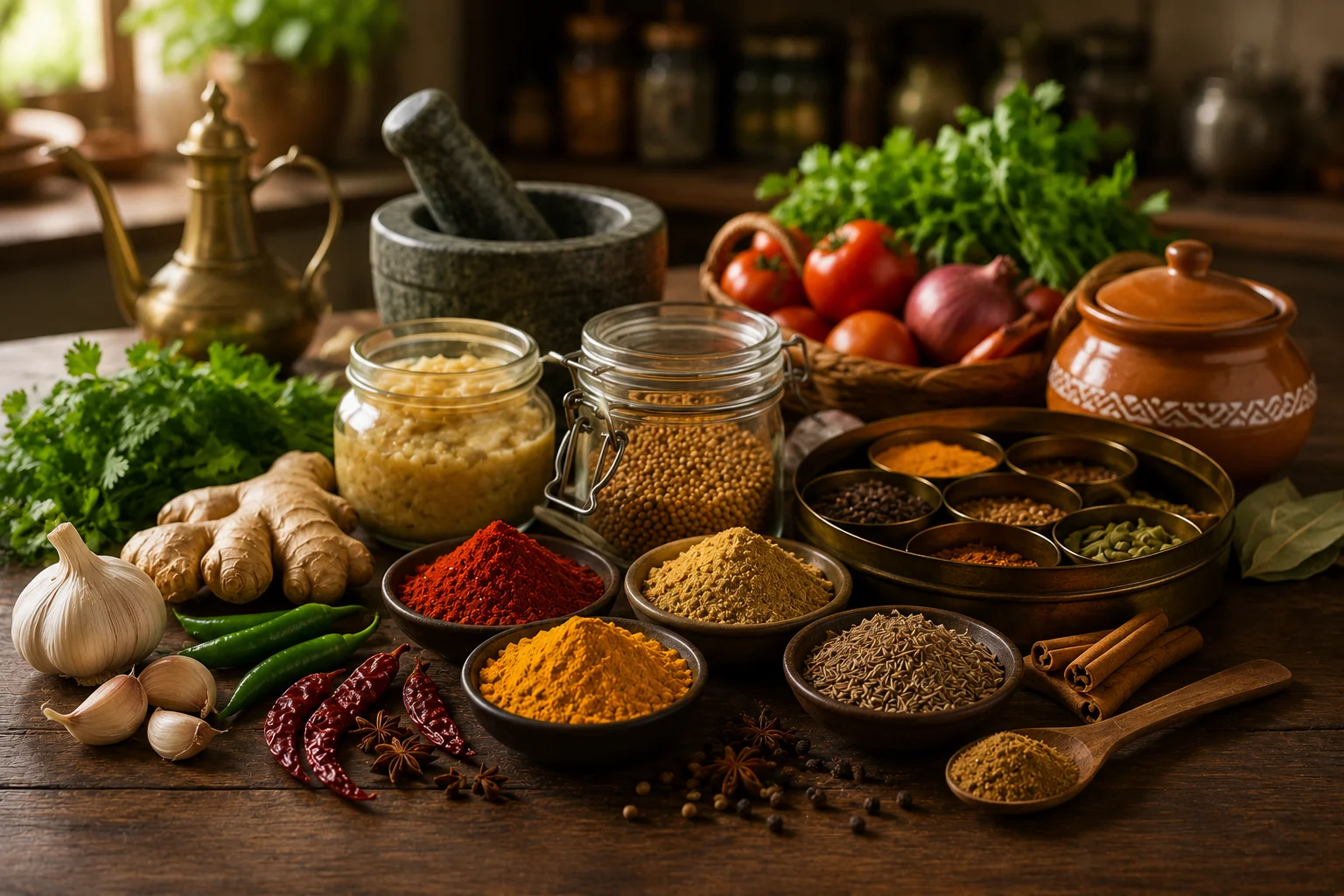
Desi ingredients are famous for their bold flavor profile. They create spicy, smoky, tangy, savory, and aromatic meals. Unlike many western cooking styles that rely heavily on butter or cream, desi cooking builds flavor through spices and tempering.
The process of blooming spices in oil, also called tadka, releases deep flavors and aromas. As a result, even simple lentils or vegetables become rich and satisfying.
Another reason these ingredients are valuable is versatility. One spice can work in curries, rice, marinades, snacks, soups, and sauces.
1. Turmeric (Haldi)
Turmeric is one of the most important desi pantry staples. It gives food a bright yellow color and warm earthy flavor. This spice is common in Pakistani and Indian cooking.
Turmeric is used in:
- Curry recipes
- Lentils
- Rice dishes
- Marinades
- Vegetable curries
- Chicken recipes
Besides flavor, turmeric is known for anti-inflammatory benefits. Many people also use it in traditional home remedies.
How to Use Turmeric Correctly
A small amount goes a long way. Too much turmeric can make food bitter. Usually, half a teaspoon is enough for most recipes.
Best Pairings With Turmeric
Turmeric works well with:
- Cumin
- Coriander
- Red chili powder
- Ginger garlic paste
- Black pepper
Because of its versatility, turmeric remains one of the essential spices every kitchen should have.
2. Cumin Seeds (Jeera)
Cumin seeds are a must for authentic desi flavor. They add a warm, nutty, and smoky taste to food.
In desi cooking, cumin is often added to hot oil first. This releases aroma and creates the base flavor for curries and dals.
Common Uses of Cumin
- Tadka for lentils
- Rice recipes
- Yogurt sauces
- Curry bases
- Dry vegetable dishes
- Spice blends
Ground cumin is also common in marinades and masala recipes.
Why Cumin Matters in Desi Cooking
Without cumin, many dishes lose their signature taste. It adds depth and richness while balancing spicy flavors.
This ingredient is also linked to better digestion, making it both flavorful and functional.
3. Coriander Powder (Dhania)
Coriander powder creates freshness in curries and masalas. It has a mild citrusy flavor that balances heat from chili powder.
Many homemade desi meals use coriander as a base spice.
Popular Dishes Using Coriander
- Chicken curry
- Keema
- Vegetable curry
- Chana masala
- Lentils
- Potato dishes
Tips for Maximum Flavor
Fresh coriander powder always tastes better. Store it in an airtight container away from heat and sunlight.
Because coriander works with almost every spice, it is one of the most useful Indian kitchen essentials.
4. Red Chili Powder (Lal Mirch)
Red chili powder gives heat and color to desi food. Some people prefer mild spice, while others enjoy bold heat.
Different chili powders create different flavor profiles. Kashmiri chili powder gives bright color with less heat, while traditional red chili powder is hotter.
Everyday Uses
- Curries
- Fried snacks
- Marinades
- BBQ recipes
- Chutneys
- Masala fries
How to Control Spice Levels
Always start with a small amount. You can increase heat later if needed.
Balancing red chili powder with yogurt, cream, or tomatoes helps create smoother flavor.
This ingredient is essential for anyone learning authentic desi cooking.
5. Garam Masala
Garam masala is one of the most famous spice blends in South Asian cuisine. It combines warm spices like cinnamon, cloves, cardamom, cumin, and black pepper.
Unlike other spices, garam masala is usually added near the end of cooking. This keeps its aroma fresh and powerful.
Foods That Need Garam Masala
- Chicken curry
- Biryani
- Karahi
- Lentils
- Kebabs
- Vegetable dishes
Why Homemade Garam Masala Is Better
Freshly ground spices create stronger aroma and flavor. Many families have their own traditional garam masala recipe.
Adding even a small amount can transform a simple dish into something rich and comforting.
6. Ginger Garlic Paste
No list of 12 Desi Ingredients Every Kitchen Needs is complete without ginger garlic paste.
This mixture forms the base of many desi recipes. It adds strong savory flavor and removes raw smells from meat.
Common Uses
- Curries
- Marinades
- BBQ recipes
- Stir-fries
- Rice dishes
- Lentils
Why Fresh Paste Works Best
Fresh ginger garlic paste tastes stronger than store-bought versions. Homemade paste also contains fewer preservatives.
To save time, many home cooks prepare large batches and refrigerate them.
7. Mustard Seeds (Rai)
Mustard seeds are small but powerful. They create nutty and slightly sharp flavors when heated in oil.
This ingredient is especially popular in South Indian and Bengali cooking, but many Pakistani recipes also use it.
Best Ways to Use Mustard Seeds
- Pickles
- Vegetable dishes
- Tadka
- Chutneys
- Curry bases
Cooking Tip
Always let mustard seeds crackle in hot oil before adding other ingredients. This releases their aroma properly.
Mustard seeds help create the traditional flavor people expect from homemade desi meals.
8. Fenugreek (Methi)
Fenugreek leaves and seeds both play an important role in desi cooking.
Fenugreek leaves add slightly bitter but rich flavor to curries, while seeds are often used in pickles and spice blends.
Popular Recipes Using Fenugreek
- Butter chicken
- Methi chicken
- Lentils
- Pickles
- Vegetable curries
- Flatbreads
Why Fenugreek Is Valuable
Fenugreek creates restaurant-style aroma and depth. Even a small pinch changes the flavor profile of curries.
Because of this, many chefs consider methi one of the secret ingredients in flavorful desi recipes.
9. Asafoetida (Hing)
Hing is a strong spice used in small amounts. It has a bold smell before cooking but creates a savory flavor after heating.
Many vegetarian dishes use hing because it adds umami-like richness.
Common Uses of Hing
- Lentils
- Potato curry
- Chickpeas
- Tadka
- Vegetable dishes
Important Tip
Only use a tiny pinch. Too much hing can overpower food. Despite its strong aroma, hing is one of the most effective desi cooking basics.
10. Curry Leaves
Curry leaves bring fresh aroma and citrusy flavor to food. They are common in South Indian and Sri Lankan recipes.
Dishes That Use Curry Leaves
- Dal
- Coconut curry
- Fried rice
- Chutneys
- Tadka recipes
Fresh vs Dried Curry Leaves
Fresh curry leaves taste better and create a stronger aroma. However, dried leaves still work in many recipes.
When fried in oil, curry leaves release incredible fragrance that instantly improves meals.
11. Cardamom (Elaichi)
Cardamom is known for its sweet and floral flavor. It works in both savory and sweet recipes.
Green cardamom is especially popular in:
- Biryani
- Tea
- Desserts
- Rice pudding
- Korma
- Sweet dishes
Why Cardamom Is Important
Cardamom adds luxury and warmth to recipes. It also balances strong spices beautifully.
Many people associate its aroma with festive meals and family gatherings.
12. Cinnamon (Dalchini)
Cinnamon creates warm sweetness and depth in desi recipes.
Although many people think cinnamon is only for desserts, it is equally important in savory cooking.
Common Uses
- Biryani
- Curry recipes
- Tea
- Desserts
- Spice blends
- Marinades
How Cinnamon Improves Flavor
Cinnamon balances spicy ingredients while adding warmth and aroma.
This spice is one of the oldest and most loved ingredients in traditional South Asian cuisine.
Whole Spices vs Ground Spices
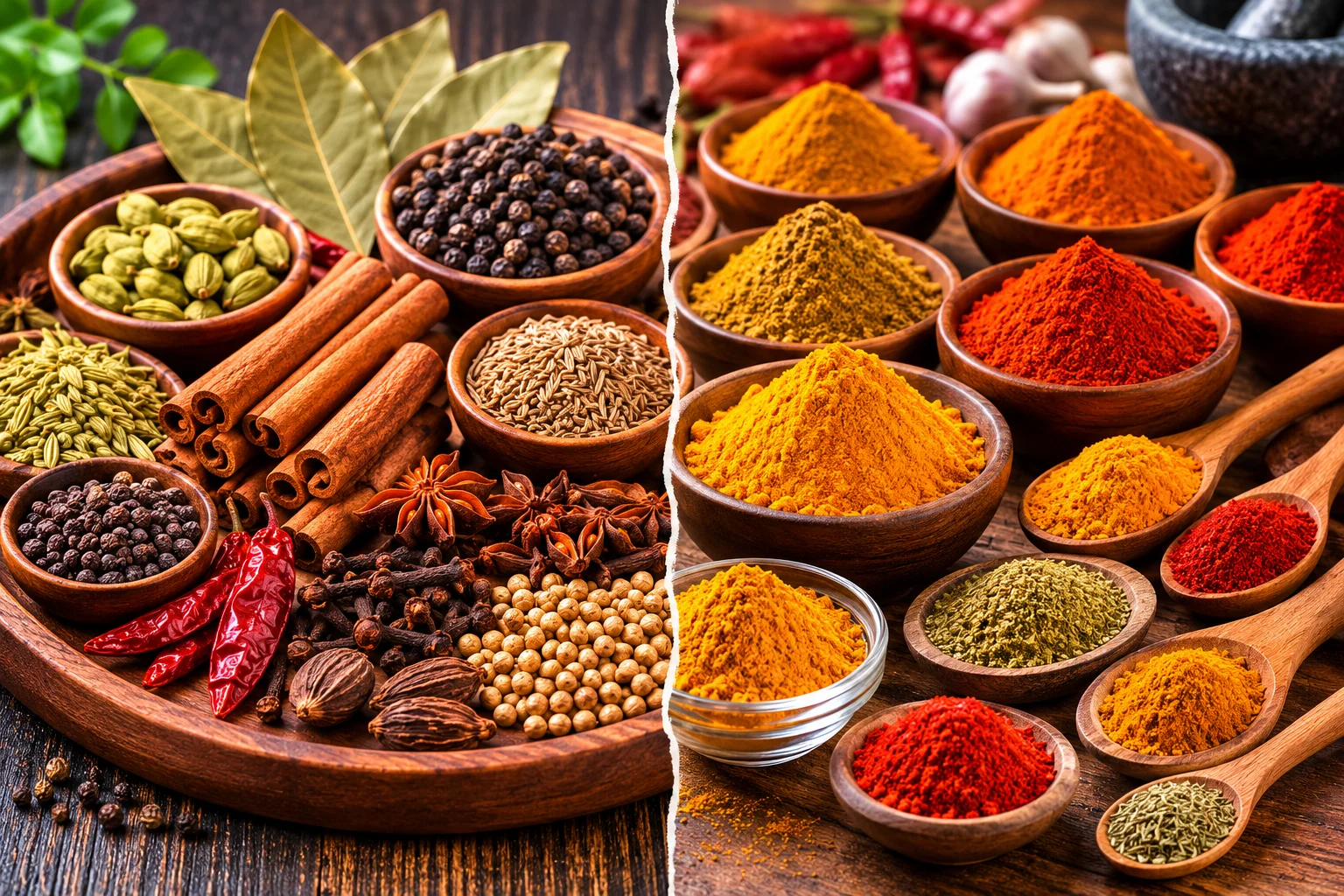
Many beginners wonder whether whole spices or ground spices are better.
The answer depends on the recipe.
Whole Spices
Whole spices:
- Stay fresh longer
- Create stronger aroma
- Work well in rice dishes
- Release flavor slowly
Examples include:
- Cinnamon sticks
- Cardamom pods
- Cloves
- Cumin seeds
Ground Spices
Ground spices:
- Blend easily into curries
- Save cooking time
- Create smooth sauces
- Work well in marinades
Both forms are important in a desi pantry.
How to Store Desi Ingredients Properly
Proper storage helps spices stay fresh longer.
Best Storage Tips
- Keep spices in airtight containers
- Store away from heat and sunlight
- Avoid moisture exposure
- Label containers clearly
- Buy smaller quantities for freshness
Shelf Life of Common Spices
- Whole spices: 1 to 2 years
- Ground spices: 6 to 12 months
- Fresh herbs: 1 to 2 weeks
Fresh spices always create better flavor.
Common Mistakes When Using Desi Spices
Many home cooks make small mistakes that reduce flavor.
Using Too Much Spice
More spice does not always mean better flavor. Balance is important.
Burning Spices
Overheating spices creates bitterness. Always cook them on medium heat.
Using Old Spices
Old spices lose aroma and taste. Replace stale spices regularly.
Skipping Tadka
Tempering spices in oil builds the foundation of authentic flavor.
Health Benefits of Traditional Desi Ingredients
Many desi ingredients are also linked to wellness.
Turmeric
Known for anti-inflammatory properties.
Ginger
Supports digestion and reduces nausea.
Garlic
Popular for heart health support.
Cumin
May improve digestion and metabolism.
Fenugreek
Often used in traditional wellness remedies.
Although these ingredients offer health benefits, their biggest strength is flavor.
Beginner Tips for Building a Desi Pantry
Starting a desi kitchen does not need to be expensive.
Start With Basic Spices
Buy:
- Turmeric
- Cumin
- Coriander
- Red chili powder
- Garam masala
These five ingredients alone can create many recipes.
Add Ingredients Slowly
Expand your pantry over time instead of buying everything at once.
Learn Flavor Pairings
Understanding how spices work together improves cooking skills quickly.
Practice Simple Recipes
Begin with:
- Lentils
- Chicken curry
- Potato curry
- Rice dishes
Simple meals help you learn spice balance.
Why Homemade Desi Food Tastes Better
Homemade desi meals offer freshness, comfort, and control over ingredients.
Restaurant food may taste rich, but homemade cooking often feels more authentic.
When you use fresh spices and proper techniques, even basic meals become flavorful.
Cooking at home also allows you to:
- Control spice levels
- Use healthier ingredients
- Adjust oil quantity
- Customize flavors
- Create family traditions
That is why many people prefer homemade curries and rice dishes.
The Importance of Tadka in Desi Cooking
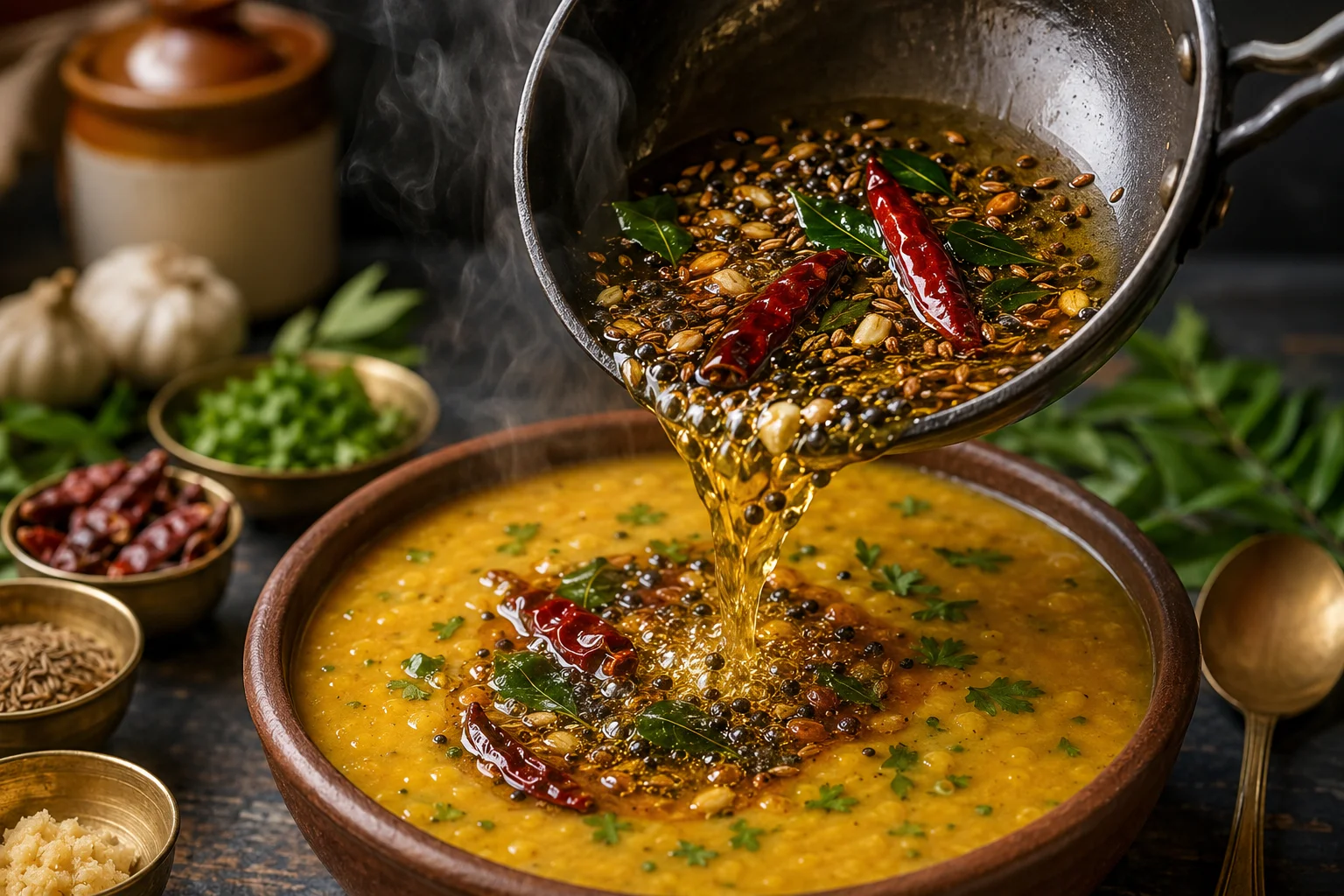
Tadka is one of the most important cooking techniques in South Asian cuisine.
It involves heating oil or ghee and frying spices to release flavor.
Ingredients Commonly Used in Tadka
- Cumin seeds
- Mustard seeds
- Curry leaves
- Garlic
- Red chilies
- Hing
Why Tadka Matters
Tadka creates aroma, flavor, and richness.
Without it, many dishes taste flat.
Even simple lentils become exciting after adding hot tempering.
Easy Recipes Using These Essential Ingredients
Simple Chicken Curry
Use:
- Ginger garlic paste
- Turmeric
- Coriander powder
- Red chili powder
- Garam masala
This combination creates a rich homemade curry.
Basic Lentils
Use:
- Cumin
- Turmeric
- Hing
- Curry leaves
Finish with tadka for authentic flavor.
Spiced Rice
Use:
- Cinnamon
- Cardamom
- Cumin seeds
- Bay leaves
These spices create aromatic rice dishes.
Why These Ingredients Matter in Pakistani and Indian Cooking
South Asian cuisine is famous around the world because of its spices.
Every region has different recipes, but these ingredients remain common in most kitchens.
From biryani to dal, these pantry staples create traditional taste.
They also connect generations through family recipes and cooking traditions.
Many people learn cooking by watching parents or grandparents use these exact spices daily.
How to Create Balanced Flavor in Desi Food
Good desi cooking is not only about spice level.
Balance matters more.
Key Flavor Elements
- Heat from chili powder
- Warmth from cinnamon
- Earthiness from turmeric
- Freshness from coriander
- Aroma from cardamom
- Smokiness from cumin
When combined correctly, these ingredients create unforgettable meals.
The Growing Popularity of Desi Ingredients Worldwide
Today, desi ingredients are becoming popular globally.
Many chefs and food lovers now appreciate:
- Aromatic spices
- Traditional cooking methods
- Homemade curry recipes
- South Asian flavor combinations
As a result, ingredients like turmeric and garam masala are now common in international kitchens.
This global popularity proves how powerful and versatile desi cooking really is.
Desi Ingredients That Improve Everyday Cooking
One reason desi food feels comforting is the smart use of ingredients. Every spice and herb has a purpose. Some ingredients add heat, while others create balance and aroma.
For example, turmeric gives warmth and color. Cumin adds smokiness. Coriander creates freshness. When these ingredients work together, they create deep flavor without needing complicated cooking methods.
This balance is what makes homemade desi food unique.
Many traditional recipes use simple pantry staples, but the combination of spices changes the final taste completely. A potato curry can taste rich and spicy, while lentils can taste smoky and comforting.
That is why understanding spices is important for every home cook.
Best Ingredient Combinations for Authentic Flavor
Learning how ingredients work together helps improve cooking quickly.
Turmeric and Black Pepper
Black pepper enhances turmeric flavor and creates warmth in curries and soups.
Cumin and Coriander
This classic combination forms the base of many desi curries.
Ginger and Garlic
Together, they create a strong savory flavor and improve aroma.
Cardamom and Cinnamon
These warm spices work beautifully in rice dishes, desserts, and tea.
Red Chili Powder and Yogurt
Yogurt balances heat while keeping curries creamy and smooth.
Understanding these pairings helps beginners make restaurant-style meals at home.
Why Fresh Spices Matter in Desi Cooking
Fresh spices can completely change the quality of food.
Old spices lose aroma, color, and flavor over time. As a result, recipes may taste dull even when all ingredients are added correctly.
Signs Your Spices Are Old
- Weak smell
- Faded color
- Flat flavor
- Lack of aroma during cooking
How to Keep Spices Fresh
- Use airtight containers
- Store in cool places
- Avoid direct sunlight
- Keep away from steam and moisture
Buying spices in smaller amounts also helps maintain freshness.
Fresh spices create stronger flavor and make homemade meals taste authentic.
Essential Ingredients for Vegetarian Desi Cooking
Desi cuisine includes many flavorful vegetarian dishes.
Spices are especially important in vegetarian recipes because they add richness and depth.
Important Vegetarian Ingredients
- Hing
- Cumin
- Curry leaves
- Coriander powder
- Turmeric
- Fenugreek
These ingredients help transform vegetables, lentils, and beans into satisfying meals.
Popular Vegetarian Dishes
- Dal tadka
- Chana masala
- Aloo curry
- Mixed vegetables
- Lentil soup
Many vegetarian recipes depend heavily on tadka and spice layering.
Essential Ingredients for Meat Dishes
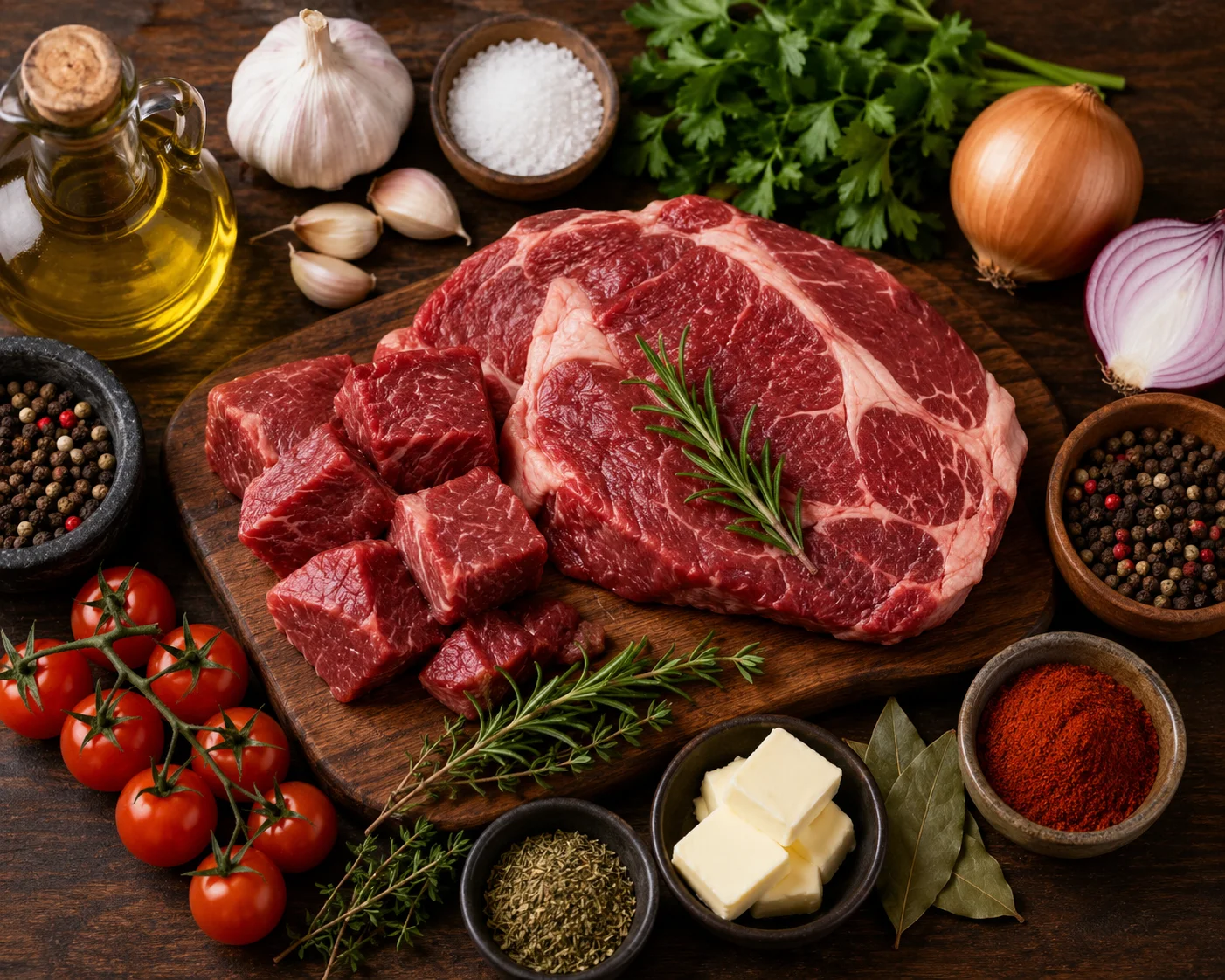
Desi meat dishes are famous for their bold flavor and rich aroma.
Chicken, beef, and mutton recipes usually start with onion, ginger garlic paste, and spices.
Best Spices for Meat Recipes
- Garam masala
- Red chili powder
- Black pepper
- Coriander powder
- Cumin
- Cinnamon
Why Marination Is Important
Marinating meat with yogurt and spices improves tenderness and flavor.
It also helps spices absorb deeply into the meat.
That is why many traditional BBQ and curry recipes require marination before cooking.
Budget-Friendly Desi Pantry Tips
Building a desi pantry does not need to cost a lot.
Many ingredients last for months when stored properly.
Smart Shopping Tips
- Buy spices in small packs
- Choose whole spices when possible
- Refill containers instead of replacing them
- Purchase ingredients from local desi stores
Priority Ingredients for Beginners
If your budget is limited, start with:
- Turmeric
- Cumin
- Coriander
- Chili powder
- Garam masala
These spices can create dozens of traditional recipes.
Why Desi Ingredients Are Becoming Global Favorites
People around the world now love South Asian flavors.
Restaurants, chefs, and home cooks are using desi spices in many international recipes.
For example:
- Turmeric is added to smoothies
- Garam masala is used in roasted vegetables
- Cardamom is added to desserts and coffee
- Curry leaves appear in fusion recipes
The bold flavor and aroma of these ingredients make them popular beyond traditional cooking.
Many people also appreciate their versatility.
One spice blend can work in soups, rice dishes, grilled meat, and even snacks.
Simple Daily Meals Using Desi Pantry Staples
Cooking desi food every day becomes easier when your pantry is organized.
Quick Breakfast Ideas
- Masala omelet
- Spiced tea
- Potato paratha
- Yogurt with roasted cumin
Easy Lunch Recipes
- Lentils with rice
- Chicken curry
- Vegetable stir-fry
- Chickpea curry
Comfort Dinner Options
- Keema
- Biryani
- Curry with naan
- Mixed vegetable curry
These meals become simple when essential ingredients are always available.
FAQs
What are the most important desi pantry staples?
The most important staples include turmeric, cumin, coriander powder, red chili powder, garam masala, and ginger garlic paste.
Which spice is used most in Indian cooking?
Cumin is one of the most commonly used spices because it builds the base flavor for many dishes.
What is the purpose of garam masala?
Garam masala adds warmth, aroma, and depth to curries, rice dishes, and marinades.
How should spices be stored?
Store spices in airtight containers away from sunlight, moisture, and heat.
Are whole spices better than ground spices?
Whole spices stay fresh longer, while ground spices are easier to blend into curries and sauces.
Why is tadka important?
Tadka releases flavor and aroma from spices, making dishes richer and more flavorful.
Can beginners cook desi food easily?
Yes. Starting with basic spices and simple recipes makes desi cooking beginner friendly.
Which ingredients create authentic curry flavor?
Turmeric, cumin, coriander, ginger garlic paste, and garam masala create authentic homemade curry flavor.
Why are desi spices so aromatic?
Desi spices contain natural oils that release strong aroma when heated.
What is the best spice blend for beginners?
Garam masala is one of the easiest and most versatile spice blends for beginners.
Conclusion
These 12 desi ingredients every kitchen needs are the foundation of authentic South Asian cooking. From aromatic spices to pantry staples like lentils and basmati rice, each ingredient plays an important role in creating rich curries, flavorful rice dishes, and comforting homemade meals.
A well-stocked desi pantry allows anyone to cook with confidence and explore the beauty of traditional flavors. Whether you are preparing a simple dal or a festive biryani, the right ingredients make all the difference.
If you enjoy learning about food, spices, and authentic cooking traditions, keep following Lagrub for more helpful guides, kitchen tips, and flavorful inspiration.

Maimoona Ehtisham
Maimoona Ehtisham writes for LaGrub on cooking, recipes, and mindful culinary living.
Get a desi recipe worth cooking, every week
One tested recipe a week. Nothing else, and unsubscribe any time.


