

Discover the forgotten desi food traditions that once defined South Asian homes. From homemade meals and family recipes to seasonal eating and heritage cooking methods, explore how these cultural practices are fading away and learn why preserving them is essential for future generations.
If you are wondering why traditional meals no longer feel the same or why many family recipes are disappearing, this guide is for you. Desi Food Traditions You Didn't Know You Were Losing explores forgotten recipes, heritage cooking methods, family food traditions, and cultural practices that once brought people together around food.
Why Traditional Desi Food Culture Is Disappearing
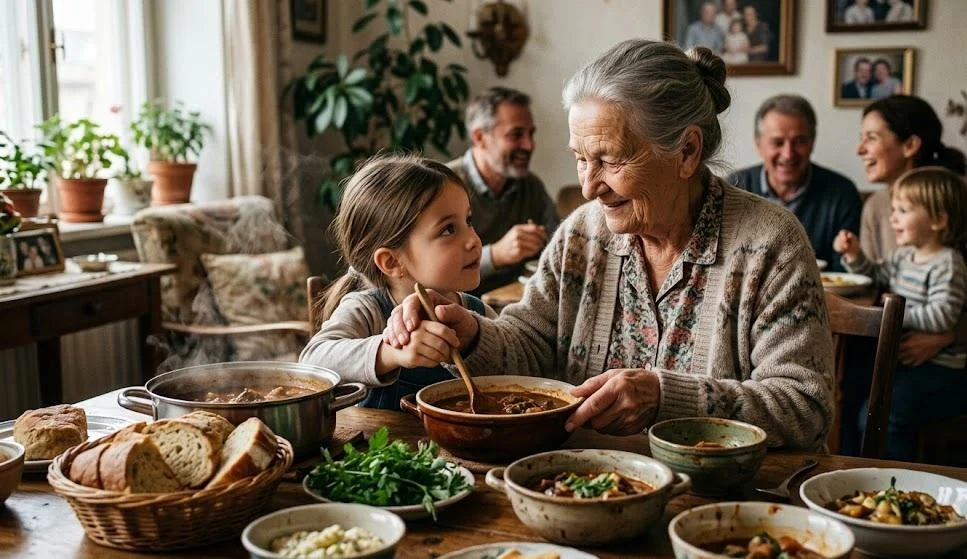
Food is much more than something we eat. It carries stories, memories, and traditions from one generation to another. Unfortunately, many desi food traditions are slowly disappearing because modern lifestyles have changed how people cook and eat.
Years ago, families spent hours preparing meals together. Grandparents passed down recipes to children, and every dish had a story behind it. Today, busy schedules, fast food, and convenience meals have replaced many traditional cooking habits.
Several factors have contributed to this change:
- Faster lifestyles
- Smaller families
- Increased dependence on processed foods
- Food delivery apps
- Lack of cooking knowledge among younger generations
- Reduced family cooking time
As a result, many traditional Indian food culture practices are becoming rare.
The loss is not only about recipes. It is also about losing a connection to family history, cultural identity, and community values.
The Lost Art of Homemade Desi Meals
When Food Was Made from Scratch
One of the most valuable traditions being lost is the preparation of homemade desi meals.
In the past, most meals were prepared entirely at home. Families made:
- Fresh rotis
- Homemade chutneys
- Hand-ground spice blends
- Fresh yogurt
- Traditional desserts
- Seasonal pickles
Nothing came from a packet or a ready-made container.
Mothers and grandmothers carefully selected ingredients and prepared meals using methods that required patience and skill.
The aroma of freshly roasted spices filled the home. Meals were often cooked slowly to allow flavors to develop naturally.
Today, many households rely on:
- Frozen foods
- Ready-made sauces
- Instant spice mixes
- Packaged snacks
While these options save time, they often lack the authenticity and warmth of traditional cooking.
Why Homemade Food Felt Special
Homemade food was not just about taste.
It represented:
- Love
- Care
- Hospitality
- Family bonding
- Cultural identity
Every meal carried emotional value.
Many people still remember the smell of freshly cooked khichdi, saag, or kheer from their childhood.
These memories are part of our food nostalgia, and preserving them is important for future generations.
Family Recipes That Are Fading Away
The Importance of Generational Recipes
For centuries, recipes were passed down verbally.
Grandmothers taught daughters and granddaughters how to prepare:
- Malpua
- Lapsi
- Panjeeri
- Raab
- Kanji
- Traditional halwa
Many of these dishes were never written down.
Instead, recipes were taught through experience.
Measurements often sounded like:
- A handful of flour
- A pinch of spice
- Cook until the aroma changes
- Stir until the texture feels right
These instructions reflected years of cooking wisdom.
Why Recipes Are Being Forgotten
Today, many younger people prefer modern recipes found online.
As older generations pass away, valuable cooking knowledge disappears with them.
This is why many forgotten recipes are becoming difficult to find.
Some traditional dishes that were once common now appear only during festivals or family gatherings.
Without active preservation, these recipes risk disappearing completely.
Traditional Cooking Methods We Rarely See Today
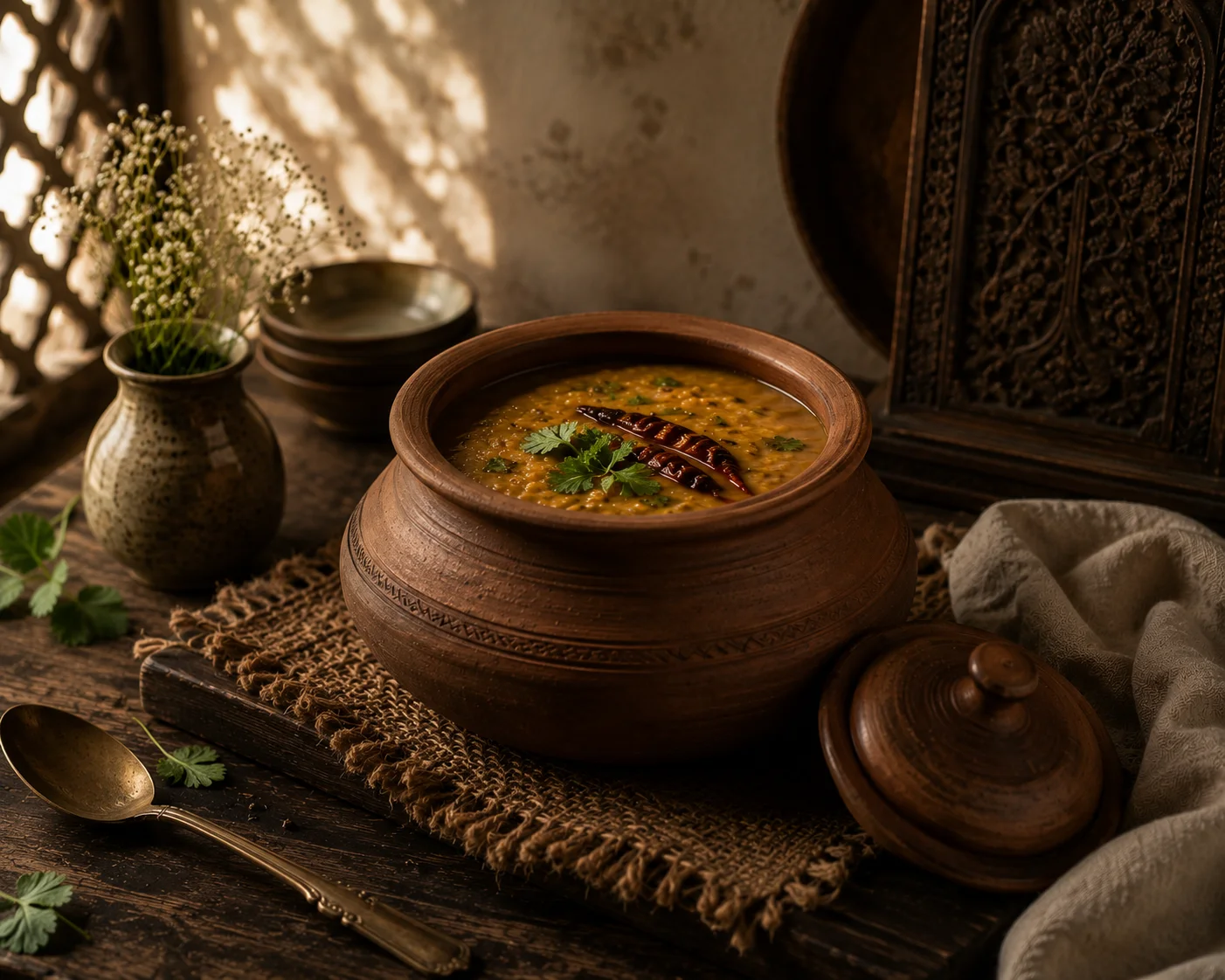
Modern kitchens have made cooking faster and easier. However, many traditional techniques have been lost along the way.
Clay Pot Cooking
One forgotten method is clay pot cooking.
Clay pots were commonly used for:
- Lentils
- Curries
- Rice dishes
- Slow-cooked stews
The clay distributed heat evenly and created unique flavors.
Many people believe food cooked in clay pots tastes richer and more authentic.
Today, stainless steel and non-stick cookware have largely replaced this method.
Wood-Fire Cooking
Before gas stoves became common, many families cooked over wood fires.
This technique added:
- Smoky flavors
- Rich aromas
- Distinct textures
Foods such as:
- Bajra roti
- Makki ki roti
- Traditional kebabs
developed flavors that are difficult to replicate using modern equipment.
Hand-Ground Spices
In traditional kitchens, spices were often ground by hand.
Families used stone grinders to prepare fresh spice blends.
This process created:
- Better aroma
- Stronger flavor
- Fresher ingredients
Today, packaged spices have largely replaced this practice.
Although convenient, they often lack the freshness of homemade blends.
Seasonal Eating Traditions Our Grandparents Followed
One fascinating aspect of heritage cooking was seasonal eating.
Food Followed Nature's Calendar
People once ate foods according to the season.
Summer meals included:
- Cooling drinks
- Fresh fruits
- Light lentils
- Yogurt dishes
Winter meals focused on:
- Desi ghee
- Panjeeri
- Halwa
- Millet breads
- Warm soups
This approach helped people stay healthy while enjoying fresh ingredients.
Why Seasonal Eating Is Disappearing
Modern supermarkets make almost every ingredient available year-round.
As a result, many people no longer pay attention to seasonal foods.
While convenient, this shift has reduced awareness of traditional eating habits.
Many younger generations have never experienced the excitement of waiting for seasonal specialties.
The Benefits of Seasonal Foods
Traditional seasonal eating offered several advantages:
- Better nutrition
- Fresher ingredients
- Lower costs
- Stronger connection to local agriculture
- Greater food variety throughout the year
Reviving these habits can benefit both health and cultural preservation.
The Decline of Joint Family Food Culture
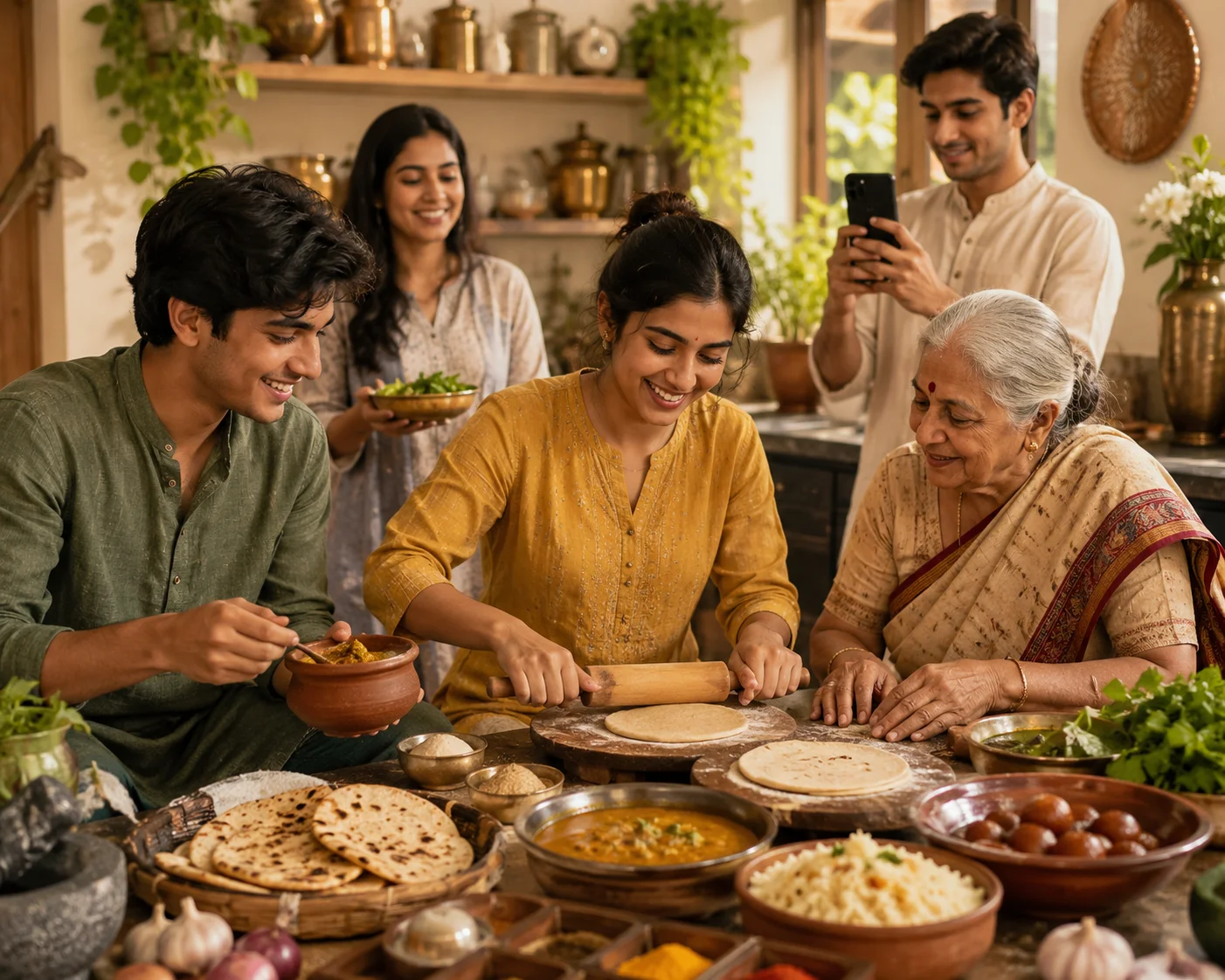
One of the biggest changes affecting family food traditions is the decline of joint families.
When Meals Brought Everyone Together
In the past, large families often lived under one roof.
Meal preparation involved many people.
Some family members would:
- Knead dough
- Chop vegetables
- Grind spices
- Prepare desserts
- Serve guests
Cooking became a shared activity.
Meals often included long conversations, laughter, and storytelling.
Food helped strengthen family relationships.
Modern Lifestyles Changed Dining Habits
Today, many families live separately.
People often eat:
- At different times
- In different rooms
- While watching screens
- During work breaks
As a result, shared meal experiences have become less common.
This change affects not only eating habits but also the transfer of cultural knowledge.
Many traditional cooking techniques were learned simply by watching older family members cook.
When families spend less time together in the kitchen, those opportunities disappear.
Forgotten Desi Dishes Worth Bringing Back
Many traditional dishes that were once common in South Asian homes are now rarely prepared. These meals were not only delicious but also reflected local ingredients, regional culinary heritage, and generations of cooking wisdom.
Traditional Dishes That Deserve a Comeback
Several forgotten recipes have slowly disappeared from everyday kitchens.
These include:
- Kanji – A fermented drink made with mustard and vegetables
- Raab – A warming millet-based dish
- Lapsi – A sweet wheat dessert made with desi ghee
- Panjeeri – A nutritious mixture of nuts, flour, and ghee
- Bajra Roti – Traditional millet bread
- Makki ki Roti – Cornmeal flatbread
- Traditional Saag – Slow-cooked leafy greens
- Handmade Pickles – Prepared using seasonal ingredients
Many of these dishes were packed with nutrition and relied on simple ingredients.
However, because they require time and effort, they have gradually been replaced by convenience foods.
Why These Dishes Matter
These traditional meals represent:
- Local food culture
- Family food traditions
- Seasonal eating traditions
- Regional cuisine
- Heritage cooking methods
Bringing these recipes back can help preserve valuable cultural knowledge while introducing younger generations to authentic flavors.
The Importance of Community Cooking and Food Sharing
Food Was a Community Experience
One of the most beautiful desi food traditions involved cooking together.
In villages and traditional neighborhoods, food preparation was often a group activity.
People came together for:
- Weddings
- Eid celebrations
- Religious gatherings
- Community feasts
- Harvest festivals
Large meals were prepared collectively.
Neighbors helped each other chop vegetables, knead dough, cook curries, and serve guests.
This tradition strengthened social bonds and created a sense of belonging.
Food Sharing Built Strong Relationships
Sharing food has always been an important part of South Asian culture.
Families often exchanged:
- Homemade sweets
- Festival dishes
- Freshly baked breads
- Seasonal specialties
Food became a symbol of generosity and hospitality.
Today, these traditions are becoming less common as lifestyles become more individualistic.
However, community cooking remains one of the most meaningful aspects of cultural food heritage.
How Fast Food Changed Traditional Eating Habits
Convenience Became the Priority
The rise of fast food has dramatically changed how people eat.
Fast food offers:
- Quick preparation
- Easy availability
- Consistent taste
- Affordable pricing
These benefits make it attractive for busy families.
However, convenience often comes at a cost.
Traditional meals require:
- Fresh ingredients
- Slow cooking
- Family involvement
- Skill and patience
As people choose convenience more frequently, many traditional cooking methods are being forgotten.
The Impact on Food Culture
The popularity of processed foods has affected:
- Family cooking traditions
- Seasonal eating habits
- Homemade meals
- Cultural food practices
Many younger people recognize global fast-food brands more easily than traditional regional dishes.
This shift highlights the importance of preserving desi food traditions before they disappear completely.
Food Nostalgia and the Emotional Power of Traditional Meals
Food is closely connected to memory.
Many people can recall a childhood meal simply by smelling a familiar spice or tasting a traditional dish.
Why Traditional Foods Create Strong Memories
Food nostalgia develops because meals are often linked to important life experiences.
These may include:
- Family gatherings
- Eid celebrations
- Weddings
- School holidays
- Grandparents' homes
- Weekend lunches
The smell of desi ghee, freshly baked roti, or simmering curry can instantly bring back memories from years ago.
This emotional connection is one reason why homemade desi meals remain so meaningful.
Food and Cultural Identity
Traditional foods help people maintain a connection to their roots.
For many families, recipes represent:
- Heritage
- Identity
- History
- Family values
- Cultural pride
When traditional recipes disappear, part of that cultural identity can disappear as well.
Protecting ancestral cooking traditions helps preserve these important connections.
Traditional Kitchen Practices We Rarely See Today
Many old kitchen practices have almost vanished.
Grinding and Preparing Ingredients by Hand
Traditional kitchens often involved manual preparation methods.
People would:
- Grind spices
- Crush herbs
- Prepare fresh masalas
- Make butter at home
- Churn yogurt
These techniques required effort but produced exceptional flavor.
Homemade Food Preservation
Before refrigerators became common, families preserved food naturally.
Popular methods included:
- Sun drying
- Pickling
- Fermentation
- Salt curing
These practices helped families store food while maintaining nutritional value.
Today, commercial products have largely replaced homemade preservation techniques.
Cooking According to Tradition
Many older cooks followed cooking methods learned directly from parents and grandparents.
Recipes were guided by:
- Experience
- Observation
- Aroma
- Texture
- Timing
This practical knowledge formed an important part of traditional kitchen practices.
The Role of Festivals in Preserving Food Heritage
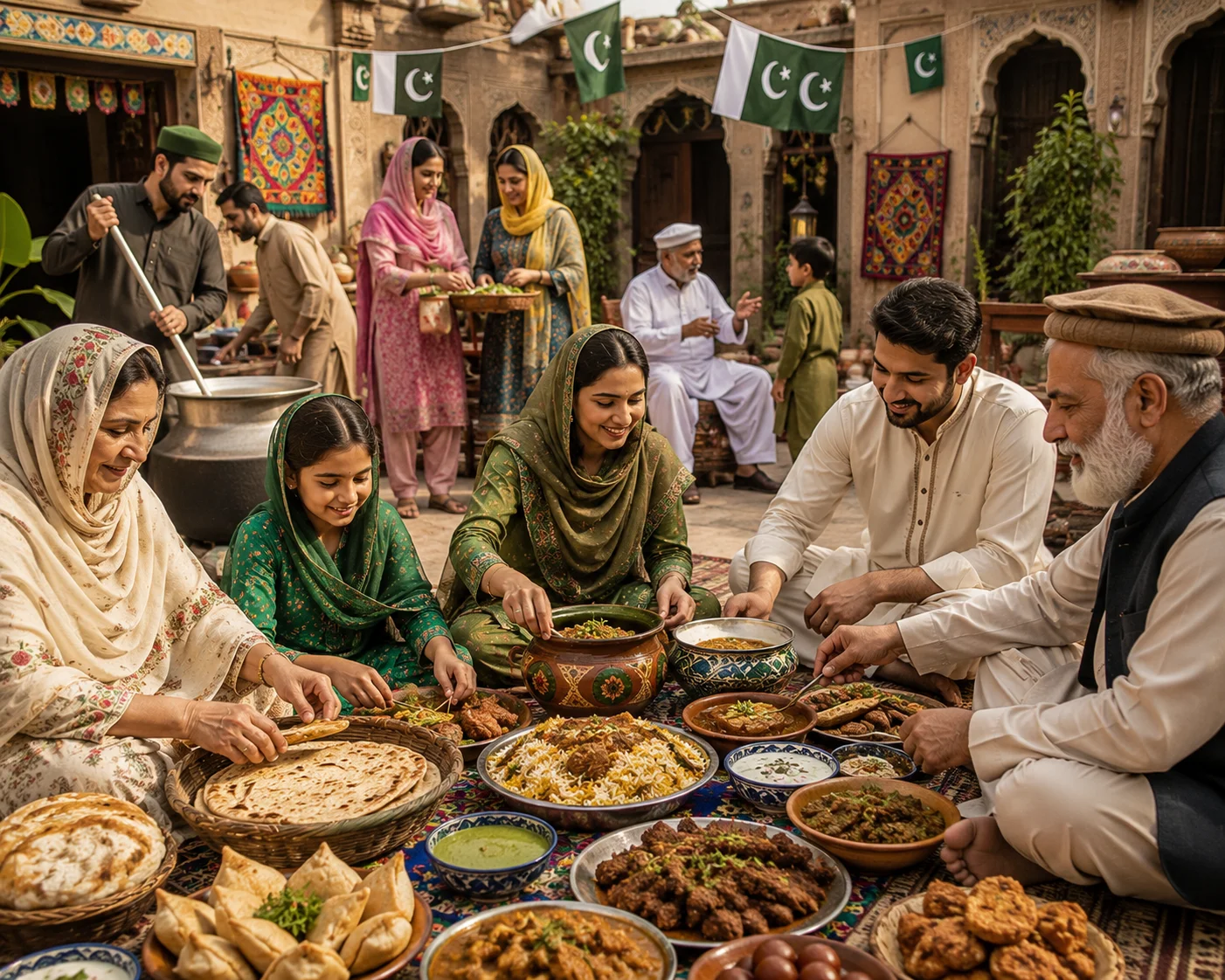
Festivals have always played a major role in protecting traditional Indian food culture.
Special Foods for Special Occasions
Every celebration had its own signature dishes.
For example:
- Sheer Khurma for Eid
- Kheer for family celebrations
- Halwa during religious events
- Panjeeri during winter gatherings
- Regional sweets during weddings
These foods carried cultural significance beyond taste.
Why Festival Foods Matter
Festival recipes help preserve:
- Family traditions
- Regional identities
- Cultural values
- Generational knowledge
When younger family members participate in preparing these dishes, they learn valuable culinary skills.
This is one of the easiest ways to preserve heritage food preservation efforts.
The Importance of Regional Food Traditions
South Asia is home to incredible culinary diversity.
Each region has unique recipes, ingredients, and cooking techniques.
Regional Cuisine Reflects Local Culture
Traditional regional foods developed based on:
- Climate
- Agriculture
- Geography
- Community practices
For example:
- Punjab is known for rich breads and dairy dishes.
- Sindh features spicy curries and rice dishes.
- Bengal is famous for fish preparations.
- Rajasthan developed recipes suited for dry climates.
These regional specialties form an important part of regional culinary heritage.
Why Regional Dishes Are at Risk
Modern food trends often favor popular mainstream dishes.
As a result, many regional recipes receive less attention.
Without documentation and continued cooking, these dishes may eventually disappear.
Preserving local cuisine helps protect culinary diversity.
How Younger Generations Can Preserve Desi Food Traditions
The future of desi food traditions depends on younger generations.
Fortunately, preserving food heritage does not require major changes.
Simple actions can make a big difference.
Learn Family Recipes
Ask parents and grandparents to teach traditional dishes.
Write down recipes and cooking tips.
Documenting knowledge helps ensure it is not lost.
Cook Traditional Meals Regularly
Even preparing one traditional dish each week can help preserve culinary heritage.
Practice strengthens cooking skills and keeps recipes alive.
Share Food Stories
Every traditional recipe has a story.
Share those stories with children and family members.
Stories make recipes more meaningful and memorable.
Support Local Ingredients
Choosing local and seasonal ingredients helps preserve traditional food systems.
It also supports farmers and regional agriculture.
Use Modern Platforms for Preservation
Technology can help protect food heritage.
Consider:
- Recording recipe videos
- Sharing cooking tutorials
- Creating family recipe collections
- Posting traditional dishes on social media
Modern tools can ensure old traditions continue to thrive.
Why Food Heritage Matters for Future Generations
Food heritage is more than a collection of recipes.
It represents:
- History
- Culture
- Family identity
- Community values
- Traditional knowledge
When food traditions disappear, valuable cultural information disappears as well.
Preserving desi food traditions helps future generations understand where they come from and what makes their culture unique.
In a rapidly changing world, food remains one of the strongest links between the past and the present.
FAQs
What are desi food traditions?
Desi food traditions refer to the cooking practices, recipes, ingredients, and food customs that have been passed down through generations in South Asian households. These traditions include homemade meals, seasonal eating, community cooking, and family recipes that reflect cultural heritage.
Why are traditional desi recipes disappearing?
Many forgotten recipes are disappearing because of busy lifestyles, fast food culture, smaller families, and the growing dependence on convenience foods. Younger generations often have fewer opportunities to learn traditional cooking methods from elders.
What are some examples of lost desi food traditions?
Several traditions are becoming rare, including:
- Hand-ground spice blends
- Clay pot cooking
- Wood-fire cooking
- Seasonal eating habits
- Homemade pickles
- Community cooking events
- Family recipe sharing
- Traditional food preservation methods
Why is homemade desi food important?
Homemade desi meals provide authentic flavors, emotional comfort, and cultural connection. They also preserve family traditions and often use fresher ingredients than processed foods.
How does food preserve cultural heritage?
Food tells the story of a community's history, values, and traditions. Cultural food heritage helps people stay connected to their roots and allows future generations to understand their family's culinary journey.
What role do grandparents play in preserving food traditions?
Grandparents often serve as keepers of ancestral cooking traditions. They pass down recipes, cooking techniques, and food stories that may not exist in written form.
What are the benefits of seasonal eating traditions?
Traditional seasonal eating offers:
- Fresher ingredients
- Better nutrition
- Stronger connection to local farming
- Lower food costs
- Greater food variety throughout the year
How can younger generations save traditional food culture?
Young people can preserve desi food traditions by:
- Learning family recipes
- Cooking traditional meals regularly
- Documenting cooking techniques
- Sharing food stories
- Supporting local ingredients
- Teaching future generations
Why are regional recipes important?
Regional recipes reflect local climate, culture, and agriculture. Preserving them protects regional culinary heritage and prevents unique flavors from being lost over time.
Can social media help preserve food traditions?
Yes. Social media allows people to share recipes, cooking videos, family stories, and traditional dishes with a larger audience. It has become an effective tool for heritage food preservation.
Conclusion
The story of Desi Food Traditions You Didn't Know You Were Losing is about much more than food. It is about preserving memories, family bonds, cultural identity, and generations of knowledge that shaped our communities.
From homemade desi meals and forgotten recipes to traditional cooking methods and seasonal eating traditions, many valuable customs are slowly fading away. While modern convenience has changed how we eat, it does not mean these traditions must disappear forever.
By learning family recipes, supporting local ingredients, documenting cooking knowledge, and sharing traditional meals with future generations, we can help protect our cultural food heritage.
Every traditional recipe saved is a piece of history preserved. Every family meal shared is a tradition continued. Every story told around a dining table helps keep our roots alive.
If you enjoyed this guide, continue exploring LaGrub for more food culture insights, authentic recipes, traditional cooking inspiration, and culinary stories that celebrate the rich heritage of South Asian cuisine while keeping timeless desi food traditions alive for future generations.

Maimoona Ehtisham
Maimoona Ehtisham writes for LaGrub on cooking, recipes, and mindful culinary living.
Get a desi recipe worth cooking, every week
One tested recipe a week. Nothing else, and unsubscribe any time.


