

Do Pakistanis eat beef? Yes, beef is widely enjoyed across Pakistan and is an important part of the country's culinary traditions. From slow-cooked curries and grilled kebabs to festive feasts and everyday family meals, this guide explores why beef in Pakistan remains a favourite in authentic Pakistani cuisine.
Do Pakistanis eat beef? Yes, beef is widely enjoyed across Pakistan and is an important part of the country's culinary traditions. From slow-cooked curries and grilled kebabs to festive feasts and everyday family meals, this guide explores why beef in Pakistan is so popular, how it is prepared, and the role it plays in Pakistani cuisine.
Do Pakistanis Eat Beef?
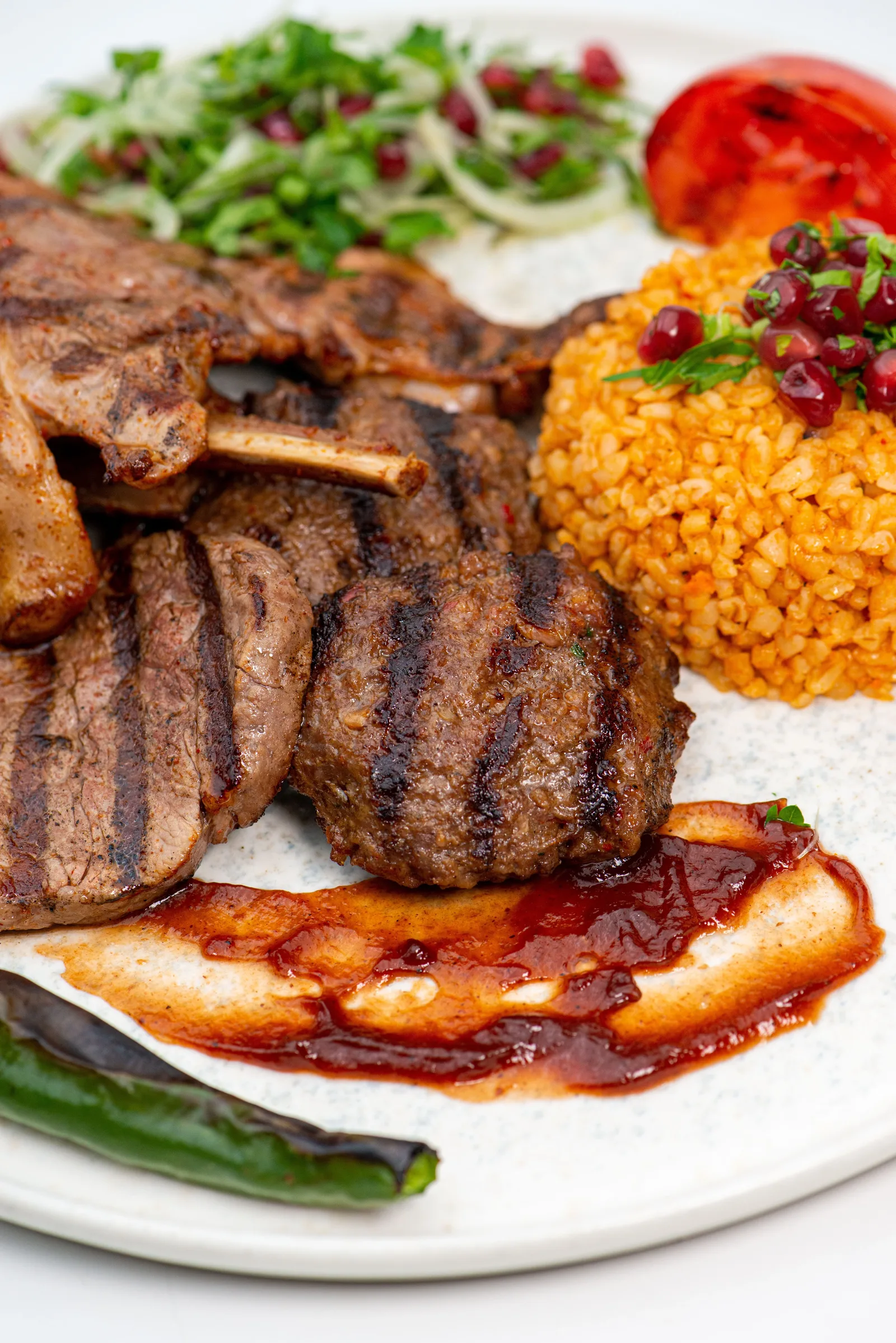
The simple answer is yes. Pakistanis eat beef, and it is one of the country's most popular meats. It is enjoyed in homes, restaurants, roadside eateries, and at family celebrations. Beef is used in a wide range of traditional recipes, from slow-cooked stews to grilled kebabs and flavourful rice dishes.
However, this does not mean every household eats beef every day. Food choices in Pakistan vary depending on personal preference, family traditions, regional cooking styles, availability, and budget. Some families prepare beef several times a week, while others enjoy it mainly on weekends or during special occasions.
One of the reasons beef in Pakistan is so popular is its versatility. It can be cooked in rich curries, roasted, grilled, minced, or slow-cooked until tender. Each cooking method creates a different flavour and texture, allowing families to enjoy a wide variety of meals without using completely different ingredients.
Another reason is that many traditional Pakistani recipes were developed using beef because it becomes incredibly tender when cooked slowly with onions, tomatoes, ginger, garlic, and aromatic spices. This cooking style creates the rich, comforting flavours that Pakistani cuisine is famous for.
Today, whether you visit a local home or a traditional restaurant, you are likely to find several delicious beef dishes on the menu.
Why Is Beef So Popular in Pakistan?
There are many reasons why beef has remained an important part of Pakistani food for generations.
One of the biggest reasons is flavour. Beef develops a deep, rich taste when cooked slowly with spices and herbs. This makes it ideal for curries, stews, and barbecue dishes that are full of aroma and character.
Another reason is its versatility. Beef can be prepared in many different ways, making it suitable for both simple family dinners and elaborate festive meals. Whether it is minced for kebabs, sliced for curries, or simmered for several hours, beef adapts well to a variety of traditional recipes.
Family traditions also play a significant role. Many households have recipes that have been passed down through generations. These recipes often use homemade spice blends and cooking methods that give every family its own unique flavour.
Beef is also popular because it pairs well with staple foods such as naan, chapati, paratha, rice, and pulao. This combination creates satisfying meals that are enjoyed throughout the country.
Do Pakistanis Eat Beef Every Day?
A common misconception is that Pakistanis eat beef with every meal. In reality, daily eating habits are much more varied.
Most families enjoy a balanced mix of foods throughout the week. Along with beef, many households regularly prepare chicken, mutton, fish, lentils, vegetables, rice, and homemade breads. The choice often depends on personal preference, the season, and the type of meal being prepared.
For example, a weekday lunch may include lentils with chapati or a light chicken curry, while a family gathering or weekend dinner might feature a slow-cooked beef dish served with naan or fragrant rice.
This variety is one of the strengths of Pakistani cuisine. Rather than relying on a single type of meat, families enjoy a wide selection of ingredients that create balanced and satisfying meals.
What Makes Pakistani Beef Dishes So Flavourful?
One of the reasons visitors remember Pakistani beef dishes is their incredible depth of flavour.
The secret begins with fresh ingredients. Onions, tomatoes, ginger, and garlic form the base of many recipes. These ingredients are cooked slowly until they develop a rich, savoury flavour before spices are added.
Traditional spice blends often include cumin, coriander, turmeric, black pepper, cinnamon, cloves, and cardamom. Instead of making the food overwhelmingly hot, these spices work together to create warmth, aroma, and complexity.
Slow cooking is another important factor. Many beef recipes are simmered over gentle heat for several hours. This allows the meat to become tender while giving the spices enough time to blend naturally into the sauce.
Fresh herbs such as coriander and green chillies are often added just before serving, bringing brightness and freshness to the finished dish.
These simple techniques transform everyday ingredients into meals that are rich, comforting, and full of authentic flavour.
Home-Cooked Beef vs Restaurant Beef
Another question many people have is whether beef tastes different at home than it does in restaurants.
The answer is yes.
Home-cooked beef in Pakistan is often prepared using family recipes that have been passed down for generations. Meals are usually lighter, with balanced spices and ingredients chosen according to personal taste.
Restaurant dishes, on the other hand, are often richer and more indulgent. They may include extra butter, oil, or slow-reduced gravies to create bold flavours that appeal to a wide range of diners.
Neither style is better than the other. Home cooking offers comfort and tradition, while restaurants provide an opportunity to enjoy regional specialities and expertly prepared classic dishes.
Both styles showcase the versatility of Pakistani beef and highlight why it remains one of the country's favourite ingredients.
Most Popular Pakistani Beef Dishes
One of the best ways to understand why Pakistanis eat beef is by exploring the country's most loved traditional recipes. Beef is used in a wide variety of dishes, ranging from comforting home-cooked meals to festive favourites served during family gatherings and celebrations.
Nihari
Nihari is one of the most iconic Pakistani beef dishes. This slow-cooked stew is prepared by simmering beef for several hours with onions, ginger, garlic, and aromatic spices until the meat becomes incredibly tender. It is traditionally served with naan and garnished with fresh coriander, sliced ginger, green chillies, and lemon.
Beef Karahi
Beef Karahi is another popular favourite. Unlike many slow-cooked curries, it focuses on fresh tomatoes, garlic, ginger, and green chillies. The rich gravy develops as the ingredients cook together, creating a bold and satisfying flavour that pairs perfectly with naan or chapati.
Beef Biryani
Biryani is one of the most recognised dishes in Pakistani cuisine, and beef is a popular choice for this fragrant rice dish. Marinated beef is layered with basmati rice, herbs, fried onions, and spices to create a meal that is both filling and packed with flavour.
Beef Keema
Beef keema is prepared using minced beef cooked with onions, tomatoes, peas, and traditional spices. It is a versatile dish that can be enjoyed with rice, chapati, naan, or even used as a filling for stuffed breads.
Seekh Kebabs
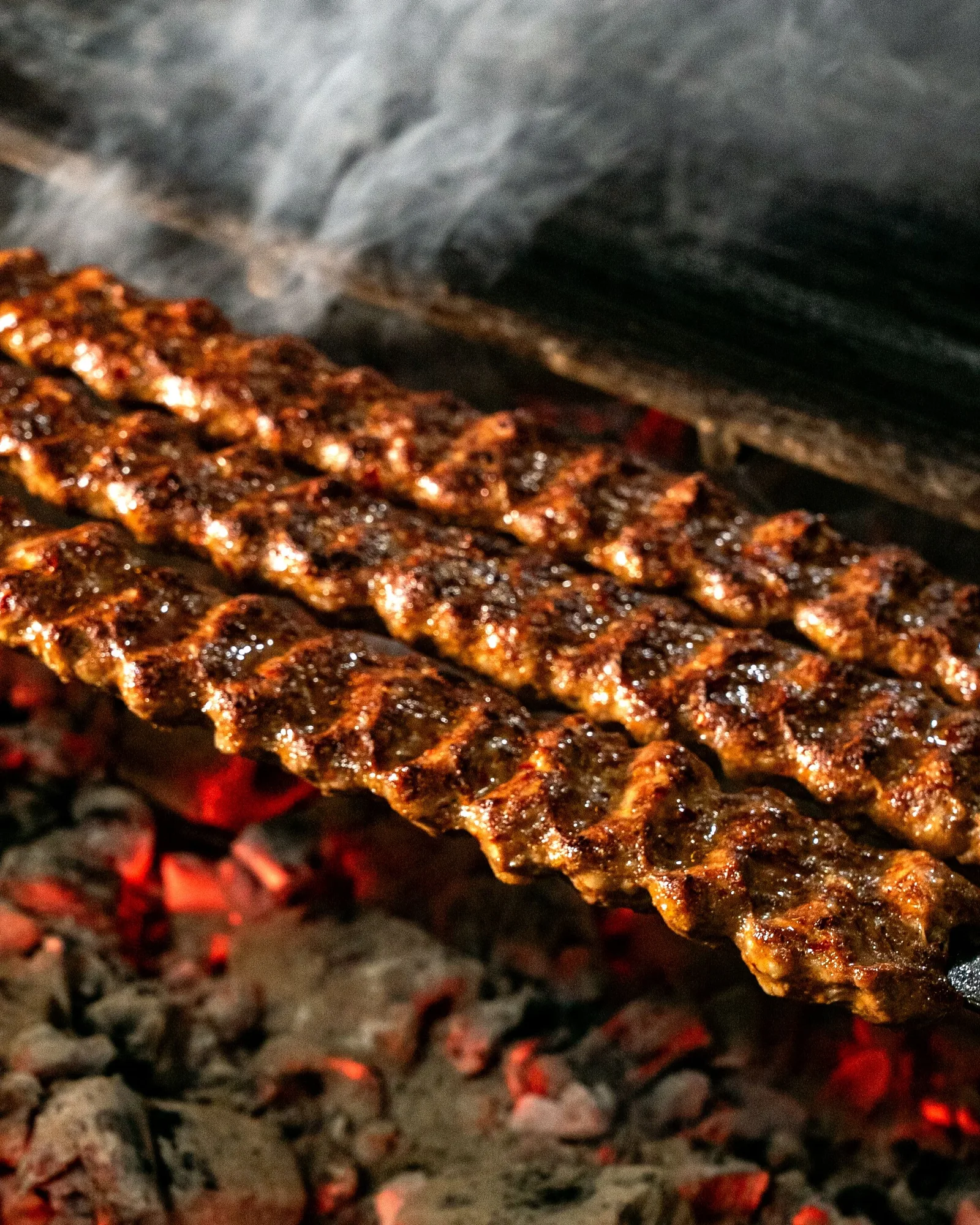
Seekh Kebabs are made from seasoned minced beef shaped onto skewers and grilled until tender and slightly smoky. They are commonly served with mint chutney, fresh salad, and warm flatbread, making them a favourite for family meals and barbecues.
Haleem
Haleem combines beef with wheat, lentils, and barley, all slow-cooked together until smooth and creamy. The result is a hearty, nutritious meal that is especially popular during Ramadan and other special occasions.
Paya
Although paya can be prepared using different meats, beef paya remains a traditional favourite in many households. The long cooking process creates a rich, flavourful broth that is enjoyed with freshly baked naan.
These classic recipes show just how versatile beef in Pakistan can be, with each dish offering its own unique taste and cooking style.
Beef vs Chicken: Which Is More Popular in Pakistan?
One of the most common questions people ask is whether beef or chicken is more popular in Pakistan.
The answer depends on the household, region, and occasion.
Chicken is widely eaten because it is quick to cook, easy to prepare, and works well in everyday meals. Families often choose chicken for busy weekdays when they want a simple and convenient dinner.
Beef, however, remains a favourite for recipes that benefit from slow cooking and rich flavours. Many traditional curries, kebabs, and stews are prepared with beef because it develops a deeper taste over time.
Instead of competing with one another, both meats play an important role in Pakistani food. Many families regularly enjoy chicken, beef, mutton, fish, lentils, and vegetables throughout the week, creating a balanced and varied diet.
Is Beef Served During Festivals and Celebrations?
Yes, beef is often featured during important family occasions and celebrations. Large gatherings are an opportunity to prepare traditional recipes that bring everyone together around the dining table.
Weddings, family reunions, and festive events frequently include dishes such as beef biryani, beef karahi, kebabs, and slow-cooked curries. These meals are prepared in generous portions and shared with relatives, friends, and guests.
During Eid al-Adha, beef also becomes an important part of many family meals. Freshly prepared dishes are enjoyed at home and shared with loved ones, reflecting the values of generosity and hospitality that are central to Pakistani culture.
While celebrations often include elaborate recipes, simple beef curries and keema remain everyday favourites that families enjoy throughout the year.
What Other Meats Do Pakistanis Eat?
Although Pakistanis eat beef, it is only one part of the country's diverse cuisine.
Chicken is one of the most common meats served in homes because it cooks quickly and can be used in countless recipes. Chicken karahi, chicken curry, grilled chicken, and biryani are all popular choices.
Mutton and goat are also widely enjoyed, particularly during celebrations and special occasions. Their rich flavour makes them ideal for slow-cooked curries, barbecue dishes, and pulao.
Fish is especially popular in coastal areas and is often grilled, fried, or cooked in lightly spiced curries.
In addition to meat, many households regularly prepare vegetarian meals using lentils, chickpeas, beans, spinach, potatoes, cauliflower, and other seasonal vegetables. Homemade yoghurt, rice, and freshly baked bread complete these balanced meals.
This variety demonstrates that Pakistani cuisine offers something for every taste and dietary preference.
Is Beef Healthy as Part of a Balanced Diet?
When enjoyed in moderation, beef can be part of a healthy and balanced diet.
It is naturally rich in high-quality protein, iron, zinc, and vitamin B12, all of which help support muscle growth, energy production, and overall wellbeing. Beef also contains essential nutrients that contribute to a balanced eating pattern when combined with vegetables, whole grains, and fresh ingredients.
Traditional Pakistani beef dishes are often served with rice, chapati, salads, yoghurt, or vegetables, helping create satisfying meals that include a variety of food groups.
Choosing lean cuts of beef, controlling portion sizes, and balancing meals with fresh produce are simple ways to enjoy beef while maintaining a healthy lifestyle.
The combination of wholesome ingredients and traditional cooking methods allows many families to enjoy beef as part of a varied weekly menu rather than relying on it for every meal.
Tips for Enjoying Pakistani Beef for the First Time
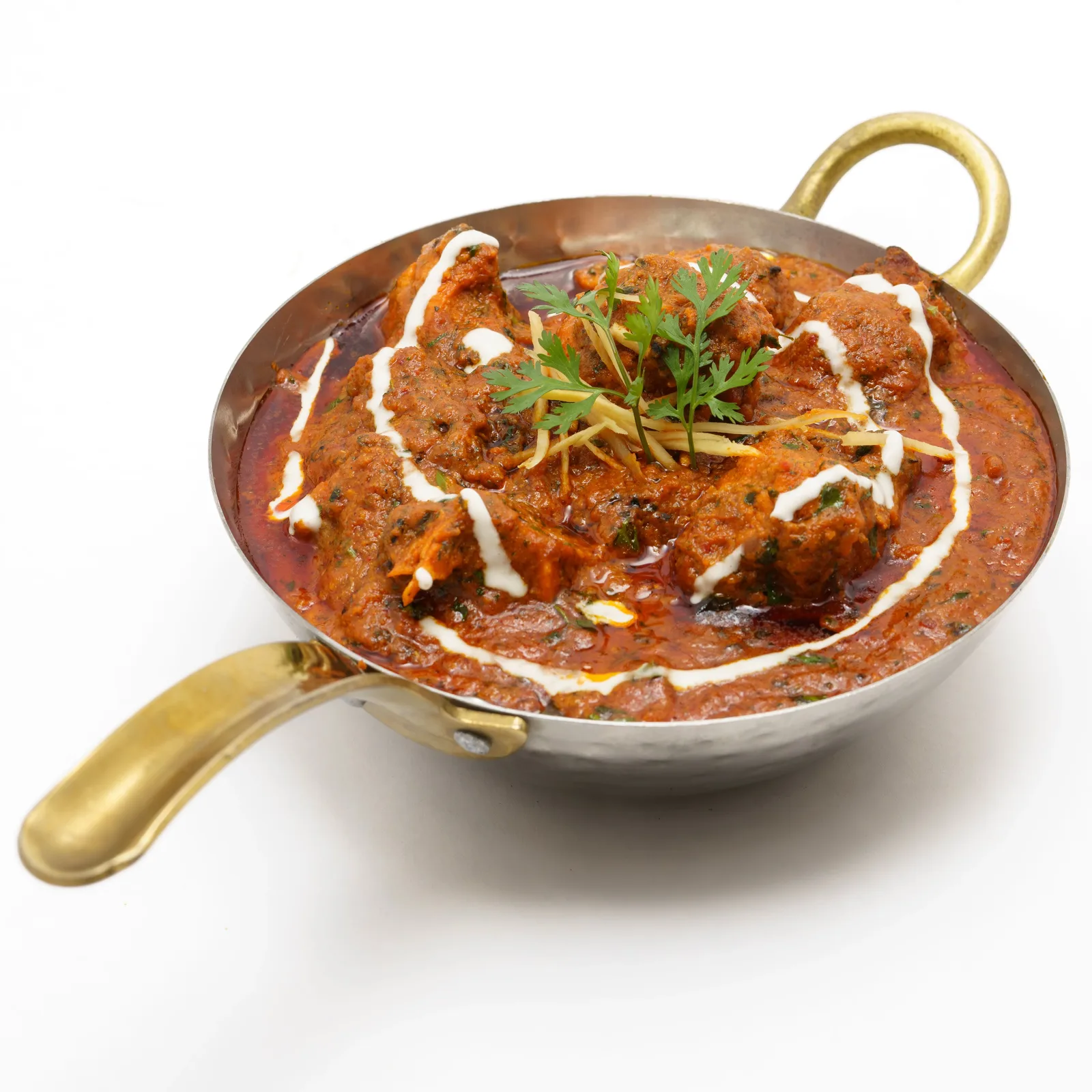
If you are trying Pakistani beef for the first time, start with dishes that highlight the rich flavours of Pakistani cuisine without being overwhelming. Traditional recipes are known for their balanced use of spices, tender meat, and comforting textures.
Here are a few beginner-friendly recommendations:
- Nihari if you enjoy slow-cooked stews with deep flavours.
- Beef Karahi for a fresh tomato-based curry with aromatic spices.
- Beef Biryani if you love fragrant rice dishes.
- Seekh Kebabs for smoky grilled flavours.
- Beef Keema for a simple yet satisfying everyday meal.
Pair these dishes with naan, chapati, or steamed basmati rice to enjoy an authentic dining experience. You can also add fresh yoghurt, salad, or mint chutney to balance the rich flavours.
Why Beef Holds a Special Place in Pakistani Cuisine
The popularity of beef in Pakistan is about more than taste. It reflects generations of culinary traditions, regional diversity, and the importance of sharing meals with family and friends.
Many recipes have been passed down through generations, preserving cooking techniques that rely on patience, fresh ingredients, and carefully balanced spices. Slow cooking allows the meat to become tender while creating rich gravies that pair perfectly with naan, chapati, or fragrant rice.
Hospitality also plays a major role in Pakistani food culture. Whether guests are visiting for a casual meal or a festive celebration, serving a delicious beef dish is often seen as a warm and generous gesture. This tradition continues to keep classic recipes alive in homes and restaurants across the country.
Frequently Asked Questions
Do Pakistanis eat beef regularly?
Yes. Pakistanis eat beef regularly, although how often depends on household preferences, budget, and regional traditions. Beef is commonly served in homes, restaurants, and during family celebrations.
What are the most popular Pakistani beef dishes?
Some of the best-known Pakistani beef dishes include nihari, beef karahi, beef biryani, beef keema, seekh kebabs, haleem, and paya. These recipes showcase the rich flavours of Pakistani cuisine.
Is beef more popular than chicken in Pakistan?
Both meats are widely enjoyed. Chicken is commonly prepared for everyday meals because it cooks quickly, while beef is often chosen for traditional slow-cooked dishes and special occasions.
Is Pakistani beef very spicy?
Not necessarily. Most Pakistani beef recipes focus on aromatic spices rather than extreme heat. The level of chilli can usually be adjusted to suit individual preferences.
Is beef healthy as part of a balanced diet?
Yes. Beef is a good source of protein, iron, zinc, and vitamin B12. When enjoyed in moderation alongside vegetables, whole grains, and other nutritious foods, it can be part of a healthy diet.
Conclusion
So, do Pakistanis eat beef? The answer is a clear yes. Beef is an important part of Pakistani cuisine and is enjoyed in countless ways, from comforting home-cooked meals to iconic dishes such as nihari, beef karahi, beef biryani, seekh kebabs, and keema.
At the same time, Pakistan's food culture is wonderfully diverse. Families also enjoy chicken, mutton, fish, lentils, vegetables, and freshly baked breads, creating balanced meals that reflect regional traditions and personal preferences.
Whether you are discovering Pakistani food for the first time or looking to expand your knowledge of South Asian cuisine, exploring traditional beef dishes is a delicious way to experience the country's rich culinary heritage.
Visit LaGrub more authentic food guides, traditional recipes, and cooking inspiration that brings the flavours of the world straight to your kitchen.

Maimoona Ehtisham
Maimoona Ehtisham writes for LaGrub on cooking, recipes, and mindful culinary living.
Get a desi recipe worth cooking, every week
One tested recipe a week. Nothing else, and unsubscribe any time.


