

Food styling tips for home cooks can help you make everyday meals look fresh, clear, and appetizing without using fake tricks or expensive tools. With simple plating, natural light, fresh garnish, colour, texture, and clean presentation, you can make homemade food look better for family, recipe photos, blogs, and social media.
Food styling tips for home cooks can help you make everyday meals look fresh, clear, and appetizing without using fake tricks or expensive tools. With simple plating, natural light, fresh garnish, colour, texture, and clean presentation, you can make homemade food look better for family, recipe photos, blogs, and social media.
Good food does not always look good on camera by itself. A curry may taste rich but look flat in a photo. A salad may be fresh but look messy after tossing. A pasta dish may be creamy but lose its shape on the plate. This is where food styling helps.
For home cooks, food styling for beginners is not about making food fake. It is about helping real food look as warm, fresh, and inviting as it feels when you eat it. You do not need a studio. You do not need a professional camera. You do not need expensive props. You only need small choices that make your dish look more beautiful and easy to enjoy.
At Lagrub, we believe homemade food should look soulful, honest, and full of care. Whether you are taking photos for a recipe blog, Instagram, a family group, or your own food memories, these simple food styling tips will help you style food at home with confidence.
What is Food Styling for Home Cooks?
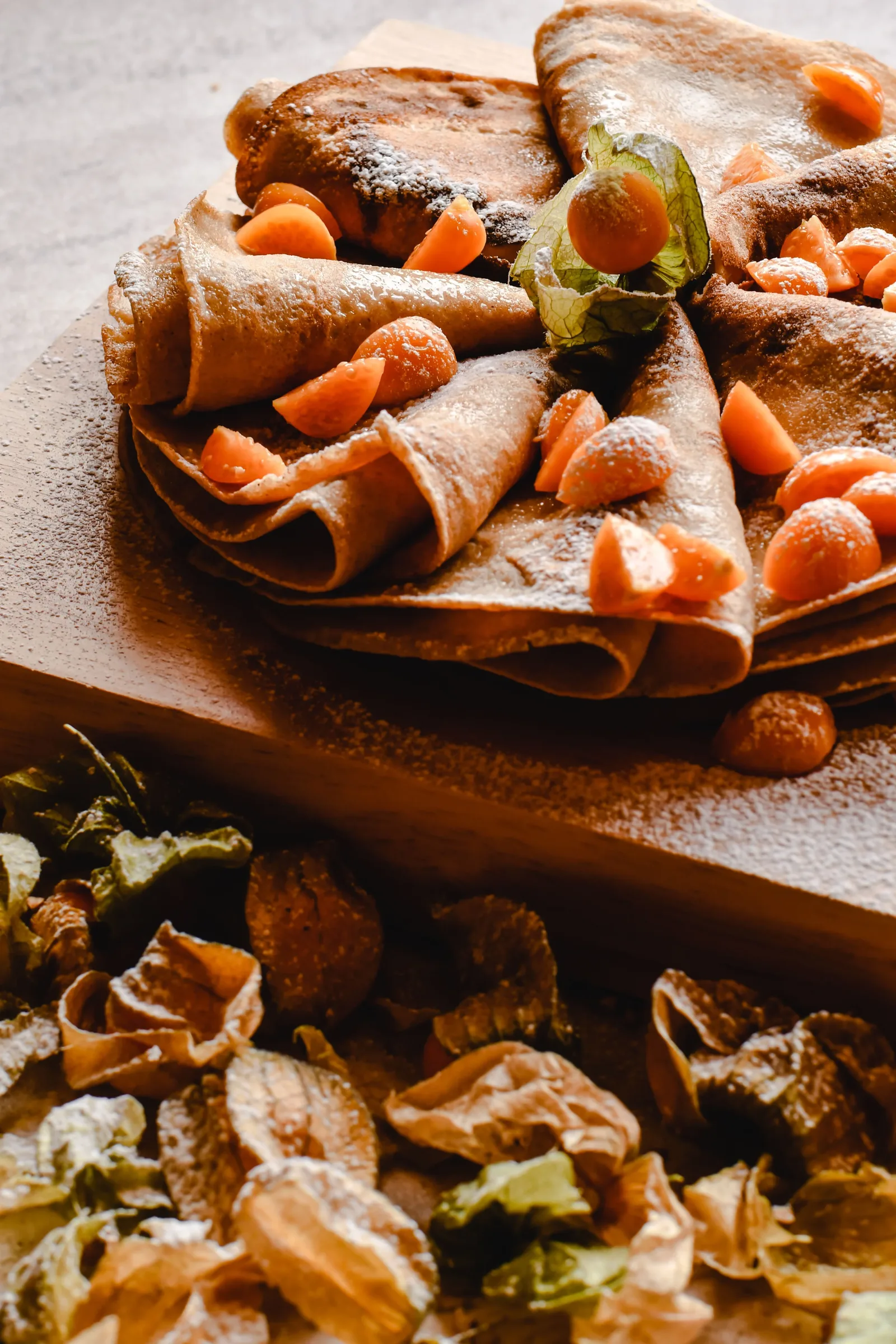 food styling
Food styling is the way you arrange, plate, and present food so it looks good before serving or photographing. For home cooks, it means using simple details to make food look fresh, balanced, and appetizing.
It can be as easy as wiping the edge of a plate, adding fresh coriander on top of curry, using a smaller bowl for soup, or placing cookies on a clean napkin instead of a crowded tray.
In professional food photography, food stylists use many tools and techniques. But home food styling is much simpler. It focuses on real food, real kitchens, and real meals.
A home cook may use food styling tips to:
- Make dinner look more beautiful
- Take better food photos
- Improve recipe blog images
- Share food on Instagram
- Present food nicely for guests
- Make simple meals feel special
- Show texture, colour, and freshness
- Make homemade food look more appetizing
The goal is not perfection. The goal is to make your food look clear, inviting, and true to what you cooked.
Why Food Styling Matters at Home
You may wonder why food presentation tips matter if the food already tastes good. The reason is simple: people enjoy food first with their eyes.
When a plate looks fresh and balanced, it feels more enjoyable. A small garnish can make a simple dal look warm and cared for. A clean bowl can make soup look comforting. A bright salad can feel fresher when the colours are visible.
Food styling also helps when you take photos. A phone camera does not capture smell, taste, or warmth. It only captures what is visible. So the food needs to show its best details.
Good food photography tips for home cooks can help you show:
- Freshness
- Colour
- Texture
- Warmth
- Creaminess
- Crunch
- Juiciness
- Softness
- Shape
- Serving style
If you run a recipe blog or food page, good styling can also help readers trust your recipe. When the final dish looks clear and achievable, people are more likely to save it, share it, and try it.
Start with Fresh, Good-Looking Food
The first rule of food styling for home cooks is to start with food that looks fresh.
Styling cannot fully fix tired herbs, dry chicken, dull vegetables, or overcooked pasta. Before you think about props or plates, look at the food itself.
Use fresh ingredients whenever possible. Choose bright herbs, firm vegetables, clean fruits, and fresh bread. If you are using salad greens, keep them crisp. If you are styling curry, keep the garnish fresh. If you are plating rice, fluff it before serving.
For better food styling for photos, check these details:
- Are the herbs fresh?
- Does the sauce look glossy?
- Does the rice look fluffy?
- Are the vegetables bright?
- Is the plate clean?
- Is the food still warm?
- Does the dish need a little garnish?
- Is anything looking dry or dull?
A simple trick is to save a few fresh ingredients before cooking. For example, keep some coriander leaves, lemon wedges, grated cheese, sliced chilies, nuts, or herbs aside. Add them at the end so the dish looks fresh.
This is one of the easiest food styling ideas for beginners.
Use Smaller Plates to Make Food Look Fuller
One of the best plate presentation tips is to use the right plate size.
A large plate can make a normal portion look small and empty. A smaller plate or bowl can make the same food look full, rich, and satisfying.
This is useful for pasta, rice, curry, salads, desserts, snacks, and breakfast bowls. When food fills the plate nicely, it looks more generous and appetizing.
For home cooks, smaller plates are often easier to style because they reduce empty space. They also help the camera focus on the food.
Try this:
- Use a shallow bowl for pasta.
- Use a small plate for cookies.
- Use a deep bowl for soup.
- Use a wide bowl for rice dishes.
- Use a small tray for snacks.
- Use a clean white plate for colourful food.
However, do not overcrowd the plate. Food should look full, not messy. Leave a little space around the edges so the dish can breathe.
This simple trick can instantly make homemade food look better.
Plate in Odd Numbers for a Natural Look
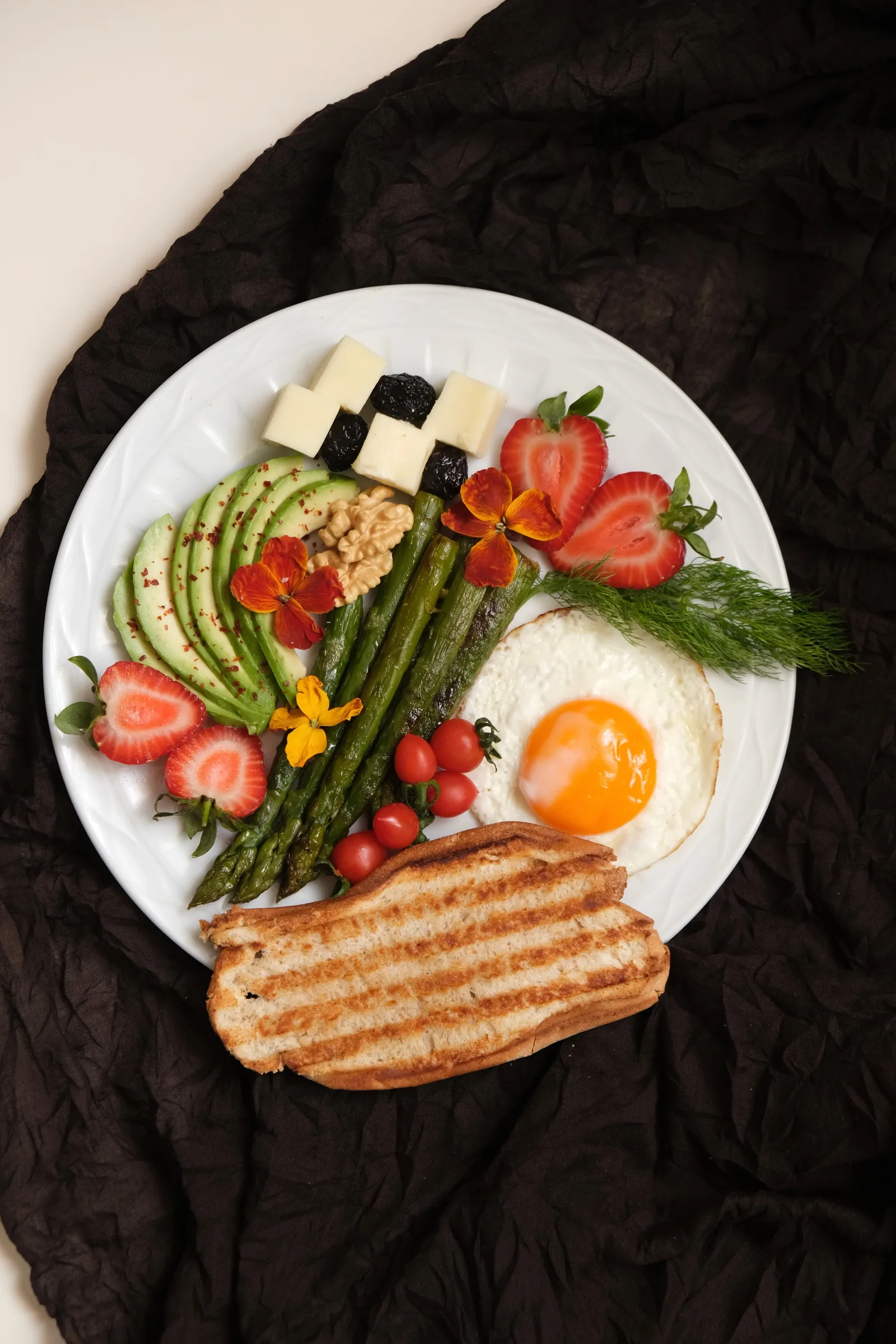 food styling
Odd numbers often look better in food styling. Three kebabs, five cookies, or seven small appetizers can feel more natural than two or four.
This tip works especially well for snacks, sweets, meatballs, tacos, patties, cookies, pakoras, rolls, and small bites.
Why does it work? Odd numbers make the plate feel less stiff. They create movement and interest. The eye moves around the plate instead of stopping at perfect symmetry.
For example:
- Place three samosas on a plate.
- Arrange five cookies with a few crumbs.
- Serve three tacos with lime wedges.
- Style five pakoras with chutney.
- Place three kebabs with onion rings and herbs.
This is one of the easiest simple food styling tips because it does not require extra tools. It only changes how you arrange the food.
Use Natural Light for Better Food Photos
Light is one of the most important food photography tips for home cooks.
Natural light usually makes food look soft, fresh, and real. A window is often enough. Place the dish near a window and turn off harsh indoor lights if they make the food look yellow or dull.
Avoid direct strong sunlight because it can create harsh shadows. Soft side light is usually best. It helps show texture and shape.
For better food photography at home, try this:
- Place food near a window.
- Use morning or afternoon light.
- Avoid bright overhead kitchen lights.
- Do not use camera flash.
- Use a white cloth or paper to bounce light.
- Move the plate until the food looks clear.
- Watch shadows before taking the photo.
If your kitchen is dark, take the photo near a brighter room or balcony door. You can also use a simple white board or white napkin to reflect light back onto the food.
Good light can make even a simple home-cooked meal look warm and beautiful.
Add Colour with Fresh Herbs and Bright Produce
Colour makes food more attractive. This is why fresh herbs, lemon wedges, red chilies, tomatoes, cucumber, pomegranate seeds, nuts, and green leaves can make a dish look better.
A bowl of curry can look heavy without garnish. Add fresh coriander, sliced ginger, green chili, or a small drizzle of cream, and it suddenly looks brighter. A plate of pasta can look flat until you add basil, cheese, black pepper, or cherry tomatoes.
Use colour with purpose. Do not add garnish that does not belong to the dish. The best garnish should make sense with the food.
Good garnish ideas include:
- Coriander for curry, dal, rice, and kebabs
- Mint for raita, drinks, salads, and biryani
- Basil for pasta and tomato dishes
- Lemon wedges for fish, kebabs, salads, and grilled food
- Green chilies for desi dishes
- Sesame seeds for noodles, rice bowls, and snacks
- Nuts for desserts, kheer, halwa, and salads
- Cheese for pasta, pizza, and baked dishes
The goal is to make food look fresh, not crowded. A little garnish is enough.
This is a key part of how to make food look appetizing.
Use Sauce Drizzles, Swooshes, and Shine
Sauce can make food look rich and fresh, but it can also make food look messy if used too much.
For better food styling tips, add sauce with control. Instead of mixing everything until the food looks muddy, try drizzling sauce on top or placing it beside the food.
For example:
- Drizzle dressing over salad instead of drowning it.
- Add chutney beside pakoras instead of covering them.
- Spoon curry sauce around rice.
- Add chocolate drizzle over dessert.
- Place yogurt sauce in a small bowl.
- Add a small swirl of cream to soup.
- Brush a little oil on grilled food for shine.
A little shine can make food look fresh and juicy. You can use a small brush or spoon to add a light touch of oil, melted butter, sauce, or glaze.
However, do not overdo it. Too much shine can look greasy. The food should look fresh, not oily.
Show Texture with Char, Crunch, and Toppings
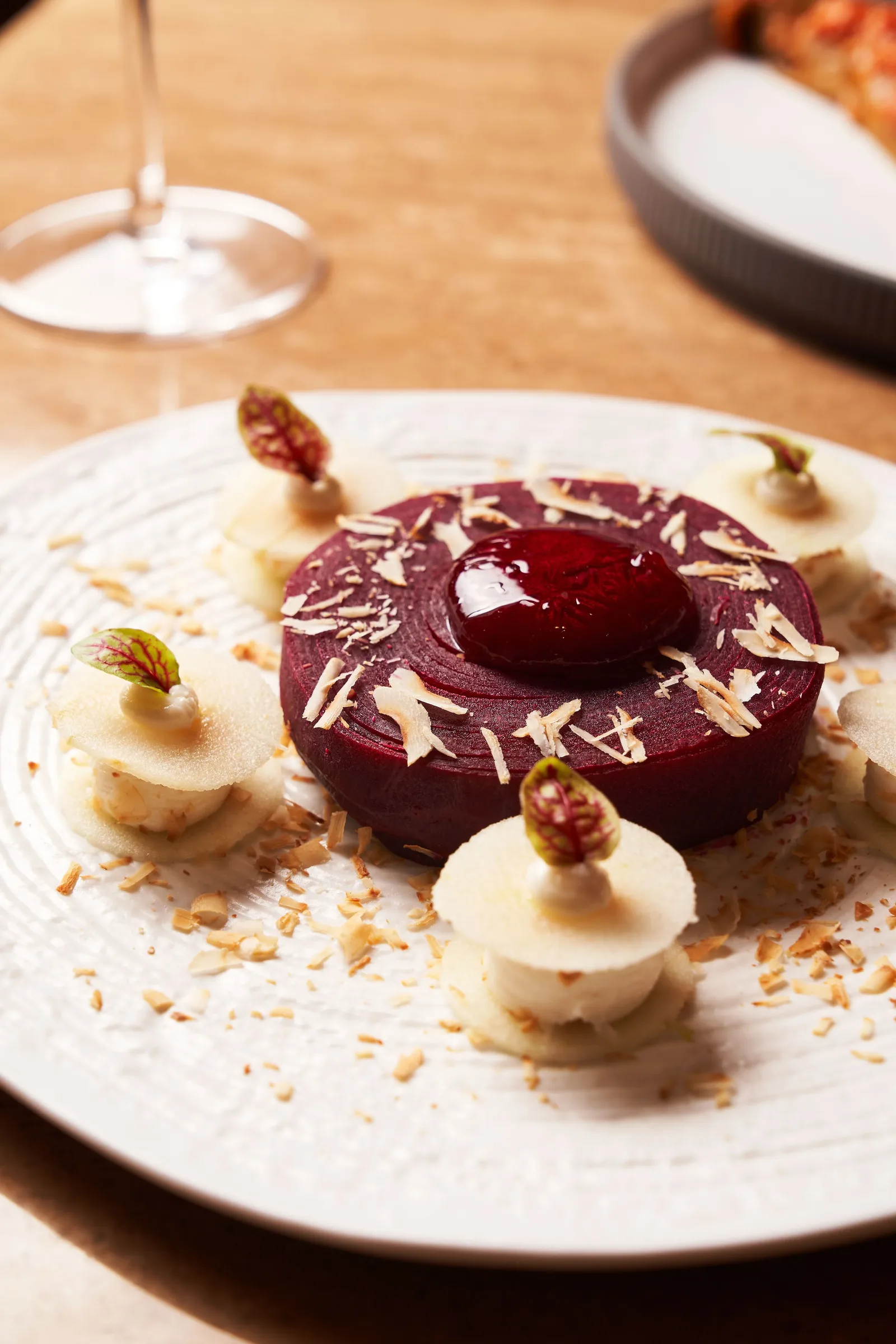 food styling
Texture is what makes food feel real in a photo. When people see crispy edges, soft layers, fluffy rice, creamy sauce, or crunchy toppings, they can imagine eating the dish.
This is important in food styling for photos because the camera cannot show taste. Texture helps the viewer understand the food.
Try to show texture by using:
- Charred marks on grilled food
- Crispy edges on paratha or fried snacks
- Fresh crumbs around baked goods
- Cheese shavings on pasta
- Nuts on desserts
- Fried onions on biryani
- Seeds on salads
- Herbs on curry
- Cream swirl in soup
- Extra chocolate chips on cookies
If you are cooking vegetables, a quick sear can add colour and texture. For example, slightly browned mushrooms, roasted carrots, or charred corn look more interesting than pale, soft vegetables.
For rice dishes, fluff the rice gently so the grains show. For pasta, lift a small portion so the shape looks natural. For salads, keep some ingredients visible on top.
Good texture makes food look alive.
Save Hero Ingredients for the Final Plate
One smart food styling trick is to save the best-looking ingredients for the final plate.
When ingredients are mixed into a dish, they can disappear. For example, chocolate chips can hide inside cookie dough. Chickpeas can sink into a curry. Herbs can wilt in hot food. Cheese can melt and cover everything.
So keep a small amount aside and add it at the end.
Save these for topping:
- Fresh herbs
- Lemon slices
- Green chilies
- Crispy onions
- Nuts
- Seeds
- Cheese
- Chocolate chips
- Fruit slices
- Yogurt
- Sauce
- Chutney
- Fresh vegetables
This helps the viewer understand what is in the dish. It also makes the photo look more colourful and clear.
For example, if you are making chickpea salad, keep a few chickpeas, cucumber pieces, and herbs for the top. If you are making biryani, keep fried onions and mint for garnish. If you are making cookies, add a few chocolate chips on top before baking.
This is a simple way to improve recipe photo styling.
Use Simple Props That Support the Food
Props can make food photos feel warm and complete. But too many props can distract from the dish.
For home cooks, simple props work best.
Useful food styling props include:
- Napkins
- Wooden boards
- Small bowls
- Spoons
- Forks
- Glasses
- Cutting boards
- Baking paper
- Small plates
- Serving trays
- Tea cups
- Spice bowls
- Fresh ingredients
- Jars
- Simple tablecloths
Choose props that match the food. A rustic curry may look good with a wooden board, copper bowl, naan, and chutney. A light salad may look better with a white plate, fresh linen, and simple cutlery. A dessert may look nice with a small fork, fruit, crumbs, or a cup of tea.
Do not use props only to fill space. Every prop should support the story of the food.
A simple rule: if a prop pulls attention away from the dish, remove it.
Keep Food Styling Honest and Edible
For home cooks, food styling should stay honest. The food should still be edible and real.
You do not need glue, fake steam, heavy colour, or strange tricks. Those may be used in some professional settings, but they are not needed for home cooking.
The best home food styling makes real food look its best.
Honest food styling means:
- The food is still edible.
- The portion looks real.
- The garnish belongs to the dish.
- The colours look natural.
- The photo does not mislead.
- The dish looks like something a person can actually cook.
This matters for recipe blogs and food pages because people trust realistic food. If a dish looks too perfect or fake, readers may feel they cannot make it.
Lagrub-style food should feel warm, beautiful, and possible.
Food Styling Tips for Common Home Dishes
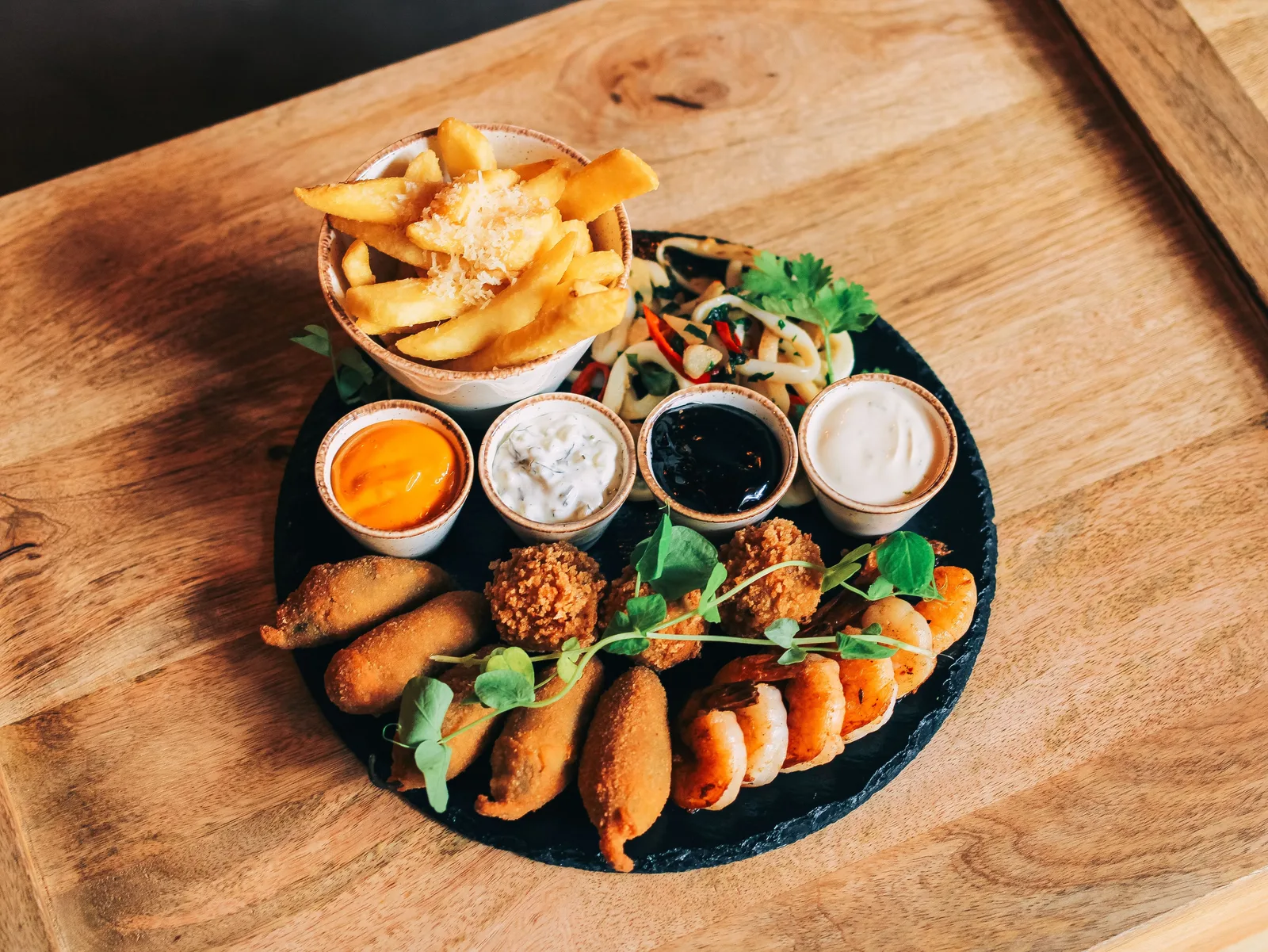
Different dishes need different styling. Here are practical food styling tips for home cooks based on common meals.
Pasta
Pasta can look messy if it is overmixed or left too long. Style it while it is still warm.
Tips for pasta:
- Use a shallow bowl.
- Twirl noodles slightly for shape.
- Add sauce on top, not only mixed in.
- Save herbs and cheese for garnish.
- Add black pepper for contrast.
- Use cherry tomatoes or basil for colour.
- Avoid too much sauce on the rim.
For creamy pasta, add a little sauce just before the photo so it looks fresh. For tomato pasta, use herbs and cheese to brighten the dish.
Salads
Salads need colour and texture. If everything is tossed too much, the salad can look flat.
Tips for salads:
- Keep some ingredients on top.
- Add dressing as a drizzle.
- Use a wide bowl or plate.
- Mix colours: green, red, yellow, white, purple.
- Add nuts, seeds, or croutons for crunch.
- Keep leaves fresh and dry.
- Use lemon wedges or herbs for freshness.
If your greens look tired, place them in cold water for a few minutes, then dry them before styling.
Curry
Curry can taste amazing but look plain in photos. The key is garnish, shine, and clean edges.
Tips for curry:
- Use a bowl that holds the curry well.
- Wipe the rim clean.
- Add coriander, ginger, green chili, or cream.
- Show some pieces of meat, paneer, or vegetables on top.
- Add naan, rice, or chutney nearby.
- Use warm light.
- Avoid a flat, overfilled bowl.
For desi dishes, fresh herbs and sliced ginger can make a big difference.
Rice Dishes
Rice dishes like biryani, pulao, fried rice, and rice bowls need visible grains.
Tips for rice dishes:
- Fluff rice gently before plating.
- Do not press it down.
- Add garnish on top.
- Show meat, vegetables, or toppings clearly.
- Use a wide serving dish.
- Add raita, salad, or chutney nearby.
- Keep colours visible.
For biryani, fried onions, mint, lemon, and green chili can make the dish look more lively.
Soups
Soup can look empty if it has no toppings. A few details can make it much better.
Tips for soup:
- Use a deep bowl.
- Add herbs, cream, oil, or croutons.
- Keep the bowl clean.
- Use a spoon or bread on the side.
- Add texture on top.
- Shoot from a slight angle or overhead.
A cream swirl, chili oil, black pepper, or fresh herbs can make soup look rich and inviting.
Cookies and Desserts
Desserts need clean edges and texture. A few crumbs can make them feel natural.
Tips for desserts:
- Use small plates.
- Add fruit, nuts, or chocolate pieces.
- Show a slice or bite if it helps.
- Add crumbs naturally.
- Use soft light.
- Keep cream or frosting neat.
- Add tea or coffee as a prop.
For cookies, place extra chocolate chips or nuts on top before baking. This makes them look more appealing after baking.
Burgers and Sandwiches
Burgers and sandwiches should show layers.
Tips for burgers and sandwiches:
- Place fillings so they are visible.
- Do not hide everything under sauce.
- Use toothpicks if needed.
- Cut sandwiches in half to show inside.
- Add fries, salad, or sauce beside them.
- Keep the bun fresh.
- Show cheese, vegetables, and protein clearly.
A good burger photo should make the viewer understand the bite before eating it.
Common Food Styling Mistakes Home Cooks Make
Even good food can look weak if styling is rushed. Here are common mistakes to avoid.
Using Too Much Garnish
Garnish should help the food, not cover it. Too much coriander, cheese, sauce, or herbs can hide the dish.
Choosing the Wrong Plate
A huge plate can make food look small. A busy plate can distract from the food. Choose simple plates that support the dish.
Taking Photos in Poor Light
Dark light, yellow bulbs, and camera flash can make food look dull. Natural light usually works better.
Mixing Everything Too Much
Overmixed salads, pasta, and rice bowls can lose texture. Keep some ingredients visible.
Forgetting to Clean the Plate
A messy rim can make food look careless. Wipe the edge before taking a photo.
Using Too Many Props
Props should not become the main subject. Keep the food as the hero.
Waiting Too Long
Food changes quickly. Herbs wilt, sauces dry, cheese hardens, and steam disappears. Take photos soon after plating.
Over-Editing Photos
Too much brightness, sharpness, or colour can make food look fake. Keep editing natural.
Avoiding these mistakes can make your food presentation much stronger.
Simple Food Styling Checklist Before Taking a Photo
Before you take your final photo, use this quick checklist.
- Is the food fresh?
- Is the plate clean?
- Is the light soft and clear?
- Is the main dish easy to see?
- Is there enough colour?
- Is there visible texture?
- Does the garnish make sense?
- Are the props simple?
- Is the background clean?
- Does the food look edible?
- Is the angle flattering?
- Is anything distracting?
- Does the photo tell a small story?
This checklist works for Instagram food photos, recipe blogs, family meals, and simple home food photography.
Best Camera Angles for Home Food Photos
 food styling
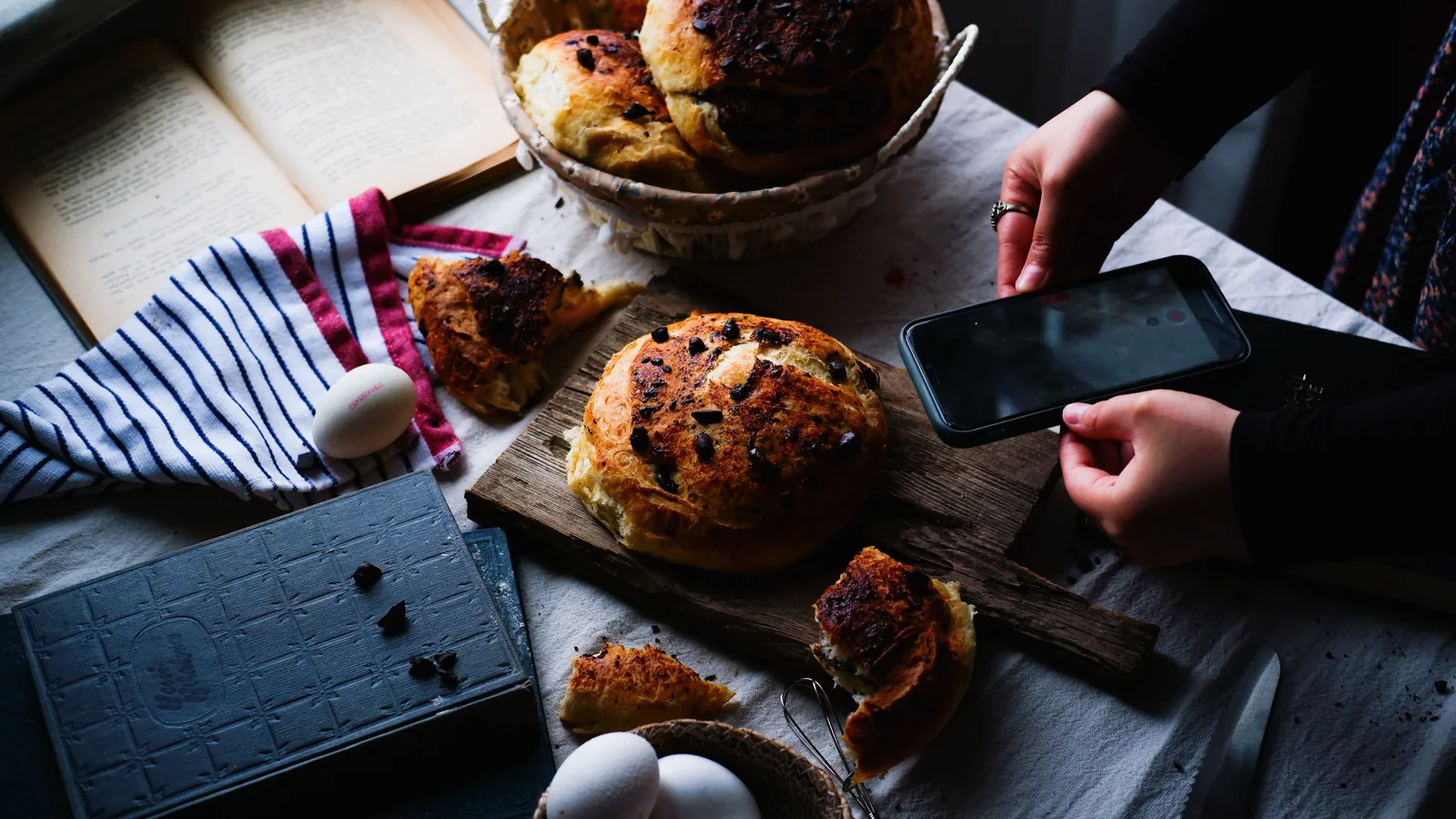
You can take good food photos with a phone if you choose the right angle.
The best angle depends on the dish.
Use an overhead angle for:
- Salads
- Flat plates
- Pizza
- Rice dishes
- Breakfast bowls
- Cookies
- Snack platters
Use a side angle for:
- Burgers
- Sandwiches
- Layered cakes
- Drinks
- Tall desserts
- Stacked pancakes
Use a 45-degree angle for:
- Curry
- Pasta
- Soup
- Roasted vegetables
- Biryani
- Family-style dishes
Try a few angles before choosing the final one. Sometimes the dish looks better from one side because the garnish, sauce, or texture is clearer.
This is a useful part of how to take better food photos at home.
How to Style Food Without Expensive Tools
You do not need expensive tools for beginner food styling. Many useful items are already in your kitchen.
You can use:
- A clean spoon for sauce
- A small brush for oil
- A napkin as a background
- A wooden board as a surface
- A white plate for contrast
- A glass of water as a prop
- A small bowl for chutney
- Fresh herbs from cooking
- A phone camera
- A window for light
The best tool is attention. Look at the plate. Move things gently. Remove what does not help. Add what makes the food clearer.
Small changes matter.
Food Styling for Recipe Blogs and Social Media
If you share recipes online, food styling for recipe photos becomes even more important.
Your image should help the reader understand the dish. It should not only look pretty. It should show what the final recipe is meant to be.
For recipe blogs, include:
- Final dish photo
- Ingredient photo
- Step-by-step photos
- Close-up texture shot
- Serving suggestion
- Clean final plate
For Instagram or social media, focus more on scroll-stopping visuals. Use good light, clear garnish, texture, and movement. A sauce pour, a spoonful, a bite shot, or a close-up can make the post more engaging.
Good recipe photos should feel beautiful but possible. Readers should think, “I can make this too.”
FAQs About Food Styling Tips for Home Cooks
What are the best food styling tips for home cooks?
The best food styling tips for home cooks are to use fresh food, natural light, clean plates, simple garnish, smaller plates, visible texture, and honest presentation. Keep the food real and avoid overdoing props.
How can I style food at home?
To style food at home, choose a clean plate, use good light, add fresh garnish, show texture, wipe the plate edges, and keep the background simple. Take the photo before the food loses freshness.
How do I make homemade food look good?
To make homemade food look better, use colour, garnish, shine, and texture. Add herbs, lemon, sauce drizzle, fresh toppings, or a clean side dish to make the plate look more complete.
What props do I need for food styling?
Simple food styling props include plates, bowls, napkins, wooden boards, spoons, glasses, small sauce bowls, cutting boards, and fresh ingredients. You do not need expensive props.
How do I make food look fresh in photos?
Use fresh garnish, natural light, and a small amount of shine from oil, sauce, or butter. Do not wait too long after plating because food can dry out or lose colour.
How can I plate food beautifully?
Use the right plate size, keep the edges clean, place the main food clearly, add garnish with purpose, and avoid overcrowding. For small items, try plating in odd numbers.
How do I style curry for photos?
Use a clean bowl, show the main pieces on top, add fresh coriander, sliced ginger, green chili, or a small oil shine. Serve with naan, rice, chutney, or salad to add context.
How do I style pasta for photos?
Use a shallow bowl, twirl the pasta gently, add sauce on top, and finish with herbs, cheese, black pepper, or cherry tomatoes. Take the photo while it still looks fresh.
Is food styling fake?
Food styling is not fake when it is honest. For home cooks, it simply means making real food look fresh, clear, and appetizing without misleading anyone.
Can I take good food photos with a phone?
Yes. You can take good food photos with a phone by using natural light, a clean background, a good angle, and simple styling. The food should be fresh and easy to see.
What is the easiest food styling tip for beginners?
The easiest tip is to use fresh garnish and clean the plate before taking a photo. These two small steps can make food look much better right away.
How can I make recipe photos look better?
For better recipe photos, show the final dish clearly, use natural light, add toppings, keep the plate clean, and include close-up shots of texture. Make the food look achievable, not fake.
Conclusion
Food styling tips for home cooks are not about creating fake or perfect food. They are about making real homemade food look fresh, clear, colourful, and inviting. With a clean plate, soft natural light, fresh garnish, visible texture, and simple props, any home cook can make food look better.
Good food styling helps the eye understand what the heart already knows: homemade food carries care. A bowl of curry, a plate of pasta, a tray of cookies, or a simple salad can all look beautiful when styled with attention.
You do not need a big budget or a professional studio. You only need to notice the small details. Use smaller plates. Add colour. Show texture. Save toppings for the end. Keep the food honest and edible. Let the dish stay the hero.
At Lagrub, we believe food should be cooked with intention and shared with warmth. Try these simple food styling tips the next time you cook, take a photo, or serve a meal. Explore more Lagrub guides for practical cooking ideas, recipe inspiration, and food stories that bring soul back to the table.

Sahar Syed
Sahar Syed writes practical cooking guides, food inspiration, and helpful tips for home cooks at LaGrub.
Get a desi recipe worth cooking, every week
One tested recipe a week. Nothing else, and unsubscribe any time.


