

Perfect homemade masala chai depends on balancing strong black tea, fresh spices, milk, sweetness, and simmering time. This guide gives you a reliable Pakistani-style recipe and clear ways to customize it.
How to Brew the Perfect Masala Chai at Home comes down to balance. The tea must be strong enough to stand up to milk, the spices should be fragrant without overpowering the cup, and the simmering time should develop flavor without making the tea bitter.
This recipe uses robust black tea, fresh ginger, green cardamom, cinnamon, cloves, milk, water, and sugar. It gives you a dependable starting point for rich Pakistani-style masala chai, followed by clear adjustments for stronger, creamier, less sweet, dairy-free, and large-batch versions.
Masala Chai Recipe at a Glance
 masala chai
| Preparation time | 5 minutes |
|---|---|
| Cooking time | 10–12 minutes |
| Total time | About 15 minutes |
| Servings | 2 generous cups |
| Tea style | Strong, milky, aromatic Pakistani-style chai |
| Difficulty | Easy |
What Is Masala Chai?
Masala chai is a South Asian spiced tea made by simmering black tea with water, milk, sweetener, and aromatic spices. The word chai means tea, while masala refers to a spice mixture. There is no single universal blend because households and regions adjust the spices, sweetness, strength, and milk ratio according to taste.
In many Pakistani homes, chai is part of everyday hospitality. It appears at breakfast, during afternoon tea, after dinner, in offices, at family gatherings, and whenever guests arrive. A simple cup may contain only tea, milk, sugar, and cardamom, while a fuller masala chai may include ginger, cinnamon, cloves, black pepper, or fennel.
Ingredients for the Perfect Masala Chai
Main Ingredients
- 2 cups water
- 1 cup whole milk
- 2 to 2 1/2 teaspoons strong loose black tea, preferably Assam or CTC
- 1-inch piece fresh ginger, sliced or lightly crushed
- 3 green cardamom pods, lightly crushed
- 1 small piece cinnamon stick
- 2 whole cloves
- 2 to 4 teaspoons sugar, or to taste
Optional Spices
Use optional spices carefully. Masala chai should still taste like tea rather than a cup of boiled spice water.
- 2 black peppercorns for extra warmth
- 1/4 teaspoon fennel seeds for gentle sweetness
- A small piece of star anise for a licorice-like note
- A small pinch of nutmeg for a deeper winter flavor
- One strand or two of saffron for a special-occasion cup
Why These Ingredients Matter
Strong Black Tea
Masala chai needs a bold tea base because milk and spices soften the flavor. Assam and CTC-style black teas are useful because they produce a deep color and malty strength quickly. Ordinary black tea bags can also work, but you may need two bags for a stronger two-cup batch.
Fresh Ginger
Fresh ginger gives the chai warmth and a clean, lively aroma. Sliced ginger produces a gentler flavor, while crushed or grated ginger releases more intensity. Start modestly because too much ginger can dominate the cardamom and tea.
Green Cardamom
Cardamom contributes the sweet, floral aroma many people immediately associate with chai. Lightly crush the pods before brewing so the seeds are exposed. Whole unopened pods release much less flavor.
Cinnamon and Cloves
Cinnamon adds rounded warmth, while cloves bring a sharper spice note. Both are powerful, so small quantities are enough. Too many cloves can make the chai taste medicinal or bitter.
Milk
Whole milk gives the richest texture, but lower-fat milk also works. The best milk quantity depends on whether you prefer a tea-forward cup or a creamy one. The 2:1 water-to-milk ratio in this recipe is a balanced starting point rather than a strict rule.
Sweetener
Sugar is traditional because it dissolves easily during simmering and rounds out the spice. Brown sugar, jaggery, honey, or another preferred sweetener can be used, although each changes the final taste. Add honey after the chai has been strained rather than boiling it for a long time.
How to Brew the Perfect Masala Chai at Home
 masala chai
Step 1: Crush the Spices
Lightly crush the cardamom pods, cloves, and cinnamon with a mortar and pestle or the flat side of a heavy knife. The goal is to crack them open, not grind them into powder. Finely ground spices can make the chai gritty and harder to strain.
Step 2: Simmer the Spices in Water
Add the water, ginger, cardamom, cinnamon, cloves, and any optional whole spices to a small saucepan. Bring the water to a boil, then reduce the heat and simmer for 3–4 minutes. This creates a fragrant base before milk dilutes the spices.
Step 3: Add the Tea
Add the black tea leaves and simmer for about 60–90 seconds. The water should become noticeably dark and aromatic. Avoid boiling the tea leaves alone for several minutes because prolonged extraction can make the final chai harsh.
Step 4: Add Milk and Sugar
Pour in the milk and add sugar to taste. Stir once, then raise the heat until the chai approaches a boil. Watch the saucepan closely because milk tea can rise and spill within seconds.
Step 5: Simmer Gently
As soon as the chai rises, reduce the heat. Let it simmer gently for 3–5 minutes, stirring occasionally. The color should deepen to a warm caramel brown, and the tea, milk, and spices should taste integrated rather than separate.
Step 6: Taste and Adjust
Taste a small spoonful. Add a little more sugar if needed. For stronger tea, add a small pinch of tea leaves and simmer briefly. For excessive spice, add a splash of milk. Make small adjustments because the flavor becomes more concentrated as the chai cooks.
Step 7: Strain and Serve
Strain the chai through a fine tea strainer directly into warmed cups. Serve immediately while the aroma is strongest.
The Best Brewing Order
The order of ingredients matters because spices, tea leaves, and milk behave differently under heat. Spices need time in water to release aroma. Tea needs enough heat to develop strength but can become bitter when boiled too long. Milk softens the brew and creates body but can scorch or overflow.
A reliable sequence is:
- Water and whole spices
- Black tea
- Milk and sweetener
- Gentle final simmer
This staged method gives you more control than adding everything at once. The all-in-one method can still make good chai, but it is harder to diagnose weak tea, raw spices, or excessive bitterness.
Finding Your Ideal Milk-to-Water Ratio
No single ratio suits every chai drinker. Start with two parts water to one part milk, then change one variable at a time.
| Ratio | Result | Best for |
|---|---|---|
| 2 parts water : 1 part milk | Balanced, tea-forward, moderately creamy | Everyday Pakistani-style chai |
| 1 part water : 1 part milk | Richer and softer | People who prefer creamy chai |
| 1 part water : 2 parts milk | Very milky and mild | A dessert-like or gentle cup |
| 3 parts water : 1 part milk | Stronger tea and clearer spice | Light but bold chai |
Remember that some liquid evaporates while simmering. If you want exactly two full cups, begin with slightly more total liquid than the final serving volume.
How to Tell When Masala Chai Is Ready
Do not judge chai only by time. Look for several signs together. The color should be deeper than ordinary milk tea, the aroma should clearly carry both tea and spice, and the surface should show small active bubbles during the final simmer. The flavor should be strong enough to remain noticeable after sweetness and milk.
If the chai is pale and tastes mostly like warm milk, it needs stronger tea or slightly more brewing. If it is very dark but leaves a drying bitterness on the tongue, the tea has probably boiled too long.
Common Masala Chai Problems and Fixes
| Problem | Likely cause | How to fix it |
|---|---|---|
| Chai tastes weak | Too much liquid, weak tea, or short brewing time | Use strong Assam or CTC tea, add slightly more leaves, or reduce water |
| Chai tastes bitter | Tea leaves boiled too long or too many cloves | Shorten the tea stage and reduce strong spices |
| Chai is too spicy | Spice quantity is too high or spices are ground too finely | Add milk and reduce the blend next time |
| Chai tastes flat | Old tea, stale spices, or insufficient simmering | Use fresher ingredients and simmer the spices first |
| Chai is watery | Too much water or too little evaporation | Increase milk slightly or simmer uncovered for another minute |
| Milk forms a skin | Chai sat too long after cooking | Strain and serve immediately |
| Milk curdles | Very acidic additives, spoiled milk, or strong heat | Use fresh milk, avoid adding lemon, and control the boil |
| Chai spills over | Milk reached a rapid boil unattended | Use a larger saucepan and stay beside the stove |
How to Make Stronger Kadak Masala Chai
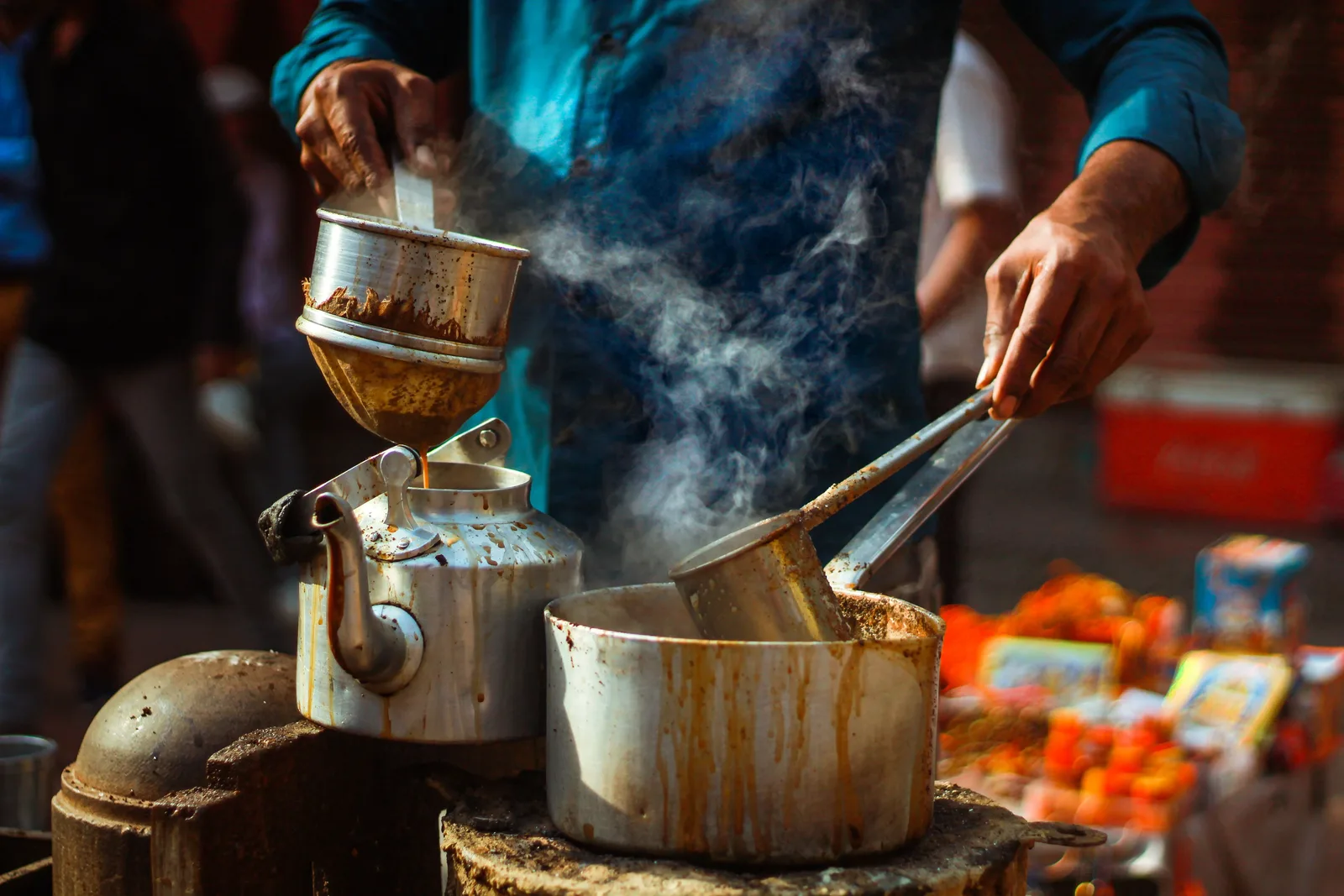 masala chai
For a stronger cup, increase the tea leaves slightly rather than multiplying every spice. Use 2 1/2 to 3 teaspoons of CTC or Assam tea for the same liquid quantity, and let the tea simmer in water for an additional 30 seconds before adding milk.
You can also reduce the water by a few tablespoons or use a higher water-to-milk ratio so the tea remains more noticeable. Avoid simply boiling the finished chai for a long time, because that can produce bitterness without creating a clean, strong flavor.
How to Make Creamier Masala Chai
For a creamier cup, use equal parts water and whole milk. Let the spices simmer in water first, then add the milk and cook gently. A small spoonful of evaporated milk can add richness for an occasional special cup, but it is not necessary for everyday chai.
Do not confuse creaminess with over-reduction. Chai that is boiled aggressively for too long can taste cooked and develop a heavy milk skin.
Pakistani-Style Masala Chai
Pakistani masala chai often leans toward strong black tea, generous milk, cardamom, ginger, and noticeable sweetness. Many households keep the spice blend simple rather than using every possible spice. Cardamom chai, ginger chai, and ordinary doodh patti are often more common daily choices, while a fuller masala chai appears during cold weather or when a more aromatic cup is desired.
Serve Pakistani-style chai with paratha, pakoras, samosas, rusks, biscuits, cake rusk, or a savory breakfast. The best version is not the one with the longest spice list; it is the cup that matches your family’s preferred balance.
Masala Chai Variations
Ginger Chai
Use a larger piece of crushed ginger and keep the other spices minimal. This produces a sharp, warming cup that works especially well in cold or rainy weather.
Cardamom Chai
Use four or five green cardamom pods and omit cinnamon and cloves. The result is floral, fragrant, and closer to the everyday elaichi chai served in many homes.
Fennel Chai
Add 1/4 to 1/2 teaspoon fennel seeds with the cardamom. Fennel gives a mild sweetness and a softer herbal finish.
Extra-Spicy Winter Chai
Add two black peppercorns, slightly more ginger, and a small pinch of nutmeg. Keep the cloves restrained so the blend remains balanced.
Less-Sweet Masala Chai
Reduce sugar gradually rather than removing it suddenly if you are accustomed to sweet chai. Strong tea and aromatic cardamom help the cup remain flavorful with less sweetness.
Saffron Masala Chai
Add one or two strands of saffron during the final minute of simmering. Use it sparingly because saffron should perfume the drink rather than disappear beneath heavy spices.
Can You Make Masala Chai with Tea Bags?
Yes. Use two strong black tea bags for this two-cup recipe. Simmer the spices first, add the tea bags for 1–2 minutes, then add milk and sugar. Avoid squeezing the bags aggressively into the finished chai because that can release harsher flavors.
Loose CTC or Assam tea usually gives more control over strength, but tea bags are useful for quick weekday preparation.
Dairy-Free Masala Chai
Oat, soy, almond, and coconut milk can all be used, but they behave differently. Oat milk usually creates the creamiest neutral result, soy milk gives good body, almond milk is lighter, and coconut milk adds a distinct flavor.
To reduce splitting, simmer the spices and tea in water first. Lower the heat before adding plant milk, then warm gently rather than boiling aggressively. Choose an unsweetened version so you can control the final sweetness.
How to Make Masala Chai for a Crowd
When scaling chai, preserve the basic proportions but reduce the strongest spices slightly. Six cloves may be too intense even if three batches would mathematically suggest six. Tea, water, and milk scale predictably; cloves, black pepper, and star anise often do not.
| Servings | Water | Milk | Tea | Cardamom |
|---|---|---|---|---|
| 2 cups | 2 cups | 1 cup | 2–2 1/2 tsp | 3 pods |
| 4 cups | 4 cups | 2 cups | 4–5 tsp | 5–6 pods |
| 8 cups | 8 cups | 4 cups | 8–10 tsp | 9–10 pods |
Use a pot with plenty of headroom, stir the bottom occasionally, and strain into a warmed teapot or insulated jug just before serving.
Homemade Chai Masala Spice Blend
A dry chai masala saves time, but it should support fresh tea rather than replace it. Combine lightly toasted and completely cooled whole spices, then grind them in small batches.
- 2 tablespoons green cardamom seeds
- 1 tablespoon cinnamon pieces
- 2 teaspoons cloves
- 2 teaspoons black peppercorns
- 1 teaspoon fennel seeds, optional
- 1/2 teaspoon nutmeg, optional
Store the blend in an airtight container away from heat, light, and moisture. Use about 1/4 teaspoon per cup, then add fresh ginger separately when brewing. Make a small quantity because ground spices lose aroma faster than whole spices.
Can Masala Chai Be Made Ahead?
Fresh chai has the best aroma, but you can prepare a spice-and-tea concentrate in advance. Simmer the water, spices, and tea, then strain and refrigerate the concentrate in a clean covered container for up to 2–3 days. Reheat only the amount you need with fresh milk and sweetener.
Storing fully prepared milk chai is less ideal because the tea can become stronger and the milk may develop a cooked flavor. If you do refrigerate finished chai, cool it promptly and reheat gently without repeated boiling.
Best Snacks to Serve with Masala Chai
Chai pairs especially well with foods that offer contrast: crisp pakoras against creamy tea, flaky paratha against warming spices, or dry rusks that soften when dipped.
- Pakoras or bhajis
- Samosas
- Paratha and omelette
- Cake rusk or plain rusk
- Tea biscuits
- Namak para or mathri
- Sandwiches
- Simple homemade cake
Does Masala Chai Have Health Benefits?
Black tea and spices contain naturally occurring plant compounds, but masala chai should be treated as a beverage rather than a medical remedy. Its nutritional profile depends heavily on milk, sugar, serving size, and how often it is consumed.
For a lighter everyday cup, use moderate sugar and choose a milk that suits your needs. People who are sensitive to caffeine, managing blood sugar, pregnant, or following medical dietary advice should adjust intake according to professional guidance.
Frequently Asked Questions
What is the best tea for masala chai?
Strong Assam or CTC black tea is a dependable choice because it remains noticeable after milk and spices are added. Strong black tea bags can also work.
What is the best milk-to-water ratio?
Two parts water to one part milk is a balanced starting point. Use equal parts for creamier chai or more water for a lighter, tea-forward cup.
How long should masala chai simmer?
Simmer the spices in water for 3–4 minutes, the tea for about 1 minute, and the completed milk chai for another 3–5 minutes. Exact timing depends on the tea and desired strength.
Why is my masala chai bitter?
The tea leaves may have boiled too long, the tea quantity may be excessive, or the blend may contain too many cloves or black peppercorns. Shorten the tea stage and simplify the spices.
Can I make masala chai without cardamom?
Yes. Ginger, cinnamon, fennel, cloves, or black pepper can create a different but enjoyable spiced chai. Cardamom is traditional in many homes, not compulsory.
Can I make masala chai without milk?
Yes. Brew the tea and spices in water for a lighter spiced black tea. It will not have the creamy character of traditional milk chai.
Can I use powdered spices?
You can, but use tiny quantities because powders release flavor quickly and can make the drink gritty. Whole lightly crushed spices are easier to control and strain.
When should I add sugar?
Sugar can be added with the milk so it dissolves during simmering. Honey is better stirred into the strained chai after it cools slightly.
Why does my chai taste weak after adding milk?
The original tea infusion was not strong enough, the milk quantity was too high, or the tea leaves were mild. Use stronger tea or brew it slightly longer in water before adding milk.
Can children drink masala chai?
Masala chai contains caffeine from black tea. Families who serve it to children generally make it weak, milky, and mildly spiced, but individual needs and professional guidance should be considered.
What is the difference between chai and masala chai?
Chai simply means tea. Masala chai is tea brewed with a mixture of spices, usually along with milk and sweetener.
How do I prevent chai from overflowing?
Use a saucepan much larger than the liquid volume, keep the heat moderate after adding milk, and stay beside the stove during the final boil.
Final Tips for a Better Cup
- Use strong, fresh black tea.
- Crush whole spices just before brewing.
- Simmer spices in water before adding milk.
- Keep cloves and black pepper restrained.
- Watch the pot closely after adding milk.
- Adjust tea strength before increasing every spice.
- Strain and serve immediately.
Conclusion
Learning how to brew the perfect masala chai at home is not about finding one rigid formula. It is about controlling tea strength, spice intensity, milk richness, sweetness, and simmering time until the cup suits your taste.
Begin with strong Assam or CTC tea, fresh ginger, crushed cardamom, a restrained amount of cinnamon and cloves, and a 2:1 water-to-milk ratio. Follow the staged brewing method, taste before serving, and change only one variable at a time. With a few batches, you will develop a reliable house chai that feels genuinely your own.

Sahar Syed
Sahar Syed writes practical recipes, approachable food guides, and comforting home-cooking ideas for LaGrub.
Get a desi recipe worth cooking, every week
One tested recipe a week. Nothing else, and unsubscribe any time.


