

To cook basmati rice perfectly, rinse the rice well, soak it for 20 to 30 minutes, use the right water ratio, and cook it on low heat. These simple steps help you get long, fluffy rice grains without stickiness.
How to Cook Basmati Rice Perfectly
How to cook basmati rice perfectly starts with rinsed rice, measured water, low heat, and covered rest time. Use 1 cup (190 g) rice with 1.5 cups (360 ml) water on the stovetop for fluffy everyday rice.
The best method gives you long, separate grains that taste fragrant, soft, and light. You control the result through rice quality, soaking time, pot size, and steam.
How to Cook Basmati Rice Perfectly for Fluffy Grains
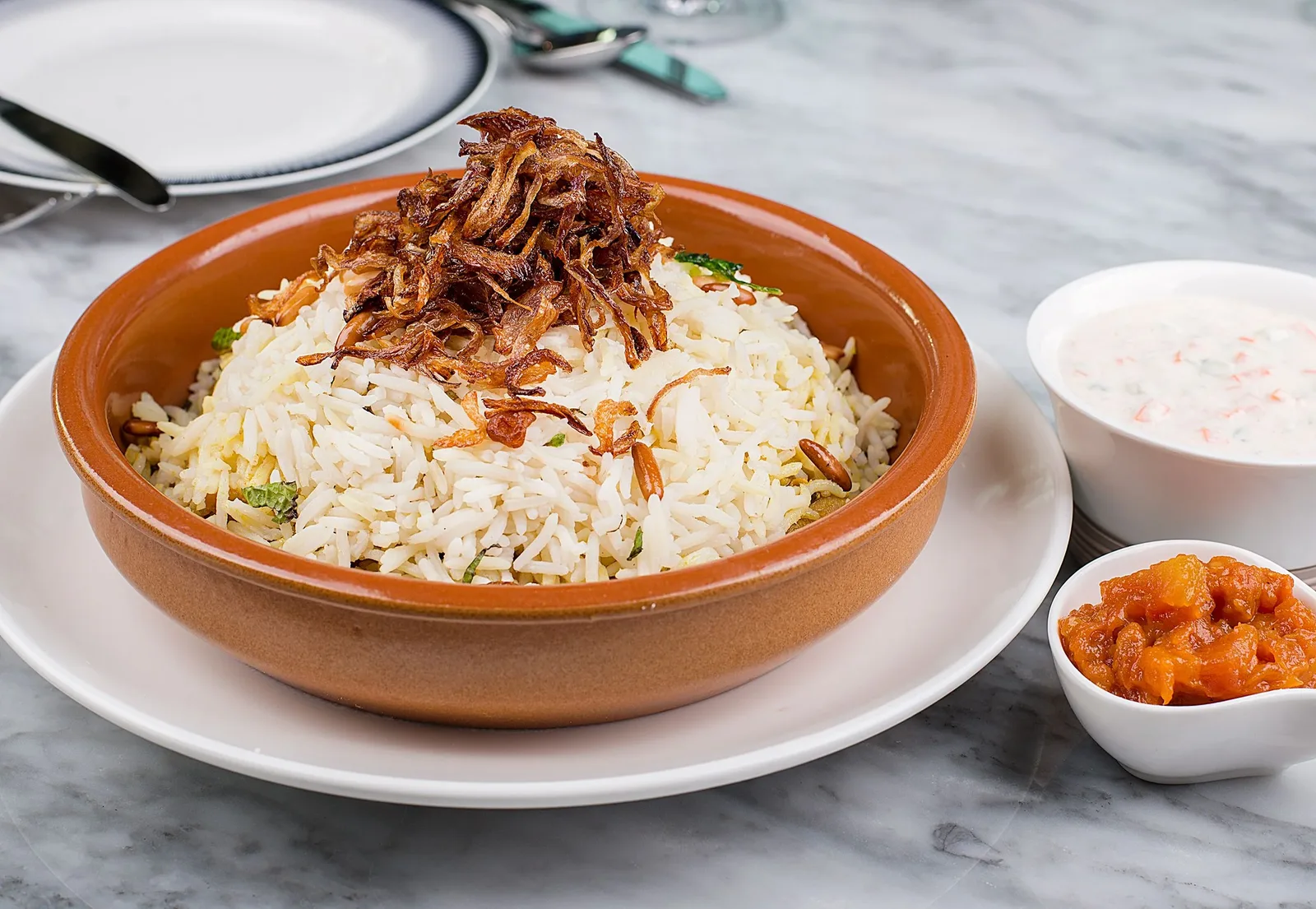 How to Cook Basmati Rice Perfectly
The fastest answer is rinse, soak, measure, simmer, rest, and fluff**. This sequence removes starch, protects length, and controls water absorption.
Basmati rice behaves differently from jasmine rice, sushi rice, and short-grain rice. Basmati has long grains and a firm bite, so basmati rice needs gentle handling.
Beginners often ask how to cook basmati rice perfectly after sticky rice, broken grains, or a burnt pot. Most failures come from 3 errors: too much water, high heat, or early stirring.
You need a measured plan before heat touches the pot. Use the same cup for rice and water, then keep the lid closed during cooking.
For Desi meals, basmati rice supports curry, dal, karahi, kebabs, biryani, and pulao. LaGrub explains rice within full meals through its LaGrub recipe collection.
What Rice and Tools Give the Best Result?
Aged long-grain basmati and a heavy pot give the best result. Good tools protect aroma, grain length, and texture.
You do not need an expensive kitchen setup. You need 4 basic items: a bowl, a sieve, a pot, and a fork.
Choose Aged Long-Grain Basmati
Choose aged basmati rice for firm, separate grains. Aged rice loses extra moisture during storage, so aged rice cooks lighter.
Look for rice from Pakistan or India when you want classic aroma. Common market options include Super Kernel, 1121 basmati, Sella basmati, and brown basmati.
Check the grains before cooking. Good basmati grains look slim, long, and mostly unbroken.
Use a Heavy Pot and Tight Lid
Use a 2-quart (1.9 L) saucepan for 1 cup (190 g) rice. Use a 4-quart (3.8 L) pot for 2 cups (380 g) rice.
A heavy base spreads heat evenly. A tight lid keeps steam inside the pot, so rice finishes without extra water.
A loose lid releases steam too early. Steam loss leaves hard centers and a dry top layer.
Measure Rice and Water Before Heat
Measure rice and water before turning on the stove. Guessing water creates sticky rice or undercooked rice.
Use 1 cup (190 g) basmati rice for 3 side servings. Use 2 cups (380 g) rice for 6 side servings.
Use 1.5 cups (360 ml) water for each 1 cup (190 g) rice on the stovetop absorption method.
Should You Rinse and Soak Basmati Rice?
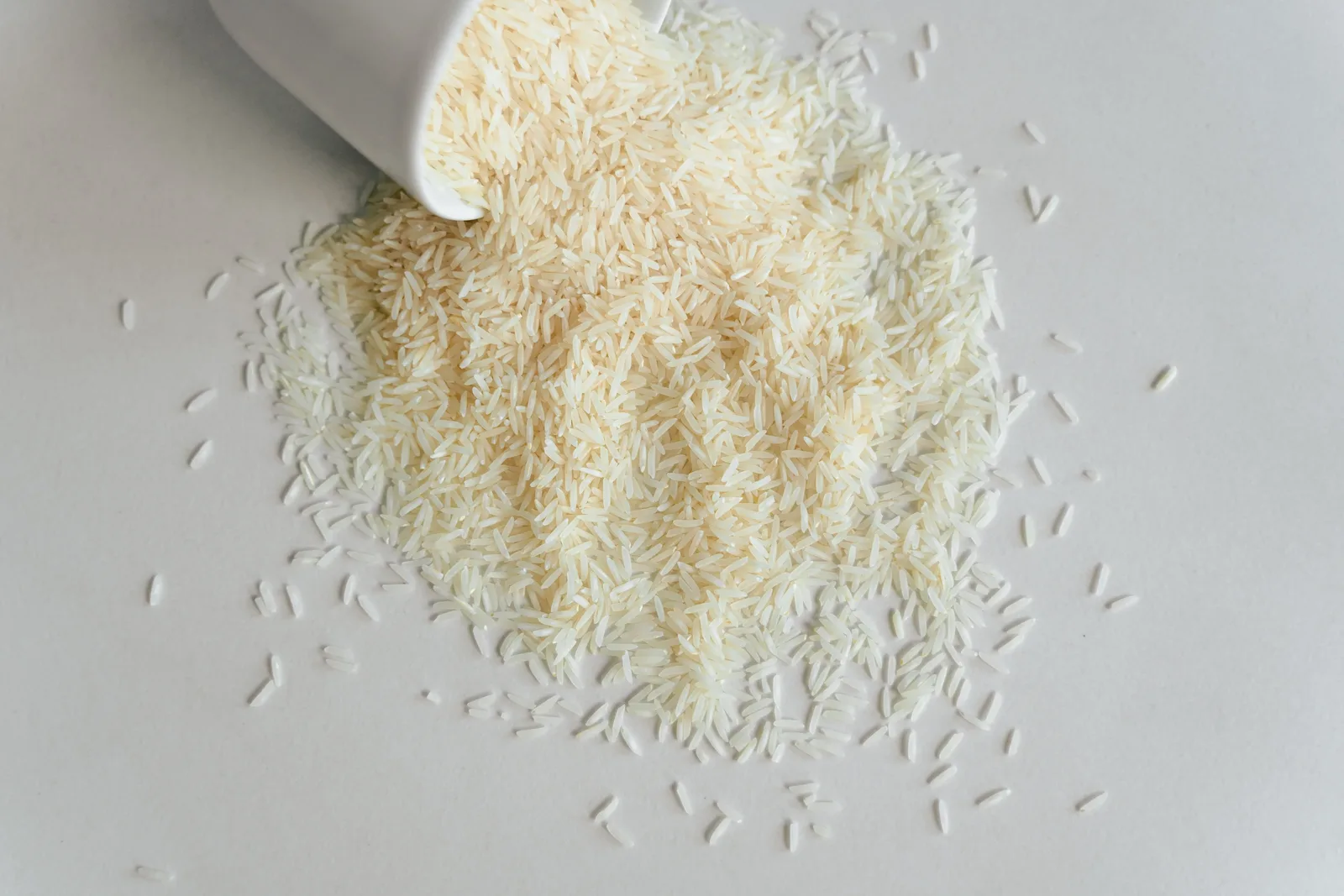 Basmati Rice
Yes, rinse basmati rice for fluffy grains. Soak basmati rice for longer grains and faster cooking.
Rinsing removes excess starch from the surface. Soaking hydrates the center, so the grain cooks evenly from edge to center.
Rinse Rice Until Water Looks Clear
Rinse 1 cup (190 g) rice in cool water 4 times. Swirl gently with your fingers, then drain the cloudy water.
Clearer water means less loose starch. Less starch gives rice a cleaner surface and a lighter texture.
Use a fine sieve or mesh colander after rinsing. A wide-hole strainer lets small grains escape.
Soak Rice for Better Length
Soak rinsed rice for 20 to 30 minutes. This timing gives long grains without making rice fragile.
Use enough water to cover the rice by 1 inch (2.5 cm). Keep the bowl at room temperature during the soak.
Skip long soaking for everyday rice. A soak longer than 1 hour softens the grains and increases breakage.
Drain Rice Before Cooking
Drain soaked rice for 5 minutes. Extra surface water changes the measured water ratio inside the pot.
Tilt the sieve gently and avoid shaking the rice hard. Wet basmati breaks faster than dry basmati.
Start cooking soon after draining. Drained rice dries unevenly after 30 minutes in open air.
How to Cook Basmati Rice Perfectly on the Stovetop
To cook basmati rice perfectly on the stovetop, simmer rinsed rice with measured water for 12 minutes, then rest for 10 minutes. Keep the lid closed from simmer to rest.
This absorption method works for plain rice, curry rice, kebab plates, and weekday bowls. The method needs little attention after the lid goes on.
| Task | Timing | Method | Difficulty |
|---|---|---|---|
| Rinse rice | 3 to 5 minutes | Wash 1 cup (190 g) rice 4 times until water looks clearer | Easy |
| Soak rice | 20 to 30 minutes | Cover rice with water by 1 inch (2.5 cm) | Easy |
| Drain rice | 5 minutes | Use a fine sieve and avoid hard shaking | Easy |
| Simmer rice | 12 minutes | Cook with 1.5 cups (360 ml) water and a tight lid | Medium |
| Rest rice | 10 minutes | Keep lid closed so steam finishes the grains | Easy |
| Fluff rice | 1 minute | Use a fork and lift grains from the edges | Easy |
Use the Absorption Method
Use the absorption method for fluffy side rice. Add 1 cup (190 g) rice, 1.5 cups (360 ml) water, and 0.5 teaspoon (3 g) salt.
Bring the pot to a gentle boil without the lid. Lower heat to the smallest flame once bubbles cover the surface.
Cover the pot and cook for 12 minutes. Move the pot off the heat and rest for 10 minutes before fluffing.
Use the Boil-and-Drain Method
Use the boil-and-drain method for biryani, pulao practice, and very separate grains. Boil rice like pasta in excess water.
Bring 8 cups (1.9 L) water to a strong boil for 1 cup (190 g) soaked rice. Add 1.5 teaspoons (9 g) salt.
Cook the rice for 6 to 8 minutes, then drain. This method suits biryani because the rice finishes later with steam.
Rest Rice Before Serving
Rest cooked rice for 10 minutes. Steam inside the pot finishes the centers and firms the grains.
Fluff rice after resting, not before resting. Early fluffing releases steam and leaves the top layer dry.
Use a fork, not a spoon. A spoon presses the grains and creates clumps.
How to Cook Basmati Rice Perfectly in a Rice Cooker
To cook basmati rice perfectly in a rice cooker, rinse rice, add measured water, add salt, start the normal cycle, and fluff at once. Rice cooker basmati needs slightly more water than stovetop basmati.
Use 1 cup (190 g) aged Pakistani or Indian basmati with 1.75 to 2 cups (420 to 480 ml) water. Use 1.75 cups (420 ml) water for newer, softer rice.
Add 1 teaspoon (5 ml) oil or ghee for shine and separation. Add 0.5 teaspoon (3 g) salt for everyday flavor.
Remove the rice from the cooker after fluffing. A warm setting dries the top and makes the bottom sticky after 30 minutes.
Use a rice paddle for larger batches. A fork works for 1 cup (190 g) rice, but a paddle protects bigger quantities.
What Water Ratio Works for Basmati Rice?
The best water ratio depends on method, rice age, and equipment. Use 1:1.5 for stovetop absorption and 1:1.75 to 1:2** for rice cookers.
Use exact ratios until you understand your rice brand. After 3 batches, adjust water by 2 tablespoons (30 ml) at a time.
- Use 1 cup (190 g) rice with 1.5 cups (360 ml) water for stovetop absorption.
- Use 1 cup (190 g) rice with 1.75 cups (420 ml) water for newer rice in a rice cooker.
- Use 1 cup (190 g) rice with 2 cups (480 ml) water for aged rice in a rice cooker.
- Use 8 cups (1.9 L) boiling water for 1 cup (190 g) rice in the boil-and-drain method.
- Use 0.5 teaspoon (3 g) salt for every 1 cup (190 g) plain rice.
Desi rice dishes need different water plans. Biryani rice needs parboiling, while pulao rice absorbs stock and spice in one pot.
For budget-friendly meals, rice supports family portions well. LaGrub explains this through homemade biryani value and home cooking costs.
How to Cook Basmati Rice Perfectly for Biryani and Pulao
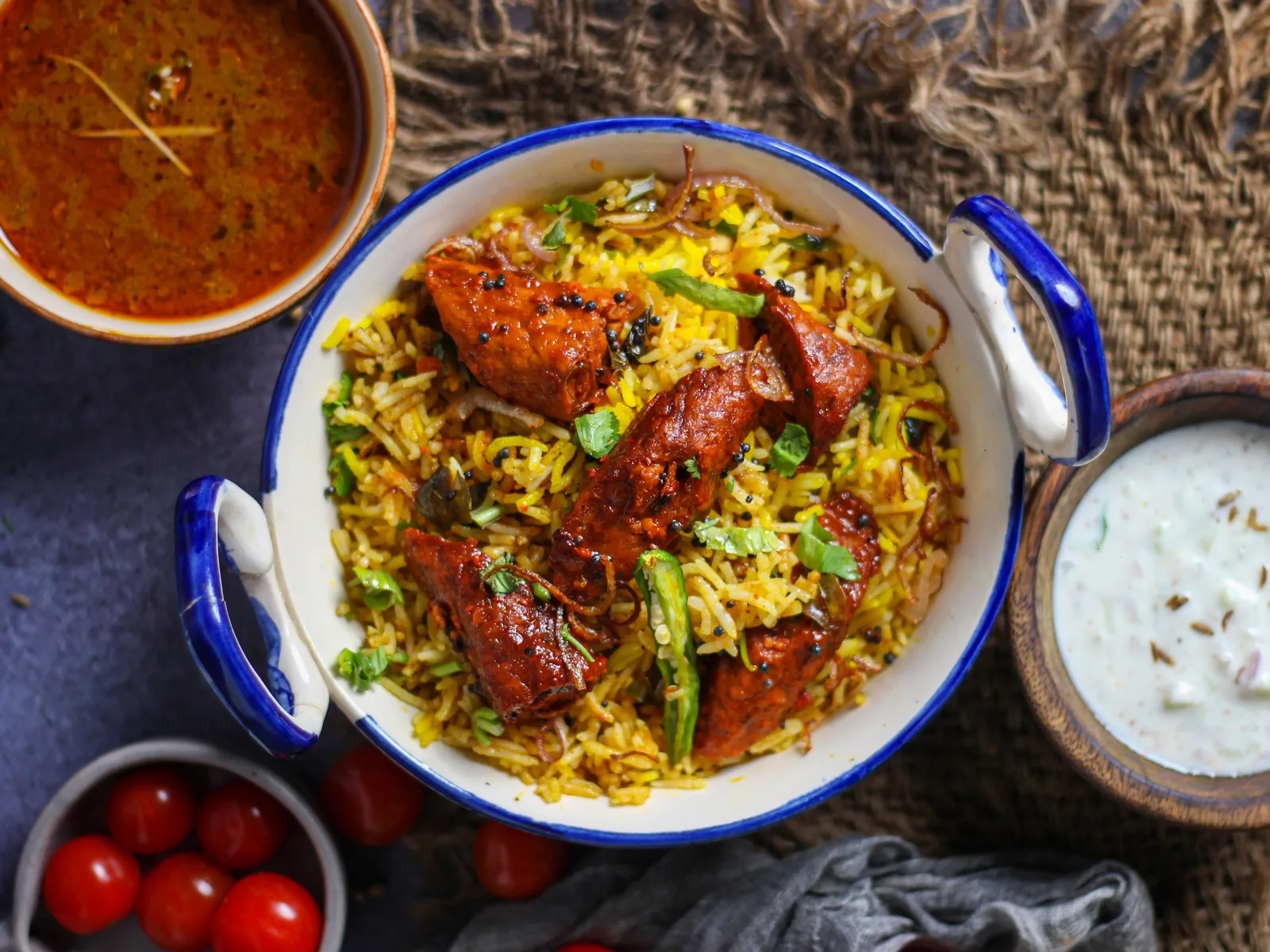 How to Cook Basmati Rice Perfectly
To cook basmati rice perfectly for biryani, boil soaked rice until each grain reaches 70 percent doneness. The grain should bend slightly and still hold a firm center.
Biryani needs partial cooking because rice finishes during dum steaming. Fully cooked rice breaks when you layer chicken, mutton, potatoes, herbs, and fried onions.
Use 8 cups (1.9 L) boiling water for 1 cup (190 g) soaked rice. Add whole spices such as bay leaf, cardamom, cloves, and cinnamon for aroma.
To cook basmati rice perfectly for pulao, cook rice with stock instead of plain water. Stock carries onion, cumin, black cardamom, chicken, beef, peas, or chickpeas into the grains.
Pulao needs accurate liquid because the rice absorbs stock inside one covered pot. Use 1.75 cups (420 ml) stock for 1 cup (190 g) soaked rice when the meat already holds moisture.
Plain rice, biryani rice, and pulao rice serve different jobs. Plain rice supports curry, biryani rice holds layers, and pulao rice carries stock flavor.
How to Fix Common Basmati Rice Problems
Fix basmati rice by matching the problem to water, heat, lid, or handling. Most problems need a small adjustment, not a new recipe.
Keep notes for 3 batches. Write rice brand, soak time, water amount, cooking time, and final texture.
Fix Mushy Rice
Fix mushy rice by reducing water by 2 tablespoons (30 ml) in the next batch. Mushy rice usually means excess water or high heat.
Spread the current batch on a tray for 5 minutes. The steam will escape and the texture will firm slightly.
Use mushy rice in kheer, fried rice, rice cutlets, or khichdi. Do not use mushy rice for biryani layers.
Fix Dry Rice
Fix dry rice by adding 2 tablespoons (30 ml) hot water around the edges. Cover the pot and steam for 5 minutes.
Dry rice means too little water, steam loss, or heat too high. A tight lid prevents most dry rice problems.
Check the stove flame. A large burner under a small pot can dry rice before the center softens.
Fix Sticky Pot Bottoms
Fix sticky pot bottoms by lowering heat and using a heavier base. Rice sticks when the bottom receives too much direct heat.
Place a heat diffuser under thin pots. A diffuser spreads heat across 6 inches (15 cm) or more.
Avoid scraping burnt rice into the serving bowl. Burnt grains spread bitterness through plain rice.
How to Serve Basmati Rice with Desi Meals
Serve basmati rice with dishes that need a fragrant base. Good pairings include dal, chicken karahi, nihari, qorma, chana masala, and palak paneer.
Plain basmati rice works with saucy curries. Jeera rice works with grilled meats. Pulao works as a main side for kebabs.
For a balanced plate, use 1 cup (160 g) cooked rice, 0.75 cup (180 ml) curry, and 0.5 cup (120 ml) raita. Add salad for crunch.
Desi cooking builds meals through rice, bread, curry, sides, and drinks. LaGrub explains this structure through Desi cooking methods.
- Serve plain basmati rice with dal, chana masala, anda curry, or aloo gosht.
- Serve jeera rice with seekh kebab, chicken tikka, chapli kebab, or grilled fish.
- Serve saffron rice with qorma, roast chicken, mutton curry, or festive platters.
- Serve parboiled rice in biryani, yakhni pulao, matar pulao, or tahiri.
- Serve leftover rice in fried rice, lemon rice, rice bowls, or soup.
How to Store and Reheat Basmati Rice Safely
To store basmati rice safely, cool rice fast, pack rice in shallow boxes, and refrigerate rice within 2 hours. Eat refrigerated rice within 3 days.
Use containers that hold 2 cups (320 g) cooked rice. Shallow containers cool faster than deep containers.
To reheat rice, sprinkle 1 tablespoon (15 ml) water over 1 cup (160 g) cooked rice. Cover and heat until steaming hot.
Use a microwave-safe bowl, a small pot, or a steamer basket. Named reheating methods include microwave steaming, pan steaming, and covered oven reheating.
Freeze cooked basmati rice for 2 months. Pack 1-cup (160 g) portions so you can reheat only what you need.
FAQs About How to Cook Basmati Rice Perfectly
Do you need to rinse basmati rice?
Yes. Rinsing removes excess starch and helps the grains stay separate after cooking.
Should you soak basmati rice before cooking?
Yes. Soaking for 20 to 30 minutes** helps grains cook evenly and stretch longer.
What is the best basmati rice water ratio?
The best stovetop ratio is 1 cup (190 g) rice to 1.5 cups (360 ml) water**.
Can you cook basmati rice without soaking?
Yes. Add 2 tablespoons (30 ml) extra water and cook the rice 2 minutes longer.
Why does basmati rice become sticky?
Basmati rice becomes sticky from excess starch, too much water, stirring, or weak resting time.
Final Takeaway for Perfect Basmati Rice
How to cook basmati rice perfectly comes down to 6 actions: rinse, soak, drain, measure, simmer, and rest. These actions give you fluffy grains for curry, dal, karahi, biryani, and pulao.
Start with 1 cup (190 g) basmati rice and 1.5 cups (360 ml) water on the stovetop. Cook for 12 minutes, rest for 10 minutes, and fluff gently.
Build your next Desi meal with rice at the center. Browse the LaGrub recipe collection and pair your rice with a curry, kebab, raita, or lassi.

Sahar Syed
Sahar Syed writes for LaGrub on cooking, recipes, and mindful culinary living.
Get a desi recipe worth cooking, every week
One tested recipe a week. Nothing else, and unsubscribe any time.


