


To make daal makhani, soak black lentils and kidney beans, cook them until soft, then simmer them with tomatoes, butter, cream, and spices. Slow cooking gives daal makhani its creamy texture, rich taste, and comforting Desi flavor.
How to Make Daal Makhani: Creamy Black Lentils Guide
To learn how to make daal makhani, soak whole black urad dal and rajma overnight, cook the lentils until soft, then simmer the lentils with tomato masala, butter, cream, and kasuri methi. A good pot tastes rich, creamy, smoky, and gently spiced without turning oily or thin.
Daal makhani comes from Punjabi cooking and uses slow heat for deep flavor. You can cook daal makhani for family dinners, Ramadan meals, dawat menus, and weekend comfort food.
What Does Daal Makhani Need Before Cooking?
Daal makhani needs soaked lentils, patient cooking, and a balanced masala base before the final simmer. You cannot rush the lentils and still get the same creamy texture.
The core ingredients include whole black urad dal, red kidney beans, butter, cream, tomato puree, ginger, garlic, cumin, garam masala, and kasuri methi.
Beginners often search how to make daal makhani because the dish looks simple but needs timing. The flavor comes from soft lentils, not only from cream.
Choose Whole Black Urad Dal
Whole black urad dal gives daal makhani its deep color, earthy flavor, and creamy body. Use 1 cup (200 g) whole urad dal for 4 to 5 servings.
Do not use split urad dal for a classic texture. Split urad dal cooks faster but gives a lighter body and weaker structure.
Add Rajma for Body
Rajma adds thickness, bite, and a mild sweetness. Use 1/4 cup (55 g) red kidney beans with 1 cup (200 g) urad dal.
Kidney beans need soaking because raw beans stay hard during short cooking. Soak urad dal and rajma for 8 hours, preferably overnight.
Build Flavor with Butter and Cream
Butter gives daal makhani its signature roundness. Cream gives the final gravy a smooth restaurant-style finish.
Use 2 tablespoons (28 g) butter during cooking and 1/4 cup (60 ml) cream near the end. Add more only for party-style richness.
How to Make Daal Makhani With the Right Ingredients
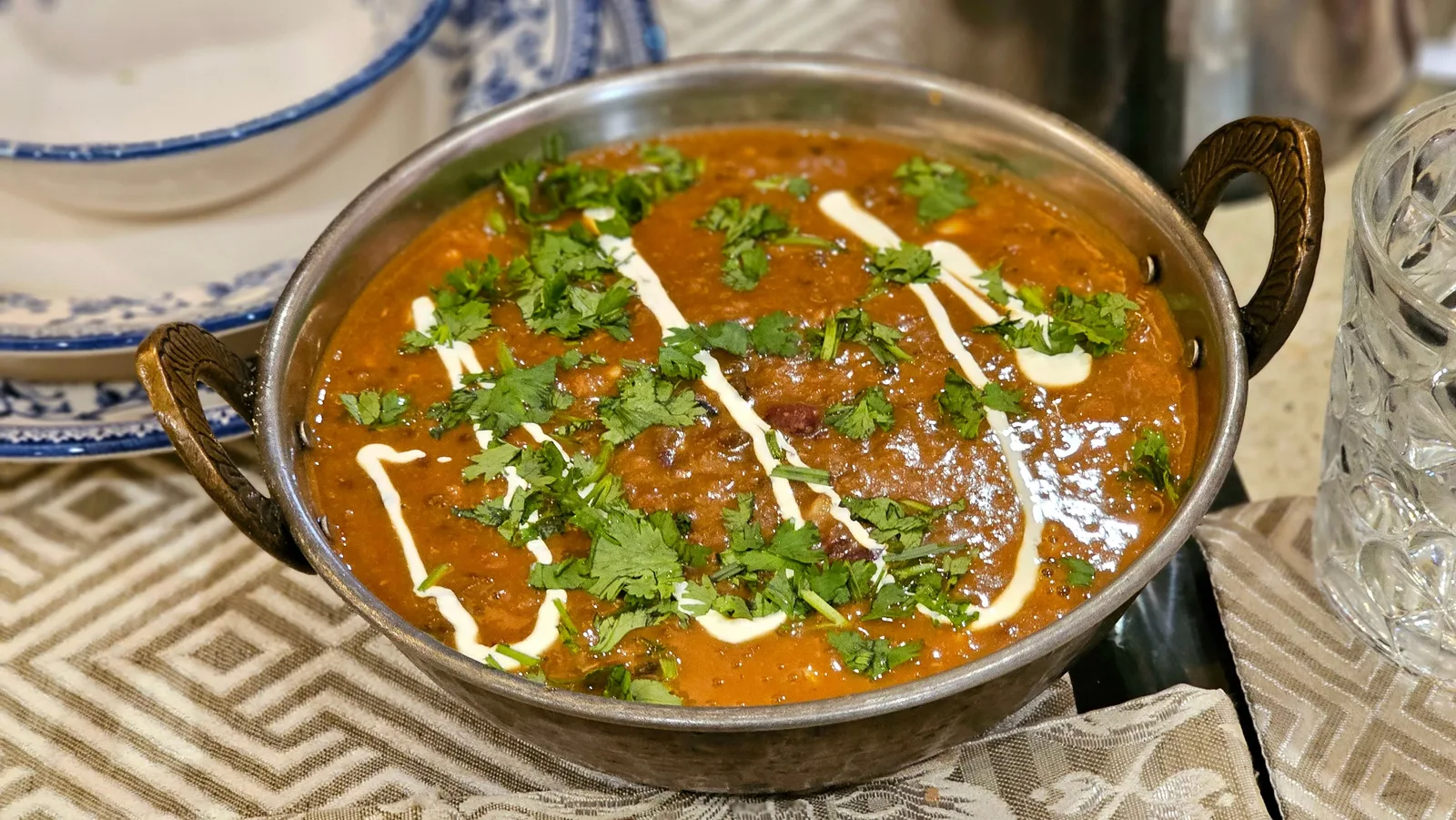 Daal Makhni
To make daal makhani with the right ingredients, choose whole pulses, fresh aromatics, and a thick tomato base. The right pantry choices create depth before the final simmer.
You can connect daal makhani with everyday affordable daal meals because lentils stay filling and budget-friendly.
Measure the Lentils and Beans
Use 1 cup (200 g) whole black urad dal and 1/4 cup (55 g) rajma. Rinse both ingredients 4 times until the water looks clearer. These ratios help you understand how to make daal makhani without guessing.
Cover the pulses with 4 cups (950 ml) water during soaking. The pulses need room because both ingredients expand during soaking.
Prepare the Masala Base
Use 1 medium onion, finely chopped, about 1 cup (150 g). Add 1 tablespoon (15 g) ginger garlic paste for depth.
Use 1 cup (240 ml) tomato puree for the best smooth texture. Fresh chopped tomatoes work, but tomato puree gives stronger color.
Use Spices That Support Creaminess
The best spices include cumin seeds, bay leaf, Kashmiri chili, coriander powder, garam masala, and kasuri methi.
Use 1 teaspoon (2 g) cumin, 1 bay leaf, 1 teaspoon (3 g) Kashmiri chili, and 1/2 teaspoon (1 g) garam masala. This spice balance supports how to make daal makhani with warm flavor.
How to Make Daal Makhani Step by Step
To make daal makhani step by step, cook the pulses first, make the masala separately, then simmer both parts together. The final simmer creates the thick texture.
The question how to make daal makhani has 4 practical stages: soaking, pressure cooking, masala cooking, and slow simmering.
A clear answer to how to make daal makhani also needs a smart shopping list. Buy fresh whole urad dal, clean rajma, unsalted butter, thick cream, and fresh ginger.
Use canned tomato puree only when the label shows tomatoes and salt. Avoid sweet pasta sauce because sugar changes the final taste.
Keep your pot ready before the lentils finish cooking. Daal makhani thickens quickly after the cooked pulses meet the tomato masala.
| Task | Timing | Method | Difficulty |
|---|---|---|---|
| Soak pulses | 8 hours | Soak 1 cup (200 g) urad dal and 1/4 cup (55 g) rajma in 4 cups (950 ml) water | Easy |
| Pressure cook | 35 to 40 minutes | Cook with 4 cups (950 ml) fresh water until pulses mash easily | Medium |
| Cook masala | 18 to 22 minutes | Cook onion, tomato puree, ginger, garlic, spices, and butter until thick | Medium |
| Slow simmer | 35 to 60 minutes | Simmer cooked pulses with masala and hot water on low heat | Medium |
| Finish dal | 5 minutes | Add cream, kasuri methi, butter, coriander, and ginger | Easy |
Soak the Lentils Overnight
Soak the urad dal and rajma for 8 hours. Overnight soaking softens the skins and helps the pulses cook evenly.
Drain the soaking water before cooking. Add 4 cups (950 ml) fresh water and 1 teaspoon (6 g) salt to the cooker.
Cook the Lentils Until Soft
Cook the pulses until both urad dal and rajma crush easily between your fingers. Hard rajma ruins the final texture.
Use a pressure cooker for 10 to 12 whistles, about 35 to 40 minutes. Use an Instant Pot for 30 minutes on high pressure.
Simmer the Masala and Lentils
Heat 2 tablespoons (28 g) butter in a heavy pot. Add cumin, bay leaf, onion, ginger garlic paste, and tomato puree.
Cook the masala until the mixture thickens and the butter separates around the edges. Add cooked lentils with their cooking liquid.
Simmer for 35 to 60 minutes on low heat. Stir every 8 minutes to stop the dal from sticking.
How to Make Daal Makhani Creamy Without Making It Heavy
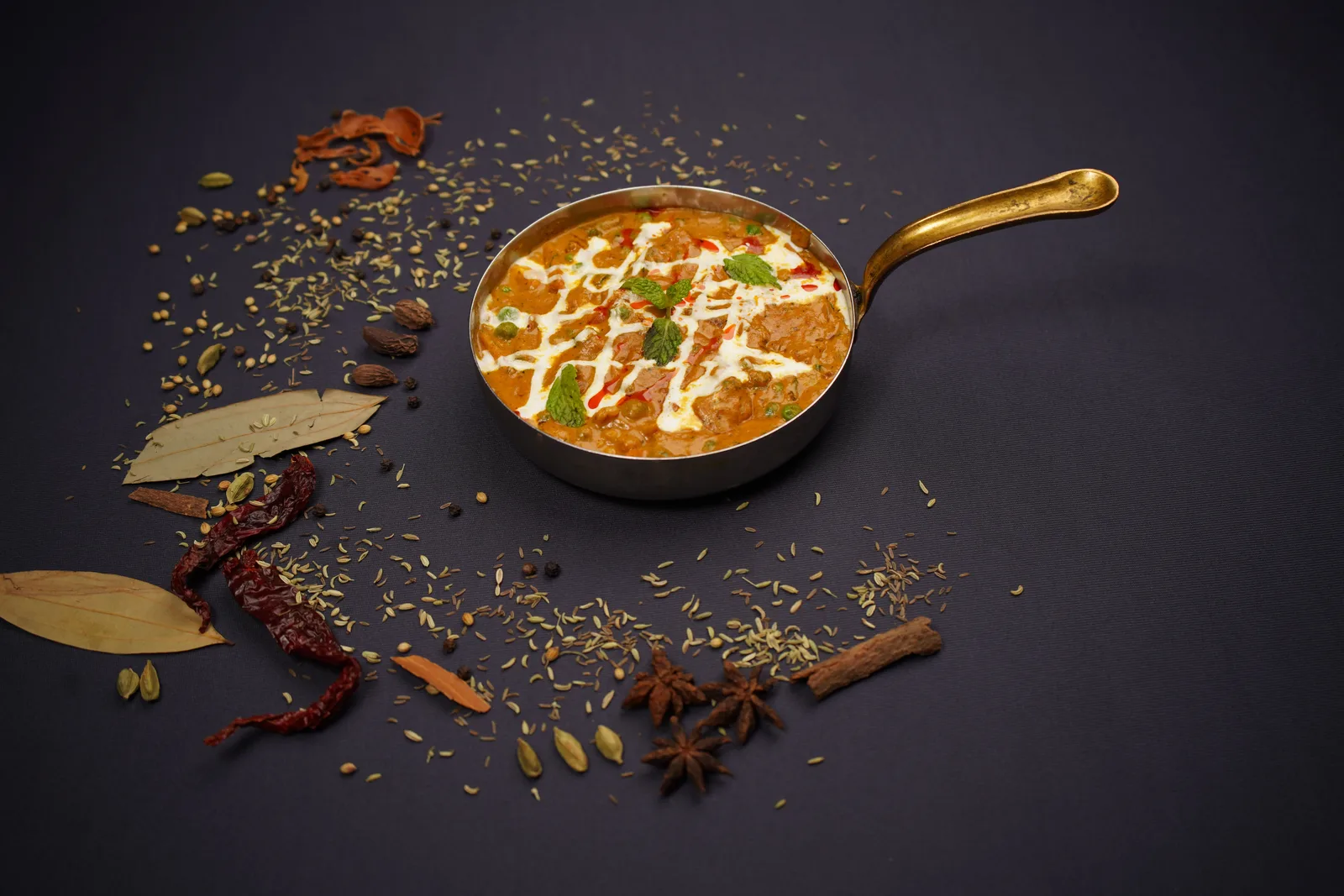 daal makhni
To make daal makhani creamy without heaviness, mash part of the lentils and add cream near the end. The lentils should create most of the body.
Restaurant-style dal makhani tastes rich because cooks simmer the lentils for a long time. Cream supports texture, but cream should not cover the lentil flavor.
The phrase how to make daal makhani often brings heavy restaurant recipes, but a home pot can taste balanced. Let the pulses provide thickness before adding dairy.
A balanced pot should coat a spoon but still move slowly when you tilt the pot. Add 1/4 cup (60 ml) hot water when the dal looks too stiff.
For a lighter family meal, use 2 tablespoons (30 ml) milk and 1 tablespoon (15 ml) cream. For guests, use the full 1/4 cup (60 ml) cream.
Mash Part of the Lentils
Mash 1/3 of the cooked lentils with the back of a spoon. The mashed lentils thicken the gravy naturally.
Do not blend the whole pot. Full blending removes the grainy, slow-cooked character that makes daal makhani satisfying.
Add Cream at the End
Add 1/4 cup (60 ml) cream during the final 5 minutes. Late cream keeps the sauce smooth and fresh.
Boiling cream for too long can split the gravy. Keep the heat low after cream enters the pot.
Control Butter Without Losing Flavor
Use 2 tablespoons (28 g) butter for a family version. Use 4 tablespoons (56 g) butter for a dawat version.
Add 1 teaspoon (5 ml) ghee at the end if you want a stronger aroma. Ghee works well with naan and rice.
What Cooking Method Works Best for Daal Makhani?
A pressure cooker plus slow simmer works best for most homes. The pressure cooker softens the pulses, and slow simmering builds flavor.
You can use 3 methods: stovetop pressure cooker, Instant Pot, or slow cooker. Each method helps you learn how to make daal makhani for your kitchen routine.
- Use a pressure cooker: Cook pulses for 35 to 40 minutes, then simmer the dal for 45 minutes.
- Use an Instant Pot: Cook pulses for 30 minutes, release pressure naturally, then simmer on sauté mode.
- Use a slow cooker: Cook soaked pulses and spices for 8 hours on high or 12 hours on low.
For deeper Desi flavor logic, read LaGrub’s guide to Desi cooking methods. That guide explains spice layering and slow flavor building.
How to Make Daal Makhani With Smoky Flavor
To make daal makhani with smoky flavor, use the dhungar method for 2 minutes after the dal finishes cooking. Smoke should support the dal, not dominate the pot.
Heat 1 small charcoal piece until red. Place the hot charcoal in a small steel bowl inside the pot.
Pour 1 teaspoon (5 ml) ghee over the charcoal and cover the pot for 2 minutes. Remove the bowl before serving.
This step helps readers learn how to make daal makhani like a dhaba or restaurant. Keep the smoke short for children and mild eaters.
How to Make Daal Makhani Mild for Families
To make daal makhani mild for families, reduce red chili and add more ginger, cumin, and cream. Mild flavor still needs aroma and salt.
Use 1/2 teaspoon (1.5 g) Kashmiri chili for color and 1/4 teaspoon (0.5 g) black pepper for warmth.
Skip green chilies for young children. Add chopped green chilies at the table for adults who want heat.
This version answers how to make daal makhani for mixed spice levels. The same pot can serve children, elders, and guests.
What Mistakes Ruin Daal Makhani?
The 5 biggest mistakes are undercooked pulses, thin masala, high heat, early cream, and weak salt. Each mistake changes texture and flavor.
Many beginners ask how to make daal makhani after a watery first attempt. The fix starts with soft pulses and steady low heat.
Check the dal every 8 minutes during simmering. Scrape the bottom with a flat wooden spoon to prevent sticking.
Taste salt after the dal thickens because reduction concentrates flavor. Add 1/4 teaspoon (1.5 g) salt at a time.
Do not add cold water to a thick pot. Add hot water in 1/4 cup (60 ml) amounts to protect texture. This habit improves how to make daal makhani consistently.
Undercooked Pulses
Undercooked urad dal tastes grainy. Undercooked rajma tastes hard and dry. Cook both pulses until a spoon mashes both easily.
Thin Masala
Thin masala gives watery daal makhani. Cook the tomato puree until the masala looks thick and glossy.
High Heat
High heat burns the bottom before the dal turns creamy. Keep heat low after you add the cooked pulses.
What Should You Serve With Daal Makhani?
Serve daal makhani with naan, basmati rice, jeera rice, roti, paratha, salad, and raita. These sides balance richness and make the meal complete.
Use 1 cup (240 ml) daal makhani per adult. Use 1/2 cup (120 ml) per child with rice or naan.
- Serve with bread: Add naan, tandoori roti, garlic naan, or butter paratha.
- Serve with rice: Add steamed basmati rice, jeera rice, peas pulao, or plain rice.
- Serve with sides: Add cucumber raita, onion salad, lemon wedges, or pickled onions.
- Serve with drinks: Add mango lassi, salted lassi, mint lemonade, or masala chai.
Pair daal makhani with rice, naan, salad, and raita when you plan a family dinner or vegetarian menu.
How to Store and Reheat Daal Makhani
To store daal makhani, cool the pot within 2 hours and pack the dal in shallow containers. Refrigerate the dal for 3 days.
Use containers that hold 2 cups (480 ml) each. Smaller portions cool faster and reheat more evenly.
To reheat, add 2 tablespoons (30 ml) water to 1 cup (240 ml) dal. Heat on low until the dal reaches 165°F (74°C).
Freeze daal makhani for 2 months in airtight boxes. Thaw overnight in the fridge before reheating on low heat.
How to Make Daal Makhani for Guests
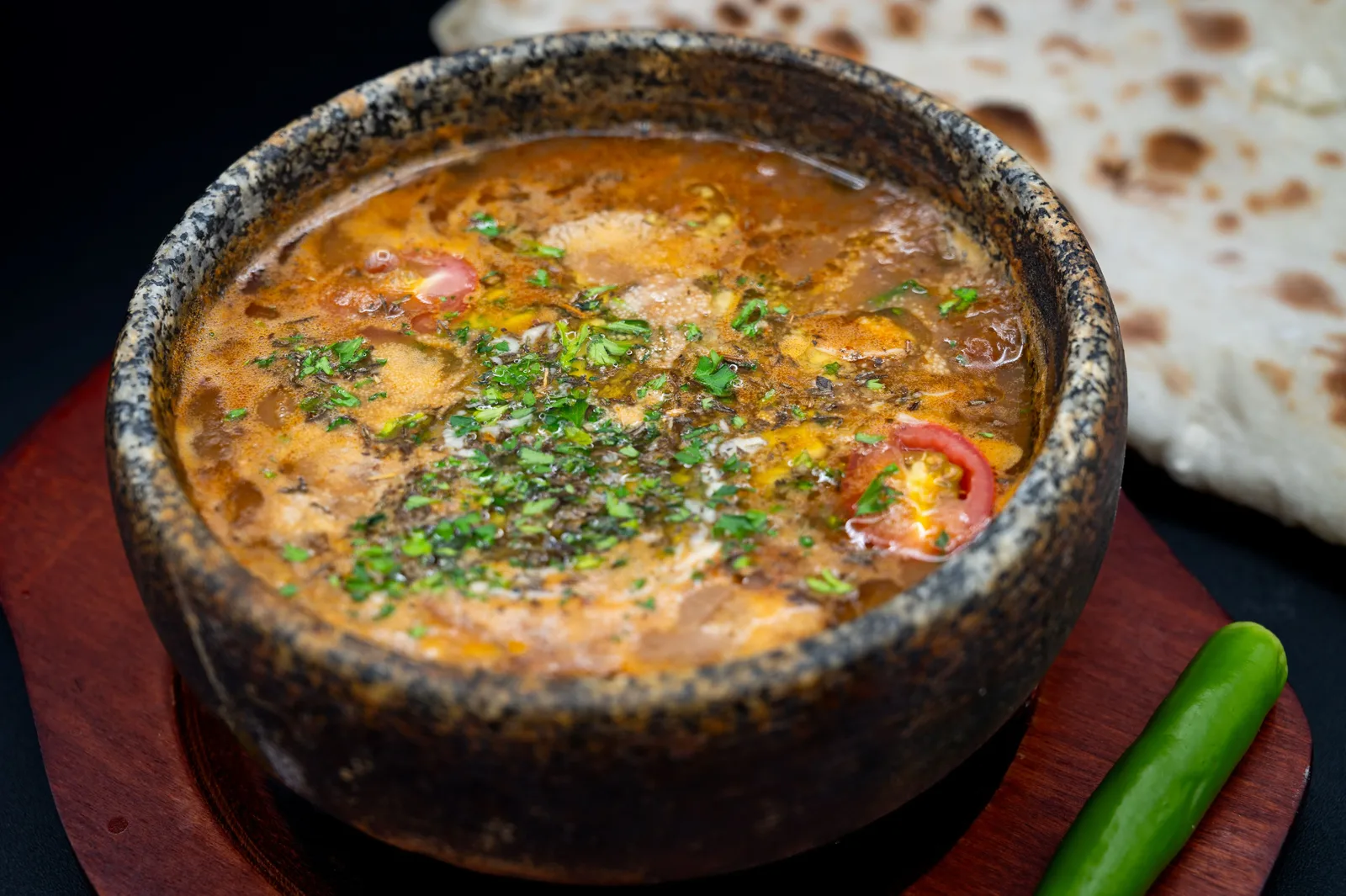 Daal Makhni
To make daal makhani for guests, cook the lentils 1 day earlier and finish with cream before serving. Rested dal tastes richer the next day.
A host who knows how to make daal makhani ahead saves 60 minutes on dinner day. The dal reheats well because slow-cooked pulses hold moisture.
For a dawat, finish with ginger slivers, coriander, cream swirls, and 1 tablespoon (14 g) butter. These toppings make the serving bowl look fresh.
Set naan and rice nearby because guests usually take both. Keep salad and raita on the side for freshness.
For 8 guests, use 2 cups (400 g) urad dal and 1/2 cup (110 g) rajma. Make 8 cups (1.9 L) finished dal for a buffet.
Keep the dal warm in a heavy pot or slow cooker. Stir every 20 minutes and add 1/4 cup (60 ml) hot water if the dal thickens too much.
FAQs About Daal Makhani
Is daal makhani made with black lentils?
Yes. Daal makhani uses whole black urad dal, also called black gram, with a smaller amount of rajma.
Can you make daal makhani without cream?
Yes. You can use milk, yogurt, or extra mashed lentils, but cream gives the richest finish.
Is daal makhani spicy?
No. Daal makhani tastes mild to medium, unless you add extra green chilies or red chili powder.
Can beginners cook daal makhani at home?
Yes. Beginners can cook daal makhani with soaked pulses, a pressure cooker, and low simmering.
Can you make daal makhani ahead of time?
Yes. Daal makhani tastes better the next day because the lentils absorb the masala during rest.
Final Takeaway: How to Make Daal Makhani at Home
The best way to learn how to make daal makhani is to respect the lentils first. Soak the pulses, cook the pulses until soft, and simmer the dal patiently. Once you understand how to make daal makhani, you can adjust cream, butter, chili, and smoke without losing the dish.
Use whole black urad dal, rajma, butter, cream, tomato puree, ginger, garlic, cumin, garam masala, and kasuri methi. Keep the final texture thick, glossy, and spoon-coating.
Start with one family-sized pot, then adjust butter, cream, chili, and smoke for your own table. For more Desi meal ideas, explore the LaGrub recipe collection and build a full dinner around warm daal makhani.

Sahar Syed
Sahar Syed writes for LaGrub on cooking, recipes, and mindful culinary living.
Get a desi recipe worth cooking, every week
One tested recipe a week. Nothing else, and unsubscribe any time.


