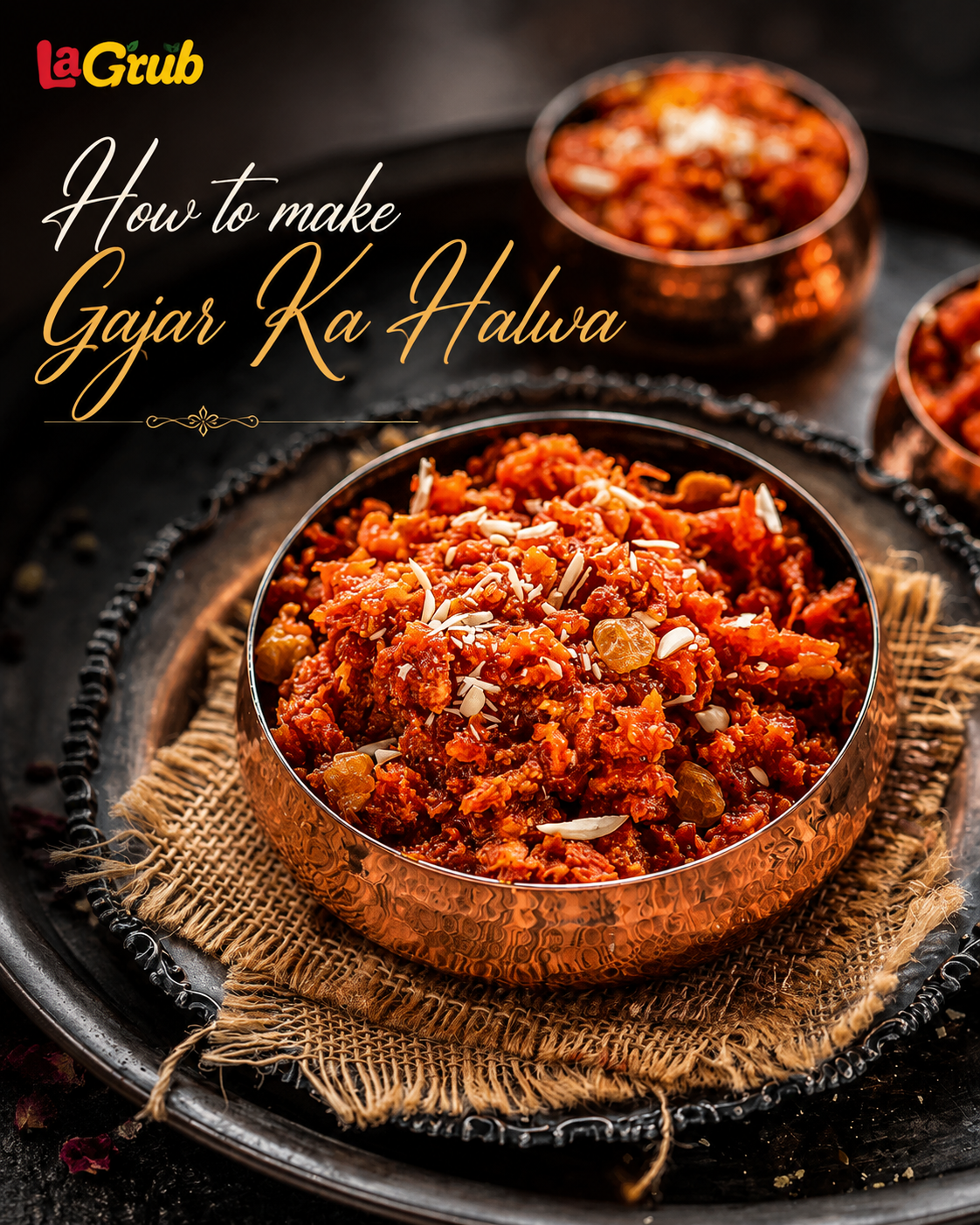
Want to learn how to make gajar ka halwa at home? This classic Pakistani dessert combines sweet, tender carrots with creamy milk, sugar, ghee, cardamom, and crunchy nuts. Follow this easy recipe to achieve perfectly rich, soft, and flavourful carrot halwa, with simple tips for cooking, serving, storing, and reheating.
If you want to know how to make gajar ka halwa, this easy recipe shows you how to turn fresh carrots, milk, sugar, ghee, cardamom, and nuts into a rich traditional dessert. Learn which carrots to use, how to get the perfect texture, when to add each ingredient, and how to avoid common mistakes.
What Is Gajar Ka Halwa?
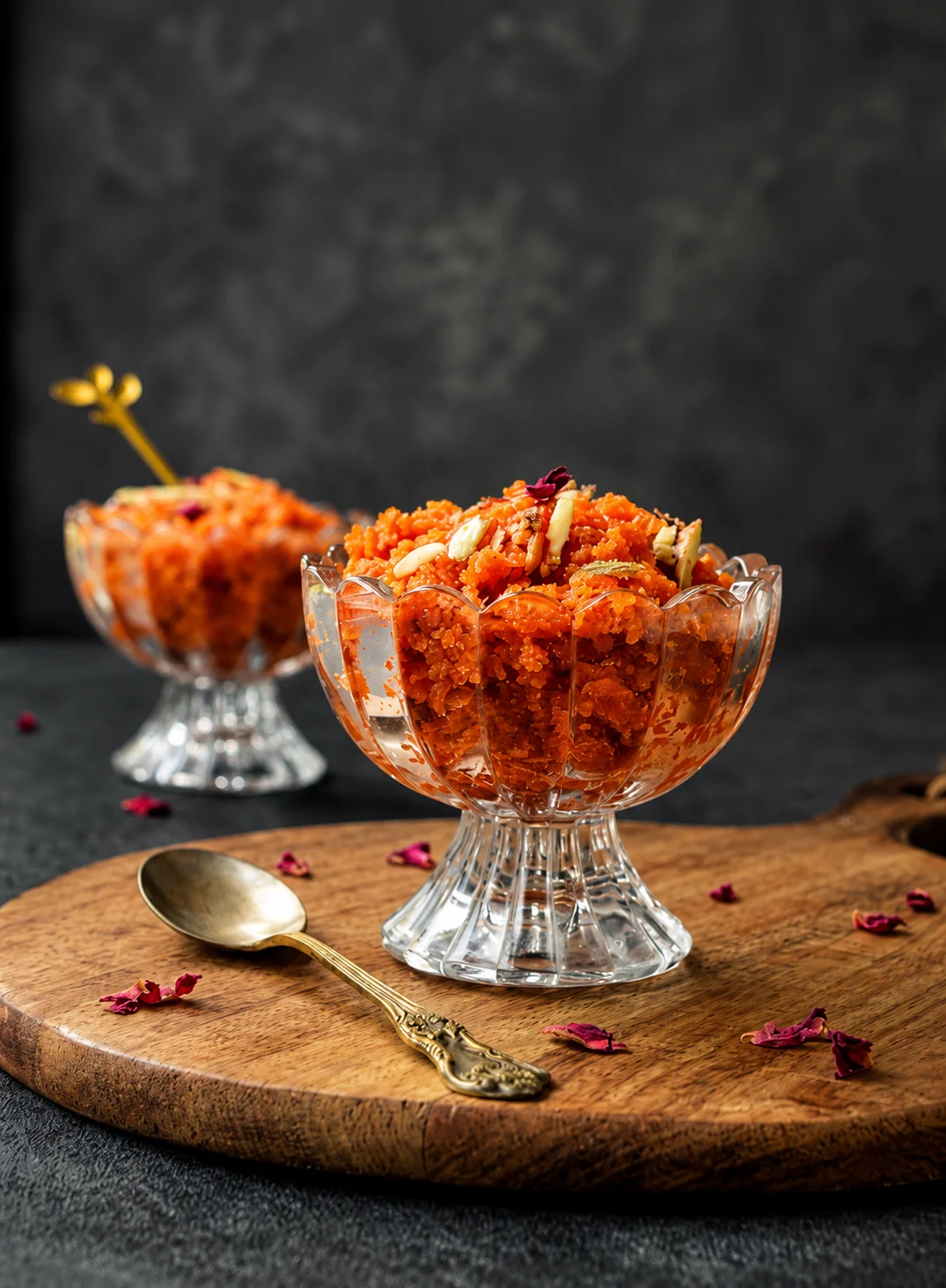
Gajar ka halwa, also called carrot halwa or gajrela, is a classic South Asian dessert made by slowly cooking grated carrots with milk, sugar, ghee, and aromatic spices. It is especially loved during the cooler months when fresh, naturally sweet carrots are available.
The beauty of this dessert is its simplicity. You do not need a long list of ingredients. Instead, the flavour comes from slowly cooking the carrots until they become tender and the milk reduces into a rich mixture.
A little cardamom adds warmth, while almonds, pistachios, cashews, or raisins provide texture. Finally, ghee gives the halwa its rich finish.
Ingredients for Gajar Ka Halwa
Before learning how to make gajar ka halwa, it helps to understand what each ingredient contributes to the finished dessert.
Carrots
Fresh, juicy carrots are the main ingredient. Red winter carrots are traditionally preferred because they are tender, naturally sweet, and cook down beautifully.
However, orange carrots can also work. Choose carrots that are firm, fresh, and not overly woody.
Milk
Full-fat milk gives the halwa a creamy texture and rich flavour. The milk slowly cooks down with the carrots, helping create the traditional consistency.
Sugar
Sugar adds sweetness, but the amount can be adjusted. Carrots naturally contain sugar, so taste the mixture before adding more than necessary.
Ghee
Ghee adds richness and a distinct aroma. It also helps give the finished halwa a glossy appearance.
Cardamom
Ground cardamom adds a warm, fragrant note that works beautifully with carrots and milk.
Nuts and Raisins
Almonds, pistachios, cashews, and raisins are popular toppings. You can use one or a mixture depending on your preference.
Gajar Ka Halwa Ingredients
For a family-sized batch, you will need:
1 kg fresh carrots
1 litre full-fat milk
150–200 g sugar, adjusted to taste
3–4 tbsp ghee
4–5 green cardamom pods, seeds crushed
2–3 tbsp chopped almonds
2 tbsp chopped pistachios
1–2 tbsp raisins, optional
The final sweetness can vary depending on the carrots, so it is better to adjust the sugar near the cooking stage.
How to Make Gajar Ka Halwa Step by Step
Now let us look at how to make gajar ka halwa using the traditional milk-based method.
Step 1: Wash and Peel the Carrots
Wash the carrots well under cool running water. Peel them and remove the tops.
If the carrots are very thick or have a tough centre, cut them lengthwise and remove any woody portions.
Step 2: Grate the Carrots
Grate the carrots using the large side of a box grater or a food processor with a suitable grating attachment.
Avoid turning the carrots into a fine paste. Medium or coarse shreds give the halwa a better texture.
Step 3: Cook the Carrots with Milk
Place the grated carrots in a large, heavy-bottomed pan. Add the milk and bring the mixture to a gentle boil.
Once it starts bubbling, lower the heat.
Cook the carrots slowly, stirring regularly. The carrots will soften while the milk gradually reduces.
This is one of the most important stages of the recipe. Do not rush it by using extremely high heat.
Step 4: Let the Milk Reduce
Continue cooking until most of the milk has evaporated and the carrots look soft and thick.
Stir the mixture more often as the liquid reduces. At this point, the halwa can start sticking to the bottom of the pan.
Scrape the base gently while stirring to prevent burning.
Step 5: Add the Sugar
Once the milk has reduced, add the sugar.
The mixture will become more liquid again because sugar draws moisture from the carrots.
Do not worry. This is normal.
Continue cooking until the excess liquid evaporates and the mixture becomes thick again.
Step 6: Add Ghee
Add the ghee once the mixture has thickened.
Stir well so the ghee is evenly incorporated.
Cook for several more minutes until the halwa becomes glossy and aromatic.
Step 7: Add Cardamom and Nuts
Add crushed cardamom seeds along with your chosen nuts and raisins.
Keep a little of the nuts aside for garnishing.
Mix everything together and cook briefly so the cardamom fragrance spreads through the halwa.
Step 8: Check the Consistency
The finished gajar ka halwa should be thick and moist without looking watery.
It should hold together when placed on a spoon but remain soft enough to eat comfortably.
If it looks too loose, continue cooking for a few minutes.
If it becomes too dry, a small splash of warm milk can help soften it.
Step 9: Garnish and Serve
Transfer the halwa to a serving dish.
Top it with chopped pistachios, almonds, or other nuts.
You can serve it warm, at room temperature, or chilled.
How Long Does Gajar Ka Halwa Take to Cook?
One of the most common questions about how to make gajar ka halwa is the cooking time.
The exact time depends on the quantity of carrots, the amount of milk, the size of the pan, and the heat level.
A traditional milk-based version can take around 45–75 minutes because the milk needs time to reduce and the carrots need to become tender.
Do not focus only on the clock. Look at the texture.
The halwa is ready when the carrots are soft, the milk has reduced, and the final mixture is thick and glossy.
Which Carrots Are Best for Gajar Ka Halwa?
Red winter carrots are traditionally considered excellent for gajar halwa because they are tender and naturally sweet.
However, you can make carrot halwa with orange carrots as well.
The most important thing is freshness.
Avoid carrots that are very dry, old, or woody. They can produce a tougher texture and may not develop the same sweetness during cooking.
If you can find fresh seasonal carrots, they are a great choice.
Can You Make Gajar Ka Halwa Without Khoya?
Yes. You do not need khoya to make a delicious traditional-style gajar ka halwa.
The classic milk method relies on reducing the milk with the carrots. As the liquid evaporates, the mixture becomes naturally rich and creamy.
Khoya can be added when you want a richer, denser dessert or want to reduce the cooking time.
If using khoya, crumble it before adding it and cook until it blends smoothly into the halwa.
However, for a simple homemade version, carrots, milk, sugar, ghee, and cardamom are enough.
Gajar Ka Halwa Without Milk
Although milk is traditional in many versions, there are alternative methods.
Some recipes cook carrots with ghee and sugar until tender, while others use condensed milk or dairy alternatives.
However, the classic milk-based version has a distinctive creamy flavour.
If you want the traditional experience, full-fat milk remains a reliable choice.
Why Does Gajar Ka Halwa Become Watery?
If your halwa suddenly becomes watery after adding sugar, there is no need to panic.
Sugar pulls moisture from the carrots. As a result, the mixture may loosen after sugar is added.
Simply continue cooking over medium-low heat while stirring regularly.
As the excess moisture evaporates, the halwa will become thick again.
This is why sugar is usually added after the milk has already reduced.
How to Make Gajar Ka Halwa Rich and Creamy
For a rich texture, focus on the cooking process rather than adding excessive ingredients.
Use fresh carrots and full-fat milk. Cook the carrots slowly and allow the milk to reduce properly.
Ghee should be added once the mixture has thickened. This helps the finished halwa develop a rich texture and glossy appearance.
Finally, avoid overcooking after the halwa has reached the right consistency. Too much cooking can make it dry.
How to Make Gajar Ka Halwa With Khoya
If you want a richer version, khoya can be added towards the end.
First, prepare the carrot halwa using the milk method. Once most of the liquid has disappeared, crumble the khoya into the pan.
Stir continuously over low heat until the khoya melts into the carrots.
Then add ghee, cardamom, and nuts.
The result is a thicker, richer dessert with a more intense dairy flavour.
How to Serve Gajar Ka Halwa
Warm gajar ka halwa is comforting on its own, but there are several ways to serve it.
You can garnish it with:
Chopped pistachios
Almond slivers
Cashews
Raisins
A little grated khoya
Crushed cardamom
For a special dessert, serve warm halwa with a scoop of vanilla ice cream. The contrast between the warm carrot pudding and cold ice cream creates a delicious combination.
You can also serve it alongside other traditional sweets during family gatherings.
Can Gajar Ka Halwa Be Served Cold?
Yes. While many people prefer it warm, chilled carrot halwa can also be delicious.
After cooking, allow it to cool before transferring it to the refrigerator.
Cold halwa becomes firmer than when it is warm. If you prefer a softer texture, let it sit at room temperature for a short while before serving.
How to Store Gajar Ka Halwa
Allow the halwa to cool before storing it in an airtight container.
Keep it refrigerated and use a clean spoon each time you serve it.
When you want to eat it again, reheat only the amount you need.
How to Reheat Gajar Ka Halwa
Place the desired amount in a pan over low heat.
Add a small splash of milk if the halwa has become too firm. Stir gently until warm.
You can also reheat it in a microwave in short intervals, stirring between each interval.
Avoid overheating because this can make the halwa dry.
How to Make Gajar Ka Halwa for a Party
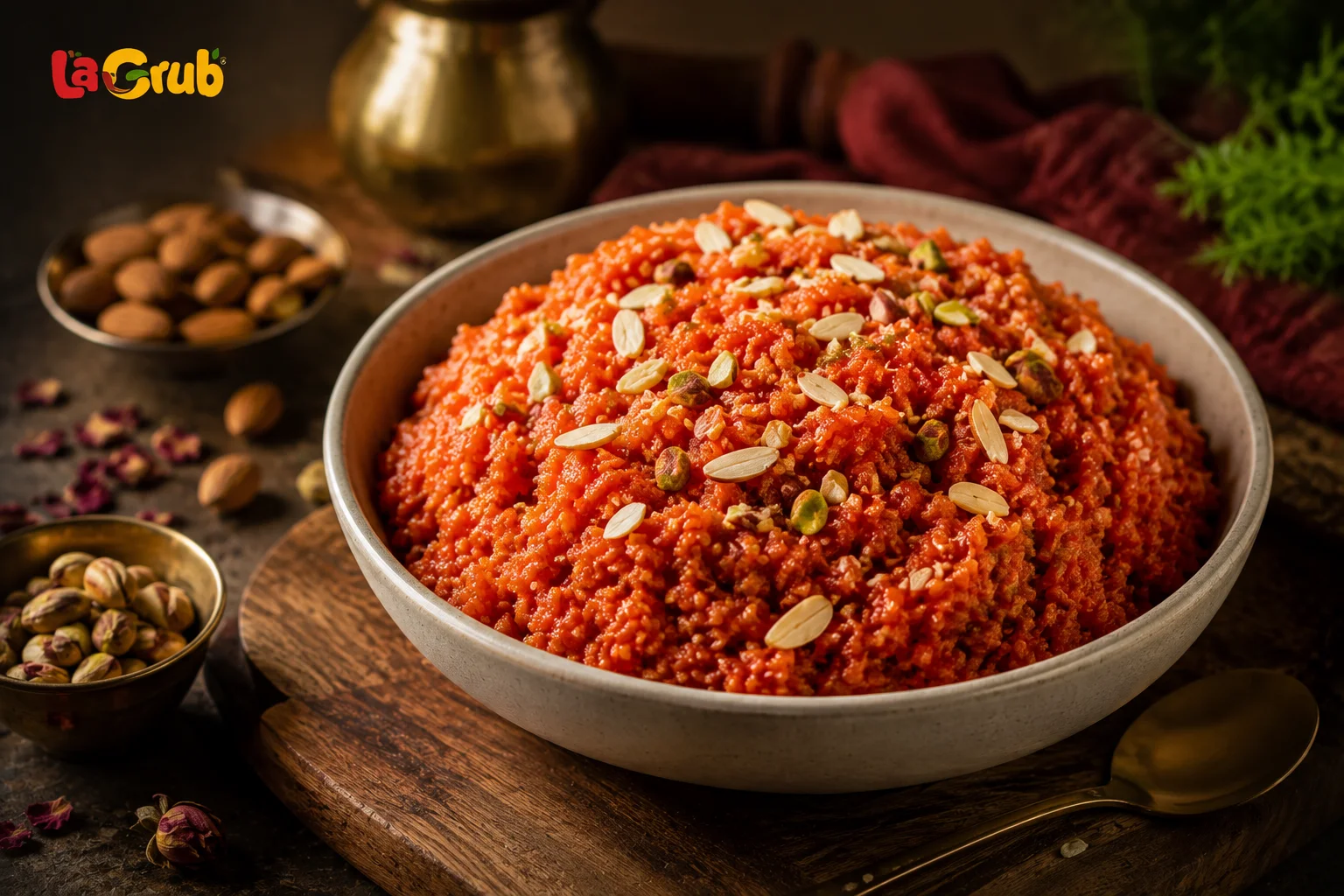
If you are preparing gajar ka halwa for guests, you can make it earlier in the day.
A large, heavy-bottomed pan is useful for bigger quantities because it provides more even heat.
Prepare the halwa until it reaches the desired consistency and keep it refrigerated if you are not serving it soon.
Before serving, warm it gently and add a little garnish.
For a large dessert table, serve it in small bowls or cups. This makes it easier for guests to enjoy alongside other sweets.
A Simple Gajar Ka Halwa Serving Idea
For a traditional presentation, place warm halwa in a shallow serving dish and garnish generously with pistachios and almonds.
For individual portions, use small dessert bowls.
You can also layer the halwa with a little khoya and nuts to create a more festive presentation.
The bright colour of the carrots already makes the dessert attractive, so you do not need complicated decoration.
Why Gajar Ka Halwa Is a Popular Pakistani Dessert
Food is closely connected with celebrations, family gatherings, and seasonal traditions. Gajar ka halwa is one of those desserts that often reminds people of winter, family kitchens, weddings, dinners, and festive occasions.
Its popularity comes from the combination of simple ingredients and slow cooking.
The carrots become soft and sweet while the milk, ghee, cardamom, and nuts create a rich flavour.
It is also easy to make in a large quantity, which makes it ideal when family and guests are sharing food together.
For another traditional dessert idea, visit LaGrub's dessert recipes and discover more sweet dishes to make at home.
Tips for the Perfect Gajar Ka Halwa
Keep these tips in mind every time you make carrot halwa:
Use fresh, tender carrots.
Grate the carrots evenly.
Choose a heavy-bottomed pan.
Cook the carrots gently with milk.
Stir more often as the milk reduces.
Add sugar after the milk has reduced.
Adjust sugar according to the sweetness of the carrots.
Add ghee towards the end.
Do not stop cooking while the mixture is still watery.
Do not overcook once the desired consistency is reached.
Add cardamom near the end for better aroma.
Garnish with fresh nuts before serving.
Frequently Asked Questions
How to make gajar ka halwa at home?
To make gajar ka halwa, grate fresh carrots and cook them with full-fat milk until the milk reduces. Add sugar, followed by ghee, cardamom, and nuts. Continue cooking until the mixture becomes thick, glossy, and soft.
Which carrots are best for gajar ka halwa?
Fresh, tender red winter carrots are traditionally preferred because they are naturally sweet and cook down well. However, fresh orange carrots can also be used successfully.
Can I make gajar ka halwa without khoya?
Yes. Khoya is not essential. A traditional milk-based recipe can be made with carrots, full-fat milk, sugar, ghee, cardamom, and nuts.
Why is my gajar ka halwa watery after adding sugar?
Sugar draws moisture out of the carrots, so the mixture can become loose after it is added. Continue cooking over medium-low heat until the excess moisture evaporates and the halwa thickens.
How long can gajar ka halwa be stored?
Store cooled halwa in an airtight container in the refrigerator. Reheat only the amount you need and add a small splash of milk if it has become too firm.
Conclusion
Learning how to make gajar ka halwa is easier than it may first seem. With fresh carrots, full-fat milk, sugar, ghee, cardamom, and a little patience, you can create a rich, fragrant homemade dessert with a soft and creamy texture.
The most important part is slow cooking. Let the milk reduce, stir regularly, add sugar at the right stage, and finish with ghee, cardamom, and nuts. Once you understand these steps, you can easily adjust the sweetness and richness to suit your family.
Whether you are making it for a winter evening, a family dinner, Ramadan, Eid, or a special gathering, gajar ka halwa is a comforting dessert worth making from scratch.
Ready to try more traditional favourites? Explore LaGrub for delicious recipes and food inspiration to bring more homemade flavour to your table.

Maimoona Ehtisham
Maimoona Ehtisham writes for LaGrub on cooking, recipes, and mindful culinary living.
Join the Conversation
Log in to read and share comments, recipes tips, and connect with other food lovers.