

Craving golden pakoras that stay crisp instead of turning oily or soft? This Pakistani pakora guide explains the batter texture, moisture control, frying temperature, and draining method that make the biggest difference.
Learning how to make crispy pakoras is less about adding more flour and more about controlling moisture, batter thickness, and oil temperature. This Pakistani pakora recipe combines besan, rice flour, thinly sliced vegetables, and balanced spices to create golden fritters with crisp, irregular edges and a tender centre.
Pakoras are especially loved at Ramadan iftar, with evening chai, during rainy weather, and whenever a quick shared snack is needed. This guide gives you a dependable base recipe, exact frying cues, troubleshooting help, storage instructions, and variations for onion, potato, spinach, cabbage, air-fryer, and baked pakoras.
Quick Crispy Pakora Recipe Snapshot
| Preparation time | 20 minutes |
|---|---|
| Cooking time | 20–25 minutes |
| Total time | About 45 minutes |
| Yield | About 24–28 small pakoras |
| Best oil temperature | 175–180°C (347–356°F) |
| Difficulty | Easy |
Why This Crispy Pakora Recipe Works
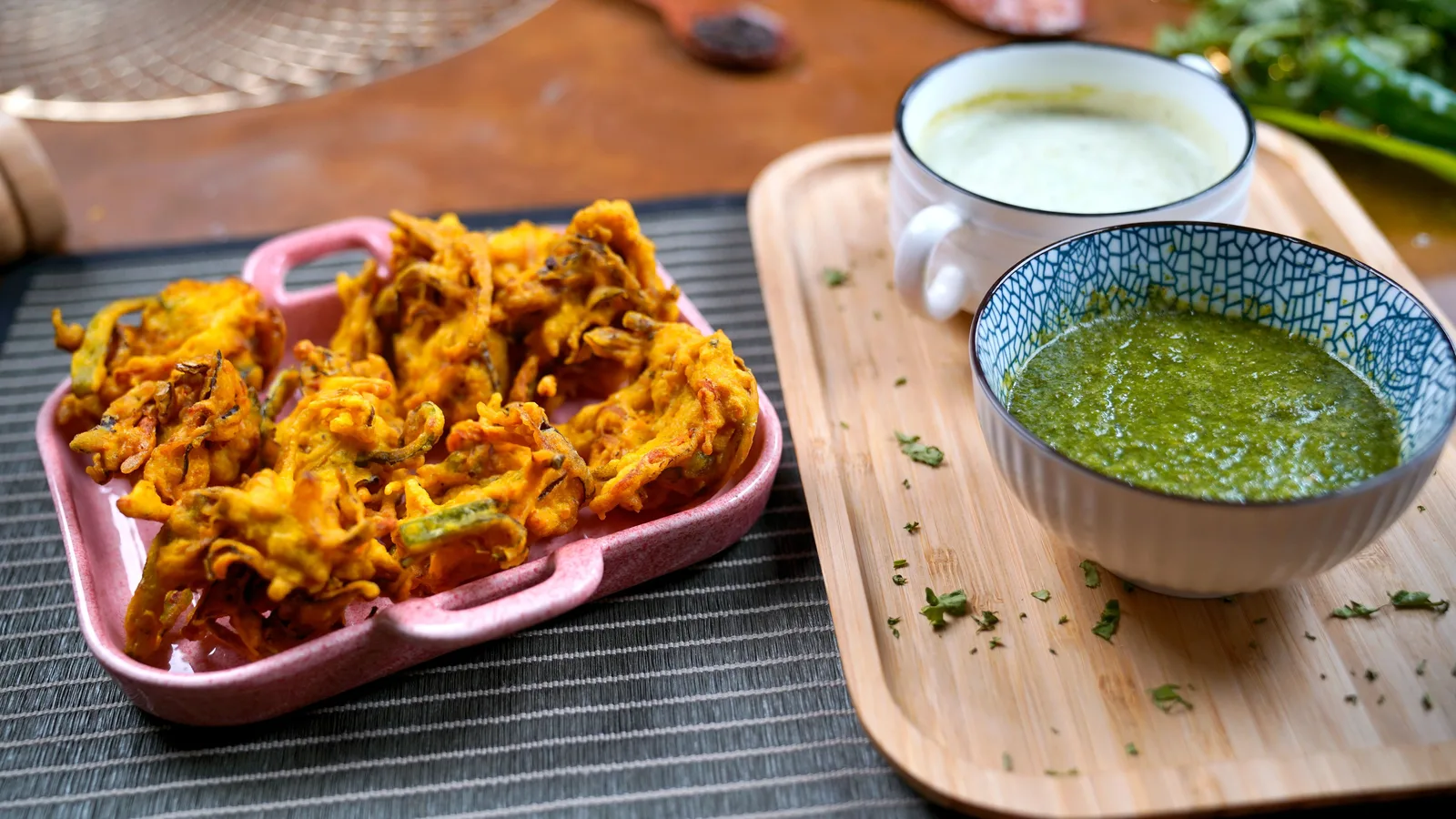 pakoras
- Rice flour adds crunch: A small amount lightens the besan coating and helps the exterior stay crisp longer.
- Thin vegetables cook evenly: Thin onion strands, potato slices, and shredded cabbage cook before the coating becomes too dark.
- Minimal cold water prevents sogginess: The vegetables release moisture, so the batter only needs enough water to cling to them.
- Small batches protect the oil temperature: Overcrowding cools the oil and makes pakoras absorb more oil.
- A wire rack prevents trapped steam: Airflow keeps the underside from turning soft after frying.
Ingredients for Crispy Vegetable Pakoras
Main Ingredients
- 2 cups besan or finely milled gram flour
- 1/4 cup rice flour
- 2 medium onions, thinly sliced
- 1 medium potato, very thinly sliced or cut into fine matchsticks
- 1 cup finely shredded cabbage
- 2 green chilies, finely chopped
- 2 tablespoons chopped fresh coriander
- 1 teaspoon cumin seeds
- 1 teaspoon lightly crushed coriander seeds
- 1 teaspoon red chili powder, or to taste
- 1/2 teaspoon turmeric powder
- 1 teaspoon salt, plus more if needed
- About 1/3 cup ice-cold water to begin, added gradually
- Neutral high-heat oil for deep frying
Optional Flavor Additions
- 1/2 teaspoon ajwain seeds
- 1/2 teaspoon black pepper
- 1/2 teaspoon garam masala
- 1 teaspoon chaat masala for finishing
- A handful of spinach leaves
- Small cauliflower florets
- Thin carrot strips
Ingredient Notes That Affect Crispiness
Besan
Besan forms the traditional savory coating. Use fresh, finely milled flour without a stale or bitter smell. Sifting is optional, but it helps remove lumps.
Rice Flour
Rice flour is the easiest crispness booster in this recipe. Keep it to roughly one part rice flour for every eight parts besan. Too much can make the coating hard rather than delicately crunchy.
Vegetables
Dry the vegetables after washing and slice them thinly. Thick potato pieces take longer to cook, while wet vegetables loosen the batter and increase splattering.
Cold Water
Do not pour in all the water at once. Start with a few tablespoons, mix, and wait briefly for the salted vegetables to release moisture. Add more water one tablespoon at a time only when dry flour remains.
How to Make Crispy Pakoras Step by Step
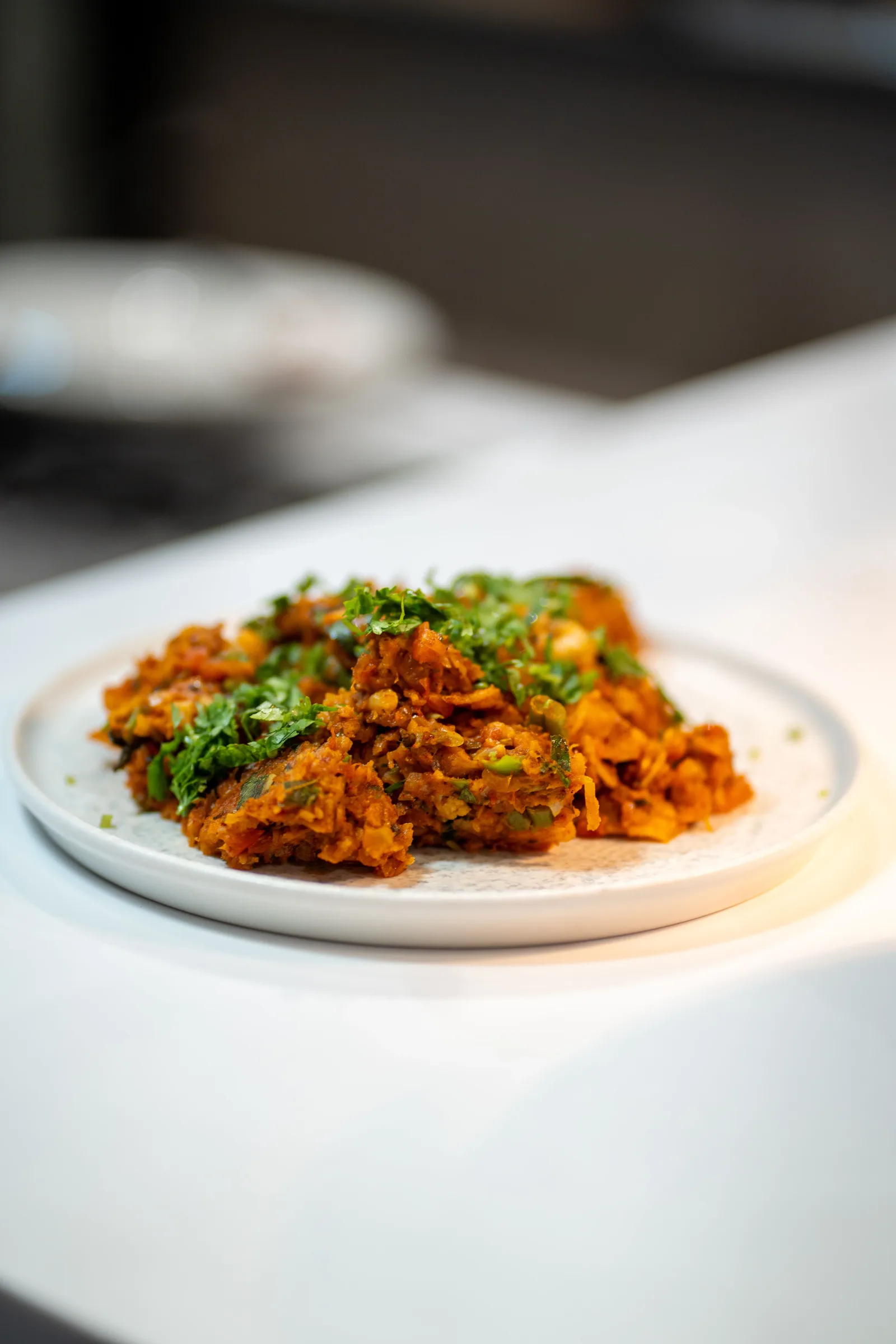 pakoras
Step 1: Prepare and Dry the Vegetables
Wash the vegetables, then dry them thoroughly. Slice the onions into thin strands, cut the potato very thinly, shred the cabbage, and chop the chilies and coriander. Similar-sized pieces cook more evenly.
Step 2: Mix the Dry Ingredients
In a large bowl, combine the besan, rice flour, cumin seeds, crushed coriander seeds, red chili powder, turmeric, salt, and any optional dry spices. Mix well so the seasoning is evenly distributed.
Step 3: Coat the Vegetables
Add the onions, potato, cabbage, green chilies, and fresh coriander. Toss and gently squeeze the mixture with your hands until every piece is coated. Let it stand for 5 minutes so the salt begins drawing a little moisture from the vegetables.
Step 4: Add Water Gradually
Add cold water one tablespoon at a time. The mixture should look rough and thick, with vegetables clearly visible. It should hold together when pressed but should not pour like pancake batter. If it becomes runny, add a little more besan and rice flour in the same approximate ratio.
Step 5: Heat the Oil Safely
Fill a deep, heavy pan no more than one-third full with oil. Heat it to about 175–180°C (347–356°F). Without a thermometer, drop in a tiny piece of batter: it should rise steadily with active bubbles, not sit at the bottom or turn dark immediately.
Step 6: Fry a Test Pakora
Fry one small pakora first. Taste it for salt and check the texture. If it spreads apart, the batter may need a little more besan. If it is dense, add only a teaspoon or two of water. A test piece prevents an entire batch from going wrong.
Step 7: Fry in Small Batches
Drop loosely packed tablespoon-sized portions into the oil. Do not compress them into smooth balls; uneven strands create more crisp edges. Fry for about 4–6 minutes, turning occasionally, until deep golden and cooked through. Let the oil return to temperature between batches.
Step 8: Drain on a Wire Rack
Lift the pakoras out with a slotted spoon and place them in a single layer on a wire rack set over a tray. Sprinkle lightly with chaat masala while hot. Avoid covering or stacking them because trapped steam softens the crust.
What Should Pakora Batter Look Like?
The correct pakora mixture is closer to a sticky vegetable coating than a smooth batter. When you squeeze a small portion in your hand, it should hold loosely. You should still see onion strands and vegetable edges rather than a thick blanket of flour.
- Too dry: The mixture crumbles and will not hold. Add cold water one teaspoon at a time.
- Too wet: Batter drips from the vegetables. Add besan and a small pinch of rice flour.
- Just right: The vegetables cling together loosely and drop into the oil without dissolving.
The Best Oil Temperature for Pakoras
A steady medium-hot temperature is essential. Around 175–180°C gives the coating time to crisp while the vegetables cook inside.
- Oil too cold: Pakoras sink, absorb oil, and become greasy.
- Oil too hot: The outside darkens before the potato and flour cook properly.
- Oil correct: A batter crumb rises steadily and bubbles without burning.
Do not rely only on the stove setting. Each pan and burner behaves differently, so watch the pakoras and adjust the heat between batches.
How to Keep Pakoras Crispy for Longer
- Drain them on a wire rack rather than piling them on a plate.
- Keep each batch in a single layer.
- Do not cover hot pakoras with foil, a lid, or a towel.
- For serving later, keep them in a low oven at about 100–120°C in a single layer.
- For extra crunch, fry until pale golden, rest for 5–10 minutes, then fry again for 45–60 seconds.
- Serve chutney on the side instead of pouring it over the pakoras.
Crispy Pakora Troubleshooting Guide
| Problem | Likely cause | How to fix it |
|---|---|---|
| Pakoras are soggy | Runny batter, wet vegetables, or trapped steam | Use less water, dry vegetables, and drain on a rack |
| Pakoras are greasy | Oil temperature is too low or the pan is crowded | Reheat the oil and fry fewer pieces at once |
| Outside burns quickly | Oil is too hot or pieces are too large | Lower the heat and make smaller pakoras |
| Potato remains raw | Slices are too thick | Use paper-thin slices or fine matchsticks |
| Batter falls off | Mixture is too thin or vegetables are wet | Add besan and dry the vegetables thoroughly |
| Pakoras are dense | Too much flour or over-compressed portions | Keep the mixture vegetable-heavy and drop loose clusters |
Popular Pakistani Pakora Variations
Onion Pakoras
Use mostly thinly sliced onions with green chili, coriander, and crushed spices. Let the salted onions release some moisture before adding any water. The separated strands form crisp, lacy edges.
Potato Pakoras
Slice potatoes very thinly and coat each slice in a slightly smoother besan batter. Fry until the centre is tender and the outside is golden.
Spinach Pakoras
Use small, dry spinach leaves or roughly chopped spinach. Spinach cooks quickly, so keep the clusters small and watch the color closely.
Cabbage Pakoras
Finely shredded cabbage gives excellent crunch and works well mixed with onion. Avoid thick shreds, which can stay firm in the middle.
Paneer Pakoras
Dip paneer cubes in seasoned batter and fry until the coating is crisp. Keep the batter thick enough to cling to the smooth paneer surface.
Mixed Vegetable Pakoras
Combine onion, cabbage, spinach, carrot, potato, and cauliflower, but avoid overloading the bowl with high-moisture vegetables. Keep the pieces small and evenly cut.
Air Fryer Pakoras
Air-fryer pakoras use less oil and can still develop crisp edges, although they will not taste exactly like deep-fried pakoras.
- Preheat the air fryer to 190–200°C.
- Make a thick mixture and shape small, loose clusters.
- Arrange them in one layer on a lightly greased perforated liner or basket.
- Brush or spray lightly with oil.
- Air fry for 12–16 minutes, turning halfway, until golden and cooked through.
Baked Pakoras
Preheat the oven to 200°C. Place small pakora portions on a lightly oiled, parchment-lined tray, brush the tops with oil, and bake for approximately 20–25 minutes. Turn once and continue until browned. Baked pakoras are lighter but usually less craggy and crisp than deep-fried ones.
Best Chutneys and Drinks to Serve with Pakoras
- Green chutney: Mint, coriander, green chili, lemon, and salt add freshness.
- Tamarind chutney: Its sweet-sour flavor balances spicy pakoras.
- Yogurt dip or raita: A cooling choice for children or very spicy batches.
- Doodh patti or karak chai: The classic Pakistani tea-time pairing.
- Lemonade or mint drink: A refreshing contrast during warmer weather.
Pakoras in Pakistani Food Culture
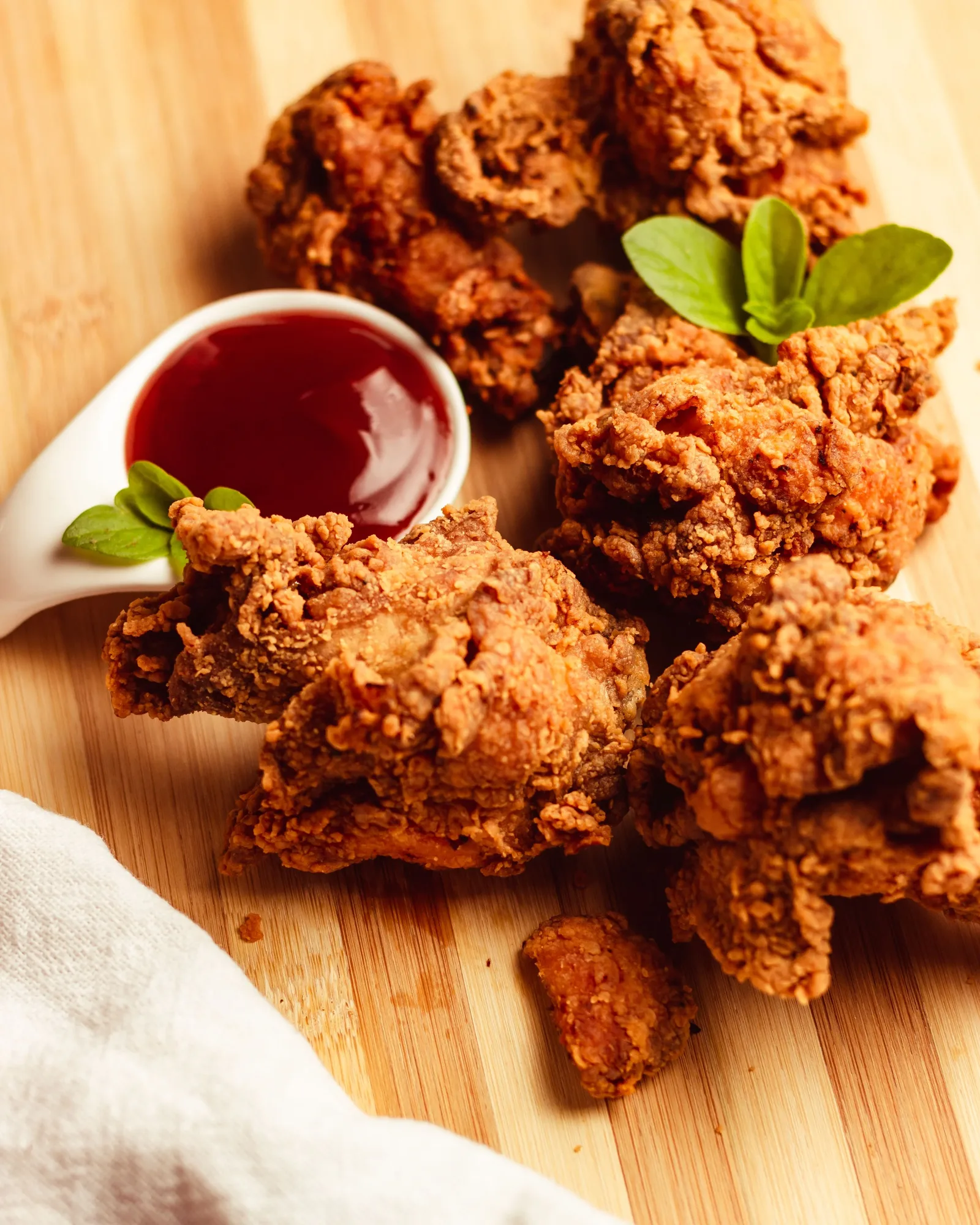 pakoras
Pakoras are closely associated with hospitality, rainy afternoons, family tea gatherings, and Ramadan iftar. Their ingredients are affordable, the recipe adapts easily to whatever vegetables are available, and a large batch can be shared without formal serving. That combination of warmth, convenience, and nostalgia keeps pakoras central to Pakistani home cooking.
Storage, Freezing, and Reheating
Refrigerating Cooked Pakoras
Cool the pakoras completely, then refrigerate them in an airtight container for up to 3 days. Place parchment between layers to reduce sticking.
Freezing Cooked Pakoras
Arrange cooled pakoras in one layer on a tray and freeze until firm. Transfer them to a freezer-safe bag or container. For best texture, use them within 1–2 months.
How to Reheat Pakoras
- Air fryer: Reheat at 180°C for 4–7 minutes.
- Oven: Reheat at 180°C for 8–12 minutes.
- Microwave: Avoid when possible because steam makes the coating soft.
Reheat frozen pakoras directly from frozen, adding a few extra minutes as needed.
Frequently Asked Questions
Why are my pakoras not crispy?
The most common causes are excess water, oil that is not hot enough, overcrowding, thick vegetable pieces, or stacking the pakoras while hot. Use a thick coating, fry in small batches, and drain on a rack.
Can I make pakoras without rice flour?
Yes. Besan alone makes traditional pakoras, but rice flour helps produce a lighter and longer-lasting crunch. Cornstarch or fine semolina can be used in small amounts as alternatives, though the texture will differ.
Do pakoras need baking soda?
No. Correct moisture control and frying temperature are enough. A very small pinch can make the coating lighter, but too much may create an unpleasant taste and excessive browning.
Can I prepare pakora batter in advance?
Mix the dry ingredients in advance, but add vegetables and water shortly before frying. Salted vegetables continue releasing water, so a fully mixed batter becomes thinner as it sits.
How do I stop pakoras from absorbing too much oil?
Heat the oil properly, avoid overcrowding, keep the batter thick, and let the oil recover between batches. Cold oil is the main reason pakoras become greasy.
Are pakoras gluten-free?
Pakoras made only with besan, rice flour, vegetables, and gluten-free spices contain no wheat ingredients. People with celiac disease should still check labels and cross-contamination risks.
What is the difference between pakoras and bhajis?
The names often overlap across South Asia and abroad. Onion bhajis commonly emphasize sliced onion, while pakora can describe a wider range of vegetables, paneer, meat, or mixed fillings coated in gram-flour batter.
Can uncooked pakora batter be frozen?
It is not recommended because vegetables release water after thawing. Freeze cooked pakoras instead and reheat them in an oven or air fryer.
How long should pakoras fry?
Small vegetable pakoras generally take about 4–6 minutes at a steady medium-hot temperature. Fry until deep golden, crisp outside, and fully cooked in the centre.
What is the best oil for frying pakoras?
Choose a neutral oil suitable for high-heat frying, such as sunflower, canola, or standard vegetable oil. Avoid strongly flavored oils that overpower the spices.
Final Tips for Crispy Pakoras Every Time
- Slice vegetables thinly and dry them well.
- Use besan with a small amount of rice flour.
- Add cold water gradually rather than guessing.
- Keep the mixture thick, rough, and vegetable-heavy.
- Maintain oil near 175–180°C.
- Fry small, loose clusters in uncrowded batches.
- Drain on a wire rack and never cover while hot.
Conclusion
Once you understand moisture, batter consistency, and oil temperature, learning how to make crispy pakoras becomes straightforward. Thin vegetables, a thick besan-and-rice-flour coating, small frying batches, and proper draining create pakoras that are golden, flavorful, and crisp rather than heavy or greasy.
Serve them hot with green chutney, tamarind chutney, or chai for a classic Pakistani snack that works for iftar, rainy evenings, family gatherings, and relaxed tea time.

Sahar Syed
Sahar Syed writes practical recipes, approachable food guides, and comforting home-cooking ideas for LaGrub.
Get a desi recipe worth cooking, every week
One tested recipe a week. Nothing else, and unsubscribe any time.


