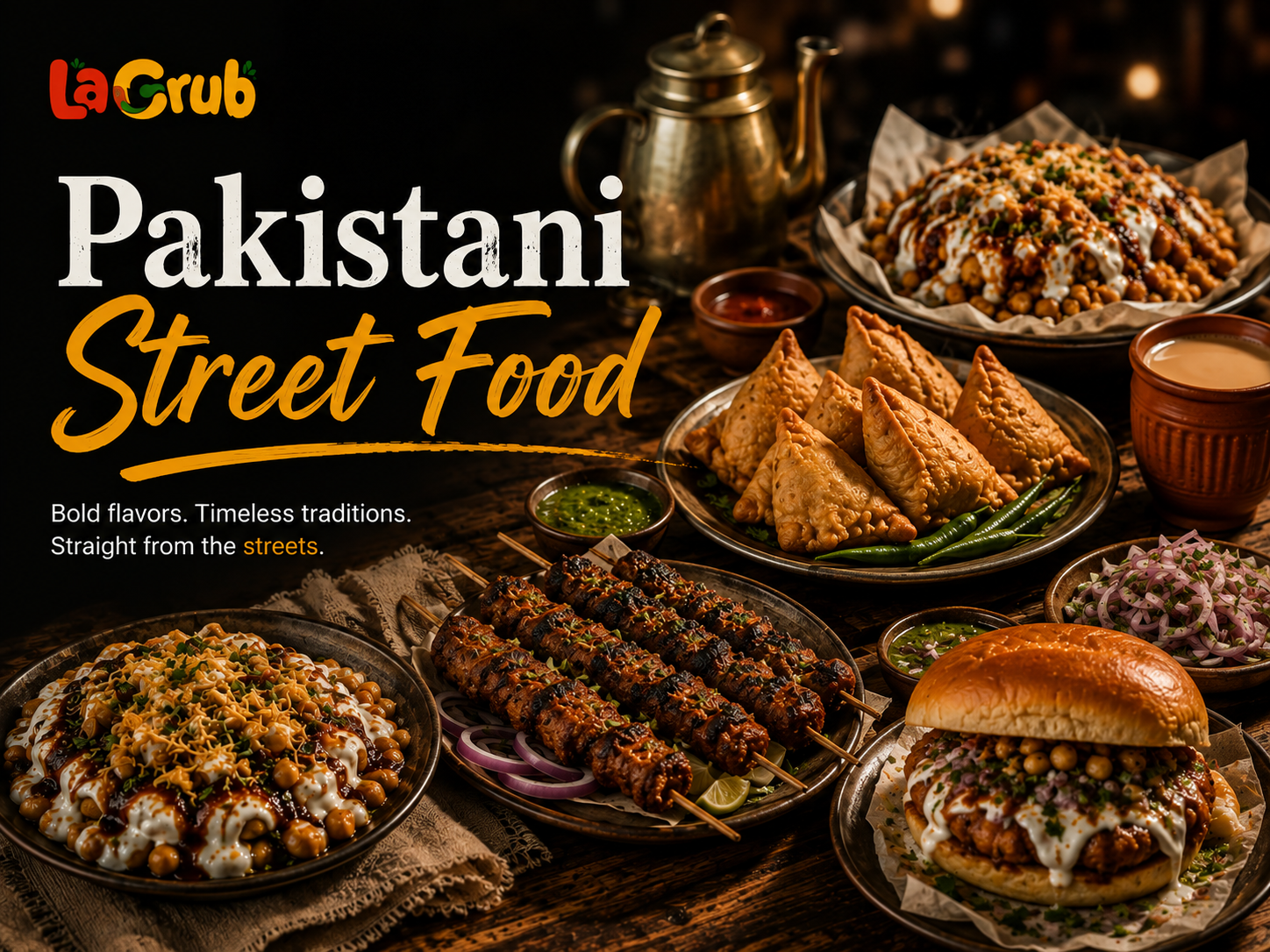
Discover the best Pakistani street food, from crispy samosas and spicy chaat to smoky kebabs, juicy bun kebabs, and hearty nihari. Explore the flavours, traditional snacks, famous dishes, regional favourites, and food culture that make Pakistani street food so special, and find out what you should try first.
Pakistani street food is all about bold flavours, fresh chutneys, smoky kebabs, crispy snacks, and meals served hot and full of character. From Lahore's famous food streets to Karachi's busy stalls and Peshawar's meat dishes, discover the best Pakistani street food, what locals love, and which foods you should try first.
What Is Pakistani Street Food?
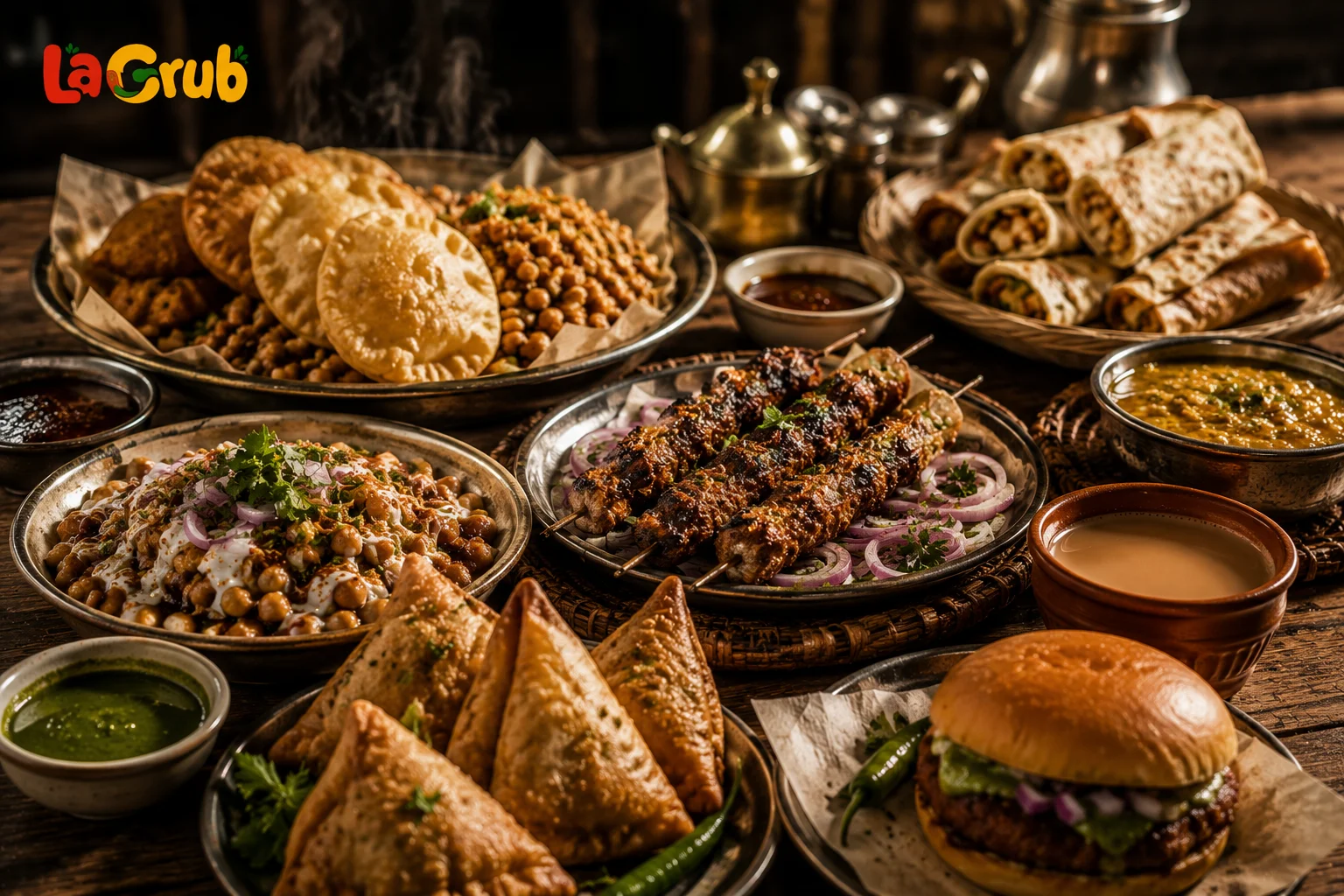
Pakistani street food is a big part of everyday food culture. It includes quick snacks, grilled meats, fried treats, spicy chaat, breakfast dishes, sweets, and drinks sold at roadside stalls, markets, food streets, and small local shops.
Unlike formal restaurant meals, street food is usually prepared quickly and served fresh. You may see a vendor frying samosas in a large wok, grilling kebabs over hot coals, preparing chaat in front of customers, or pouring steaming cups of chai.
The experience is just as important as the food. People stop for a quick breakfast before work, meet friends for evening snacks, or gather with family around a busy food stall. As a result, street food has become closely linked with daily life in Pakistan.
What makes it special is its variety. One street may offer crispy samosas and pakoras, while another is known for bun kebabs, grilled tikka, or slow-cooked nihari. This means there is no single definition of Pakistani street food. Every city and region adds its own flavours.
Why Is Pakistani Street Food So Popular?
There are several reasons why Pakistani street food has such a strong following. First, it is full of flavour. Vendors use fresh coriander, mint, green chillies, ginger, garlic, tamarind, yoghurt, and aromatic spices to build layers of taste.
Second, much of the food is cooked in front of you. Freshly fried snacks have a crisp texture, while grilled kebabs develop a smoky aroma from the open flame. Chaat is mixed just before serving, keeping the ingredients fresh and lively.
Finally, street food brings people together. A plate of chana chaat or a hot bun kebab can turn into a social experience. Friends can share snacks, families can try different dishes, and visitors can discover local flavours without sitting through a formal meal.
Famous Pakistani Street Foods to Try
Pakistan has an enormous range of street foods, but some dishes stand out because of their popularity and cultural importance.
1. Bun Kebab
Bun kebab is one of the most recognisable Pakistani street food favourites. It usually consists of a soft bun filled with a spiced kebab, chutney, onions, tomatoes, and sometimes an egg.
The combination is simple but incredibly satisfying. The kebab is savoury, the chutney adds heat and tang, and the soft bun brings everything together.
It is particularly popular as a quick meal because it is filling without being complicated.
2. Chapli Kebab
Chapli kebab is a speciality strongly associated with Khyber Pakhtunkhwa. It is made with minced meat mixed with spices, herbs, onions, tomatoes, and other flavourful ingredients.
The kebab is flattened before cooking, giving it crispy edges and a juicy centre. Fresh coriander and green chillies add even more flavour.
If you want to understand the meat-loving side of Pakistani street food, chapli kebab is an excellent place to start.
3. Seekh Kebab
The combination is simple but incredibly satisfying. The kebab is savoury, the chutney adds heat and tang, and the soft bun brings everything together.
It is particularly popular as a quick meal because it is filling without being complicated.
4. Samosa
The samosa needs little introduction. A thin pastry shell is filled with a spiced mixture, often potatoes and peas, before being fried until golden and crisp.
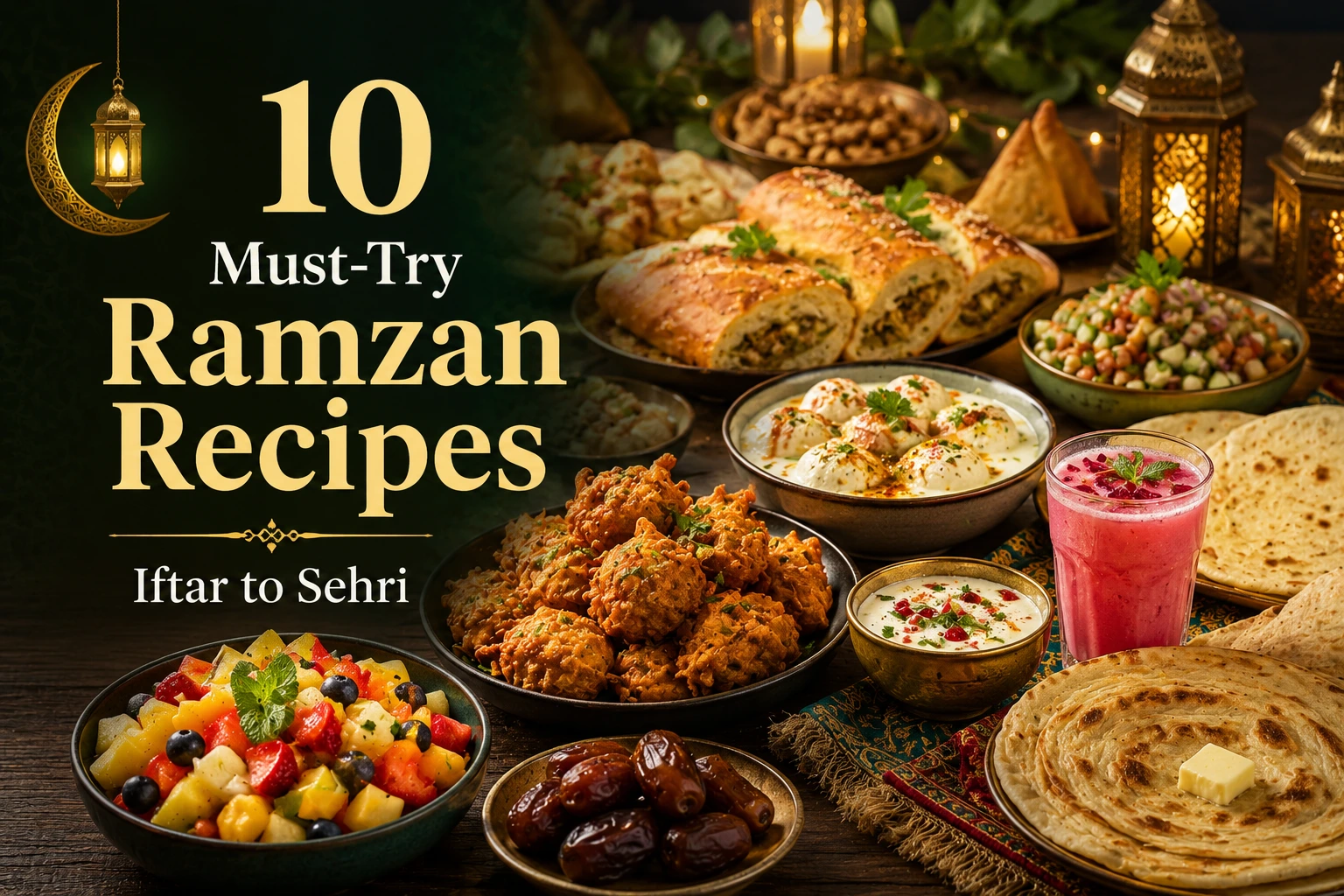
Meat-filled versions are also popular. Samosas are especially common during Ramadan, tea time, and evening snack sessions.
Their crisp shell and savoury filling make them one of the easiest Pakistani snacks for first-time visitors to try.
5. Pakora
Pakoras are vegetables or other ingredients coated in a seasoned gram-flour batter and fried until crisp. Potato, onion, spinach, and mixed vegetable versions are common.
They are particularly popular during rainy weather and Ramadan. A plate of hot pakoras with chutney and chai is a classic Pakistani combination.
6. Gol Gappay
Gol gappay are crispy hollow shells filled with spiced water, chickpeas, potatoes, chutney, and other toppings. They are eaten in one bite, making the experience messy, tangy, spicy, and fun.
The exact filling and water can vary from one city to another, so trying them in different places can be surprisingly interesting.
7. Chana Chaat
Chana chaat combines chickpeas with potatoes, onions, tomatoes, coriander, chutney, spices, and often yoghurt.
It offers several flavours at once: savoury chickpeas, tangy tamarind, fresh herbs, creamy yoghurt, and a gentle kick from chillies.
Because it is filling and affordable, chana chaat is a popular choice for a quick snack.
8. Dahi Bhallay
Dahi bhallay are soft lentil dumplings covered with creamy yoghurt, chutneys, spices, and fresh herbs. The contrast between soft bhallay, cool yoghurt, and tangy chutney makes them especially enjoyable.
This is a good option for people who prefer something less meat-heavy.
9. Nihari
Although nihari is often enjoyed at dedicated restaurants rather than a simple roadside stall, it is an essential part of Pakistan's food culture.
This slow-cooked beef dish is rich, warming, and deeply flavoured. It is traditionally enjoyed with naan and garnishes such as ginger, coriander, green chillies, and lemon.
For many people, nihari is more than a meal. It is associated with weekend breakfasts, family gatherings, and traditional Pakistani cooking.
10. Haleem
Haleem combines meat, lentils, wheat or barley, and spices. Everything is cooked slowly until the mixture becomes thick and smooth.
It is especially popular during Ramadan and is often served with fried onions, ginger, coriander, green chillies, and lemon.
11. Chicken Tikka
Chicken tikka is made from marinated pieces of chicken cooked over high heat. The outside becomes slightly charred while the inside remains juicy.
It is usually served with chutney, salad, and naan. The smoky cooking method makes it one of the most enjoyable Pakistani street food dishes for barbecue lovers.
12. Halwa Puri
Halwa puri is a famous Pakistani breakfast combination. Fluffy puris are served with sweet halwa, chickpeas, potatoes, and sometimes other curries.
The contrast between sweet halwa and spicy or savoury sides makes the meal unique. It is particularly popular for weekend breakfasts and family outings.
13. Aloo Tikki
Aloo tikki is a crispy potato-based snack seasoned with spices and fried until golden. It may be served with chutneys, yoghurt, chickpeas, or other toppings.
It is affordable, filling, and easy to customise, making it a popular street snack.
14. Bun Kebab Variations
Different vendors put their own spin on bun kebabs. Some add fried eggs, cheese, extra chutney, or different types of kebabs.
This is part of what makes street food exciting. A familiar dish can taste completely different depending on where you buy it.
15. Fried Fish
In cities and regions with strong seafood traditions, fried fish is another important street food choice. Fish is seasoned with spices before being coated or simply fried until crisp.
It is commonly served with chutney, salad, and lemon.
16. Barbecue Rolls
Rolls filled with seekh kebab, chicken tikka, or other grilled meats are popular for people looking for a quick meal.
Fresh paratha or flatbread wraps the meat together with chutney, onions, and sauces. They are convenient, filling, and full of smoky flavour.
17. Jalebi
Street food is not only savoury. Jalebi is a bright, crispy sweet made by frying a spiral-shaped batter and soaking it in sugar syrup.
It is best enjoyed fresh while the outside remains crisp and the syrup is warm.
18. Gola Ganda
Gola ganda is a colourful shaved-ice treat covered with sweet syrups. It is particularly popular in hot weather and is enjoyed by children and adults alike.
19. Kashmiri Chai
Pink Kashmiri chai is a rich tea often served with milk, salt, and nuts. It is especially associated with winter and special gatherings.
20. Chai
No discussion of Pakistani street food culture would be complete without chai. Tea stalls are found throughout the country, and a cup of hot chai can accompany almost any snack.
For a homemade version, try LaGrub's Masala Chai recipe, which combines black tea with milk, ginger, cardamom, cinnamon, and warm spices.
Pakistani Street Food by City
Pakistan's street food changes from region to region. Local ingredients, history, climate, and traditions all influence what people eat.
Lahore Street Food
Lahore is famous for its food culture. Food streets and local markets offer everything from nihari and haleem to kebabs, chaat, fried snacks, and traditional sweets.
The city's food culture is bold and generous. Rich gravies, grilled meats, fresh naan, and spicy chutneys are common choices.
Karachi Street Food
Karachi's food culture reflects its diverse population and coastal location. Biryani, bun kebab, rolls, fried fish, chaat, barbecue, and spicy snacks are widely loved.
Bun kebab is particularly associated with Karachi's casual food scene, while seafood also has an important place.
Peshawar Street Food
Peshawar is well known for meat dishes and simple but powerful flavours. Chapli kebab is one of its most famous specialities.
The regional approach often allows high-quality meat, smoke, salt, herbs, and spices to speak for themselves.
Islamabad and Rawalpindi
The Islamabad-Rawalpindi area offers a broad mixture of traditional and modern food. Visitors can find chaat, kebabs, rolls, samosas, pakoras, barbecue, and tea alongside restaurants serving regional Pakistani dishes.
The food scene also brings together flavours from different parts of the country.
Multan and Other Regions
Multan is famous for its traditional food culture and sweets, while Sindh, Balochistan, and other regions contribute their own dishes and cooking styles.
This regional variety is one of the strongest reasons Pakistani street food deserves to be explored beyond the most famous dishes.
Is Pakistani Street Food Spicy?
Some Pakistani street food is spicy, but not everything is extremely hot.
Spices are used to create flavour, aroma, colour, and depth. Chilli is only one part of the seasoning. Cumin, coriander, black pepper, chaat masala, ginger, garlic, mint, and tamarind all contribute to the final taste.
Chutneys can also increase the heat. Green chilli chutney may be fiery, while yoghurt-based sauces can make a dish cooler and milder.
If you are new to Pakistani food, start with a small amount of chutney and add more as you become comfortable with the heat.
Pakistani Breakfast Street Food
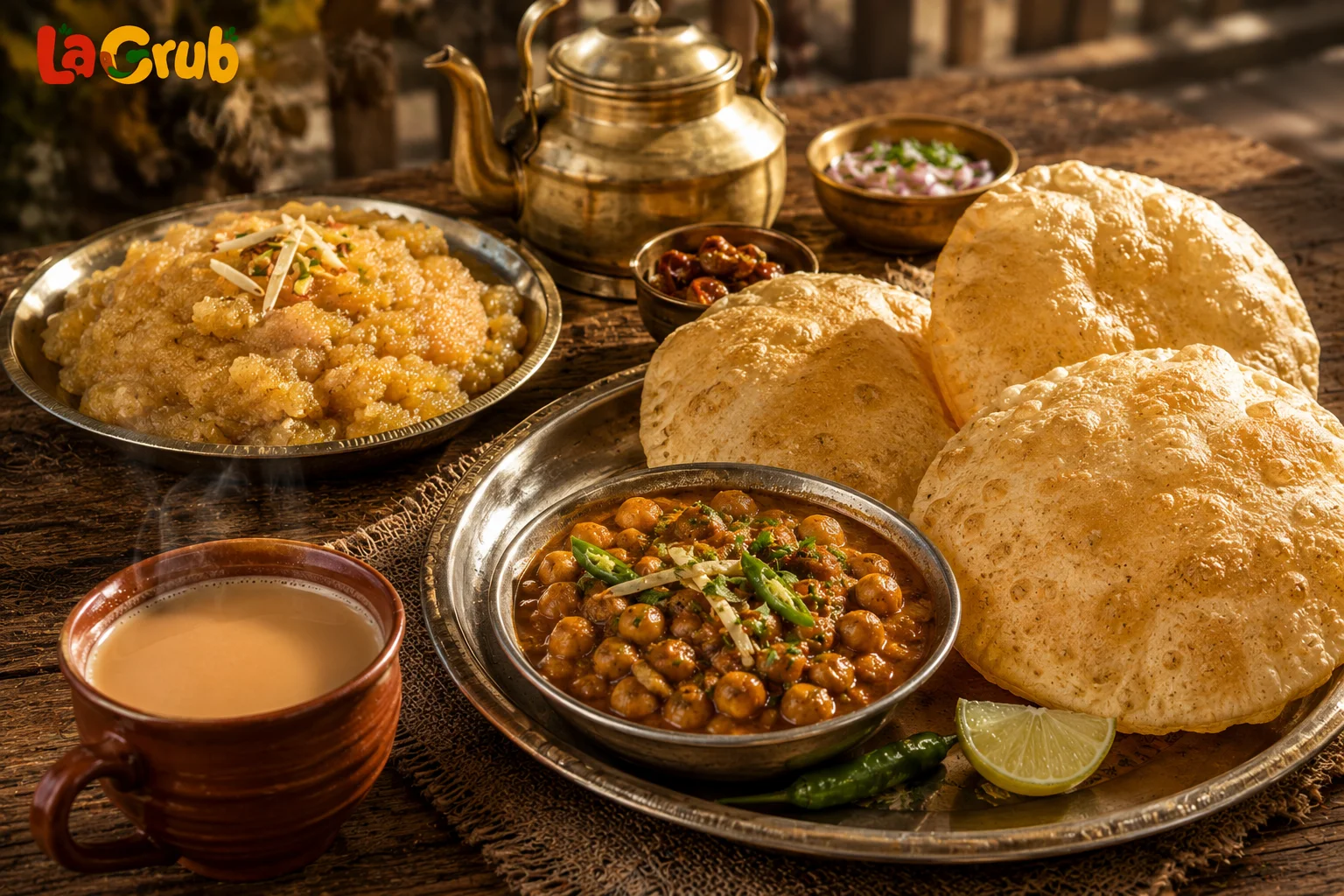
Breakfast is an important part of Pakistani food culture, and street-style breakfasts can be wonderfully filling.
Halwa puri, chana, paratha, omelettes, nihari, and chai are popular choices. These meals are often enjoyed slowly with family or friends rather than eaten as a quick snack.
Weekend breakfast can become a social event. People may visit a local food spot early in the morning, order several dishes for the table, and share everything.
This is one reason Pakistani food culture feels so connected to community.
Vegetarian Pakistani Street Food
Although Pakistan is well known for meat dishes, there are plenty of vegetarian options.
Samosas, pakoras, chana chaat, dahi bhallay, gol gappay, aloo tikki, halwa puri, and many potato-based snacks can be enjoyed without meat.
Chickpeas, lentils, potatoes, yoghurt, vegetables, and herbs create filling dishes without relying on meat.
So, if you are vegetarian, you do not need to miss out on the Pakistani street food experience.
What Makes Pakistani Street Food Taste So Good?
The answer is not just one spice. It is the combination of ingredients and cooking techniques.
Fresh coriander adds brightness. Mint brings freshness. Tamarind creates tanginess. Green chillies add heat. Ginger and garlic create a savoury base, while roasted spices add warmth.
Texture also matters. Crispy samosas are paired with soft fillings. Chaat combines crunchy, creamy, soft, sweet, and tangy ingredients. Kebabs have charred edges and juicy centres.
Freshness is another key factor. Street food is often prepared in small batches throughout the day, so customers can enjoy food while it is hot and crisp.
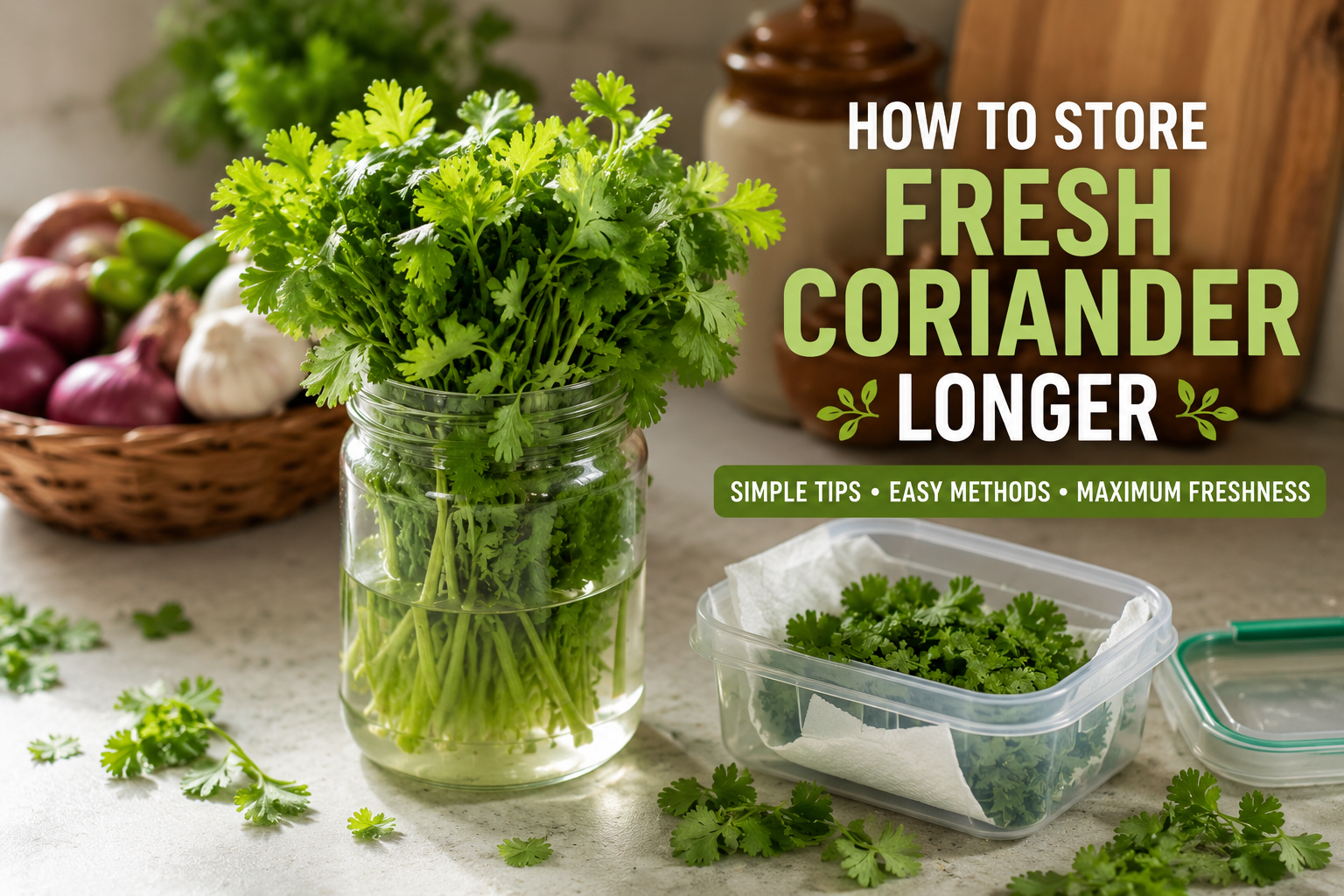
If you enjoy the fresh herbs used in many Pakistani dishes, learn how to keep coriander fresh longer with LaGrub.
Pakistani Street Food vs Restaurant Food
Street food and restaurant food can offer very different experiences.
Street food is often fast, casual, affordable, and highly focused. A vendor may specialise in one dish and prepare it hundreds of times each day.
Restaurants usually offer a larger menu, more seating, and a slower dining experience. The presentation may also be more formal.
Neither is automatically better. Street food gives you the energy and spontaneity of local food culture, while restaurants provide comfort and variety.
For anyone exploring Pakistani street food, trying both styles gives a fuller picture of the cuisine.
What Pakistani Street Food Should You Try First?
If you are trying Pakistani food for the first time, you do not need to order everything at once.
Start with a mixture of textures and flavours:
Bun kebab for a classic quick meal.
Chapli kebab for smoky, meaty flavour.
Chana chaat for something tangy and fresh.
Samosa or pakora for a crispy snack.
Gol gappay for a fun street-food experience.
Nihari for a rich traditional meal.
Jalebi for a sweet finish.
Add chai and you have a simple introduction to the variety of Pakistani food culture.
How to Enjoy Pakistani Street Food Like a Local
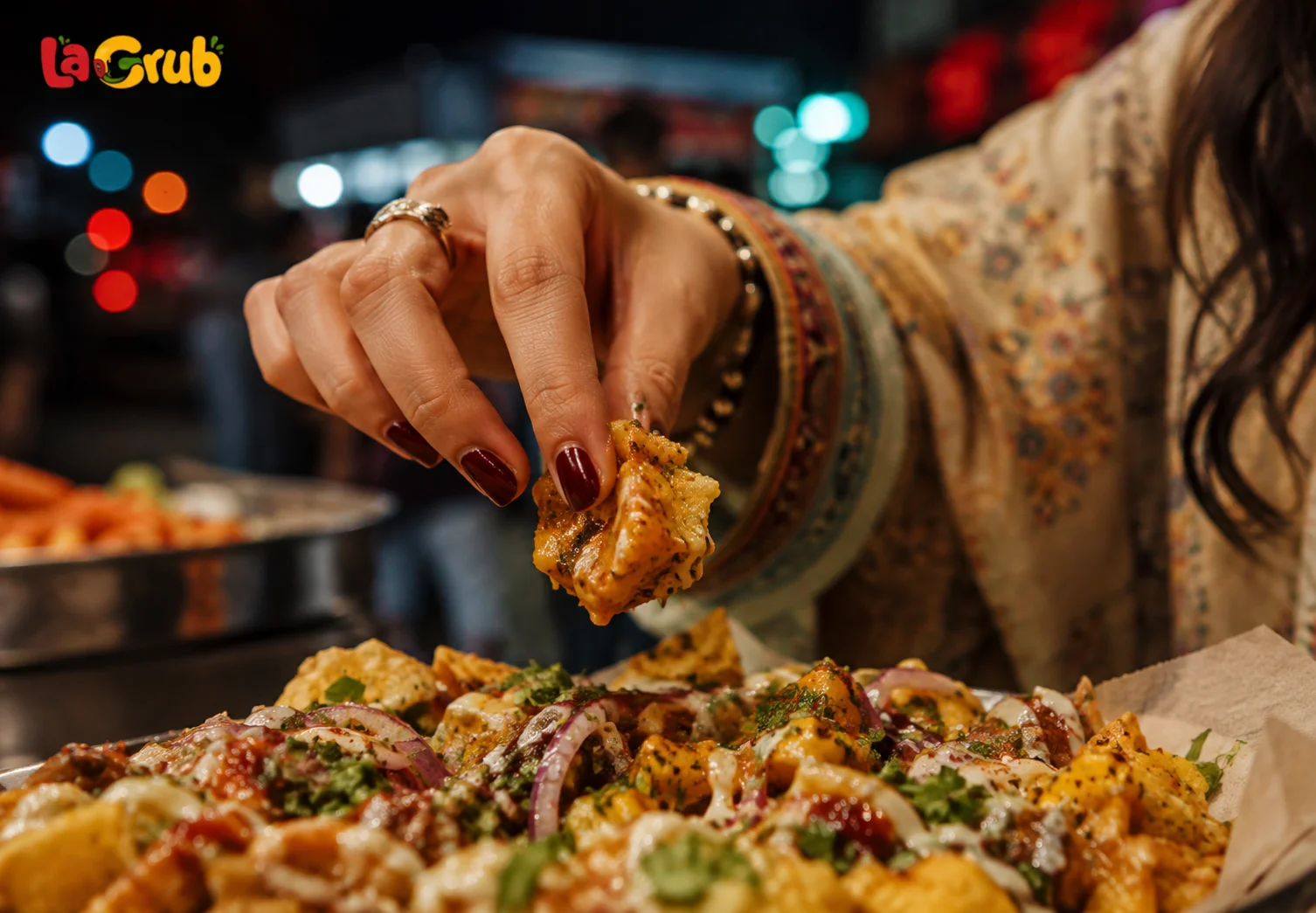
The best approach is to explore gradually. Look for busy stalls where food is being prepared regularly and dishes are served hot and fresh.
Try smaller portions when possible so you can sample several foods. Street food is about variety, so there is no need to fill up on the first dish.
Also, pay attention to regional differences. A kebab in Peshawar may taste different from one in Karachi. Chaat recipes can change from city to city, and even the same dish may have a different spice balance at another stall.
That variety is part of the fun.
Frequently Asked Questions
What is the most popular Pakistani street food?
There is no single answer because preferences vary by city and person. Bun kebab, samosas, pakoras, chaat, gol gappay, seekh kebabs, and chapli kebabs are among the most popular choices.
What Pakistani street food should tourists try?
First-time visitors can start with bun kebab, chapli kebab, gol gappay, chana chaat, samosas, nihari, and jalebi. These dishes offer a good mix of savoury, spicy, tangy, crispy, and sweet flavours.
Is Pakistani street food very spicy?
Some dishes can be hot, but many are mild to moderately spiced. Chutneys often add extra heat, so you can control the intensity by adding them gradually.
What is famous street food in Lahore?
Lahore is known for dishes such as nihari, haleem, kebabs, chaat, samosas, pakoras, barbecue, naan, and traditional sweets. The city is particularly famous for its vibrant food streets and strong food culture.
What Vegetarian Pakistani Street Food Can I Try?
Good vegetarian choices include samosas, pakoras, chana chaat, dahi bhallay, gol gappay, aloo tikki, halwa puri, and several chickpea and potato-based snacks.
Conclusion
Pakistani street food is far more than a collection of snacks. It is a living part of Pakistan's food culture, bringing together smoky kebabs, crispy samosas, tangy chaat, hearty breakfasts, sweet treats, refreshing drinks, and regional specialities.
From bun kebab and chapli kebab to gol gappay, nihari, haleem, halwa puri, and chai, every dish tells a small story about local taste and tradition.
The best part is that there is always something new to discover. Each city, neighbourhood, and food stall can offer its own version of a familiar favourite.
Ready to explore more authentic flavours? Visit LaGrub's recipe collection for traditional recipes, modern favourites, and food inspiration you can bring into your own kitchen.

Maimoona Ehtisham
Maimoona Ehtisham writes for LaGrub on cooking, recipes, and mindful culinary living.
Join the Conversation
Log in to read and share comments, recipes tips, and connect with other food lovers.