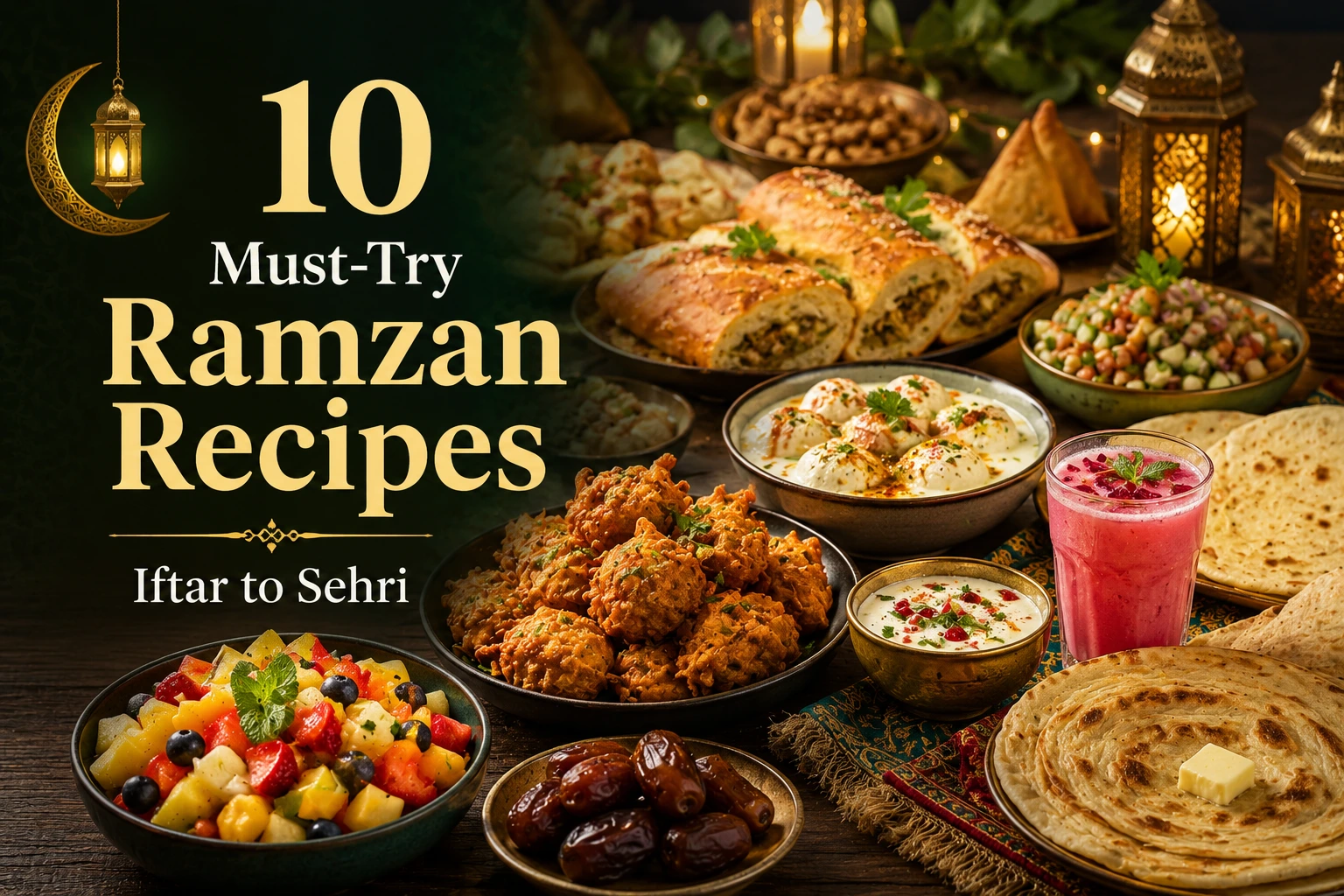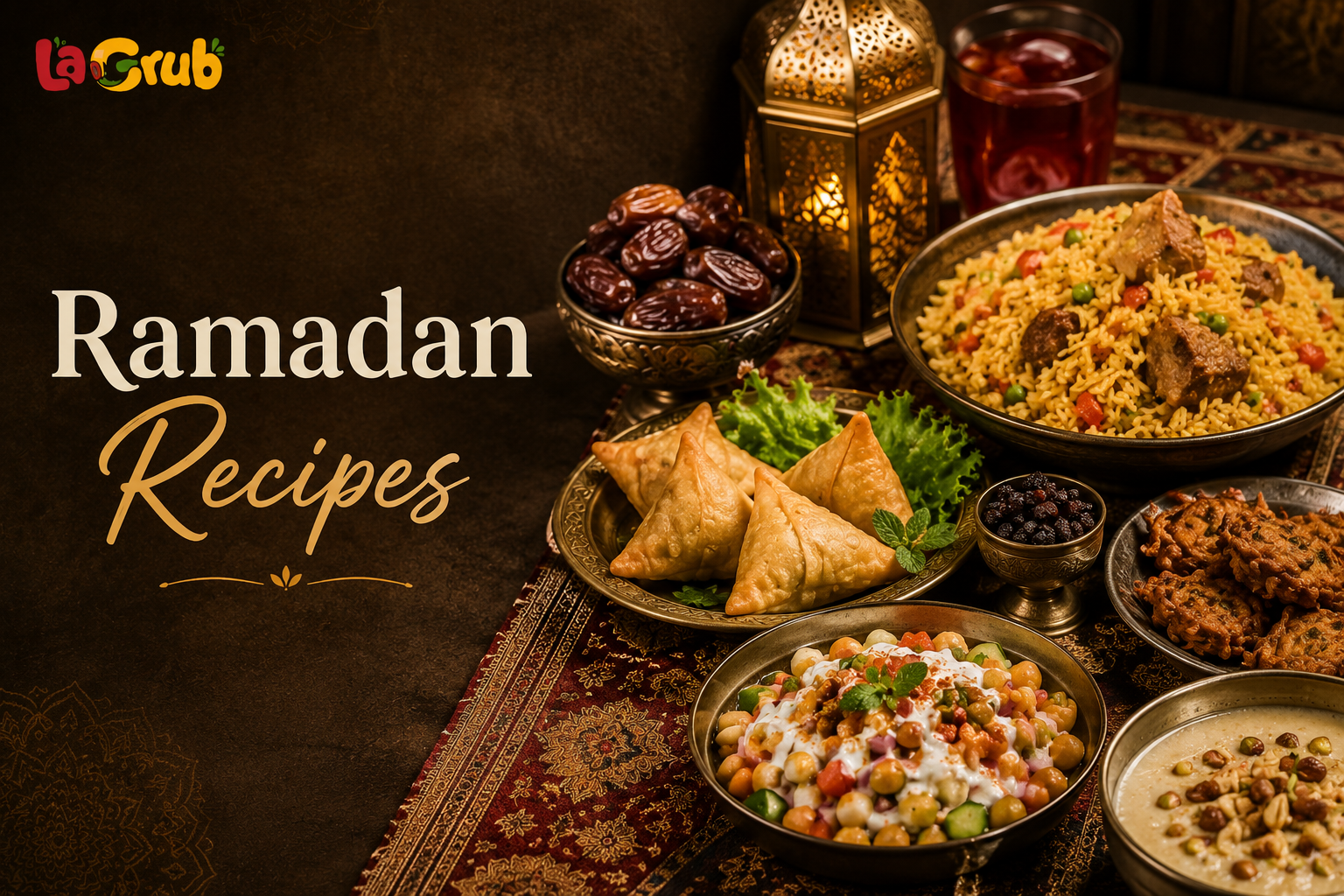
Looking for delicious Ramadan recipes for Iftar and Suhoor? From crispy samosas, pakoras, and chana chaat to filling eggs, oats, daal, and traditional Pakistani dishes, discover easy Ramadan food ideas for busy families, healthy meals, budget-friendly cooking, make-ahead preparation, and memorable Iftar gatherings throughout the holy month.
Looking for Ramadan recipes that make Iftar and Suhoor easier? From crispy samosas, chana chaat, and hearty soups to filling eggs, oats, rice, and simple curries, this guide brings together practical Ramadan food ideas for busy families, affordable meals, healthy choices, make-ahead dishes, and memorable Iftar gatherings.
What Makes a Good Ramadan Meal?
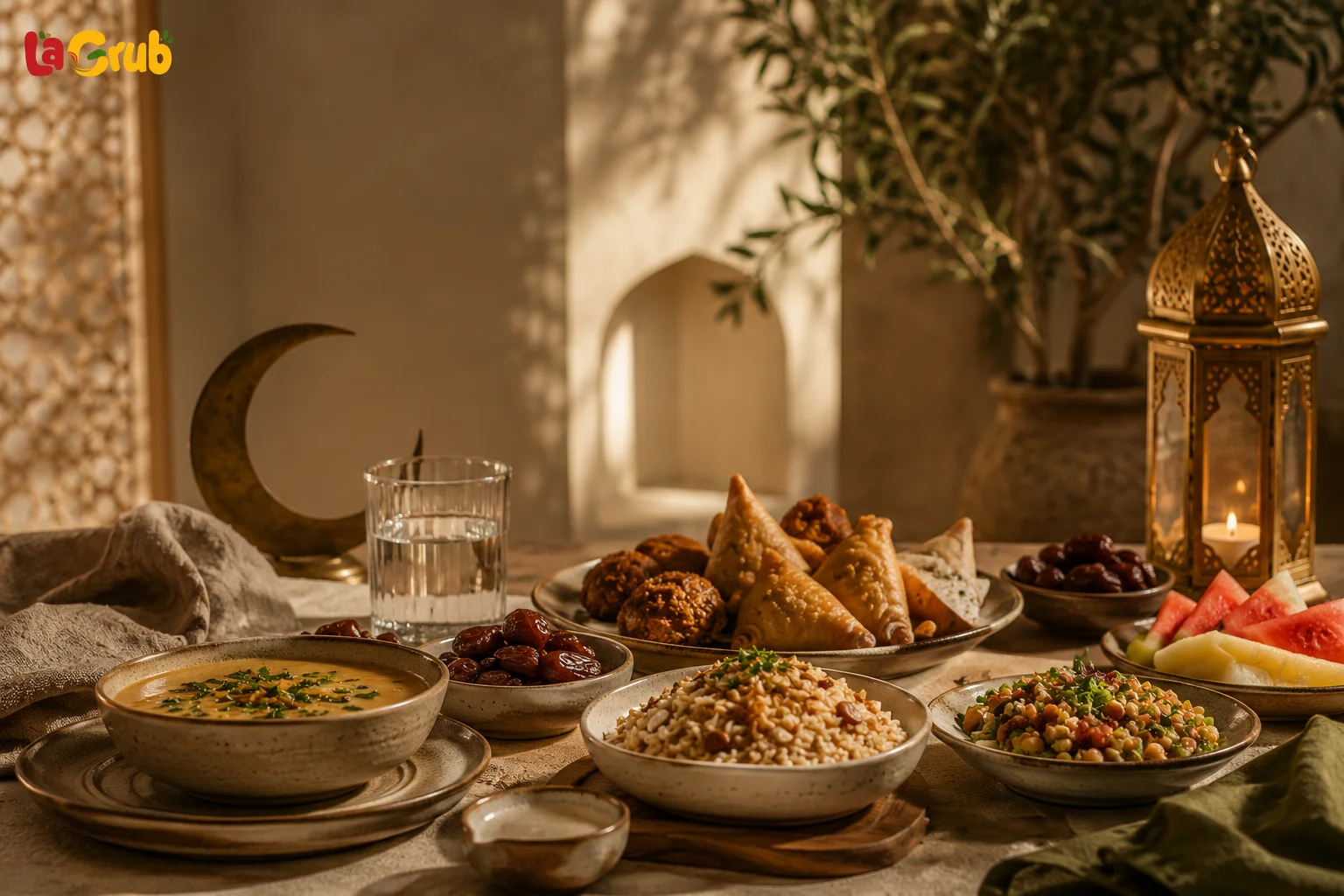
The best Ramadan recipes are not always the most complicated ones. During Ramadan, food needs to be practical, satisfying, and easy to prepare. After a long day of fasting, many families want a comforting Iftar without spending hours cooking.
A good Ramadan meal can include a few simple parts: something light to break the fast, a small appetiser, a filling main meal, and fruit or a simple dessert. Suhoor, meanwhile, should be easy to eat early in the morning and can include foods such as eggs, yoghurt, oats, whole grains, fruit, and other everyday ingredients.
There is also no need to prepare a huge spread every evening. A few well-chosen dishes can make Iftar feel special while keeping cooking manageable.
For more desi meal inspiration, explore LaGrub's complete recipe collection.
Easy Ramadan Recipes for Iftar
Iftar is the meal eaten after the fast, so many families look forward to a mix of traditional snacks and comforting main dishes. However, you do not need to make every favourite dish on the same day.
Choose a few recipes that complement each other. For example, a crispy appetiser can be served with a fresh chaat, followed by a simple curry and rice.
Samosas
Samosas are among the most popular Ramadan recipes for Iftar. Their crisp pastry and spiced filling make them a favourite across South Asian households.
Potato and pea samosas are easy to prepare in batches. You can also make chicken or minced-meat versions when you want something more filling.
One of the biggest advantages is that samosas can be prepared ahead of time. Make them earlier, refrigerate or freeze them appropriately, and cook them when needed.
Pakoras
Pakoras are another classic Iftar snack. Onions, potatoes, spinach, or mixed vegetables can be coated in seasoned gram-flour batter and cooked until crisp.
They are especially popular during Ramadan because they are quick to serve and pair beautifully with mint or tamarind chutney.
However, you do not need a large plate. A small serving alongside fruit, dates, and a main meal can be enough.
Chana Chaat
Chana chaat gives the Iftar table a fresh and tangy option. Chickpeas are mixed with potatoes, tomatoes, onions, coriander, green chillies, chutneys, and spices.
The recipe is also easy to customise. Add yoghurt for creaminess or reduce the chilli for a milder version.
Because most of the ingredients can be prepared earlier, chana chaat is also useful when hosting guests.
Fruit Chaat
Fruit chaat is a simple way to add fresh fruit to the Iftar table. Apples, bananas, oranges, grapes, melon, and other seasonal fruits can be combined with lemon juice and a little chaat masala.
Keep the seasoning light so the natural sweetness of the fruit remains noticeable.
Chicken Rolls
Chicken rolls are ideal when you want something more substantial than a small appetiser. Cooked chicken can be combined with onions, coriander, green chillies, and spices before being wrapped in paratha or another flatbread.
They can also be prepared in advance, making them useful for busy Iftar days.
Traditional Pakistani Ramadan Recipes
For many families, Ramadan food is closely connected with tradition. Certain dishes appear on the table because they have been enjoyed for generations.
Haleem
Haleem is a rich, slow-cooked dish made with grains, lentils, meat, and spices. The ingredients cook together until they form a thick, smooth mixture.
It is filling and works well as a main Iftar dish. Fresh coriander, fried onions, ginger, green chillies, and lemon can be used as toppings.
Haleem also works well when cooked in larger quantities, making it practical for families.
Chicken Karahi
Chicken karahi brings bold flavour without requiring a complicated ingredient list. Chicken is cooked with tomatoes, ginger, garlic, green chillies, and spices in a traditional karahi-style pan.
Serve it with naan, roti, or rice for a satisfying family meal.
Daal
Daal is one of the simplest and most useful Ramadan food ideas. Lentils are affordable, versatile, and easy to cook in a large batch.
A simple daal can be served with rice, roti, or naan. Add fried onions, coriander, green chillies, or a tempering of spices for extra flavour.
Biryani
Biryani is a popular choice for larger Iftar gatherings because one pot can feed several people.
Chicken, rice, yoghurt, herbs, fried onions, and spices create a fragrant meal that feels festive. However, because biryani is more involved than some quick Ramadan meals, it may be better suited to weekends or special gatherings.
If you are making rice for Iftar, learn how to cook basmati rice perfectly with LaGrub.
What Should You Eat for Suhoor?
Suhoor is just as important as Iftar when planning Ramadan recipes. Since it takes place before the fast begins, many people prefer meals that are simple, filling, and easy to prepare.
There is no single perfect Suhoor meal. Instead, focus on creating a balanced plate that suits your normal eating habits.
Good options include:
Eggs with whole-grain toast
Oats with fruit and yoghurt
Chickpeas with roti
Yoghurt with fruit and nuts
Vegetable omelettes
Egg sandwiches
Paratha with eggs
Overnight oats
Simple leftover meals
Eggs and Toast
Eggs are quick to prepare and can be cooked in several ways. Pair them with toast, vegetables, and yoghurt for a simple Suhoor.
An omelette with onions, tomatoes, spinach, and mild spices is another easy option.
Overnight Oats
Overnight oats are useful when you do not want to cook at Suhoor.
Combine oats with milk or yoghurt and leave them in the refrigerator overnight. In the morning, add fruit, nuts, seeds, or a small amount of honey.
The recipe can be prepared in individual jars, which makes it especially convenient for busy families.
Yoghurt and Fruit Bowl
A yoghurt bowl requires almost no cooking. Combine plain yoghurt with fruit, oats, nuts, or seeds.
It can be prepared the night before and taken straight from the refrigerator at Suhoor.
Egg Paratha Roll
An egg paratha roll can be filling and easy to customise. Add a cooked egg, mild spices, coriander, and vegetables to a paratha.
For a lighter option, use less oil when preparing the egg and paratha.
What Foods Can Help You Feel Fuller During Ramadan?
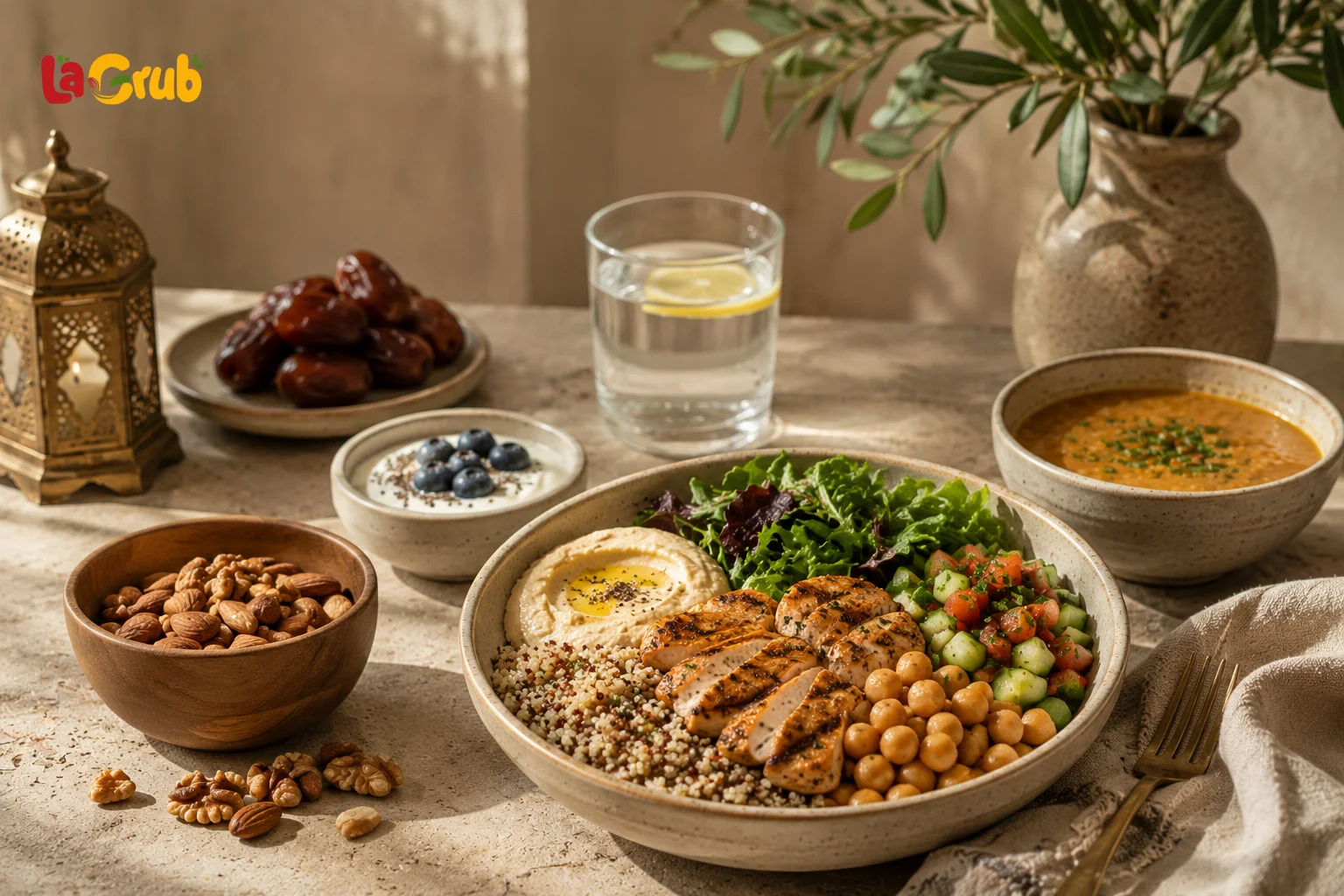
When planning Ramadan recipes, it helps to think beyond individual dishes. A meal containing different food groups can be more satisfying than one based mainly on fried snacks or refined carbohydrates.
For Suhoor, consider combining protein-rich foods such as eggs, yoghurt, lentils, chickpeas, or other suitable options with fibre-rich foods such as oats, whole grains, vegetables, and fruit.
Fluids are also important. Water should remain part of your normal routine between Iftar and Suhoor.
The goal is not to find one magical ingredient. Instead, build meals that are balanced, familiar, and satisfying.
Healthy Ramadan Recipes for Iftar
Ramadan does not mean you have to give up your favourite foods. Instead, you can create variety throughout the week.
If you have fried samosas one day, choose grilled chicken or lentil soup another day. If Iftar includes a rich curry, add a fresh salad or yoghurt-based side.
Lentil Soup
Lentil soup is warm, comforting, and simple to prepare. Lentils can be cooked with onions, garlic, carrots, tomatoes, and mild spices before being blended or served as they are.
It can be prepared in advance and gently reheated for Iftar.
Grilled Chicken
Marinated chicken pieces can be grilled, baked, or air-fried instead of deep-fried.
Use yoghurt, lemon, ginger, garlic, cumin, coriander, and other spices for a flavourful marinade.
Serve with salad, yoghurt, chutney, or rice.
Cucumber and Yoghurt Salad
A simple yoghurt and cucumber salad can bring freshness to a rich Iftar meal.
Combine chopped cucumber with yoghurt, coriander, mint, salt, and a little cumin. Keep it chilled until serving.
Cheap Ramadan Recipes for Families
Cooking every day for a large family can become expensive, especially when every meal includes several dishes. Fortunately, some of the best Ramadan recipes use inexpensive ingredients.
Lentils, potatoes, chickpeas, rice, eggs, seasonal vegetables, flour, and yoghurt can all form the basis of filling meals.
Daal Chawal
Daal chawal is a classic example of an affordable meal. Lentils provide the base while rice makes the meal more substantial.
You can change the flavour with different tempering spices, herbs, or vegetables.
Aloo Gosht
Aloo gosht combines meat with potatoes, making a relatively small amount of meat stretch further across a family meal.
Serve it with roti or rice and a simple salad.
Chickpea Curry
Chickpeas can be turned into a hearty curry with onions, tomatoes, garlic, ginger, and spices.
Cook a larger batch and use leftovers for chana chaat or another meal the following day.
Ramadan Meal Prep: What Can You Prepare Ahead?
Meal preparation can make Ramadan much easier. Instead of starting every dish from scratch shortly before Iftar, prepare ingredients earlier.
You can:
Chop onions and vegetables.
Prepare chutneys.
Cook chickpeas.
Boil potatoes.
Marinate chicken.
Prepare kebab mixtures.
Make samosas and other freezer-friendly snacks.
Cook larger batches of curry or daal.
Prepare overnight Suhoor meals.
The key is organisation. Label prepared food clearly and store it safely according to the type of ingredient.
Prepare Iftar Components Separately
You do not need to cook the whole meal in advance.
For chaat, prepare the chickpeas, potatoes, chutneys, and toppings separately. Assemble everything shortly before serving.
For chicken rolls, prepare the filling earlier and warm the bread or paratha when it is time to eat.
This saves time while keeping the food fresh.
Easy Ramadan Recipes When You Are Tired
After a day of fasting, complicated cooking can feel overwhelming. That is why having a few quick Ramadan recipes in your weekly plan is useful.
Try meals such as:
Egg wraps
Chicken sandwiches
Chana chaat
Daal with rice
Grilled chicken
Vegetable omelettes
Lentil soup
Yoghurt bowls
Leftover curry with roti
There is nothing wrong with keeping Iftar simple. Ramadan is not a competition to see who can prepare the biggest meal.
A simple meal enjoyed together can be just as meaningful as a large spread.
Ramadan Recipes for Hosting Iftar
Hosting Iftar can be enjoyable, but preparing too many dishes at once can create unnecessary stress.
Instead, plan a simple menu with different textures and flavours.
For example:
Starter: Dates and water
Appetiser: Samosas or pakoras
Fresh side: Chana or fruit chaat
Main: Chicken karahi with rice or naan
Dessert: A simple traditional sweet
You can also serve chutneys, yoghurt, salad, and fruit around the main dishes.
The goal is variety without making every dish from scratch on the same day.
Ramadan Food for Families

Family meals work best when there is something for everyone. Children may prefer mild food, while adults may enjoy stronger spices.
Make one main dish and offer flexible sides. For example, serve chicken curry with rice, yoghurt, cucumber, and chutney. Each person can adjust their plate.
For younger children, keep chilli low and offer familiar foods such as eggs, rice, yoghurt, fruit, sandwiches, or mild chicken.
How to Plan a Simple Ramadan Food Week
Planning seven completely different meals can make cooking feel harder than it needs to be.
Instead, create a flexible weekly pattern.
Monday: Chicken curry with rice and salad
Tuesday: Daal, roti, chana chaat
Wednesday: Grilled chicken with yoghurt and vegetables
Thursday: Biryani with raita
Friday: Haleem with naan
Saturday: Kebabs, salad, and rice
Sunday: Leftover-friendly meal or family favourite
You can change the dishes according to your family's preferences, budget, and available ingredients.
This approach also reduces food waste because ingredients can be used across multiple meals.
Ramadan Desserts and Sweet Treats
Sweet dishes can be part of Ramadan gatherings, but they do not need to appear at every meal.
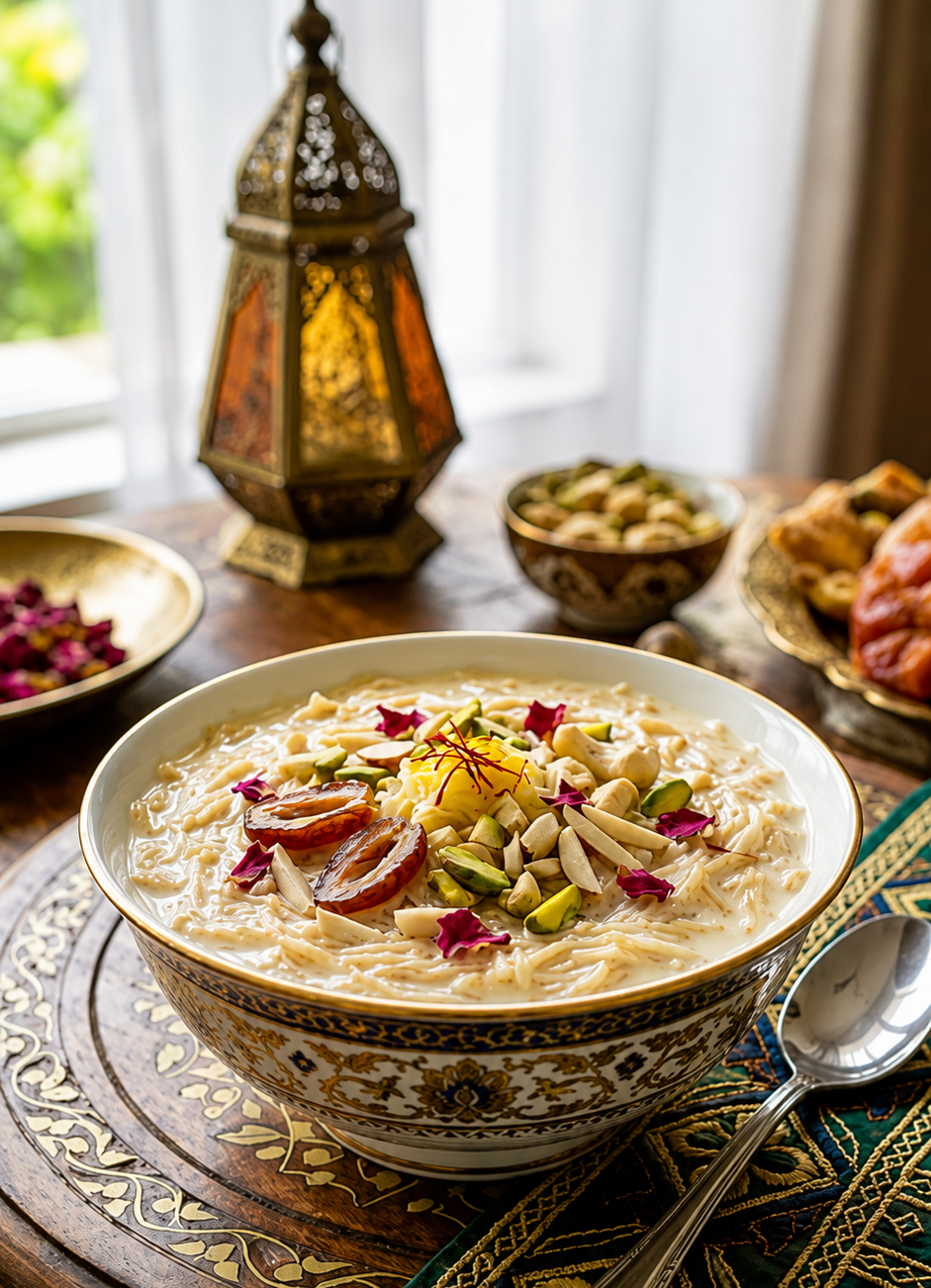
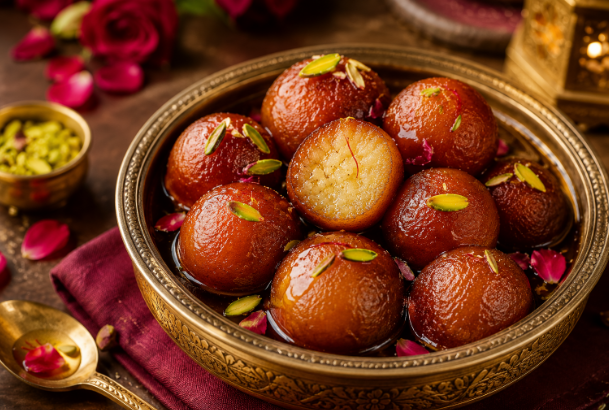
Traditional choices include kheer, shahi tukray, jalebi, fruit-based desserts, and other milk or vermicelli sweets.
For a traditional Pakistani dessert, try LaGrub's Classic Shahi Tukray recipe. It uses bread, milk, cardamom, nuts, and other simple ingredients to create a rich dessert suitable for family gatherings.
How to Make Ramadan Cooking Less Stressful
The easiest way to simplify Ramadan cooking is to stop treating every Iftar as a feast.
Choose a few reliable recipes that your family enjoys. Rotate them throughout the month and introduce new dishes when you have time.
Keep basic ingredients ready, prepare freezer-friendly foods ahead, and use leftovers creatively.
Most importantly, leave room for flexibility. Some days may call for a full family meal, while others may be better suited to soup, sandwiches, or leftovers.
Frequently Asked Questions
What are the best Ramadan recipes for Iftar?
Popular choices include samosas, pakoras, chana chaat, fruit chaat, chicken rolls, kebabs, haleem, daal, chicken karahi, and biryani. A good Iftar does not need all of these at once; choose a few dishes that work well together.
What should I eat for Suhoor?
Easy Suhoor options include eggs and toast, oats, yoghurt with fruit, chickpeas, vegetable omelettes, egg sandwiches, and paratha with eggs. Choose meals that suit your normal eating habits and provide a satisfying combination of foods.
What are some healthy Ramadan recipes?
Lentil soup, grilled chicken, chickpea chaat, yoghurt and cucumber salad, vegetable omelettes, fruit, and homemade meals with balanced ingredients are useful options. You can also vary fried foods with grilled, baked, or pan-cooked dishes.
What Ramadan foods can I prepare ahead of time?
Samosas, kebabs, chutneys, cooked chickpeas, boiled potatoes, marinated chicken, curry bases, and some desserts can be prepared ahead. Chaat components can also be stored separately and assembled shortly before Iftar.
What are cheap Ramadan recipes for families?
Daal chawal, chickpea curry, potato-based dishes, egg meals, seasonal vegetables, and rice dishes can be budget-friendly choices. Cooking larger batches and using leftovers creatively can also help reduce food waste and costs.
Conclusion
The best Ramadan recipes combine tradition, flavour, convenience, and variety. From samosas, pakoras, chana chaat, haleem, and biryani at Iftar to eggs, oats, yoghurt, fruit, and simple homemade meals at Suhoor, there are countless ways to create satisfying Ramadan food.
You do not need an elaborate spread every day. With simple meal planning, make-ahead preparation, affordable ingredients, and a mixture of traditional and lighter dishes, Ramadan cooking can become much easier.
Explore LaGrub's recipe collection for more authentic desi recipes and food inspiration, and make your Ramadan table a place for delicious food, family, and memorable moments.

Maimoona Ehtisham
Maimoona Ehtisham writes for LaGrub on cooking, recipes, and mindful culinary living.
Join the Conversation
Log in to read and share comments, recipes tips, and connect with other food lovers.