

Wondering what is Caribbean food and why it has such a bold, vibrant flavour? Caribbean cuisine is a colourful mix of island traditions, fresh ingredients, aromatic spices and cooking styles shaped by many cultures. From smoky jerk chicken and fragrant rice dishes to fried plantains, fresh seafood and tropical fruits, Caribbean food offers something exciting in every bite. In this guide, we explore the flavours, ingredients, popular dishes and cultural influences that make Caribbean cuisine so distinctive.
Wondering what is Caribbean food and what makes it so distinctive? Caribbean cuisine is a vibrant mix of African, Indigenous, European, Indian and other influences, shaped by the islands’ history and local ingredients. From jerk chicken and curry goat to plantain, rice and peas, discover the dishes, flavours and traditions that define Caribbean cooking.
What Is Caribbean Food?
Caribbean food is a diverse collection of cuisines from the Caribbean islands and surrounding regions. It is not one single style of cooking. Instead, each island and community has developed its own dishes, ingredients and techniques while sharing many culinary influences.
Jamaican, Trinidadian, Barbadian, Haitian, Cuban, Bahamian and Dominican cooking, for example, can all taste very different. Yet you may find familiar ingredients across several islands, such as plantain, coconut, rice, beans, seafood, peppers, thyme and tropical fruit.
The answer to what is Caribbean food becomes clearer when you look at its history. Caribbean cooking grew from the meeting of Indigenous traditions with African, European, Indian and other cultures. People brought ingredients, cooking methods and recipes with them, while local cooks adapted them to the foods available on each island.
That history is still visible today. A Caribbean table can include spicy jerk chicken, creamy coconut dishes, Indian-inspired roti, slow-cooked meats, fresh seafood, fried plantain and colourful rice dishes.
The result is food that is often bold, aromatic, colourful and comforting. It can be spicy, sweet, smoky, tangy or savoury, sometimes all in the same meal.
What Makes Caribbean Food Unique?
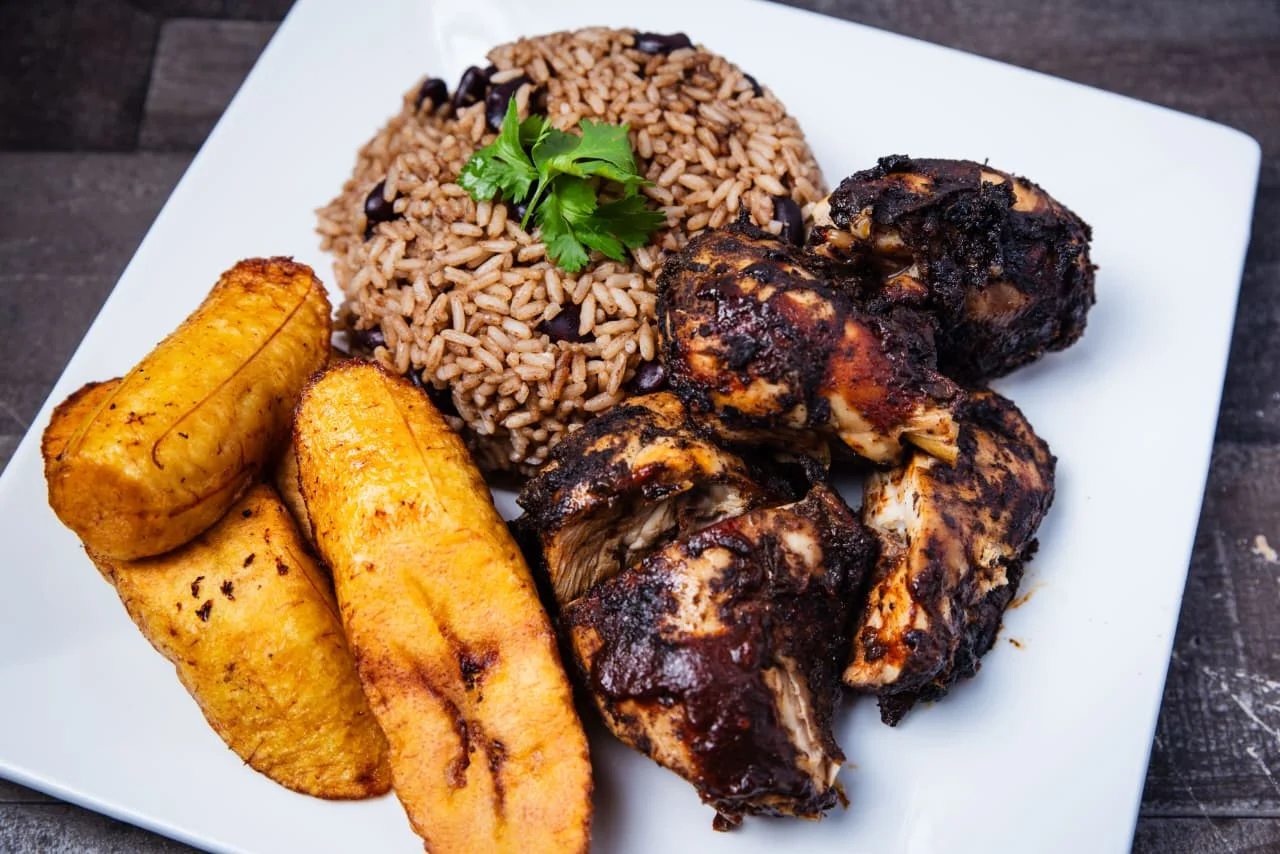
The biggest feature of Caribbean cuisine is its variety.
The Caribbean is made up of many islands and communities, each with its own food traditions. Climate, geography, migration and local ingredients have all shaped the way people cook.
For example, coastal communities naturally have access to plenty of seafood. Tropical climates provide ingredients such as coconut, mango, pineapple, bananas and plantains. Meanwhile, spices and cooking traditions brought by different communities have become part of local food culture.
Caribbean food also has a strong connection to home cooking and family meals. Recipes are often passed from one generation to another. A dish may have a basic traditional method, but every family can have its own version.
This is why asking for one definition of what is Caribbean food can be difficult. The better answer is that Caribbean food is a collection of related culinary traditions rather than one fixed cuisine.
Where Does Caribbean Food Come From?
Caribbean food has a complex history. Indigenous peoples developed cooking traditions using local ingredients long before European colonisation.
Later, European colonisation brought new ingredients, animals and cooking practices. The forced movement of Africans to the Caribbean also had a major impact on food culture. African cooking knowledge, ingredients and techniques became deeply rooted in Caribbean cuisine.
Indian migration later influenced the food of several Caribbean communities, especially Trinidad and Guyana. This influence can be seen in dishes such as roti, curry and doubles.
Other communities also contributed to Caribbean food traditions, including Chinese and Middle Eastern communities.
Therefore, Caribbean food is best understood as a meeting point of cultures. It is not simply African food, Indian food or European food. It developed into something distinct through local adaptation and generations of cooking.
Why Does Caribbean Food Taste So Bold?
Caribbean dishes often combine several layers of flavour. Instead of depending on just one spice, cooks may use herbs, peppers, aromatics, citrus, spices and sauces together.
Common flavours include:
Garlic
Ginger
Thyme
Spring onion
Allspice
Scotch bonnet pepper
Lime
Coconut
Cinnamon
Nutmeg
Cloves
The balance between these ingredients creates the characteristic depth of many Caribbean recipes.
For instance, allspice can add warmth to meat marinades, while thyme gives savoury dishes an earthy herbal note. Scotch bonnet peppers provide heat and fruitiness, while lime adds brightness.
However, bold flavour does not always mean extreme spice. Many Caribbean dishes are aromatic and savoury without being very hot.
Is Caribbean Food Spicy?
Not all Caribbean food is spicy.
This is one of the most common misconceptions about the cuisine. Some famous dishes use Scotch bonnet peppers or other chillies, but heat levels vary greatly.
Jerk dishes, for example, can have a noticeable chilli kick. Yet many other Caribbean dishes focus more on herbs, garlic, spices, coconut or slow-cooked flavours.
You can also control the heat when cooking at home. Remove some of the chilli, use a milder pepper or reduce the amount of hot sauce without removing the other seasonings.
The important thing is to preserve the balance of flavour rather than simply adding more chilli.
What Ingredients Are Common in Caribbean Food?
Many Caribbean food ingredients are easy to recognise and can be used in several different dishes.
Plantains are particularly important. They can be fried, baked or cooked as part of a larger meal. Green plantains are usually more savoury, while ripe plantains become naturally sweet as they cook.
Rice and beans are also common. Coconut milk may be added to rice dishes to give them a creamy texture and gentle sweetness.
Other common ingredients include:
Plantain
Rice
Beans and peas
Coconut milk
Cassava
Sweet potato
Yams
Corn
Seafood
Chicken
Goat
Beef
Pork
Mango
Pineapple
Lime
Ginger
Garlic
Scotch bonnet peppers
Thyme
Allspice
These ingredients help create meals that can be filling while still offering plenty of colour and texture.
What Are the Most Popular Caribbean Foods?
There are many Caribbean dishes worth trying, and the best-known foods often represent only a small part of the region's culinary diversity.
Jerk Chicken
Jerk chicken is one of Jamaica's most recognised dishes.
Chicken is seasoned with a flavourful mixture that can include Scotch bonnet peppers, allspice, thyme, garlic, ginger and other seasonings. It is then cooked until tender and smoky.
The combination of heat, herbs and smoky flavour is what makes jerk chicken so memorable.
Rice and Peas
Rice and peas is a classic Caribbean side dish. Despite its name, the “peas” often refer to kidney beans or pigeon peas rather than the small green peas many people might expect.
Rice is cooked with the peas and often flavoured with coconut milk, herbs and seasonings.
It is commonly served alongside meat, chicken or other main dishes.
Curry Goat
Curry goat shows the strong influence of Indian cooking on parts of the Caribbean.
Goat meat is slowly cooked with curry spices until tender. The long cooking time allows the meat to absorb the seasoning and develop a rich sauce.
It is especially associated with Jamaican and other Caribbean food traditions.
Roti
Roti can refer to both a flatbread and meals built around it.
Caribbean roti has strong South Asian influence, particularly in Trinidad and Tobago. It may be served with curried chicken, goat, chickpeas or vegetables.
The soft flatbread is ideal for wrapping or scooping up the filling.
Doubles
Doubles are a popular Trinidadian street food made with two pieces of bara, a fried flatbread, filled with curried chickpeas.
Toppings and sauces can include chutneys, pepper sauce and other fresh ingredients.
It is a good example of how Indian culinary traditions became part of Caribbean food culture.
Ackee and Saltfish
Ackee and saltfish is closely associated with Jamaican cuisine.
Saltfish is cooked with ackee and often combined with ingredients such as onion, tomato and peppers. The result is savoury, colourful and satisfying.
It is commonly enjoyed as a breakfast or main meal.
Fried Plantain
Fried plantain is simple but incredibly versatile.
Ripe plantains become sweet and caramelised when fried, making them a delicious contrast to savoury foods. They can accompany rice, beans, grilled meats or stews.
Oxtail
Oxtail is another popular slow-cooked dish. The meat is cooked for a long time until tender, often in a rich, seasoned sauce.
The slow cooking method is important because it turns a tougher cut into a deeply flavourful meal.
Why Does Caribbean Food Resemble Indian Food?
One interesting question about Caribbean food is why some dishes can taste similar to Indian food.
The answer is largely historical. Indian migrants brought food traditions, spices and cooking techniques to parts of the Caribbean, particularly Trinidad and Tobago.
This influence can be seen in curry, roti, chickpea dishes and other foods.
However, Caribbean versions developed their own identity. Local ingredients, cooking methods and other cultural influences changed the dishes over time.
So, Caribbean curry should not simply be viewed as Indian curry made somewhere else. It is part of a separate food tradition shaped by Indian influence and Caribbean culture.
This is one of the clearest examples of how food changes when recipes travel.
How Is Jamaican Food Different From Trinidadian Food?
Both are Caribbean cuisines, but they have their own identities.
Jamaican food is widely known for jerk cooking, rice and peas, ackee and saltfish, patties and rich stews. Scotch bonnet peppers, allspice and thyme are important flavours.
Trinidadian food has strong Indian and other cultural influences. Roti, doubles, curry dishes and pepper-based foods are particularly well known.
That does not mean every Jamaican dish is spicy or every Trinidadian dish contains curry. It simply shows how geography and history shape regional food.
This diversity is an important part of understanding what is Caribbean food.
Caribbean Seafood and Coastal Cooking
Because many Caribbean communities are surrounded by the sea, seafood has an important place in the cuisine.
Fish, prawns, crab, lobster and other seafood can be grilled, fried, stewed or cooked with coconut and spices.
Fresh seafood often works well with bright ingredients such as lime, herbs and peppers.
The cooking style depends on the island and recipe. Some dishes are light and fresh, while others are rich and heavily seasoned.
For seafood lovers, this variety makes Caribbean recipes especially exciting to explore.
Caribbean Vegetarian Food
Caribbean cooking is not limited to meat and seafood.
Beans, peas, plantain, cassava, sweet potato, pumpkin, okra and other vegetables are used in many traditional dishes.
Vegetarian versions of Caribbean meals can be satisfying because legumes and starchy vegetables provide plenty of substance.
A simple vegetarian Caribbean-inspired meal could include rice and beans, fried plantain, seasoned vegetables and a fresh salad.
Coconut milk can also add richness to vegetable dishes without needing meat.
Caribbean Street Food
Street food is an important part of everyday food culture across the Caribbean.
The exact dishes differ from island to island, but the goal is often the same: food that is flavourful, affordable and easy to enjoy.
Popular examples include patties, doubles, roti, fried snacks and grilled foods.
Caribbean street food also demonstrates the cultural mixing that defines the region. You can see African, Indian, European and Indigenous influences in foods sold in markets, shops and roadside stalls.
For someone discovering Caribbean food, street food is an excellent place to begin because it offers bold flavours in approachable forms.
Is Caribbean Food Healthy?
There is no single answer because Caribbean cuisine includes a huge range of dishes.
Many traditional meals contain vegetables, beans, fruit, seafood and whole ingredients. However, fried foods, rich sauces and sugary drinks can also be part of the cuisine.
A balanced Caribbean-style plate might include grilled fish or chicken, rice and beans, vegetables and a portion of plantain.
Portion size and cooking method matter too. For example, baked or grilled foods will usually have a different nutritional profile from heavily fried versions.
Rather than labelling the whole cuisine as healthy or unhealthy, focus on the ingredients and overall meal.
What Should Beginners Try First?
If you are new to Caribbean food, start with familiar dishes that introduce several key flavours without requiring advanced cooking skills.
Jerk chicken is a good option if you enjoy smoky and spicy food. Rice and peas is an easy way to explore coconut, beans and herbs. Fried plantain is simple and works with almost anything.
If you enjoy Indian-inspired flavours, curry goat or Caribbean-style chickpea dishes can show you how South Asian influences became part of Caribbean cooking.
You can also build a simple Caribbean-inspired meal at home with:
Rice and peas
Jerk-style chicken or grilled fish
Fried plantain
A fresh salad
A tropical fruit drink
For more recipes and food inspiration, explore LaGrub's recipe collection and discover dishes from different culinary traditions.
How to Bring Caribbean Flavours Into Your Kitchen
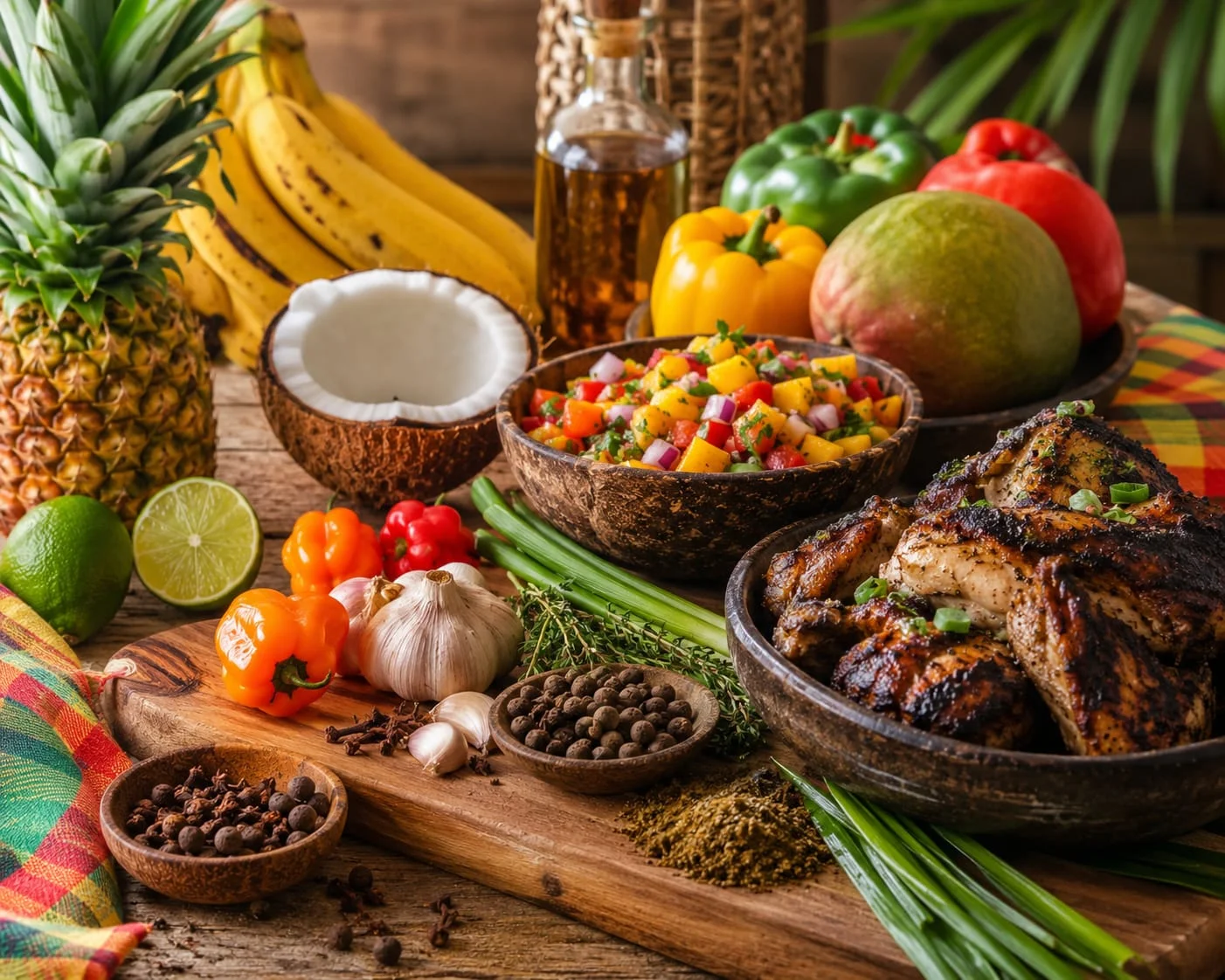
You do not need a large collection of specialist ingredients to start experimenting with Caribbean cooking.
Begin with a few useful ingredients such as thyme, garlic, ginger, allspice, lime, coconut milk and chilli.
A simple marinade can transform chicken or fish. Combine garlic, ginger, thyme, lime juice, allspice and chilli, then allow the meat to absorb the flavours before cooking.
For a quick side, try rice cooked with beans and coconut milk. Add fried plantain for sweetness and texture.
The key is to layer flavours instead of making everything hot. Use herbs for freshness, spices for warmth, citrus for brightness and chilli according to your preferred heat level.
If you enjoy exploring different food traditions, LaGrub's Istanbul Sofra cookbook can also complement your cooking journey with recipes rooted in the South Asian flavours that have influenced parts of Caribbean cuisine.
What Makes Caribbean Food Different From Other Cuisines?
The strongest feature of Caribbean food is its cultural diversity.
Few cuisines can be understood through one cultural influence alone. Caribbean cooking reflects the movement of people, ingredients and traditions across centuries.
You can taste this history in a single meal. A plate might contain African-influenced cooking methods, Indian-inspired curry, European ingredients, Indigenous crops and locally grown tropical produce.
Yet the result is not simply a mixture of unrelated foods. Caribbean communities transformed these influences into their own traditions.
That is what makes the cuisine so interesting. The food tells a story while still being comforting, practical and delicious.
Frequently Asked Question
What is Caribbean food known for?
Caribbean food is known for bold seasoning, tropical ingredients, grilled and slow-cooked dishes, rice and beans, plantain, seafood, coconut and spicy peppers. Jerk chicken, curry goat, roti and rice and peas are some popular examples.
Is all Caribbean food spicy?
No. Some Caribbean dishes are hot because they use Scotch bonnet peppers or other chillies, but many rely more on herbs, spices, garlic, ginger, coconut and citrus.
What is the most popular Caribbean dish?
There is no single dish that represents the entire Caribbean. Jerk chicken, rice and peas, curry goat, roti, ackee and saltfish and doubles are among the best-known dishes.
Why is Caribbean food similar to Indian food?
Indian culinary traditions influenced several Caribbean communities, especially in Trinidad and Tobago. Curry, roti and chickpea dishes show some of this influence, although Caribbean versions developed their own identity.
What spices are used in Caribbean food?
Common Caribbean spices and seasonings include allspice, thyme, ginger, garlic, nutmeg, cinnamon and Scotch bonnet pepper. The combination varies between islands and recipes.
Conclusion
So, what is Caribbean food? It is a rich collection of island cuisines shaped by Indigenous traditions, African heritage, European influences, Indian migration and many other cultural connections. That history gives the food its remarkable variety.
From smoky jerk chicken and slow-cooked oxtail to curry goat, roti, rice and peas, fried plantain and fresh seafood, Caribbean cooking offers something for almost every taste. Some dishes are fiery, while others are mild, fragrant or naturally sweet.
The best way to understand Caribbean food is to explore it dish by dish. Start with a few classic flavours, learn how different islands cook, and then try recipes that match your own taste.
Ready to explore more flavours from around the world? Visit LaGrub's cookbook collection and discover more recipes and culinary traditions to bring into your kitchen.

Maimoona Ehtisham
Maimoona Ehtisham writes for LaGrub on cooking, recipes, and mindful culinary living.
Get a desi recipe worth cooking, every week
One tested recipe a week. Nothing else, and unsubscribe any time.


