

Wondering what is desi food? Desi food refers to the traditional cuisines of the Indian subcontinent, known for bold flavours, aromatic spices, and comforting recipes. From everyday home-cooked meals to festive favourites, this guide explores its meaning, unique ingredients, regional diversity, and the dishes that make it popular worldwide.
Wondering what is desi food? Desi food refers to the traditional cuisines of the Indian subcontinent, known for their bold flavours, aromatic spices, and comforting recipes. From everyday home-cooked meals to festive favourites, this guide explores the meaning of desi food, its history, regional diversity, and the dishes that make it so popular worldwide.
What Is Desi Food?
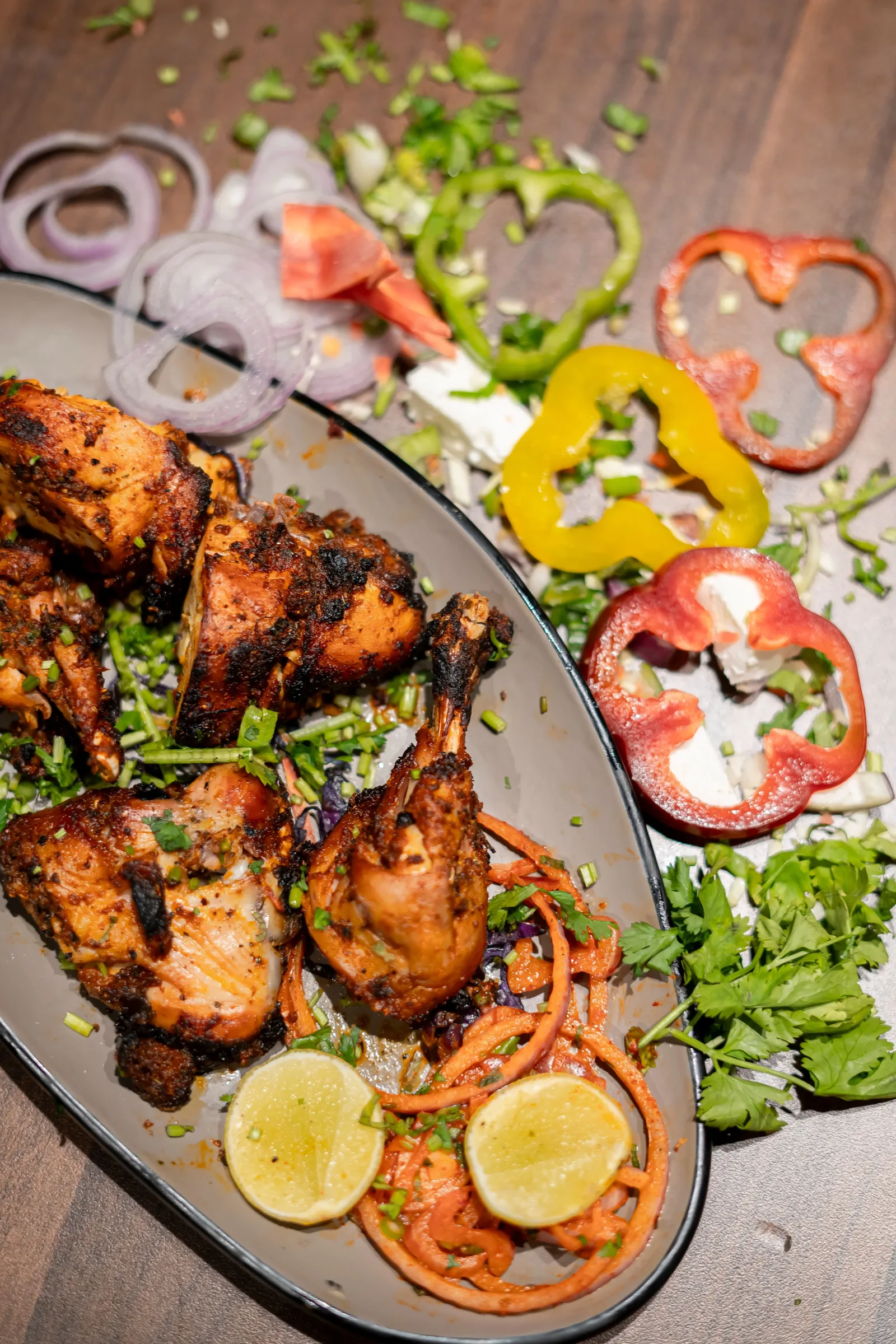
Desi food is a collective term for the traditional foods and cooking styles that originate from the Indian subcontinent. Rather than describing a single cuisine, it represents a diverse collection of recipes, ingredients, and culinary traditions that have been enjoyed for generations. Countries commonly associated with desi cuisine include Pakistan, India, Bangladesh, Nepal, and Sri Lanka, each contributing its own flavours and regional specialities.
The word "desi" comes from the Sanskrit word desh, meaning "homeland" or "native land." Today, it is widely used to describe foods that reflect the culture, traditions, and heritage of South Asia. While every region has its own identity, they all share a passion for freshly prepared meals, aromatic spices, and recipes made with care.
One of the reasons desi food is loved around the world is its incredible variety. A single meal can include fluffy rice, freshly baked bread, flavourful curries, grilled meats, lentils, fresh vegetables, yoghurt, and homemade chutneys. Every ingredient has a purpose, creating balanced meals that are both satisfying and full of flavour.
More importantly, desi food is closely connected to family life. Meals are often prepared from scratch, shared around the dining table, and enjoyed during festivals, celebrations, and everyday gatherings. This strong connection between food and hospitality makes desi cuisine about much more than eating—it is about bringing people together.
What Makes Desi Food Unique?
Many cuisines use herbs and spices, but desi food stands out because of the way ingredients are combined to create deep, balanced flavours. Instead of relying on heavy seasoning alone, traditional cooking focuses on layering flavours throughout the cooking process.
Fresh onions, tomatoes, ginger, and garlic are often cooked slowly to create the base of many dishes. Whole spices such as cumin, coriander, cardamom, cinnamon, cloves, and black pepper are carefully blended to add warmth and aroma. Fresh herbs like coriander and mint are added at the end to brighten every meal.
Another feature that makes traditional desi food unique is the use of homemade spice blends. Many families prepare their own masalas using recipes that have been passed down through generations. As a result, the same dish can taste slightly different from one household to another while still remaining authentic.
Slow cooking also plays an important role. Many curries, lentils, and meat dishes are simmered over gentle heat, allowing the ingredients to develop rich flavours and tender textures. This patient approach to cooking is one of the reasons desi cuisine is known for its comforting taste.
Essential Ingredients Used in Desi Cuisine
Although recipes vary across different regions, several ingredients appear in many traditional dishes.
Rice
Rice is one of the most important staples and is served with curries, lentils, and grilled meats.
Wheat Flour
Wheat flour is equally important, as it is used to prepare chapati, naan, paratha, and other flatbreads enjoyed throughout the day.
Lentils
Lentils are another everyday favourite because they are nutritious, affordable, and versatile. They are often cooked with spices and herbs to create comforting meals that pair perfectly with rice or bread.
Yoghurt
Yoghurt is widely used in marinades, curries, drinks, and side dishes. It adds creaminess, balances spices, and helps tenderise meat.
Fresh Vegetables and Herbs
Fresh vegetables, herbs, and seasonal produce also play an important role in desi cooking. Coriander, mint, green chillies, onions, tomatoes, lemons, and garlic are commonly used to add freshness and flavour to every meal.
The Rich Regional Diversity of Desi Food
One of the greatest strengths of desi food is its regional diversity. Every part of the Indian subcontinent has developed its own cooking traditions based on local ingredients, climate, and culture.
Northern Regions
Northern regions are famous for rich curries, grilled meats, buttery breads, and slow-cooked recipes. These hearty dishes are often prepared with dairy products, warming spices, and fragrant herbs.
Coastal Areas
Coastal areas are known for seafood, coconut, rice, and lighter curries that highlight fresh local ingredients. Tamarind, curry leaves, and tropical flavours are commonly used in these regions.
Eastern Regions
Eastern cuisines often feature rice, fish, lentils, and vegetables prepared with delicate spice blends. Many recipes focus on simple ingredients that allow natural flavours to shine.
Western Regions
Western regions offer a mix of grilled meats, aromatic rice dishes, spicy curries, and traditional breads. Local cooking methods and regional ingredients give these dishes their own distinctive character.
Despite these regional differences, every style of desi cuisine shares a commitment to fresh ingredients, homemade cooking, and generous hospitality. That is why desi food continues to be enjoyed by families around the world, regardless of where they come from.
Why Desi Food Is Loved Around the World
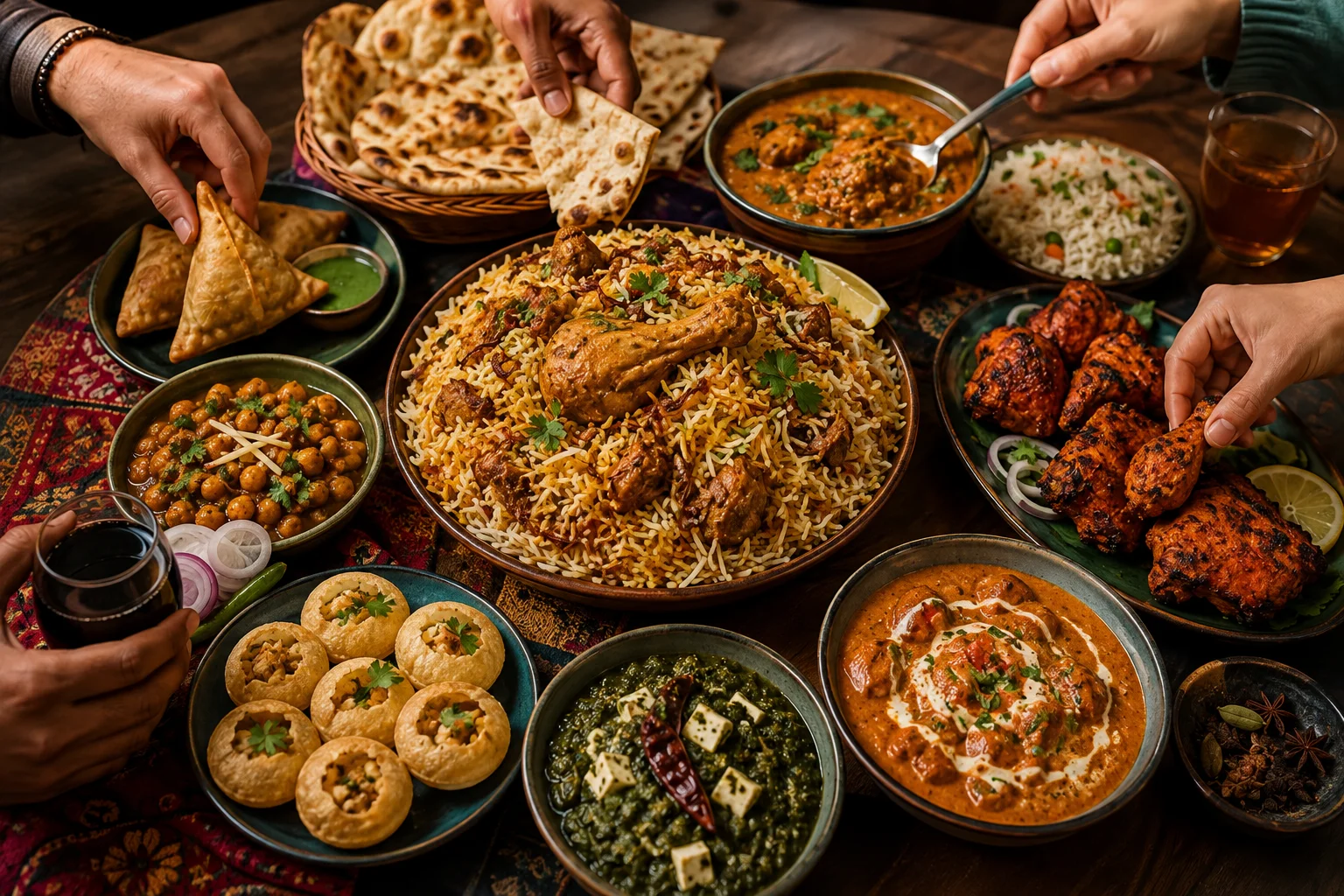
The popularity of desi food has grown far beyond South Asia. Restaurants, food festivals, and home kitchens across the world celebrate its bold flavours and comforting recipes.
One reason for its global appeal is its incredible variety. Whether someone enjoys grilled meats, vegetarian dishes, fragrant rice, or sweet desserts, desi cuisine offers something to suit every taste.
People also appreciate the use of fresh ingredients and traditional cooking techniques. Meals are often prepared from scratch using carefully selected spices, herbs, vegetables, and homemade masalas, creating flavours that feel authentic and satisfying.
Above all, desi food is about sharing. Every meal reflects hospitality, family traditions, and the joy of bringing people together around the table.
Popular Desi Dishes You Should Try
One of the best ways to understand desi food is by exploring the dishes that have been enjoyed for generations. While every region has its own favourites, many recipes have become popular across South Asia because of their rich flavours and comforting ingredients.
Biryani
Biryani is one of the most recognised desi dishes. It combines fragrant basmati rice with marinated chicken, beef, mutton, seafood, or vegetables, all cooked with aromatic spices and herbs. Every region has its own version, making biryani a perfect example of the diversity found in desi cuisine.
Karahi
Karahi is a flavourful curry traditionally cooked in a thick, round pan known as a karahi. Fresh tomatoes, ginger, garlic, green chillies, and fragrant spices create a rich sauce that pairs perfectly with naan or chapati.
Butter Chicken
Butter Chicken is loved for its creamy tomato-based sauce and tender pieces of chicken. Its mild yet rich flavour makes it one of the easiest desi food dishes for beginners to enjoy.
Daal
Daal is a simple yet satisfying dish made from lentils cooked with onions, garlic, tomatoes, and spices. It is an everyday favourite in many homes because it is nutritious, affordable, and easy to prepare.
Seekh Kebabs
Seekh Kebabs are made with seasoned minced meat shaped onto skewers and grilled until tender. They are often served with fresh salad, mint chutney, and warm flatbread.
Samosas
Samosas are crispy pastries filled with spiced potatoes, vegetables, or meat. They are a popular snack enjoyed with tea or served as an appetiser during family gatherings and celebrations.
Haleem
Haleem is a slow-cooked dish made with wheat, lentils, barley, and meat. Its creamy texture and rich flavour make it especially popular during festive occasions.
These dishes represent only a small part of traditional desi food, but they highlight the incredible variety that makes this cuisine so enjoyable.
What Do People Eat Every Day?
Many people think desi food only includes rich curries and restaurant-style meals. In reality, everyday home cooking is usually much simpler, healthier, and based on fresh ingredients.
Breakfast often includes paratha, chapati, eggs, yoghurt, or porridge, accompanied by a hot cup of tea. Some families also enjoy stuffed flatbreads or light vegetable dishes to start the day.
Lunch is typically a balanced meal featuring rice or roti served with lentils, seasonal vegetables, chicken, or meat curry. Homemade yoghurt, fresh salad, and pickles are commonly served alongside the main dish.
Dinner is usually the largest meal of the day. Families gather to enjoy freshly prepared curries, grilled meats, rice, and warm breads. Sharing food is an important tradition that reflects the welcoming nature of desi culture.
Unlike restaurant meals, home-cooked desi cuisine often uses less oil and focuses on wholesome ingredients. Recipes are prepared with care, making everyday meals both nourishing and full of flavour.
Is Desi Food Always Spicy?
One of the biggest misconceptions about desi food is that every dish is extremely spicy.
In reality, spice and heat are not the same thing.
Traditional recipes use spices to build aroma, depth, and complexity rather than simply making food hot. Ingredients such as cumin, coriander, cinnamon, cardamom, cloves, and turmeric add warmth and fragrance without overwhelming the palate.
Chilli is usually added according to personal preference. Some families enjoy mild flavours, while others prefer meals with extra heat. This flexibility makes desi cuisine suitable for people with different taste preferences.
If you are trying desi food for the first time, you can always choose milder dishes and gradually explore bolder flavours as your confidence grows.
Home-Cooked Meals vs Restaurant Desi Food
Another common question is whether restaurant food tastes the same as food prepared at home.
The answer is not always.
Home-cooked desi food is often lighter and focuses on fresh ingredients. Recipes are prepared using family traditions, homemade spice blends, and cooking techniques passed down through generations.
Restaurant dishes, on the other hand, are usually richer. They may include extra butter, cream, oil, or stronger seasonings to create bold flavours that appeal to a wide range of diners.
Neither style is better than the other—they simply offer different experiences. Home cooking highlights comfort and tradition, while restaurants often showcase more indulgent versions of classic recipes.
Traditional Breads Served with Desi Food
Fresh bread is an essential part of many desi meals. It is used to scoop up curries, wrap grilled meats, or enjoy with butter and tea.
Some of the most popular breads include:
- Chapati – A soft whole-wheat flatbread enjoyed every day.
- Naan – A fluffy bread baked in a traditional clay oven.
- Paratha – A layered flatbread that is often served for breakfast.
- Kulcha – A soft, slightly chewy bread that pairs beautifully with rich curries.
Freshly baked bread adds texture and makes every meal more satisfying.
Traditional Desi Desserts and Drinks
No discussion of desi food is complete without mentioning its delicious desserts and refreshing drinks.
Popular sweets include gulab jamun, ras malai, kheer, jalebi, kulfi, and gajar ka halwa. These desserts are often served during festivals, weddings, and family celebrations, although they can be enjoyed throughout the year.
Traditional drinks also play an important role. Chai is perhaps the most popular beverage and is enjoyed throughout the day. Lassi, made with yoghurt, is another favourite because it is both refreshing and satisfying. Seasonal fruit drinks, lemonade, and falooda are also commonly served alongside meals or desserts.
Together, these sweets and beverages complete the rich dining experience that has made desi cuisine famous around the world.
Why Desi Food Is More Than Just a Cuisine
One of the most beautiful aspects of desi food is the way it brings people together. Across South Asia, meals are more than a daily routine—they are an important part of family life, celebrations, and hospitality. Whether it is a simple dinner at home or a festive gathering, food is prepared with care and shared with everyone at the table.
Many traditional recipes have been passed down through generations. Grandparents teach parents, and parents teach children, helping preserve family traditions and regional flavours. While ingredients and cooking styles may vary from one household to another, the love and effort behind every meal remain the same.
Hospitality is another defining feature of desi cuisine. Guests are often welcomed with tea, snacks, or a freshly prepared meal. Serving generous portions is considered a sign of respect and kindness, making every visitor feel at home.
Food also plays an important role during festivals, weddings, birthdays, and religious celebrations. Large family feasts often include a variety of curries, rice dishes, breads, desserts, and refreshing drinks, creating memorable moments that bring loved ones together.
Tips for Trying Desi Food for the First Time
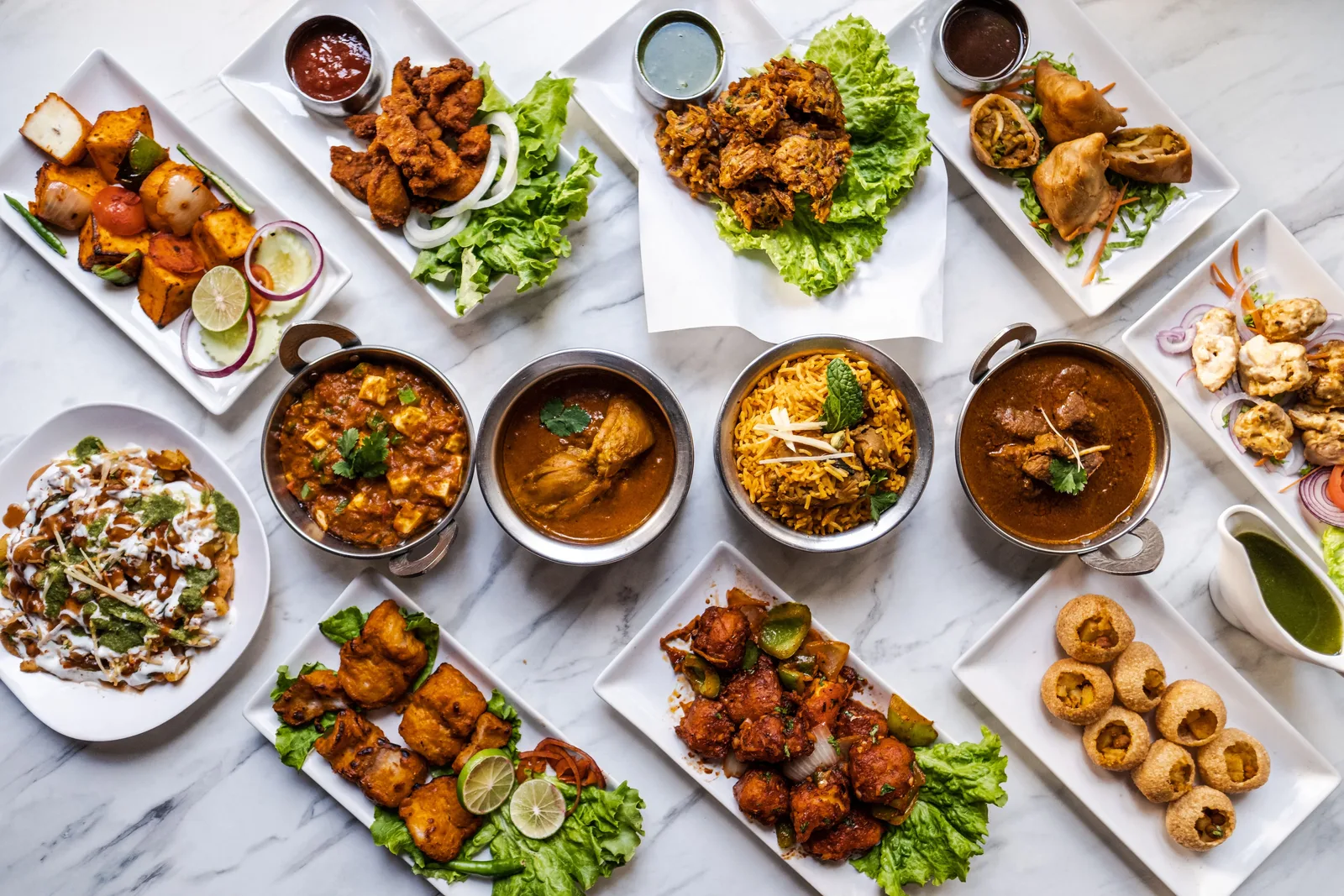
If you are new to desi food, there is no need to feel overwhelmed by the wide variety of dishes. Start with meals that offer balanced flavours before exploring richer or more regional specialities.
Some excellent beginner-friendly choices include:
- Chicken Biryani
- Butter Chicken
- Daal
- Chicken Karahi
- Seekh Kebabs
- Garlic Naan
- Samosas
- Mango Lassi
These dishes provide a wonderful introduction to desi cuisine and showcase the fresh spices, comforting textures, and traditional cooking methods that make it so popular. Once you become familiar with these favourites, you can explore regional recipes and discover even more unique flavours.
Why You Should Explore Desi Cuisine
If you enjoy discovering new flavours, desi food deserves a place on your table. Its incredible variety means there is something for everyone, whether you prefer mild curries, smoky grilled meats, vegetarian dishes, fragrant rice, or indulgent desserts.
The use of fresh ingredients, carefully blended spices, and traditional cooking methods creates meals that are both comforting and satisfying. At the same time, the strong connection between food, family, and culture makes every dish feel meaningful.
Trying desi cuisine is also a wonderful way to experience the traditions of South Asia. Every recipe tells a story of regional heritage, local ingredients, and generations of home cooking that continue to inspire people around the world.
Frequently Asked Questions
What is desi food?
Desi food refers to the traditional cuisines of the Indian subcontinent. It includes a wide variety of dishes from countries such as Pakistan, India, Bangladesh, Nepal, and Sri Lanka, all known for their rich flavours, aromatic spices, and home-style cooking traditions.
Is desi food always spicy?
No. Desi food is not always spicy. Many dishes focus on aromatic spices rather than heat, and the amount of chilli can usually be adjusted to suit different taste preferences.
What are the most popular desi dishes?
Some of the most popular desi dishes include biryani, butter chicken, chicken karahi, daal, seekh kebabs, samosas, haleem, naan, and paratha. These recipes are enjoyed across different regions and occasions.
Is desi food healthy?
Yes, desi food can be very healthy when prepared with fresh ingredients. Everyday meals often include lentils, vegetables, yoghurt, whole spices, and homemade bread, providing a balanced and nutritious diet.
What should I try first if I am new to desi food?
If you are trying desi food for the first time, start with chicken biryani, butter chicken, chicken karahi, daal, garlic naan, samosas, and mango lassi. These dishes provide a delicious introduction to the rich flavours and traditions of desi cuisine.
Conclusion
Now that you know what is desi food, it is easy to see why this cuisine has earned worldwide admiration. More than just a collection of recipes, desi food reflects history, culture, family traditions, and the joy of sharing meals with others. From comforting lentils and freshly baked breads to fragrant biryanis, flavourful curries, grilled kebabs, and delicious desserts, every dish offers a unique taste of South Asia.
Whether you are preparing your first homemade meal or looking to expand your culinary knowledge, desi cuisine has something for every palate.
Explore more authentic recipes, cooking tips, and food guides on LaGrub bring the rich flavours of desi food into your own kitchen.

Maimoona Ehtisham
Maimoona Ehtisham writes for LaGrub on cooking, recipes, and mindful culinary living.
Get a desi recipe worth cooking, every week
One tested recipe a week. Nothing else, and unsubscribe any time.


