

Curious about what is Pakistani food? Pakistani cuisine is a delicious blend of rich flavours, aromatic spices, slow-cooked dishes, and regional traditions. From comforting curries and fragrant biryanis to smoky kebabs and freshly baked breads, this guide explores the history, culture, and iconic dishes that make Pakistani food loved around the world.
Pakistani food is a vibrant mix of bold flavours, aromatic spices, and time-honoured cooking traditions. From hearty curries and grilled meats to fragrant rice dishes and freshly baked bread, this cuisine offers something for everyone. In this guide, you'll discover what makes Pakistani food unique, its history, regional specialities, and the dishes you should try first.
What Is Pakistani Food?
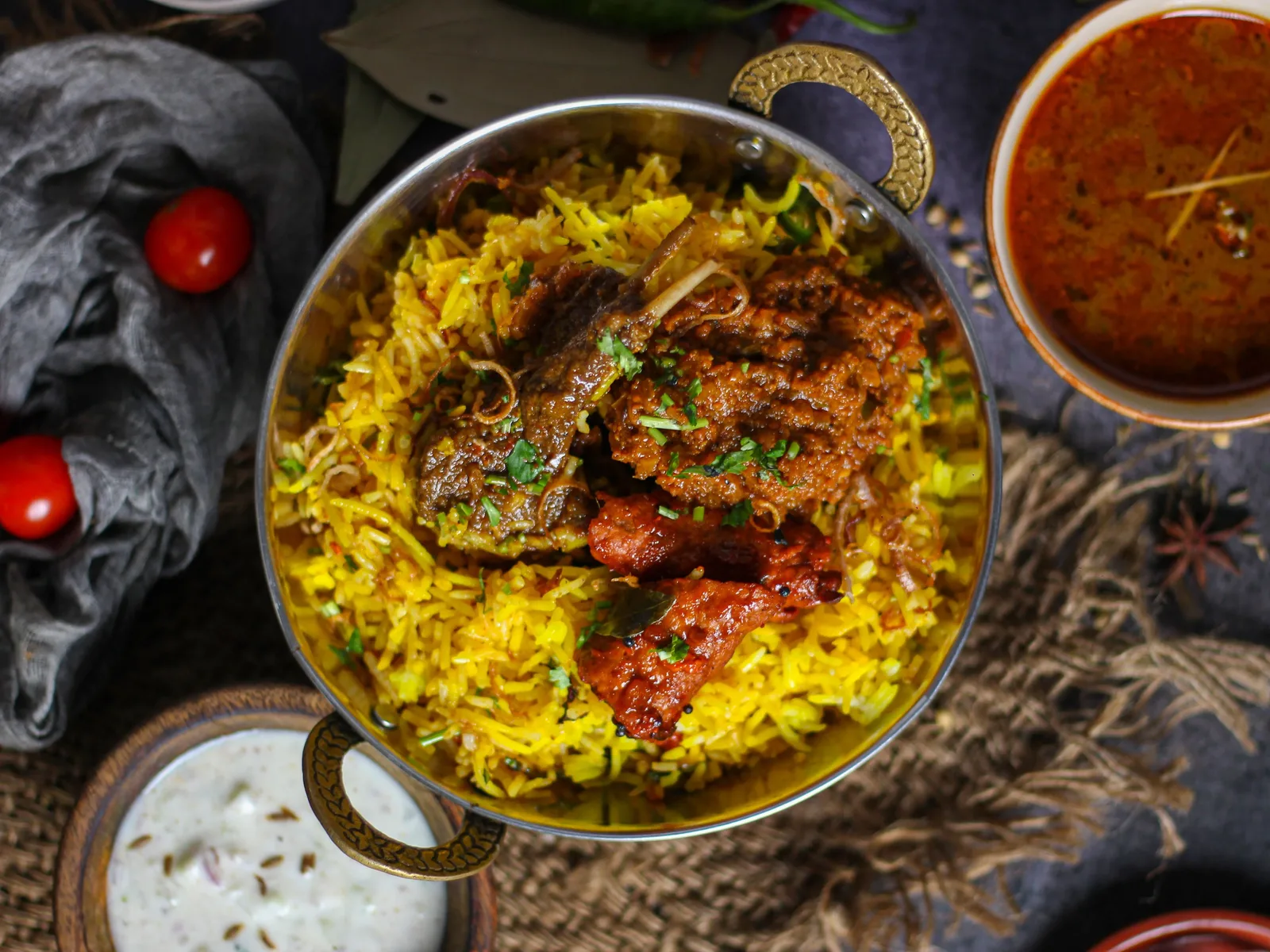
Pakistani food is the traditional cuisine of Pakistan, shaped by centuries of cultural influences, local ingredients, and regional cooking styles. It combines fragrant spices, slow-cooking techniques, fresh herbs, and wholesome ingredients to create meals that are both comforting and full of flavour.
Unlike cuisines that rely on one dominant ingredient, Pakistani cooking balances meat, vegetables, lentils, dairy, grains, and spices. Whether it is a simple family dinner or a festive celebration, every meal reflects the country's love for sharing food and bringing people together.
One of the defining features of Pakistani food is its diversity. Each region has its own signature dishes, cooking methods, and spice blends. This means that no single recipe can represent the entire country's cuisine. Instead, Pakistani cooking is a collection of traditions passed down through generations.
Fresh ingredients also play an important role. Onions, tomatoes, ginger, garlic, yoghurt, green chillies, coriander, mint, and warming spices form the base of many recipes. These ingredients work together to create layers of flavour rather than overwhelming heat.
Today, Pakistani cuisine is enjoyed around the world. Home cooks and professional chefs alike appreciate its rich taste, comforting recipes, and the balance between simple everyday meals and elaborate dishes prepared for special occasions.
What Makes Pakistani Food Unique?
Many cuisines use spices, but Pakistani food stands out because of the way those spices are combined and cooked. Rather than adding everything at once, ingredients are carefully layered to develop deep, balanced flavours.
Several features make Pakistani cuisine truly distinctive.
Freshly Ground Spices
Whole spices are often toasted before being ground into spice blends. This process releases their natural oils and creates a richer aroma.
Common spices include:
- Cumin
- Coriander
- Turmeric
- Black pepper
- Cardamom
- Cloves
- Cinnamon
- Red chilli powder
Instead of overpowering the dish, these spices work together to build warmth, fragrance, and depth.
Slow Cooking for Better Flavour
Many traditional recipes are cooked slowly over gentle heat. This allows the meat to become tender while the spices blend naturally into the gravy.
Popular slow-cooked dishes include nihari, haleem, and paya, each known for its rich texture and satisfying flavour.
Fresh Herbs in Every Meal
Fresh coriander, mint, green chillies, ginger, and lemon are often added just before serving. These simple finishing touches brighten the flavours and create a fresh contrast to slow-cooked dishes.
Homemade Masalas
Many families prepare their own spice blends instead of relying on ready-made mixes. Every household has its own recipe, giving familiar dishes a unique flavour that has been passed down through generations.
Essential Ingredients in Pakistani Cuisine
Every cuisine has a collection of ingredients that appear again and again. Pakistani food is no different. These everyday staples create the rich flavours that people recognise and enjoy.
Onions, Tomatoes, Ginger, and Garlic
These four ingredients form the base of countless curries and gravies. They are slowly cooked together until they develop a deep, savoury flavour that supports the spices.
Yoghurt
Yoghurt is widely used in marinades, curries, and rice dishes. It tenderises meat while adding a creamy texture and a gentle tang.
Rice
Rice is a staple in many Pakistani households. Long-grain basmati rice is especially popular because of its light texture and fragrant aroma. It is commonly served with curries or transformed into flavourful dishes such as biryani and pulao.
Wheat Flour
Fresh flatbreads are an important part of daily meals. Wheat flour is used to make soft chapati, crispy paratha, naan, and other traditional breads that pair perfectly with curries and grilled meats.
Lentils
Lentils are a nutritious and affordable ingredient found in many homes. Different varieties are used to prepare comforting dishes that are both filling and packed with flavour.
Fresh Herbs
Mint and coriander add freshness to many recipes. They are used in chutneys, salads, rice dishes, curries, and as garnishes.
Cooking Fats
Traditional recipes often use ghee or cooking oil, depending on the dish. Ghee adds a rich aroma, while oil is commonly used for everyday cooking.
The Different Regions That Shape Pakistani Food
One of the biggest strengths of Pakistani food is its regional diversity. Every province has developed its own cooking traditions based on local ingredients, climate, and cultural influences.
Punjab – Rich and Comforting Flavours
Punjab is known for hearty meals that are full of flavour. Dairy products, wheat, butter, and fresh vegetables play an important role in everyday cooking.
Popular dishes include rich karahi, slow-cooked curries, stuffed parathas, lassi, and a wide variety of barbecue favourites.
Sindh – Bold and Aromatic Cooking
Sindhi cuisine is famous for its vibrant flavours and generous use of spices. Rice dishes, seafood, vegetables, and tangy curries are all popular throughout the region.
Many recipes combine warming spices with fresh herbs to create meals that are both comforting and full of character.
Khyber Pakhtunkhwa – Simple Yet Flavourful
The cuisine of Khyber Pakhtunkhwa focuses on high-quality ingredients rather than heavy seasoning. Grilled meats, lamb dishes, hearty stews, and freshly baked bread are local favourites.
Traditional cooking methods help preserve the natural flavour of the ingredients, making these dishes especially satisfying.
Balochistan – Rustic Traditional Cooking
Balochi cuisine is known for slow-roasted meats, simple spice combinations, and generous portions. Many dishes are cooked over open flames, creating a distinctive smoky flavour that highlights the quality of the meat rather than overpowering it.
Most Popular Traditional Pakistani Dishes
One of the best ways to understand Pakistani food is through its iconic dishes. Every recipe tells a story about family traditions, local ingredients, and regional flavours. While some meals are prepared daily, others are reserved for celebrations, festivals, and special occasions.
Biryani
Few dishes are as well-known as Pakistani biryani. This fragrant rice dish combines basmati rice with marinated chicken, beef, or mutton, along with spices, herbs, and fried onions. Every region has its own version, making biryani one of the country's most beloved meals.
Karahi
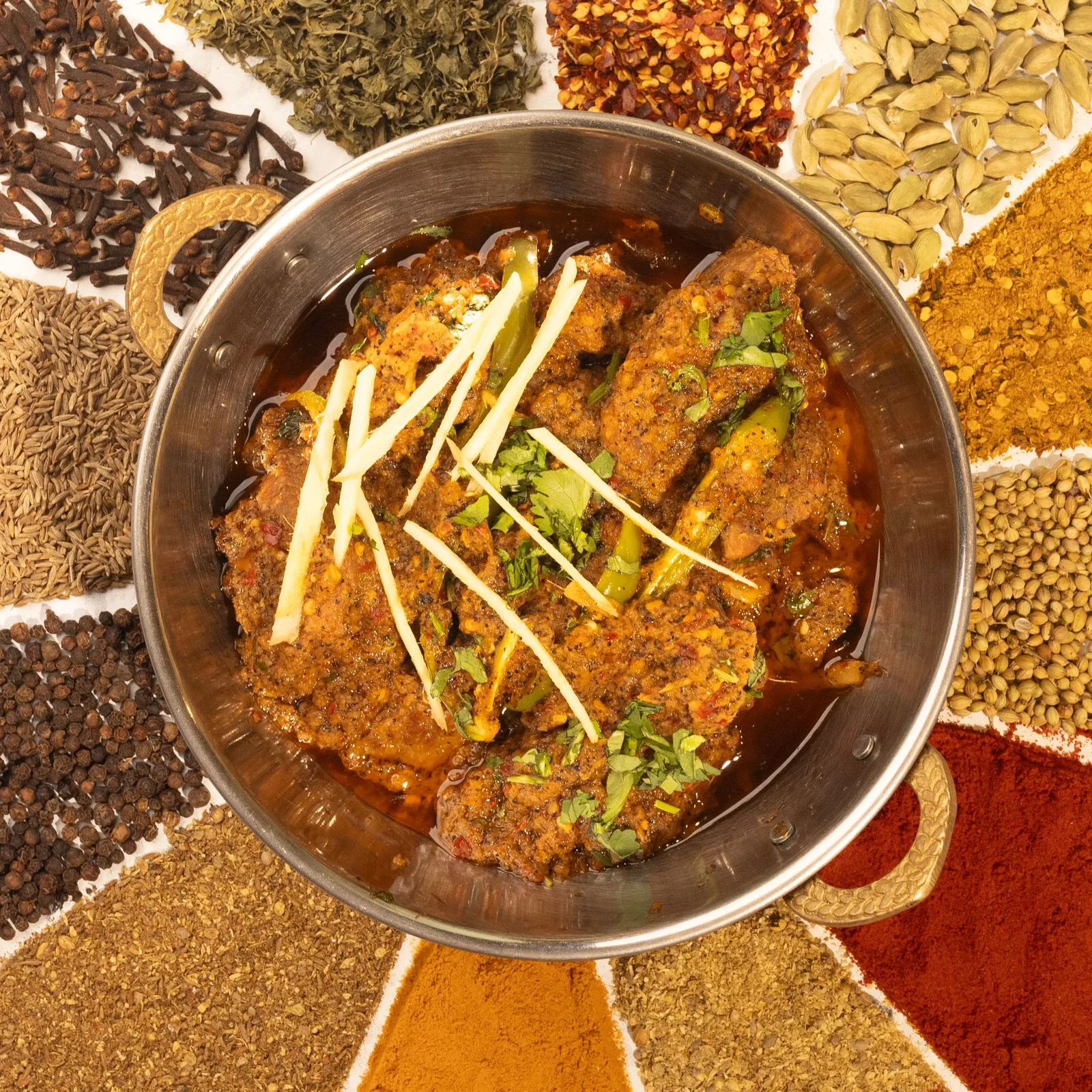
Karahi is one of the most famous examples of Pakistani cuisine. It is cooked in a thick, round cooking pot known as a karahi and features fresh tomatoes, garlic, ginger, green chillies, and aromatic spices. Chicken and mutton are the most common choices, creating a rich yet fresh-tasting dish.
Nihari
Nihari is a slow-cooked meat stew that is often enjoyed for breakfast or brunch. The meat cooks for several hours until it becomes incredibly tender. Fresh ginger, coriander, lemon, and green chillies are added before serving to enhance its flavour.
Haleem
Haleem is a hearty dish made from wheat, lentils, barley, and meat that are cooked together until smooth and creamy. It is especially popular during Ramadan and is known for being both filling and nutritious.
Chapli Kebab
Originating from north-western Pakistan, Chapli Kebab is made with minced meat mixed with herbs, spices, onions, and tomatoes. It is pan-fried until crispy on the outside while remaining juicy inside.
Seekh Kebab
Seekh Kebabs are prepared by shaping seasoned minced meat onto skewers before grilling over charcoal. They are commonly served with naan, fresh salad, and mint chutney.
Sajji
Sajji is a traditional roasted meat dish famous for its simple seasoning and smoky flavour. Whole chicken or lamb is slowly roasted until perfectly tender, allowing the natural taste of the meat to shine.
Paya
Paya is another slow-cooked speciality prepared using trotters, spices, onions, and ginger. The long cooking time creates a rich, flavourful broth that is traditionally enjoyed with naan.
What Do Pakistanis Eat Every Day?
Many people assume that Pakistani food is made up only of rich restaurant dishes. In reality, everyday home cooking is often much simpler, balanced, and comforting.
A typical Pakistani family enjoys freshly prepared meals made with seasonal ingredients and homemade spices. Daily cooking focuses on nourishment, variety, and flavour rather than elaborate presentation.
Breakfast often includes paratha, chapati, eggs, yoghurt, or halwa puri on weekends. A hot cup of tea is an essential part of the morning for many families.
Lunch usually consists of roti served with vegetable curry, lentils, chicken, or beef. Rice dishes are also common, especially when leftovers are available from the previous evening.
Dinner is often the largest meal of the day. Families gather around the table to enjoy freshly cooked curries, grilled meats, rice, salad, and homemade bread. Sharing dishes encourages conversation and reflects the country's strong family values.
Fresh yoghurt, pickles, chutneys, and salads are frequently served alongside the main meal to add freshness and balance.
Although special dishes are prepared during celebrations, simple home-cooked meals remain at the heart of Pakistani cuisine.
Is Pakistani Food the Same as Indian Food?
This is one of the most common questions people ask when learning about Pakistani food.
The short answer is no.
While both cuisines share historical roots and use many similar ingredients, they have developed into distinct culinary traditions with their own identities.
Pakistani cooking generally places a stronger emphasis on meat dishes such as beef, mutton, chicken, and kebabs. Rich gravies, charcoal grilling, and slow-cooked recipes are also key features of the cuisine.
Indian cuisine, on the other hand, includes a wider variety of vegetarian dishes due to regional traditions and dietary preferences. Cooking styles, spice combinations, and flavour profiles also vary greatly across India's many regions.
Both cuisines celebrate spices, rice, bread, and hospitality, but each country has created its own unique recipes that reflect its history, geography, and cultural traditions.
Rather than comparing the two, it is better to appreciate Pakistani cuisine for its distinctive flavours, regional diversity, and cooking techniques.
Pakistani Street Food
Street food is an important part of Pakistani food culture. Bustling markets and roadside stalls offer freshly prepared snacks that are full of flavour and enjoyed by people of all ages.
Popular street foods include crispy samosas, spicy chaat, gol gappay, bun kebabs, pakoras, grilled corn, and freshly cooked kebabs. Many vendors prepare these dishes right in front of customers, creating an exciting dining experience.
During the evening, food streets become lively gathering places where families and friends come together to enjoy freshly cooked meals in a welcoming atmosphere.
Street food also highlights the creativity of local cooks, who transform simple ingredients into memorable dishes packed with flavour.
Traditional Pakistani Breads
Bread is an essential part of nearly every Pakistani meal. Freshly baked bread is used to scoop up curries, wrap kebabs, or simply enjoy with butter and tea.
Some of the most popular varieties include:
- Chapati – A soft whole-wheat flatbread served daily in many homes.
- Naan – A fluffy bread baked in a traditional clay oven, perfect with curries and barbecue.
- Paratha – A layered, buttery flatbread commonly enjoyed for breakfast.
- Kulcha – A slightly thicker bread with a soft interior that pairs well with rich gravies.
Fresh bread is often prepared several times a day, ensuring every meal is served warm and satisfying.
Traditional Pakistani Desserts
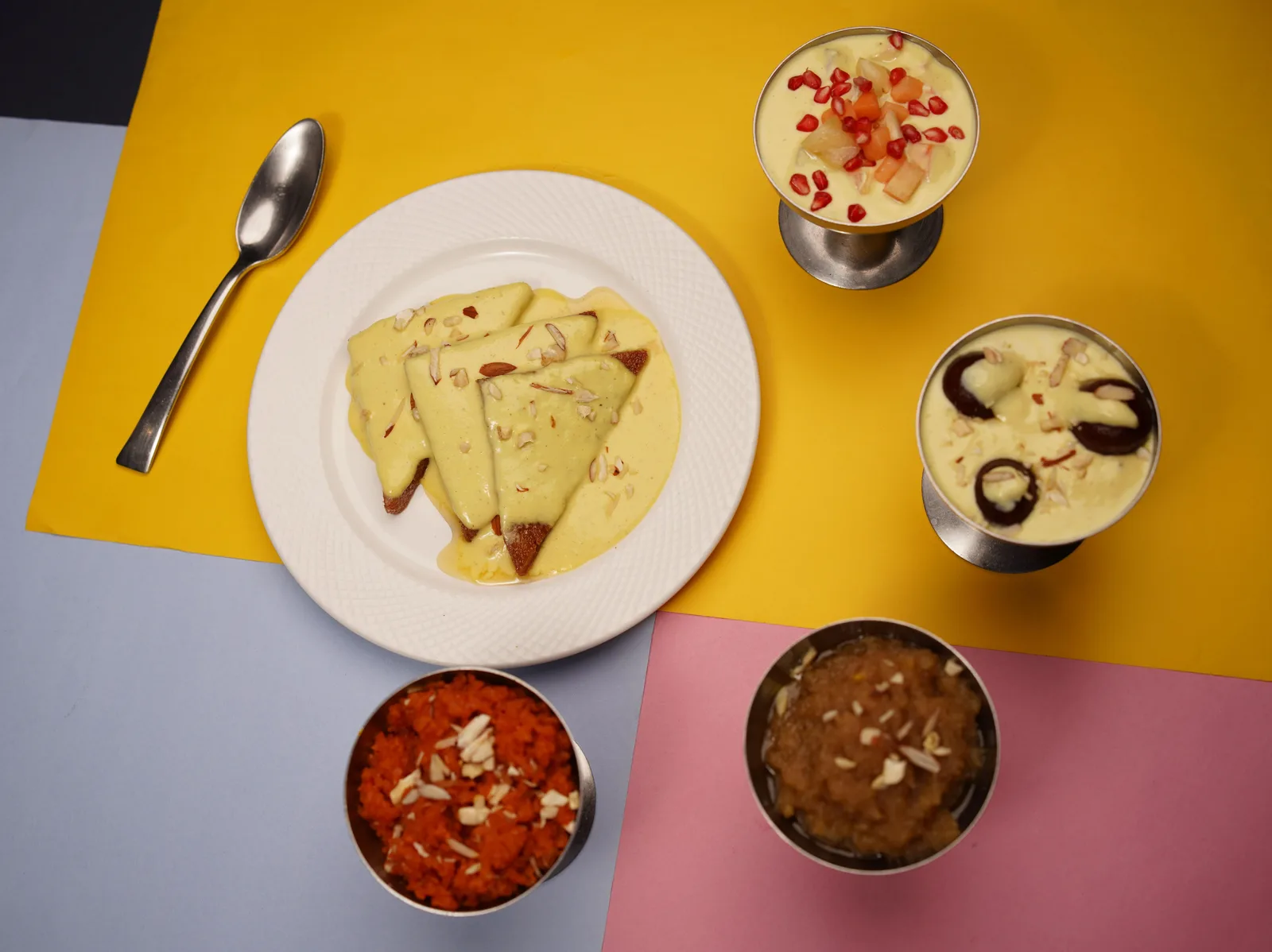
No meal feels complete without something sweet. Pakistani desserts combine dairy, sugar, nuts, and fragrant ingredients to create comforting treats enjoyed throughout the year.
Some of the most popular desserts include:
- Gulab Jamun
- Kheer
- Jalebi
- Gajar Ka Halwa
- Kulfi
- Sohan Halwa
- Ras Malai
- Sheer Khurma
Many of these desserts are closely associated with celebrations such as Eid, weddings, and family gatherings. However, they are also enjoyed whenever families want to make an ordinary meal feel a little more special.
Traditional Drinks That Complement Pakistani Food
Drinks play an important role in balancing the rich flavours of Pakistani food.
Lassi is one of the country's most popular beverages. Made with yoghurt, it can be served sweet or salty and is especially refreshing during warm weather.
Tea is another everyday favourite. Doodh Patti, prepared with milk and tea leaves, is enjoyed throughout the day, while Kashmiri Chai is often served during winter and festive occasions.
Fresh sugarcane juice, lemonade, and seasonal fruit drinks are also popular choices, particularly during the summer months.
These beverages provide a refreshing contrast to spicy and flavourful meals while adding another layer to Pakistan's rich food culture.
Why Pakistani Food Is Loved Around the World
Today, Pakistani food is enjoyed far beyond Pakistan's borders. Restaurants, home cooks, and food enthusiasts around the world appreciate its comforting flavours, generous portions, and welcoming spirit.
One reason for its growing popularity is its incredible variety. Whether someone enjoys grilled meats, fragrant rice dishes, vegetarian meals, or indulgent desserts, Pakistani cuisine offers something to suit every taste.
Another reason is its emphasis on fresh ingredients and traditional cooking methods. Recipes are often prepared from scratch using onions, tomatoes, herbs, spices, and homemade masalas, creating flavours that feel authentic and satisfying.
Above all, Pakistani cuisine represents hospitality. Meals are rarely just about eating—they are about sharing, celebrating, and bringing people together. Whether served during a family dinner, a festive gathering, or a casual meal with friends, the warmth behind the food is just as memorable as its flavour.
Why Pakistani Food Is More Than Just a Meal
One of the most remarkable things about Pakistani food is that it reflects the country's culture, traditions, and way of life. Meals are not simply prepared to satisfy hunger. They are an opportunity for families and friends to spend time together, celebrate special occasions, and welcome guests with warmth and generosity.
Hospitality is deeply rooted in Pakistani culture. It is common for hosts to prepare more food than needed to ensure every guest feels comfortable and appreciated. Visitors are often welcomed with tea, snacks, or a freshly cooked meal, regardless of the time of day.
Family recipes are another important part of Pakistani cuisine. Many dishes are passed down from one generation to the next, with each family adding its own unique touch. These recipes preserve traditions while keeping the flavours of the past alive.
Food also plays a central role during religious festivals, weddings, birthdays, and community gatherings. Large pots of biryani, karahi, kebabs, and traditional desserts are prepared to bring people together and create lasting memories.
Why You Should Explore Pakistani Cuisine
Whether you enjoy cooking at home or simply love discovering new flavours, Pakistani food offers something truly special.
It combines centuries of culinary tradition with fresh ingredients, aromatic spices, and recipes that have stood the test of time. Every dish reflects the diversity of Pakistan's regions while celebrating the importance of family, hospitality, and shared meals.
From comforting lentils and homemade breads to smoky kebabs and rich curries, there is always something new to discover. Every meal tells a story, and every recipe offers a chance to experience the warmth and generosity that define Pakistani culture.
If you are looking for a cuisine that is bold, satisfying, and full of variety, Pakistani cooking is well worth exploring.
Frequently Asked Questions
What is Pakistani food best known for?
Pakistani food is best known for its rich flavours, aromatic spices, and hearty dishes. Popular favourites include biryani, nihari, karahi, chapli kebab, haleem, and seekh kebabs. The cuisine also features fresh breads, lentils, rice dishes, and a variety of regional specialities.
Is Pakistani food the same as Indian food?
While Pakistani food and Indian food share some historical influences, they are not the same. Pakistani cuisine often features meat-based dishes, rich gravies, and grilled specialities, while each country has its own regional recipes, cooking techniques, and flavour profiles that make the cuisines unique.
What are the most popular traditional Pakistani dishes?
Some of the most popular traditional Pakistani dishes include chicken karahi, nihari, biryani, haleem, chapli kebab, seekh kebab, paya, sajji, saag, and halwa puri. These dishes reflect the country's diverse culinary heritage and are enjoyed across different regions.
Is Pakistani food always spicy?
No, Pakistani food is not always spicy. Many dishes are rich in flavour rather than heat. Home-cooked meals often use mild spices, while the level of chilli can easily be adjusted to suit different tastes.
What should I try first if I am new to Pakistani food?
If you are trying Pakistani food for the first time, start with chicken biryani, chicken karahi, seekh kebabs, butter naan, and mango lassi. These dishes offer a great introduction to the bold flavours, fragrant spices, and comforting textures that make Pakistani cuisine so popular around the world.
Conclusion
Pakistani food is much more than a collection of delicious recipes. It is a celebration of culture, tradition, and togetherness. With its aromatic spices, fresh ingredients, regional diversity, and unforgettable flavours, Pakistani cuisine continues to win the hearts of food lovers across the world.
Whether you're cooking your first Pakistani meal or looking to explore more traditional flavours, there's always something new to discover. Browse LaGrub's Authentic Pakistani Recipes for step-by-step guides, expert cooking tips, and time-tested dishes that bring the true taste of Pakistan to your kitchen.

Maimoona Ehtisham
Maimoona Ehtisham writes for LaGrub on cooking, recipes, and mindful culinary living.
Get a desi recipe worth cooking, every week
One tested recipe a week. Nothing else, and unsubscribe any time.


