


If one dish must take the crown, sushi is Japan's most globally recognized food. Inside Japan, however, the real contest includes ramen, curry rice, noodles, rice bowls and dozens of regional favorites.
Sushi is the most internationally famous Japanese food and the clearest single answer to the question. It represents Japan around the world, appears in settings ranging from neighborhood conveyor-belt restaurants to formal counters and offers enough variety to suit very different tastes.
Inside Japan, however, there is no universally agreed number-one dish. Ramen, Japanese curry, sushi, tempura, grilled meat, noodles and rice bowls are all widely loved. Popularity changes depending on whether the question concerns international recognition, restaurant visits, home cooking, convenience or regional identity.
A visitor who eats only sushi will therefore taste Japan's best-known culinary symbol but miss much of what makes Japanese food so appealing. Everyday comfort dishes and local specialties are just as important to understanding how people actually eat.
Is Sushi the Most Popular Food in Japan?
Sushi is the best answer when “most popular” means the Japanese dish most recognized around the world. The combination of seasoned rice, seafood, vegetables, egg and other toppings has become a global symbol of Japanese cooking.
It is also genuinely popular within Japan. Conveyor-belt sushi restaurants make it accessible to families, while specialist counters present a more refined experience. Supermarkets and convenience stores sell sushi sets, rolls and inari sushi for casual meals.
That does not mean people in Japan eat sushi every day. It may be chosen for a meal out, a family occasion, a convenient lunch or a celebration, depending on the type and price. Rice, soup, curry, noodles, grilled fish and home-style dishes are often more representative of ordinary daily eating.
The Short Answer: Japan Has Three Major Popularity Leaders
A more useful answer places three foods near the top:
Sushi is Japan's most internationally recognizable dish.
Ramen is one of its most popular and varied restaurant comfort foods.
Japanese curry rice is one of its most familiar everyday home and school meals.
These dishes succeed for different reasons. Sushi showcases craft and freshness. Ramen offers warmth, regional variety and affordability. Curry rice is comforting, practical and easy to adapt for families.
Why Is Sushi So Popular?
It Offers Extraordinary Variety
Sushi does not describe only raw fish. Nigiri pairs shaped rice with a topping. Maki rolls rice and fillings in seaweed, while chirashizushi scatters ingredients over seasoned rice. Inari sushi fills sweet-savory tofu pockets with rice.
Toppings can include cooked shrimp, grilled eel, egg, vegetables and tofu as well as raw seafood. This variety makes sushi far more approachable than its reputation sometimes suggests.
It Can Be Casual or Luxurious
A sushi meal can be quick, affordable and family-friendly at a conveyor-belt restaurant. At the other end of the spectrum, a chef-selected omakase experience may involve exceptional seafood, precise knife work and carefully seasoned rice.
It Reflects Core Japanese Food Values
Sushi emphasizes balance, presentation, seasonality and respect for ingredients. The rice, topping, wasabi and soy sauce must support one another rather than compete.
It Travels Well as a Culinary Idea
Restaurants outside Japan have created local rolls and ingredient combinations while retaining sushi's recognizable form. These adaptations have helped make it one of the world's most familiar Japanese foods.
The Most Popular Foods in Japan
1. Sushi
Sushi combines vinegared rice with seafood, egg, vegetables or other ingredients. For a first experience, try several styles rather than ordering only one roll. Salmon or tuna nigiri, cucumber maki, cooked shrimp, tamago and inari provide a useful range of flavors and textures.
2. Ramen
Ramen is one of Japan's great comfort foods: wheat noodles in broth with toppings such as sliced pork, egg, seaweed, bamboo shoots and green onions.
The broth and seasoning vary by region and restaurant. Shoyu ramen is seasoned with soy sauce, shio uses salt, miso ramen has fermented richness, and tonkotsu develops its creamy body from pork bones. Even within these broad categories, recipes differ dramatically.
Ramen is inexpensive enough for an ordinary meal yet complex enough to inspire devoted specialists. That combination helps explain its extraordinary popularity.
3. Japanese Curry Rice
Japanese curry is thicker, sweeter and generally milder than many South Asian and Southeast Asian curries. It is usually served over rice with meat and vegetables such as onions, potatoes and carrots.
Curry roux blocks make the dish practical for home cooks, while restaurants offer toppings such as breaded pork, chicken, vegetables, cheese or eggs. Curry also appears in bread, noodles and other snacks.
For visitors seeking something that feels deeply familiar to everyday Japan, curry rice may be more revealing than an elaborate restaurant meal.
4. Tempura
Tempura consists of seafood or vegetables coated in a light batter and fried until crisp. Shrimp, sweet potato, pumpkin, mushrooms and eggplant are common choices.
The batter should feel delicate rather than thick or greasy. Tempura may be eaten with dipping sauce and grated daikon, arranged over rice as tendon or added to bowls of soba and udon.
5. Udon
Udon are thick wheat noodles with a soft, satisfying chew. They may be served in hot broth, chilled with dipping sauce or stir-fried as yaki udon.
A simple bowl can contain little more than noodles, dashi-based broth and green onions. Other versions add tempura, beef, tofu, egg or regional toppings.
6. Soba
Soba noodles are made with buckwheat, although many varieties also contain wheat flour. They have an earthier flavor and thinner shape than udon.
Cold soba served with dipping sauce is especially refreshing in warm weather. Hot soba in broth may be topped with tempura, tofu, vegetables or herring.
7. Yakitori
Yakitori is chicken cut into small pieces, threaded onto skewers and grilled. It may be seasoned simply with salt or coated in a sweet-savory tare sauce.
Different cuts provide different experiences, from familiar thigh and breast meat to skin, liver, cartilage and meatballs. Yakitori is strongly associated with casual restaurants, after-work dining and shared plates.
8. Tonkatsu
Tonkatsu is a pork cutlet coated in panko breadcrumbs and fried until crisp. It is commonly served with finely shredded cabbage, rice, soup and a thick, fruity-savory sauce.
Katsudon places the cutlet over rice with onion and softly cooked egg, while katsu curry combines it with Japanese curry. These variations have helped make the cutlet a lasting comfort-food favorite.
9. Karaage
Karaage is Japanese-style fried chicken, usually marinated with soy sauce, ginger, garlic or sake before being coated and fried. The pieces should be juicy inside with an irregular, crisp exterior.
It appears in restaurants, lunchboxes, supermarkets, convenience stores and home kitchens. Lemon and Japanese mayonnaise are common accompaniments.
10. Donburi
Donburi meals place savory toppings over a bowl of rice. Gyudon uses beef and onions, oyakodon combines chicken and egg, katsudon features a breaded cutlet, and tendon adds tempura.
Rice bowls are quick, filling and easy to eat, making them especially important to everyday Japanese food culture.
11. Okonomiyaki
Okonomiyaki is a savory cabbage pancake associated particularly with Osaka and Hiroshima. Its name suggests cooking what you like, reflecting the flexibility of its toppings and fillings.
Osaka-style okonomiyaki usually mixes the ingredients into the batter. Hiroshima-style versions are layered and often include noodles. Both are finished with sauce and may receive mayonnaise, seaweed powder and bonito flakes.
12. Gyoza
Gyoza are thin-skinned dumplings filled most commonly with pork, cabbage, garlic and seasonings. The popular pan-fried style develops a crisp base while keeping the upper wrapper tender.
Although the dish has Chinese origins, Japanese gyoza has developed its own recognizable seasoning, proportions and cooking style.
13. Sukiyaki
Sukiyaki is a communal hot pot containing thinly sliced beef, tofu, mushrooms, vegetables and noodles cooked in a sweet-savory liquid. It is warm, social and particularly suited to cooler weather or shared occasions.
The characteristic broth or sauce is known as warishita. Home cooks can explore its balance of soy sauce, sake, mirin and sugar through LaGrub's Japanese sukiyaki sauce recipe.
14. Shabu-Shabu
Shabu-shabu features thin meat and vegetables briefly cooked in simmering broth at the table. The ingredients are then dipped into sauces such as ponzu or sesame sauce.
Compared with sukiyaki, shabu-shabu generally has a lighter cooking liquid and lets diners control the cooking time of each ingredient.
15. Miso Soup
Miso soup may not be the dramatic dish visitors photograph first, but it is one of Japan's most familiar foods. Miso paste is dissolved into dashi and accompanied by ingredients such as tofu, wakame, mushrooms, vegetables or clams.
Its flavor varies with the miso, stock, season and region. As part of a meal, it provides warmth and savory continuity without needing to dominate the table.
16. Onigiri
Onigiri are portable portions of shaped rice, often wrapped with nori and filled with salmon, pickled plum, kombu or tuna mayonnaise.
They are sold widely in convenience stores but are also made at home for lunches, picnics and snacks. Their popularity comes from simplicity, portability and nearly endless filling choices.
17. Takoyaki
Takoyaki are round batter snacks containing pieces of octopus. Closely associated with Osaka, they are cooked in special molded pans and finished with sauce and optional toppings.
The exterior is lightly browned while the center remains very hot and soft. They are a classic choice for festivals, street-food areas and casual outings.
18. Yakiniku
Yakiniku involves grilling bite-sized pieces of meat at the table. Diners cook their preferred cuts and eat them with dipping sauce, rice, vegetables and side dishes.
The interactive format makes yakiniku popular for groups, celebrations and relaxed social meals.
19. Grilled Fish
Salt-grilled salmon, mackerel, saury and other fish are deeply representative of Japanese home cooking and traditional breakfasts. They may appear with rice, miso soup, grated daikon and pickles.
Fish collars are especially valued for their rich, tender meat. LaGrub's hamachi kama recipe shows how yellowtail collar can be broiled and served with citrus ponzu and grated daikon.
20. Omurice
Omurice combines seasoned fried rice with an omelet and often ketchup or a richer sauce. It belongs to yoshoku, the category of Western-influenced dishes adapted to Japanese tastes.
Its soft egg, savory rice and familiar sweetness make it especially approachable for children and first-time diners.
What Food Is Most Popular With Japanese Families?
Home popularity is different from international fame. Sushi is an icon, but curry rice, grilled fish, rice bowls, noodles, gyoza, karaage and simmered dishes may appear more naturally in the rhythm of ordinary life.
Japanese curry is particularly suited to family cooking because it can be prepared in a large batch, reheats well and accommodates different meats and vegetables. Children commonly enjoy its mild, slightly sweet flavor.
Rice bowls are another practical favorite. They turn a relatively small amount of meat, fish or egg into a complete meal by serving it over rice. Miso soup and pickles may accompany the bowl without creating a complicated dinner.
Contemporary households also eat pasta, bread, hamburg steak, Chinese-influenced dishes and convenience foods. Everyday Japanese eating is much broader than a purely traditional menu.
What Food Is Most Popular With Visitors to Japan?
Visitors often prioritize sushi, ramen, tempura and Wagyu beef because these foods are strongly associated with Japan internationally. They are worthwhile, but a more rewarding trip balances famous dishes with ordinary ones.
A practical first-time food list could include:
Sushi at a casual or specialist restaurant
A regional bowl of ramen
Japanese curry rice
Tempura
Udon or soba
Yakitori
Tonkatsu or katsu curry
Okonomiyaki
Gyoza
Onigiri from a convenience store
A traditional breakfast with grilled fish and miso soup
A regional sweet or seasonal dessert
This combination reveals polished restaurant technique, fast casual food, family comfort cooking and the importance of rice and broth.
Popular Japanese Foods by Region
what is the most popular food in japan
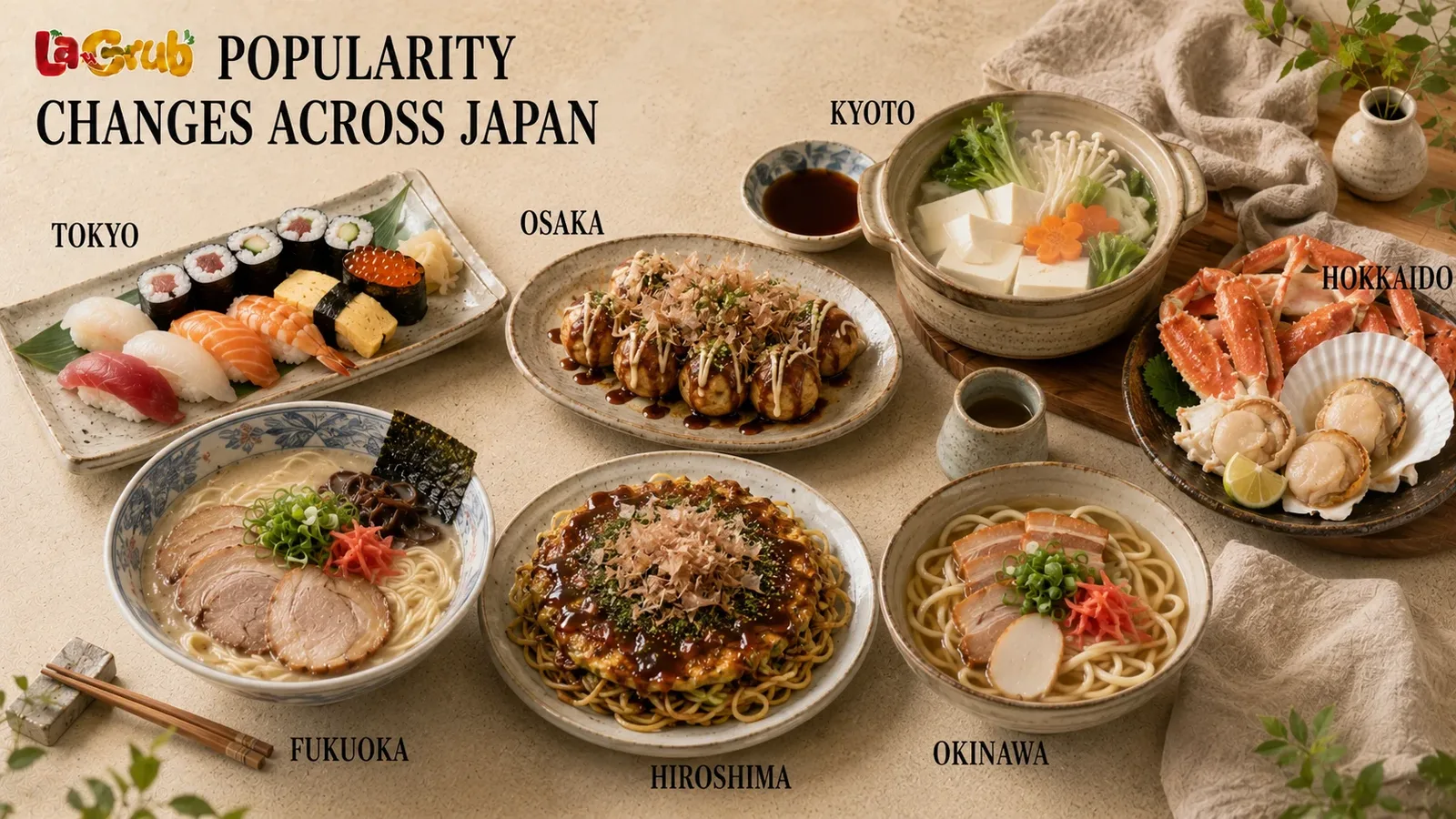
Japan's food cannot be reduced to one national ranking because regional identity is exceptionally strong. Prefectures, cities and even individual towns promote local dishes and ingredients.
Tokyo
Tokyo is associated with Edomae sushi, soba, tempura and monjayaki. As a vast modern city, it also offers regional cuisines from across Japan.
Osaka
Osaka is famous for takoyaki, okonomiyaki and kushikatsu. Its casual, energetic food culture makes it an essential destination for street and comfort food.
Kyoto
Kyoto is known for tofu, seasonal vegetables, refined kaiseki cooking and delicate sweets. Its food often emphasizes presentation and subtle changes in the seasons.
Hokkaido
Hokkaido is celebrated for seafood, dairy products, potatoes, corn and miso ramen. Crab, scallops, salmon roe and soft-serve ice cream are especially popular with visitors.
Fukuoka
Fukuoka is closely associated with Hakata-style tonkotsu ramen, known for thin noodles and rich pork-bone broth. The city is also famous for casual food stalls.
Hiroshima
Hiroshima-style okonomiyaki is built in layers and generally includes noodles. The region is also noted for oysters.
Okinawa
Okinawan cooking reflects the islands' distinct climate and history. Okinawa soba, bitter melon, tofu, pork and sea vegetables are prominent.
What Japanese Foods Are Best for First-Time Diners?
People who feel uncertain about raw fish do not need to begin with sashimi. Chicken katsu, curry rice, yakitori, gyoza, tempura, ramen and udon all provide accessible introductions.
For sushi, begin with cooked shrimp, tamago, grilled eel, cucumber rolls or inari before trying raw seafood. Conveyor-belt restaurants make it easy to order one small plate at a time.
Anyone who enjoys rich comfort food may prefer ramen, katsu curry or gyudon. Diners drawn to lighter flavors can try soba, grilled fish, tofu, miso soup or vegetable tempura.
What Japanese Foods Are Popular but Less Famous Abroad?
what is the most popular food in japan
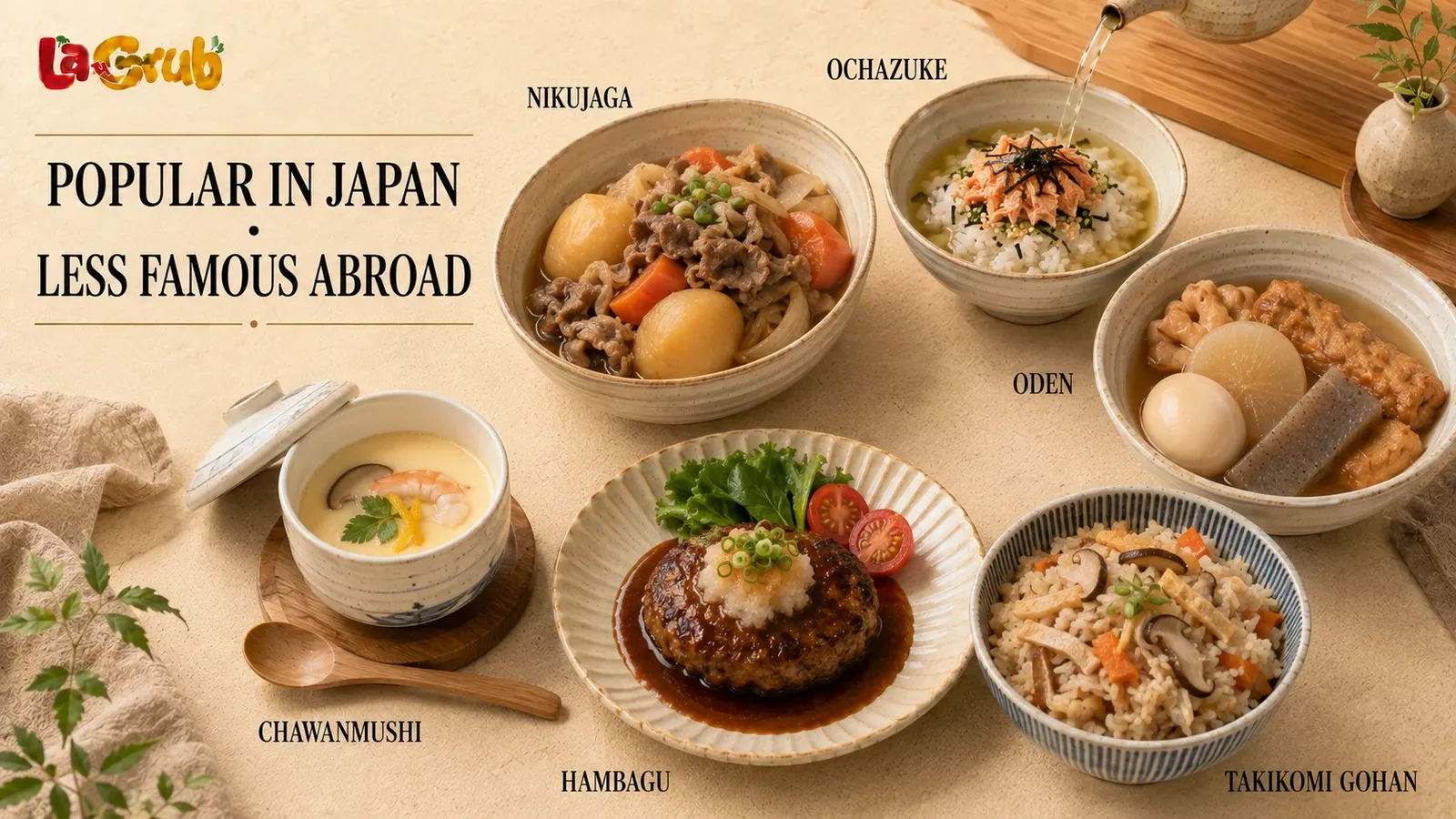
Nikujaga
Nikujaga combines meat, potatoes and onions in a gently sweet soy-based broth. It is associated more with home comfort than restaurant spectacle.
Ochazuke
Ochazuke is rice with tea, dashi or hot water poured over it, then topped with ingredients such as salmon, pickles or seaweed. It is simple, light and soothing.
Oden
Oden consists of daikon, eggs, tofu products, konjac and fish cakes simmered in seasoned broth. It is particularly popular during colder months.
Chawanmushi
Chawanmushi is a savory steamed egg custard containing dashi and small pieces of chicken, seafood or mushrooms. Its texture is soft and delicate.
Hambagu
Hambagu is a Japanese-style hamburger steak served with rice and a savory sauce. It is familiar family food rather than a dish most international visitors associate immediately with Japan.
Takikomi Gohan
Takikomi gohan cooks rice with mushrooms, vegetables, meat or seafood so that every grain absorbs the seasonings and aromas.
Why Japanese Food Is So Popular Worldwide
It Covers a Wide Range of Experiences
Japanese cuisine can be delicate or hearty, raw or fried, formal or casual. A diner can move from a minimalist plate of sashimi to a deeply savory bowl of ramen without leaving the same culinary tradition.
Presentation Matters
Color, shape, empty space, serving vessels and seasonal motifs contribute to the experience. Even an inexpensive meal can be arranged with care.
Umami Makes Simple Food Satisfying
Dashi, miso, soy sauce, seaweed, mushrooms and fermented ingredients create depth without every dish requiring heavy cream or intense spice.
Regional Variety Rewards Exploration
Ramen, noodles, hot pots, sweets and rice dishes change across Japan. Trying local versions becomes part of the pleasure of traveling.
It Balances Tradition and Adaptation
Japan has transformed outside influences into foods such as ramen, curry rice, omurice and tonkatsu. The cuisine feels rooted in tradition without being frozen in the past.
Is the Most Popular Japanese Food Also the National Dish?
Japan does not have one universally designated national dish that resolves the question. Sushi is the strongest international symbol, while rice is the foundational staple. Curry rice and ramen may feel more like everyday comfort food to many people.
The answer therefore depends on the meaning of “national”:
Sushi best represents global recognition.
Rice best represents the traditional foundation of meals.
Curry rice strongly represents family comfort cooking.
Ramen represents popular restaurant culture and regional variation.
Is Japanese Food Healthy?
Japanese meals can include fish, vegetables, soy products, sea vegetables, rice and varied cooking methods. A traditional arrangement of rice, soup and several modest dishes can provide diversity and portion balance.
Not every popular dish is light. Ramen can contain substantial sodium, while tonkatsu, tempura, karaage and some convenience foods are fried or energy-dense. Sweet sauces and large portions of refined rice also affect the overall meal.
A balanced choice might pair grilled fish or tofu with rice, vegetables and soup. The complete pattern matters more than assuming every food from Japan is automatically healthy.
How to Explore Popular Japanese Food at Home
Start with dishes that do not demand specialist equipment. Japanese curry, rice bowls, miso soup, yakitori-style chicken, onigiri and simple noodle dishes are manageable introductions.
A small pantry of Japanese short-grain rice, soy sauce, miso, rice vinegar, mirin, nori and dashi ingredients opens the door to many everyday recipes.
For a structured collection covering classic favorites and less familiar dishes, visit Washoku: Authentic Japanese Cuisine. The LaGrub cookbook contains 114 Japanese recipes across mains, starters, breakfasts, snacks, desserts and drinks.
Frequently Asked Questions About Popular Food in Japan
What is the number-one most popular food in Japan?
There is no official universal winner, but sushi is the strongest single answer because it is popular in Japan and is the country's most internationally recognized food. Ramen and curry rice are major contenders for everyday popularity.
What food is Japan most famous for?
Japan is most famous for sushi. Ramen, tempura, Wagyu beef, sashimi, curry, udon and yakitori are also internationally recognized.
What do people in Japan eat most often?
Rice remains a foundational staple. Everyday meals may include soup, grilled fish, curry, noodles, rice bowls, eggs, vegetables, tofu, prepared foods and dishes influenced by other cuisines.
Is sushi eaten every day in Japan?
Not usually by everyone. Sushi is widely available and popular, but it may be eaten as a restaurant meal, convenient lunch, family treat or special-occasion food rather than a daily staple.
Is ramen more popular than sushi in Japan?
Both are extremely popular, but they serve different roles. Ramen is an affordable everyday restaurant meal with strong regional variation, while sushi ranges from casual convenience food to special dining. No single comparison applies to every person or setting.
Is Japanese curry popular in Japan?
Yes. Japanese curry rice is a familiar home, school and restaurant dish. Its mild flavor, practical preparation and adaptable toppings make it especially popular with families.
What is Japan's most popular street food?
Takoyaki, yakisoba, taiyaki, grilled skewers and okonomiyaki are among the best-known festival and street-style foods. Popular choices vary by region.
What Japanese dish should a tourist try first?
Sushi or ramen provides an iconic introduction. Japanese curry, tempura, yakitori and udon are excellent alternatives for travelers who prefer cooked or familiar flavors.
What is the most popular Japanese comfort food?
Japanese curry, ramen, rice bowls, udon and dishes such as nikujaga all qualify as beloved comfort foods. The answer varies by household and region.
What is the staple food of Japan?
Rice is Japan's traditional staple. It is served plain, seasoned for sushi, shaped into onigiri and used in porridge, snacks, sweets and celebratory dishes.
The Final Verdict
Sushi is the most popular Japanese food in the sense that it is both widely enjoyed and internationally recognized. It is the dish most likely to represent Japan on a global menu.
Within Japan, the picture is richer. Ramen dominates casual noodle culture, curry rice is a household favorite, and foods such as udon, donburi, yakitori, tempura and grilled fish are woven into everyday life.
If you want to understand Japanese food rather than merely identify its most famous dish, begin with sushi—but do not stop there. A bowl of curry, a regional ramen, a convenience-store onigiri and a simple breakfast of rice, soup and grilled fish may tell you just as much about how Japan eats.

Sahar Syed
Sahar Syed writes about practical home cooking, global food culture, and approachable culinary guides for readers who want clearer kitchen inspiration.
Get a desi recipe worth cooking, every week
One tested recipe a week. Nothing else, and unsubscribe any time.


