

Wondering what makes Indian food spicy? It is not simply the number of spices in a dish. Chillies, chilli powder and fresh peppers create heat, while cumin, coriander, turmeric, ginger and garam masala add depth and aroma. Discover how Indian cooks balance heat and flavour across different dishes and regions.
Wondering what makes Indian food spicy? The answer is not simply “lots of spices”. Chilli peppers create much of the heat, while ingredients such as cumin, coriander, turmeric, ginger and garam masala build aroma and depth. From mild curries to fiery dishes, Indian cooking uses spice in many different ways.
What Makes Indian Food Spicy?
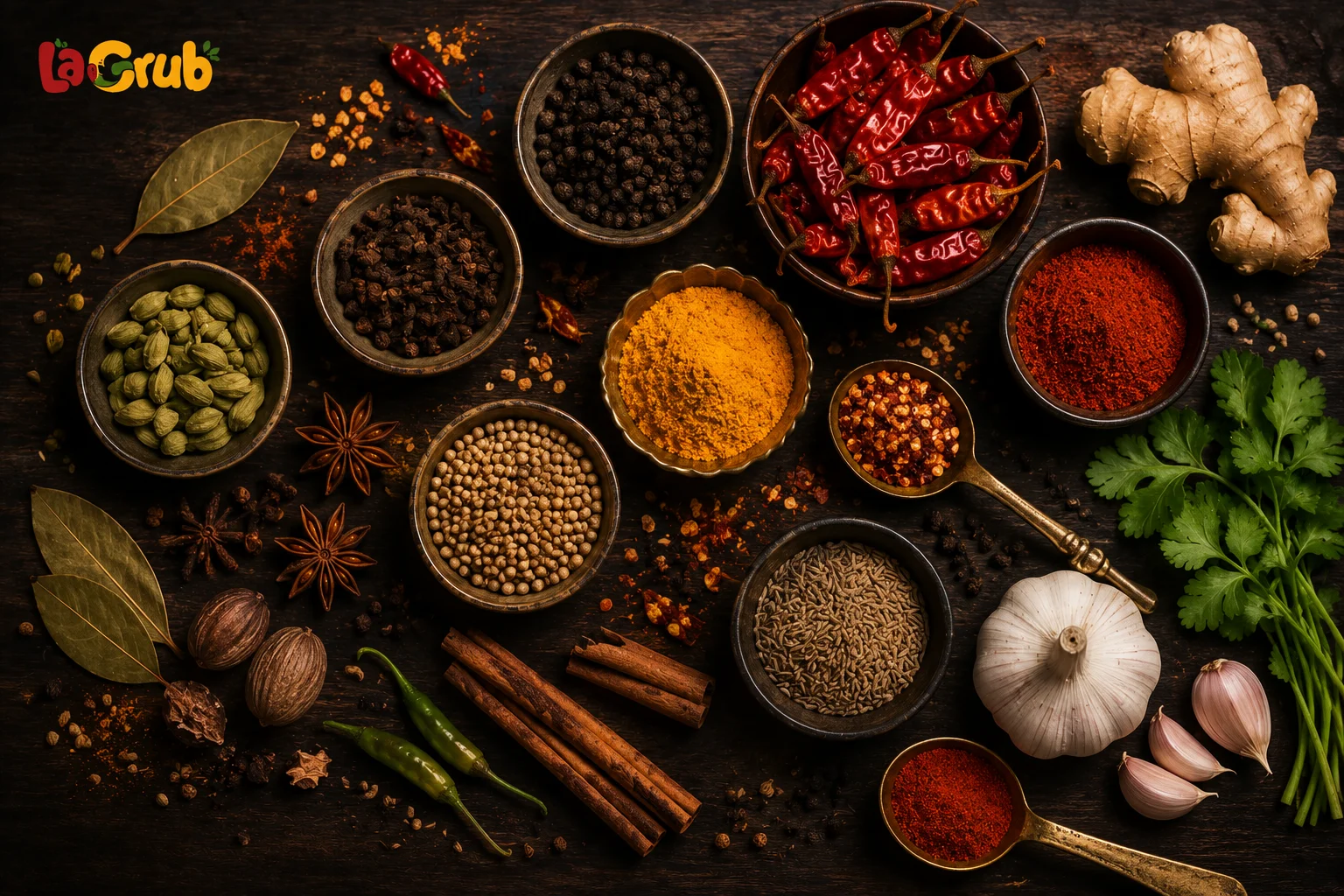
The main ingredient responsible for the heat in most spicy Indian food is chilli. Fresh green chillies, dried red chillies, chilli powder and regional chilli varieties can all add different levels of heat.
However, chilli is only one part of the story. Indian cooking uses many spices that add flavour without necessarily making a dish hot. Cumin brings an earthy aroma. Coriander adds a warm, citrus-like note. Turmeric gives colour and an earthy taste, while cardamom, cloves and cinnamon add fragrance.
This is why an Indian curry can taste complex even when it is not particularly hot.
So, when asking what makes Indian food spicy, it helps to separate two ideas: heat and flavour. Chilli provides most of the burning heat, while the wider spice blend creates the layered taste that people associate with Indian cuisine.
Why Does Indian Food Taste So Spicy?
The word “spicy” can be confusing. In everyday conversation, it can mean food contains many spices. It can also mean food has a strong chilli heat.
Indian cooking can involve both, but they are not the same thing.
A dish can contain cumin, coriander, turmeric, cinnamon and cardamom and still be mild. On the other hand, a simple dish with plenty of fresh chilli can be extremely hot.
The amount of chilli, the variety used and when it is added during cooking all affect the final heat.
Indian cooks also layer spices throughout the cooking process. Some spices are fried in oil at the beginning, while others are added to a masala or curry later. A final sprinkle of chilli or a fresh green chilli can change the character of the dish again.
Therefore, the heat you taste is only one part of the overall flavour.
Which Spices Make Indian Food Hot?
Not every Indian spice is hot. In fact, many of the spices commonly found in Indian kitchens are mainly used for aroma, colour and depth.
Chilli Powder
Chilli powder is one of the easiest ways to increase heat in a curry. Depending on the type, it can range from mild and colourful to very hot.
The amount used also matters. A small quantity may add colour and gentle warmth, while a larger amount can make a curry much hotter.
Fresh Green Chilli
Fresh green chilli can add a sharp, direct heat to curries, dals, chutneys and vegetable dishes.
It is especially useful when you want a fresh chilli flavour rather than simply increasing the amount of powdered chilli.
Dried Red Chilli
Dried red chillies can be added whole, broken into pieces or ground into powder. They are commonly used in tempering and spice blends.
When fried briefly in oil, they can release both flavour and heat into the cooking fat.
Black Pepper
Black pepper can contribute a warm, sharp heat. It is different from chilli because its flavour is more peppery and aromatic.
It is especially useful in dishes where you want warmth without relying entirely on red or green chillies.
Ginger
Ginger does not create the same burning sensation as chilli, but it adds a warm, fresh bite. It is commonly combined with garlic in curry bases and marinades.
What Types of Chillies Are Used in Indian Food?
One reason Indian food can vary so much in heat is the huge range of chillies available.
Different chillies can provide different combinations of heat, colour, sweetness and aroma.
Kashmiri Chilli
Kashmiri chilli is valued for its vibrant red colour and relatively moderate heat compared with many hotter chilli varieties.
It can make a curry look rich and red without automatically making it extremely hot.
Green Chilli
Green chillies provide a fresh, sharp heat. They are often chopped into curries, dals, chutneys and vegetable dishes.
Because fresh chillies vary in heat, the same recipe can taste different from one batch to another.
Dried Red Chilli
Dried red chillies are often used whole or crushed. They can add a deeper chilli flavour and work especially well in tempering.
Hot Regional Chillies
India is home to chilli varieties with very high heat levels. Some are used in regional cooking and others are popular among people who specifically enjoy fiery food.
This variety explains why two dishes described as “Indian curry” can have completely different heat levels.
Is Indian Food Always Spicy?
No. Indian food is not always spicy.
This is one of the most important points to understand when exploring Indian cuisine.
Indian cooking includes mild dishes, creamy curries, fragrant rice dishes, lentils, breads, sweets, vegetable preparations and many foods where chilli is used lightly.
For example, a rich korma can be creamy and aromatic rather than fiery. Dal can be gently seasoned. Some biryani recipes focus more on fragrance than chilli heat.
Even within the same dish, the heat can often be adjusted according to personal preference.
This variety is important because Indian cuisine covers many regions, communities, ingredients and cooking traditions. There is no single level of spice that represents all Indian food.
What Makes an Indian Curry Spicy?
Several factors determine how hot a curry becomes.
First is the type of chilli. A mild chilli and a very hot chilli will obviously produce different results.
Second is the quantity. More chilli usually means more heat, although the final result also depends on the rest of the ingredients.
Third is when the chilli is added. Chilli cooked into the masala becomes part of the overall flavour. Fresh chilli added towards the end can give a sharper heat.
Finally, the base of the curry matters. Cream, yoghurt, coconut milk, vegetables and other ingredients can change how intense the chilli tastes.
A tomato-rich curry with several fresh chillies may taste very different from a creamy curry containing a small amount of chilli powder.
Does Garam Masala Make Indian Food Spicy?
Garam masala is often misunderstood.
Although it is strongly associated with Indian cooking, garam masala does not automatically make food hot. It is primarily an aromatic spice blend.
Depending on the recipe, garam masala may contain spices such as cumin, coriander, cardamom, cinnamon, cloves, black pepper and other warming spices.
The exact blend varies between households and regions.
Garam masala can make a dish taste warmer and more fragrant, but it does not necessarily create the burning chilli heat people associate with spicy food.
This distinction is useful when cooking at home. If you want more flavour without significantly increasing chilli heat, aromatic spices can help. If you specifically want more heat, chilli is usually the more direct choice.
Why Do Some Indian Dishes Taste Hotter Than Others?
There is no single reason why one dish is hotter than another.
Recipes are influenced by region, family tradition, available ingredients and personal taste.
For example, one cook may use several green chillies in a curry, while another may use only a small amount of chilli powder.
The type of chilli also makes a major difference.
The cooking method matters too. A chilli blended into a masala creates a different experience from a fresh chilli added near the end.
Even the amount of liquid and other ingredients can affect how noticeable the heat feels.
That is why a restaurant version of a dish can taste much hotter than the same dish prepared at home.
How Indian Spices Build Flavour Without Heat
A major reason people love Indian spices is that they do far more than make food hot.
Cumin
Cumin has an earthy, warm aroma. It is commonly used in curries, rice dishes, lentils and tempering.
Coriander
Coriander can add a fresh, slightly citrus-like flavour. Ground coriander is widely used in curry masalas.
Turmeric
Turmeric gives many Indian dishes their golden colour and earthy character. It is not a hot spice.
Cardamom
Cardamom adds a sweet, floral aroma. It is especially common in rice dishes, desserts, drinks and rich curries.
Cinnamon
Cinnamon contributes warmth and sweetness. A small piece can add fragrance to curries and rice dishes.
Cloves
Cloves have a strong aromatic flavour and are often used in biryani, pulao and spice blends.
These ingredients demonstrate why Indian food spices should not all be treated as sources of heat. Many are there to create aroma and depth.
What Is the Difference Between Spicy and Hot?
“Spicy” and “hot” are often used as if they mean the same thing, but there is an important difference.
A dish can be highly spiced but mild. For example, a curry may contain cumin, coriander, turmeric, cardamom and cinnamon without containing much chilli.
A dish can also be hot with very few spices if it contains a large amount of chilli.
The burning sensation from chilli mainly comes from capsaicin, a compound found in chilli peppers. Capsaicin activates heat-sensitive receptors in the mouth, creating the familiar sensation of chilli heat.
This is why chilli can make food feel physically hot even though the food itself may not actually be at a high temperature.
Understanding this difference makes it much easier to control Indian cooking.
How to Make Indian Food More Spicy
If you enjoy strong heat, there are several simple ways to increase it.
Fresh green chilli is a good option when you want a sharp, fresh heat. Chilli powder works well when you want heat distributed through a curry or masala. Dried red chillies can add a deeper chilli flavour, especially when used in tempering.
You can also add chilli flakes towards the end of cooking.
However, increase the heat gradually. It is much easier to add more chilli than to rescue a curry that has become too hot.
A useful approach is to add a small amount, cook for a few minutes and taste before adding more.
This gives you much better control over the final dish.
How to Make Indian Food Less Spicy
Sometimes curry becomes hotter than expected. Fortunately, you can often balance it.
The best method depends on the recipe.
For creamy curries, adding yoghurt, cream or another suitable creamy ingredient can soften the chilli sensation. Coconut-based dishes can also balance heat.
Increasing the amount of non-spicy ingredients can help spread the chilli across a larger quantity of food. Adding more cooked vegetables, lentils, sauce or other ingredients may make the overall dish less intense.
Serving spicy food with rice, roti, naan or another plain accompaniment can also make each bite feel milder.
Avoid simply adding lots of water. This can make a curry thin without properly balancing its flavour.
How Regional Indian Cuisine Uses Chilli
India's enormous regional diversity is another reason Indian food has such different spice levels.
Cooking traditions vary according to climate, local crops, cultural influences and available ingredients.
Some regions are famous for dishes with strong chilli heat, while others are better known for creamy, aromatic or lightly seasoned preparations.
Even within one region, families can have different preferences.
This means it is difficult to say that one amount of chilli is “authentic” for all Indian food.
Authenticity often depends on the specific dish and the tradition behind it.
For home cooks, this is good news. You can respect the character of a recipe while adjusting the chilli level to suit your household.
How Chilli Is Added to Indian Cooking
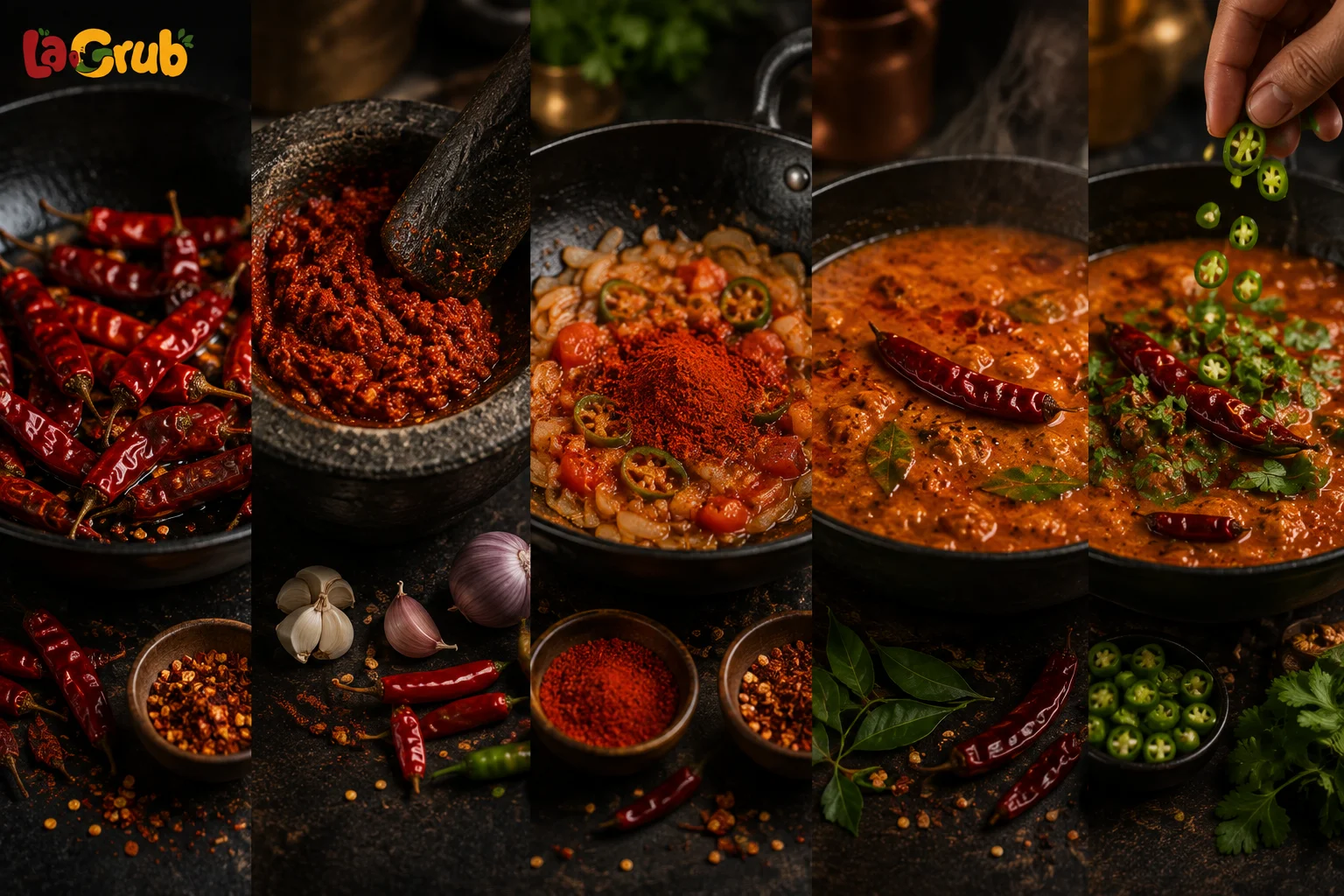
The stage at which chilli is added can change the final result.
Chilli may be added during the initial cooking of onions and aromatics. It can also be combined with tomatoes and other ingredients to create the masala base.
Another common method is tempering, where spices and chillies are briefly cooked in hot oil or ghee before being added to a dish.
Fresh chilli can also be added towards the end for a brighter, sharper taste.
These techniques show that what makes Indian food spicy is not only the amount of chilli. The form, timing and cooking method all influence the final experience.
Can Indian Food Be Flavourful Without Being Spicy?
Absolutely.
Removing chilli does not mean removing flavour.
You can build a deeply aromatic Indian dish with cumin, coriander, turmeric, ginger, garlic, cardamom, cinnamon, cloves, fenugreek and other seasonings.
The cooking process is just as important.
Slowly cooking onions can create sweetness and depth. Browning meat can add richness. Toasting spices can release their aroma. Fresh coriander can provide a bright finish.
This is why a mild curry can still taste rich and satisfying.
The goal of Indian cooking is not always to make food as hot as possible. It is to build layers of flavour.
For more ideas on using spices in everyday cooking, explore LaGrub's recipe collection for dishes that use different spice combinations and cooking methods.
Common Mistakes When Making Indian Food Spicy
One common mistake is adding too much chilli at once.
Another is assuming that garam masala and other aromatic spices are responsible for most of the heat.
Using a very hot chilli when a recipe calls for a milder variety can also change the dish dramatically.
It is better to taste as you cook and adjust gradually.
Remember that chilli heat can become more noticeable as a dish sits, especially when the flavours have time to develop.
A balanced curry should still allow you to taste its other ingredients.
Indian Food and the Balance of Flavours
The best spicy Indian food is not simply the hottest food.
Indian cooking often balances heat with other tastes.
A chilli-heavy curry may have sweetness from onions, tomatoes or another ingredient. Tangy yoghurt or lemon can provide contrast. Cream or coconut can soften heat. Fresh herbs can bring brightness.
This balance is what keeps a spicy dish enjoyable rather than overwhelming.
Think of chilli as one part of the flavour profile, not the entire dish.
That approach will help you cook better Indian food whether you prefer mild curries or fiery dishes.
Frequently Asked Questions
What makes Indian food spicy?
Chillies are the main source of heat in most Indian dishes. Fresh green chillies, dried red chillies, chilli powder and different chilli varieties can all increase heat. Other spices create warmth and aroma but are not necessarily hot.
Is all Indian food spicy?
No. Indian cuisine includes many mild dishes. The amount and type of chilli varies between dishes, regions and families. Creamy curries, some rice dishes, dals and many vegetable preparations can be mild.
What spice makes Indian food hot?
Chilli is the main ingredient that makes Indian food hot. Fresh chillies, dried chillies and chilli powders can all provide heat. Black pepper and ginger can add warmth, but their heat is different from chilli.
Does garam masala make Indian food spicy?
Not necessarily. Garam masala is mainly an aromatic spice blend. It can contain warming spices such as cumin, cardamom, cinnamon, cloves and black pepper, but it does not automatically make a dish chilli-hot.
How can you make Indian food less spicy?
You can balance excess heat by increasing the amount of suitable non-spicy ingredients or using ingredients such as yoghurt, cream or coconut-based components where appropriate. Serving the dish with rice, roti or naan can also make the heat feel milder.
Conclusion
So, what makes Indian food spicy? In most cases, the answer is chilli. Fresh green chillies, dried red chillies, chilli powder and different regional varieties can all bring heat to a dish.
But chilli is only part of what makes Indian food so exciting. Cumin, coriander, turmeric, ginger, garlic, cardamom, cinnamon and garam masala create the aroma and depth that make each recipe distinctive.
Most importantly, Indian food does not have to be extremely hot. The cuisine includes mild, medium and fiery dishes, and the heat can often be adjusted without losing the character of the recipe.
When cooking at home, add chilli gradually, taste as you go and focus on balance rather than simply chasing heat.
For more inspiration, discover LaGrub's Desi Cookbook and explore dishes where spices are used to create flavour, aroma and comfort, not just heat.

Maimoona Ehtisham
Maimoona Ehtisham writes for LaGrub on cooking, recipes, and mindful culinary living.
Get a desi recipe worth cooking, every week
One tested recipe a week. Nothing else, and unsubscribe any time.


