

If you’re wondering when to add garam masala in curry, the answer is usually near the end of cooking. Adding it at the right time helps preserve its warm aroma and rich flavour without making the curry bitter or overpowering. However, timing can vary by recipe, so knowing how and when to use this fragrant spice blend can make your curry taste much better.
Garam masala can transform a simple curry with its warm, fragrant spice blend. But when to add garam masala in curry matters because adding it too early, burning it, or using too much can change the final flavour. This guide explains the best timing, how much to use, and how to get the most from this classic spice blend.
When to Add Garam Masala in Curry
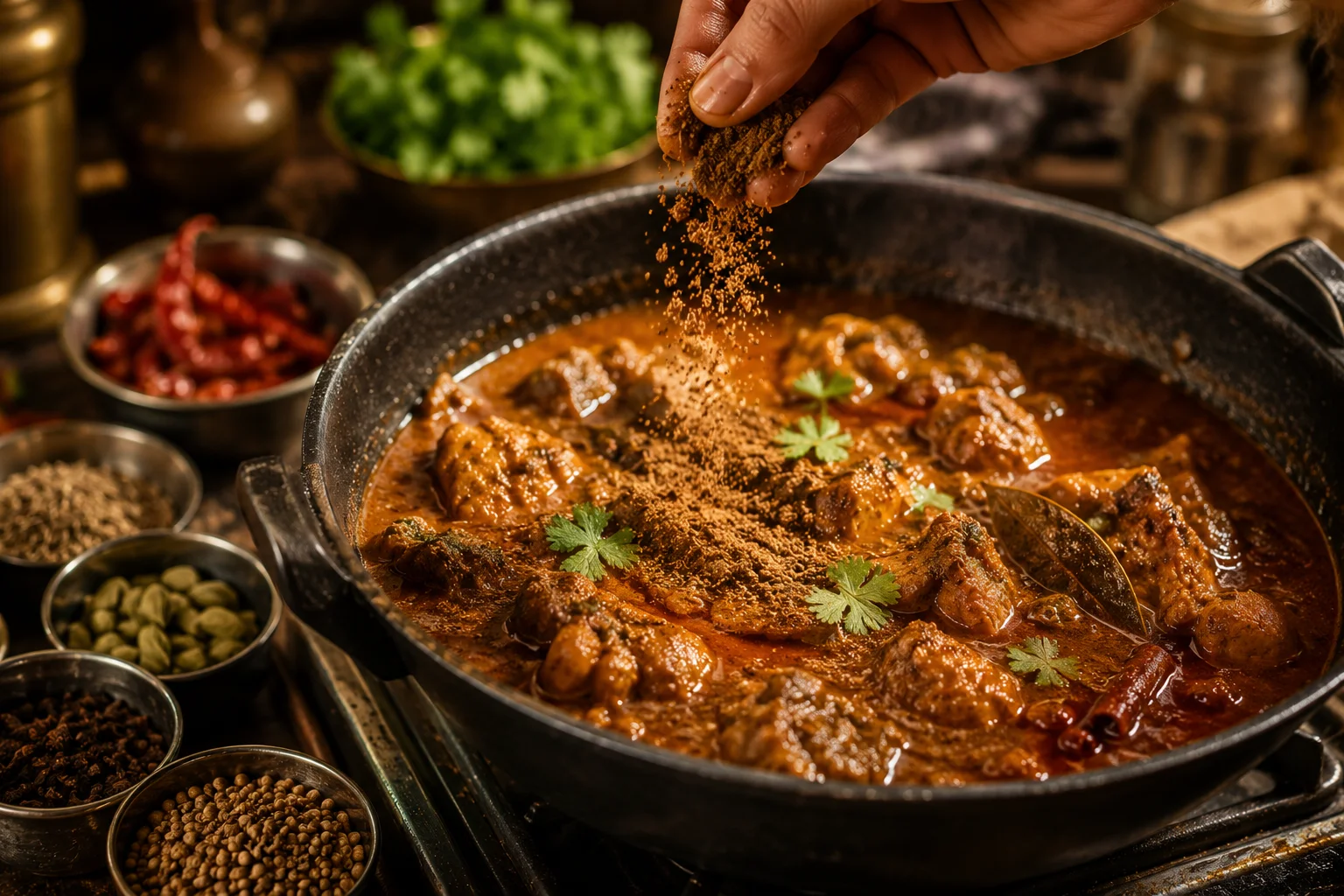
For most curry recipes, garam masala is best added towards the end of cooking. Adding it during the final few minutes allows its fragrant spices to add a fresh, warm aroma without losing too much of their character through long cooking.
However, this does not mean garam masala can never be added earlier. Some curry recipes use a small amount during the cooking process and another small amount near the end. Others use whole spices at the start and powdered garam masala as a finishing spice.
So, if you are wondering when to add garam masala to curry, the simple rule is to add powdered garam masala near the end unless your recipe says otherwise.
The timing also depends on the type of curry, the spice blend you are using, and the flavour you want.
Why Is Garam Masala Added at the End?
Garam masala contains aromatic spices such as cumin, coriander, cardamom, cinnamon, cloves, black pepper and other warming spices. The exact blend varies from recipe to recipe.
These spices provide more than heat. They bring fragrance, warmth and depth to a curry.
When powdered garam masala is cooked for a long time over high heat, some of its delicate aromas can become less noticeable. Therefore, adding it towards the end helps the finished curry retain a stronger spice fragrance.
Think of garam masala as a finishing layer.
Your onions, ginger, garlic and other spices create the main curry base. Garam masala then helps bring everything together near the end.
This is especially useful when you want the curry to smell as good as it tastes.
What Does Garam Masala Do to Curry?
The purpose of garam masala is not simply to make curry spicy.
Instead, it adds a complex mix of warm and aromatic flavours.
A good garam masala can make a curry taste:
Warmer
More fragrant
Deeper
More rounded
Slightly sweet and earthy
More aromatic
The exact result depends on the ingredients in the blend.
For example, cardamom can give a sweet fragrance, cinnamon adds warmth, cloves add a strong aromatic note, and black pepper can bring gentle heat.
That is why you should not think of garam masala as just another chilli powder. It has a different job in the curry.
Whole Garam Masala vs Garam Masala Powder
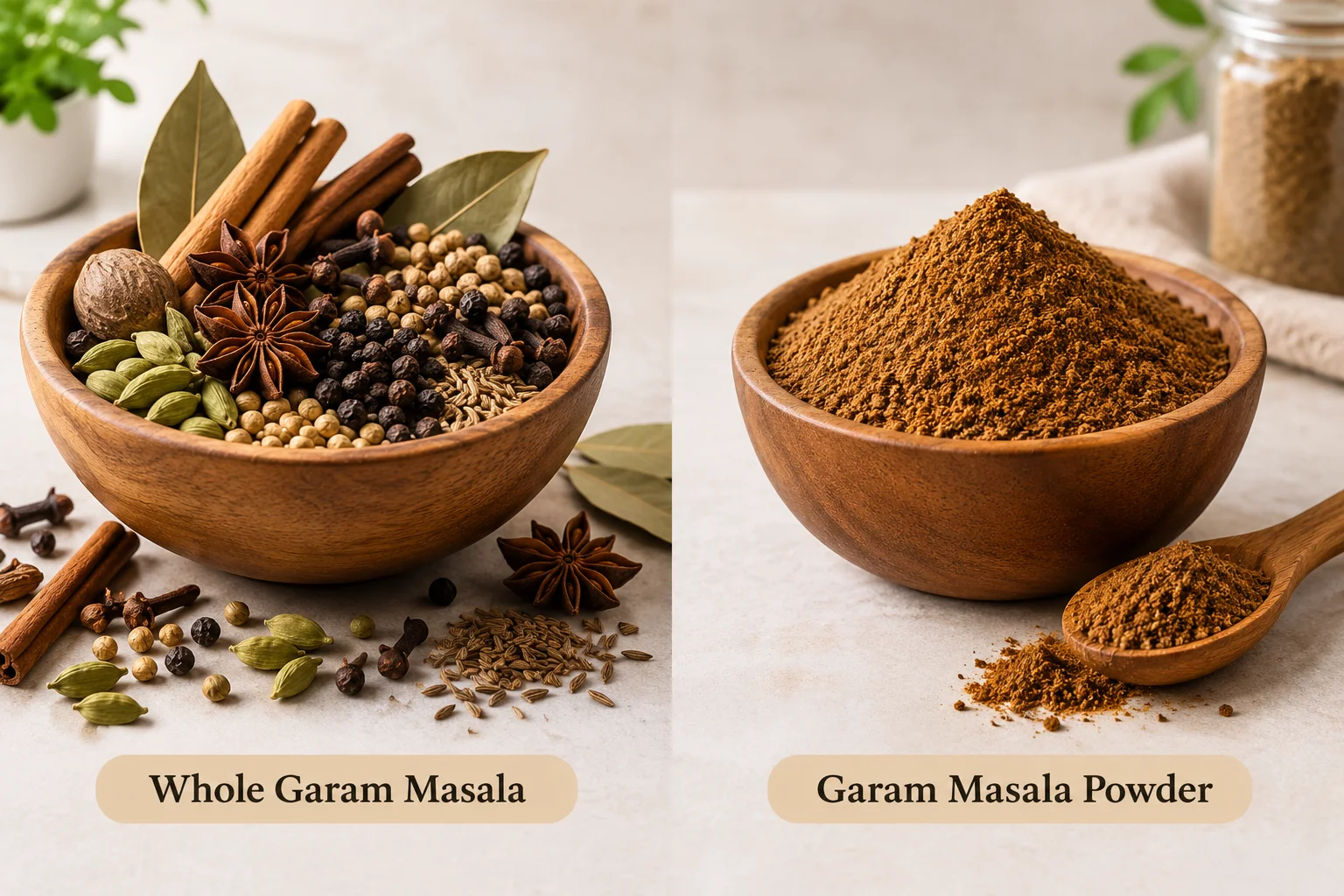
One common source of confusion is the difference between whole spices and powdered garam masala.
They can contain similar spices, but they are used differently.
Whole Spices
Whole spices are often added near the beginning of cooking.
They can be added to hot oil or ghee before onions and other ingredients. This allows their flavour to infuse into the cooking fat.
Common whole spices include:
Cinnamon sticks
Green cardamom
Black cardamom
Cloves
Bay leaves
Cumin seeds
Once the spices become fragrant, the rest of the curry ingredients can be added.
Garam Masala Powder
Powdered garam masala is often added later.
Because the spices are already ground, they can release their aroma quickly. They also need more care because they can burn if exposed to very high heat.
This is why when to add garam masala is different from when you add whole spices.
Using whole spices early and powdered garam masala later can create layers of flavour throughout the curry.
Can You Add Garam Masala at the Beginning?
Yes, you can.
There is no universal rule saying garam masala must never be added at the beginning.
Some recipes include garam masala in the masala base. A small quantity can be cooked with onions, tomatoes, ginger, garlic and other spices.
However, cooking powdered garam masala for a long time may reduce some of its fresh aroma.
For that reason, many cooks prefer to save at least some of the blend for the end.
If your curry recipe calls for garam masala at the beginning, follow the recipe. If you are creating your own curry, adding it towards the end is a reliable starting point.
Can You Add Garam Masala Twice?
Yes. Adding garam masala in two stages can give your curry more depth.
You can add a small amount during cooking and another small amount near the end.
The first addition becomes part of the curry base, while the final addition gives the finished dish a stronger aroma.
However, you do not need to use a large amount.
A little can go a long way, especially if your garam masala contains strong spices such as cloves, cardamom or black pepper.
If you are new to using the blend, start with one addition near the end. Once you understand its flavour, you can experiment with using it twice.
How to Add Garam Masala to Curry
Knowing how to use garam masala in curry is just as important as knowing when to add it.
Method 1: Add It During the Final Minutes
This is the easiest method.
Once your curry is nearly cooked, add the garam masala.
Stir it through the sauce and allow the curry to simmer gently for a few minutes.
This gives the spice blend enough time to spread through the curry without exposing it to prolonged cooking.
Method 2: Add It After Turning Off the Heat
You can also add a small amount once the curry is fully cooked.
Stir it through the hot curry and let the dish rest for a few minutes before serving.
This method gives you a particularly fragrant finish.
It is useful when you want the aroma of garam masala to stand out.
Method 3: Use It as a Finishing Spice
A small pinch can be sprinkled over the curry just before serving.
This works especially well when you want a noticeable aroma.
However, do not treat this as a replacement for the main seasoning. Garam masala works best when it complements the rest of the curry.
When to Add Garam Masala to Chicken Curry
Chicken curry is one of the easiest dishes for learning when to add garam masala in curry.
Start by cooking your whole spices, onion, ginger and garlic. Add your ground spices and other ingredients as required by your recipe.
Once the chicken has cooked and the sauce has developed its main flavour, add garam masala towards the end.
Stir well and allow the curry to simmer gently for a few minutes.
You can finish with fresh coriander for extra freshness.
The result should be a fragrant chicken curry where the garam masala supports the sauce rather than overpowering it.
For more comforting Pakistani-inspired dishes, explore LaGrub's recipe collection.
When to Add Garam Masala to Beef Curry
Beef curry often benefits from long, slow cooking because the meat may need more time to become tender.
For this type of curry, adding powdered garam masala near the end is especially useful.
Let the beef cook until tender and allow the main curry base to develop first.
Then add the garam masala during the final stage.
This helps give the finished curry a warm aroma without forcing the powdered spices to cook for the entire time.
If you are using whole spices, those can usually be added much earlier to build the base flavour.
When to Add Garam Masala to Vegetable Curry
Vegetable curries can vary greatly in cooking time.
Tender vegetables may need only a short cooking period, while potatoes and other firm vegetables take longer.
For many vegetable curries, adding garam masala towards the end works well.
It allows the vegetables to keep their own flavour while the spice blend adds warmth and fragrance.
You can also add a small pinch after cooking if you want a stronger aroma.
When to Add Garam Masala to Dal
Dal is another dish where garam masala can be used in different ways.
You can stir a small amount into the cooked dal near the end.
Alternatively, it can be included in a finishing tempering along with other spices.
The best approach depends on the type of dal and the other spices already being used.
Because dal has a softer and milder flavour than many meat curries, use garam masala carefully.
Too much can easily cover the natural flavour of the lentils.
How Much Garam Masala Should You Add?
There is no single amount that works for every curry.
The strength of garam masala can vary depending on the blend and how fresh it is.
For a medium pot of curry, start with a small amount and taste before adding more.
It is much easier to increase the seasoning than to fix a curry that has become overwhelmed by spices.
If you are using a strong homemade blend, you may need less than you would with a mild shop-bought blend.
The other spices in your curry also matter.
If your dish already contains plenty of cumin, coriander, pepper, cardamom and other strong spices, you may need less garam masala.
Why Does Garam Masala Taste Bitter?
If your curry tastes bitter after adding garam masala, you may have used too much or cooked it at too high a temperature.
Powdered spices can burn quickly.
For example, adding garam masala to very hot oil and leaving it there for too long can produce a harsh flavour.
To avoid this, keep the heat moderate and add powdered garam masala when there is enough moisture in the curry.
If your curry has already become bitter, adding more spices is usually not the answer. You can instead try balancing the curry with more of its main sauce or other ingredients, depending on the recipe.
Does Garam Masala Make Curry Spicy?
Not necessarily.
The word “masala” simply refers to a spice blend, and garam masala is mainly known for its warm and aromatic character.
Some blends contain black pepper or chilli and can therefore add heat. Others are more focused on fragrant spices such as cardamom, cinnamon and cloves.
So, if you want a very hot curry, garam masala alone is not usually the main ingredient responsible for the heat.
Chilli powder, fresh chilli and other hot ingredients have a much greater effect on spiciness.
Why Do Recipes Use Garam Masala and Other Spices Together?
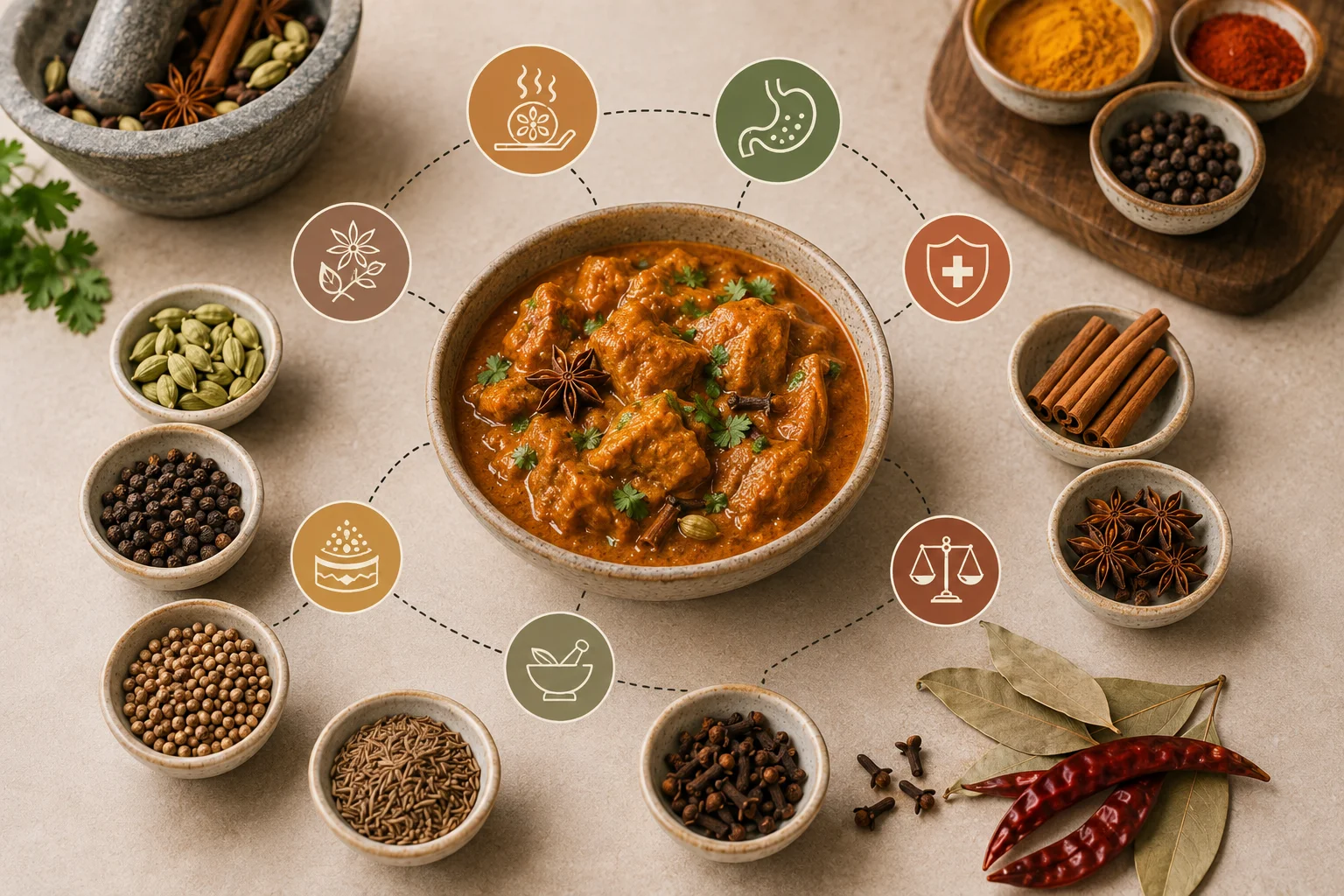
You may have noticed that a curry recipe can call for cumin, coriander, cardamom, cinnamon and other spices, followed by garam masala.
It may seem unnecessary at first.
However, these spices can serve different purposes.
Whole spices can flavour the cooking oil early in the process.
Ground spices can become part of the curry sauce.
Garam masala can then provide a final aromatic layer.
This creates a more rounded flavour rather than relying on one spice blend for everything.
It is similar to building a dish in layers. Each stage contributes something different.
Can You Add Garam Masala After Turning Off the Heat?
Yes.
Adding garam masala after turning off the heat is a useful way to give a curry a fresh aromatic finish.
The residual heat of the curry helps distribute the spice without exposing it to prolonged cooking.
Add a small amount, stir well, and allow the curry to rest for a few minutes.
Then taste it.
If you want a stronger flavour, you can add a little more.
This technique works particularly well when the curry is already fully seasoned and you mainly want more fragrance.
How to Get the Best Flavour From Garam Masala
Freshness matters.
Old ground spices tend to lose their aroma over time. If your garam masala smells weak before you add it, the finished curry may also lack fragrance.
Store the spice blend in an airtight container away from heat, moisture and direct sunlight.
Also, avoid adding too much at once.
A balanced curry should still allow you to taste the main ingredients. Garam masala should enhance the dish, not hide it.
Tips for Using Garam Masala in Curry
Keep these simple points in mind:
Add powdered garam masala towards the end for a strong aroma.
Use whole spices earlier when the recipe calls for them.
Start with a small amount.
Avoid burning powdered spices.
Taste before adding more.
Consider using garam masala in two stages for a deeper flavour.
Store the spice blend in an airtight container.
Adjust the amount according to the curry and the strength of your blend.
Frequently Asked Questions
When to add garam masala in curry for the best flavour?
For most curries, add powdered garam masala during the final few minutes of cooking. You can also add a small amount after turning off the heat for a more noticeable aroma.
Can I add garam masala at the beginning of cooking?
Yes. Some recipes use it in the initial curry base. However, if you want to preserve more of its fresh aroma, save some for the final stage.
Can I add garam masala twice to a curry?
Yes. You can use a small amount during cooking and another small amount near the end. This can create both deeper flavour and a stronger finishing aroma.
How much garam masala should I add to curry?
Start with a small amount and taste. The ideal quantity depends on the size of the curry, the other spices used and the strength of your garam masala blend.
Can garam masala make curry bitter?
Yes, especially if too much is used or the powdered spice is burned. Add it carefully, avoid very high heat and taste before adding more.
Conclusion
Knowing when to add garam masala in curry can make a noticeable difference to the final dish. For most recipes, adding powdered garam masala towards the end is a simple and reliable approach because it helps preserve its warm, fragrant character.
However, there is no need to follow one rule for every curry. Some recipes use garam masala earlier, while others add it twice or finish the dish with a small sprinkle. Whole spices can also be added at the beginning to build a deeper base.
The key is balance. Start with a small amount, avoid burning the powder, and let the garam masala complement the main ingredients.
Want to discover more flavourful Pakistani and desi recipes? Visit LaGrub and explore recipes designed to bring comforting homemade flavours to your kitchen.

Maimoona Ehtisham
Maimoona Ehtisham writes for LaGrub on cooking, recipes, and mindful culinary living.
Get a desi recipe worth cooking, every week
One tested recipe a week. Nothing else, and unsubscribe any time.


