

Ghee works better for high-heat cooking, while butter works better for baking, spreading, sauces, and gentle cooking.
Ghee works better for high-heat cooking, while butter works better for baking, spreading, sauces, and gentle cooking. Neither fat wins every ghee vs butter comparison because each product contains different amounts of water, milk solids, and butterfat.
Ghee is butter that has been heated until its water evaporates and its milk solids separate. Many makers continue cooking until those solids brown, then strain them away. That process gives ghee a toasted, nutty aroma and greater heat tolerance. Butter keeps its water and milk solids, which create a creamy taste and help baked goods rise, brown, and stay tender.
Ghee vs Butter at a Glance
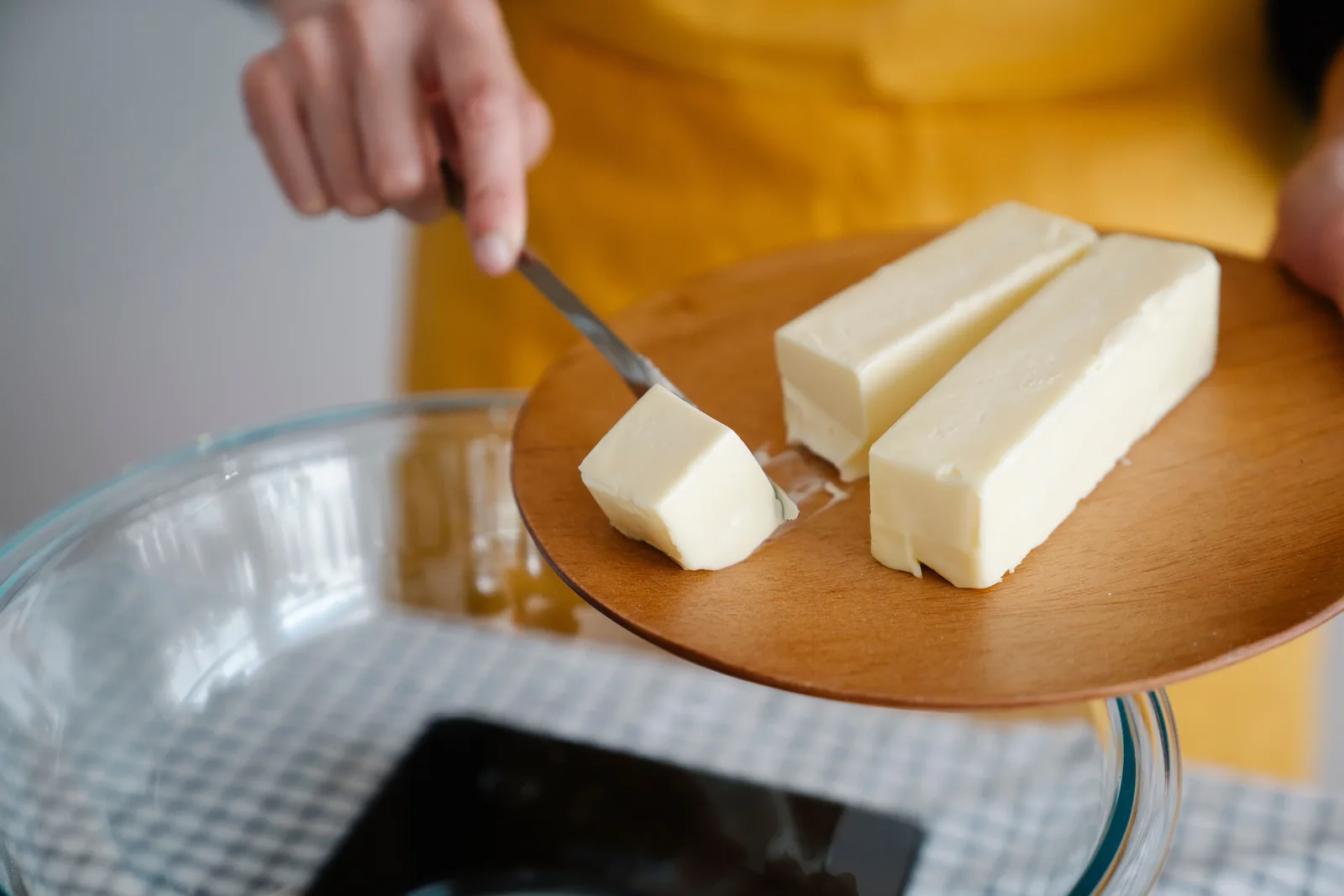 butter
| Feature | Ghee | Butter |
|---|---|---|
| Basic composition | Concentrated butterfat with most water and milk solids removed | Butterfat with about 16% water and small amounts of milk solids |
| Flavor | Nutty, toasted, rich | Creamy, milky, mildly sweet |
| Approximate smoke point | About 450°F (232°C), depending on the product | About 350°F (177°C) |
| Calories per tablespoon | About 120–126 calories | About 100–102 calories |
| Total fat per tablespoon | About 14g | About 11.5g |
| Saturated fat per tablespoon | About 8–9g | About 7g |
| Lactose and milk proteins | Very low after clarification, but trace amounts can remain | Present in small amounts |
| Best uses | Tadka, searing, frying, roasting, biryani, paratha, halwa | Baking, toast, sauces, scrambled eggs, mashed potatoes |
| Storage | Longer shelf life when kept dry and sealed | Usually refrigerated |
The nutritional figures are approximate because brands, serving weights, salt levels, and production methods vary. Read the product label when you need exact values.
What Is the Main Difference Between Ghee and Butter?
 butter vs ghee
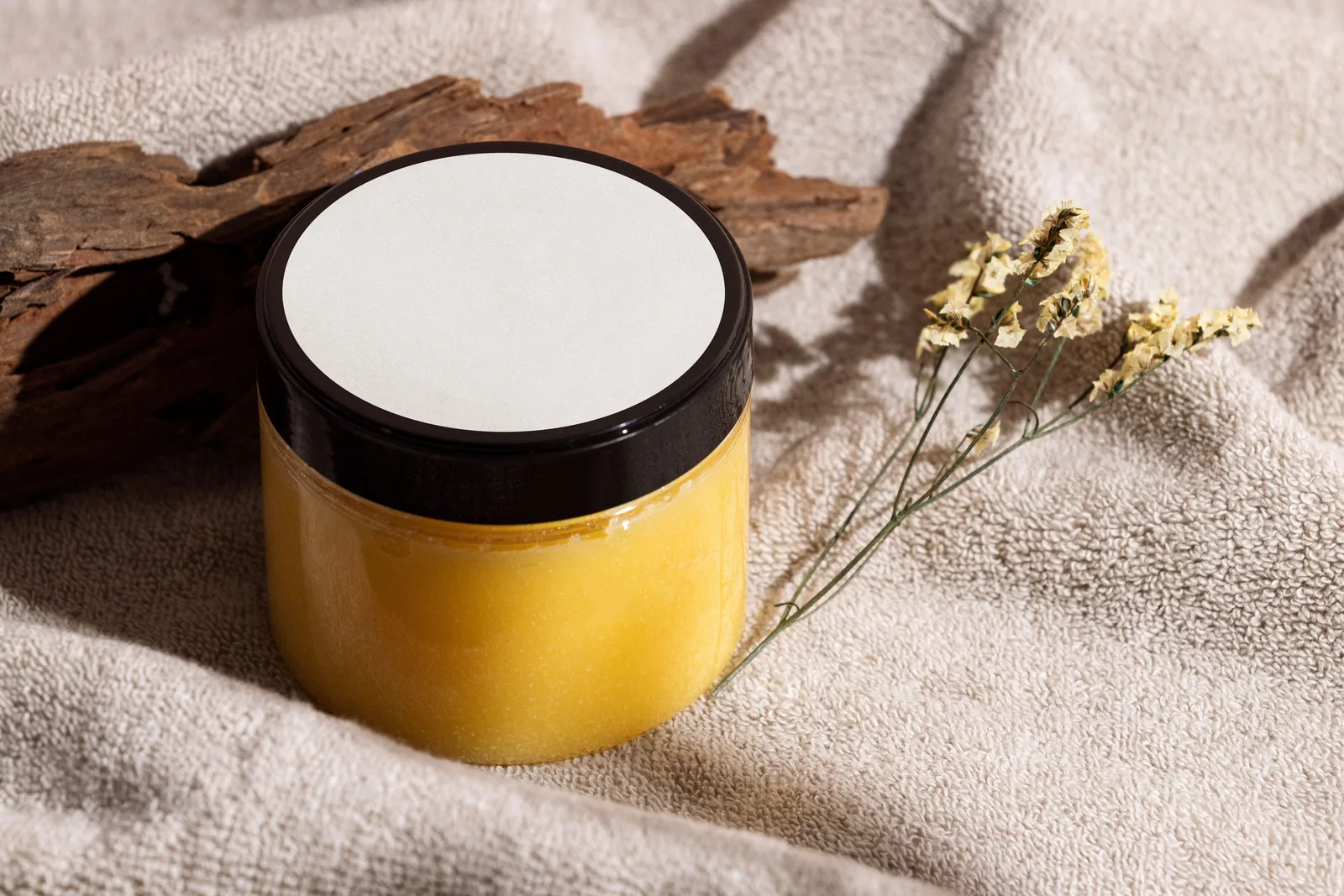
The main difference is that ghee contains almost pure butterfat, while butter contains fat, water, and milk solids. Removing water and milk solids changes flavor, cooking performance, nutrition per spoonful, and storage.
How Butter Is Made
Producers churn cream until the fat separates from buttermilk. The finished butter usually contains around 80% to 82% milk fat, with water and milk solids making up most of the remainder. Salted butter also contains added salt.
The water inside butter creates steam during baking. Milk proteins and sugars contribute flavor and browning. Those components make butter valuable in cakes, pastries, biscuits, sauces, and breads.
How Ghee Is Made
To make ghee, a cook melts butter and continues heating the butter gently. Water bubbles away, while milk solids sink, foam, or collect in the pan. Many traditional methods brown those solids before straining the clear golden fat.
The longer cooking develops a deeper aroma than ordinary clarified butter. Culinary definitions vary, but cooks often use “ghee” for clarified butter with a toasted character and “clarified butter” for a cleaner, milder product.
How Ghee Differs from Brown Butter
Brown butter keeps the toasted milk solids in the final product. Ghee removes those solids after browning. Brown butter delivers intense caramelized flavor but still burns more easily because the browned particles remain present.
Which Is Better for Cooking: Ghee or Butter?
Choose ghee for high heat and choose butter for low-to-medium heat when you want creamy dairy flavor. The cooking method matters more than a general preference.
Use Ghee for High-Heat Cooking
Ghee handles higher temperatures because the milk solids that burn first in ordinary butter have been removed. Use ghee for searing meat, sautéing onions, roasting vegetables, frying eggs over stronger heat, and blooming whole spices.
Ghee suits Pakistani and South Asian techniques such as tarka and bhunai. Hot ghee extracts aromas from cumin seeds, mustard seeds, cloves, cardamom, dried chilies, curry leaves, and garlic without scorching as quickly as whole butter.
LaGrub’s classic palak paneer uses oil or ghee for the onion, tomato, cumin, and ginger-garlic base. Ghee gives the curry a richer finish, while oil keeps the spinach flavor lighter.
Use Butter for Gentle Cooking
Butter performs well in scrambled eggs, pan sauces, mashed potatoes, toast, grilled sandwiches, and vegetables cooked over low or medium heat. The milk solids create a familiar creamy flavor that ghee cannot reproduce exactly.
Control the temperature when cooking with butter. Butter first melts, then foams as water escapes. The milk solids begin browning after the water decreases. Lower the heat when the butter darkens too quickly.
Which Is Better for Pakistani and South Asian Food?
Ghee usually performs better in traditional dishes that need spice tempering, frying, roasting, or a deep dairy aroma. Butter still belongs in selected curries, breads, restaurant-style dishes, and modern recipes.
When Ghee Gives the Best Result
Use ghee for biryani, pulao, paratha, halwa, daal tarka, panjiri, khichri, shahi tukray, and festive rice. Ghee coats grains and flour evenly, carries spice aromas, and adds a traditional toasted fragrance.
LaGrub’s classic shahi tukray uses ghee to shallow-fry bread before adding cardamom milk. Butter can burn during that frying stage and can leave dark milk solids on the bread.
When Butter Gives the Best Result
Use butter for butter chicken, pav bhaji, butter naan, creamy lentils, toast, sandwiches, and gentle finishing. Butter creates a milky flavor and glossy sauce when added near the end.
Butter also works when a recipe depends on emulsification. Cold butter whisked into a warm sauce can thicken the sauce and create shine. Ghee lacks the same water and milk-solid structure.
Why Different Regions Use Different Fats
Regional cooking also uses mustard, coconut, sesame, and vegetable oils. The right fat supports each dish’s expected flavor.
LaGrub’s guide to Pakistani cooking traditions explains how regional ingredients, meat preferences, spice combinations, and cooking methods shape both cuisines.
Is Ghee Healthier Than Butter?
 ghee vs butter
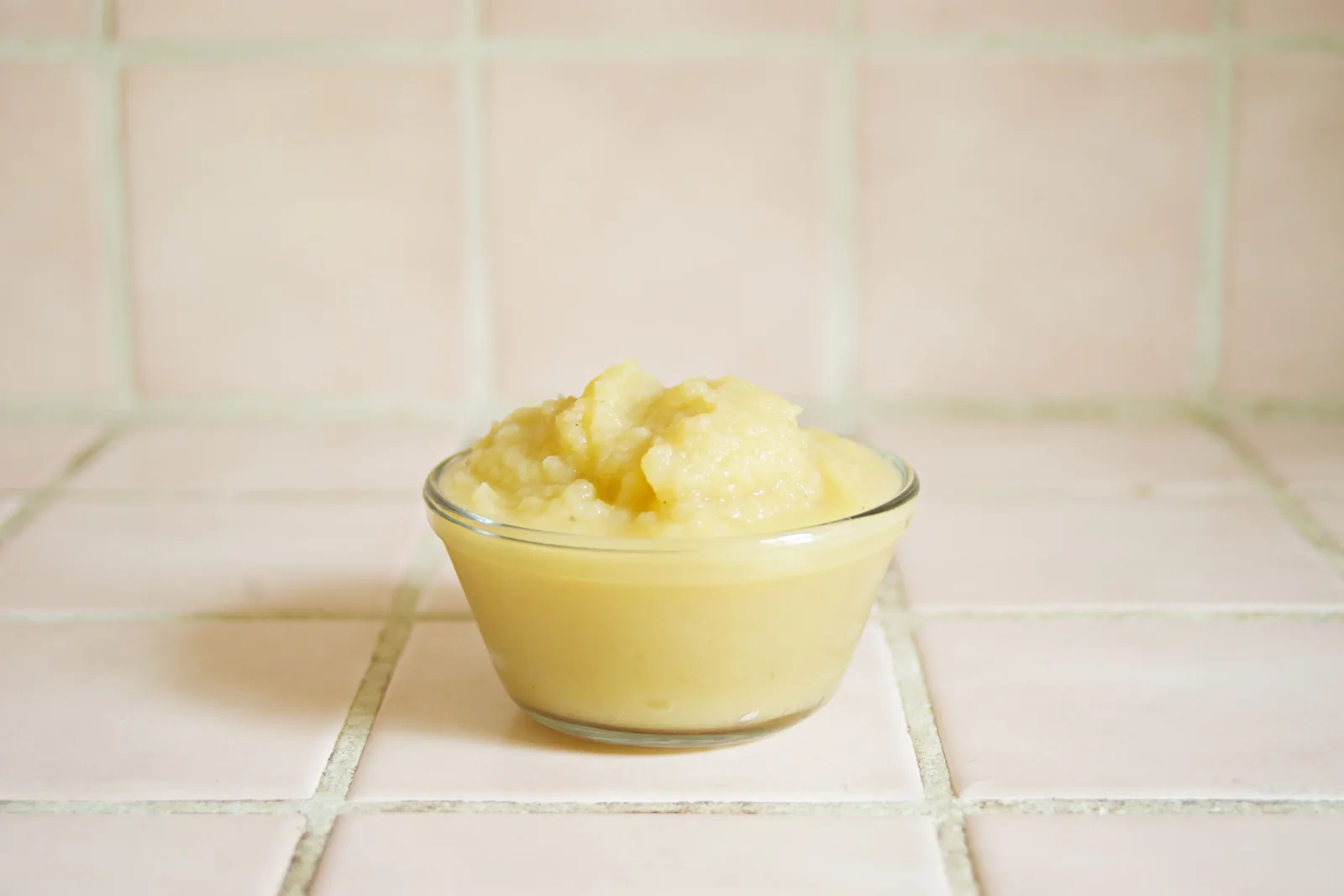
Ghee is not automatically healthier than butter. Both products contain concentrated calories and substantial saturated fat, while ghee contains slightly more fat and calories per tablespoon because it contains almost no water.
Calories and Total Fat
One tablespoon of ghee provides roughly 120–126 calories and 14g of fat. One tablespoon of butter provides roughly 100–102 calories and 11.5g of fat. Ghee becomes more concentrated after water and milk solids leave the butter.
Saturated Fat
Both ghee and butter contain high levels of saturated fat. Replacing some saturated fat with unsaturated fats, including olive, canola, soybean, sunflower, or peanut oil, can support a heart-conscious eating pattern.
People managing high low-density lipoprotein (LDL) cholesterol, cardiovascular disease, diabetes, or calorie intake should discuss personal targets with a qualified clinician or registered dietitian.
Vitamins and Butyrate
Ghee and butter contain fat-soluble compounds, including vitamin A. Nutrient levels vary with the animal’s diet, processing, brand, and serving size.
Ghee also contains butyrate and other fatty acids. Ghee does not provide a proven shortcut for weight loss, detoxification, digestive treatment, or disease prevention. Most dramatic online claims go beyond the available evidence.
The Practical Health Verdict
Choose ghee for cooking performance and flavor, not because marketing labels ghee as a cure-all. Choose butter when a smaller amount gives the flavor or baking function you need.
Is Ghee Lactose-Free and Safe for Dairy Allergies?
Ghee contains very little lactose and casein, but ghee remains a milk-derived product and can contain traces. Some people with lactose intolerance tolerate ghee better than butter, while people with milk allergy need greater caution.
Lactose Intolerance
Lactose intolerance involves difficulty digesting lactose, the sugar in milk. Clarification removes most water-based milk components and separated solids, leaving very little lactose in well-made ghee.
Tolerance differs between individuals and brands. Check the label and start only with professional guidance when previous dairy reactions have been significant.
Milk Allergy
Milk allergy involves an immune reaction to milk proteins, including casein or whey. Trace milk protein can still create a serious reaction in a sensitive person.
Do not treat ghee as dairy-free for allergy purposes. Choose a verified milk-free cooking fat and follow medical guidance when milk allergy applies.
Ghee vs Butter for Baking
Butter usually works better in recipes designed around creaming, steam, and milk-solid browning. Ghee can work in selected baked goods, but ghee changes moisture, spread, crumb, and flavor.
Why Butter Performs Better in Cakes and Pastries
Butter contains water that turns into steam during baking. Steam helps create lift and flaky layers in pastries, biscuits, scones, and laminated doughs. Solid butter also traps air when creamed with sugar.
Butter’s milk solids add browning and dairy flavor. Ghee cannot duplicate every function because the clarification process removes both water and solids.
When Ghee Works in Baking
Ghee can work in cookies, brownies, shortbread, flatbreads, halwa, and recipes that already use melted fat. Expect a nuttier flavor and potentially crisper or denser texture.
Use a recipe developed for ghee when texture matters. Test a small batch and weigh ingredients before changing cakes, pastry, yeast dough, or frosting. A one-to-one swap can work for pan greasing, fillings, melted-fat brownies, and some cookies.
Can You Substitute Ghee for Butter in Cooking?
You can usually replace butter with ghee one-to-one in sautéing, roasting, frying, and finishing. Reduce the amount slightly when the richer flavor or pure-fat concentration feels excessive.
| Recipe type | Can you substitute? | Expected change |
|---|---|---|
| Sautéing onions or vegetables | Yes, usually 1:1 | Higher heat tolerance and nuttier flavor |
| Roasting meat or vegetables | Yes, usually 1:1 | Deeper aroma and less milk-solid burning |
| Tadka or spice tempering | Yes | Ghee usually performs better |
| Toast or bread spread | Yes | Ghee tastes nuttier and less creamy |
| Pan sauce | Sometimes | Ghee lacks butter’s emulsifying water and solids |
| Cookies and brownies | Sometimes | Texture and spread can change |
| Cakes and pastry | Not automatically | Missing water can change lift and crumb |
| Buttercream or frosting | Usually not ideal | Ghee can taste heavy and behave differently |
Does Ghee Have a Higher Smoke Point Than Butter?
Yes, ghee has a higher smoke point because clarification removes the milk solids that burn first. Many references place ghee near 450°F (232°C) and butter near 350°F (177°C), though exact values vary.
Smoke point does not mean that you should keep any fat smoking. Visible smoke signals breakdown and unpleasant flavor. Use controlled heat and remove the pan from the burner when the fat smokes continuously.
Ghee’s heat tolerance makes the clearest difference during searing, stir-frying, spice tempering, and shallow frying. Butter remains suitable at lower temperatures.
Which Tastes Better: Ghee or Butter?
Ghee tastes toasted and nutty, while butter tastes creamy and milky. The better choice depends on the dish and your preference.
Choose ghee for lentils, rice, roasted root vegetables, popcorn, paratha, grilled meat, and warm spices. Choose butter for toast, corn, mashed potatoes, mild eggs, seafood sauces, cakes, and pastries.
Which Is Cheaper and Easier to Store?
Butter usually costs less in many Western supermarkets, while ghee often lasts longer because it contains less water and fewer milk solids. Local prices can reverse in Pakistan, India, the United Kingdom, and areas with large South Asian communities.
Cost
Reddit cooks repeatedly identify price as a major reason they use butter or vegetable oil more often. Store-bought ghee can cost several times more than basic butter in some locations.
Storage
Keep commercial ghee according to the package instructions. Store an opened jar tightly closed, away from heat, direct sunlight, steam, and moisture. Use a completely dry spoon.
Refrigeration extends quality and provides a safer choice in very hot kitchens or when homemade ghee contains residual moisture. Refrigerated ghee becomes firm but softens again at room temperature.
Store butter in the refrigerator and protect it from strong odors. Discard either product when the fat smells rancid, sour, stale, or paint-like.
How to Make Ghee from Butter at Home
 ghee vs butter
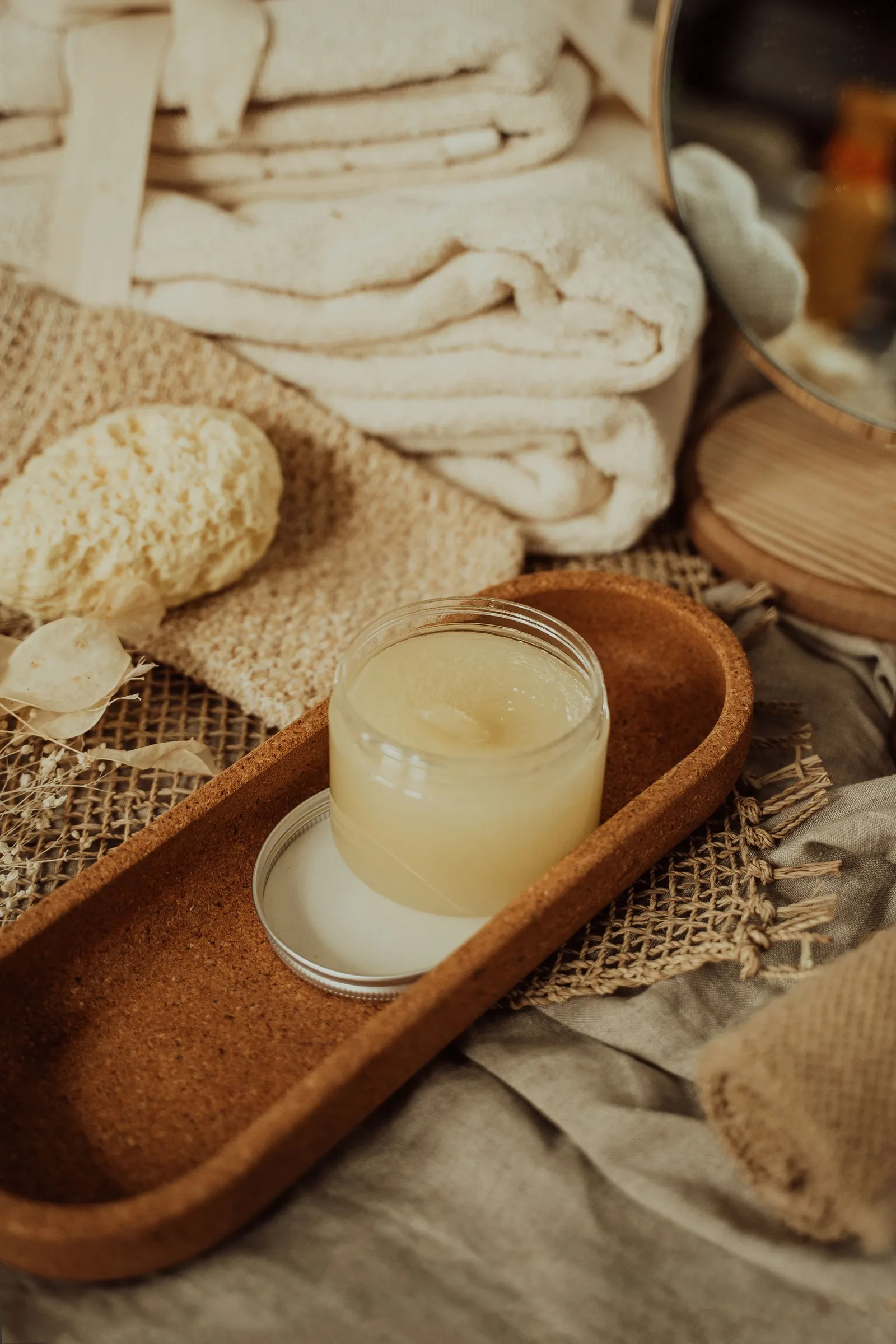
To make ghee, heat unsalted butter gently until the water evaporates and the milk solids turn golden, then strain the clear fat.
- Place 1 pound (454g) unsalted butter in a clean, heavy saucepan.
- Melt the butter over low heat without stirring aggressively.
- Let the butter simmer gently as foam develops and water escapes.
- Watch the milk solids at the bottom turn golden and smell nutty.
- Remove the pan before the solids become dark brown or black.
- Cool the ghee for 5 minutes.
- Strain the liquid through a fine metal strainer or clean cheesecloth.
- Transfer the ghee into a clean, dry, heat-safe jar.
The cooking time depends on pan width, burner strength, and butter quantity. Follow color, sound, and aroma rather than one fixed minute count. Burned milk solids create bitterness.
Common Ghee vs Butter Myths
Myth 1: Ghee Is Always Healthier
False. Ghee contains more concentrated fat and calories per spoonful. Both products contain substantial saturated fat.
Myth 2: Ghee Is Completely Dairy-Free
False. Ghee comes from milk and can retain trace proteins. People with milk allergy should not assume safety.
Myth 3: Butter Cannot Handle Any Heat
False. Butter works well over low and medium heat. Butter becomes unsuitable when milk solids burn before cooking finishes.
Myth 4: Ghee and Clarified Butter Always Taste Identical
Not always. Ghee often cooks longer and develops toasted flavor, while lightly clarified butter can taste cleaner and milder.
Myth 5: Ghee Can Replace Butter in Every Bake
False. Butter supplies water and milk solids that affect rise, browning, spread, and crumb.
Frequently Asked Questions
Is ghee better than butter for frying?
Yes, ghee usually performs better for frying because ghee tolerates higher heat. Butter’s milk solids can burn near 350°F (177°C).
Is ghee healthier than butter for cholesterol?
No clear advantage applies. Both contain high saturated fat, which can raise low-density lipoprotein cholesterol when consumed excessively.
Can lactose-intolerant people eat ghee?
Some lactose-intolerant people tolerate ghee because ghee contains very little lactose. Individual tolerance and manufacturing quality differ.
Can someone with a milk allergy eat ghee?
No, not without medical guidance. Ghee remains milk-derived and can contain trace milk proteins.
Can you use butter instead of ghee in curry?
Yes, for lower-heat cooking or finishing. Butter can burn during high-heat spice tempering, so reduce the heat or use oil.
Should you refrigerate ghee?
Follow the product label. Refrigeration helps preserve quality in hot kitchens and protects homemade ghee when moisture removal remains uncertain.
Ghee vs Butter: Which One Should You Choose?
Keep both when your cooking includes high-heat savory food and precision baking. Use ghee for frying, roasting, tarka, biryani, paratha, and halwa. Use butter for cakes, pastries, toast, sauces, and gentle cooking.
Choose by technique first, flavor second, and nutrition goals third. Measure portions because both products concentrate calories and saturated fat. Explore LaGrub’s recipes to see how traditional cooks place each fat where the ingredient performs best.

Sahar Syed
Sahar Syed writes practical recipes, approachable food guides, and evidence-informed cooking articles for LaGrub.
Get a desi recipe worth cooking, every week
One tested recipe a week. Nothing else, and unsubscribe any time.


