

Want to know how to make aloo paratha that is soft inside, crisp and golden outside, and packed with flavour? This easy Pakistani aloo paratha recipe walks you through making the dough, preparing the potato filling, stuffing, rolling, and cooking perfect homemade parathas with simple tips for beginners.
Want to learn how to make aloo paratha at home? This easy recipe shows you how to make soft dough, flavourful potato filling, and perfectly cooked parathas with a crisp outside and soft centre. You’ll also learn how to stop the filling from breaking through, prepare the dough ahead, freeze parathas, and serve them.
What Is Aloo Paratha?
Aloo paratha is a popular South Asian flatbread made by filling wheat flour dough with a seasoned potato mixture. The filled dough is rolled into a round shape and cooked on a hot tawa with ghee or oil until golden and lightly crisp.
It is a much-loved breakfast and comfort food in Pakistani and South Asian homes. However, you do not have to wait until breakfast to enjoy it. Aloo paratha also makes a satisfying lunch, dinner, brunch, or weekend family meal.
The best part is the contrast in texture. The outside should have golden, lightly crisp spots, while the inside stays soft with a warm, spicy potato filling.
Learning how to make aloo paratha is mostly about mastering three things: soft dough, dry and well-seasoned filling, and gentle rolling.
Once you understand these steps, homemade aloo paratha becomes much easier.
Aloo Paratha Ingredients
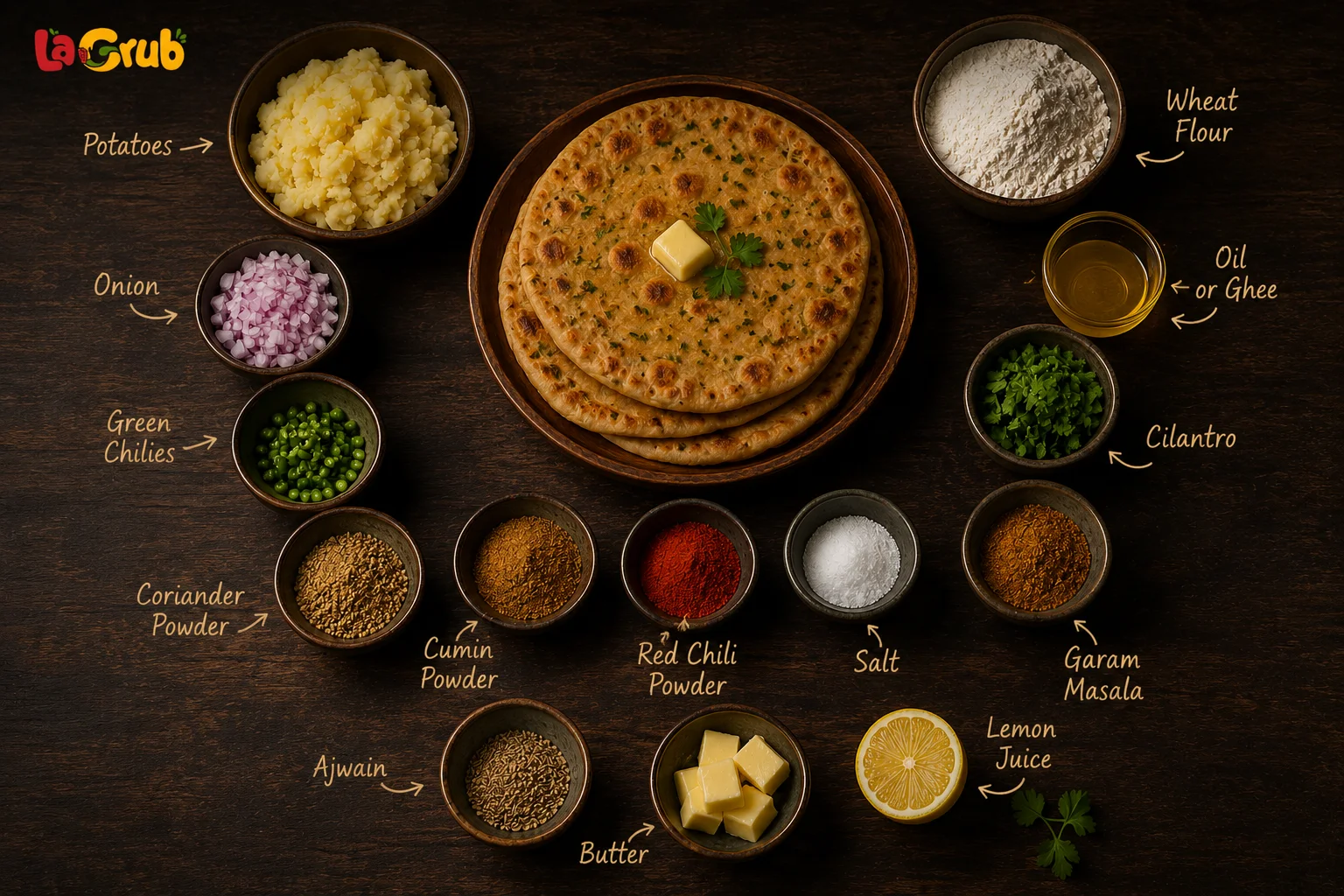
You only need everyday ingredients to make this recipe.
For the Dough
2 cups whole wheat flour
½ tsp salt
1 tbsp oil or melted ghee
Around ¾ cup water, added gradually
Extra flour for rolling
For the Potato Filling
4 medium potatoes
1-2 green chillies, finely chopped
2 tbsp fresh coriander, chopped
1 tsp cumin seeds
1 tsp coriander seeds, lightly crushed
½ tsp red chilli powder
½ tsp garam masala
½ tsp amchur powder or 1 tsp lemon juice
Salt to taste
½ tsp chaat masala, optional
For Cooking
Ghee or oil as needed
The spices can be adjusted according to your taste. If you prefer a milder paratha, reduce the green chilli and red chilli powder.
How to Make Aloo Paratha Step by Step
Now let's look at how to make aloo paratha from start to finish.
Step 1: Prepare the Potatoes
Wash the potatoes and boil them until they are completely tender.
Allow them to cool enough to handle, then peel them.
Mash the potatoes until smooth.
Do not leave large chunks because they can make the dough difficult to roll and may cause the filling to break through.
The potatoes should also be reasonably dry. Watery mashed potatoes are one of the biggest reasons stuffed parathas become difficult to handle.
If the potatoes feel very moist, spread the mashed potatoes on a plate for a few minutes so excess steam can escape.
Step 2: Make the Aloo Paratha Filling
Place the mashed potatoes in a bowl.
Add chopped green chilli, coriander, cumin seeds, crushed coriander seeds, red chilli powder, garam masala, amchur or lemon juice, and salt.
Mix everything thoroughly.
Taste the filling before stuffing the dough. It should be well seasoned because the dough itself is mild.
The filling should be soft but not wet.
If you can easily shape it into a small ball without it sticking heavily to your hands, it is ready.
Step 3: Prepare the Dough
Add whole wheat flour and salt to a large bowl.
Add oil or melted ghee.
Gradually add water while mixing.
Bring the flour together and knead until you have a soft, smooth dough.
The dough should feel pliable rather than stiff.
Cover it with a clean cloth and let it rest for around 15–20 minutes.
Resting makes the dough easier to roll and helps produce a softer paratha.
Step 4: Divide the Dough
After resting, knead the dough briefly.
Divide it into equal portions.
Roll each portion gently between your palms to create smooth dough balls.
The size depends on how large you want your parathas.
For a medium-sized aloo paratha, a small handful of dough works well.
Step 5: Stuff the Paratha
Take one dough ball and flatten it slightly.
Dust it lightly with flour.
Roll it into a small circle.
Place a portion of the potato filling in the centre.
Do not overfill it.
Bring the edges of the dough towards the centre and pinch them together to seal the filling inside.
Make sure there are no open gaps.
Gently flatten the stuffed dough ball.
Step 6: Roll the Aloo Paratha
Dust the stuffed dough lightly with flour.
Using gentle, even pressure, roll it into a round paratha.
Do not press too hard in one place.
Turn the dough regularly while rolling.
If the filling begins pushing through, stop and dust lightly with flour before continuing.
The finished paratha does not have to be perfectly round. A homemade paratha can have slightly uneven edges and still taste delicious.
Step 7: Heat the Tawa
Place a tawa or flat frying pan over medium heat.
Allow it to become hot before adding the paratha.
If the tawa is too cold, the paratha may dry out while cooking.
If it is excessively hot, the outside may burn before the inside is properly heated.
Medium to medium-high heat gives you better control.
Step 8: Cook the First Side
Place the rolled paratha on the hot tawa.
Cook until small bubbles begin to appear and the underside develops light golden spots.
Flip it.
Do not add too much ghee or oil at this stage.
Let both sides cook gradually.
Step 9: Add Ghee or Oil
Once both sides have started cooking, brush or spread a small amount of ghee or oil over the surface.
Flip again and cook until golden brown spots appear.
Repeat on the other side.
Press the edges gently with a spatula so they cook evenly.
The finished paratha should have golden patches and a lightly crisp surface.
Step 10: Serve Hot
Remove the paratha from the tawa and place it on a plate.
Serve immediately with yoghurt, raita, pickle, chutney, or butter.
For a classic Pakistani breakfast, pair hot aloo paratha with plain yoghurt and a cup of tea.
How to Make Aloo Paratha Crispy
One of the biggest questions about how to make aloo paratha is how to achieve a crispy exterior without making the inside dry.
The answer is mainly heat and timing.
Your tawa should be properly heated before you begin.
Cook the paratha on medium to medium-high heat rather than leaving it on low heat for too long.
Use enough ghee or oil to help the surface brown.
However, avoid soaking the paratha in oil. A light coating is enough to create golden, crisp spots.
The thickness also matters. A very thick paratha takes longer to cook and can become dry on the outside.
How to Keep Aloo Paratha Soft
For a soft paratha, start with soft dough.
A stiff dough will usually produce a tougher result.
Resting the dough also helps.
Once cooked, stack the parathas on a plate and cover them with a clean cloth or place them in a covered container.
This helps prevent them from drying out.
If you are making several parathas for a family meal, keeping the cooked ones covered until serving is especially useful.
Why Does Aloo Paratha Break While Rolling?
If your aloo paratha breaks and the potato filling comes out, do not worry. This is a common problem for beginners.
The most likely reasons are:
The filling is too wet.
Too much filling has been added.
The dough is too dry.
The edges were not sealed properly.
Too much pressure was used while rolling.
The potato mixture contains large chunks.
The easiest solution is to make the filling dry and smooth and use moderate pressure when rolling.
If a small crack appears, patch it gently with a tiny piece of dough and continue rolling.
How to Stop the Potato Filling From Coming Out
The filling should be completely cool before you stuff the dough.
Hot filling can soften the dough and make it harder to seal.
Also, do not overfill the paratha.
It can be tempting to add a generous amount of potato mixture, but more filling does not always mean a better paratha.
Leave enough dough around the edges to close the parcel securely.
After sealing, flatten the dough gently before rolling.
How to Make the Best Aloo Paratha Filling
A good filling should have balanced flavour and the right texture.
The potatoes provide the base, while spices add warmth and freshness.
Cumin gives an earthy aroma.
Coriander seeds add little bursts of flavour.
Green chilli adds freshness and heat.
Amchur or lemon juice gives the filling a slight tang.
Garam masala brings the spices together.
Fresh coriander adds a bright finish.
You can also customise the filling with finely chopped onions, grated ginger, or a little ajwain.
However, avoid adding too many wet ingredients.
The drier the filling, the easier it is to stuff and roll.
Can You Make Aloo Paratha Without Stuffing?
Yes.
If you find traditional stuffed parathas difficult to make, you can mix the seasoned mashed potatoes directly into the dough.
This method is easier because there is no separate filling to seal.
Combine mashed potatoes, wheat flour, spices, coriander, chilli, and enough water to form a soft dough.
Divide it into balls and roll each one into a paratha.
This version may not have the same layered stuffed texture, but it is quick and beginner-friendly.
It can also be useful when preparing breakfast for several people.
Can Aloo Paratha Dough Be Prepared Ahead?
Yes. Preparing the dough ahead can save time.
Knead the dough as usual and store it in a covered container in the refrigerator.
Make sure the surface is protected so it does not dry out.
When you are ready to cook, allow the dough to become easier to handle before rolling.
You can also prepare the potato filling ahead and refrigerate it separately.
This means that breakfast preparation becomes much faster.
Can You Freeze Aloo Paratha?
Yes, aloo paratha can be prepared for freezing.
One useful method is to prepare the stuffed and rolled parathas and separate them with suitable sheets so they do not stick together.
Store them in an airtight freezer-safe container or bag.
When needed, cook them according to your preferred method without allowing the surface to become wet.
You can also partially cook parathas before freezing, then finish them on the tawa when required.
This is useful when you want homemade breakfast available on busy mornings.
Aloo Paratha for Breakfast
Aloo paratha is especially popular at breakfast because it is warm, filling, and easy to pair with simple sides.
A classic breakfast plate can include:
Aloo paratha
Plain yoghurt
Pickle
Fresh coriander or mint chutney
Butter
Tea
You do not need a complicated spread. A hot paratha with cool yoghurt and a little pickle can make a satisfying meal.
What to Serve With Aloo Paratha
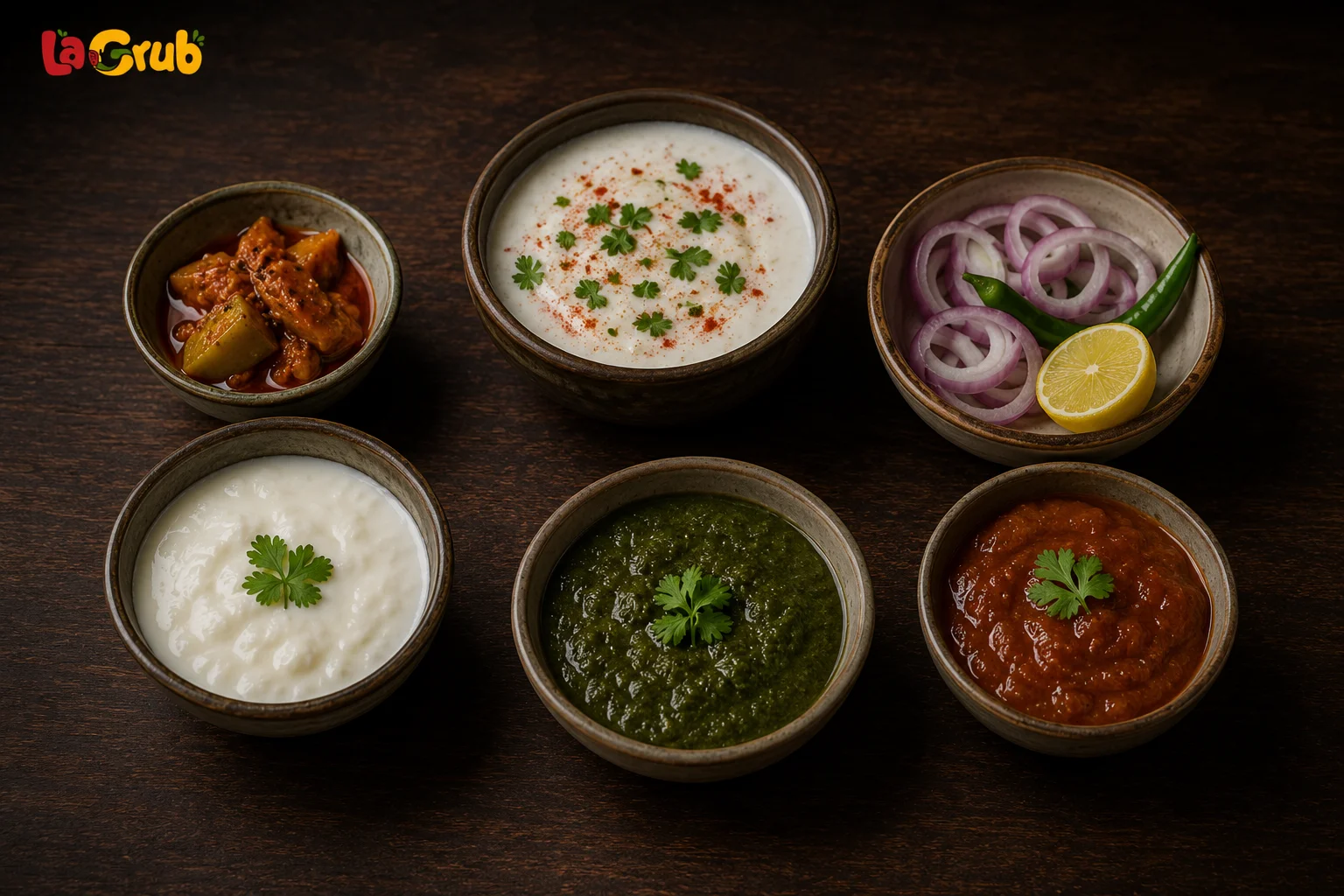
The right accompaniment can make an aloo paratha recipe even better.
Yoghurt
Plain yoghurt balances the spices and adds a cool, creamy contrast.
Raita
Cucumber raita or mint raita works especially well with spicy parathas.
Pickle
Mango or mixed pickle adds sharpness and heat.
Mint Chutney
Fresh mint and coriander chutney gives the meal a bright flavour.
Butter
A small piece of butter melting over a hot paratha is a classic option.
Aloo Paratha for Lunch or Dinner
Although traditionally associated with breakfast, there is no reason to limit it to the morning.
Serve it with a bowl of yoghurt, salad, lentil curry, or a simple vegetable dish for lunch or dinner.
It is also a useful option when you want a meat-free meal.
For more everyday Pakistani and South Asian recipes, explore LaGrub's Desi recipes
How to Make Aloo Paratha for a Family
When cooking for several people, preparation is the key.
Boil the potatoes ahead of time and prepare the filling in a large bowl.
Make the dough and allow it to rest.
Set up your rolling area with flour and keep the tawa heating while you prepare the first paratha.
Cook each paratha while rolling the next one.
This creates a simple workflow and prevents you from trying to do every stage at the same time.
Keep cooked parathas covered so they remain warm and soft.
Vegan Aloo Paratha
Aloo paratha can easily be made vegan.
The basic potato filling already contains no dairy.
For the dough, use oil instead of ghee.
For cooking, use vegetable oil or another suitable plant-based cooking oil.
Serve with a dairy-free yoghurt alternative, chutney, or pickle.
The result is still flavourful and satisfying.
How to Make Aloo Paratha More Flavourful
The potato filling gives you plenty of room to experiment.
For extra flavour, try:
Fresh ginger
Green chilli
Crushed coriander seeds
Ajwain
Kasuri methi
Fresh mint
Black pepper
Chaat masala
However, balance is important. Too many strong spices can overpower the potato.
A good aloo paratha recipe should let the potato remain the main flavour.
Common Aloo Paratha Mistakes
Dough Is Too Hard
Add water gradually while kneading and aim for a soft dough.
Filling Is Too Wet
Allow the boiled potatoes to cool and release steam before mashing. Avoid adding watery ingredients.
Paratha Tears
Use less filling and roll gently.
Paratha Is Too Thick
Roll the stuffed dough evenly rather than pressing heavily in one place.
Outside Burns
Lower the heat slightly and cook for longer.
Paratha Is Dry
Avoid overcooking and use a little ghee or oil during cooking.
Filling Tastes Bland
Taste the potato mixture before stuffing. Adjust salt, chilli, spices, and tanginess at this stage.
Tips for Perfect Homemade Aloo Paratha
Keep these tips in mind every time you make aloo paratha:
Use floury potatoes when possible.
Let boiled potatoes cool before making the filling.
Keep the filling dry.
Mash potatoes thoroughly.
Do not overfill the dough.
Rest the dough before rolling.
Seal the filling carefully.
Roll with gentle pressure.
Preheat the tawa properly.
Cook over moderate heat.
Use ghee for a richer flavour or oil for a lighter everyday option.
Keep cooked parathas covered until serving.
Frequently Asked Questions
How to make aloo paratha without breaking it?
Use a soft dough and a dry, smooth potato filling. Do not overfill the dough, seal the edges carefully, and roll gently with even pressure. If the filling starts coming through, reduce the pressure and add a light dusting of flour.
Why does my aloo paratha filling come out?
The filling may be too wet, the dough may not be sealed properly, or you may be using too much filling. Allow the potato mixture to cool and make sure it is dry before stuffing.
Can I prepare aloo paratha dough ahead of time?
Yes. You can prepare the dough ahead and keep it covered in the refrigerator. Preparing the potato filling in advance can also make cooking much quicker.
How do I make crispy aloo paratha?
Cook the paratha on a properly heated tawa over medium to medium-high heat. Use a small amount of ghee or oil and cook both sides until golden brown spots appear.
Can I freeze homemade aloo paratha?
Yes. You can freeze prepared or partially cooked parathas with suitable separation between them. Store them in an airtight freezer-safe container and cook or finish cooking when needed.
Conclusion
Now that you know how to make aloo paratha, you can prepare this classic Pakistani favourite with soft dough, flavourful potato filling, and a golden, crisp finish. The secret is not complicated: keep the filling dry, make the dough soft, seal it well, and roll gently.
Once you become comfortable with the basic technique, you can prepare the dough and filling ahead, freeze parathas for busy mornings, or experiment with different spices and accompaniments.
Serve your homemade aloo paratha hot with yoghurt, raita, pickle, chutney, or a cup of tea.
Ready to try more comforting homemade dishes? Explore LaGrub for delicious Pakistani and South Asian recipes that make everyday cooking easier and more enjoyable

Maimoona Ehtisham
Maimoona Ehtisham writes for LaGrub on cooking, recipes, and mindful culinary living.
Get a desi recipe worth cooking, every week
One tested recipe a week. Nothing else, and unsubscribe any time.


