

To make haleem, cook soaked wheat, barley, and lentils until mushy, cook spiced beef until shreddable, then beat both mixtures together until thick and stretchy.
To make haleem, cook soaked wheat, barley, and lentils until completely soft, cook spiced beef until shreddable, then beat both mixtures together until thick and stretchy. Finish Pakistani haleem with fried onions, ginger, coriander, green chilies, lemon, chaat masala, and a spoonful of hot ghee.
This method gives you the smooth grain base and visible meat strands that define good haleem. A pressure cooker reduces the active cooking time, while the stovetop method develops the same result more slowly.
Haleem Recipe at a Glance
 haleem
| Task | Pressure-cooker timing | Stovetop timing | Key result |
|---|---|---|---|
| Soak grains and lentils | 4 hours or overnight | 4 hours or overnight | Faster, even softening |
| Cook grain mixture | 35 minutes at high pressure | 2–2½ hours | Completely mushy grains |
| Cook beef masala | 35 minutes at high pressure | 1½–2 hours | Fork-tender meat |
| Beat and finish haleem | 25–35 minutes | 30–45 minutes | Thick, cohesive texture |
| Total servings | 8 generous bowls | 8 generous bowls | About 12 cups (2.8L) |
What Is Haleem?
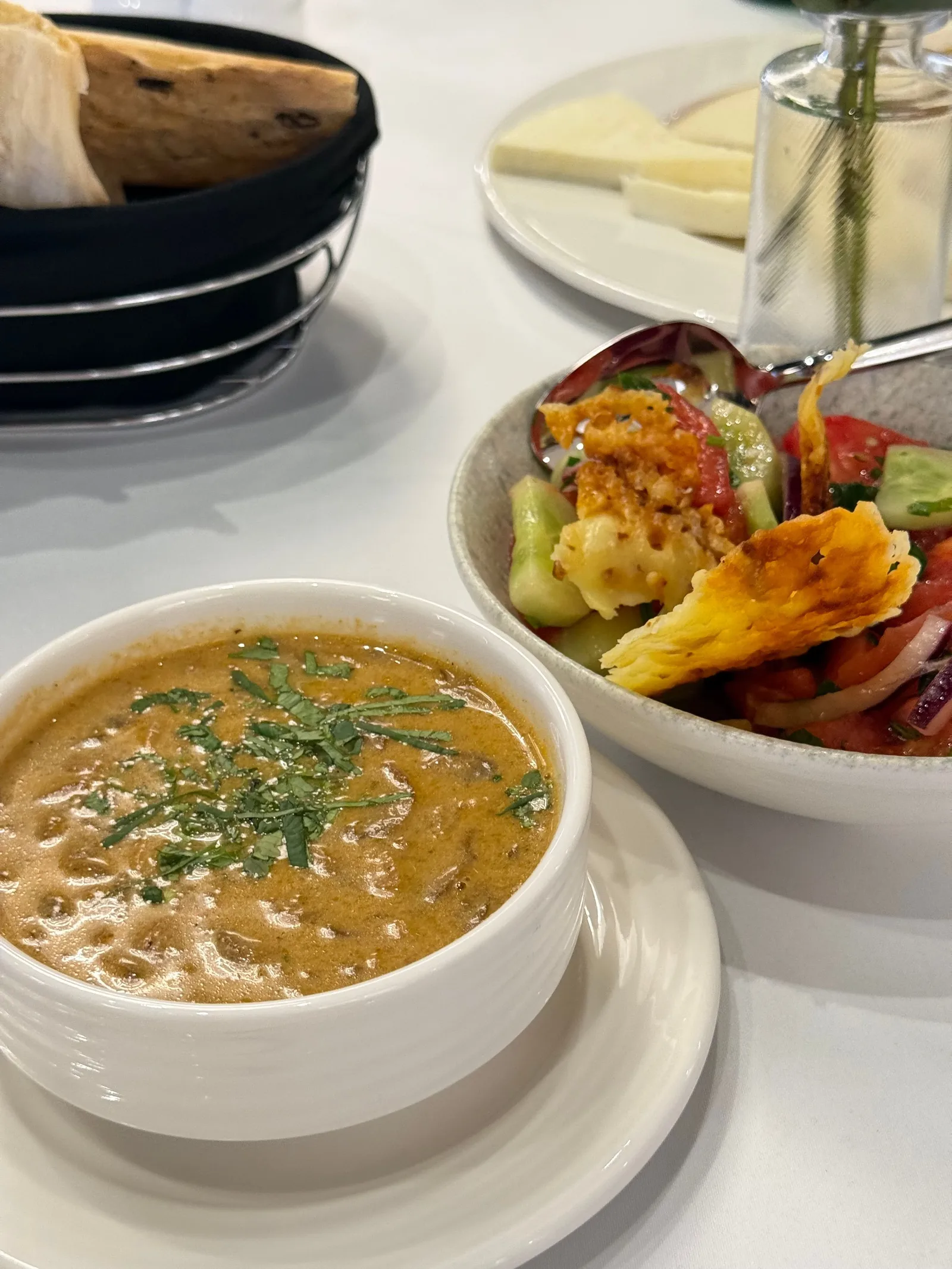
Haleem is a slow-cooked savory dish made from meat, wheat, barley, lentils, spices, and fat. Cooks soften the ingredients until the grains lose their shape and the meat breaks into fine strands.
Pakistani haleem often uses beef, though mutton, lamb, goat, and chicken versions also exist. Families prepare haleem throughout the year, but the dish becomes especially visible during Ramadan, Muharram, winter gatherings, and community meals.
Haleem differs from an ordinary lentil stew because texture drives the recipe. The final mixture should look smooth and cohesive while retaining fine meat fibers. A spoonful should fall slowly rather than pour like soup.
Pakistani and Hyderabadi recipes share wheat, lentils, meat, slow cooking, and garnishes. Hyderabadi versions often use mutton and a broader spice blend. Pakistani beef haleem commonly uses accessible lentils, cracked wheat, fried onions, garam masala, and sharp toppings.
Which Ingredients Make Haleem Thick and Flavorful?
Cracked wheat creates body, barley adds silkiness, lentils add creaminess, and slow-cooked beef creates the signature strands. Balanced spices should support those ingredients rather than cover them.
Grains and Lentils
- 1 cup (180g) cracked wheat or wheat daliya
- 1/3 cup (65g) pearl barley
- 1/3 cup (65g) chana dal
- 1/4 cup (50g) masoor dal
- 1/4 cup (50g) yellow moong dal
- 2 tablespoons (30g) mash dal or split urad dal
- 2 tablespoons (25g) basmati rice, optional
Cracked wheat should remain the largest dry ingredient. Too much chana dal can make haleem taste like ordinary dal, while too much barley can create a gummy finish.
The optional rice helps the mixture become cohesive, but the recipe does not depend on rice. Replace one missing lentil with an equal dry weight of another listed lentil.
Beef and Masala
- 1½ pounds (680g) boneless beef chuck or shank, cut into 1½-inch (4cm) pieces
- 1/3 cup (80ml) neutral oil or ghee
- 2 large onions, about 1 pound (450g), thinly sliced
- 2 tablespoons (30g) ginger-garlic paste
- 1/2 cup (120g) plain full-fat yogurt
- 1 medium tomato, about 5 ounces (140g), chopped
- 2 teaspoons (12g) salt, divided
- 1½ teaspoons (4g) red chili powder
- 1 teaspoon (3g) turmeric
- 2 teaspoons (5g) ground coriander
- 1 teaspoon (2g) ground cumin
- 1 teaspoon (2g) crushed red chili
- 1/2 teaspoon (1g) black pepper
- 1 cinnamon stick, about 2 inches (5cm)
- 4 cloves
- 1 black cardamom pod
- 1 bay leaf
- 1 teaspoon (2g) garam masala
Chuck and shank contain connective tissue that softens during long cooking. Lean quick-cooking cuts can become dry before the grains reach the correct texture.
Garnishes and Tarka
- 1/2 cup (30g) crispy fried onions
- 1/3 cup (15g) chopped fresh coriander
- 2 tablespoons (8g) chopped mint
- 2 green chilies, thinly sliced
- 2 inches (5cm) fresh ginger, cut into fine strips
- 2 lemons, cut into wedges
- 1 teaspoon (3g) chaat masala
- 2 tablespoons (30ml) hot ghee, optional
Fresh garnishes are not decorative extras. Lemon cuts the richness, ginger adds sharpness, fried onions add sweetness, and herbs brighten the slow-cooked base.
How to Prepare Wheat and Lentils for Haleem
To prepare wheat and lentils for haleem, rinse every dry ingredient, soak the mixture for at least 4 hours, then cook until no firm centers remain.
- Place cracked wheat, barley, chana dal, masoor dal, moong dal, mash dal, and optional rice in a large bowl.
- Rinse the mixture 3 times until the water looks less cloudy.
- Cover the mixture with at least 3 inches (7.5cm) of fresh water.
- Soak for 4 hours or refrigerate the covered bowl overnight.
- Drain the soaking water before cooking.
Soaking reduces cooking time and helps wheat, barley, and lentils soften at a similar rate. An overnight soak works well, but keep the bowl refrigerated during hot weather.
How to Make Haleem in a Pressure Cooker
 haleem
To make haleem in a pressure cooker, cook the grain mixture and beef masala separately, then combine, beat, and simmer both components.
How to Pressure-Cook the Grain Mixture
To pressure-cook the grain mixture, add the drained grains, 7 cups (1.65L) water, 1/2 teaspoon (3g) salt, and 1/2 teaspoon (1.5g) turmeric to a 6-quart (5.7L) cooker.
- Lock the lid and cook at high pressure for 35 minutes.
- Allow a 20-minute natural pressure release.
- Open the cooker and stir carefully.
- Press the mixture with a spoon to check for hard wheat or barley centers.
- Cook for another 10 minutes under pressure when firm grains remain.
- Blend only the grain mixture with an immersion blender until mostly smooth.
Leave a small amount of grain texture for a natural finish. The mixture should resemble a thick porridge before the meat enters the pot.
How to Pressure-Cook the Beef Masala
To pressure-cook the beef masala, brown onions, bhun the spices, tenderize the beef, and preserve the cooking liquid.
- Heat oil or ghee in the pressure cooker on sauté mode or medium heat.
- Fry the sliced onions for 12–15 minutes until deep golden.
- Remove one-third of the onions for garnish.
- Add ginger-garlic paste and cook for 1 minute.
- Add beef and brown the pieces for 6–8 minutes.
- Add chili powder, turmeric, coriander, cumin, crushed chili, black pepper, cinnamon, cloves, cardamom, and bay leaf.
- Cook the spices for 1 minute, adding 2 tablespoons (30ml) water when the base sticks.
- Add yogurt gradually and stir until the oil begins separating.
- Add tomato and cook for 5 minutes.
- Add 3 cups (710ml) hot water and the remaining salt.
- Cook at high pressure for 35 minutes, followed by a 15-minute natural release.
Remove the cinnamon, cloves, cardamom, and bay leaf. Lift the beef from the gravy, then shred the meat with 2 forks, a stand mixer paddle, or short food-processor pulses.
Do not purée the beef into a smooth paste. Fine strands create the lacy texture that distinguishes haleem from blended lentil soup.
How to Combine and Beat Haleem
To combine and beat haleem, add the shredded beef and its gravy to the cooked grains, then stir until the mixture becomes glossy and cohesive.
- Transfer the grain mixture and beef masala into one large heavy pot.
- Add garam masala and 1 cup (240ml) hot water.
- Simmer over low heat for 20 minutes.
- Beat with a sturdy wooden spoon for 10–15 minutes.
- Use a hand mixer on low speed for 3–5 minutes when you want a smoother result.
- Add hot water in 1/4-cup (60ml) portions when the haleem becomes too stiff.
- Cook until a spoonful falls slowly and leaves thin meat strands behind.
A blender with sharp blades can remove too much meat texture after combining. Blend the grain base first, then shred and beat the meat into the mixture.
How to Make Haleem on the Stovetop
To make haleem on the stovetop, cook the soaked grain mixture for 2–2½ hours and simmer the beef separately until fork-tender.
How to Cook the Grains Without Pressure
To cook the grains without pressure, combine the drained mixture with 10 cups (2.37L) water in an 8-quart (7.6L) heavy pot.
- Bring the water to a boil.
- Remove any foam from the surface.
- Reduce the heat to a gentle simmer.
- Cook partially covered for 2–2½ hours.
- Stir every 15 minutes during the first hour.
- Stir every 5 minutes after the mixture thickens.
- Add hot water whenever the grains rise above the liquid.
The grains must collapse when pressed. Blend the cooked grain mixture before adding the beef.
How to Cook the Beef Without Pressure
To cook the beef without pressure, prepare the onion and spice base as directed, then add 5 cups (1.18L) hot water.
Cover and simmer the beef for 1½–2 hours. Check every 20 minutes and add hot water when the pot dries. The meat should separate easily under fork pressure.
Shred the beef, return the meat to its gravy, and combine the beef with the grain base. Simmer and beat the haleem for another 30–45 minutes.
How Do You Know When Haleem Is Ready?
Haleem is ready when the mixture looks thick and glossy, the grains have disappeared, and fine meat strands stretch from the spoon. The surface should move slowly when stirred.
Run a spoon across the bottom of the pot. The trail should remain visible for 1–2 seconds before closing. Haleem that closes immediately needs more reduction.
Lift a spoonful 4 inches (10cm) above the pot. Proper haleem should drop like thick batter, not pour like curry. Remember that refrigerated haleem becomes considerably thicker.
How to Fix Common Haleem Problems
| Problem | Likely cause | Practical fix |
|---|---|---|
| Haleem looks watery | Too much cooking liquid | Simmer uncovered and stir frequently for 15–30 minutes |
| Haleem becomes too thick | Excess reduction or cooling | Add hot water or stock in 1/4-cup (60ml) portions |
| Wheat remains grainy | Short soaking or cooking | Pressure-cook 10 more minutes or simmer with extra water |
| Meat disappears completely | Whole mixture was over-blended | Fold in extra finely shredded cooked beef |
| Haleem sticks or scorches | High heat or infrequent stirring | Transfer the unburned upper layer to a clean pot immediately |
| Spices taste raw | Masala was not bhun properly | Cook spices in oil with small water splashes before adding liquid |
| Flavor tastes flat | Low salt, acid, or garnish | Add salt gradually and serve with lemon, ginger, and chaat masala |
Which Meat Works Best for Haleem?
Beef chuck or shank gives Pakistani haleem the best balance of flavor, connective tissue, and shreddable texture. Mutton and lamb create a richer taste, while chicken cooks faster.
How to Make Mutton or Lamb Haleem
Use 1½ pounds (680g) boneless mutton or lamb shoulder. Pressure-cook for 35 minutes or simmer for 1½–2 hours.
Bone-in pieces add body, but remove every bone before beating the mixture. Check carefully for small fragments.
How to Make Chicken Haleem
Use 1½ pounds (680g) boneless chicken thighs. Pressure-cook for 12 minutes or simmer for 30–40 minutes.
Chicken breast can become dry and stringy. Thigh meat stays softer during the final beating stage.
Can You Make Easy Haleem with a Packet Mix?
Yes, a packaged haleem mix saves measuring and often includes cracked grains, lentils, and spices. Read the package because some boxes contain only masala while others contain the full dry grain blend.
Use packet mix as a shortcut, not as a reason to skip texture control. Soak when the package directs, cook the grains until completely soft, shred the meat separately, and adjust water gradually.
Taste before adding extra salt or chili because packaged blends can already contain both. Add fresh fried onions, coriander, mint, ginger, green chilies, and lemon for a fresher finish.
What Is the Difference Between Haleem and Daleem?
The names haleem and daleem can refer to closely related meat, wheat, and lentil dishes, but usage changes between families and regions. Some speakers use the words interchangeably.
Other cooks use daleem for the grain-and-meat dish and reserve haleem as the more familiar public name. Recipe structure matters more than forcing one universal naming rule.
How to Serve Pakistani Haleem
Serve haleem hot with contrasting toppings that add crunch, acidity, heat, and freshness. Arrange the garnishes separately so each person can adjust the bowl.
- Top each bowl with fried onions.
- Add ginger strips and sliced green chilies.
- Scatter coriander and mint.
- Squeeze fresh lemon over the surface.
- Dust lightly with chaat masala.
- Drizzle 1 teaspoon (5ml) hot ghee when desired.
Haleem can stand alone as a filling meal. Naan, sheermal, or khamiri roti also work, though many Pakistani families eat haleem directly from the bowl.
Compare haleem’s slow-cooked texture with LaGrub’s homestyle beef nihari, another Pakistani classic built around patient meat cooking.
For a larger gathering, serve haleem before or beside Pakistani chicken biryani. Keep portions smaller because both dishes are filling.
How to Store, Freeze, and Reheat Haleem
Refrigerate haleem in shallow airtight containers and use it within 3–4 days. Cool large batches quickly rather than leaving a deep pot at room temperature.
Freeze haleem in 2-cup (475ml) portions for up to 3 months. Leave a small gap inside each container because the mixture expands.
Thaw frozen haleem overnight in the refrigerator. Reheat over low heat with 2–4 tablespoons (30–60ml) water per serving. Stir often until the center reaches a full simmer.
Store fried onions separately to preserve crunch. Cut ginger, chilies, coriander, and lemon shortly before serving.
Frequently Asked Questions
Do you need to soak wheat and lentils for haleem?
Yes, a 4-hour soak improves even cooking and shortens the cooking time. An overnight refrigerated soak gives the most predictable result.
Can you blend haleem in a blender?
Blend the cooked grain mixture, but avoid fully puréeing the combined meat and grains. Shred the meat separately to preserve fine fibers.
Why is my haleem not stretchy?
The grains may need more cooking, the meat may need finer shredding, or the mixture may need more beating. Cook until mushy, then beat vigorously.
How long does haleem take to cook?
A pressure-cooker version takes about 2½–3 hours after soaking. A stovetop version usually takes 4–5 hours.
Can I make haleem one day ahead?
Yes. Haleem often tastes deeper the next day. Add water during reheating because the grains continue absorbing liquid.
Is haleem eaten with naan?
Yes, but naan remains optional. Many people eat haleem alone with fried onions, ginger, herbs, chilies, lemon, and chaat masala.
Make Pakistani Haleem with the Right Texture
Learning how to make haleem becomes manageable when you separate the recipe into 3 jobs: soften the grains, tenderize the meat, and beat both together.
Do not rush the grain stage or flood the pot with water near the end. Build the beef masala through proper bhunai, preserve the cooking liquid, and stop blending before the meat loses every strand.
Serve the finished bowls with sharp garnishes and follow the meal with LaGrub’s warm masala chai. Explore more LaGrub recipes for slow-cooked Pakistani food made with clear methods and familiar ingredients.

Sahar Syed
Sahar Syed writes practical recipes, approachable food guides, and culturally grounded home-cooking stories for LaGrub.
Get a desi recipe worth cooking, every week
One tested recipe a week. Nothing else, and unsubscribe any time.


