

Wondering how to start meal prepping without making your week more complicated? The easiest approach is to begin small, choose simple meals, prepare a few portions, and build a routine that works for you. This beginner-friendly guide covers planning, shopping, cooking, storing, freezing, and reheating meals with less stress.
Learning how to start meal prepping does not mean cooking every meal for an entire week. The easiest approach is to start small, choose simple recipes, prepare a few portions, and build a routine that suits your schedule. This beginner-friendly guide explains meal planning, shopping, cooking, storage, freezing, reheating, and avoiding food waste.
What Is Meal Prepping?
Meal prepping simply means preparing some or all of your food before you need to eat it. You might cook three complete lunches on Sunday, chop vegetables for weekday dinners, prepare breakfast overnight oats, or make a large pot of curry and freeze individual portions.
There is no single correct way to do it.
Some people prepare breakfast, lunch, and dinner for several days. Others only prepare the meal they find hardest to manage during a busy week.
For beginners, the second approach is often easier.
The goal of meal prep for beginners should be convenience. You are doing some of tomorrow's work today so that eating a homemade meal later requires less time and effort.
How to Start Meal Prepping for Beginners
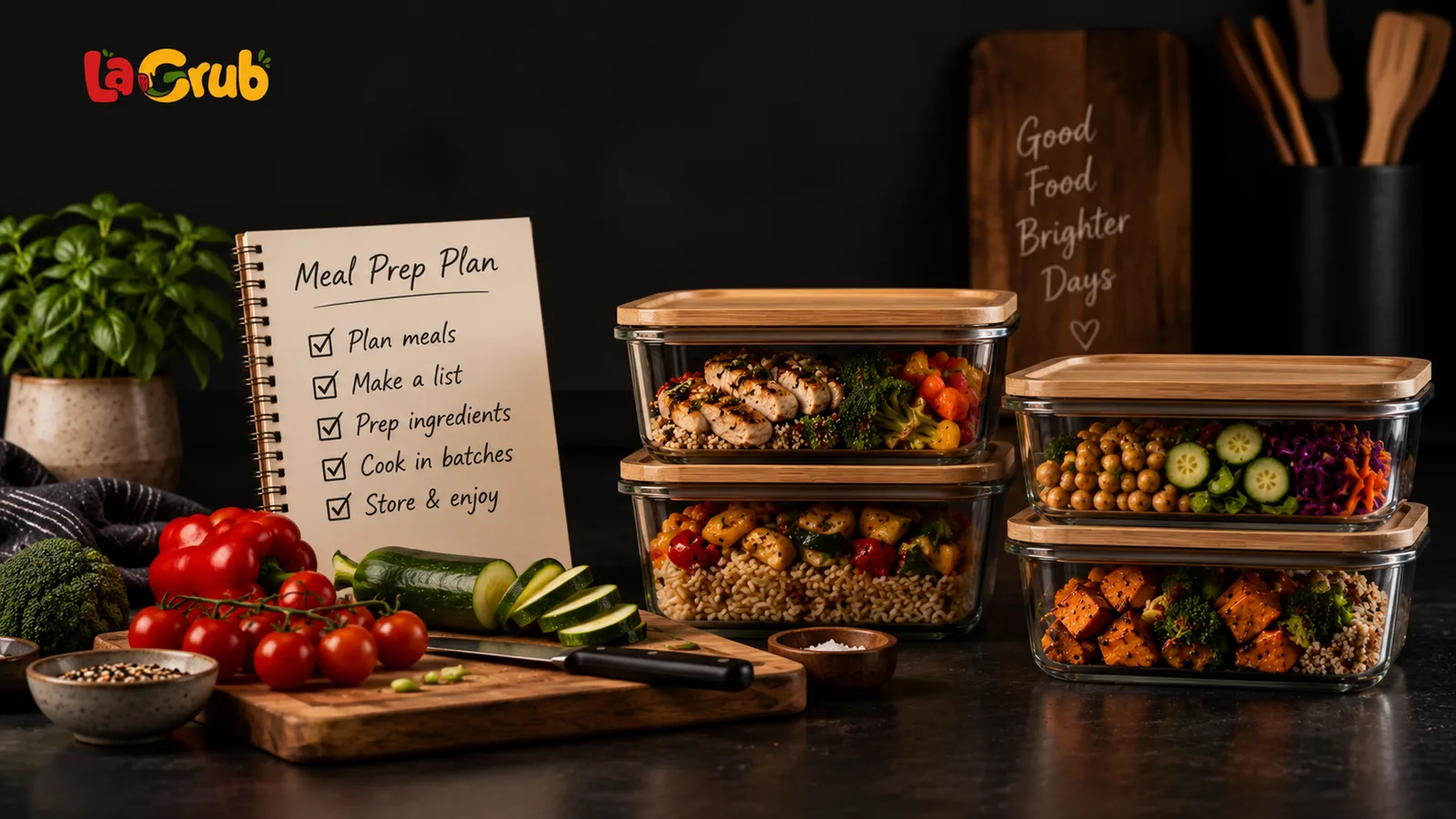
If you are wondering how to start meal prepping, avoid turning your first attempt into an all-day cooking project.
Start with one meal.
Think about which part of your day creates the most difficulty. Perhaps you regularly skip breakfast. Maybe you buy lunch because you have nothing ready. Or perhaps you reach dinner time tired and order takeaway.
Start there.
For example, if lunch is your problem, prepare three lunches instead of trying to make 21 meals for seven days.
Your first routine could be as simple as:
Choose one meal to prepare.
Pick two easy recipes.
Prepare enough for two or three days.
Store the portions properly.
See what worked before preparing more.
This gives you time to learn what you actually enjoy eating after it has been stored and reheated.
Once three prepared meals feel easy, you can gradually add breakfasts, snacks, or dinners.
Don't Start by Prepping Seven Days of Food
One of the biggest mistakes beginners make is assuming weekly meal prep means preparing seven full days at once.
It does not.
Preparing too much food on your first attempt can create several problems. You may spend hours in the kitchen, buy too many ingredients, become tired of the same dishes, or discover that some foods do not store as well as expected.
Instead, try a three-day plan.
Prepare food for Monday through Wednesday. On Wednesday evening, you can prepare another small batch if needed.
This keeps the process manageable and gives you fresher meals.
As you gain experience, you may decide that a longer weekly routine works better. You can also freeze portions that are intended for later in the week.
The best meal prep routine is the one you can realistically continue.
Choose the Right Type of Meal Prep
Before you start cooking, decide what type of preparation fits your lifestyle. Meal prepping can take several forms.
Complete Meal Prep
Complete meal prep involves cooking an entire dish and dividing it into individual portions.
For example, you might prepare chicken, rice, and vegetables and place each serving into a separate container.
This method works particularly well for work lunches and busy evenings.
Batch Cooking
Batch cooking means preparing a large amount of one dish and storing it in several portions.
Curries, soups, stews, chilli, pasta sauces, and lentil dishes can work well for this approach.
Eat some during the next few days and freeze the remaining portions for later.
Ingredient Prep
You do not always need to cook complete meals.
You can wash vegetables, chop onions, prepare marinades, cook rice, make sauces, or portion ingredients beforehand.
When dinner time arrives, much of the preparation is already finished.
Mix-and-Match Meal Prep
This method is useful if you dislike eating the same thing repeatedly.
Prepare several basic components, such as:
One or two proteins
Rice, pasta, potatoes, or another carbohydrate
Two vegetables
One or two sauces
You can combine those ingredients differently throughout the week.
Chicken and rice might become a bowl one day and a wrap the next. Changing vegetables, sauces, and sides makes prepared ingredients feel like different meals.
What Should You Meal Prep First?
When learning how to start meal prepping, choose foods you already enjoy.
Your first prep day is not the ideal time to experiment with five complicated recipes.
Simple meals are easier to cook, portion, store, and reheat.
Beginner-friendly options include rice bowls, pasta, curries, lentils, roasted vegetables, chicken, soups, wraps, overnight oats, boiled eggs, potatoes, and simple grain bowls.
You can find more ideas in LaGrub's recipe collection when planning meals that suit your routine.
Try to choose recipes with overlapping ingredients. If two meals use onions, peppers, chicken, and rice, you can buy and prepare those ingredients together.
That reduces preparation time and can help prevent food waste.
Make a Simple Weekly Meal Plan
A good weekly meal plan does not need to look like a complicated spreadsheet.
Write down the meals you actually need.
Consider your work, university, family, social plans, and days when you are likely to eat away from home.
If you already know that you are having dinner outside on Friday, there is little point preparing a Friday dinner.
Next, look at what you already have in your kitchen.
Using ingredients already in your cupboard, fridge, or freezer helps reduce unnecessary shopping.
Then select a small number of meals that share ingredients.
For example:
Monday lunch: chicken rice bowl
Tuesday lunch: chicken wrap
Wednesday lunch: chicken and vegetable pasta
The dishes are different, but several ingredients overlap.
That is efficient meal planning.
Create a Meal Prep Grocery List
Once your meals are selected, make one grocery list.
Group similar ingredients together so shopping becomes quicker.
Before buying anything, check your kitchen. You may already have rice, pasta, spices, sauces, frozen vegetables, or canned ingredients.
Then buy only what your meal plan requires.
A meal prep grocery list can also stop you from buying ingredients with no clear purpose.
This is one reason meal prepping can help with budgeting. Instead of deciding what to eat when you are already hungry, you make those decisions beforehand.
How to Start Meal Prepping on a Budget
You do not need expensive ingredients or special foods to create useful prepared meals.
Affordable staples can form the base of many dishes. Rice, lentils, beans, oats, potatoes, pasta, eggs, seasonal vegetables, and suitable cuts of meat can all work well.
Plan several dishes around the same ingredients.
For example, a batch of cooked chicken could be used in rice bowls, wraps, pasta, or salads.
Also pay attention to food you already own. Building meals around ingredients that need to be used soon can reduce waste.
Another useful strategy is batch cooking. If you make a large curry or soup, freeze extra portions rather than letting them sit unused in the fridge.
Over time, your freezer can become a collection of homemade ready meals.
How Long Should Meal Prep Take?
There is no required amount of time.
A beginner meal prep session might take an hour or two, while a larger weekly cooking session could take longer.
Efficiency improves with practice.
You can also save time by cooking several things simultaneously. Rice can cook while vegetables roast and chicken cooks in another pan.
You do not need to finish one recipe completely before starting another.
However, speed should not be the main goal during your first attempt. Focus on creating a process that feels organised rather than stressful.
How Many Days Should a Beginner Meal Prep For?
Two or three days is a practical starting point for many beginners.
It allows you to experience the benefits of prepared meals without committing to an entire week.
After a few weeks, you can decide whether you prefer preparing food twice a week or doing one larger cooking session.
If you want to prepare further ahead, the freezer becomes particularly useful.
Meals intended for later can often be frozen rather than keeping everything refrigerated for a full week. Always consider the ingredients and appropriate food-storage guidance for the particular dish you are preparing.
How to Store Meal-Prepped Food
Good meal prep storage is just as important as cooking.
Use clean containers that close securely and are suitable for the way you plan to store and reheat your food.
You do not need a huge collection of matching containers to begin.
A small set of practical containers is enough.
Label frozen meals when useful, particularly if you are building a collection over time. Adding the dish name and preparation date can help you keep track of what is available.
It can also be useful to store certain components separately.
For example, keep salad dressing away from leafy vegetables until you are ready to eat. Crispy toppings can also be stored separately from moist ingredients.
Small decisions like these improve the texture of prepared meals.
Fridge or Freezer: Which Should You Use?
One of the most important parts of how to start meal prepping is understanding that not everything needs to remain in the refrigerator.
The fridge works well for meals you plan to eat relatively soon.
The freezer is useful when you are preparing further ahead.
Soups, curries, stews, sauces, and many cooked dishes can be convenient freezer options, depending on their ingredients.
If you prepare five portions but do not expect to eat the final portions soon, freezing them may make more sense than keeping everything together in the fridge.
This approach also gives you more variety.
Instead of eating the same meal five days in a row, freeze some portions and use them another week.
How to Stop Meal Prep from Becoming Soggy
Texture is a common beginner problem.
A meal may taste great when freshly cooked but become less appealing after sitting together in a container.
The solution is often to store components separately.
Keep sauces and dressings in small containers when appropriate. Add crunchy toppings shortly before eating. Avoid combining delicate ingredients with wet sauces too early.
For salads, prepare the ingredients but add dressing when you are ready to eat.
For wraps, consider storing wetter fillings separately if they are likely to soften the bread.
The goal is not simply to make food last. Good meal preparation should also protect flavour and texture.
How to Avoid Eating the Same Meal Every Day
Meal prep does not have to mean five identical containers.
Instead of preparing five complete versions of one dish, prepare flexible ingredients.
Suppose you cook chicken, rice, roasted vegetables, and a couple of sauces.
On Monday, make a chicken rice bowl.
On Tuesday, use chicken and vegetables in a wrap.
On Wednesday, combine the remaining chicken with a salad.
The main ingredients remain similar, but the meals feel different.
Sauces, herbs, spices, toppings, and side dishes are especially useful for adding variety.
For even more cooking inspiration, explore the wider range of LaGrub cookbooks and use different cuisines to keep your weekly meal plan interesting.
A Simple 3-Day Beginner Meal Prep Example
If you are still unsure how to start meal prepping, try a three-day plan rather than designing an entire week.
Breakfast
Prepare overnight oats for two or three mornings.
Change the toppings to create variety. One serving could have banana, another could include berries, and another could use nuts or seeds.
Lunch
Prepare chicken, rice, and roasted vegetables.
Keep a couple of sauces or seasonings available so each serving can taste slightly different.
Dinner
Prepare a pot of lentil curry, soup, or another batch-friendly meal.
Keep enough for the next few days and freeze extra portions if appropriate.
Snacks
Wash fruit, portion nuts, prepare vegetables, or organise other simple snacks.
This plan is intentionally basic.
The purpose of your first week is not to create restaurant-level meals. It is to discover whether having food ready makes your week easier.
Can You Meal Prep for an Entire Week?
Yes, people can prepare meals for longer periods, but that does not mean every dish should simply be cooked and left in the fridge all week.
If you want to prepare a full week, combine refrigeration and freezing according to the needs of the individual dishes.
You can also use ingredient preparation rather than cooking every meal completely.
For example, prepare vegetables, sauces, grains, and other components in advance, then cook certain fresh ingredients later.
This gives you convenience without requiring every meal to be fully cooked on one day.
Can You Meal Prep for a Month?
Longer-term meal prepping generally relies much more heavily on freezing.
Instead of preparing 30 days of refrigerated meals, people often batch cook freezer-friendly dishes.
You might make several portions of curry, soup, pasta sauce, or another suitable dish and freeze individual servings.
Over time, you can create a freezer selection rather than spending one enormous day cooking an entire month of food.
This approach also creates more variety because you can choose between different frozen meals.
How to Reheat Meal-Prepped Food
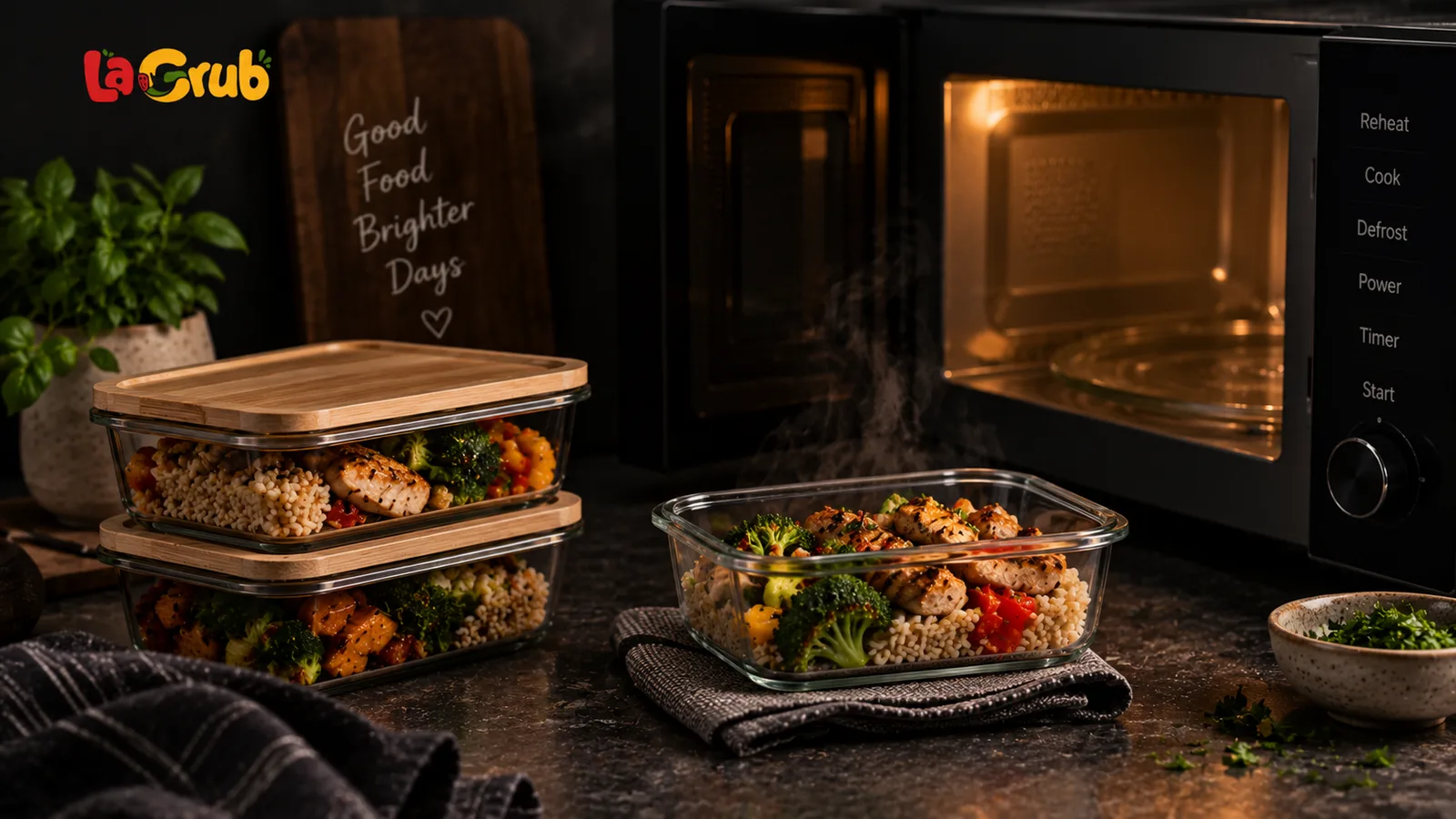
Reheating depends on the dish.
Some foods work well in a microwave, while others benefit from an oven or stovetop because these methods can help restore texture.
Before reheating, consider whether any components should remain cold. Salad leaves, fresh toppings, certain sauces, and crunchy garnishes may be better added afterwards.
For oven-friendly leftovers, LaGrub's guide to how to reheat food in the oven can help you choose a better approach for maintaining texture.
Whatever method you use, follow appropriate food-safety practices and ensure foods that require reheating are heated properly.
How to Make Meal Prepping a Habit
Consistency matters more than perfection.
Choose a preparation day that works with your schedule. It does not have to be Sunday.
Some people may prefer Saturday. Others may prepare food twice a week.
Create a small routine:
Plan your meals, check your kitchen, shop for ingredients, prepare your food, store it, and make a quick note of what worked.
After several weeks, the process becomes easier because you develop favourite recipes and learn how much food you actually need.
Eventually, you will not need to think about how to start meal prepping. It will simply become part of your weekly routine.
Is Meal Prepping Worth It?
Meal prepping can be valuable if it solves a real problem in your routine.
It may help you spend less time deciding what to eat, reduce unnecessary takeaway meals, make home cooking easier during busy days, and use groceries more intentionally.
However, you do not need to prepare every meal to receive these benefits.
Even preparing breakfast for three mornings or lunch for two workdays counts.
A successful system should reduce stress, not create more of it.
FAQs
How Do I Start Meal Prepping for Beginners?
Start with one meal and prepare only two or three portions. Choose simple food you already enjoy, make a grocery list, cook the meal, divide it into suitable containers, and store it properly. Once this becomes comfortable, gradually increase the number of meals you prepare.
How Many Days Should I Meal Prep For?
Beginners can start with two or three days. This makes the process easier to manage and helps you learn which foods store and reheat well. If you later want to prepare further ahead, consider using your freezer for suitable dishes.
What Foods Are Best for Meal Prepping?
Good meal prep foods are usually simple, versatile, and easy to portion. Rice dishes, curries, lentils, pasta, roasted vegetables, soups, chicken, potatoes, oats, and grain bowls can all work well. Choose recipes based on your tastes and how you plan to store them.
Can You Meal Prep for an Entire Week?
You can plan and prepare food for an entire week, but you do not necessarily need to refrigerate seven days of fully cooked meals together. Depending on the dish, you can combine refrigerated portions, frozen meals, batch cooking, and ingredient preparation.
Is Meal Prepping Cheaper Than Cooking Every Day?
It can help reduce food spending when you plan carefully. A grocery list, overlapping ingredients, batch cooking, and using food already at home can reduce waste and unnecessary purchases. However, the savings depend on what you buy, how much you prepare, and whether you actually eat the food you make.
Conclusion
Learning how to start meal prepping is much easier when you stop trying to prepare everything at once. Begin with one meal, choose two or three simple recipes, shop with a plan, prepare a few portions, and learn what works for your routine.
As you become more comfortable, experiment with batch cooking, freezer meals, ingredient prep, and mix-and-match meals. The goal is not to fill your fridge with perfectly matching containers. It is to make everyday cooking simpler, reduce waste, and have enjoyable food ready when you need it.
Ready to build your own routine? Explore LaGrub for recipes, meal inspiration, and cookbooks that can help bring more variety to your weekly meal prep.

Maimoona Ehtisham
Maimoona Ehtisham writes for LaGrub on cooking, recipes, and mindful culinary living.
Get a desi recipe worth cooking, every week
One tested recipe a week. Nothing else, and unsubscribe any time.


