

Traditional Pakistani food includes everyday daal, roti, vegetables, qeema, rice, and salan alongside regional specialties such as biryani, nihari, chapli kebab, sajji, and Sindhi karhi.
Traditional Pakistani food is a regional, home-centered cuisine built around roti, rice, lentils, vegetables, meat curries, grilled dishes, and shared meals. Famous foods such as biryani, nihari, karahi, and chapli kebab matter, but everyday Pakistani cooking also includes daal chawal, qeema, chicken salan, bhindi, khichri, karhi, and seasonal sabzi.
That distinction matters. Restaurant menus usually show celebration foods and meat-heavy specialties. Pakistani families eat a wider range of simple breads, rice dishes, lentils, vegetables, pickles, yogurt, and leftovers throughout the week. Regional identity also changes the answer: Punjabi, Sindhi, Pashtun, Balochi, Saraiki, Kashmiri, and northern communities each bring different ingredients and cooking methods to the table.
What Is Traditional Pakistani Food?
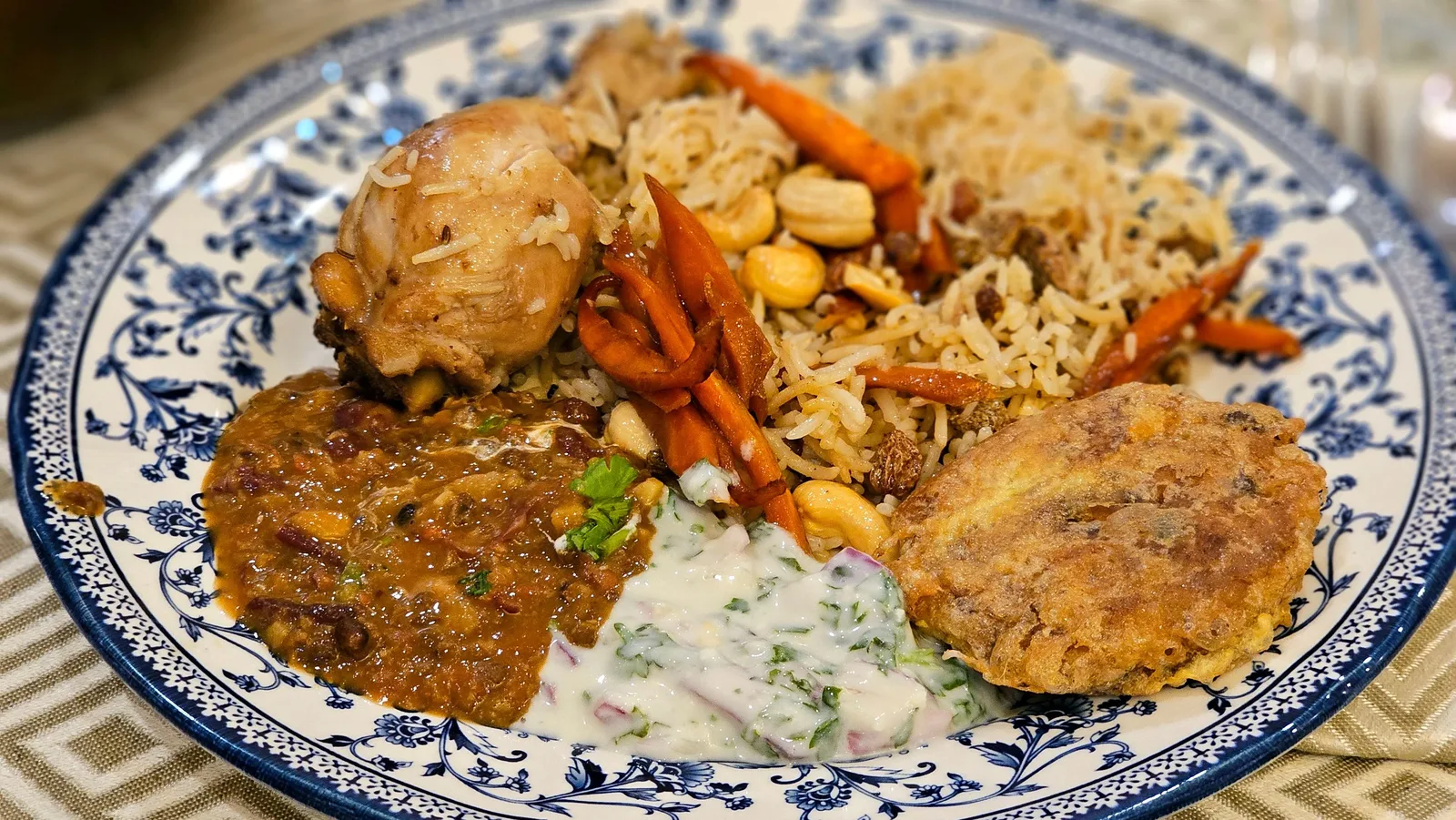 pakistani food
Traditional Pakistani food includes the dishes, cooking methods, and meal habits passed through families and regional communities across Pakistan. The cuisine combines local agriculture with influences from Persian, Central Asian, Afghan, Mughal, and wider South Asian food traditions.
Pakistani cooking often starts with onions, tomatoes, ginger, garlic, chilies, yogurt, or whole spices. Cooks then build flavor through bhunai, slow simmering, dum cooking, tandoor baking, charcoal grilling, tempering, or sealed-pot roasting. Not every dish uses heavy masala. Pashtun and Balochi foods often rely more on meat quality, salt, smoke, and restrained seasoning.
Wheat bread and rice form the main starches. Roti, chapati, naan, paratha, kulcha, and makki ki roti accompany curries and grilled meats. Basmati rice appears in biryani, pulao, tahri, khichri, and sweet dishes such as kheer and zarda.
How Is Traditional Pakistani Food Different from Restaurant Food?
Home food is usually simpler, more varied, and less oily than the Pakistani dishes promoted by restaurants abroad. Families may cook daal, qeema, chicken salan, aloo gobi, bhindi, chawal, and roti more often than nihari, paya, or restaurant karahi.
Reddit discussions from Pakistani users repeatedly separate everyday meals from famous dishes. Commenters name qeema, daal chawal, khichri, chola pulao, mixed sabzi, chicken salan, roti, and paratha as ordinary home food. The same discussions describe biryani, nihari, karahi, haleem, chapli kebab, and paya as beloved foods that may appear weekly, on weekends, or for special occasions.
Pakistani restaurant menus outside the country can also blur culinary identities. Butter chicken and chicken tikka masala often appear under broad “Pakistani and Indian” labels, although many Pakistanis do not treat either dish as a normal Pakistani home staple. Export-style restaurants may reduce spice intensity, shorten cooking times, or omit regional dishes because local equipment and ingredients are harder to source.
For a clearer comparison, read LaGrub’s guide to Pakistani food differences. The guide explains shared roots without collapsing both cuisines into one category.
What Do Pakistani Families Eat Every Day?
Everyday Pakistani meals usually combine one main curry or lentil dish with roti or rice, plus yogurt, salad, achar, or chutney. The exact plate depends on household income, region, season, work schedule, and family preference.
Daal, Chawal, and Khichri
Daal chawal remains one of the clearest examples of everyday Pakistani comfort food. Masoor, moong, chana, mash, and mixed lentils each produce different textures. A tarka of garlic, cumin, chilies, or browned onion adds aroma before serving.
Khichri cooks rice and lentils together for a softer one-pot meal. Families serve khichri with yogurt, achar, papad, aloo bhurta, tomato chutney, or fried onions. The dish works for tired evenings, recovery meals, rainy weather, and budget-conscious cooking.
Qeema, Salan, and Aloo Gosht
Qeema appears in many Pakistani homes because minced meat cooks quickly and combines easily with potatoes, peas, spinach, cauliflower, capsicum, or fenugreek. Qeema also becomes filling for paratha rolls, sandwiches, stuffed buns, and lunch boxes.
Salan refers broadly to a curry or gravy dish. Chicken salan, meat salan, kofta curry, and aloo gosht often use browned onions, tomatoes, yogurt, ginger, garlic, and spices. Families eat salan with roti during ordinary weeknight meals.
Sabzi, Bhindi, and Karhi
Traditional Pakistani food includes far more vegetables than restaurant lists suggest. Bhindi, aloo palak, gobi, baingan, tori, lauki, matar, karela, and mixed sabzi appear regularly in home kitchens.
Karhi combines yogurt and gram flour into a sour, slow-cooked curry. Many versions include pakoras and a final tarka. Families serve karhi with steamed rice, making the dish distinct from meat-centered restaurant food.
Which Traditional Pakistani Rice Dishes Matter Most?
Biryani, pulao, tahri, chana pulao, and khichri represent 5 different ways Pakistani cooks turn rice into complete meals. Each dish uses a different balance of spice, stock, layering, and ingredients.
Biryani
Pakistani biryani layers partially cooked basmati rice with seasoned meat, fried onions, herbs, yogurt, chilies, and aromatic spices. Karachi and Sindhi versions often taste sharper and spicier, while household recipes vary in potatoes, tomatoes, dried plums, saffron, and food color.
Biryani appears at weddings, Eid gatherings, Friday meals, family dinners, and large celebrations. LaGrub’s chicken biryani recipe shows the dum method with spiced chicken, basmati rice, mint, coriander, and fried onions.
Pulao
Pulao cooks rice in seasoned stock rather than layering separate rice and masala. Yakhni pulao uses a meat broth flavored with whole spices. Chicken pulao, mutton pulao, Kabuli-style pulao, and chana pulao provide lighter alternatives to biryani.
Many families prefer pulao for ordinary dinners because the method uses fewer steps and produces a gentler spice profile. Raita, achar, kachumber salad, or shami kebab completes the meal.
Tahri and Chana Pulao
Tahri combines rice, potatoes, turmeric, tomatoes, chilies, and spices into an affordable one-pot meal. Chana pulao uses chickpeas for plant protein and works well for lunch boxes or meat-free dinners.
Which Traditional Pakistani Meat Dishes Define Celebrations?
 pakistani food
Nihari, haleem, karahi, paya, qorma, sajji, and kebabs often mark weekends, gatherings, Ramadan, Eid, weddings, and restaurant meals. These foods require more time, richer ingredients, or special equipment than most weekday dishes.
Nihari and Paya
Nihari is a slow-cooked beef or mutton stew with a glossy, spiced gravy. Cooks serve nihari with naan, ginger, green chilies, coriander, and lemon. The dish carries strong breakfast and weekend associations in cities such as Lahore and Karachi.
Paya uses trotters cooked for hours until the broth becomes rich and gelatinous. The long cooking time makes paya better suited to winter mornings, family gatherings, and planned meals than quick weekday cooking.
LaGrub’s beef nihari recipe provides a practical method for building the spice base and slow-cooking the meat.
Haleem and Qorma
Haleem cooks meat with wheat, barley, and lentils until the mixture becomes thick and smooth. Fried onions, lemon, ginger, coriander, chilies, and chaat masala add fresh contrast. Haleem becomes especially visible during Ramadan and Muharram, though families cook the dish throughout the year.
Pakistani qorma uses meat, browned onions, yogurt, whole spices, and a fragrant gravy. Traditional versions rely on caramelized onions for sweetness rather than sugary sauces or coconut milk.
Karahi
Karahi takes its name from the deep, rounded metal pan used for cooking. Chicken, mutton, or lamb cooks with tomatoes, ginger, garlic, green chilies, black pepper, coriander, and fat. Good karahi develops through reduction and high-heat cooking rather than a large quantity of gravy.
Which Regional Foods Show Pakistan’s Culinary Diversity?
Pakistan’s regional cuisines differ in spice level, sourness, meat use, grains, cooking fat, and fire technique. A single national list cannot represent every province and community.
Punjabi Food
Punjabi food includes sarson ka saag, makki ki roti, paya, nihari, halwa puri, chargha, tawa dishes, lassi, daal, and tandoori breads. The cuisine often uses ghee, yogurt, onions, tomatoes, and generous spice layering.
Lahore contributes a strong breakfast and street-food culture. Halwa puri, naan chanay, fried fish, chargha, paya, and karahi remain closely associated with the city.
Sindhi and Karachi Food
Sindhi food uses tamarind, curry leaves, mustard seeds, chilies, vegetables, fish, and rice in distinctive ways. Sindhi biryani, sai bhaji, Sindhi karhi, pallo fish, seyal maani, and dal pakwan show the region’s range.
Karachi adds migrant and coastal influences. Bun kebab, spicy biryani, nihari, haleem, fried fish, rolls, chaat, and barbecue all belong to the city’s food identity.
Pashtun and Khyber Pakhtunkhwa Food
Pashtun cooking often emphasizes meat, salt, black pepper, cumin, smoke, and fat rather than dense spice mixtures. Chapli kebab, namkeen gosht, Peshawari karahi, charsi tikka, rosh, and pulao represent that approach.
A proper chapli kebab should have crisp edges, a juicy center, crushed coriander seeds, fresh herbs, and a wide flat shape. LaGrub’s chapli kebab recipe offers a home-friendly version with minced beef, tomato, chilies, and coriander.
Balochi Food
Balochi cuisine values open-fire roasting and sealed-pot cooking. Sajji seasons whole lamb or chicken simply before slow roasting near a fire. Dampukht traps steam inside a sealed vessel, while kaak provides a firm bread suited to meat dishes and travel.
Saraiki, Kashmiri, and Northern Food
Saraiki cooking includes karhi, tarka daal, bajra roti, spicy bhuna meats, doodh wala gosht, and Multani sohan halwa. Kashmiri traditions contribute yakhni, rogan josh, gushtaba, pink chai, and saffron-flavored foods.
Northern areas add wheat breads, apricot products, walnut sauces, dumplings, soups, and high-altitude foods shaped by colder climates and trade routes.
Which Breads Complete a Traditional Pakistani Meal?
Roti, naan, paratha, kulcha, puri, makki ki roti, and regional breads carry curries, grilled meats, and breakfast dishes. Bread often functions as both starch and eating utensil.
Roti or chapati remains the everyday choice because whole-wheat dough cooks quickly on a tawa. Naan uses refined flour and bakes against the wall of a tandoor. Paratha adds oil or ghee for a layered, crisp texture.
Puri accompanies halwa and chana during breakfast. Makki ki roti pairs with sarson ka saag. Kulcha, sheermal, taftan, bakarkhani, and kaak appear in regional or festive contexts.
Which Traditional Pakistani Street Foods Should Visitors Try?
 pakistani food
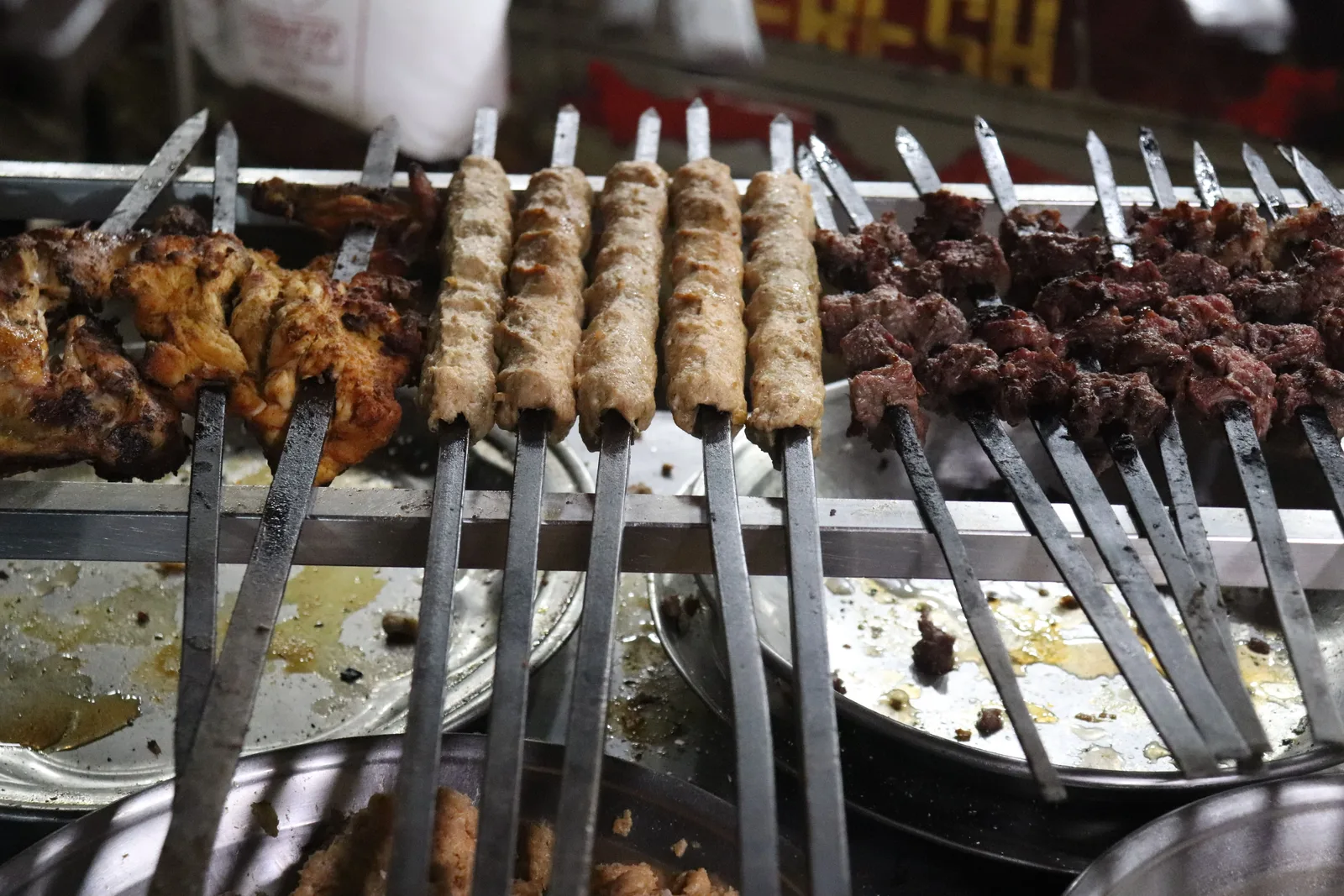
Pakistani street food ranges from breakfast plates to fried snacks, chaat, grilled meat, rolls, and cold drinks. Popular choices differ between Lahore, Karachi, Peshawar, Rawalpindi, Multan, Quetta, and smaller cities.
| Street food | Main components | Common setting |
|---|---|---|
| Halwa puri | Puri, semolina halwa, chickpeas, potato curry | Weekend breakfast |
| Bun kebab | Spiced patty, bun, chutney, onion, egg | Karachi streets |
| Gol gappay | Crisp shells, chickpeas, potatoes, tangy water | Markets and evening stalls |
| Samosa chaat | Samosa, chickpeas, yogurt, chutneys | Tea time and bazaars |
| Paratha roll | Paratha, chicken or kebab, chutney, onion | Late-night fast food |
| Chapli kebab | Minced meat, coriander, tomato, chilies | Peshawar and KP |
Street food shows how Pakistani cooks balance crunch, acidity, spice, yogurt, chutney, and fresh garnish. The dishes also reveal local routines: halwa puri belongs to mornings, while rolls and bun kebabs suit evening traffic and late-night eating.
Which Vegetarian Foods Belong to Pakistani Tradition?
Daal, karhi, chana, rajma, bhindi, aloo palak, sai bhaji, baingan, lauki, tori, and mixed sabzi all belong to Pakistani home cooking. Vegetarian food is less visible in export restaurants, but households cook it regularly.
Punjabi and Sindhi kitchens preserve particularly strong vegetable and lentil traditions. Sai bhaji combines greens, lentils, and vegetables. Sindhi karhi uses gram flour, vegetables, tamarind, and tempering. Aloo palak, bhindi masala, baingan bhurta, chana masala, and rajma pair naturally with roti or rice.
These foods also help families manage cost and seasonality. Lentils, chickpeas, potatoes, gourds, okra, spinach, cauliflower, peas, and eggplant stretch household budgets without removing flavor.
Which Desserts and Drinks Represent Traditional Pakistani Food?
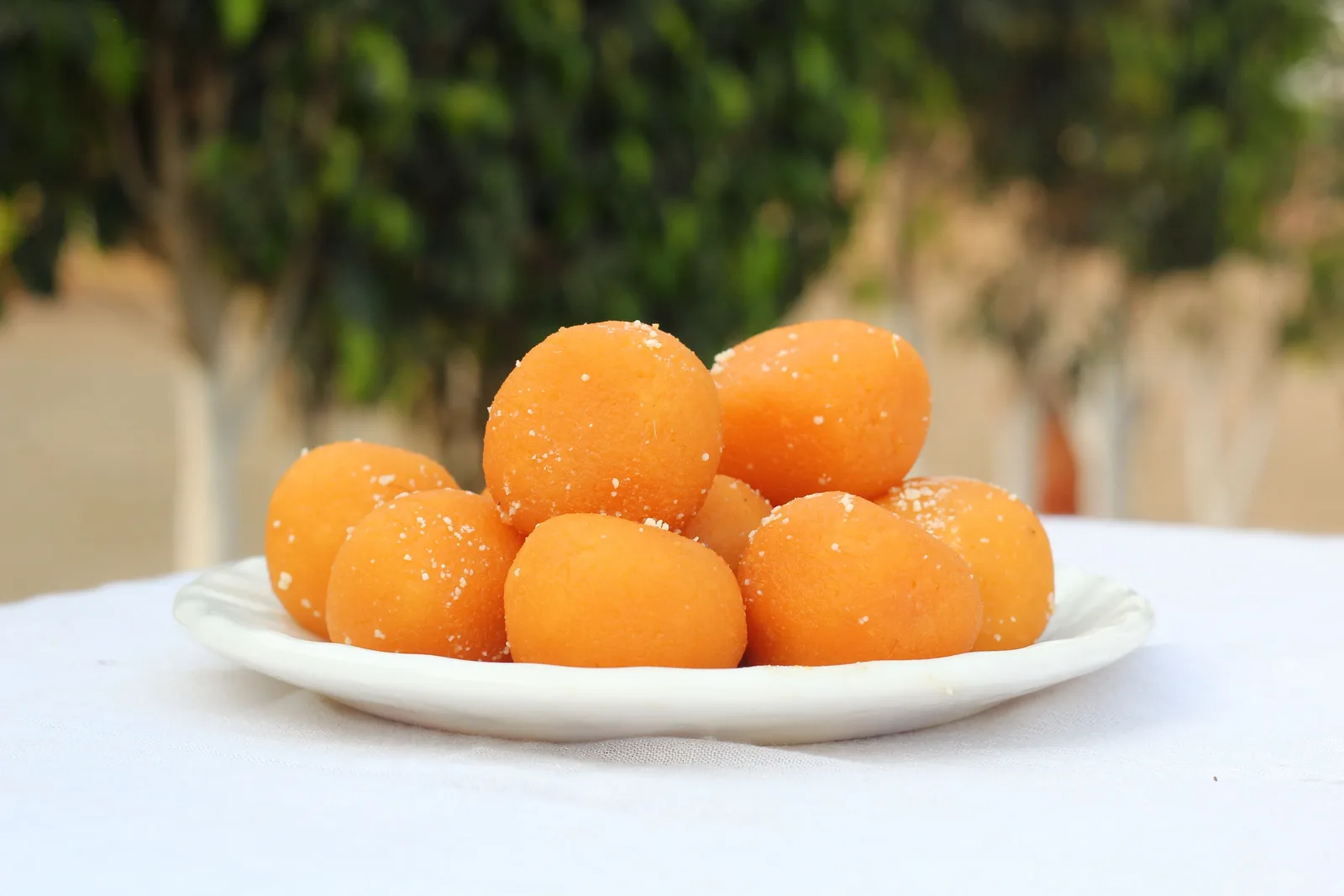
Kheer, sheer khurma, zarda, gajar halwa, suji halwa, sohan halwa, jalebi, lassi, chai, and sharbat complete Pakistan’s food traditions. Desserts often mark weddings, Eid, births, religious gatherings, and hospitality.
Kheer slowly cooks rice in milk with sugar and cardamom. Sheer khurma combines vermicelli, milk, dates, and nuts for Eid. Zarda colors sweet rice with sugar, cardamom, nuts, and candied fruit. Gajar halwa uses winter carrots, milk, ghee, and nuts.
Multani sohan halwa represents South Punjab, while suji halwa forms part of the halwa puri breakfast. Regional sweets such as andrasay, rewri, pinni, and different lentil halwas receive less attention outside Pakistan.
Chai remains the daily drink, while lassi appears strongly in Punjab and rural Sindh. Kashmiri pink chai, doodh soda, thadal, sattu, falsa sharbat, and imli aloo bukhara drinks add regional variety.
How Does Pakistani Hospitality Shape Traditional Food?
Pakistani hospitality treats food as a direct expression of welcome, care, respect, and generosity. Hosts commonly offer chai, snacks, fruit, sweets, or a full meal even during short visits.
Family-style serving encourages sharing. A dastarkhwan may include one main curry, rice, bread, salad, raita, achar, chutney, and dessert. Larger occasions add biryani, qorma, kebabs, pulao, fried foods, and several sweets.
Food also preserves memory. Families identify dishes with grandparents, hometowns, Ramadan routines, Eid mornings, weddings, winter breakfasts, and Friday lunches. Traditional Pakistani food therefore describes relationships and rituals, not only recipes.
What Should a Beginner Order First?
A beginner should choose 1 rice dish, 1 slow-cooked curry, 1 grilled item, 1 vegetable dish, bread, and a dessert. That combination shows more range than ordering several similar meat gravies.
- Order chicken or Sindhi biryani for aromatic rice and layered spice.
- Order nihari or haleem for slow-cooked depth.
- Order chapli kebab or seekh kebab for grill and texture.
- Order bhindi, daal, or karhi for everyday home flavors.
- Order naan or roti instead of relying only on rice.
- Finish with kheer, gajar halwa, or lassi.
Ask about the restaurant’s regional specialty before ordering. A focused Peshawari restaurant should prepare chapli kebab or namkeen gosht better than a menu attempting 80 unrelated dishes.
Frequently Asked Questions
What is the most traditional Pakistani food?
No single dish represents every region. Roti with salan, daal chawal, qeema, biryani, pulao, vegetables, and yogurt collectively describe Pakistani eating more accurately.
Is traditional Pakistani food always spicy?
No. Sindhi and Karachi foods can taste hot, while Pashtun and Balochi dishes often use restrained spices. Household recipes also adjust heat for children and elders.
Is Pakistani food the same as Indian food?
No, although both cuisines share ingredients and history. Pakistani cooking has distinct regional meat traditions, breads, rice dishes, street foods, and Muslim celebration foods.
What do Pakistanis eat for breakfast?
Common breakfasts include paratha with egg, roti with leftovers, chai, naan chanay, halwa puri, nihari, paya, and yogurt. Weekday breakfasts usually stay simpler than weekend meals.
Does traditional Pakistani food include vegetarian dishes?
Yes. Daal, karhi, bhindi, sai bhaji, aloo palak, rajma, chana, baingan, lauki, tori, and mixed vegetables remain established household foods.
Traditional Pakistani Food Is More Than a Famous-Dish List
Traditional Pakistani food includes everyday daal and roti, Friday biryani, winter paya, Ramadan haleem, Sindhi karhi, Pashtun kebabs, Balochi sajji, Punjabi saag, Karachi street food, and family recipes that never reach restaurant menus.
The cuisine makes the most sense when you study 3 layers together: ordinary home meals, regional specialties, and celebration foods. Explore LaGrub’s recipes and food stories to cook each layer with clearer context and respect for its origins.

Sahar Syed
Sahar Syed writes practical recipes, approachable food guides, and culturally grounded home-cooking stories for LaGrub.
Get a desi recipe worth cooking, every week
One tested recipe a week. Nothing else, and unsubscribe any time.


