

Wondering what is Korean food and what makes it so unique? Korean cuisine is much more than kimchi and spicy dishes. From comforting rice bowls and savoury stews to Korean barbecue, fermented foods and colourful side dishes, it offers a rich mix of flavours, textures and traditional cooking methods.
Wondering what is Korean food and what makes it different from other Asian cuisines? Korean food is known for bold flavours, fermented ingredients, rice, vegetables, meat, seafood, soups, stews and small side dishes. From kimchi and bibimbap to bulgogi and Korean barbecue, its variety goes far beyond spicy food.
What Is Korean Food?
Korean food is the traditional cuisine of Korea, shaped by centuries of history, geography, farming, fishing and family cooking. It includes a wide range of dishes made with rice, vegetables, meat, seafood, noodles, tofu and fermented ingredients.
One of the easiest ways to understand what is Korean food is to look at how a Korean meal is built. Instead of having only one main dish, a meal may include steamed rice, soup or stew, a main protein and several small side dishes called banchan.
Korean cuisine is also known for strong seasonings. Garlic, ginger, sesame oil, soy sauce, chilli, spring onions and fermented pastes are used to create layers of flavour.
However, Korean food is not simply spicy. Some dishes are fiery, while others are mild, savoury, sweet, smoky, fresh or deeply comforting.
That variety is what makes Korean cuisine so interesting. It can be simple enough for an everyday meal yet detailed enough for a special occasion.
What Makes Korean Food Unique?
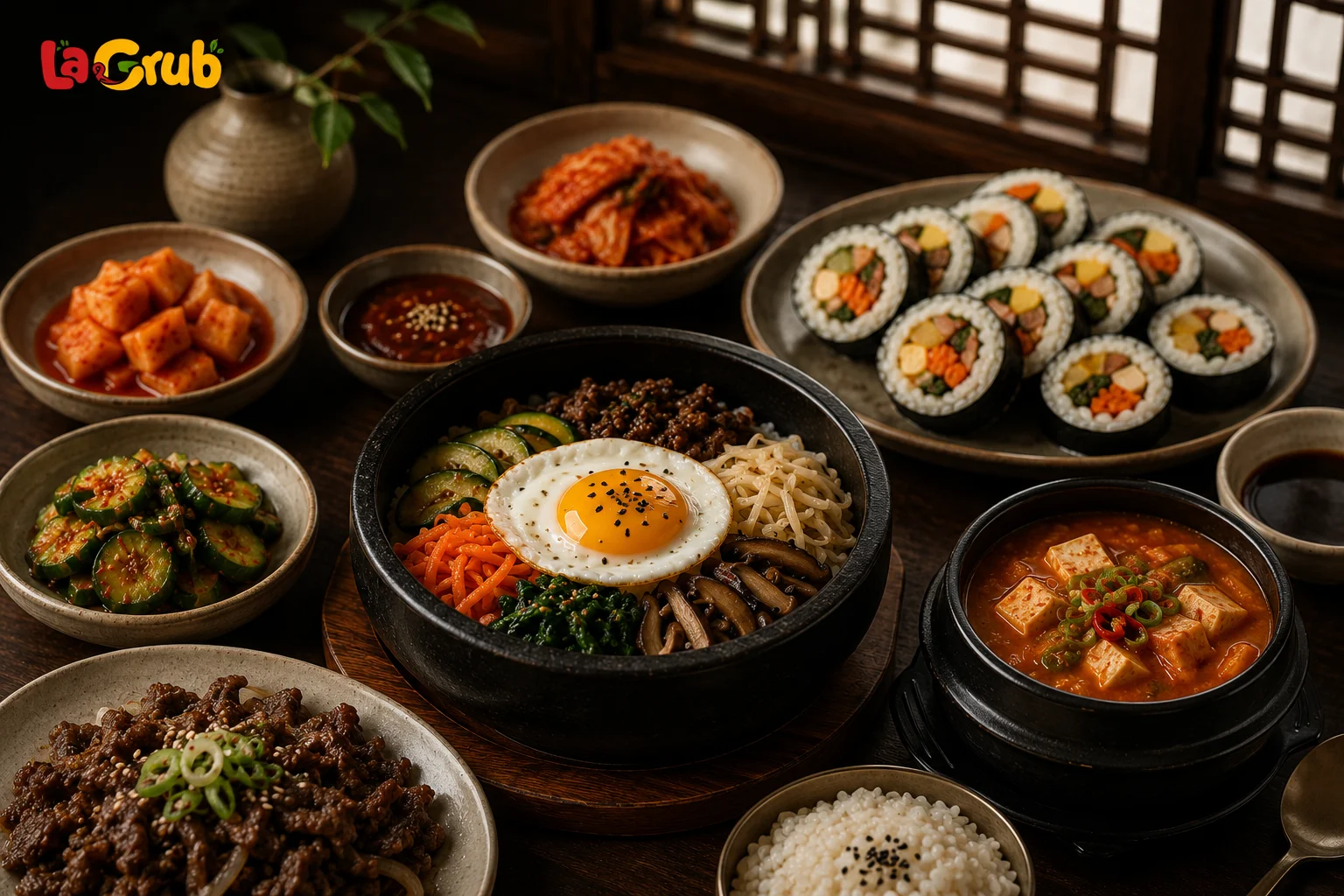
Several features give Korean cuisine its distinct identity. While some ingredients and cooking methods are shared with other Asian cuisines, the combination creates a style that is unmistakably Korean.
Fermentation
Fermentation is one of the most important parts of Korean cooking. Foods such as kimchi and traditional fermented sauces develop complex flavours over time.
Fermented ingredients can add sourness, saltiness, savouriness and depth. They also help turn simple ingredients into foods with a much stronger character.
Banchan
Another defining feature is banchan. These are small side dishes served with a Korean meal. They can include seasoned vegetables, kimchi, pickled vegetables, tofu, seafood and other preparations.
Instead of one large side dish, a table may have several small ones. This gives diners different flavours and textures throughout the meal.
Rice
Rice is a central staple in Korean food. Steamed rice is commonly served with soups, stews, meat and vegetables. Rice is also transformed into dishes such as bibimbap and gimbap.
Bold Seasonings
Korean cooking uses ingredients such as gochujang, gochugaru, doenjang, soy sauce, sesame oil, garlic and ginger. These ingredients can create dishes that are spicy, smoky, sweet, salty and savoury at the same time.
What Does Korean Food Taste Like?
If you are new to Korean food, you may expect everything to taste hot and spicy. In reality, Korean flavours are much broader.
Depending on the dish, you may taste:
Spicy chilli
Salty soy and fermented flavours
Sweet sauces
Sour fermented vegetables
Nutty sesame
Rich umami
Smoky grilled meat
Fresh herbs and vegetables
Garlic and sesame are common flavour builders, while fermented ingredients bring depth.
Korean food also makes strong use of texture. Crispy vegetables may be served alongside soft rice. Tender meat can be paired with crunchy kimchi or fresh lettuce. Chewy rice cakes can be coated in a thick, spicy sauce.
This balance between flavour and texture is a major part of the appeal of Korean cuisine.
Essential Korean Food Ingredients
Understanding the main ingredients makes it much easier to understand what is Korean food.
Gochujang
Gochujang is a fermented Korean chilli paste. It is thick, savoury, slightly sweet and spicy. It is used in dishes such as bibimbap, tteokbokki and many sauces and marinades.
Gochugaru
Gochugaru refers to Korean chilli flakes or powder. It is commonly used in kimchi and other spicy dishes.
Doenjang
Doenjang is a fermented soybean paste with a deep savoury flavour. It is commonly used in soups, stews and sauces.
Soy Sauce
Soy sauce adds saltiness and umami. It is used in marinades, dipping sauces, soups and everyday cooking.
Sesame Oil
Sesame oil has a strong nutty aroma. A small amount can be used to finish dishes or build flavour in sauces and marinades.
Garlic and Ginger
Garlic and ginger are important aromatics in many Korean recipes. They help create the savoury base that makes many dishes so fragrant.
Rice and Rice Cakes
Rice appears in many forms. Alongside steamed rice, Korean cuisine uses rice to make gimbap, rice cakes and other dishes.
What Are the Most Popular Korean Foods?
Once you understand the ingredients, the next step is exploring the dishes that represent Korean cuisine.
Kimchi
Kimchi is one of the most recognised Korean foods in the world. It refers to fermented vegetables seasoned with ingredients such as chilli, garlic, ginger and salt.
Napa cabbage kimchi is especially well known, but Korean cuisine includes many different types of kimchi.
Kimchi can be served as a side dish or used as an ingredient in other recipes.
Bibimbap
Bibimbap means mixed rice and is usually made with rice topped with vegetables, meat or another protein, an egg and a flavourful sauce.
The ingredients are arranged over the rice and then mixed together before eating.
It is a great introduction to Korean cooking because one bowl can combine vegetables, protein, rice, spice and savoury flavours.
Bulgogi
Bulgogi is a famous Korean meat dish. Thinly sliced meat is marinated and cooked until tender and flavourful.
The marinade often combines ingredients such as soy sauce, garlic, sweetness and sesame.
Bulgogi can be served with rice, vegetables and side dishes.
Japchae
Japchae is a noodle dish made with chewy glass noodles, vegetables and often meat. It has a savoury, slightly sweet flavour and is commonly enjoyed at gatherings and special occasions.
Tteokbokki
Tteokbokki is made with chewy Korean rice cakes cooked in a spicy, sweet and savoury sauce. It is especially popular as a snack or street food.
Its chewy texture makes it very different from many noodle or rice dishes.
Gimbap
Gimbap consists of rice and fillings rolled in sheets of seaweed. Fillings can include vegetables, egg, meat and other ingredients.
It is convenient, portable and popular for lunches, picnics and quick meals.
Korean Barbecue
Korean barbecue is as much about the eating experience as the meat itself. Meat is grilled and served with side dishes, sauces, vegetables and other accompaniments.
Popular choices include beef, pork and chicken.
The combination of grilled meat, banchan, dipping sauces and fresh vegetables creates a meal with plenty of variety.
Kimchi Jjigae
Kimchi jjigae is a comforting Korean stew made with kimchi and other ingredients such as tofu, vegetables and meat.
It is rich, warming and savoury, making it a popular everyday dish.
Is All Korean Food Spicy?
No. This is one of the biggest misconceptions about Korean food.
Korea has many spicy dishes, particularly those made with gochujang or gochugaru. Tteokbokki and some types of kimchi are good examples.
However, plenty of Korean foods are mild.
Bulgogi can be sweet and savoury rather than fiery. Japchae is generally mild. Gimbap can be made without chilli. Many soups, grilled meats and vegetable side dishes can also have little or no heat.
So if you do not enjoy spicy food, there are still plenty of Korean dishes to explore.
What Is Banchan?
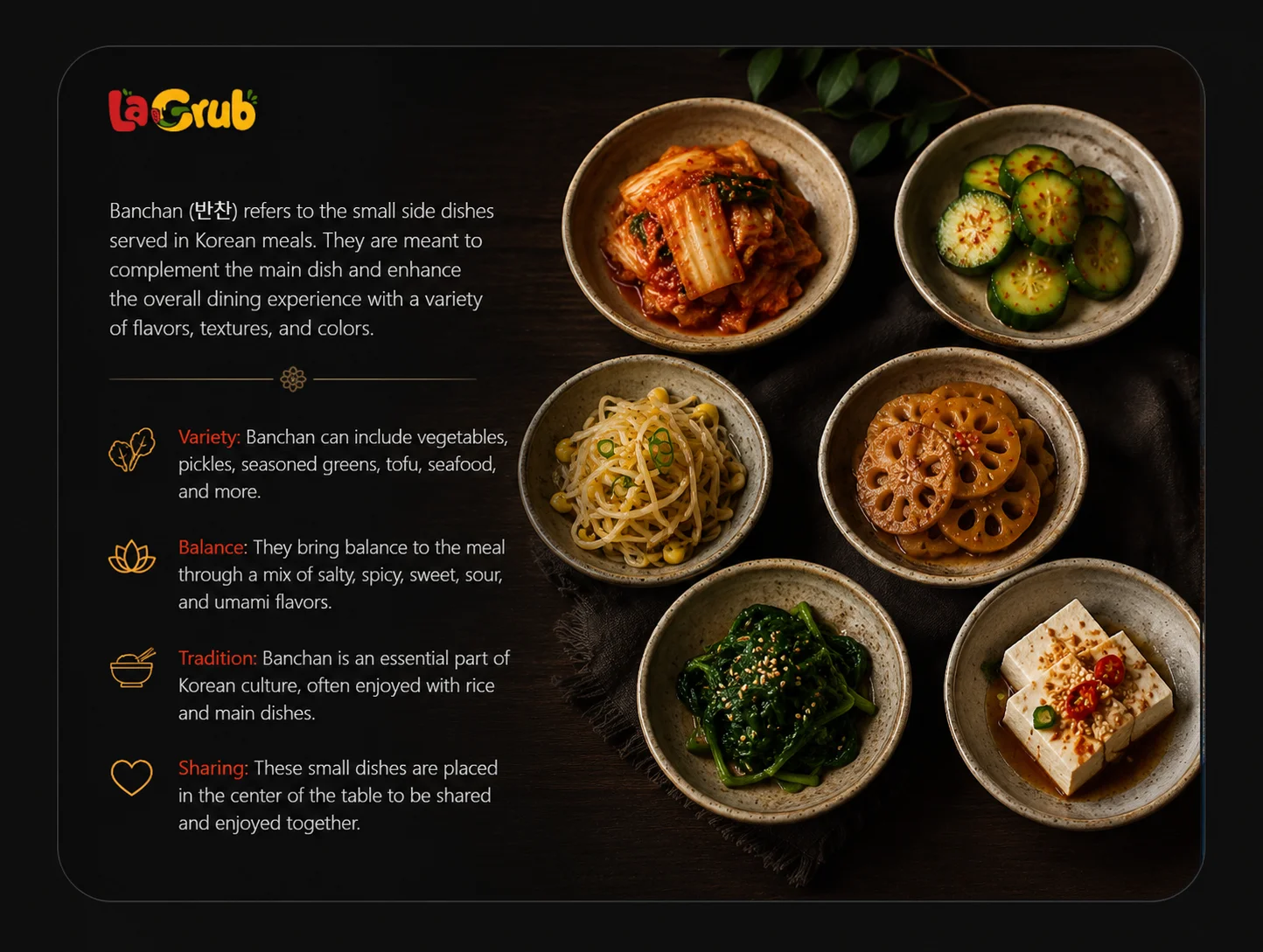
Banchan is one of the most interesting parts of a Korean meal.
The word refers to small side dishes served alongside rice and other main foods. A meal might include several varieties at once.
Banchan can include:
Kimchi
Seasoned spinach
Bean sprouts
Pickled vegetables
Potatoes
Tofu
Seaweed
Other seasoned vegetables
The idea is not simply to fill the table. Each side dish can add a different flavour or texture.
One may be salty, another slightly sweet, another sour and another spicy.
This creates variety without requiring the main dish to provide every flavour.
Why Is Fermentation So Important in Korean Cuisine?
Fermentation plays a major role in the history and flavour of Korean cuisine.
Before modern refrigeration, fermentation was an important way to preserve food. Over time, these preservation methods became deeply connected with Korean cooking traditions.
Today, fermented foods and seasonings are valued for their complex taste.
Kimchi is the best-known example, but fermented soybean products such as doenjang and gochujang are also important.
Fermentation can create flavours that are difficult to achieve with fresh ingredients alone. It gives Korean dishes a deeper savoury character and adds layers of sour, salty and umami notes.
What Do Koreans Eat Every Day?
A common misunderstanding is that everyday Korean meals look like restaurant food.
In reality, home meals can be simple.
A meal may include steamed rice, a soup or stew, kimchi, a few banchan and a main dish such as fish, meat, tofu or vegetables.
Not every meal needs a large barbecue spread or a complicated recipe.
This everyday structure is one of the most useful ways to understand what is Korean food. The cuisine is not only about famous dishes. It is also about practical meals that bring several flavours together.
Korean Food by Region
Korean cuisine also changes from one region to another.
Climate, geography and local ingredients influence what people cook.
Coastal areas naturally have strong seafood traditions. Farming regions make greater use of local vegetables and grains. Different areas also developed their own soups, noodles, fermented foods and special dishes.
This regional variety means there is no single recipe that represents all of Korea.
Even familiar foods such as kimchi can have different styles depending on the ingredients and preparation.
Is Korean Food Healthy?
Korean meals can include many nutritious ingredients, such as vegetables, seafood, tofu, rice and fermented foods. Having several vegetable-based side dishes can also add variety to a meal.
However, not every Korean dish has the same nutritional profile.
Some dishes can contain significant amounts of salt, sugar or fat. Fried foods and rich sauces can also be more calorie-dense.
Therefore, it is better to think of Korean food as a broad cuisine rather than labelling the entire category as healthy or unhealthy.
Portion size, preparation method and ingredient choices all matter.
Korean Food for Beginners
If you are trying Korean food for the first time, you do not need to begin with the strongest flavours.
Start with familiar dishes and gradually explore more traditional flavours.
Good beginner options include:
Bulgogi for a sweet and savoury meat dish
Gimbap for a rice and seaweed roll
Japchae for a mild noodle dish
Bibimbap for a balanced rice bowl
Korean barbecue for a social meal
Once you become comfortable with these dishes, try kimchi jjigae, tteokbokki and stronger fermented flavours.
You can also explore LaGrub's recipe collection to discover different cooking traditions and recipes from around the world.
Korean Food vs Other Asian Cuisines
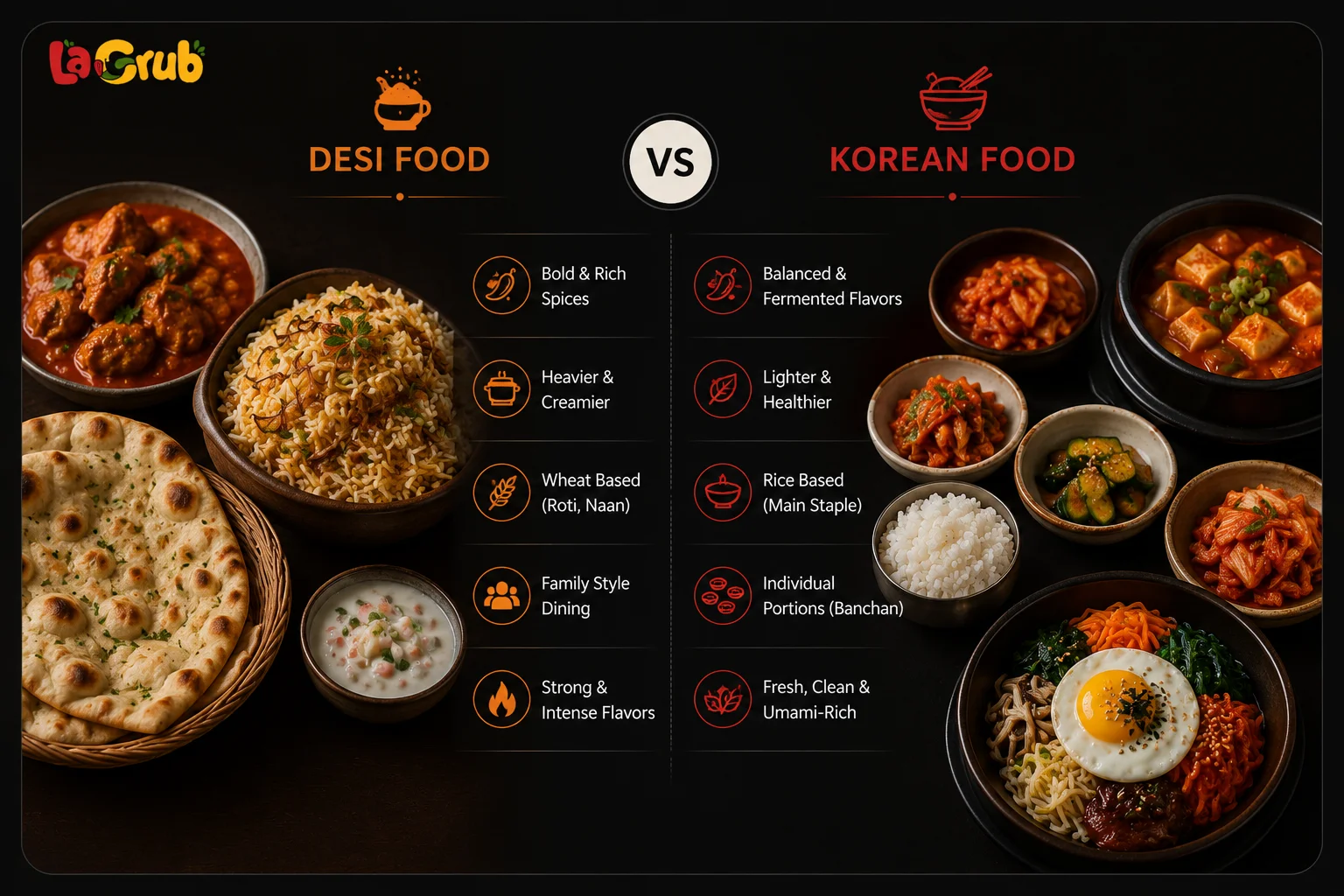
Korean food shares ingredients and techniques with other Asian cuisines, but its combination of flavours and meal structure gives it a distinct identity.
Rice is important across Asia. Soy sauce, garlic, seafood and vegetables are also common in many cuisines.
What makes Korean cooking stand out is the strong combination of fermentation, banchan, chilli-based seasonings, grilled foods, soups, stews and communal meals.
It is also the way these elements come together.
For example, a Korean barbecue meal is not only grilled meat. The meat is eaten with lettuce, sauces, kimchi, garlic, rice and banchan. Each element changes the taste of the next bite.
That layered experience is an important part of Korean food culture.
If you are also interested in understanding how cuisines develop their own identities, LaGrub's guide to Pakistani vs Indian food differences offers another useful comparison of shared roots and distinct culinary traditions.
Why Is Korean Food Becoming So Popular?
Korean food has become increasingly familiar to people around the world.
Korean restaurants can now be found in many major cities, while dishes such as kimchi, Korean barbecue, bibimbap and fried chicken have become widely recognised.
Korean culture has also introduced more people to the cuisine. However, its popularity is not based only on cultural trends.
The food itself offers something memorable.
It combines bold flavours with variety. A meal can be spicy, sweet, savoury, crunchy, soft, fresh and fermented at the same time.
That makes Korean food exciting for adventurous diners while still offering plenty of simple options for beginners.
Korean Food Is More Than Spicy Dishes
If there is one idea to remember from this guide, it is that Korean cuisine is much broader than chilli.
At its heart, it is about balance, tradition and variety.
Rice provides a familiar base. Vegetables add freshness and texture. Meat and seafood provide richness. Fermented ingredients add depth. Banchan bring several flavours to the same table.
Together, these elements create a cuisine that can be both comforting and exciting.
That is also why Korean food can suit many different tastes. Someone may love grilled meat, while another person may prefer vegetable banchan or a warm bowl of soup.
Frequently Asked Questions
What is Korean food known for?
Korean food is known for rice, fermented foods, kimchi, banchan, grilled meats, soups, stews and bold seasonings. Ingredients such as garlic, sesame oil, soy sauce, gochujang and gochugaru create many of its signature flavours.
Is all Korean food spicy?
No. Although Korea has many spicy dishes, there are also plenty of mild foods. Bulgogi, japchae, gimbap, many soups and numerous vegetable side dishes can be mild or only lightly seasoned with chilli.
What are the most popular Korean dishes?
Some of the best-known Korean dishes include kimchi, bibimbap, bulgogi, japchae, tteokbokki, gimbap, Korean barbecue and kimchi jjigae. Each offers a different combination of flavours and textures.
What ingredients are commonly used in Korean food?
Common Korean ingredients include rice, kimchi, gochujang, gochugaru, doenjang, soy sauce, sesame oil, garlic, ginger, spring onions, tofu, vegetables, meat and seafood.
What makes Korean food different from other Asian cuisines?
Korean cuisine stands out through its combination of fermentation, banchan, rice-based meals, chilli-based seasonings, grilled foods, soups and stews. The way multiple side dishes are served alongside a main meal also gives Korean dining its distinctive character.
Conclusion
So, what is Korean food? It is a diverse cuisine built around rice, vegetables, meat, seafood, fermentation, bold seasonings and shared meals. While dishes such as kimchi, bibimbap and Korean barbecue are famous worldwide, they represent only part of a much larger food tradition.
The real character of Korean cuisine comes from the way its ingredients work together. Fermented pastes add depth, sesame adds aroma, chilli brings heat, vegetables provide freshness and banchan create variety.
Most importantly, Korean food is not limited to spicy dishes. It includes mild comfort foods, rich stews, grilled meats, noodle dishes, rice meals and countless regional specialities.
Whether you are trying Korean food for the first time or already love kimchi and Korean barbecue, there is always another flavour, dish or cooking tradition to discover.
Explore more food inspiration and discover Lagrub’s Korean Cookbook for recipes, food stories and cooking ideas that bring different traditions to the table.

Maimoona Ehtisham
Maimoona Ehtisham writes for LaGrub on cooking, recipes, and mindful culinary living.
Get a desi recipe worth cooking, every week
One tested recipe a week. Nothing else, and unsubscribe any time.


