

Lassi is a chilled South Asian yogurt drink blended with water, milk, ice, sugar, salt, fruit, or spices. It can be sweet, savory, fruity, thick, or light.
Lassi is a chilled South Asian yogurt drink made by blending yogurt with water, milk, ice, sugar, salt, fruit, or spices. The drink can taste sweet, salty, tangy, fruity, rich, or lightly spiced depending on the recipe.
Lassi is closely associated with Punjab, a region shared by Pakistan and India. Families traditionally churned yogurt in a clay pot with a wooden churner called a madhani. Modern cooks usually use a blender, immersion blender, whisk, or sealed jar.
Plain sweet and salted lassi remain common in Pakistani and Indian homes. Mango lassi has become the best-known version in restaurants worldwide. Each style starts with yogurt but uses a different balance of liquid, flavoring, and sweetness.
What Is Lassi Made Of?
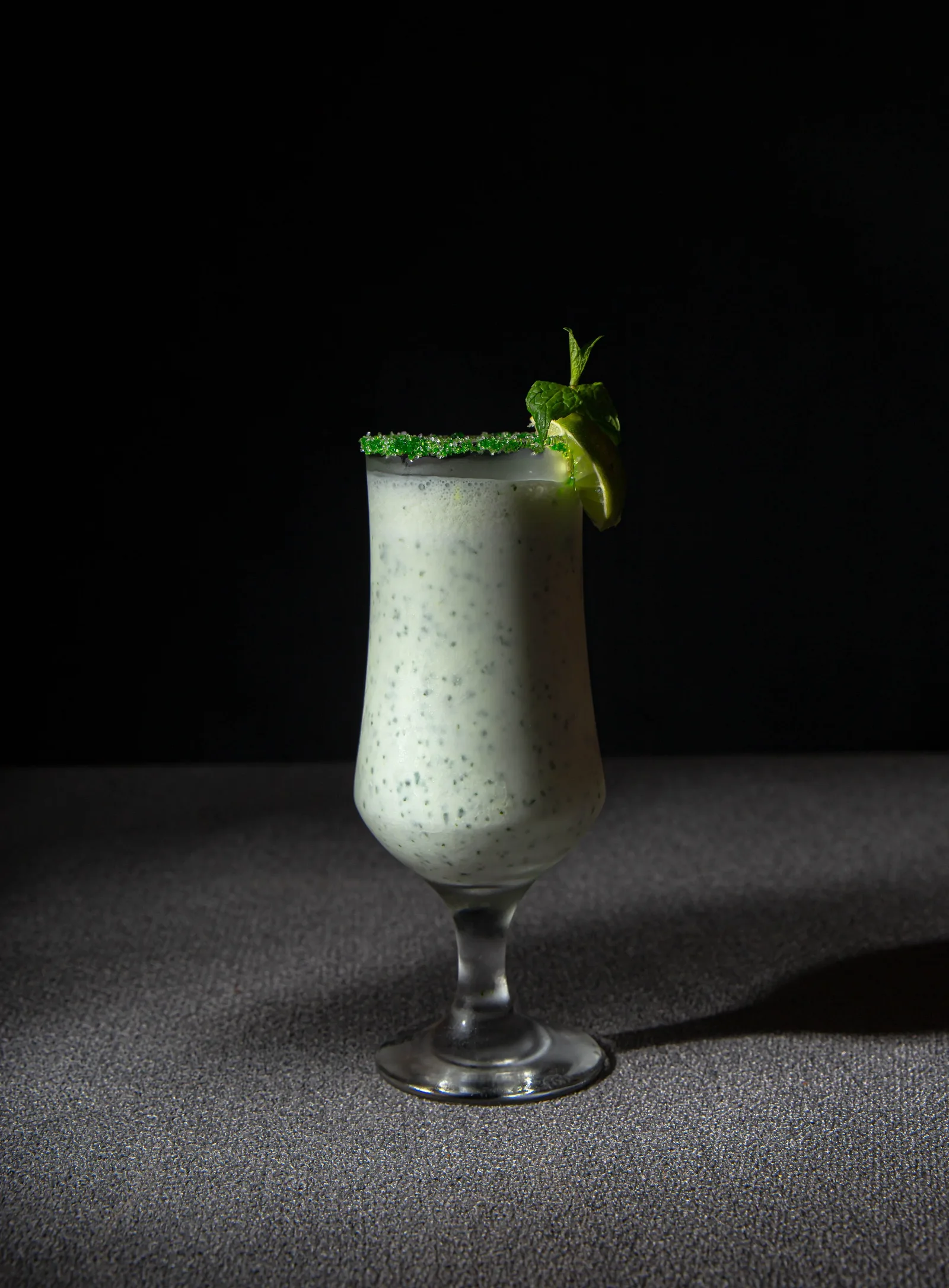 lassi
lassi
Traditional lassi starts with yogurt, water, and either sugar or salt. Milk, cream, fruit, cardamom, cumin, rose water, saffron, and nuts create richer or more modern versions.
The yogurt controls most of the drink’s taste and texture. Thick whole-milk yogurt creates a creamy lassi. Thin or tart yogurt creates a lighter and sharper drink. Homemade dahi often gives lassi a fresher, more traditional flavor.
Water thins the yogurt and makes salted lassi especially refreshing. Milk adds richness without making the drink as heavy as cream. Ice chills the drink and creates a frothy finish when blended.
Common lassi ingredients include:
- Plain yogurt or dahi
- Cold water or milk
- Ice cubes
- Sugar, jaggery, honey, or salt
- Green cardamom or roasted cumin
- Mango, strawberry, banana, or rose syrup
- Malai, cream, almonds, pistachios, or saffron
Where Did Lassi Originate?
Lassi developed in the Punjab region of South Asia. Punjab now lies across Pakistan and India, so both countries share strong lassi traditions.
People traditionally prepared lassi by churning set yogurt with water inside a clay vessel. A wooden madhani created the smooth texture and thick foam. Sweet lassi often accompanied breakfast, while thinner salted lassi appeared with meals and throughout hot days.
Buffalo-milk yogurt played an important role in many Punjabi households. Buffalo yogurt contains more fat than many cow-milk yogurts, so traditional lassi could taste exceptionally rich. Some Punjabi servings still include a spoonful of malai, white butter, nuts, or cream on top.
Lassi also represents hospitality. Families serve chilled glasses to guests, especially during warm weather, breakfast gatherings, village visits, and festive meals. Pakistani restaurants frequently pair lassi with halwa puri, paratha, nihari, kebabs, or spicy curries.
What Does Lassi Taste Like?
Lassi tastes creamy and tangy because yogurt forms the base. Sweeteners, salt, fruit, and spices determine the final flavor.
Sweet lassi tastes cool, milky, lightly tart, and moderately sweet. Cardamom or rose water adds fragrance without hiding the yogurt. Salted lassi tastes lighter, sharper, and more savory. Roasted cumin, black salt, mint, or coriander can make salted lassi taste more complex.
Mango lassi tastes sweeter and fruitier. Ripe mango adds body, color, and natural sweetness. Milk or cream softens sour yogurt, while cardamom supports the mango aroma.
A well-made lassi should feel smooth and frothy. The drink should pour easily but should not feel watery. Thick Punjabi lassi can approach a spoonable consistency, especially when topped with malai.
What Are the Main Types of Lassi?
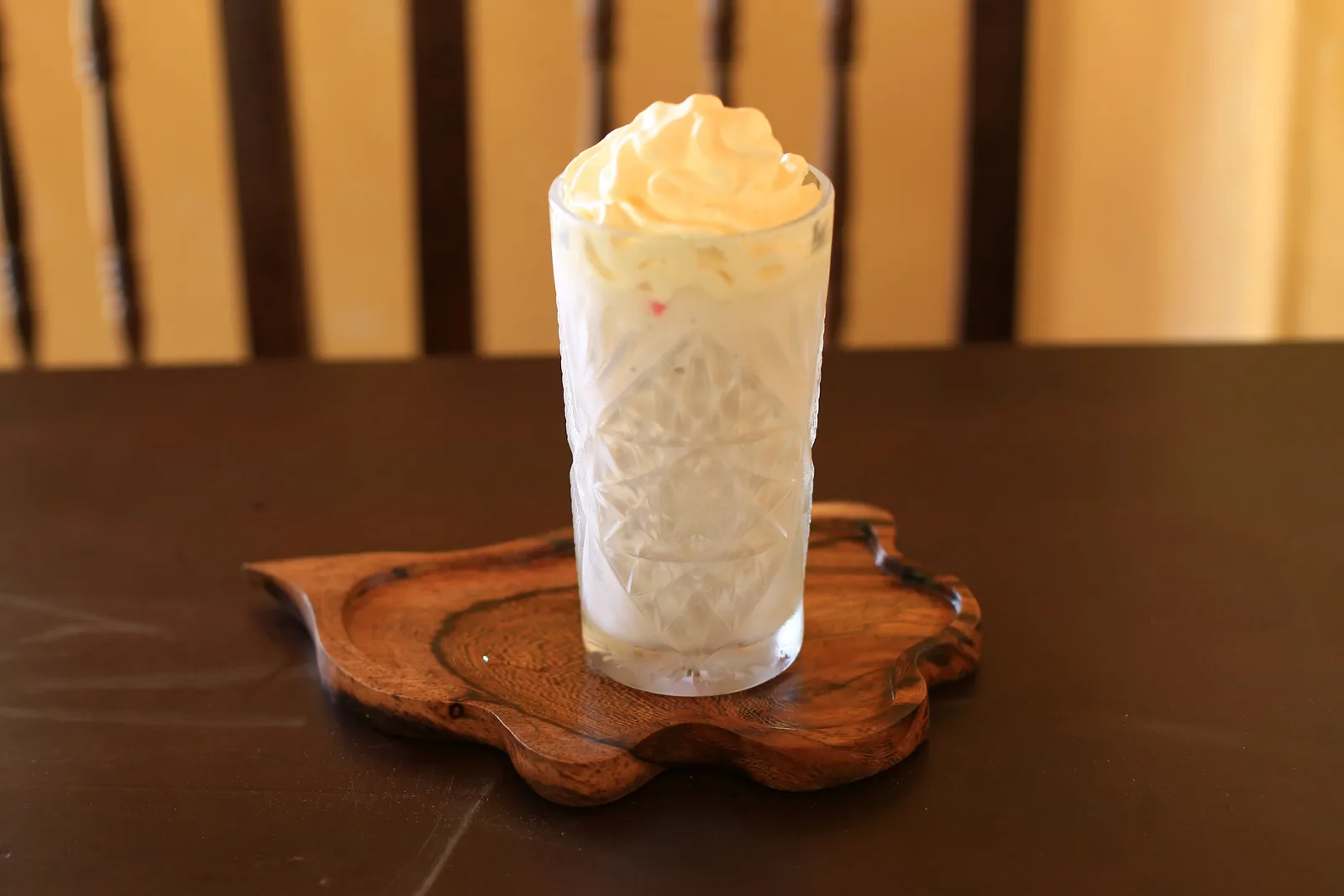 lassi
lassi
The 3 main types are sweet lassi, salted lassi, and fruit lassi. Regional and restaurant variations expand those categories with spices, herbs, syrups, nuts, and cream.
| Type | Main ingredients | Taste | Best serving occasion |
|---|---|---|---|
| Sweet lassi | Yogurt, milk or water, sugar, ice | Creamy, sweet, lightly tangy | Breakfast or afternoon refreshment |
| Salted lassi | Yogurt, water, salt, cumin | Savory, tart, refreshing | With lunch or spicy food |
| Mango lassi | Yogurt, mango, milk, sugar | Fruity, rich, sweet | Summer drink or dessert beverage |
| Masala lassi | Yogurt, water, salt, herbs, spices | Savory and aromatic | With meals |
| Rose lassi | Yogurt, milk, rose syrup or water | Floral and sweet | Festive serving |
| Dry-fruit lassi | Yogurt, milk, sugar, nuts, saffron | Rich and dessert-like | Guests and special occasions |
What Is Sweet Lassi?
Sweet lassi blends yogurt with sugar, milk or water, and ice. Cardamom, rose water, saffron, cream, or nuts can add flavor and richness.
Punjabi sweet lassi often tastes thick and frothy. Some traditional servings include malai or white butter on top. A lighter home version uses yogurt, milk, sugar, and ice without cream.
What Is Salted Lassi?
Salted lassi blends yogurt with water, salt, and savory seasonings. Roasted cumin, black salt, mint, coriander, ginger, or green chili can deepen the flavor.
Salted lassi usually contains more water than sweet lassi. The thinner texture makes the drink easier to serve alongside lunch, grilled food, curries, biryani, or spicy snacks.
What Is Mango Lassi?
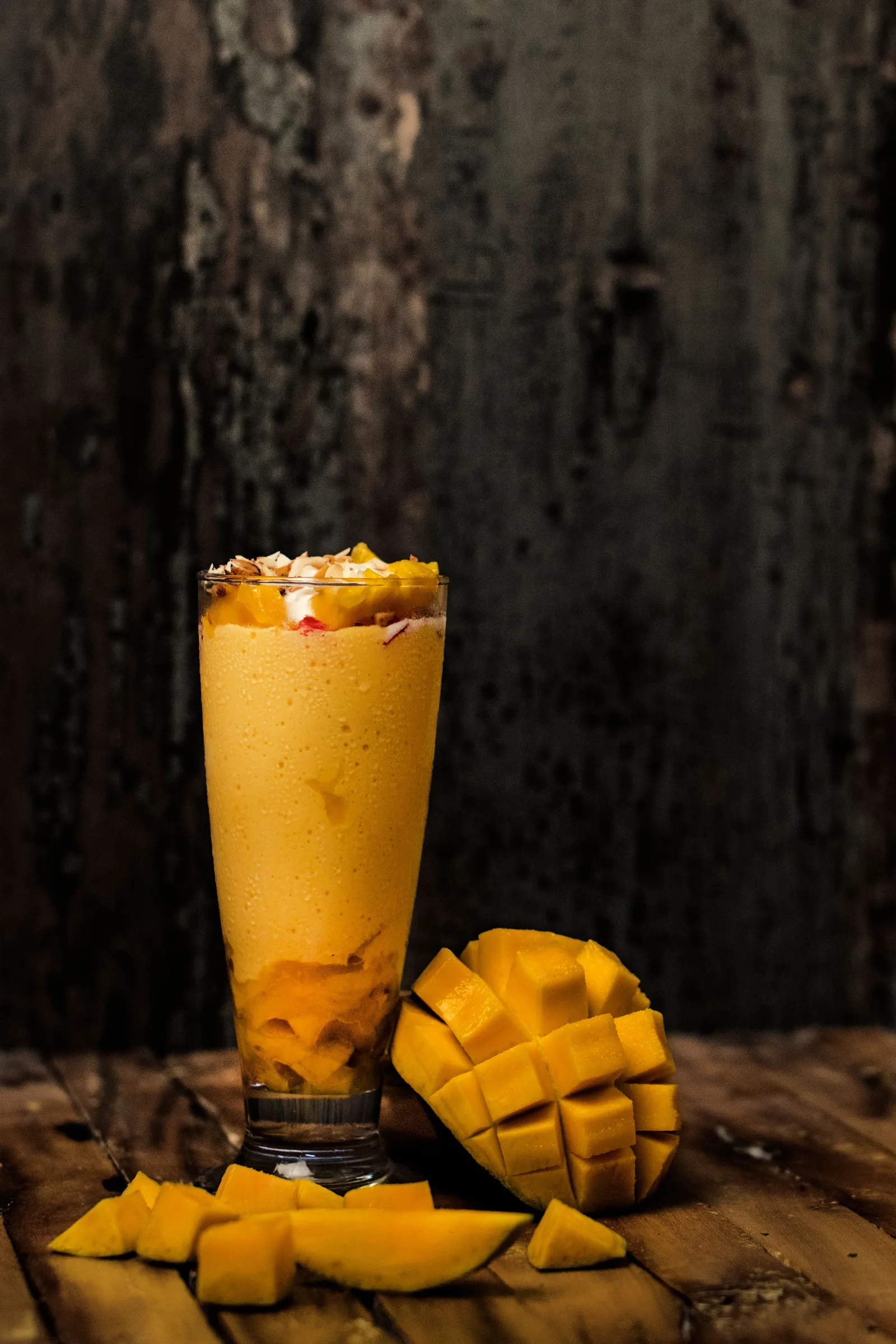 mango lassi
Mango lassi combines yogurt with ripe mango, milk or water, sweetener, and optional cardamom. The final drink should taste strongly of mango while retaining a gentle yogurt tang.
Sweet, low-fiber mangoes produce the smoothest texture. Alphonso, Kesar, Chaunsa, Sindhri, Ataulfo, Kent, and Honey mangoes work well when fully ripe. Canned mango pulp offers consistency outside mango season.
LaGrub’s Desi mango lassi gives you a focused fruit version with exact measurements and blending instructions.
What Is the Difference Between Lassi and Buttermilk?
Lassi is usually thicker and more flexible, while buttermilk or chhach is usually thinner and savory. Regional language and preparation methods can cause overlap.
Traditional cultured buttermilk can refer to the liquid left after churning butter. Modern buttermilk can also refer to cultured milk sold for baking. Chhach usually combines yogurt with more water and savory seasoning.
Lassi can be sweet, salty, or fruit-based. Sweet lassi commonly uses sugar and milk, while salted lassi can resemble chhach. The dividing line depends on local usage rather than one universal rule.
What Is the Difference Between Lassi, Ayran, Kefir, and Smoothies?
Lassi differs through ingredients, fermentation style, thickness, and flavoring. The drinks can look similar but serve different culinary traditions.
- Ayran: A thin savory yogurt drink made mainly with yogurt, water, and salt.
- Kefir: A fermented milk drink cultured with kefir grains and usually consumed without blending.
- Smoothie: A blended drink centered on fruit, vegetables, juice, milk, or yogurt.
- Milkshake: A sweeter drink commonly based on milk, ice cream, syrup, or fruit.
- Lassi: A yogurt-centered drink that can be sweet, salted, spiced, or fruit-flavored.
Mango lassi can resemble a yogurt smoothie, but its yogurt base, South Asian seasoning, and cultural context distinguish the drink.
Is Lassi Healthy?
Lassi can provide protein, calcium, vitamin B12, riboflavin, and other nutrients from yogurt. The exact nutrition depends on yogurt type, sugar, cream, fruit, and serving size.
Plain salted lassi usually contains less added sugar than sweet or mango versions. Sweet lassi can contain substantial sugar when restaurants use large servings, syrup, cream, or sweetened mango pulp.
Yogurt made with live cultures can contain beneficial microorganisms. However, not every commercial yogurt contains the same cultures or quantities. Product labels provide the most reliable information.
Fermentation reduces some lactose in yogurt compared with fresh milk, but lassi still contains dairy lactose unless you use lactose-free products. People with milk allergies should avoid dairy lassi. People with lactose intolerance should judge tolerance individually or use lactose-free yogurt.
How Can You Make Lassi Lighter?
To make lassi lighter, use plain yogurt, cold water, limited sweetener, and no cream. Choose fruit for natural sweetness and control the serving size.
- Use unsweetened yogurt.
- Reduce added sugar gradually.
- Replace cream with milk or water.
- Choose fresh mango instead of sweetened pulp.
- Add roasted cumin, mint, or cardamom for flavor.
How to Make Classic Sweet Lassi at Home
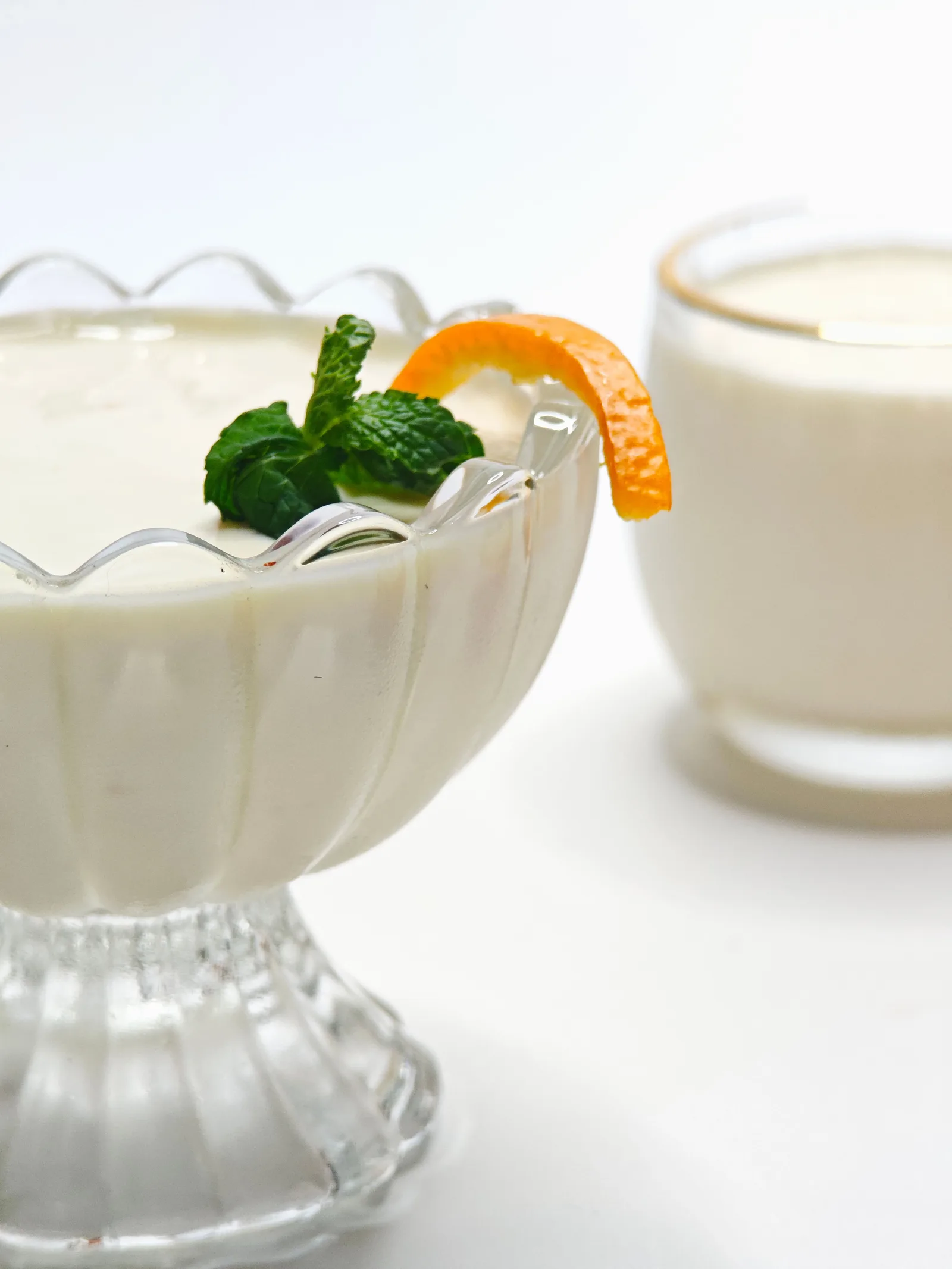 lassi
lassi
To make classic sweet lassi, blend cold whole-milk yogurt with milk, ice, sugar, and optional cardamom until smooth and frothy. The recipe below makes 2 large servings or 4 small servings.
Sweet Lassi Ingredients
- 1 1/2 cups (366g) chilled plain whole-milk yogurt
- 3/4 cup (180ml) chilled whole milk
- 1/2 cup (120g) ice cubes
- 3–4 tablespoons (38–50g) sugar, or to taste
- 1/8 teaspoon (0.25g) ground cardamom, optional
- 2 tablespoons (30ml) cream, optional
Sweet Lassi Method
- Add the yogurt, milk, ice, sugar, cardamom, and cream to a blender.
- Blend for 45–60 seconds until the ice breaks down and foam forms.
- Taste the lassi and adjust sugar, yogurt, milk, or ice.
- Pour the lassi into chilled glasses and serve immediately.
A thick result needs less milk. A lighter result needs more milk or cold water. Extra yogurt increases tartness, while sugar balances sour yogurt.
How to Make Salted Lassi at Home
To make salted lassi, blend yogurt with cold water, salt, roasted cumin, and ice. Fresh mint or coriander adds a brighter finish.
Salted Lassi Ingredients
- 2 cups (490g) chilled plain yogurt
- 1 cup (240ml) cold water
- 1/2 teaspoon (3g) salt
- 1 teaspoon (2g) roasted cumin powder
- 1/4 teaspoon (1g) black salt, optional
- 6 mint leaves, optional
- 1/2 cup (120g) ice cubes
Salted Lassi Method
- Add every ingredient to a blender.
- Blend for 30–45 seconds until smooth and frothy.
- Taste and adjust salt, cumin, or water.
- Serve the lassi cold with a small cumin sprinkle.
Salted lassi pairs well with spicy rice, kebabs, curries, and chaat. A chilled glass also complements LaGrub’s halwa puri breakfast when you prefer a savory drink.
How to Make Mango Lassi
To make mango lassi, blend ripe mango with cold yogurt, milk, sugar, and cardamom until thick but pourable. Chill every ingredient before blending for the freshest result.
- 1 1/2 cups (280g) ripe mango pieces
- 3/4 cup (175g) cold plain yogurt
- 1/2–3/4 cup (120–180ml) cold milk
- 1–2 tablespoons (12–25g) sugar
- 1/4 teaspoon (0.5g) cardamom powder
- 4 ice cubes, optional
Blend the mango first when the fruit contains noticeable fibers. Add the yogurt after the mango becomes smooth. Stop blending once the mixture looks creamy because excessive blending can weaken texture.
Use less sugar when the mango tastes fully ripe. Add milk or cream when sour yogurt overwhelms the fruit. Add more mango rather than extra sugar when the drink lacks mango flavor.
How Do You Make Lassi Frothy?
A powerful blender, cold ingredients, and 45–60 seconds of blending create a stable frothy layer. Traditional jug pouring or hand churning can also build foam.
Do not fill the blender to the top. Empty space allows the liquid to circulate and trap air. Add ice before blending, but avoid excessive ice because melting ice weakens flavor.
A wooden madhani creates traditional foam through repeated churning. You can also pour lassi between 2 jugs several times. The method creates bubbles without electricity.
Why Does Homemade Lassi Turn Watery, Sour, or Grainy?
| Problem | Likely cause | Practical fix |
|---|---|---|
| Watery lassi | Too much water, milk, or melted ice | Add more cold yogurt and blend briefly |
| Overly thick lassi | Very thick yogurt or too little liquid | Add milk or water 1 tablespoon (15ml) at a time |
| Too sour | Old or highly tart yogurt | Add milk, ripe fruit, or limited sweetener |
| Too sweet | Excess sugar or sweetened mango pulp | Add plain yogurt, milk, or ice |
| Grainy texture | Coarse sugar, weak blending, or curdled dairy | Use fine sugar and chilled fresh yogurt |
| Weak mango flavor | Too much yogurt or milk | Add ripe mango or unsweetened mango pulp |
| No foam | Short blending or an overfilled blender | Blend longer in a larger jar |
Can You Make Lassi Without a Blender?
Yes, you can make lassi with a whisk, madhani, immersion blender, shaker jar, or 2 jugs. The drink needs enough agitation to smooth the yogurt and create foam.
For a jar method, add yogurt, milk or water, sugar or salt, and crushed ice to a tightly sealed jar. Shake for 2 minutes. Use mango puree rather than fibrous mango pieces for fruit lassi.
For a whisk method, loosen the yogurt first. Add liquid gradually while whisking. Fine sugar dissolves more easily than coarse sugar.
Can You Make Dairy-Free Lassi?
Yes, dairy-free lassi works with plant-based yogurt and milk. Choose unsweetened products with a thick texture and mild flavor.
Soy yogurt offers protein and body. Coconut yogurt creates richness but adds coconut flavor. Almond yogurt tastes lighter. Oat yogurt and oat milk create a smooth, neutral base.
Dairy-free yogurt can contain stabilizers that change thickness. Add liquid gradually and blend briefly. Use ripe mango, cardamom, rose water, or cumin to strengthen flavor.
How Is Lassi Served in Pakistan?
Pakistani lassi is served chilled in glasses, steel tumblers, clay cups, or tall traditional vessels. Thick Punjabi versions can include malai, butter, almonds, pistachios, or saffron.
Sweet lassi commonly accompanies breakfast and brunch. Salted lassi suits lunch and spicy meals. Mango lassi works as a summer refreshment or a dessert-like drink.
Halwa puri, aloo paratha, nihari, pakoras, samosas, chana, and kebabs are common pairings. Tea remains another essential Pakistani drink, and LaGrub’s homemade masala chai offers a warm contrast to chilled lassi.
How Should You Store Lassi?
Lassi tastes best immediately after blending. Store plain lassi in a sealed container at 40°F (4°C) or below and drink it within 24 hours for the best texture.
Stir or shake refrigerated lassi before serving because yogurt and liquid can separate. Mango lassi can separate faster, especially when made with canned pulp and milk.
Do not leave dairy lassi at room temperature for more than 2 hours. Reduce the limit to 1 hour when the surrounding temperature exceeds 90°F (32°C).
Freezing lassi is not ideal for drinking because thawing can create separation and graininess. Freeze leftover mango lassi in molds when you want yogurt pops instead.
Frequently Asked Questions
Is lassi the same as yogurt?
No. Yogurt is the fermented dairy base. Lassi blends yogurt with liquid, seasoning, fruit, or sweetener.
Is lassi always sweet?
No. Lassi can be sweet, salted, spiced, plain, or fruit-flavored.
Does lassi contain alcohol?
Traditional lassi does not contain alcohol. Standard yogurt fermentation creates lactic acid rather than an alcoholic beverage.
Can you drink lassi every day?
Yes, many people drink lassi regularly. Choose portions and sugar levels that match your dietary needs.
Is mango lassi traditional?
Mango lassi is a popular fruit variation. Plain sweet and salted lassi remain more common in many South Asian homes.
Can lassi help with spicy food?
Lassi can feel cooling beside spicy food. Yogurt and cold temperature provide a softer contrast to chili heat.
What yogurt is best for lassi?
Fresh plain whole-milk yogurt gives the creamiest result. Use thinner yogurt for lighter lassi and Greek yogurt for thicker lassi.
Can you use Greek yogurt?
Yes. Add extra milk or water because Greek yogurt contains less whey and produces a thicker drink.
What Is Lassi in One Sentence?
Lassi is a chilled, frothy South Asian yogurt drink that can be sweet, salted, spiced, or fruit-flavored. The drink’s simple yogurt base supports countless regional and modern variations.
Start with fresh cold yogurt, add liquid gradually, and balance sweetness or salt after blending. Make classic sweet lassi for breakfast, salted lassi for meals, or mango lassi for a fruit-forward summer drink.

Sahar Syed
Sahar Syed writes practical recipes, approachable food guides, and comforting home-cooking ideas for LaGrub.
Get a desi recipe worth cooking, every week
One tested recipe a week. Nothing else, and unsubscribe any time.


