

The main difference between korma and curry is that korma is one specific type of curry with a creamy, mild, and rich taste. Curry is a wider category that includes many dishes, such as karahi, tikka masala, nihari, bhuna, and vindaloo.
What Is the Difference Between Korma and Curry?
Korma is a mild, creamy, nutty curry style, while curry means a wider family of spiced sauce dishes. The direct answer to what is the difference between korma and curry is simple: korma has a richer dairy, yogurt, or nut base, while curry can use many sauce bases, spice levels, and cooking methods.
You can choose korma for gentle heat, smooth gravy, and fragrant spices. You can choose curry for stronger masala, tomato-onion depth, and wider flavor choices.
What Is the Difference Between Korma and Curry in Simple Terms?
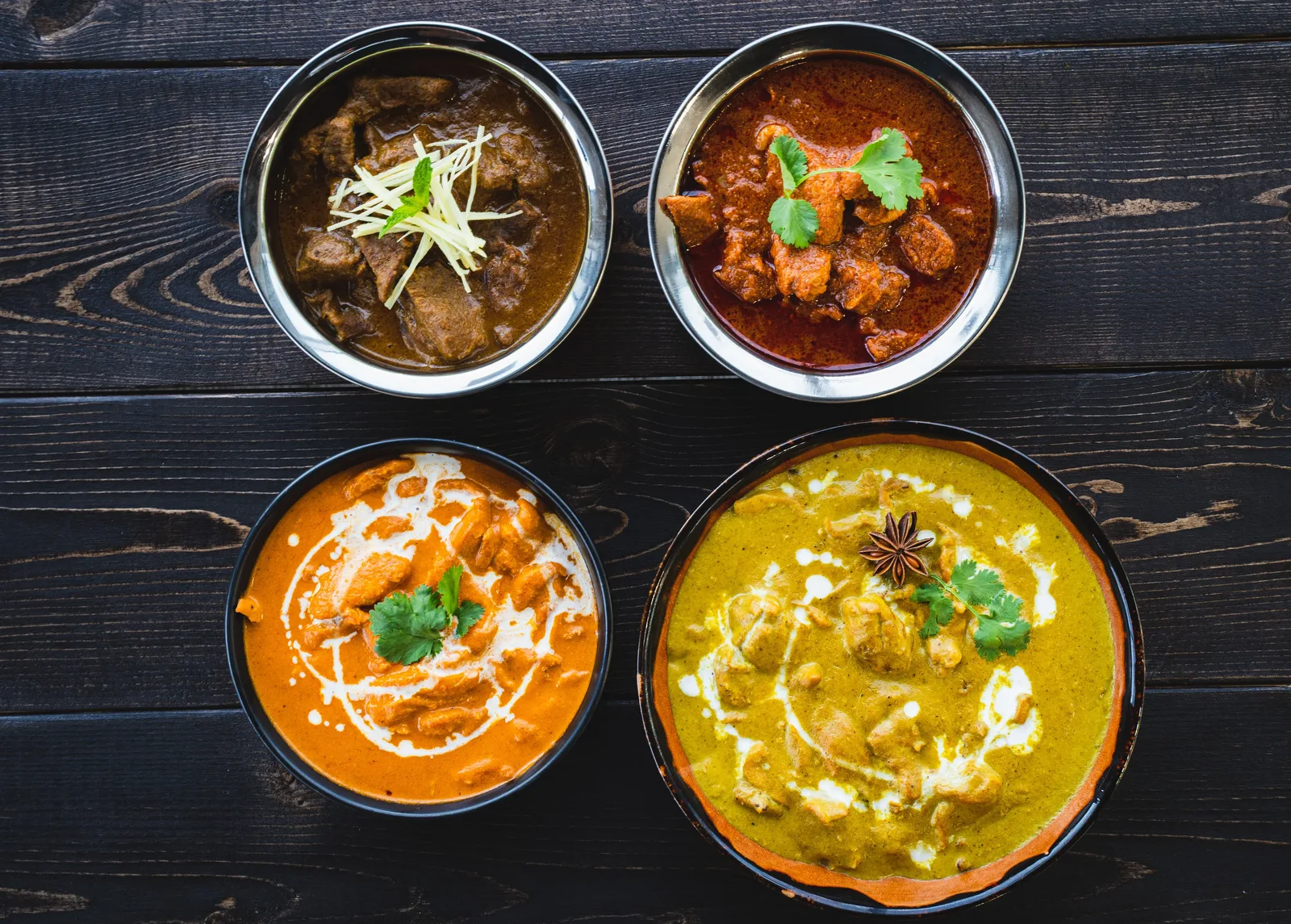 korma and curry
Korma is one type of curry, and curry is the larger category. That simple answer helps you read Pakistani and Indian menus with less confusion.
The question what is the difference between korma and curry matters because many menus list both words together. A restaurant can sell chicken korma, vegetable korma, chicken curry, egg curry, lamb curry, or paneer curry.
Korma usually points to a mild, rich, and aromatic gravy. Curry usually points to a saucy dish cooked with spices, onions, tomatoes, yogurt, lentils, coconut, or stock.
For a wider flavor base, LaGrub explains Desi cooking methods with spices, herbs, ginger, garlic, and layered seasoning. That foundation helps you understand both korma and curry.
Korma Belongs Inside the Curry Family
Korma belongs inside the curry family because korma also uses a spiced sauce. The word korma names a specific style.
A classic korma uses yogurt, cream, ground nuts, fried onions, or coconut milk. Common examples include chicken korma, mutton korma, beef korma, vegetable korma, and paneer korma.
The sauce feels smooth and rich. The spice level usually stays mild or medium. Cardamom, cinnamon, cloves, coriander, cumin, and garam masala create warmth.
Curry Describes a Larger Dish Category
Curry describes many spiced dishes with sauce, gravy, or thick masala. Curry can taste mild, hot, creamy, sour, dry, or saucy.
Curry examples include chicken curry, egg curry, fish curry, palak paneer, chana masala, daal curry, and beef curry. Each dish uses different spices and thickness.
So the answer to what is the difference between korma and curry depends on category. Korma gives you one rich style. Curry gives you many styles.
What Ingredients Separate Korma From Curry?
Korma uses rich ingredients first, while curry uses a broader mix of sauce bases. Ingredients show the main difference before cooking starts.
A korma ingredient list usually looks more luxurious. A curry ingredient list changes by region, protein, and family taste.
Korma Uses Creamy and Nutty Ingredients
Korma usually uses 3 rich ingredients: yogurt, cream, and nuts. Specific nuts include cashews, almonds, poppy seeds, and melon seeds.
For 4 servings, a home cook can use 1/2 cup (120 ml) yogurt, 1/4 cup (30 g) cashews, and 2 tablespoons (30 ml) cream. These amounts create a smooth sauce without heaviness.
Korma also uses aromatics like onion, ginger garlic paste, cardamom, cinnamon, cloves, black pepper, and coriander powder. These aromatics build fragrance, not sharp heat.
Curry Uses Wider Sauce Bases
Curry can use 5 sauce bases: onion-tomato masala, yogurt gravy, coconut milk, lentil base, or stock. Named examples include chicken curry, fish curry, daal curry, coconut curry, and spinach curry.
For many Pakistani curries, cooks start with 1 large onion, 2 tomatoes, 1 tablespoon (15 ml) oil, and 1 tablespoon (15 g) ginger garlic paste. This base makes a stronger masala than korma.
A curry can taste thin, thick, dry, spicy, creamy, or tangy. A korma stays rich, smooth, and aromatic by design.
Both Dishes Share Core Desi Aromatics
Both dishes share onions, ginger, garlic, cumin, coriander, turmeric, chili powder, and garam masala. The cooking order changes the final taste.
Korma uses softer spice heat and richer finishing ingredients. Curry can use sharper chilies, stronger tomato, more turmeric, and longer masala cooking.
What Is the Difference Between Korma and Curry for Taste?
Korma tastes creamy, mild, nutty, and fragrant, while curry can taste bold, spicy, tangy, or earthy. Taste gives diners the fastest clue.
The search question what is the difference between korma and curry often comes from diners choosing from a restaurant menu. Taste, heat, and texture help you order confidently.
Korma Tastes Mild, Creamy, and Fragrant
Korma tastes gentle because dairy, nuts, and slow cooking soften the spices. The sauce coats meat, paneer, or vegetables with a smooth layer.
Common flavor notes include sweet onion, warm cardamom, soft cinnamon, toasted cashew, yogurt tang, and ghee richness. Korma rarely tastes sharp.
Choose korma for children, spice-sensitive guests, and first-time Desi diners. A mild korma still carries aroma without strong chili heat.
Curry Tastes Flexible, Spiced, and Saucy
Curry taste depends on the recipe. A tomato curry tastes tangy, a coconut curry tastes creamy, and a lentil curry tastes earthy.
A Pakistani chicken curry often tastes stronger than korma because cooked onion, tomato, ginger, garlic, and chili build deeper masala.
If you want a vegetable curry example, Classic Palak Paneer shows a spinach curry with paneer, garlic, green chilies, and warm spices.
How to Choose Korma or Curry From a Menu
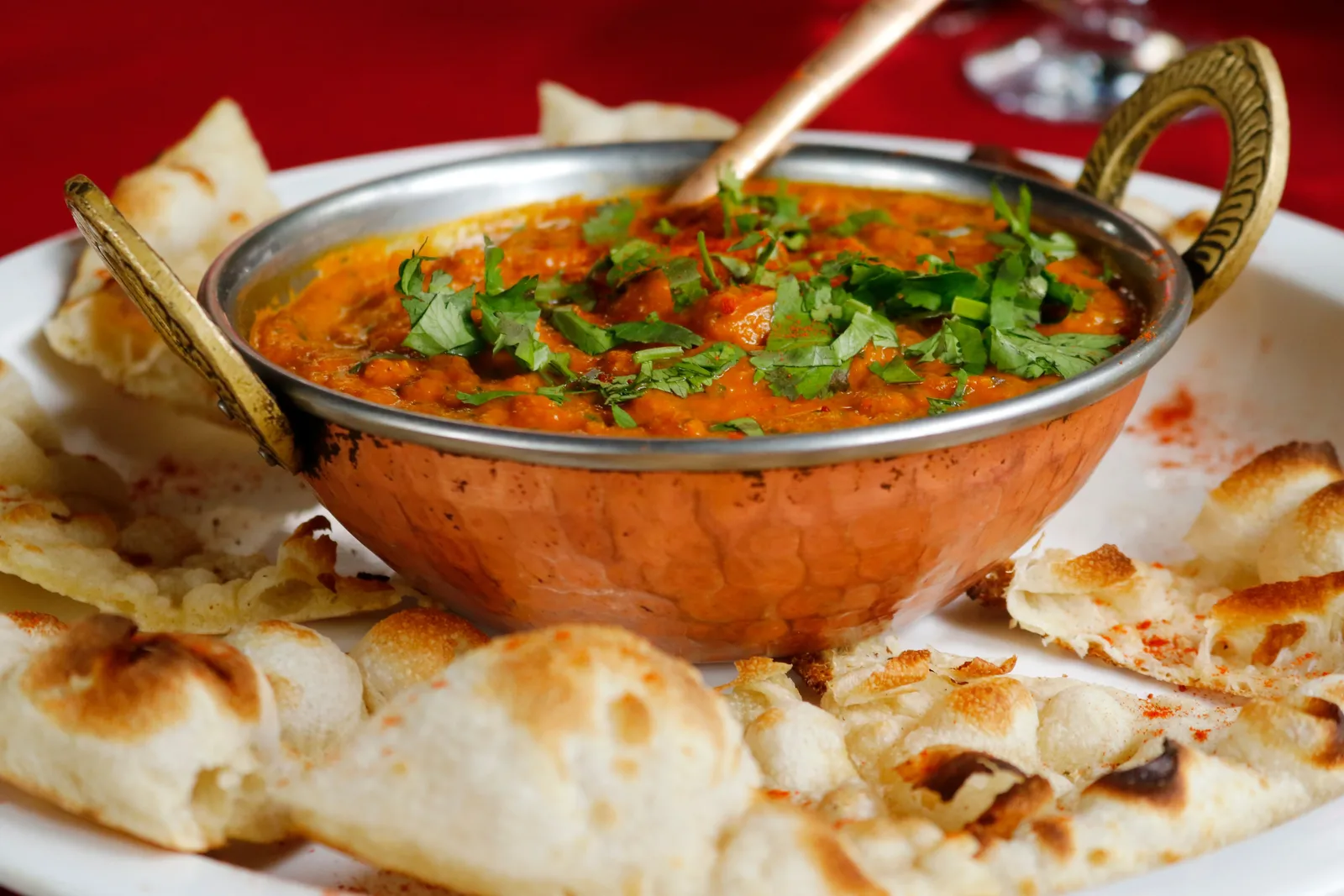 korma and curry
Choose korma for mild richness and choose curry for wider spice choices. Your ideal order depends on heat, texture, and table size.
Menus can confuse beginners because restaurants use words differently. The answer to what is the difference between korma and curry helps you ask better questions before ordering.
Order Korma for Mild Comfort
Order korma when you want gentle heat, creamy sauce, and tender meat. Good choices include chicken korma, mutton korma, vegetable korma, and paneer korma.
Ask for mild spice if you dislike chili heat. Ask for medium spice if you want more green chili, black pepper, or garam masala warmth.
Order Curry for Flexible Flavor
Order curry when you want stronger masala, more tomato flavor, or a lighter sauce. Good choices include chicken curry, egg curry, fish curry, and chana curry.
Ask the server about the sauce base. Onion-tomato curry tastes sharper. Yogurt curry tastes softer. Coconut curry tastes sweeter and rounder.
Order Both for a Group Table
Order both dishes for 4 people when your table has mixed spice preferences. Choose 1 korma, 1 curry, 2 naan, and 2 cups (400 g) rice.
For 6 people, order 1 korma, 1 curry, 1 grilled item, 4 naan, 3 cups (600 g) rice, raita, and salad. This order gives balance.
How to Cook Korma Differently From Curry
To cook korma differently from curry, build a creamy base, use gentle heat, and finish with aromatic spices. To cook curry, cook the masala longer and match the sauce to the protein.
The cooking answer to what is the difference between korma and curry starts with heat control. Korma needs gentle simmering. Curry accepts stronger masala frying.
| Task | Timing | Method | Difficulty |
|---|---|---|---|
| Korma base | 20 minutes | Blend 1/4 cup (30 g) nuts with 1/2 cup (120 ml) yogurt | Medium |
| Korma simmer | 25 minutes | Cook meat gently until sauce thickens and oil appears | Medium |
| Curry masala | 15 minutes | Cook onion, tomato, ginger, garlic, and spices until thick | Easy |
| Curry simmer | 20 to 35 minutes | Add protein, stock, yogurt, or water and cook until tender | Medium |
| Final seasoning | 5 minutes | Add garam masala, coriander, ginger, or cream at the end | Easy |
Cook Korma With Gentle Heat
Cook korma on low or medium-low heat after the first spice bloom. High heat can split yogurt and make the gravy grainy.
Use a heavy 10-inch (25 cm) pan or a 4-quart (3.8 L) pot for 4 servings. Stir gently, so the sauce stays smooth.
Cook Curry With a Strong Masala Base
Cook curry by frying onions until golden, then cooking tomatoes until the oil separates. This masala stage creates depth.
For chicken curry, simmer 2 lb (900 g) chicken for 25 to 30 minutes. For mutton curry, simmer 1.5 lb (680 g) meat for 60 to 90 minutes.
What Should You Serve With Korma and Curry?
Serve korma with simple rice or naan, and serve curry with rice, bread, salad, and raita. Sides help balance richness and spice.
The serving answer to what is the difference between korma and curry comes down to weight. Korma needs lighter sides. Curry accepts more varied sides.
Pair Korma With Simple Rice and Bread
Pair korma with basmati rice, cumin rice, plain naan, tandoori roti, or paratha. These sides carry the creamy sauce cleanly.
Use 1 cup (200 g) cooked rice per adult with korma. Add 1 naan around 8 inches (20 cm) wide per adult.
Pair Curry With Fresh Sides
Pair curry with kachumber salad, cucumber raita, mint chutney, pickled onions, and lemon wedges. These sides cut spice and oil.
For a full meal, serve curry with 1 cup (200 g) rice, 1 naan, 1/2 cup (120 ml) raita, and 1/2 cup (75 g) salad per adult.
What Mistakes Make Korma and Curry Taste Wrong?
Thin korma, flat curry, and harsh spices make both dishes taste wrong. Technique protects the flavor more than extra seasoning.
Many beginners ask what is the difference between korma and curry after tasting poor versions. Bad texture hides the real difference.
Thin Korma Loses Richness
Thin korma loses the smooth, rich texture that defines the dish. Use less water and simmer the sauce until the spoon leaves a trail.
Add 2 tablespoons (16 g) ground cashews if the sauce looks watery. Add cream after heat drops, not during hard boiling.
Flat Curry Needs Better Masala Cooking
Flat curry needs longer masala cooking, not more spice powder. Cook onion and tomato until the base looks thick and glossy.
Add 2 tablespoons (30 ml) water if the masala sticks before the tomatoes soften. This small splash prevents burning.
Harsh Spices Need Better Timing
Harsh spices usually come from raw powders or burned whole spices. Bloom cumin, coriander, turmeric, and chili in oil for 30 seconds.
Finish both dishes with 1/2 teaspoon (1 g) garam masala. Late seasoning keeps aroma fresh and controlled.
Which Proteins Work Best in Korma and Curry?
Chicken, mutton, beef, paneer, eggs, chickpeas, and vegetables work in both dishes. Protein choice changes cooking time and sauce strength.
The practical answer to what is the difference between korma and curry also depends on protein. Korma protects tender ingredients with creamy sauce. Curry handles stronger meats and sharper spice.
Use Tender Proteins for Korma
Use chicken thighs, boneless chicken, paneer, potatoes, mushrooms, and mixed vegetables for korma. These ingredients absorb mild spices without needing long cooking.
Cook 2 lb (900 g) chicken korma for 25 to 30 minutes. Cook paneer korma for 8 to 10 minutes after the sauce thickens.
Use mutton for party korma when guests expect a richer dish. Cook 1.5 lb (680 g) mutton for 70 to 90 minutes until tender.
Use Stronger Proteins for Curry
Use chicken legs, beef cubes, fish, prawns, chickpeas, black lentils, and eggs for curry. These ingredients match sharper masala and tomato flavor.
Cook fish curry for 10 to 12 minutes, because fish breaks quickly. Cook chickpea curry for 20 minutes after boiling or draining canned chickpeas.
Choose curry for everyday meals because curry gives you more room for vegetables, lentils, and lighter sauces.
How to Store and Reheat Korma and Curry Safely
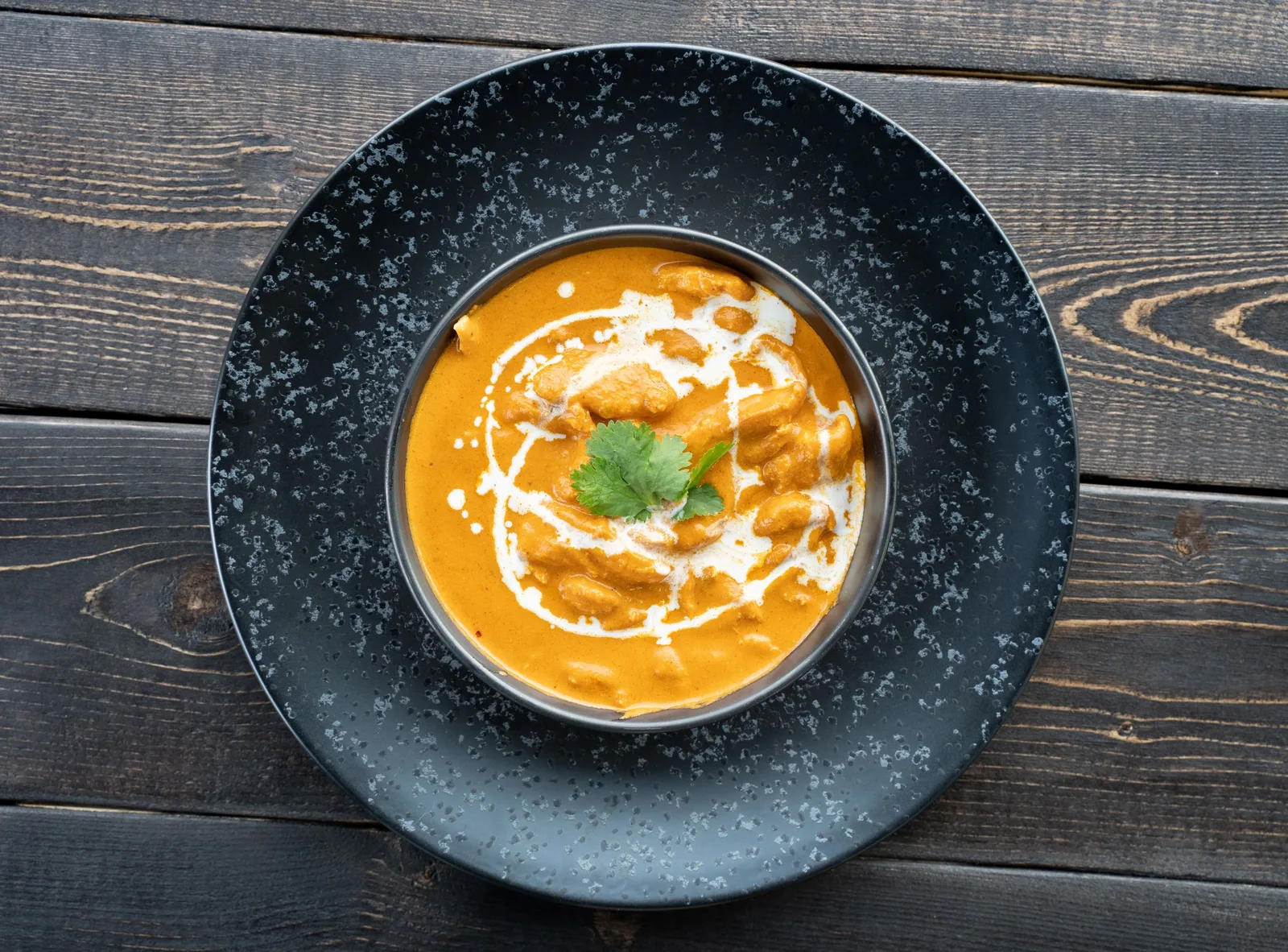 korma and curry
To store korma and curry safely, cool the dish fast, pack the dish in shallow containers, and refrigerate the dish within 2 hours. Eat refrigerated portions within 3 days.
Pack leftovers in 2-cup (480 ml) containers. Small containers cool faster and reheat evenly.
Reheat each serving until the center reaches 165°F (74°C). Stir creamy korma on low heat, so the sauce stays smooth.
Freeze curry for 2 months in freezer-safe containers. Freeze korma for 1 month because dairy and nut sauces lose texture faster.
Add 1 tablespoon (15 ml) water to curry during reheating. Add 1 tablespoon (15 ml) milk or cream to korma during reheating.
FAQs About Korma and Curry
Is korma a type of curry?
Yes. Korma is a type of curry because korma uses a spiced sauce with meat, paneer, or vegetables.
Is korma hotter than curry?
No. Korma usually tastes milder than many curries because yogurt, cream, and nuts soften chili heat.
Does curry always have tomatoes?
No. Curry does not always need tomatoes. Curry can use yogurt, coconut milk, lentils, stock, spinach, or onions.
Can you serve korma and curry together?
Yes. Korma and curry work well together because korma adds richness while curry adds stronger spice or tang.
Which dish should beginners order first?
Beginners should order korma first if mild food feels safer. Beginners should order curry first for stronger masala flavor.
Final Takeaway: Choose Korma or Curry With Confidence
Korma gives you a creamy, mild, nutty curry style, while curry gives you a broad range of spiced sauce dishes. The final answer to what is the difference between korma and curry depends on richness, heat, sauce base, and cooking method.
Choose korma when you want a gentle, fragrant dish with yogurt, cream, cashews, almonds, or coconut milk. Choose curry when you want tomato-onion masala, stronger spice, or a lighter sauce.
Build your next Desi meal with rice, naan, salad, raita, and a sauce you truly enjoy. Start with LaGrub recipes for simple dishes that help you understand flavor by cooking at home.

Sahar Syed
Sahar Syed writes for LaGrub on cooking, recipes, and mindful culinary living.
Get a desi recipe worth cooking, every week
One tested recipe a week. Nothing else, and unsubscribe any time.


