

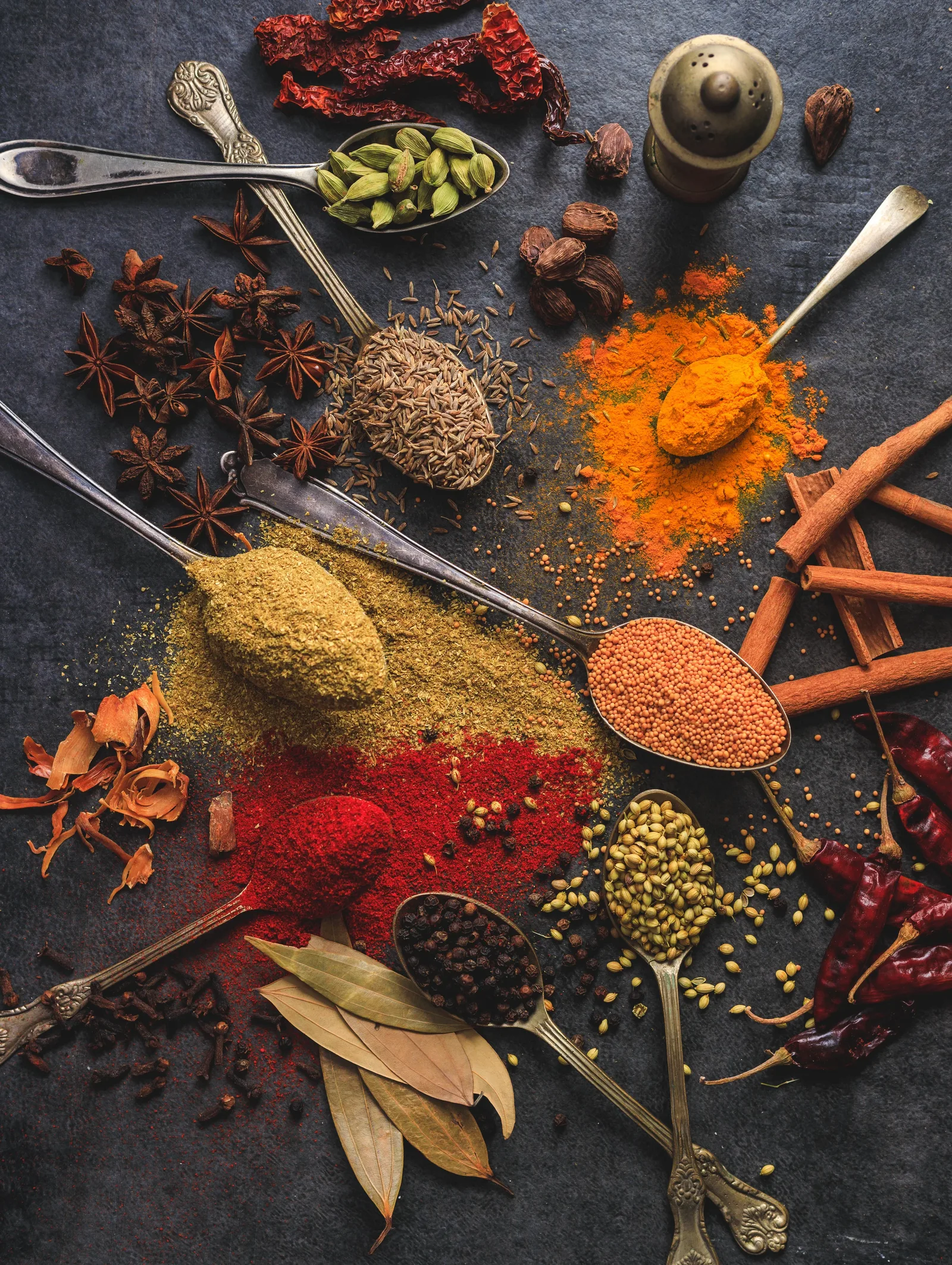
Garam masala is made with warm, fragrant spices that add depth to curries, rice dishes, kebabs, lentils, and vegetables. The main spices usually include cumin, coriander, cardamom, cinnamon, cloves, black pepper, and bay leaves.
What Spices Are in Garam Masala?
If you ask what spices are in garam masala, the core answer is cumin, coriander, cardamom, cinnamon, cloves, black pepper, nutmeg, mace, and bay leaf. Garam masala is a warm South Asian spice blend that adds aroma, depth, and finishing flavor to curries, rice dishes, kebabs, lentils, and vegetables.
The exact blend changes by family, region, and dish. When beginners ask what spices are in garam masala, a Pakistani kitchen often uses a deeper version with black cardamom, black pepper, cloves, cinnamon, cumin, coriander, and bay leaf.
What Spices Are in Garam Masala for a Basic Blend?
 What Spices Are in Garam Masala?
The basic answer to what spices are in garam masala starts with 7 to 10 whole spices. You need warm spices, earthy spices, sweet spices, and sharp spices for balance.
Most beginner blends use cumin, coriander, green cardamom, cinnamon, cloves, black pepper, and nutmeg. That clear list answers what spices are in garam masala for daily home cooking. Richer blends add mace, bay leaf, black cardamom, fennel seeds, and star anise.
A starter jar needs 1/4 cup (24 g) coriander seeds, 2 tablespoons (16 g) cumin seeds, and 1 tablespoon (8 g) black peppercorns. Add 10 green cardamom pods, 8 cloves, 2 bay leaves, 1 cinnamon stick of 3 inches (7.5 cm), and 1/4 nutmeg.
Cumin and Coriander Build the Base
Cumin gives garam masala a nutty, earthy flavor. Coriander gives garam masala a citrus-like, slightly sweet base.
Use more coriander than cumin for a balanced blend. A beginner ratio uses 3 parts coriander to 2 parts cumin.
Use cumin seeds and coriander seeds, not stale powder. Whole spices hold aroma longer in a pantry jar.
Cardamom, Cinnamon, and Cloves Add Warmth
Cardamom adds sweet fragrance. Cinnamon adds warm sweetness. Cloves add sharp strength and a deep finish.
Use green cardamom for floral aroma and black cardamom for smoky depth. Pakistani meat dishes often use both types.
Keep cloves controlled because cloves dominate quickly. Use 8 cloves per 1/2 cup (50 g) finished garam masala.
Black Pepper, Nutmeg, Mace, and Bay Leaf Add Finish
Black pepper adds heat without chili flavor. Nutmeg adds rounded warmth. Mace adds gentle spice and perfume.
Bay leaf adds a dry herbal note. Fennel seeds and star anise add sweetness in richer family blends.
Use 1 bay leaf for every 1/4 cup (25 g) whole spices. Too much bay leaf creates a harsh dry taste.
What Spices Are in Garam Masala for Pakistani Cooking?
 What Spices Are in Garam Masala?
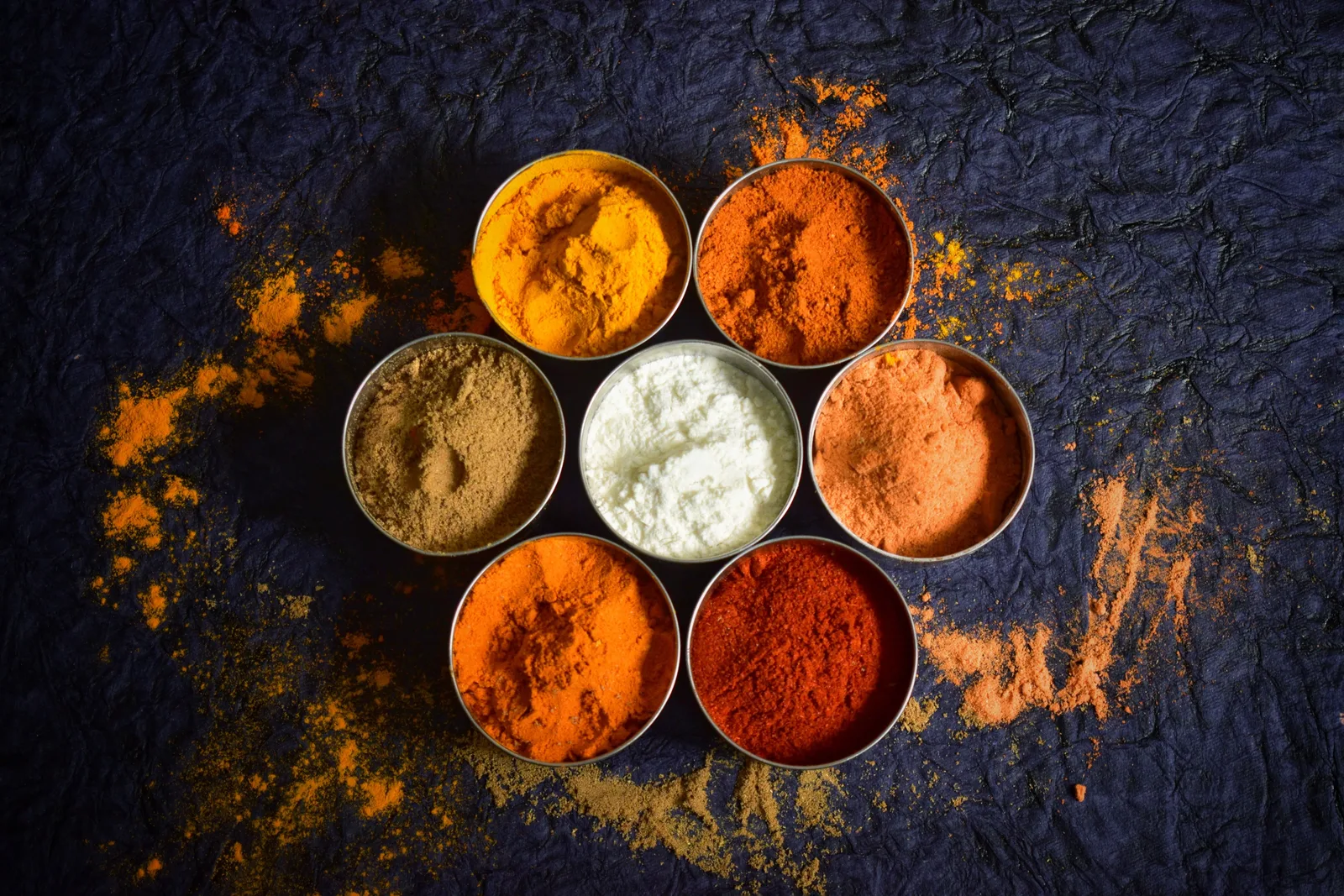
For Pakistani cooking, what spices are in garam masala depends on the dish, but black cardamom, cumin, coriander, cinnamon, cloves, and black pepper matter most. Pakistani garam masala supports bold gravies, rice dishes, and slow-cooked meat.
Pakistani food uses layered seasoning, fresh aromatics, and slow cooking. LaGrub explains these flavor layers in its guide to Desi cooking methods for readers who want the full cooking context.
Pakistani Meat Dishes Need Deeper Aroma
Meat dishes need stronger spices. Examples include beef korma, chicken karahi, mutton pulao, seekh kebab, and nihari.
Use black cardamom, cloves, black pepper, cinnamon, bay leaf, and cumin for meat. These spices hold flavor during longer cooking.
Add 1/2 teaspoon (1 g) garam masala near the end for 4 servings. Add more only after tasting the gravy.
Vegetable and Lentil Dishes Need Gentle Warmth
Vegetable and lentil dishes need softer aroma. Examples include aloo gobi, palak paneer, chana masala, masoor dal, and mixed sabzi.
Use coriander, cumin, green cardamom, cinnamon, and a small pinch of nutmeg. Avoid too much black cardamom in mild dishes.
Add 1/4 teaspoon (0.5 g) garam masala to 2 cups (480 ml) cooked dal. Stir once and rest for 3 minutes.
What Does Each Garam Masala Spice Taste Like?
Each spice in garam masala adds a clear job. The taste answer to what spices are in garam masala helps you fix a weak blend.
Use the table below when a blend tastes flat, bitter, too sharp, too sweet, or too smoky.
| Spice | Flavor role | Best use | Beginner difficulty |
|---|---|---|---|
| Cumin seeds | Earthy and nutty | Karahi, dal, pulao | Easy |
| Coriander seeds | Citrusy and mild | Vegetables, chicken curry, chana | Easy |
| Green cardamom | Sweet and floral | Korma, rice, desserts | Medium |
| Black cardamom | Smoky and bold | Beef, mutton, biryani | Medium |
| Cinnamon | Sweet and warm | Korma, pulao, curry | Easy |
| Cloves | Sharp and strong | Meat gravies, kebabs, rice | Medium |
| Black peppercorns | Warm and peppery | Karahi, soups, marinades | Easy |
| Nutmeg | Warm and rounded | Creamy dishes, korma | Medium |
| Mace | Delicate and fragrant | Festive rice, mild curries | Medium |
| Bay leaf | Herbal and dry | Rice, stews, slow cooking | Easy |
Buy the first 6 spices before rare spices. Start with cumin, coriander, cardamom, cinnamon, cloves, and black pepper.
What Spices Are in Garam Masala Compared With Curry Powder?
 What Spices Are in Garam Masala?
The difference starts with composition. If you ask what spices are in garam masala, the answer centers on warm whole spices, not turmeric-heavy powder.
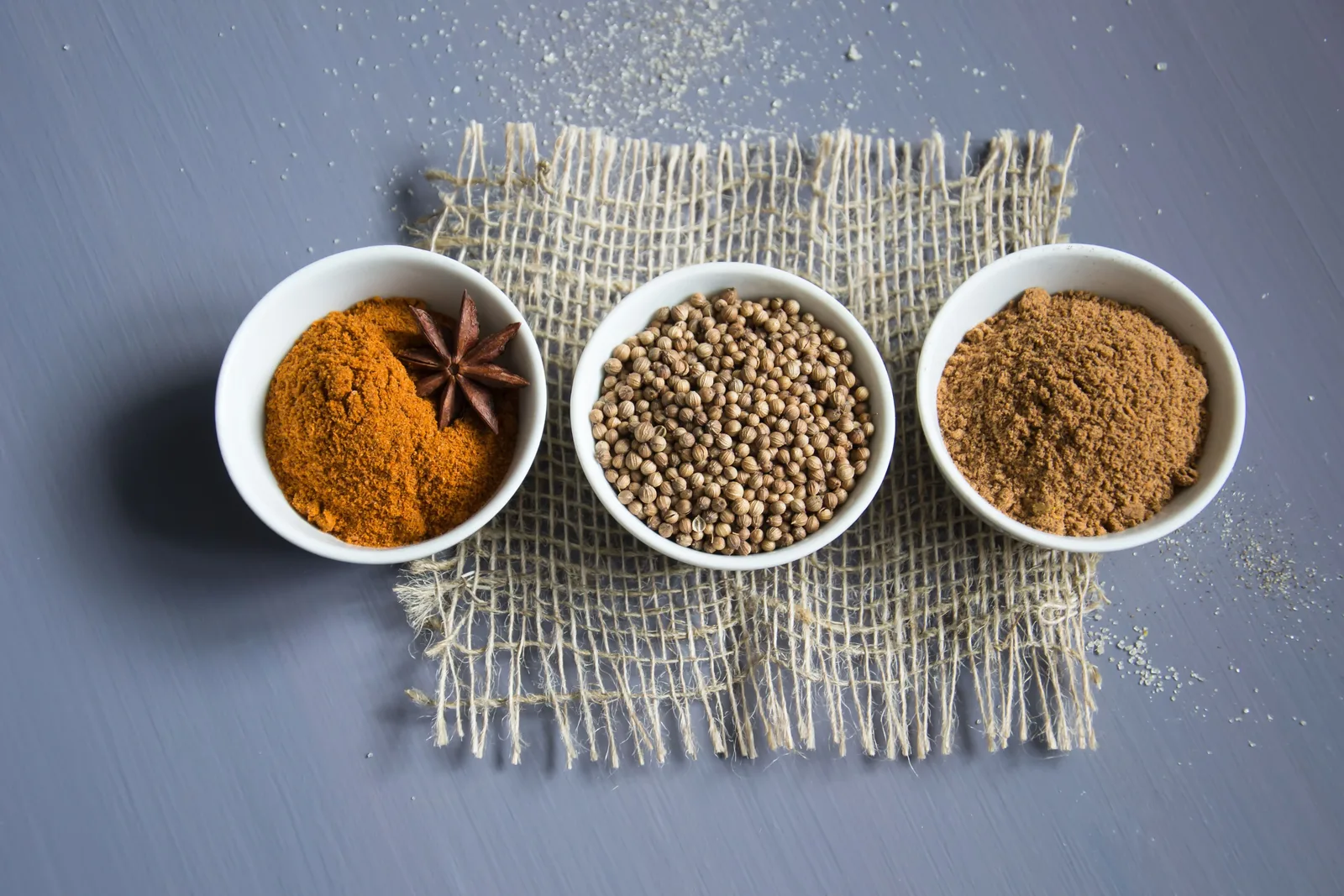
Curry powder often includes turmeric, fenugreek, mustard, coriander, cumin, and chili. Garam masala often includes cardamom, cinnamon, cloves, pepper, nutmeg, mace, and bay leaf.
Use garam masala for aroma and finishing flavor. Use curry powder only when a recipe expects its yellow color and earthy taste.
For Pakistani cooking, what spices are in garam masala matters more than brand names. A good jar smells warm, sweet, peppery, and slightly smoky.
A weak jar smells dusty or flat. Replace a weak jar before cooking biryani, korma, karahi, kebabs, dal, or chana.
How to Shop for Garam Masala Spices as a Beginner
To shop for garam masala spices, buy the core spices first and skip rare extras until you cook more dishes. This buying order saves money and space.
Many beginners ask what spices are in garam masala because spice shelves look confusing. Start with clear names and small packs.
Buy the First 8 Spices Before Extras
Buy coriander seeds, cumin seeds, green cardamom, cinnamon, cloves, black peppercorns, nutmeg, and bay leaves first. These 8 spices build a reliable starter blend.
Add black cardamom, mace, fennel seeds, star anise, and shahi zeera after 3 to 4 home-cooked curries. These extras help advanced blends.
If a recipe asks what spices are in garam masala for meat, choose black cardamom and mace next. If a recipe uses vegetables, choose fennel and green cardamom next.
Choose Small Packs for Faster Freshness
Choose small packs of 2 ounces (56 g) to 4 ounces (113 g) for whole spices. Large bags sit too long in beginner kitchens.
Check the package date and smell the spices before buying from open bins. Fresh cardamom smells sweet, and fresh cumin smells earthy.
Store extra whole spices in glass jars of 8 ounces (240 ml). Label each jar with the buying month and year.
How to Adjust Garam Masala Flavor
To adjust garam masala flavor, change one spice group at a time. The answer to what spices are in garam masala helps you control sweetness, heat, smoke, and aroma.
Do not fix a blend by adding random powder. Taste and smell the blend first, then adjust the exact spice group.
Fix a Blend That Tastes Too Sharp
Add coriander seeds and cumin seeds to soften a sharp blend. Use 1 tablespoon (8 g) coriander and 1 teaspoon (2 g) cumin.
Sharpness usually comes from too many cloves, too much black pepper, or too much mace. Extra base spices spread the heat.
For a mild family blend, reduce cloves from 8 pieces to 5 pieces per 1/2 cup (50 g).
Fix a Blend That Tastes Too Flat
Add green cardamom, cinnamon, and black pepper to lift a flat blend. Use 4 cardamom pods, 1 inch (2.5 cm) cinnamon, and 1 teaspoon (2 g) pepper.
Flat flavor often comes from old powder or unroasted whole spices. Toast the added spices for 2 minutes before grinding.
Ask what spices are in garam masala before replacing the full jar. A small fresh top-up can restore aroma in a young blend.
How to Make Garam Masala at Home
To make garam masala at home, toast whole spices, cool the spices, grind the spices, and store the powder. The full process takes 15 minutes for 1/2 cup (50 g).
Homemade garam masala gives fresher aroma than a weak old jar. A small batch helps you learn what spices are in garam masala without wasting ingredients.
Choose Whole Spices First
Choose whole spices because whole spices keep oils inside the seed, bark, pod, or leaf. Powder loses aroma faster after grinding.
Buy spices in small amounts. A beginner batch needs 1/4 cup (24 g) coriander, 2 tablespoons (16 g) cumin, and 1 tablespoon (8 g) black pepper.
Add 10 green cardamom pods, 2 black cardamom pods, 8 cloves, 2 bay leaves, and 1 cinnamon stick of 3 inches (7.5 cm).
Toast the Spices Gently
To toast garam masala spices, heat a dry skillet on low heat and stir the spices for 2 to 3 minutes. Stop when the spices smell fragrant.
Use low heat because high heat burns cloves, cumin, and bay leaves fast. Burnt spices make the blend bitter.
Move toasted spices to a plate. Cool the spices for 10 minutes before grinding, so steam does not enter the powder.
Grind, Sift, and Store the Blend
Grind the cooled spices in a spice grinder, coffee grinder, or mortar and pestle. Grind for 30 to 45 seconds.
Sift the powder through a fine strainer with holes near 1/16 inch (1.5 mm). Regrind large pieces once.
Store the powder in a glass jar with a tight lid. Label the jar with what spices are in garam masala if your household uses more than 1 blend. A 4-ounce (120 ml) jar holds about 1/2 cup (50 g).
How to Use Garam Masala in Desi Food
To use garam masala in Desi food, add a small amount near the end of cooking. Heat releases aroma and keeps the spice blend from tasting raw.
Use 1/4 teaspoon (0.5 g) for 2 servings and 1/2 teaspoon (1 g) for 4 servings. Strong blends need less powder.
For a meat dish, try garam masala in the Tawa Chicken recipe. That recipe shows how yogurt, cumin, mace, nutmeg, and garam masala build a full masala base.
- Add garam masala to chicken karahi, beef korma, mutton pulao, and seekh kebab.
- Add garam masala to chana masala, palak paneer, aloo matar, and masoor dal.
- Add garam masala to biryani, yakhni pulao, tahari, and vegetable rice.
- Add garam masala to marinades with yogurt, ginger, garlic, salt, and lemon juice.
Do not add a full tablespoon to a small pan. Large amounts overpower turmeric, coriander, chili, ginger, and garlic.
How to Store Garam Masala Without Losing Aroma
To store garam masala well, keep the powder in an airtight jar away from heat, light, and steam. Fresh homemade garam masala tastes strongest for 3 to 4 months.
Store whole spices for up to 1 year in a dry pantry. Grind small batches every season for better flavor.
Keep the jar at least 2 feet (60 cm) away from the stove. Stove heat and steam weaken spice oils quickly.
Use a dry spoon every time. A wet spoon causes clumps and shortens pantry life.
Fresh spices cost more at first, but small amounts last for many meals. LaGrub breaks down pantry value in homemade Desi costs for budget-focused cooks.
What Can Replace Garam Masala in a Recipe?
A substitute works when garam masala runs out, but no substitute matches the full aroma. Knowing what spices are in garam masala helps you make a close emergency blend. Use a small blend of cumin, coriander, cinnamon, cloves, and black pepper.
For 1 teaspoon (2 g) garam masala, mix 1/2 teaspoon (1 g) cumin-coriander powder with 1/8 teaspoon (0.25 g) cinnamon. Add a pinch of cloves and black pepper.
Use biryani masala for rice dishes, korma masala for creamy gravies, and chaat masala for tangy snacks. These blends taste different.
Do not replace garam masala with curry powder at the same amount. Curry powder often contains turmeric and fenugreek, so curry powder changes color and taste.
What Mistakes Ruin Garam Masala?
The 5 mistakes that ruin garam masala are burnt spices, stale powder, wrong ratios, wet storage, and overuse. What spices are in garam masala matters less when poor handling damages every spice. Each mistake hides the answer to what spices are in garam masala because poor handling changes the flavor.
- Toast spices on low heat for 2 to 3 minutes, not high heat.
- Cool spices for 10 minutes before grinding to prevent moisture.
- Use more coriander and cumin than cloves and nutmeg.
- Store powder in a dry jar away from stove steam.
- Measure the powder with a 1/4 teaspoon (0.5 g) spoon for small dishes.
A bitter blend needs more coriander and less clove. A flat blend needs fresher cardamom, cinnamon, and black pepper.
A harsh blend needs less nutmeg and mace. A weak blend needs fresh whole spices and gentle roasting.
FAQs About Garam Masala Spices
Is garam masala spicy hot?
No. Garam masala tastes warm and aromatic, not chili-hot. Black pepper and cloves add gentle heat.
Does garam masala contain turmeric?
No. Traditional garam masala does not need turmeric. Curry powder often contains turmeric instead.
Can you make garam masala with ground spices?
Yes. Ground spices work for a quick blend, but whole toasted spices give stronger aroma.
Can garam masala replace curry powder?
No. Garam masala and curry powder taste different. Garam masala adds warmth, while curry powder adds earthiness and color.
How much garam masala should you add?
Use 1/4 to 1/2 teaspoon (0.5 to 1 g) for 2 to 4 servings. Taste the dish before adding more.
Final Takeaway: What Spices Are in Garam Masala?
The final answer to what spices are in garam masala starts with cumin, coriander, cardamom, cinnamon, cloves, black pepper, nutmeg, mace, and bay leaf. Pakistani and Indian family blends also add black cardamom, fennel seeds, star anise, shahi zeera, dried rose, or dried red chili. Once you know what spices are in garam masala, you can build a blend around your own dishes.
Start with a small homemade batch, use fresh whole spices, and add the powder near the end of cooking. For more Desi dishes that use layered spices, explore LaGrub recipes and build your pantry one jar at a time.

Sahar Syed
Sahar Syed writes for LaGrub on cooking, recipes, and mindful culinary living.
Get a desi recipe worth cooking, every week
One tested recipe a week. Nothing else, and unsubscribe any time.


