

Wondering is meal prep healthy when food is prepared days in advance? Meal prep can support a healthy routine when meals are balanced, varied, properly portioned, and stored safely. From nutrition and food freshness to reheating and variety, a few simple choices can make weekly meal prep both practical and nourishing.
Is meal prep healthy? It certainly can be, but preparing food ahead does not automatically make a meal healthy. The ingredients, portions, overall variety, storage, and eating habits all matter. Done well, meal prep can make balanced homemade food more convenient while helping you plan satisfying meals around your daily routine.
Is Meal Prep Healthy or Unhealthy?
Meal prep is simply a way of preparing some or all of your food in advance.
That food could be a balanced chicken and rice bowl with vegetables. It could be lentil curry, a salad, soup, pasta, overnight oats, or another homemade meal.
It could also be a meal containing very few vegetables, little variety, and portions that do not suit your needs.
That is why the answer to is meal prep healthy depends more on the food and your overall eating pattern than the act of preparing it early.
A good routine can make nutritious food easier to reach when you are busy. However, meal prep should not become a reason to follow an unnecessarily restrictive diet.
What Makes Meal Prep Healthy?
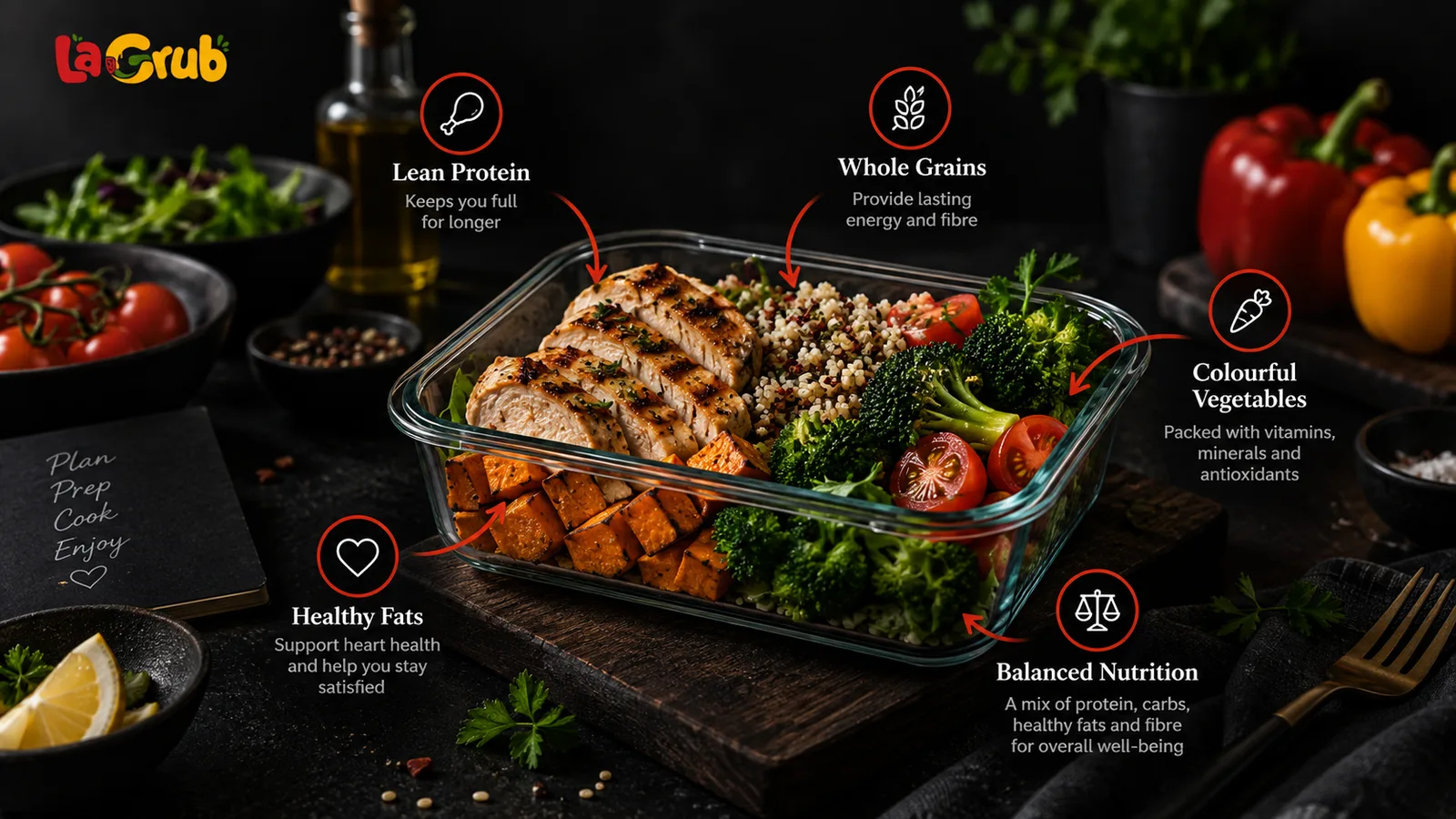
A healthy meal prep routine starts with balance.
Rather than focusing on one "perfect" food, think about what the complete meal provides.
Depending on your preferences and needs, a balanced prepared meal may combine a source of protein, carbohydrate, vegetables or fruit, and suitable fats.
For example, you might prepare chicken with basmati rice, colourful vegetables, and a yoghurt-based sauce.
Another meal could contain lentils, rice, vegetables, and herbs.
A breakfast might combine oats, yoghurt, fruit, and nuts.
Healthy eating is built from your overall food pattern. One individual ingredient does not determine whether the entire routine is nutritious.
Does Meal Prep Help You Eat Better?
One of the biggest advantages of meal prepping is convenience.
Imagine arriving home hungry after a long day.
If you have to start cooking from the beginning, ordering takeaway or grabbing the quickest available snack can become tempting.
Now imagine opening the refrigerator and finding a homemade meal that only needs reheating.
The easier option is suddenly the meal you already planned.
Meal prep can therefore reduce some of the decisions that happen when you are hungry, tired, or busy.
It does not force you to eat well. Instead, it can make your planned eating habits easier to follow.
That difference matters.
Is Eating the Same Meal Every Day Healthy?
Repeating a meal for several days does not automatically make your diet unhealthy.
The bigger question is whether your overall diet has enough variety over time.
Suppose you eat chicken, rice, and vegetables for lunch for three days.
Your breakfasts may include eggs, oats, yoghurt, or fruit. Your dinners might contain lentils, fish, beans, vegetables, pasta, or other foods.
In that case, repeating lunch does not mean everything you eat is identical.
However, eating an extremely narrow selection of foods for a long period can make it harder to achieve dietary variety.
The practical solution is not to prepare seven completely different meals every Sunday.
Instead, rotate ingredients between weeks and create variety across breakfast, lunch, dinner, and snacks.
How to Add Variety to Healthy Meal Prep
Variety does not have to make meal prep complicated.
Start by rotating your main ingredients.
If chicken is your main protein this week, you might include lentils, chickpeas, beans, eggs, fish, or another protein during other meals or the following week.
Change vegetables according to season, availability, and what you enjoy.
Rice does not need to be the only carbohydrate either. Depending on your meals, you can use potatoes, pasta, bread, oats, or different grains.
Flavour also creates variety.
The same chicken can taste completely different with a spicy yoghurt marinade, herbs and lemon, or another seasoning blend.
The goal is to make balanced meal prep interesting enough that you actually want to eat it.
Does Healthy Meal Prep Need Chicken, Rice and Broccoli?
No.
Chicken, rice, and broccoli became a familiar meal-prep combination because they are simple to portion and easy to understand.
But nutritious meal prep can be much more diverse.
You could prepare:
Lentil curry with basmati rice and vegetables
Chicken wraps with salad and yoghurt sauce
Chickpea bowls with vegetables and grains
Pasta with vegetables and a protein source
Soups, stews, curries, salads, or homemade rice bowls
Traditional foods can work beautifully too.
Daal, vegetable dishes, rice, yoghurt, chickpeas, beans, chicken curries, and other familiar meals can all become part of a practical meal-prep routine.
Healthy food does not need to look like fitness-influencer food.
Is Meal Prep Good for Portion Control?
Meal prep can make portions more predictable because you divide food before mealtime.
For example, instead of storing one large pot of pasta and deciding how much to eat when you are extremely hungry, you can divide it into suitable meals during preparation.
However, portion control should not mean automatically making every meal small.
Different people have different needs.
Activity level, appetite, age, goals, body size, and the rest of your diet can all influence how much food feels appropriate.
Meal prep simply gives you the opportunity to think about portions in advance.
It should help you create meals that are satisfying, not turn eating into a rigid container-filling exercise.
Is Meal Prep Healthy for Weight Loss?
Meal prep for weight loss can be useful because it creates structure.
You know what ingredients are in your food and can make portions more predictable. Having prepared meals available may also reduce unplanned food choices.
However, meal prep itself does not cause weight loss.
Preparing five meals in containers does not change their nutritional or energy content.
A better approach is to build meals around foods you enjoy while considering protein, fibre-rich foods, vegetables, portions, and your overall eating pattern.
Avoid making your meal-prep portions so restrictive that you remain hungry and abandon the routine.
Sustainable habits are usually more useful than a meal plan you can tolerate for only a few days.
Is High-Protein Meal Prep Healthy?
High-protein meal prep is popular among active people and those who want convenient protein-rich meals.
Chicken is one option, but it is far from the only one.
Eggs, yoghurt, lentils, beans, chickpeas, fish, dairy foods, and other suitable foods can contribute protein.
Instead of asking whether every meal contains the maximum possible amount, think about how the meal fits your overall needs.
Protein can be combined with vegetables, grains, legumes, and other foods to make satisfying meals.
For more ideas on using familiar foods as part of balanced homemade eating, explore LaGrub's guide to Pakistani food and its traditional dishes.
Does Meal-Prepped Food Lose Nutrients?
People sometimes assume food becomes nutritionally worthless after spending a day or two in the refrigerator.
That is an exaggeration.
Cooking, storage, temperature, and time can affect certain nutrients to different degrees, but a properly handled homemade meal does not suddenly lose all its nutritional value because it was prepared earlier.
It is more useful to focus on the overall quality and variety of the diet.
If preparing vegetables on Sunday means you actually eat vegetables with lunch during a busy week, that practical benefit matters.
You can also mix prepared and fresh ingredients.
For example, prepare rice and chicken ahead but add fresh fruit, salad, yoghurt, herbs, or other foods closer to serving.
Meal prep does not have to mean every ingredient was cooked five days ago.
Is Freshly Cooked Food Healthier Than Meal Prep?
Freshly cooked food can offer excellent texture and flavour, but "fresh" does not automatically mean the complete meal is healthier.
Likewise, prepared food is not automatically less healthy.
A balanced homemade meal that was prepared ahead can still contain vegetables, protein, grains, legumes, and other nutritious ingredients.
Meanwhile, a freshly cooked meal can still be poorly balanced.
Think about meal prep as a scheduling tool.
You are moving some cooking work from a busy day to a time when you have more availability.
You can even combine both methods.
Batch-cook some components while preparing delicate ingredients fresh.
That hybrid approach works particularly well for people who dislike eating fully reheated meals every day.
Is Reheated Meal Prep Food Healthy?
Reheating a prepared meal does not automatically make it unhealthy.
What matters is what the meal contains, how it was cooled and stored, and how it is reheated.
A homemade lentil curry does not suddenly become junk food because you warmed it the next day.
Likewise, chicken, rice, vegetables, soups, and other prepared foods can be part of your normal diet when handled appropriately.
For better quality, only reheat the amount you plan to eat.
Some foods also benefit from added moisture during reheating. Rice, for example, can become firm in the refrigerator, while sauces can help protect certain proteins from drying.
The best reheating method depends on the dish.
Is Microwaving Meal Prep Unhealthy?
Microwave cooking sometimes gets confused with commercially prepared "microwave meals."
They are not the same thing.
A microwave is simply a method of heating food.
Heating homemade rice, vegetables, or curry in a microwave does not automatically turn those foods into highly processed food.
Use microwave-safe containers and heat meals appropriately.
The nutritional quality still depends mainly on what you prepared.
If you prefer another reheating method, LaGrub also explains how to reheat food in the oven for dishes where oven reheating works better.
Is It Healthy to Meal Prep for a Full Week?
This question involves two separate issues: nutrition and food safety.
Nutritionally, preparing several meals at once can work well if your overall diet contains suitable variety.
Food safety is different.
Many cooked foods are short-term refrigerator foods. A common conservative guideline for many cooked leftovers is around 3 to 4 days under proper refrigeration, although the exact storage life depends on the food.
Therefore, preparing seven meals on Sunday should not automatically mean leaving every container in the refrigerator until the following Saturday.
A smarter strategy is to refrigerate appropriate early-week meals and freeze suitable later-week portions.
This allows you to prepare food in one session without depending on seven days of refrigerator storage.
Is Frozen Meal Prep Healthy?
Frozen meal prep can absolutely form part of a balanced eating routine.
Freezing is particularly helpful if you want to prepare more food than you can safely use during its normal refrigerated storage period.
Curries, soups, stews, rice dishes, cooked proteins, and many other foods can work well as freezer meals.
You can also freeze individual portions instead of one huge container.
Then you only thaw what you need.
Not every ingredient freezes equally well, though. Fresh salad leaves and certain delicate toppings are usually better added later.
For meal-prep inspiration across different cooking styles, explore the LaGrub cookbook collection and look for dishes that can fit naturally into your weekly routine.
When Can Meal Prep Become Unhealthy?
Meal prep can become less helpful when the routine is poorly planned.
Potential problems include:
Eating an extremely limited range of foods for long periods
Preparing meals with very few vegetables, fruits, or fibre-rich foods
Choosing portions that consistently do not meet your needs
Keeping prepared food longer than recommended
Cooling or storing meals incorrectly
Relying almost entirely on highly processed convenience foods
Following a meal plan so restrictive that it becomes difficult to maintain
Ignoring hunger because a container says how much you are "allowed" to eat
Another problem is turning meal prep into an all-or-nothing routine.
You do not need 21 perfectly arranged containers every Sunday.
Preparing three lunches still counts as meal prep.
So does chopping vegetables or cooking a pot of lentils for later.
How to Make Meal Prep Healthier
Start with foods you genuinely enjoy.
Then look for simple ways to improve balance and variety.
Include vegetables or fruit regularly. Rotate protein sources. Use grains, potatoes, legumes, and other carbohydrate sources according to your preferences. Add suitable fats and flavour rather than forcing yourself to eat dry, bland meals.
Consider what is missing from the meal.
If your chicken-and-rice bowl has no vegetables, add some.
If a vegetable salad does not keep you satisfied, consider adding protein and a more substantial carbohydrate.
Also plan for real life.
Keep some freezer meals for busy days. Leave room for freshly cooked dinners. Go out occasionally if that is part of your normal lifestyle.
Healthy meal prep should make eating easier, not make your life revolve around food containers.
Can Meal Prep Improve Your Relationship With Busy Weekdays?
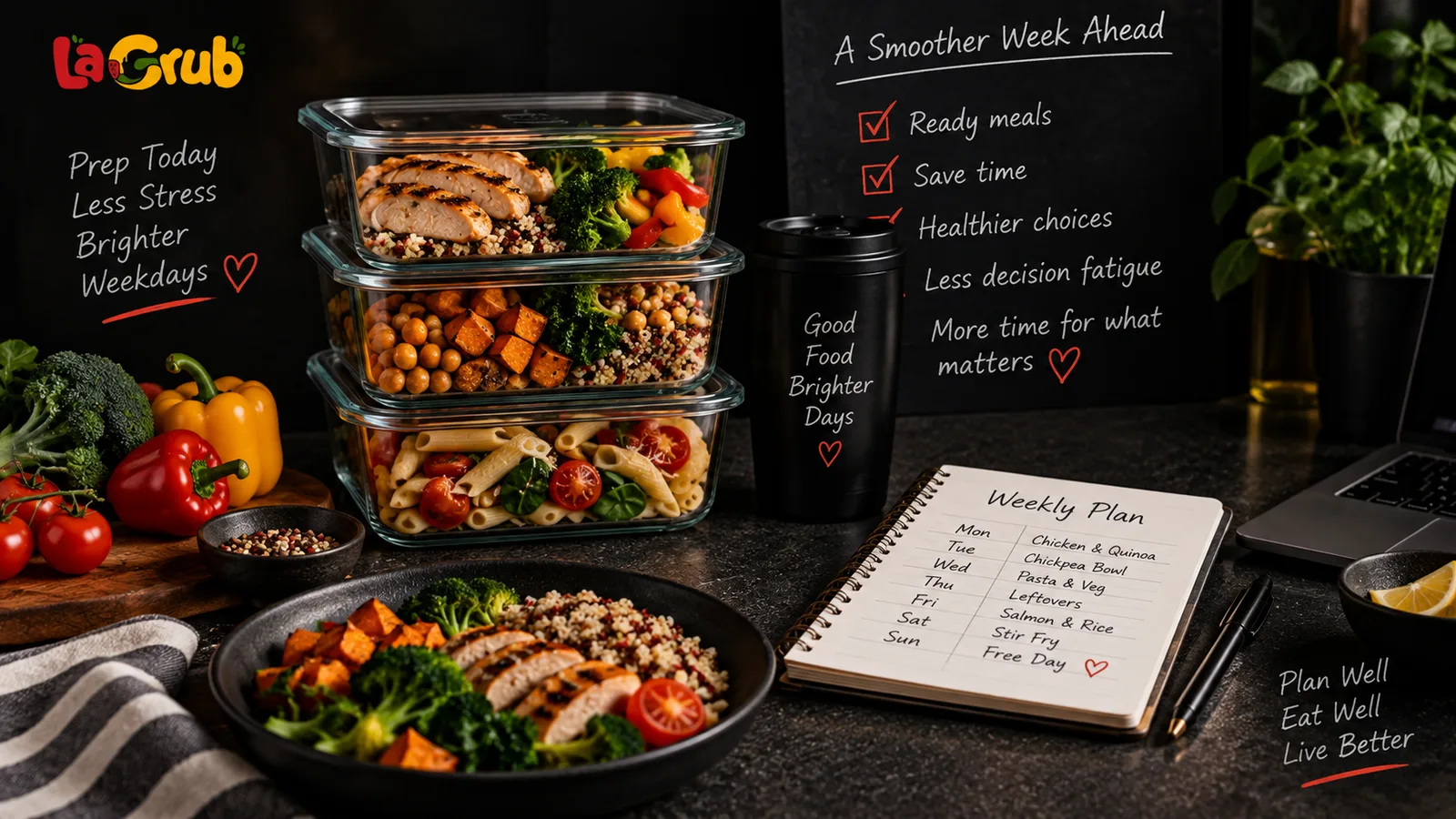
One overlooked advantage of healthy weekly meal prep is reduced stress.
When meals are already planned, you do not need to decide what to cook every time you become hungry.
That can be especially useful during busy work or study weeks.
You may also spend less time washing pans, chopping ingredients, and visiting shops during the week because some of that work has already been completed.
The routine does not need to be perfect to be valuable.
Even preparing lunches for three days, washing vegetables ahead, or cooking one batch of rice can remove several small tasks from your week.
The healthiest meal-prep routine is often one you can comfortably maintain.
FAQs
Is Meal Prep Healthy to Eat Every Day?
Yes, meal-prepped food can be part of a healthy everyday diet when meals are balanced, varied over time, properly portioned for your needs, and stored safely. Preparing food ahead does not itself determine its nutritional quality.
Is It Unhealthy to Eat the Same Meal Every Day?
Repeating a meal for a few days is not automatically unhealthy. However, dietary variety over time helps you consume a wider range of foods and nutrients. Rotate proteins, vegetables, grains, fruit, and other ingredients across your meals and weeks.
Is Meal Prepping for a Full Week Safe?
You can prepare a week's worth of suitable meals in one session, but you should not assume every cooked food can remain refrigerated for seven days. Refrigerate early-week meals and freeze appropriate later portions according to their storage needs.
Does Meal-Prepped Food Lose Nutrients?
Storage and cooking can affect certain nutrients, but prepared food does not suddenly lose all nutritional value. A balanced, properly stored homemade meal can still contribute valuable protein, carbohydrates, fibre, vitamins, minerals, and other nutrients.
Is Reheated Meal Prep Food Healthy?
It can be. Reheating does not automatically make food unhealthy. Focus on the quality of the original meal, safe cooling and storage, appropriate reheating, and your overall diet.
Conclusion
So, is meal prep healthy? It can be an excellent part of a healthy eating routine, but the container itself is not what makes the food nutritious.
What matters is what you put inside it.
Build meals with suitable protein, carbohydrates, vegetables or fruit, and other foods that meet your needs. Add variety across the week, rotate ingredients, and choose portions that leave you satisfied.
Just as importantly, handle prepared food safely. Refrigerate suitable meals promptly and use the freezer for appropriate later-week portions rather than assuming everything will stay safe and fresh in the fridge for seven days.
You also do not need to eat chicken, rice, and broccoli every day or spend an entire Sunday filling dozens of containers.
Healthy meal prep can include curries, lentils, salads, soups, rice dishes, pasta, vegetables, eggs, yoghurt, beans, chicken, and foods from many different cuisines.
Make the routine flexible enough to fit your real life.
Keep exploring LaGrub for practical cooking guides, diverse recipes, and cookbook inspiration that can help you turn meal prep into a convenient, varied, and enjoyable part of your week.

Maimoona Ehtisham
Maimoona Ehtisham writes for LaGrub on cooking, recipes, and mindful culinary living.
Get a desi recipe worth cooking, every week
One tested recipe a week. Nothing else, and unsubscribe any time.


