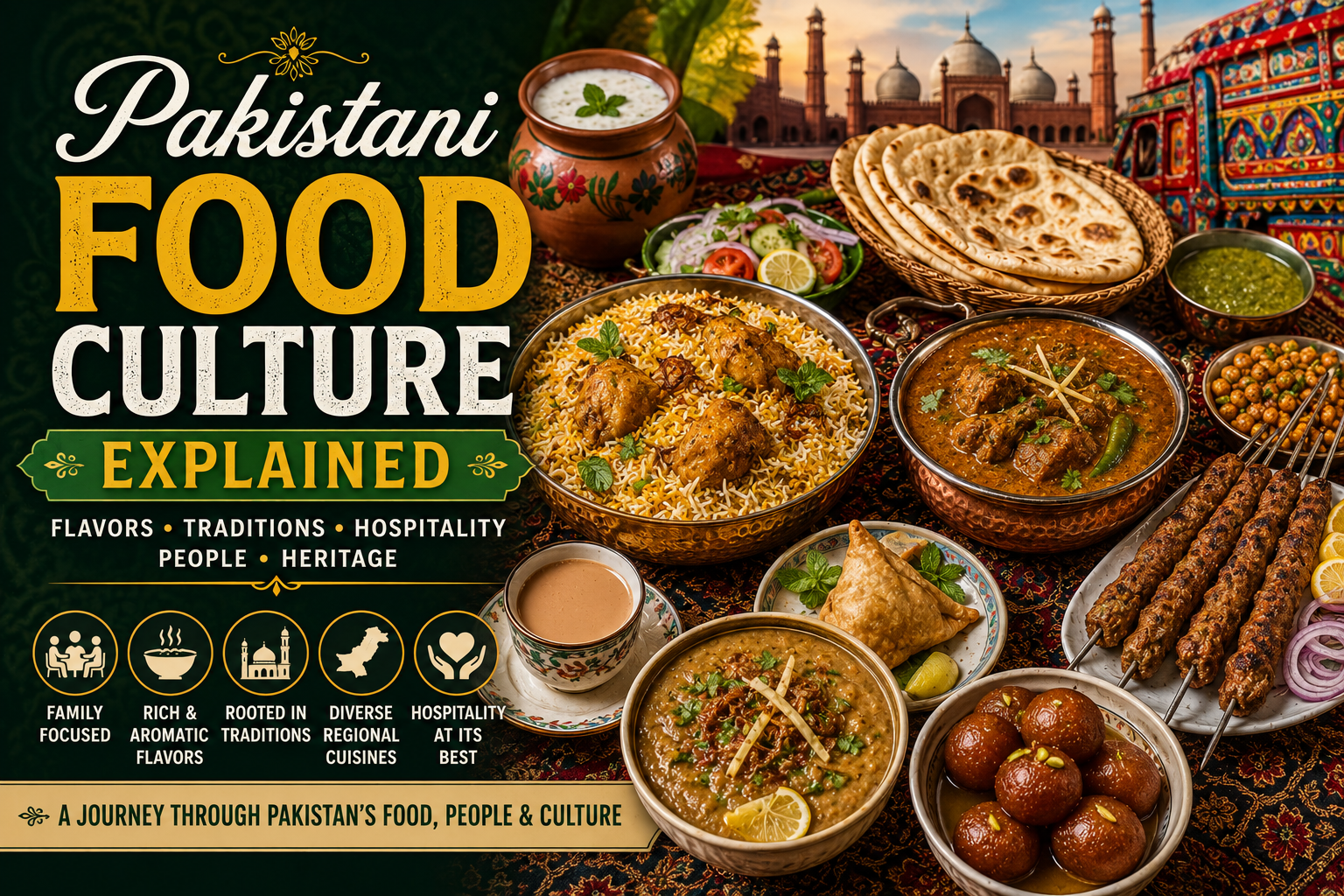
Pakistani food culture is about more than recipes. It shows how families eat together, welcome guests, celebrate special days, and keep regional flavors alive through dishes like biryani, karahi, kebabs, nihari, haleem, roti, and chai.
Pakistani Food Culture Explained in 2026: Meals, Meaning, and Traditions
Pakistani food culture explained means understanding how families use food for welcome, faith, celebration, memory, and daily comfort. Pakistani food culture combines regional dishes, halal habits, shared meals, layered spices, and strong hospitality.
You see Pakistani food culture in a plate of biryani, a tandoor naan basket, a pot of daal, and a cup of chai. You also see Pakistani food culture in how people feed guests before asking questions.
Pakistani Food Culture Explained for Beginners
The simple answer: Pakistani food culture centers on generous meals, shared serving, bold flavor, and family connection. The phrase Pakistani food culture explained helps beginners understand food beyond a menu.
Pakistani meals usually combine 1 main dish, 1 bread or rice base, 1 cooling side, and 1 drink. Pakistani food culture explained in this way feels simple for new readers. Examples include chicken karahi with naan, daal chawal with raita, and biryani with salad.
Pakistani food culture explained also includes timing. Breakfast can feel rich, lunch can feel practical, and dinner can bring family together after work or school.
You need 3 ideas first. Food welcomes guests. Food protects tradition. Food helps families remember home.
What Makes Pakistani Food Culture Different?
 Pakistani Food Culture
Hospitality, spice layering, halal food, and regional pride make Pakistani food culture different. Pakistani food culture explained through these 4 ideas gives a clear foundation.
Shared Plates and Guest Honor
Pakistani hosts usually serve guests before serving themselves. A host offers tea, snacks, fruit, or a full meal with care.
A dinner table can use a 12-inch (30 cm) platter for biryani or a 6-foot (1.8 m) table for guests. Sharing food shows respect, not extra formality.
Common shared dishes include biryani, pulao, kebabs, qorma, haleem, naan, raita, and salad. Each dish gives guests a different texture and flavor.
Layered Masala and Fresh Finishes
Pakistani cooks build flavor in stages. Onions, garlic, ginger, tomatoes, yogurt, oil, and spices form the masala base.
Common spices include cumin, coriander, turmeric, red chili, black pepper, cloves, cardamom, cinnamon, and garam masala. Fresh herbs include coriander, mint, green chilies, and ginger.
Pakistani food culture explained through masala shows skill. The cook controls heat, moisture, aroma, and color before serving.
Halal Habits and Family Values
Halal food shapes meat selection, restaurant choices, wedding menus, school lunches, and festival meals. Pakistani families usually avoid pork and alcohol.
Common proteins include chicken, beef, mutton, lamb, fish, eggs, lentils, and chickpeas. Halal eating gives the table a religious and cultural structure.
Family values also shape serving style. Elders often receive food first, guests receive extra portions, and children learn manners at meals.
How Regional Food Shapes Pakistani Food Culture
 Pakistani Food Culture
Every region adds a different food identity to Pakistan. Pakistani food culture explained through regions shows why one country holds many tables. Pakistani food culture explained without regions misses the strongest part of the cuisine.
Punjab and Hearty Home Cooking
Punjab gives Pakistani cuisine rich gravies, dairy, wheat breads, grilled meats, and filling family meals. Examples include saag, makki roti, karahi, lassi, and murgh cholay.
Punjabi homes often use roti, naan, paratha, yogurt, butter, ghee, and slow-cooked curries. The food feels warm, generous, and practical.
Sindh, Karachi, and Bold Spice
Sindh and Karachi bring rice dishes, seafood, street snacks, and stronger spice. Examples include Sindhi biryani, daal pakwan, bun kebab, fried fish, and haleem.
Karachi food reflects migration and city life. Restaurants, street carts, bakeries, and family kitchens all shape the city menu.
Khyber Pakhtunkhwa, Balochistan, and the North
Khyber Pakhtunkhwa favors meat, salt, smoke, and simple spice. Examples include chapli kebab, lamb karahi, Kabuli pulao, tikka, and dum pukht.
Balochistan values slow meat dishes such as sajji and rosh. Gilgit-Baltistan uses wheat, barley, apricots, nuts, soups, and dumplings in colder areas.
Pakistani Food Culture Explained Through Daily Meals
A normal Pakistani day often includes 3 meals and 1 tea break. Pakistani food culture explained through daily meals shows the difference between home food and restaurant food.
Breakfast Foods
Breakfast can be simple or festive. Simple breakfasts include paratha with egg, chai with toast, roti with leftover curry, and yogurt with fruit.
Weekend breakfasts can include halwa puri, chana, nihari, paye, lassi, and fresh naan. A 10-inch (25 cm) paratha can feed 1 hungry adult.
Lunch and Dinner Foods
Lunch and dinner usually use rice or bread with protein, vegetables, and sides. Examples include daal chawal, aloo gosht, chicken karahi, pulao, and sabzi.
A balanced plate uses 1 cup (240 ml) rice, 1 cup (240 ml) curry, 0.5 cup (120 ml) raita, and salad. This structure suits 1 adult.
Shaam Ki Chai
Shaam ki chai means evening tea. Families serve chai with snacks such as samosas, pakoras, biscuits, nimko, sandwiches, or cake.
This small meal keeps social life alive. Neighbors, relatives, and guests can gather without a full dinner plan.
How to Build a Pakistani Meal at Home
To build a Pakistani meal at home, choose 1 main dish, 1 starch, 1 cooling side, 1 fresh side, and 1 drink. This method works for beginners and guests.
Start with a main dish such as chicken karahi, daal, aloo keema, chana masala, or beef qorma. Add rice or bread such as basmati rice, roti, naan, or paratha.
Add raita, salad, chutney, or achar for balance. Add chai, lassi, mint lemonade, or water for the drink.
For deeper cooking context, read Desi cooking differences before planning the meal. The guide explains why Desi meals use layers, sides, and shared portions.
| Meal Task | Timing | Method | Difficulty |
|---|---|---|---|
| Choose main dish | 10 minutes | Pick karahi, daal, biryani, qorma, or sabzi | Easy |
| Prepare starch | 20 to 45 minutes | Cook rice, roti, naan, or paratha | Medium |
| Add cooling side | 10 minutes | Mix raita with yogurt, cucumber, cumin, and salt | Easy |
| Add fresh side | 8 minutes | Slice onion, cucumber, tomato, lemon, and green chili | Easy |
| Serve family style | 5 minutes | Place dishes in the center and serve hot | Easy |
What Foods Matter During Ramadan, Eid, and Weddings?
 Pakistani Food Culture
Ramadan, Eid, and weddings show Pakistani food culture at full strength. These events turn food into hospitality, worship, family duty, and celebration.
Ramadan Iftar
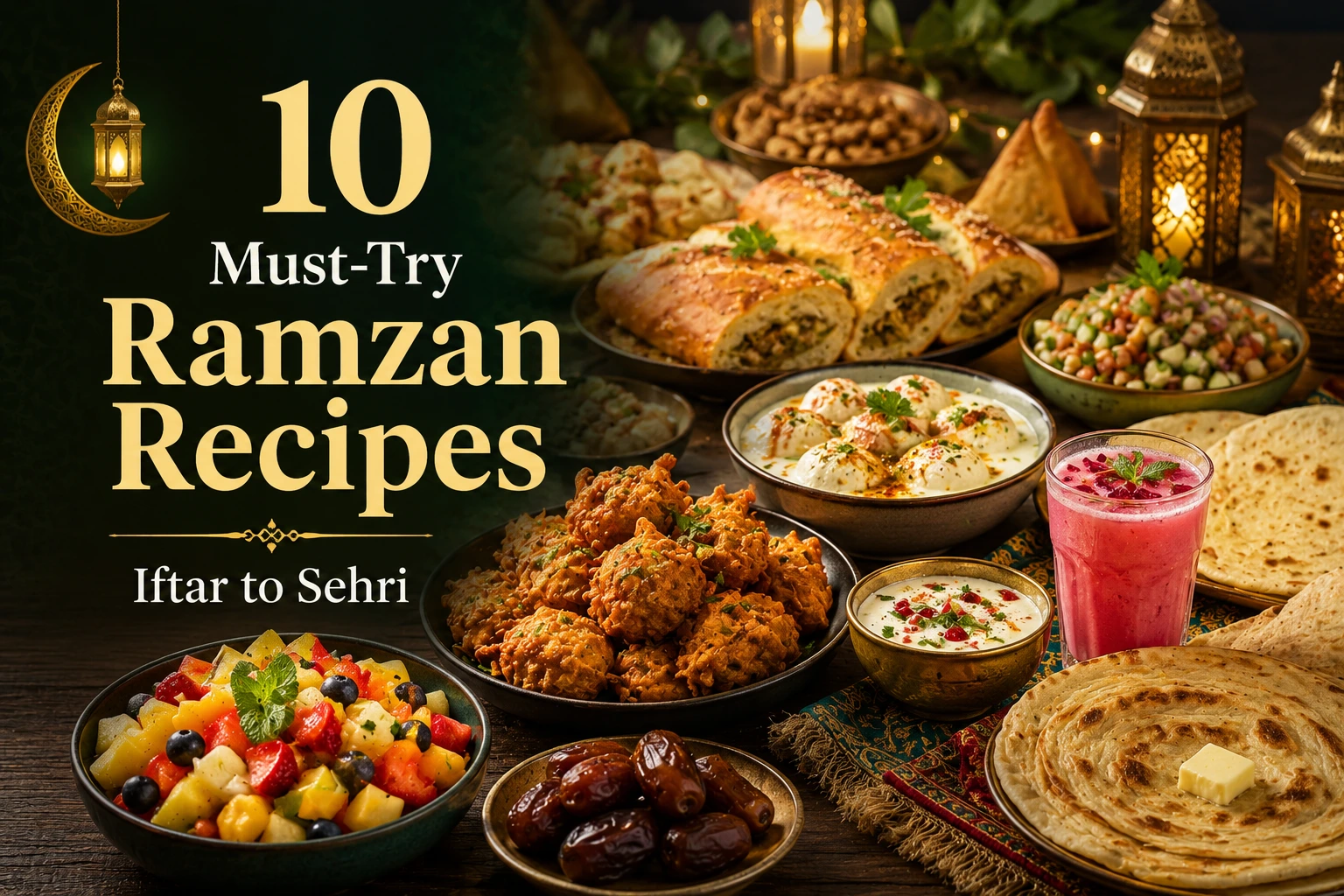
Iftar breaks the fast at sunset. Common foods include dates, water, fruit chaat, pakoras, samosas, rooh afza, dahi baray, and haleem.
Families usually keep the first plate light. A good first plate uses 2 dates, 1 cup (240 ml) water, and 1 small snack.
Eid Meals
Eid meals feel richer and slower. Families cook biryani, qorma, kebabs, sheer khurma, seviyan, kheer, and chai.
Eid food also travels between homes. Families send bowls, trays, and boxes to relatives, neighbors, and friends.
Wedding Food
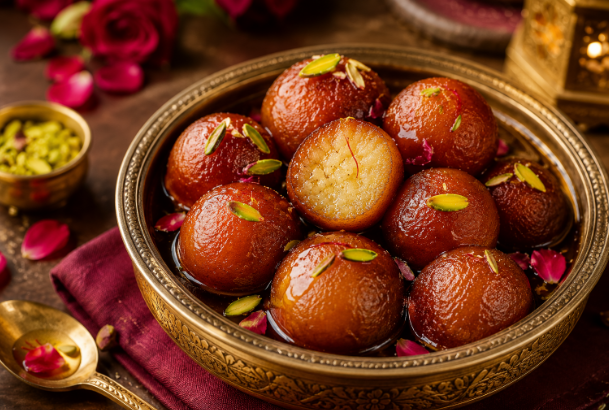
Pakistani wedding food shows abundance. Common dishes include biryani, chicken qorma, beef pulao, seekh kebab, naan, raita, salad, gulab jamun, and kheer.
A wedding buffet often uses large trays, serving spoons, table labels, and chafing dishes. A 20-inch (51 cm) tray can serve 8 to 10 guests.
What Is Pakistani Street Food Culture?
Pakistani street food culture gives affordable flavor, quick service, and city identity. Pakistani food culture explained through street food shows social life after sunset.
Popular street foods include bun kebab, chaat, gol gappay, samosa chaat, pakoras, paratha rolls, seekh kebab, jalebi, and kulfi.
Street food also teaches contrast. Chaat gives crunch, yogurt, tamarind, chili, potato, chickpeas, and spices in 1 plate.
Lahore, Karachi, Peshawar, Quetta, Multan, and Islamabad each offer recognizable street flavors. Karachi favors bun kebab and biryani. Lahore favors fish, chana, and barbecue.
How Pakistani Food Culture Explained Helps You Order Food
To order Pakistani food well, choose 1 rice dish, 1 curry, 1 grilled item, 1 bread, and 1 cooling side. This order gives balance.
For 2 people, order 1 biryani, 1 chicken karahi, 2 naan, and 1 raita. For 4 people, add seekh kebab, salad, and 1 dessert.
For 6 people, choose 2 mains, 1 rice dish, 1 grilled platter, 6 naan, 2 raita bowls, and 1 dessert tray.
You can use homemade Desi meals to compare home cooking with restaurant orders. The cost guide helps families plan everyday meals with better control.
Why Pakistani Food Culture Matters Abroad
Pakistani food abroad protects memory and identity. Pakistani food culture explained through migration shows why food stays close to families.
Pakistani families carried basmati rice, masala, tea, pickles, and recipes to the United Kingdom, Canada, the United States, the Middle East, and Europe.
Restaurants, halal butchers, grocery stores, supper clubs, and home caterers made Pakistani food visible outside Pakistan. Common dishes include biryani, nihari, karahi, kebabs, chai, and mithai.
LaGrub also gives migration stories that show how food carries memory across countries.
Common Misunderstandings About Pakistani Food Culture
Pakistani food is not one flavor, one region, or one spice level. Pakistani food culture explained clearly fixes 3 common mistakes.
Pakistani Food Is Not Always Extremely Spicy
Some dishes taste hot, and some dishes taste mild. Sindhi biryani and Karachi karahi taste spicier than sajji, rosh, and simple pulao.
Spice means aroma, warmth, color, and balance. Chili heat gives only 1 part of the flavor.
Pakistani Food Is Not Only Meat
Meat has a strong place, but everyday food also includes lentils, vegetables, yogurt, rice, bread, fruit, and pickles.
Affordable home dishes include daal chawal, aloo palak, bhindi, chana masala, lobia, and mixed sabzi.
Pakistani Food Is Not Generic South Asian Food
Pakistan shares ingredients with nearby countries, but Pakistani food has its own names, regions, habits, and memories.
Clear names matter. Lahori fish, Sindhi biryani, Peshawari chapli kebab, Balochi sajji, and Karachi bun kebab carry local identity.
What Ingredients Carry Pakistani Food Culture?
Rice, wheat, lentils, yogurt, meat, onions, tomatoes, and spices carry Pakistani food culture through daily cooking. Pakistani food culture explained through ingredients helps beginners shop with purpose.
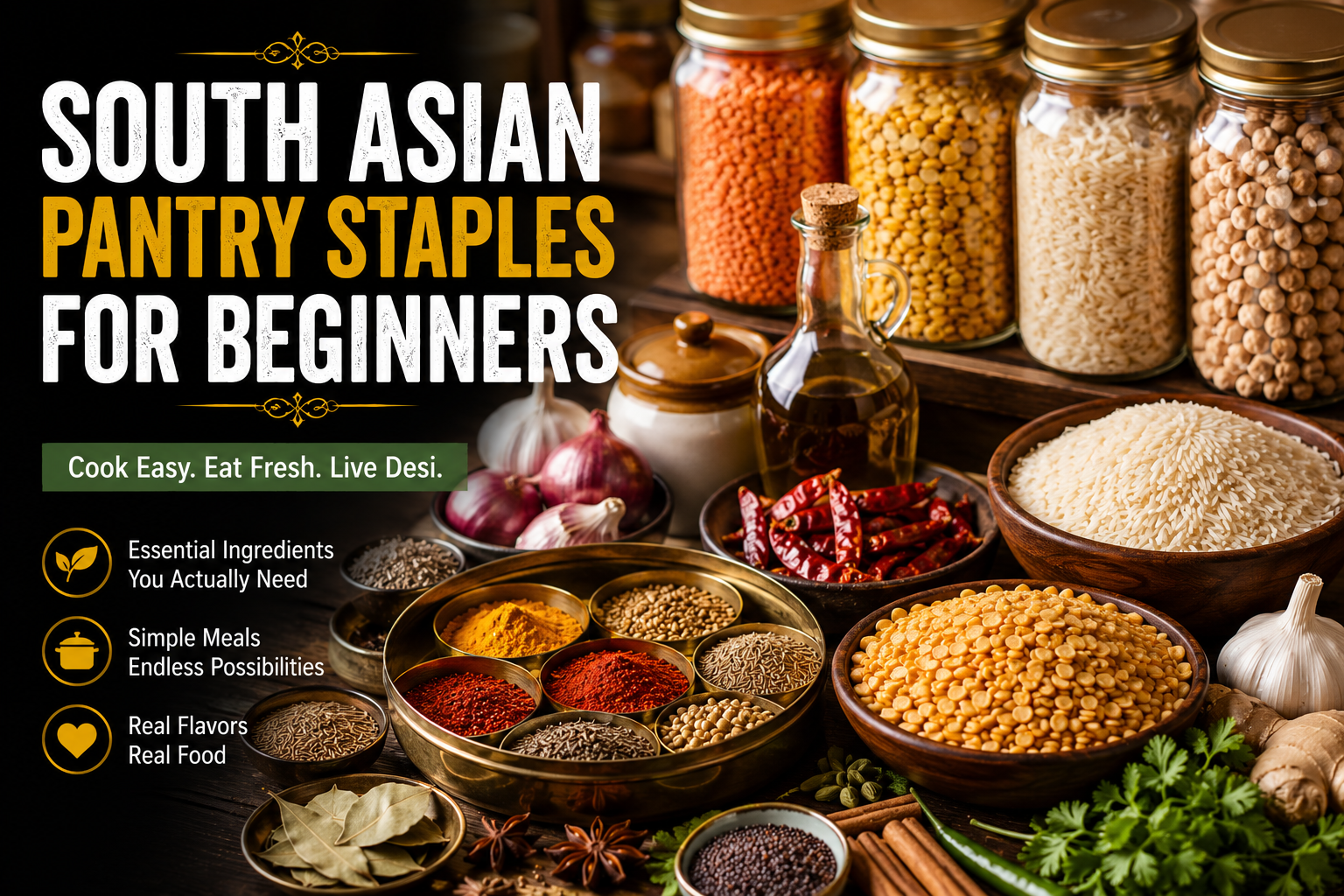
A basic Pakistani pantry starts with basmati rice, atta, masoor daal, chana daal, chickpeas, cooking oil, ghee, yogurt, and tea leaves.
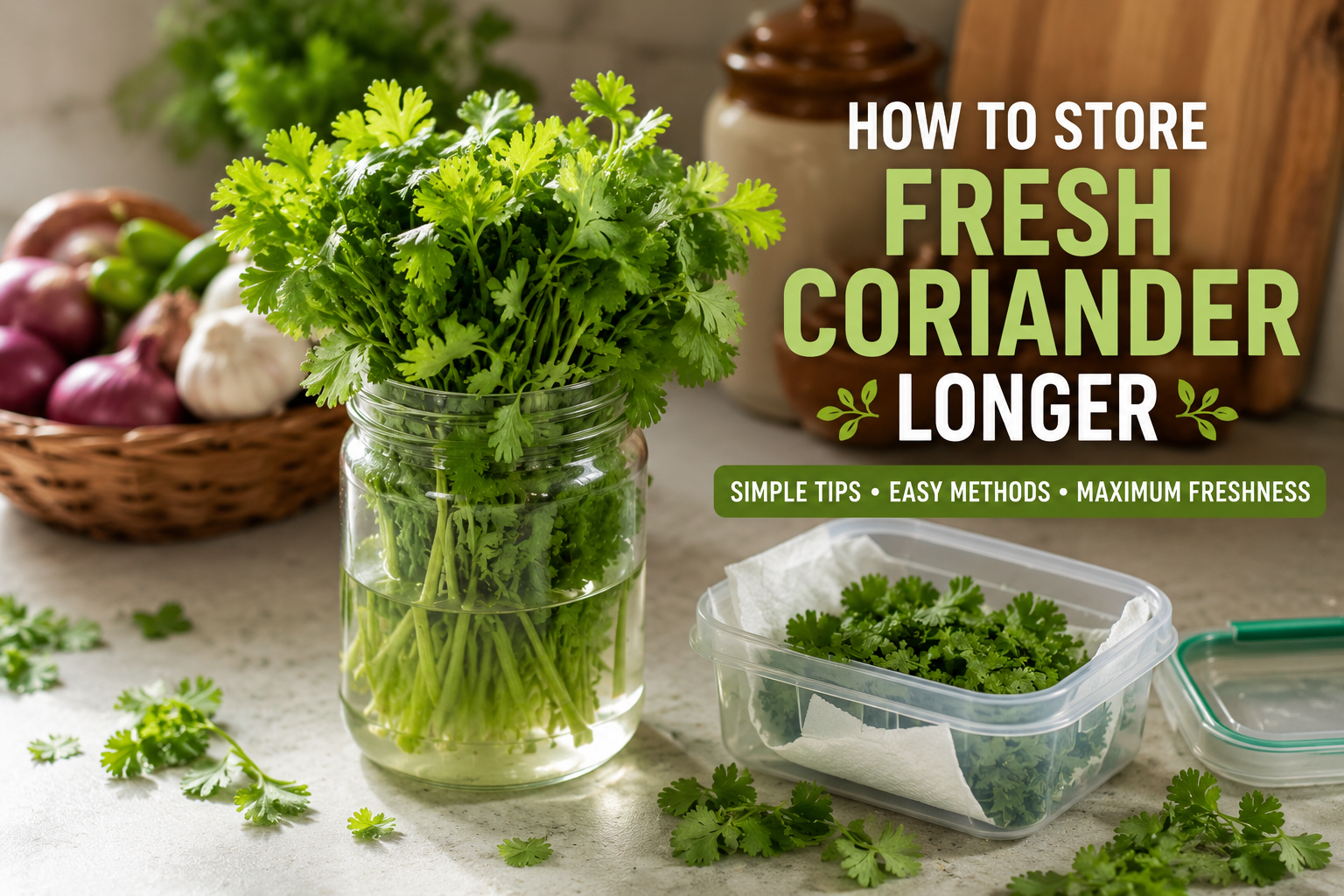
Fresh staples include onions, tomatoes, garlic, ginger, coriander, mint, green chilies, potatoes, lemons, and seasonal vegetables. Examples of seasonal vegetables include okra, cauliflower, spinach, peas, eggplant, and bottle gourd.
Spice staples include cumin, coriander, turmeric, red chili, black pepper, cloves, cardamom, cinnamon, bay leaves, and garam masala. These spices shape the aroma of curry, pulao, biryani, daal, and kebabs.
A beginner can store dry items in 16-ounce (475 ml) jars and larger items in 2-quart (1.9 L) containers. Clear storage keeps cooking faster and reduces waste.
How Food Teaches Belonging in Pakistani Homes
Food teaches belonging through repeated family habits. Pakistani food culture explained inside the home shows how children learn taste, manners, language, and care.
Children often learn cooking before reading recipes. A child watches onions turn golden, hears a tawa hiss, and smells chai before serving guests.
Family instructions use simple food language. People say add more namak, lower the flame, cover the handi, knead the atta, and bring the chai.
These small actions teach rhythm. A cook learns when masala looks ready, when rice smells done, and when roti needs turning.
Pakistani food culture explained through respect starts at the serving plate. Food also marks respect. A younger person can offer water, pass naan, pour tea, or serve an elder first. These actions turn a meal into training for care.
Pakistani food culture explained through home habits gives the cuisine emotional depth. Recipes feed the body, but repeated meals teach belonging.
How to Explain Pakistani Food Culture to Guests
To explain Pakistani food culture to guests, start with hospitality, then explain regions, daily meals, and favorite dishes. Keep the explanation short and practical.
Tell guests that Pakistani food culture values sharing. Food often arrives in the center, and each person takes rice, bread, curry, salad, and raita.
Explain 4 dish groups. Rice dishes include biryani and pulao. Breads include roti and naan. Mains include karahi and daal. Sides include raita and achar.
Then explain spice level. Pakistani food can taste mild, medium, or hot. Mild examples include pulao and sajji. Medium examples include daal and qorma. Hot examples include Karachi biryani and spicy karahi.
Pakistani food culture explained to guests should avoid stereotypes. The cuisine has meat dishes, vegetarian dishes, seafood dishes, bread dishes, rice dishes, and sweets.
Pakistani food culture explained for guests should end with a serving rule. End with a serving rule. Offer 1 small spoon of every dish first, then let guests return for the strongest flavors.
FAQs About Pakistani Food Culture
Is Pakistani food culture based on hospitality?
Yes. Hospitality shapes Pakistani food culture through tea, shared meals, guest servings, wedding feasts, and family tables.
Is Pakistani food always spicy?
No. Pakistani food uses spice for flavor, not only heat. Karahi, biryani, sajji, daal, and pulao have different heat levels.
What are 5 famous Pakistani dishes?
5 famous Pakistani dishes are biryani, nihari, chicken karahi, haleem, and chapli kebab. These dishes show rice, stew, curry, and grill traditions.
What do Pakistani families eat daily?
Pakistani families often eat roti, rice, daal, vegetables, curry, yogurt, salad, and chai. Daily meals change by budget, region, and season.
Is Pakistani food culture different from Indian food culture?
Yes. Pakistani food culture has separate regional, halal, meat, street food, and diaspora identities, although both cuisines share history.
Final Takeaway: Pakistani Food Culture Explained in One Plate
Pakistani food culture explained in one plate means rice or bread, a flavorful main, a cooling side, fresh salad, and warm hospitality. The food carries region, faith, family, and memory.
Start with simple dishes such as daal chawal, chicken karahi, biryani, roti, raita, and chai. Then learn the stories behind regions, festivals, and home habits.
Read Pakistani diaspora food next, then explore LaGrub recipes and food stories with clearer cooking steps.

Sahar Syed
Sahar Syed writes for Lagrub on cooking, recipes, and mindful culinary living.
Join the Conversation
Log in to read and share comments, recipes tips, and connect with other food lovers.