

To learn how to make kheer Pakistani style, simmer full-fat milk, soft rice, sugar, and cardamom over low heat until the mixture coats a spoon.
To learn how to make kheer Pakistani style, simmer full-fat milk, soft rice, sugar, and cardamom until creamy. Use low heat, frequent stirring, and a wide steel pot for reliable results.
Pakistani kheer tastes rich because slow cooking reduces milk and releases starch from rice. The finished dessert should coat a spoon without forming a solid paste.
This recipe serves 8 people and uses accessible ingredients. You can serve the finished kheer warm, chilled, plain, or garnished.
How to Make Kheer Pakistani Style: Quick Answer
To make kheer Pakistani style, cook 1/3 cup (65g) rice with 6 cups (1.42L) full-fat milk. Add 1/2 cup (100g) sugar after the milk thickens.
Simmer the mixture for 75–90 minutes on low heat. Stir every 5 minutes, then stir continuously during the final 15 minutes.
Learning how to make kheer Pakistani style becomes easier when you judge texture instead of watching only the clock. The kheer should fall slowly from a spoon.
| Task | Timing | Method | Difficulty |
|---|---|---|---|
| Rinse and soak rice | 20 minutes | Cold water | Easy |
| Heat milk | 10 minutes | Medium heat | Easy |
| Cook rice in milk | 60–75 minutes | Low simmer | Moderate |
| Sweeten and finish | 10–15 minutes | Frequent stirring | Moderate |
| Cool and chill | 4 hours | Refrigeration | Easy |
What Makes Pakistani Kheer Different?
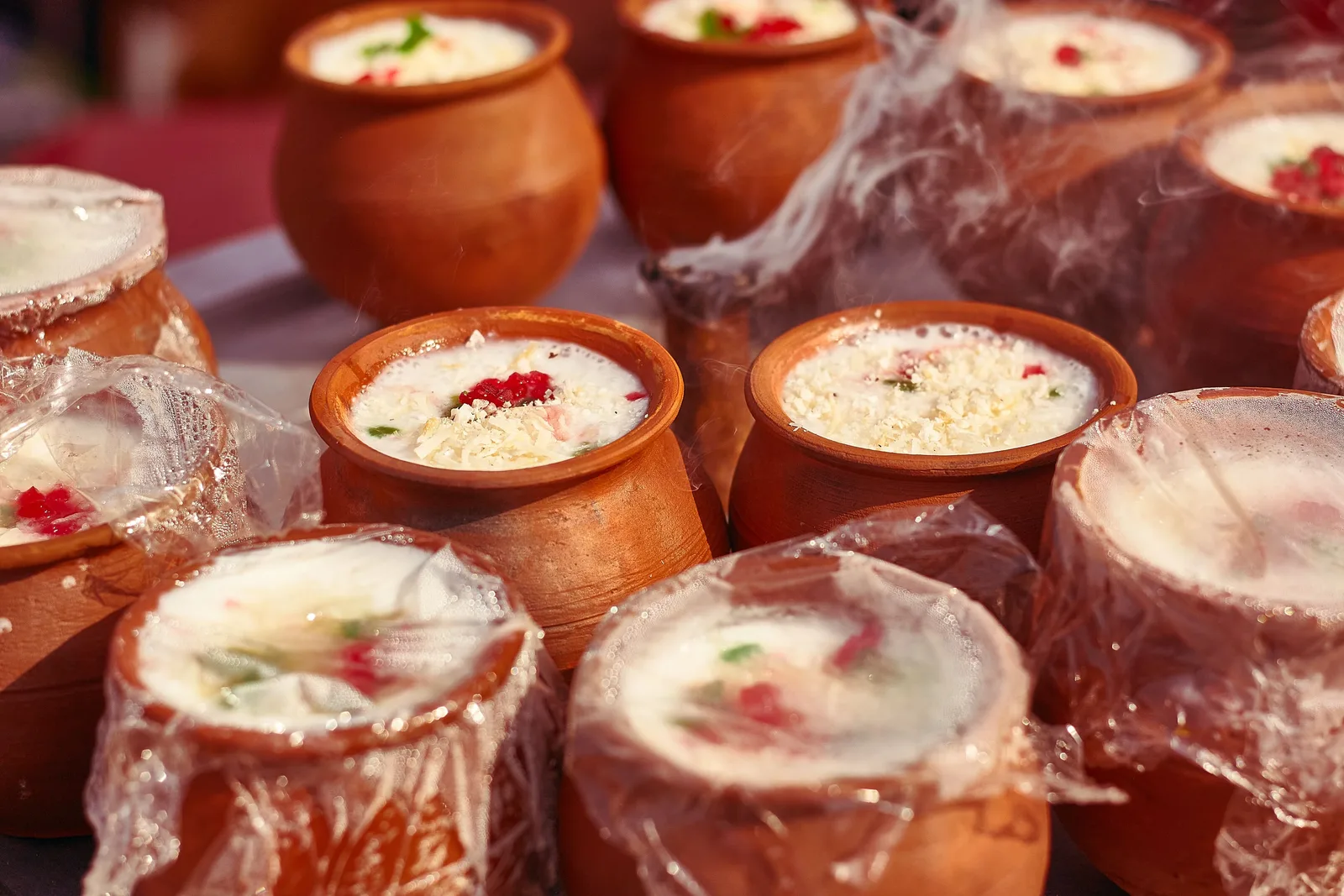 pakistani kheer
Pakistani kheer uses slow milk reduction, soft rice, cardamom, and restrained garnishes. Pakistani families often serve kheer during Eid, Ramadan, weddings, and family dinners.
A traditional Pakistani kheer recipe usually creates a thicker result than many Western rice puddings. The rice partly dissolves and thickens the milk naturally.
Pakistani cooks use 3 common methods. Some cooks add rinsed raw rice directly. Other cooks pre-boil and mash rice. Some cooks soak rice for 8 hours.
Each method works when you control heat and liquid. Raw rice gives distinct grains. Mashed rice gives smoother kheer. Soaked rice shortens softening time.
How to make kheer Pakistani style depends on your preferred texture and available cooking time.
Learning how to make kheer Pakistani style does not require cream or condensed milk. Full-fat milk develops enough body through patient reduction.
Which Method Should You Choose for Pakistani Kheer?
Choose the raw-rice method for traditional texture, the mashed-rice method for speed, or condensed milk for faster richness. Each method changes cooking time and mouthfeel.
When Should You Use the Raw-Rice Method?
Use the raw-rice method when you want distinct, soft grains and slow milk reduction. Add rinsed rice directly after the milk simmers.
Learning how to make kheer Pakistani style with raw rice requires 75–90 minutes. The longer simmer creates a clean dairy flavor.
Stir every 5 minutes during the first hour. Stir every 2 minutes after the mixture starts coating the spatula.
When Should You Use the Mashed-Rice Method?
Use the mashed-rice method when you want smoother kheer in less time. Boil rice separately for 10–12 minutes.
Mash the drained rice until the grains resemble coarse oatmeal. Add the rice to simmering milk and cook for 60 minutes.
Learning how to make kheer Pakistani style with mashed rice gives consistent thickness. The method also reduces hard rice centers.
When Should You Use Condensed Milk?
Use condensed milk when you need stronger milk solids without 90 minutes of reduction. Add condensed milk after the rice softens.
Learning how to make kheer Pakistani style with condensed milk requires careful sweetness control. Taste the mixture before adding sugar.
Choose one method before cooking. Mixing every shortcut can produce excessive sweetness, dense texture, and hidden cardamom flavor.
Which Ingredient Substitutions Work in Pakistani Kheer?
 kheer
kheer
Use practical substitutions only when each replacement preserves milk richness, rice starch, or fragrance. Thin milk and instant thickeners change traditional texture.
Replace basmati rice with medium-grain rice at the same 1/3 cup (65g) quantity. Medium-grain rice creates a softer, starchier result.
Replace whole milk with lactose-free whole milk using the same 6 cups (1.42L). Lactose-free milk tastes sweeter after reduction.
Learning how to make kheer Pakistani style with plant milk needs extra care. Oat milk gives more body than almond milk.
Use 5 cups (1.18L) oat milk and 1 cup (240ml) coconut milk for a dairy-free version. Simmer gently to prevent separation.
Replace pistachios with cashews or blanched almonds. Replace rose water with 1/2 teaspoon (2.5ml) kewra water.
Learning how to make kheer Pakistani style does not require expensive garnish. Cardamom, milk, rice, and sugar provide the core flavor.
Which Ingredients Make Pakistani Kheer Thick and Creamy?
Full-fat milk, basmati rice, sugar, and green cardamom create the essential recipe. Nuts, saffron, rose water, and kewra add optional flavor.
Which Rice Works Best for Pakistani Kheer?
Basmati rice gives a fragrant taste and soft texture. Use 1/3 cup (65g) aged basmati rice for 6 cups (1.42L) milk.
Rinse the rice 3 times until the water looks clearer. Soak the rice for 20 minutes, then drain the rice completely.
Break each grain lightly between your fingers after soaking. Smaller pieces release more starch and create a cohesive texture.
Which Milk Creates the Creamiest Kheer?
Full-fat whole milk creates the most balanced traditional result. Use milk with at least 3.25% fat for dependable richness.
Choose a wide 10-inch (25cm) stainless-steel pot with a heavy base. A wide surface speeds evaporation and reduces cooking time.
Learning how to make kheer Pakistani style requires careful milk reduction. Low-fat milk produces a lighter texture and needs longer cooking.
Which Aromatics and Garnishes Suit Kheer?
Use 5 lightly crushed green cardamom pods. Add 1 teaspoon (5ml) rose water or kewra after cooking.
Add 2 tablespoons (16g) sliced almonds and 2 tablespoons (16g) pistachios for garnish. Add 8 saffron strands for color.
Keep each garnish restrained. Excess rose water, kewra, cloves, or saffron can cover the milk and cardamom flavors.
How to Make Kheer Pakistani Style Step by Step
To make kheer Pakistani style step by step, prepare the rice first and reduce the milk slowly. Add sugar only after the rice softens.
How to Prepare the Rice for Kheer
To prepare the rice for kheer, rinse 1/3 cup (65g) basmati rice 3 times. Soak the rice for 20 minutes.
Drain the rice, then crush each grain lightly with clean fingers. The rice should look broken, not powdered.
For a smoother dessert, boil the rice in 2 cups (475ml) water for 10 minutes. Drain and mash the rice before adding milk.
How to Reduce the Milk Without Burning
To reduce the milk safely, rinse the pot with cold water first. Leave a thin water film inside the pot.
Pour 6 cups (1.42L) full-fat milk into the pot. Bring the milk to a gentle simmer over medium heat.
Add 5 crushed cardamom pods. Reduce the heat when small bubbles appear around the edge.
Stir the base every 3–5 minutes with a flat silicone spatula. Scrape the bottom gently without mixing browned solids from the sides.
How to Cook Rice in the Milk
To cook rice in the milk, add the drained rice after the milk reaches a gentle simmer. Stir for 30 seconds.
Cook uncovered on low heat for 60–75 minutes. Keep the surface moving with small bubbles, not a rolling boil.
Press several grains against the pot after 45 minutes. The rice should mash easily without a firm center.
Learning how to make kheer Pakistani style requires patience during reduction. High heat can scorch milk before rice softens.
How to Sweeten and Finish Kheer
To sweeten the kheer, add 1/2 cup (100g) granulated sugar after the rice becomes soft. Stir until the sugar dissolves.
Cook for another 10–15 minutes. Stir continuously during the final stage because sugar increases sticking.
Add 1/4 teaspoon (1.5g) salt. Add 1 teaspoon (5ml) rose water or kewra after removing the pot.
Stop cooking when the kheer coats the spatula. A finger drawn across the coating should leave a clean line.
The completed kheer will thicken during cooling. Pour the kheer while the mixture still moves slowly and freely.
How to Chill and Garnish Kheer
To chill the kheer, divide the dessert between 8 bowls. Cool the bowls for 30 minutes at room temperature.
Cover each bowl and refrigerate for at least 4 hours. Garnish with almonds, pistachios, saffron, or dried rose petals.
Learning how to make kheer Pakistani style includes planning the final texture. Overnight chilling creates a thicker, restaurant-style finish.
How to Make Kheer Pakistani Style Without Condensed Milk
To make kheer Pakistani style without condensed milk, reduce full-fat milk until the rice starch creates body. Add granulated sugar near the end.
The traditional method gives you direct control over sweetness and texture. The milk also develops a deeper cooked flavor during reduction.
Use 6 cups (1.42L) milk, 1/3 cup (65g) rice, and 1/2 cup (100g) sugar. Cook the mixture for 75–90 minutes.
Learning how to make kheer Pakistani style without condensed milk requires a steady low flame. Frequent stirring protects the milk proteins.
Add 2 tablespoons (30ml) cream only when you want extra richness. Cream should support the milk, not replace proper reduction.
How to Make Kheer Pakistani Style With Condensed Milk
To make kheer Pakistani style with condensed milk, reduce the sugar and add condensed milk after the rice softens. Condensed milk shortens finishing time.
Use 5 cups (1.18L) full-fat milk, 1/3 cup (65g) rice, and 1/2 cup (150g) sweetened condensed milk. Omit sugar initially.
Cook the milk and rice for 60–70 minutes. Add condensed milk, then simmer for 10 minutes.
Taste the kheer before adding extra sugar. Condensed milk contributes concentrated sweetness and milk solids.
Learning how to make kheer Pakistani style with condensed milk helps busy cooks. The shortcut creates a rich dessert with less reduction.
The traditional method produces a cleaner milk flavor. The condensed-milk method produces a sweeter and denser result.
How to Control Kheer Texture and Prevent Burning
 pakistani kheer
To control kheer texture and prevent burning, manage heat, pan shape, stirring frequency, and stopping time. Each factor changes the final texture.
How to Prevent Kheer from Sticking
To prevent kheer from sticking, use a heavy steel pot and a low flame. Stir the base with a flat spatula.
Keep a heat diffuser under a thin pot. A diffuser spreads heat and protects the milk from concentrated burner contact.
Learning how to make kheer Pakistani style becomes safer with a wide pot. A narrow pot traps heat and slows evaporation.
How to Fix Watery Kheer
To fix watery kheer, simmer the mixture uncovered for another 10–20 minutes. Stir every 2 minutes during reduction.
Mash 2 tablespoons (30g) cooked rice against the pot. The released starch thickens the milk without changing flavor.
Do not add cornstarch to traditional kheer. Cornstarch creates a custard texture instead of a rice-thickened texture.
How to make kheer Pakistani style relies on rice starch, milk reduction, and controlled evaporation.
How to Fix Overly Thick Kheer
To fix overly thick kheer, warm 1/4 cup (60ml) milk separately. Stir the warm milk into the kheer gradually.
Add only 1 tablespoon (15ml) milk at a time. Chilled kheer loosens quickly when warmed.
How to Rescue Lightly Scorched Kheer
To rescue lightly scorched kheer, stop stirring immediately. Pour the upper mixture into a clean pot without scraping the base.
Add 2 crushed cardamom pods and 2 tablespoons (30ml) fresh milk. Simmer gently for 3 minutes.
Discard deeply burned kheer. Strong smoke flavor spreads through the entire dessert and remains after chilling.
How to Serve and Store Pakistani Kheer
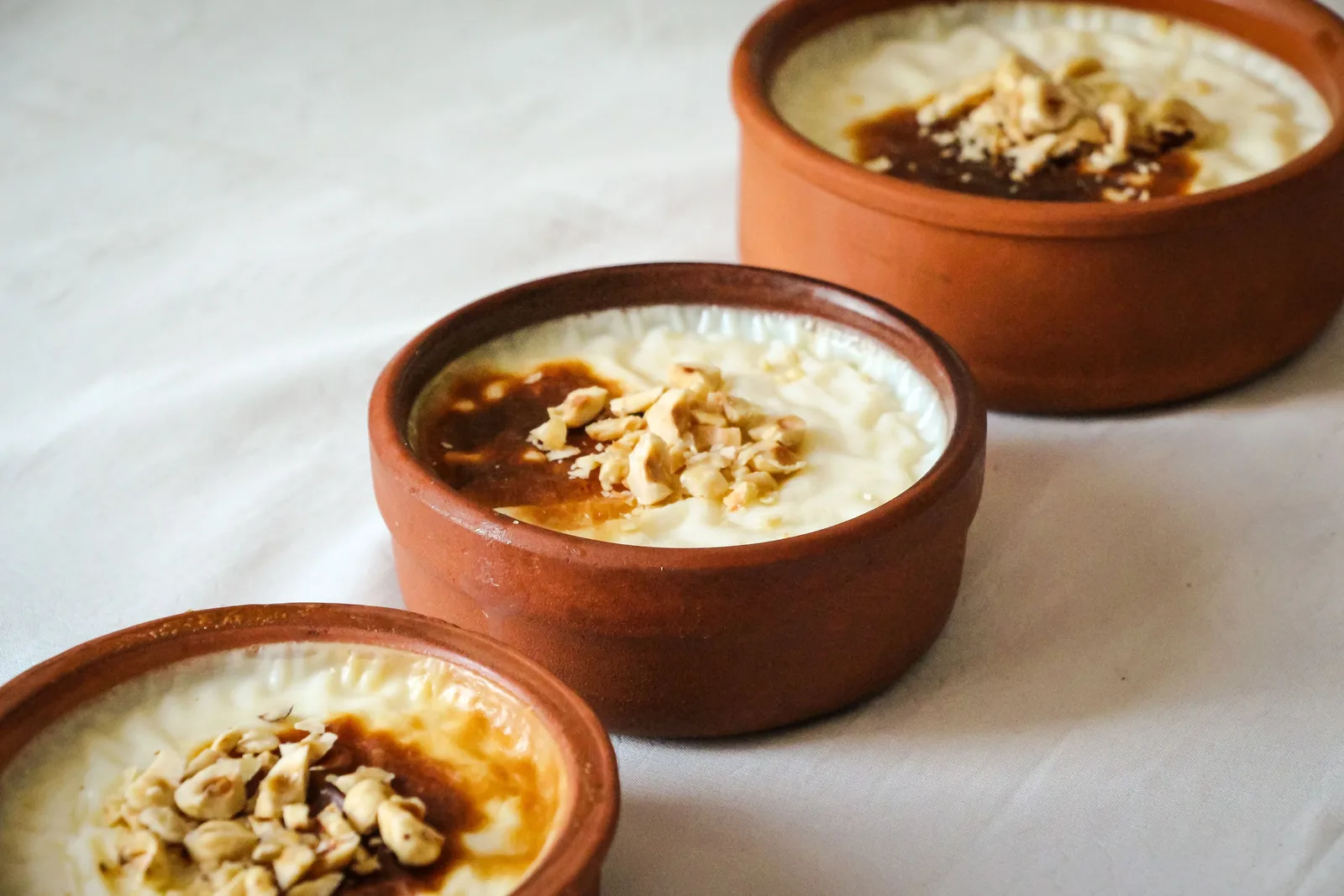
To serve and store Pakistani kheer, choose warm service for softness or chilled service for firmness. Clay bowls add traditional presentation.
How to Serve Kheer for Guests
To serve kheer for guests, use 6-ounce (180ml) bowls. Fill each bowl to about 5 ounces (150ml).
Garnish one side with sliced pistachios and almonds. Add 2 saffron strands or 3 dried rose petals per bowl.
Pair kheer with warm masala chai after dinner. Chai balances the dessert with black tea and spice.
For a larger dessert table, add classic shahi tukray. Both desserts share milk, cardamom, and nut flavors.
How Long Does Kheer Last?
Store kheer in an airtight container for 3 days at 40°F (4°C) or colder. Cool the kheer before sealing.
Do not leave milk kheer above 40°F (4°C) for more than 2 hours. Return serving bowls to refrigeration promptly.
Learning how to make kheer Pakistani style also requires safe storage. Use a clean spoon for every serving.
Can You Freeze Pakistani Kheer?
Yes, you can freeze kheer for 1 month. Freezing can separate milk and soften rice further.
Freeze the kheer without nuts or rose petals. Thaw the container overnight at 40°F (4°C).
How to make kheer Pakistani style for freezing requires a slightly looser finishing texture.
Warm the thawed kheer gently and whisk slowly. Add 2 tablespoons (30ml) milk when the texture looks grainy.
What Is the Difference Between Kheer and Phirni?
Kheer uses whole or broken rice, while phirni uses finely ground rice. Kheer can taste textured, while phirni feels smoother.
Cooks usually chill phirni in small clay bowls. You can serve kheer warm or chilled.
Learning how to make kheer Pakistani style keeps some rice texture. Grinding the rice completely moves the dessert closer to phirni.
Kheer also allows longer rice grains, mashed rice, or broken rice. Phirni depends on a consistent ground-rice paste.
Frequently Asked Questions
Should I soak rice before making Pakistani kheer?
Yes, soak rice for 20 minutes for reliable softening. An 8-hour soak works for faster breakdown but remains optional.
Can I make Pakistani kheer without cream?
Yes. Full-fat milk and rice create enough richness after 75–90 minutes of slow cooking.
When should I add sugar to kheer?
Add sugar after the rice softens and the milk reduces. Early sugar addition can slow rice softening and increase sticking.
Why does kheer become thicker after chilling?
Rice starch continues absorbing liquid during cooling. Milk fat also firms at refrigerator temperature.
Can I double this Pakistani kheer recipe?
Yes. Use a 6-quart (5.7L) pot and double every ingredient. Expect 20–30 extra cooking minutes.
Make Pakistani Kheer with Confidence
How to make kheer Pakistani style becomes simple when you control 4 points: milk, rice, heat, and texture.
Start with the traditional recipe before testing condensed milk, cream, saffron, rose water, or almond paste. Each addition should support the milk.
Serve the finished dessert after a family meal, during Eid, or beside other Pakistani dessert traditions. Explore LaGrub and prepare your next homemade dessert.

Sahar Syed
Sahar Syed writes practical recipes, approachable food guides, and comforting home-cooking ideas for LaGrub.
Get a desi recipe worth cooking, every week
One tested recipe a week. Nothing else, and unsubscribe any time.


